Arc de Triomf, Barcelona
-
Neo-Mudéjar 90%
-
Eclecticism 85%
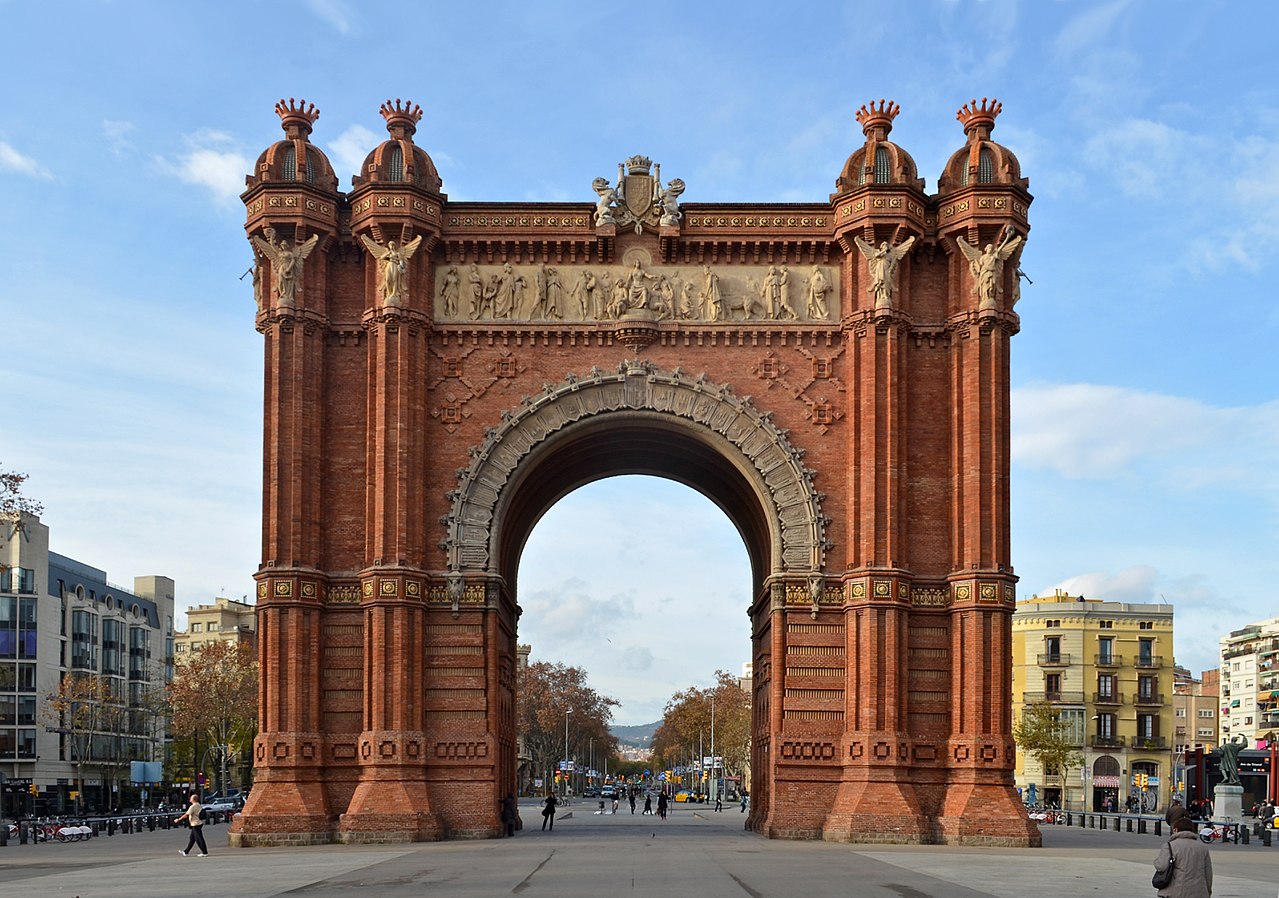
The Arc de Triomf is a triumphal arch designed as the main entrance to the 1888 Barcelona World Fair. Its architectural significance lies in its unique blend of Moorish Revival and Neo-Mudéjar styles, showcasing the eclectic nature of 19th-century architecture in Spain.
Architectural Styles
Neo-Mudéjar
90%The Neo-Mudéjar style is characterized by its brickwork, decorative tile patterns, and intricate detailing reminiscent of Moorish architecture. In the Arc de Triomf, the use of red bricks, decorative reliefs, and arches reflect these historical influences, creating a fusion that stands out in the urban landscape.
- Red brick construction
- Decorative relief sculptures
- Elaborate arches
- Moorish motifs
- Vibrant tile patterns
Eclecticism
85%Eclecticism in architecture is showcased through the combination of various styles and influences. The Arc de Triomf incorporates elements from Gothic and Renaissance traditions, blending them harmoniously with Moorish design, resulting in a visually striking and culturally rich structure.
- Mix of Gothic and Renaissance features
- Elaborate columns
- Diverse ornamental details
- Symbolic sculptures
- Dynamic forms
Notable Features
- Sculptural group depicting Peace and Industry on the frieze
- Corner towers adorned with mythical figures
- Intricate brickwork patterning
- Central archway that serves as a passage
- Prominent placement within the city landscape
Historical Context
Built for the 1888 Universal Exposition in Barcelona, the Arc de Triomf was intended to symbolize a new era of peace and prosperity in Spain. It represents the transition of Spanish architecture into a more democratic and eclectic expression, while also serving as an iconic city landmark that attracts visitors for its historical significance.
Fun Facts
- The arch is made entirely of red brick without the use of stone.
- It was originally designed to be an entrance to the fair, but it has become a symbol of the city.
- The Arc de Triomf is decorated with allegorical sculptures representing different regions and industries.
Frequently Asked Questions
What architectural style is Arc de Triomf?
Arc de Triomf is primarily Neo-Mudéjar architecture (90% confidence), with elements of Eclecticism. The Neo-Mudéjar style is characterized by its brickwork, decorative tile patterns, and intricate detailing reminiscent of Moorish architecture. In the Arc de Triomf, the use of red bricks, decorative reliefs, and arches reflect these historical influences, creating a fusion that stands out in the urban landscape.
When was Arc de Triomf built?
Arc de Triomf dates from 1888.
Who designed Arc de Triomf?
Arc de Triomf was designed by Josep Vilaseca i Casanovas.
Where is Arc de Triomf located?
Arc de Triomf is located at Passeig de Lluís Companys, 08003 Barcelona, Spain.
What are the notable features of Arc de Triomf?
Notable features include sculptural group depicting peace and industry on the frieze, corner towers adorned with mythical figures, intricate brickwork patterning, central archway that serves as a passage, and prominent placement within the city landscape.
Similar Style Buildings
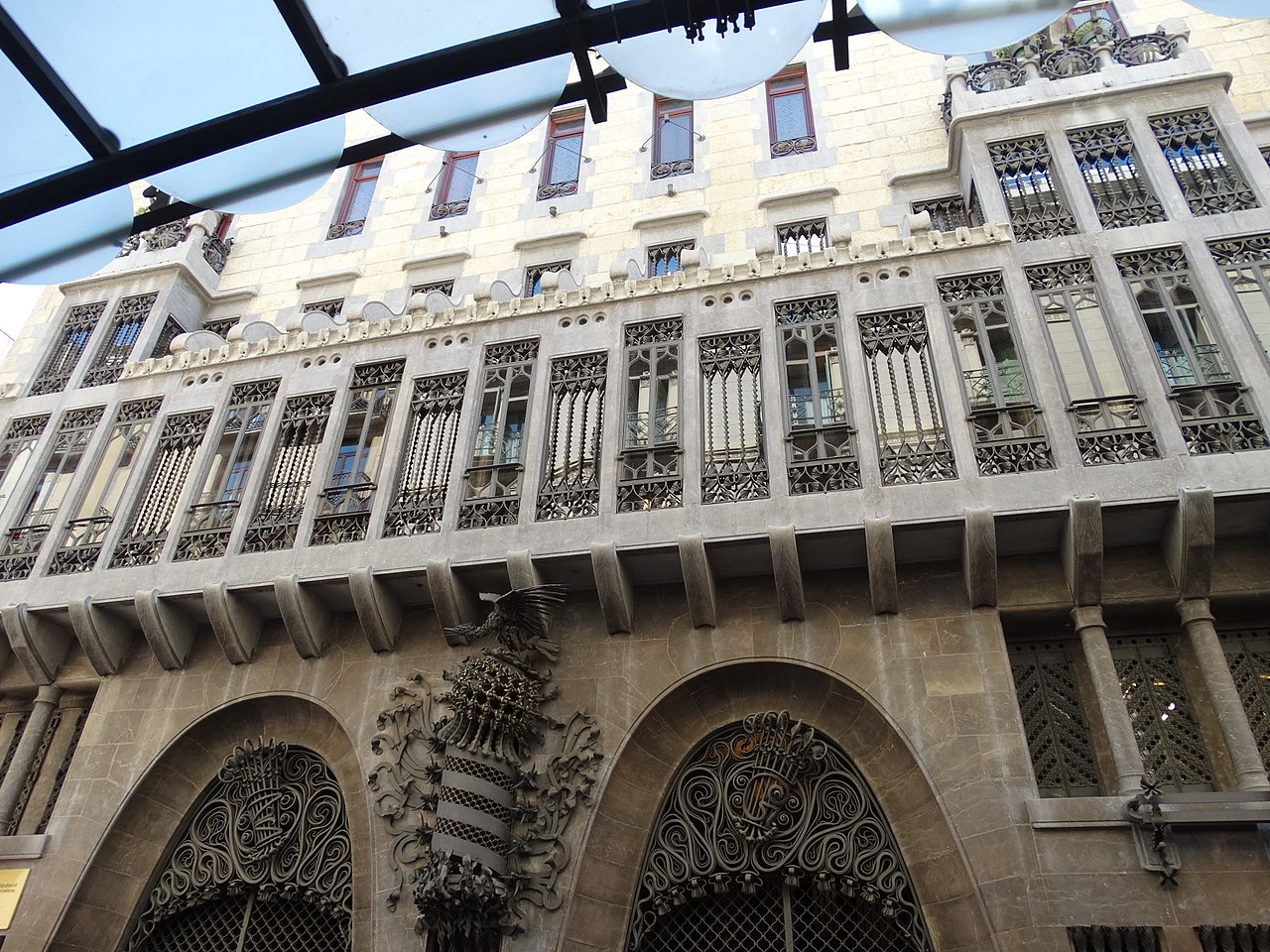
Palau Güell
Art Nouveau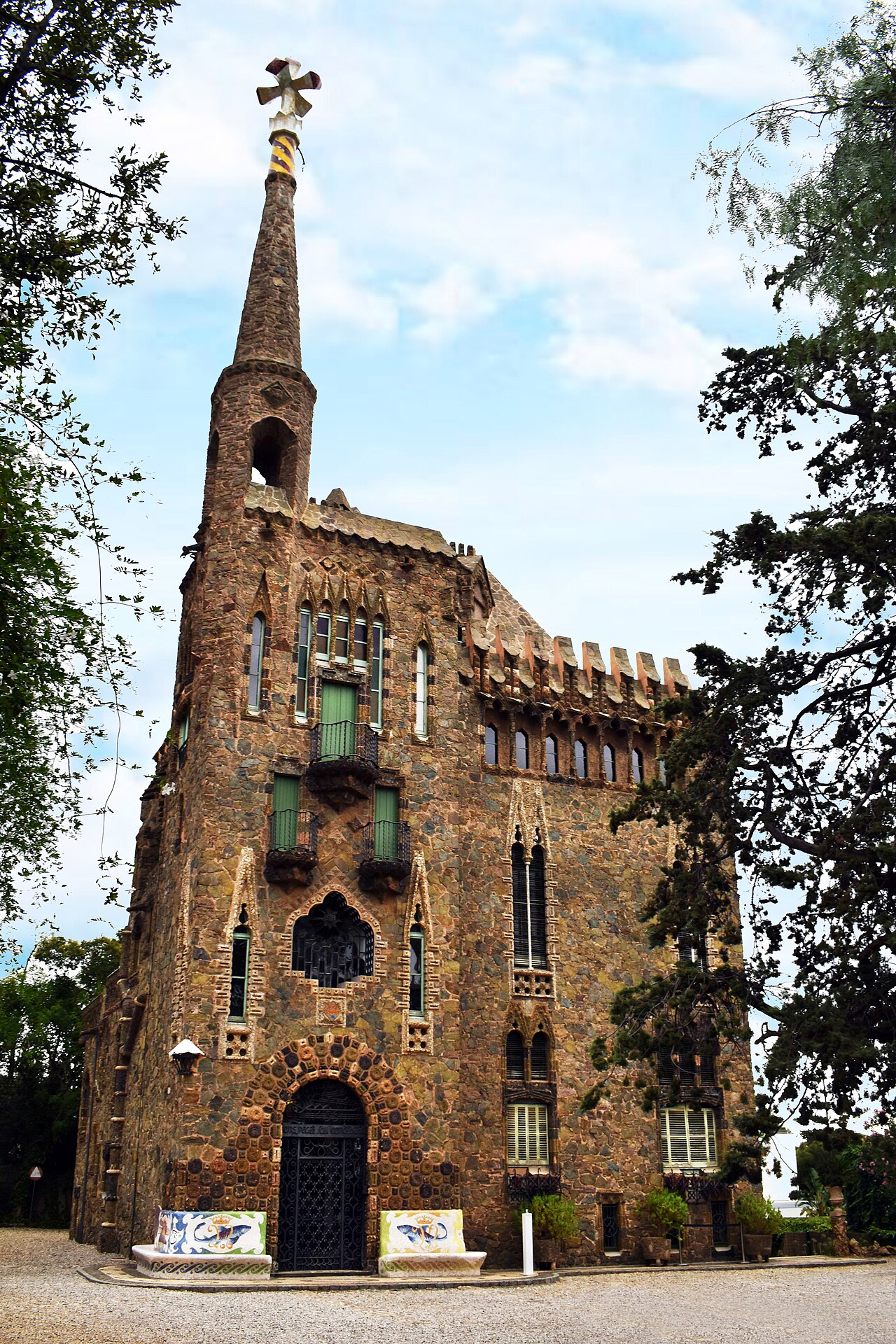
Torre Bellesguard
Gothic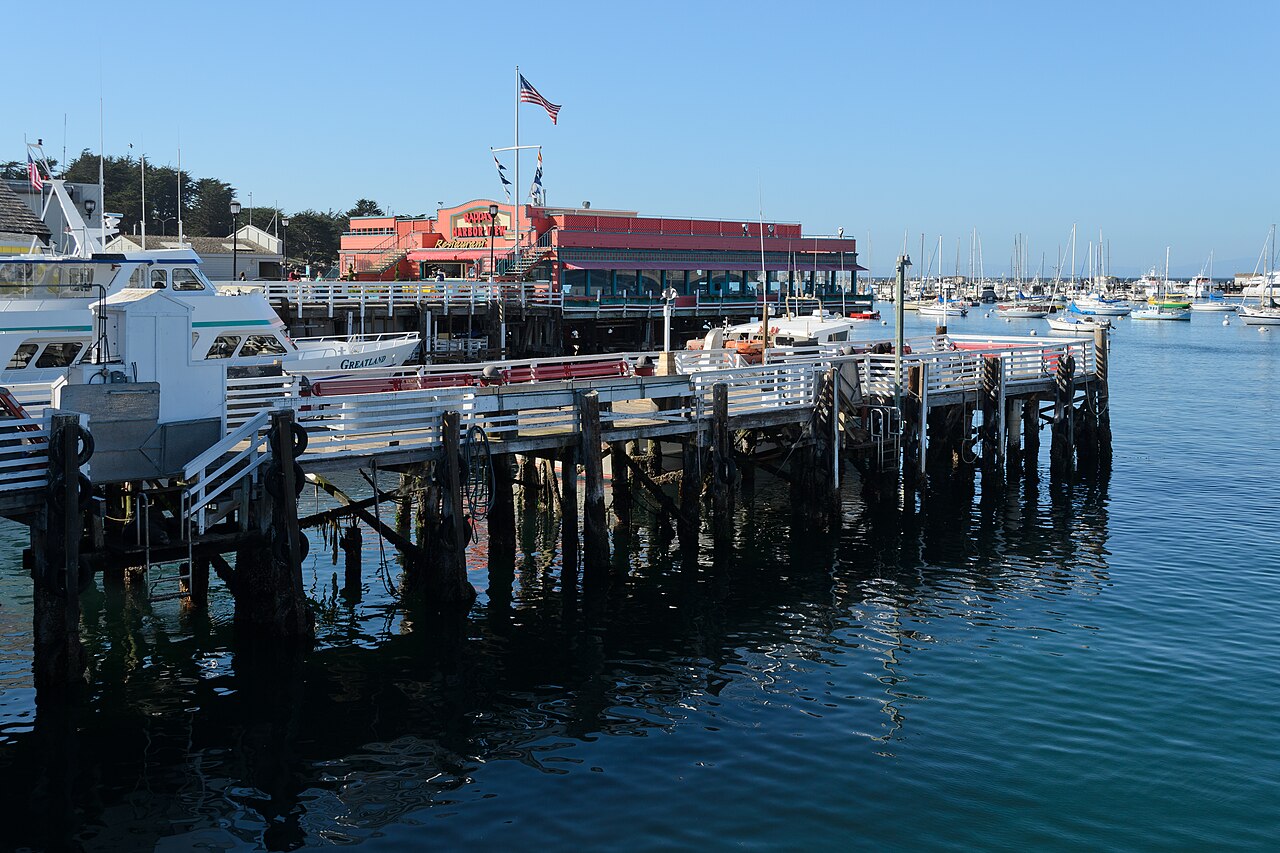
Fishermans Wharf
Eclectic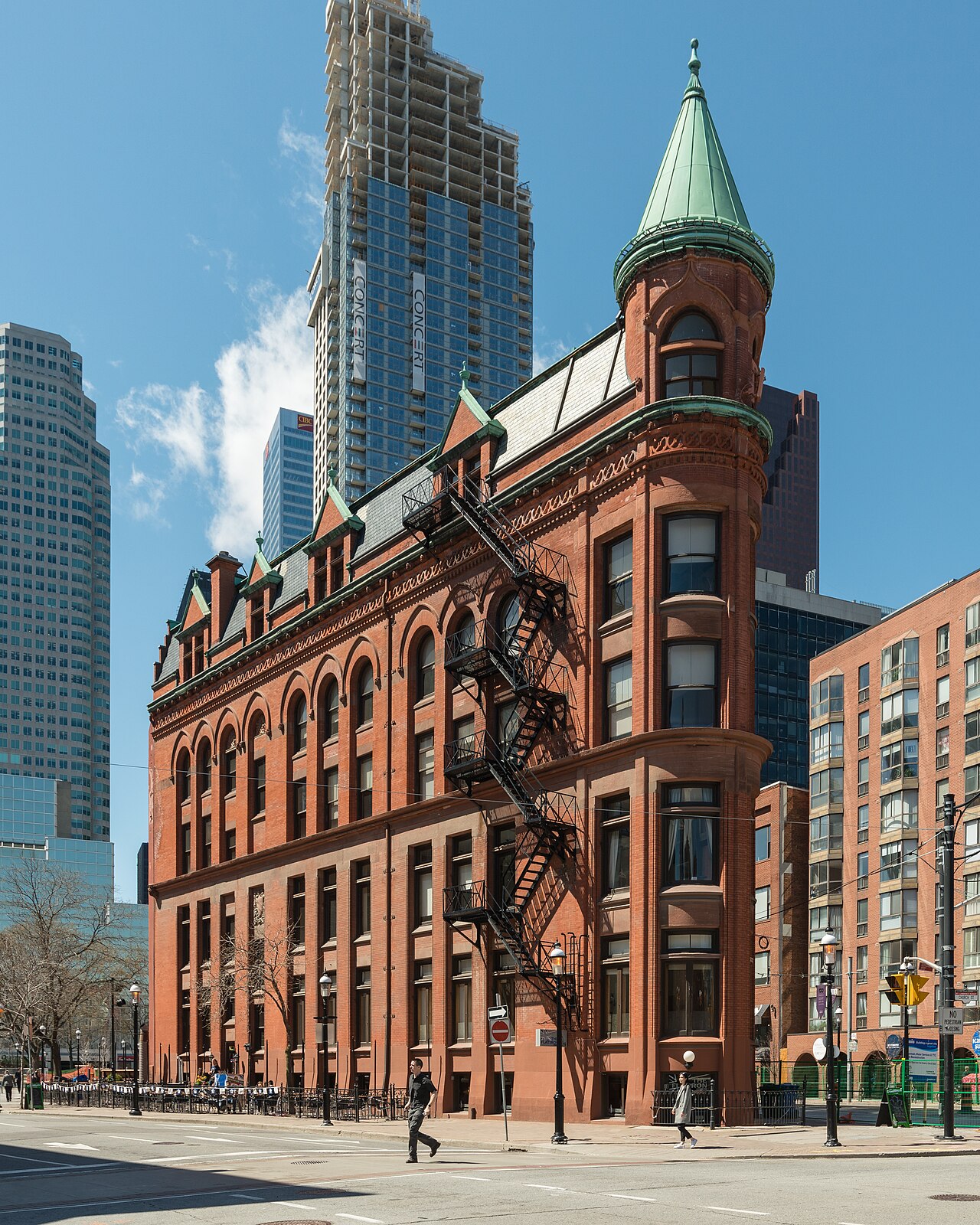
Gooderham Building
Romanesque Revival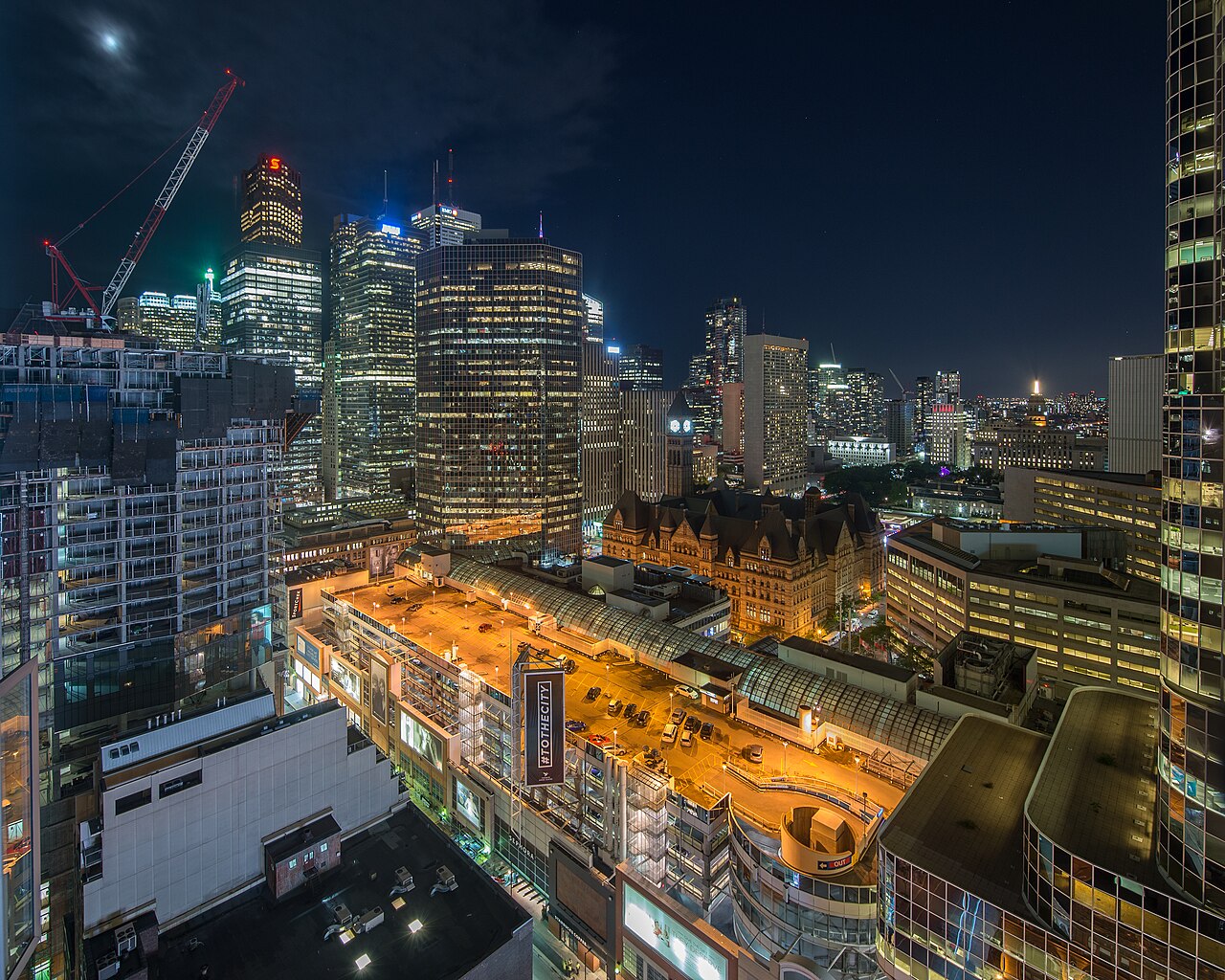
Old City Hall
Romanesque Revival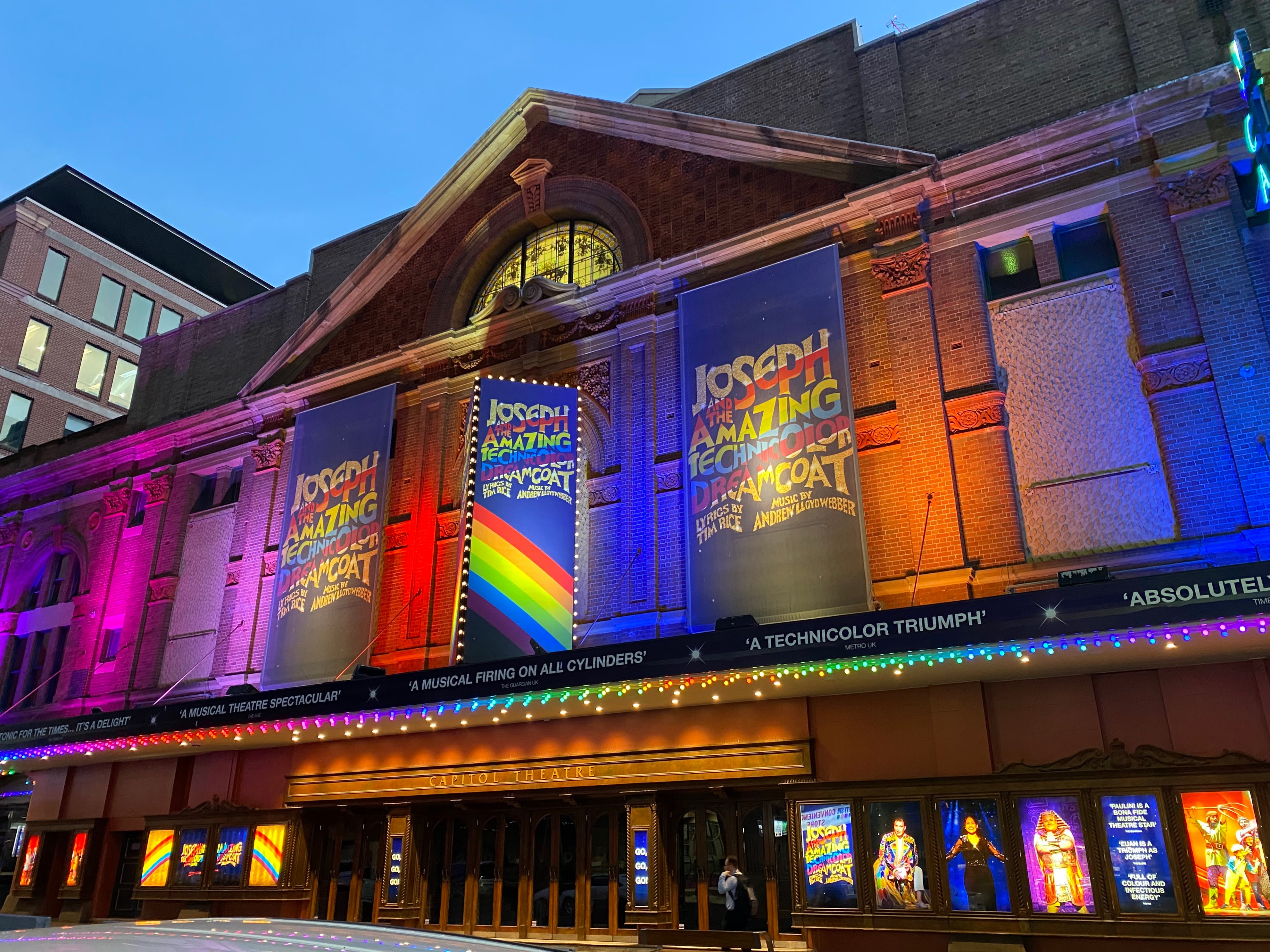
Capitol Theatre
Beaux-Arts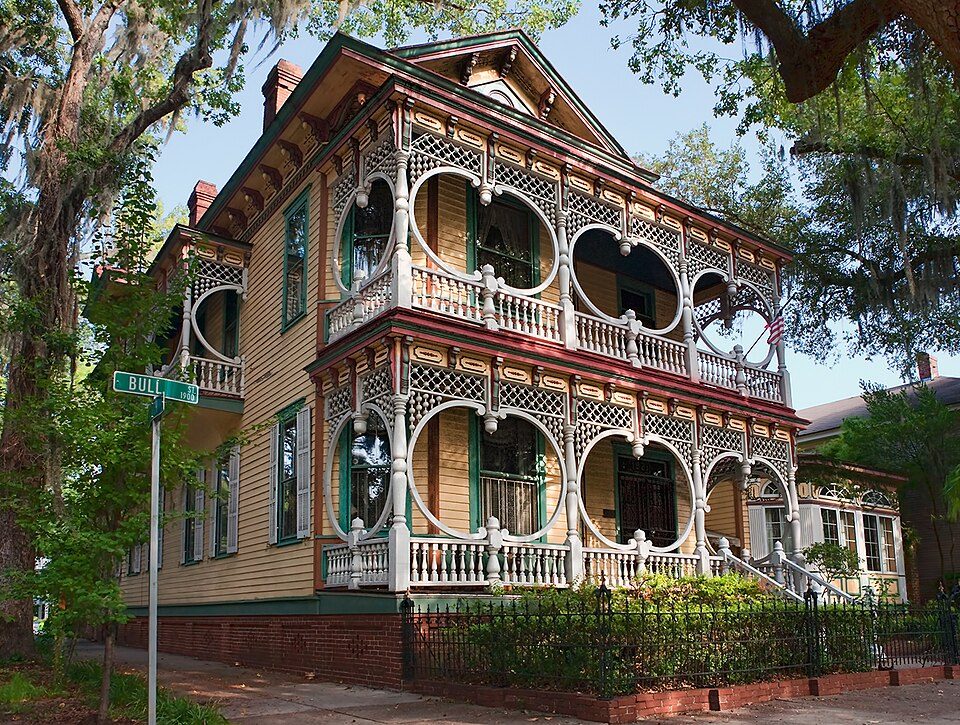
Gingerbread House
Victorian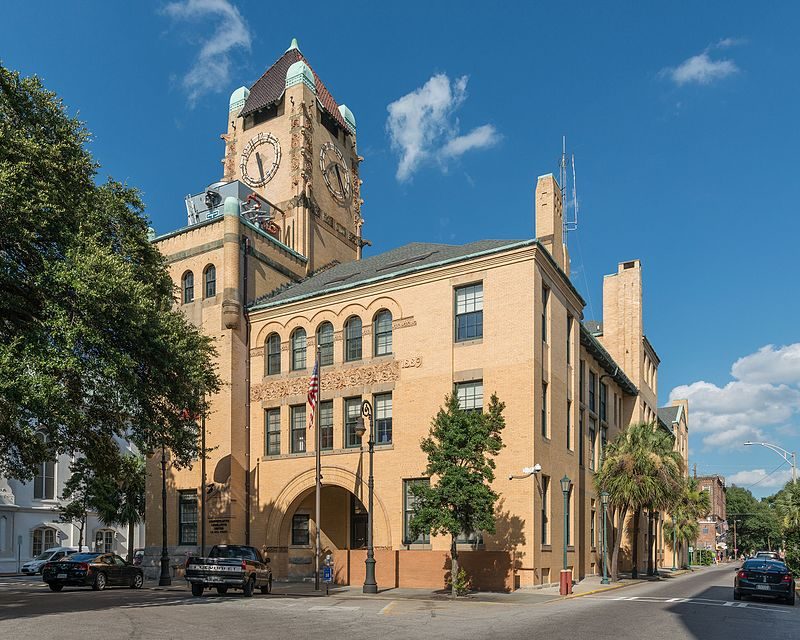
Chatham County Courthouse
Romanesque RevivalNearby Buildings
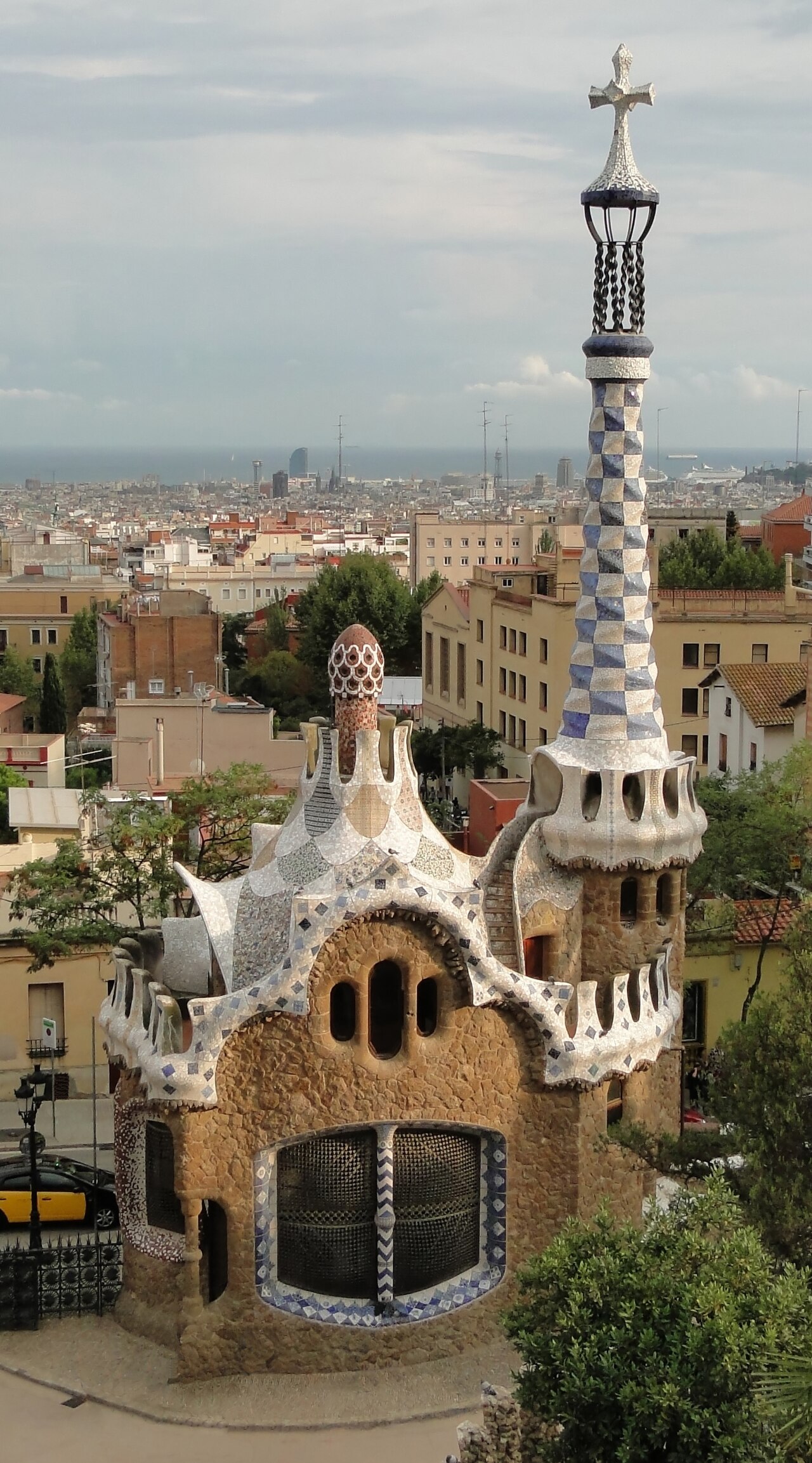
Park Güell
Art Nouveau
Palau Güell
Art Nouveau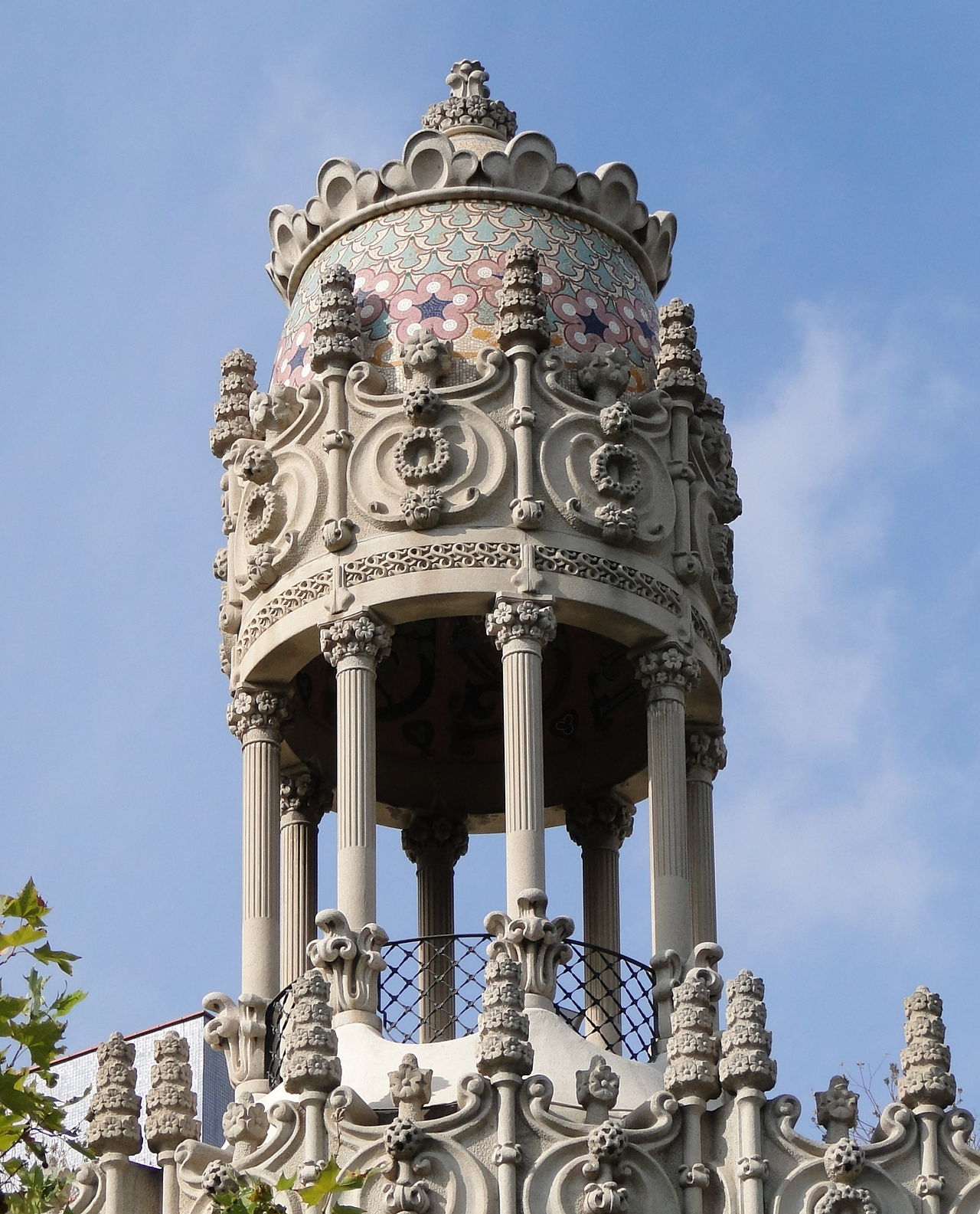
Casa Lleó Morera
Art Nouveau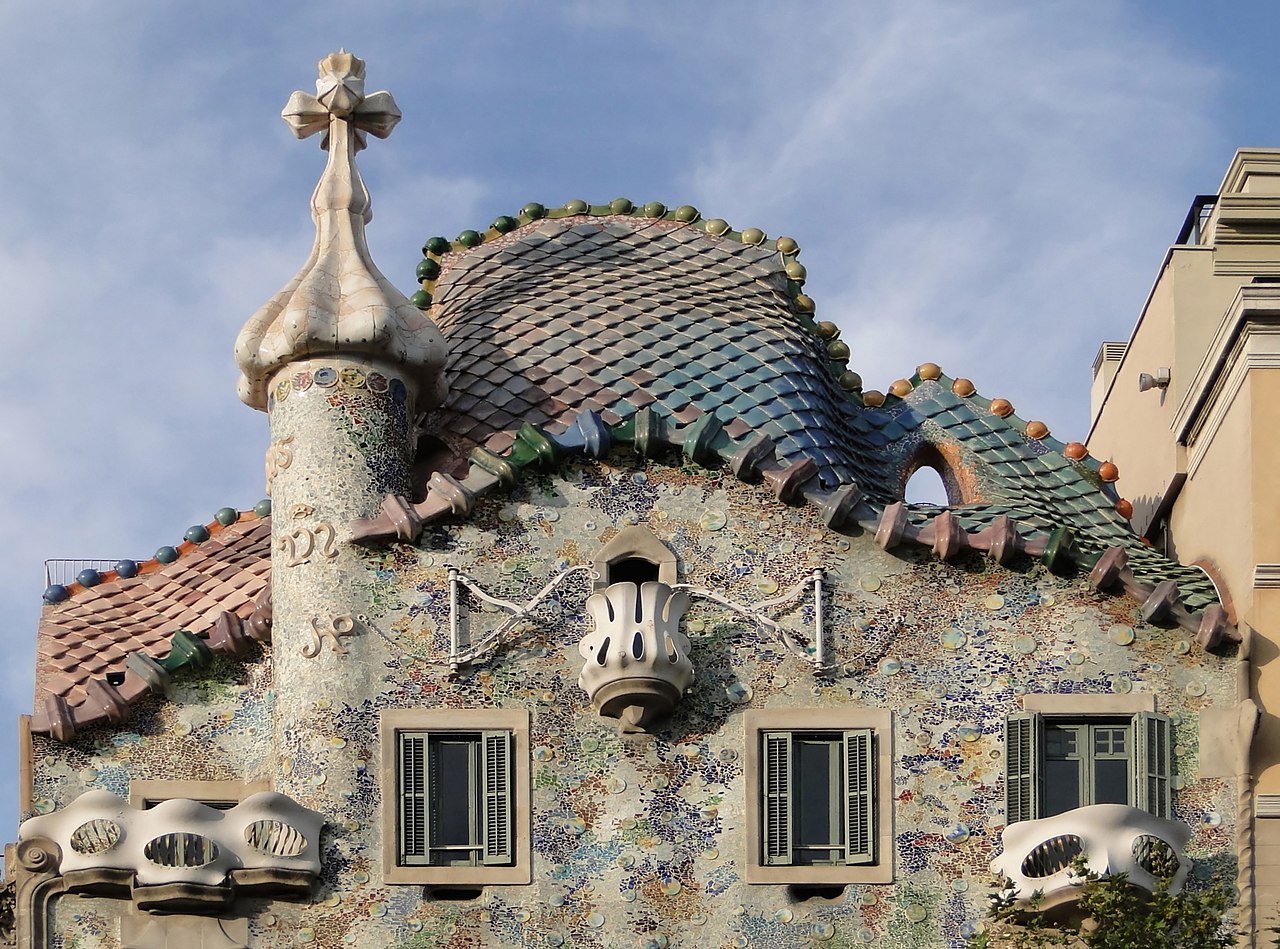
Casa Batlló
Art Nouveau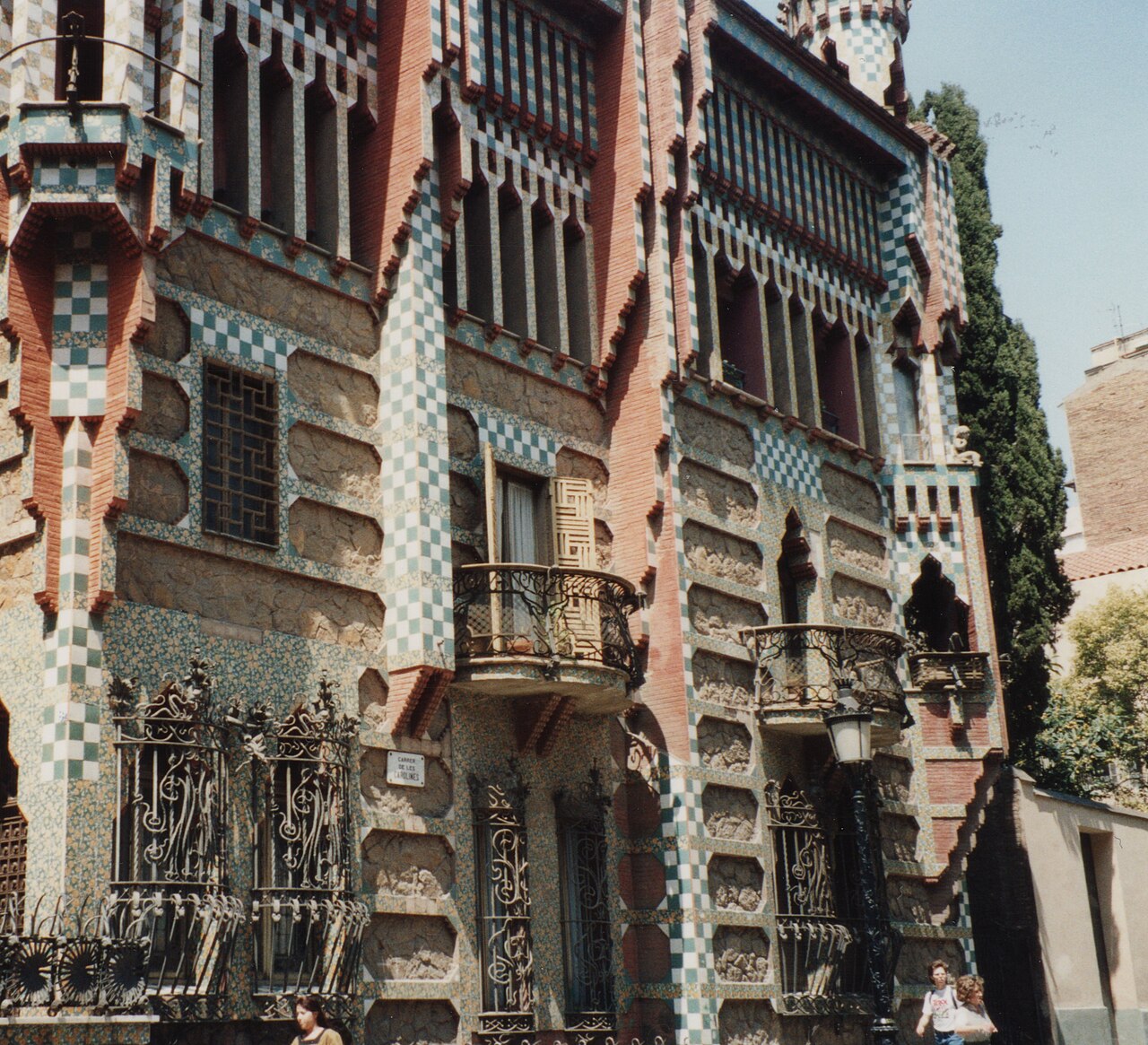
Casa Vicens
Art Nouveau
Torre Bellesguard
Gothic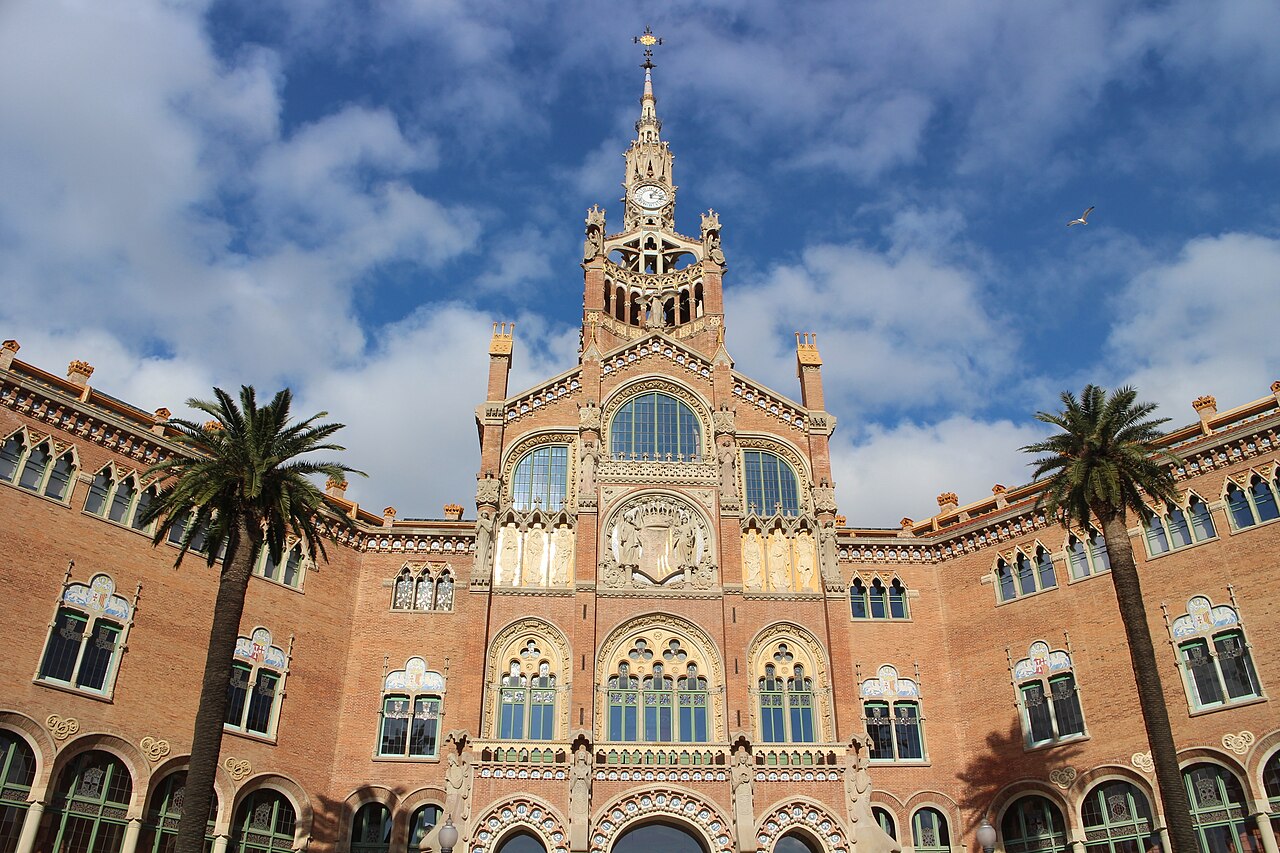
Hospital de Sant Pau
Modernism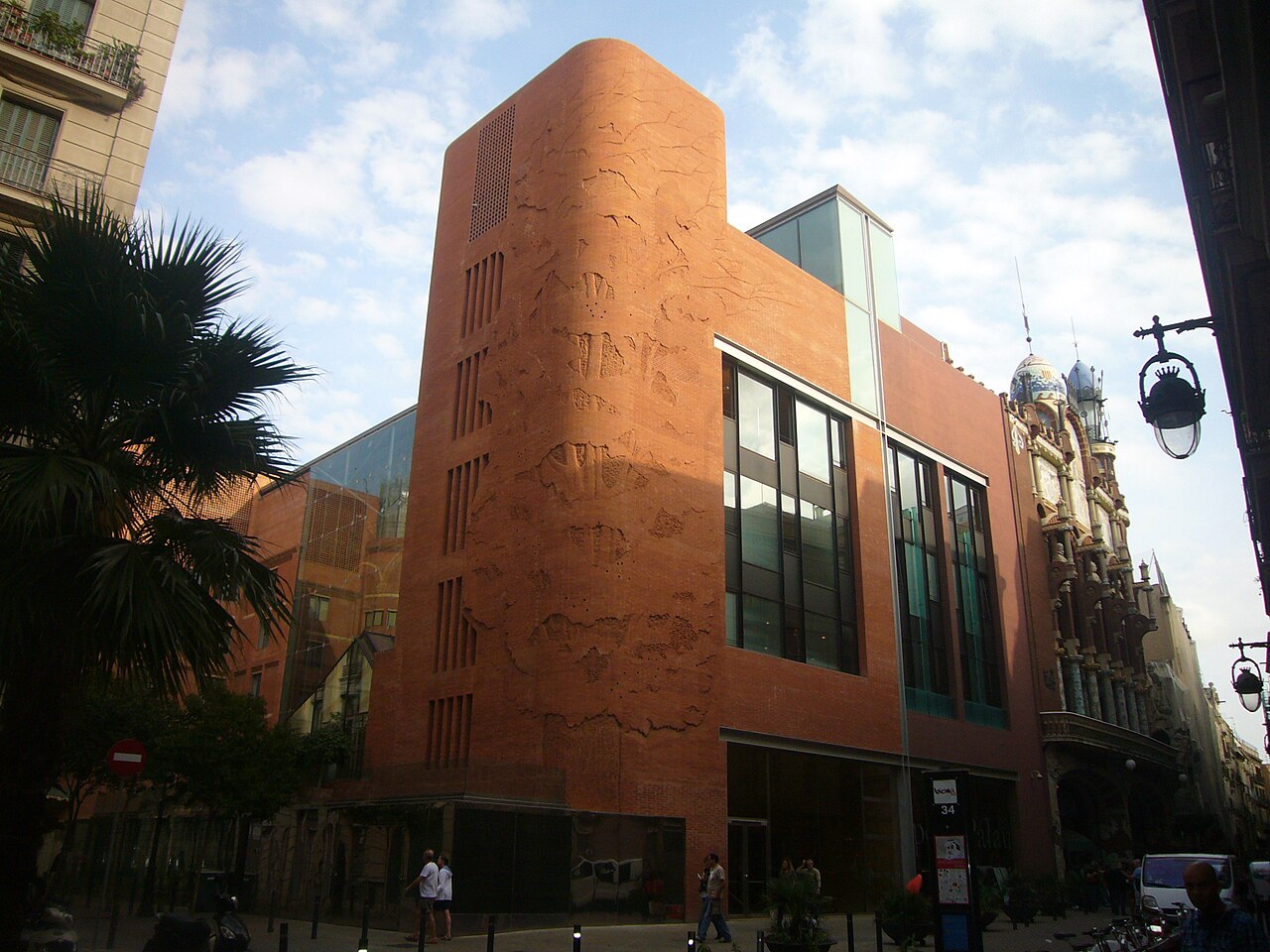
Palau de la Música Catalana
ModernismExplore This City
Barcelona Architecture Guide
Explore 25 buildings across 19 styles →