Museum of Contemporary Art, Bruges
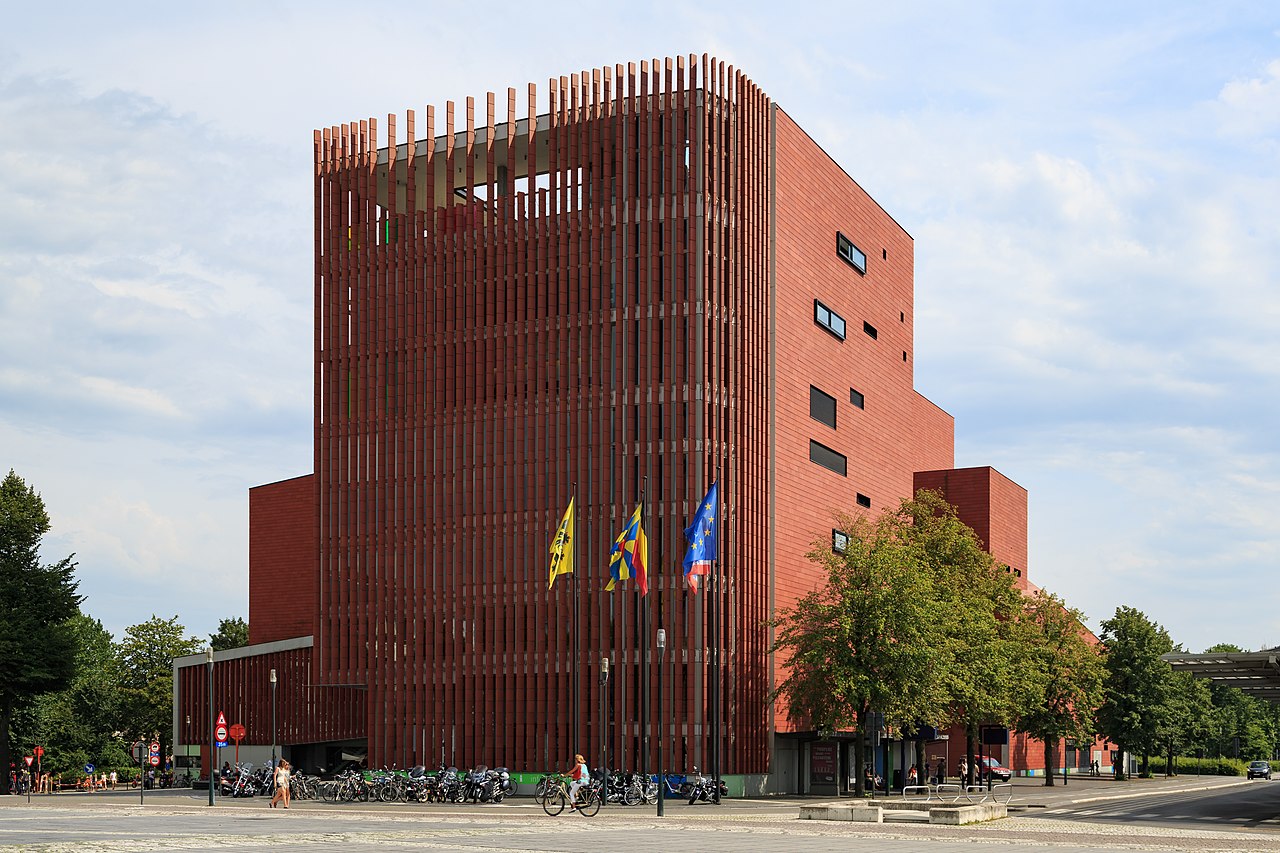
-
Modern Movement 90%
-
Sustainable Architecture 85%
-
Expressionism 75%
The Museum of Contemporary Art exemplifies contemporary design through its innovative use of materials and striking geometric forms. Its architectural significance lies in its integration with the urban landscape, fostering a dialogue between the building and its surroundings.
Architectural Styles
Modern Movement
90%The Modern Movement style is evident in the building's minimalist approach, characterized by the use of clean lines and functional design. The façade's rhythmic pattern created by vertical wooden slats reflects a commitment to modern aesthetics, merging form and function seamlessly.
- Minimalist façade
- Geometric shapes
- Open interior spaces
- Large glass windows
- Use of contemporary materials
Sustainable Architecture
85%This building incorporates sustainable practices, such as natural ventilation and energy-efficient materials. The thoughtful orientation and design enhance environmental performance, promoting a sustainable lifestyle.
- Green materials
- Natural lighting
- Energy efficiency
- Integration with nature
- Focus on sustainability
Expressionism
75%Expressionist elements are present in the dynamic form of the building, conveying emotion through its unique design. The interplay of light and shadow created by the structural elements enhances the visual impact.
- Dramatic shapes
- Fluid forms
- Innovative use of materials
- Dynamic light effects
- Emphasis on aesthetic experience
Notable Features
- Vertical wooden slats
- Large open atrium
- Integration with park
- Innovative rooftop terrace
Historical Context
Built in 2002, the Museum of Contemporary Art reflects a shift towards integrating cultural institutions within urban environments. It represents a modern era in architectural design that prioritizes interaction between the building, its users, and the surrounding community.
Fun Facts
- Part of the museum is designed to be a public art space.
- The architects are also known for the Tate Modern in London.
- The building uses red brick, referencing local materials.
Frequently Asked Questions
What architectural style is Museum of Contemporary Art?
Museum of Contemporary Art is primarily Modern Movement architecture (90% confidence), with elements of Sustainable Architecture and Expressionism. The Modern Movement style is evident in the building's minimalist approach, characterized by the use of clean lines and functional design. The façade's rhythmic pattern created by vertical wooden slats reflects a commitment to modern aesthetics, merging form and function seamlessly.
When was Museum of Contemporary Art built?
Museum of Contemporary Art dates from 2002.
Who designed Museum of Contemporary Art?
Museum of Contemporary Art was designed by Herzog & de Meuron.
Where is Museum of Contemporary Art located?
Museum of Contemporary Art is located at 't Zand 34, 8000 Brugge, Belgium in Bruges.
What are the notable features of Museum of Contemporary Art?
Notable features include vertical wooden slats, large open atrium, integration with park, and innovative rooftop terrace.
Similar Style Buildings

N/A
Modernism
N/A
Postmodernism
AI
Art Deco
N/A
Gothic
N/A
Modernism
N/A
Modernism
N/A
Minimalism
Lagos
Art DecoNearby Buildings
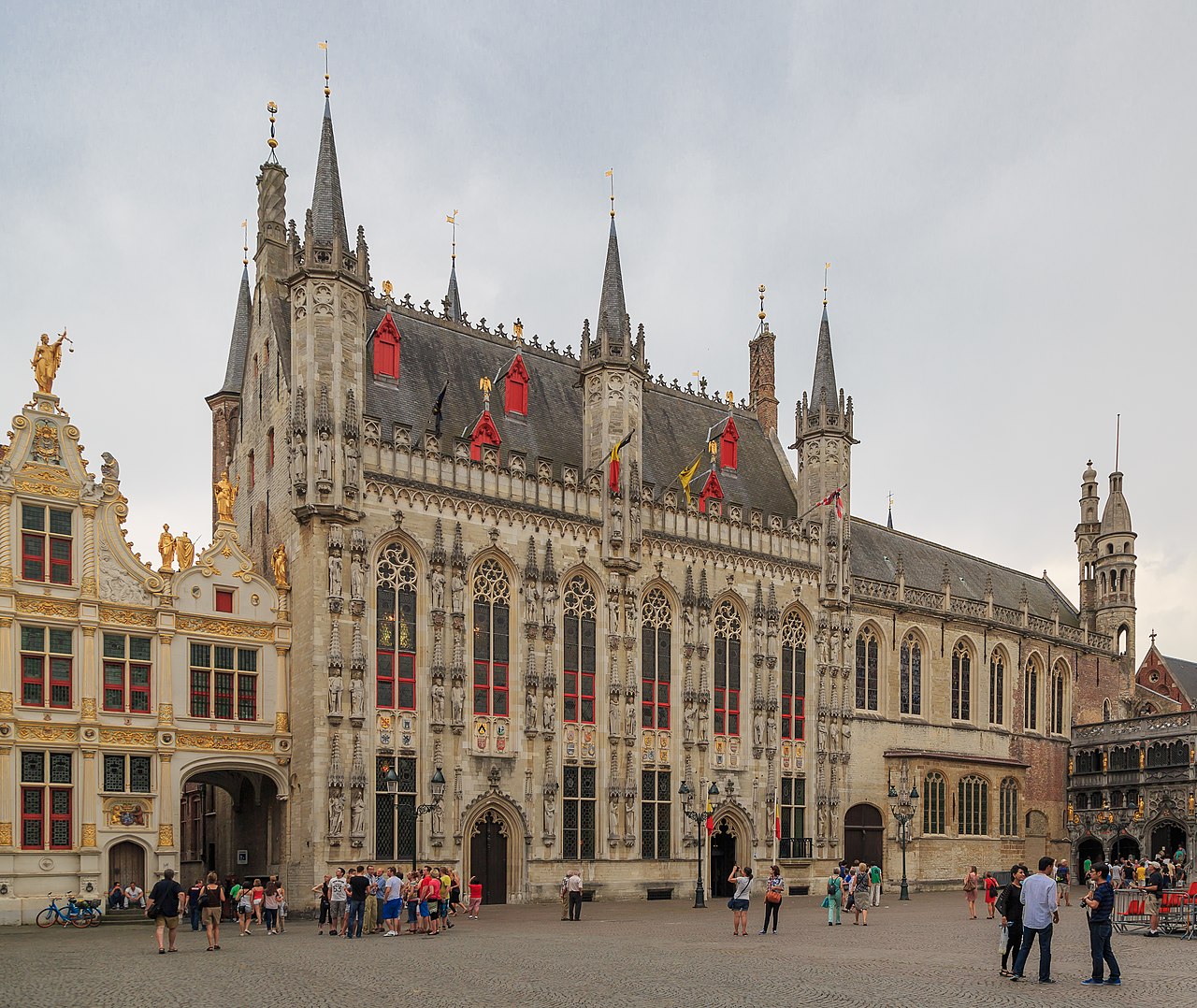
Bruges City Hall
Gothic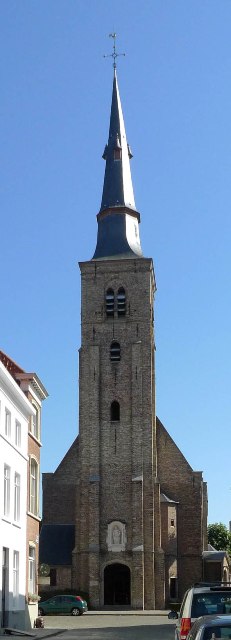
Sint-Annakerk
Romanesque Revival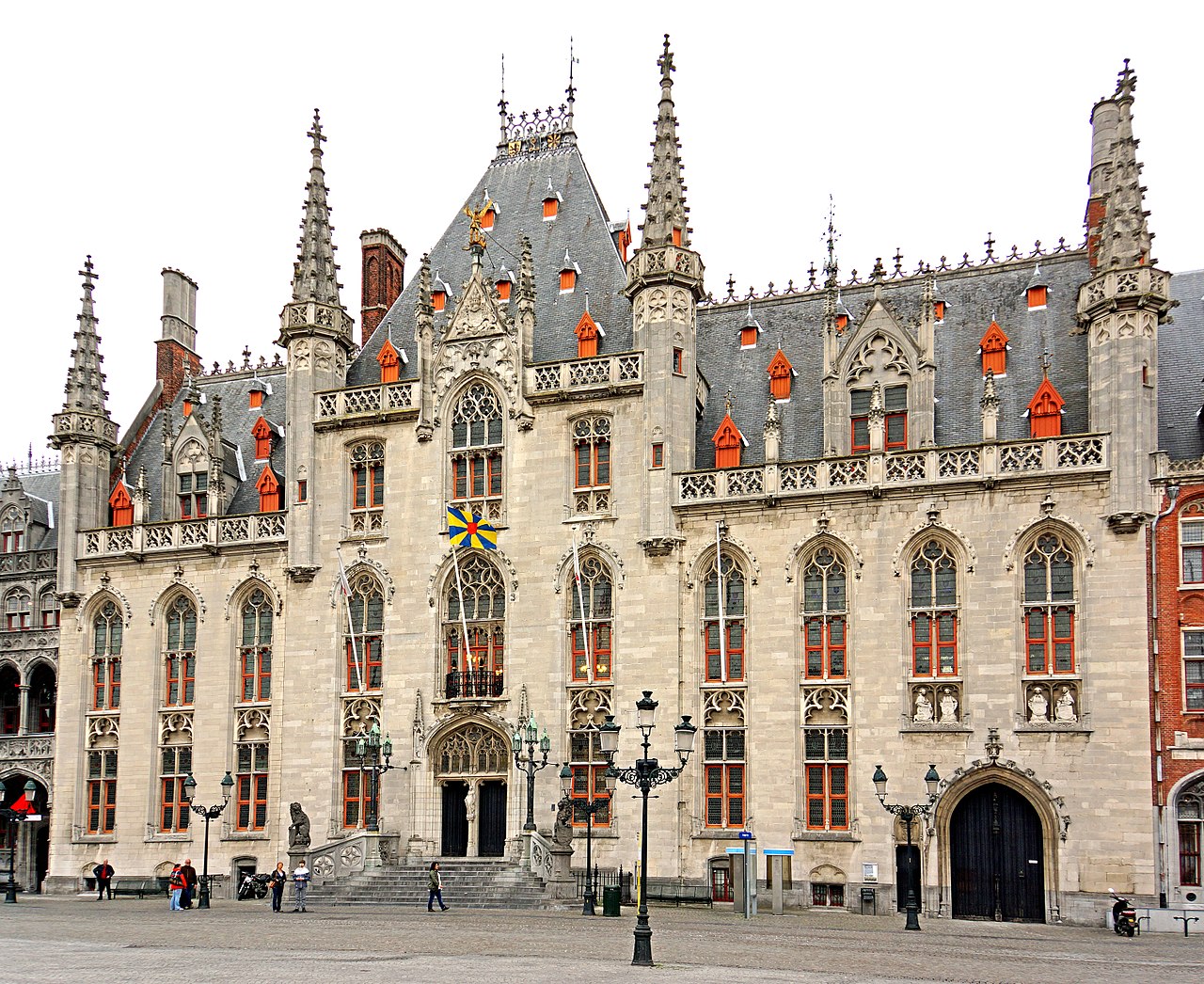
Provinciaal Hof
Gothic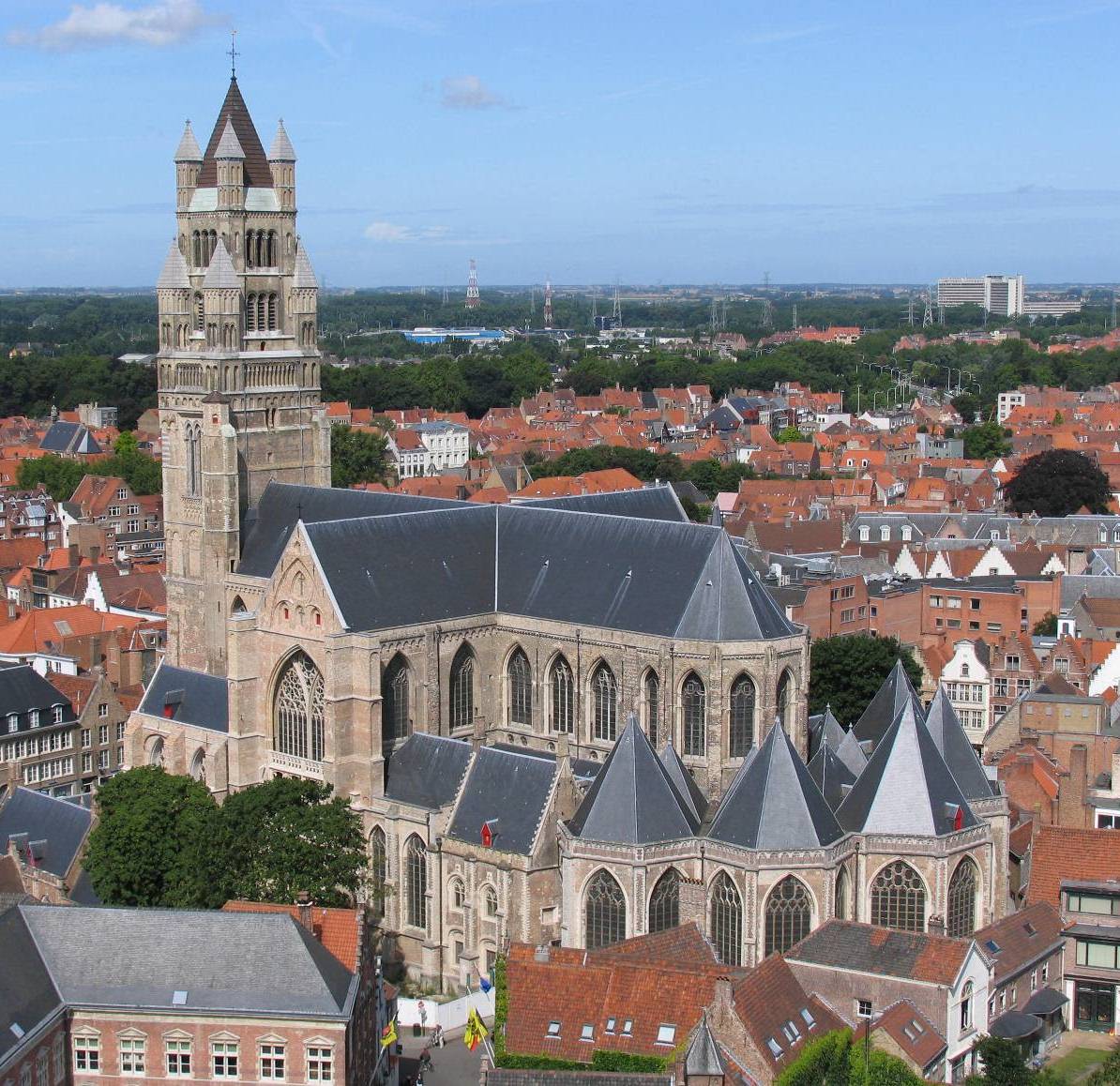
Sint-Salvatorskathedraal
Gothic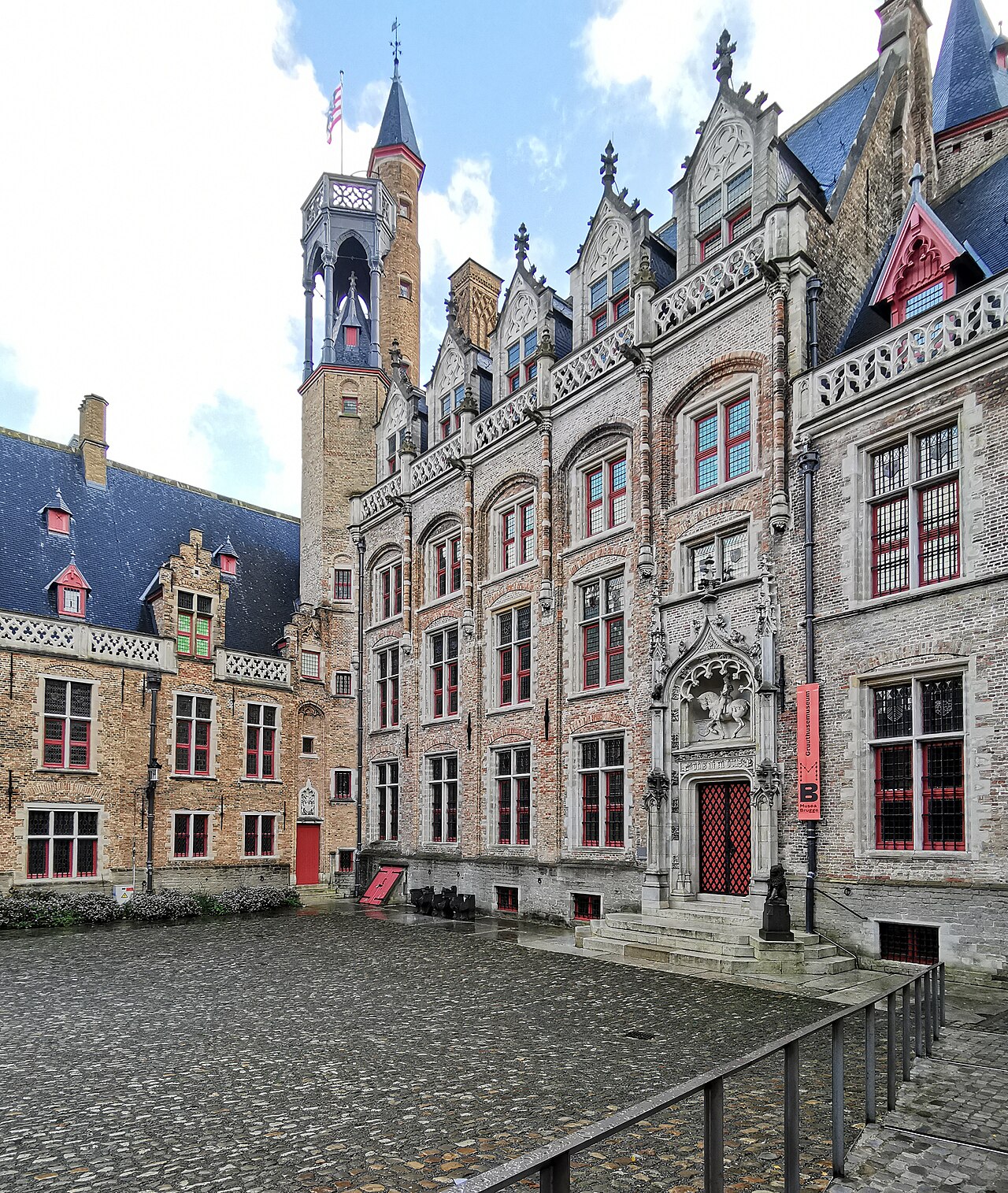
Gruuthusemuseum
Gothic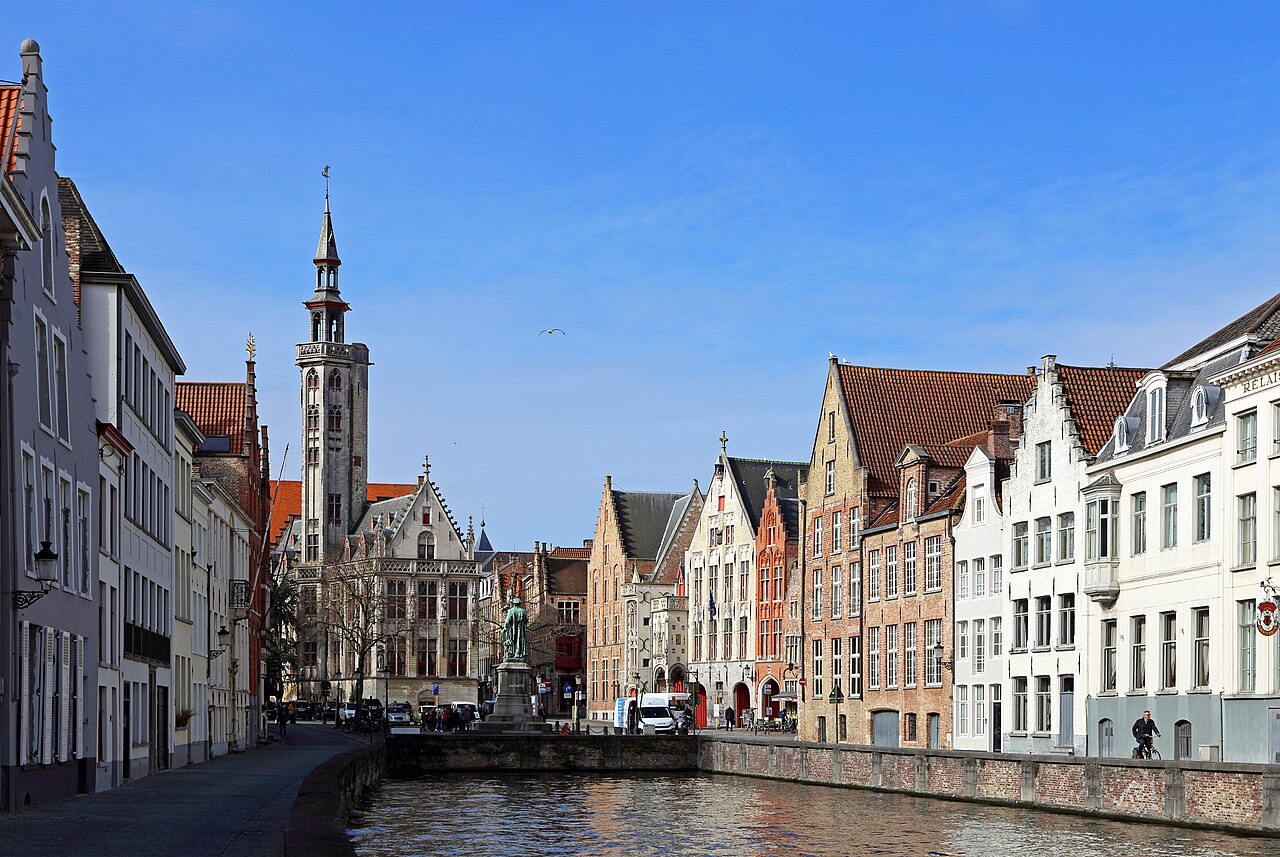
Jan Van Eyckplein Tolhuis
Gothic
Sint-Jakobskerk
Baroque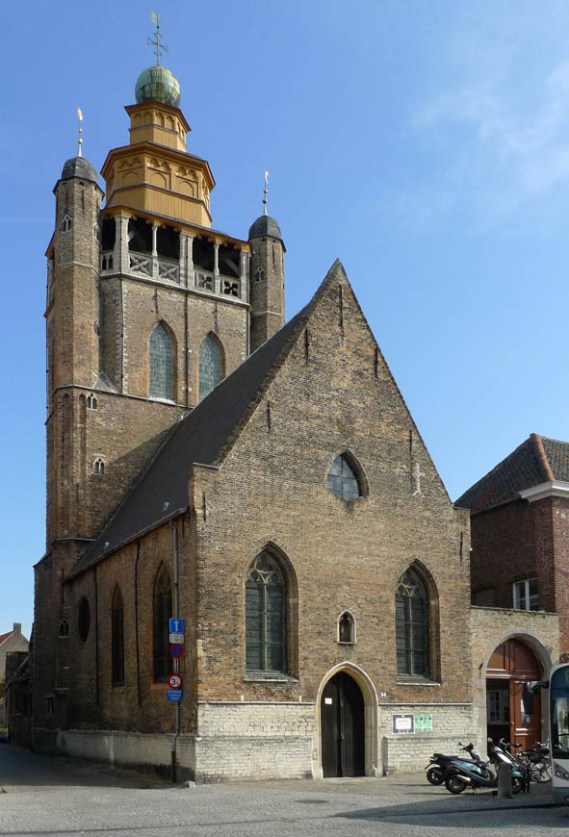
Jeruzalemkerk
GothicExplore This City
Bruges Architecture Guide
Explore 26 buildings across 14 styles →