📸 Curious about a building near you?
Get an AI architecture analysis like this one — your first is free, no account needed.
Analyze a Building Free

Modernism
Architecture and Design of the Building
Modern Contemporary
- Flat planes: The building's distinct geometric lines and flat roofing suggest a modern contemporary style.
- Large windows: Extensive use of glass allows for natural light, connecting the interior with the outdoors.
- Open floor plans: The overall structure and window placement suggest an interior design prioritizing spaciousness.
Minimalist
- Simplicity of form: The building showcases simple, clean lines without elaborate ornamentation.
- Monochromatic color palette: Utilization of neutral colors enhances the minimalist aesthetic.
Industrial
- Materials: The use of exposed steel and concrete elements can be linked to an industrial influence.
- Functional components: The visible design elements tend to have practical purposes, consistent with industrial themes.
Styles and Influences
Modern Contemporary Style
- Origins: Emerged in the 20th century as a response to modernist design and traditional architecture.
- Key features: Emphasis on simplicity, visual weightlessness, and a synthesis of interior and exterior spaces.
- Real-life instance: The Farnsworth House by Ludwig Mies van der Rohe is a prime example, with its minimal structural framework and open plan.
Minimalist Style
- Origins: Gained popularity in the 1960s and 70s as a reaction against excess and consumerism.
- Key features: Attributes include austerity, monochromatic color schemes, and the use of modern materials.
- Real-life instance: The Glass House by Philip Johnson exemplifies minimalism with its pure geometric forms and lack of ornamentation.
Industrial Style
- Origins: Originated from the conversion of old warehouses and factories into living spaces.
- Key features: Celebrates raw unfinished materials, structural elements, and a sense of unfinished openness.
- Real-life instance: Lofts in New York City's SoHo district are iconic, repurposing industrial spaces into residential habitats.
📍 Update Location
Similar Style Buildings

N/A
Modernism
N/A
Postmodernism
AI
Art Deco
N/A
Gothic
N/A
Modernism
N/A
Modernism
N/A
Minimalism
Lagos
Art DecoNearby Buildings
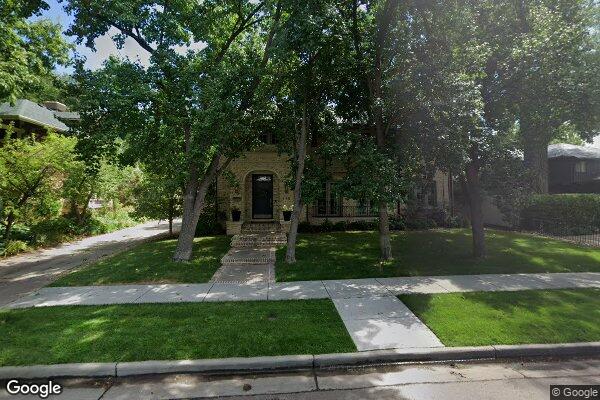
Residential Building
Victorian
1338 N Marion St, Denver, CO 80218
Victorian
2222 Forest St, Denver, CO 80207
Colonial Revival
1973 S Saint Paul St, Denver, CO 80210
Mid-Century Modern
140 Lafayette St, Denver, CO 80218
Colonial Revival
853 S Emerson St, Denver, CO 80209
Modernism
1701 Wynkoop Street, Denver CO
Victorian
4400 E Cedar Ave, Denver, CO 80246
Colonial RevivalExplore This City
Denver Architecture Guide
Explore 37 buildings across 9 styles →