Traditional Colonial Building

-
Colonial Revival 90%
-
Neoclassical 70%
This building exemplifies traditional colonial architecture, characterized by its combination of local materials and European design influences. Its symmetrical facade and wooden details reflect the cultural blend typically found in colonial structures.
Architectural Styles
Colonial Revival
90%The Colonial Revival style is evident in this building through the use of symmetrical designs, decorative gable ends, and wooden window frames. The simple yet elegant facade combines local craftsmanship with traditional colonial elements, reflective of historical architecture from the colonial era.
- Symmetrical design
- Wooden window frames
- Gable roof
- Use of local materials
Neoclassical
70%Neoclassical elements can be seen in the building's grand yet simple facade and harmonious proportions. The use of clean lines and restrained ornamentation is characteristic of this style, often associated with classical architecture.
- Clean lines
- Symmetrical facade
- Simple ornamentation
- Colonnade-like elements
Notable Features
- Year of construction clearly marked (1837)
- Distinctive wooden beams
- Large, grid-patterned windows
- Gable roof with overhang
Historical Context
Built in 1837, this building reflects the architectural trends during the colonial period when European design influenced local construction practices. It serves as a reminder of the cultural history and architectural evolution of the region.
Fun Facts
- The building has remained largely unchanged since its construction.
- It is a popular site for photography due to its historical charm.
- Local legends say it has served multiple purposes throughout its history, including as a gathering place for community events.
Frequently Asked Questions
What architectural style is Traditional Colonial Building?
Traditional Colonial Building is primarily Colonial Revival architecture (90% confidence), with elements of Neoclassical. The Colonial Revival style is evident in this building through the use of symmetrical designs, decorative gable ends, and wooden window frames. The simple yet elegant facade combines local craftsmanship with traditional colonial elements, reflective of historical architecture from the colonial era.
When was Traditional Colonial Building built?
Traditional Colonial Building dates from 1837.
What are the notable features of Traditional Colonial Building?
Notable features include year of construction clearly marked (1837), distinctive wooden beams, large, grid-patterned windows, and gable roof with overhang.
Add the address to discover nearby architecture and connect this building to its city.
Similar Style Buildings

N/A
Colonial Revival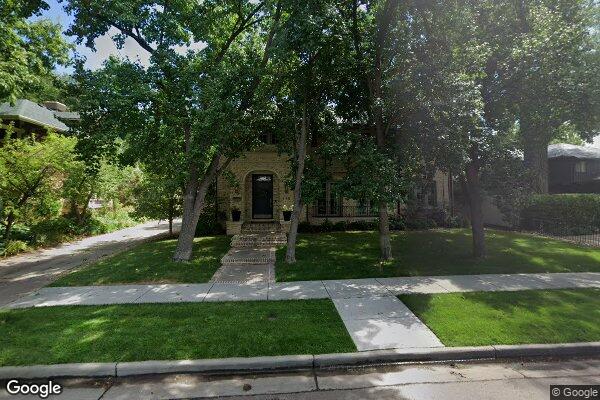
Residential Building
Victorian
N/A
Victorian
N/A
Beaux-Arts
N/A
Colonial Revival
N/A
Neoclassical
N/A
Neoclassical