United States Capitol, Washington
-
Neoclassical 95%
-
Beaux-Arts 85%
-
Renaissance 75%
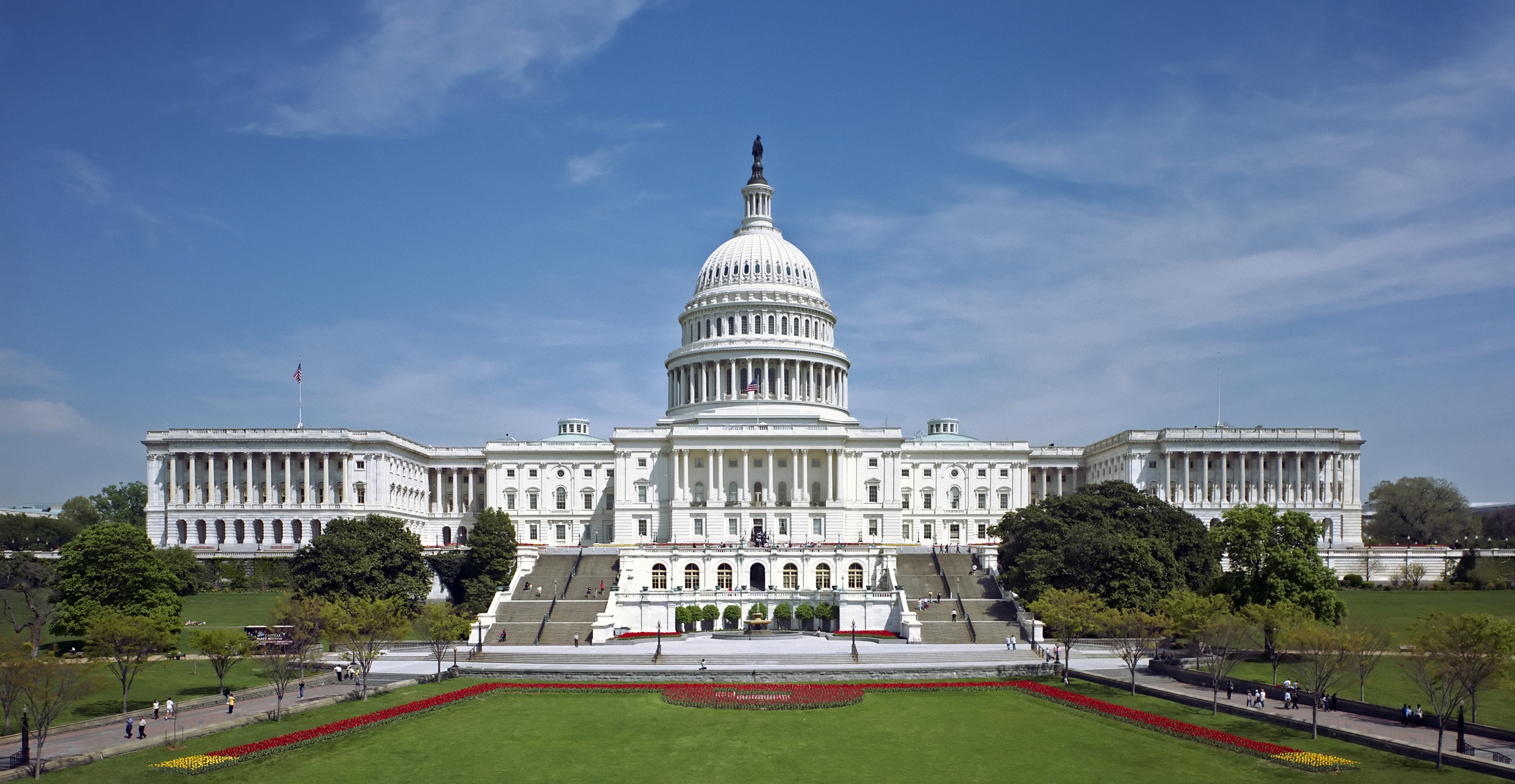
The United States Capitol serves as the home of the United States Congress and is an iconic symbol of American democracy. Its architectural significance lies in its blend of neoclassical elements and adaptations over time, which embody the values of strength, stability, and openness.
Architectural Styles
Neoclassical
95%The Neoclassical style is manifested through the building's grand columns, domed roof, and symmetrical layout. The use of a large portico supported by Corinthian columns evokes the grandeur of ancient Roman architecture, while the dome serves as a striking focal point.
- Large Corinthian columns
- Symmetrical facade
- Dome with decorative elements
- Grand staircase
- Use of marble
Beaux-Arts
85%Influenced by the Beaux-Arts style, the Capitol features formal design elements, elaborate ornamentation, and a monumental scale. The use of expressive details and a focus on symmetry reflects the opulence characteristic of this style.
- Ornate sculptures
- Elaborate decorative motifs
- Richly detailed interiors
- Emphasis on symmetry
- Use of grand staircases
Renaissance
75%Renaissance influences are observable in the Capitol's rounded arches and harmonious proportions. The adaptation of classical forms incorporates elements such as pilasters and a strong horizontal emphasis.
- Arched windows
- Pilasters
- Balanced proportions
- Decorative friezes
- Indication of verticality
Notable Features
- The iconic dome topped with the Statue of Freedom
- Extensive use of white marble from various sources
- A grand central rotunda featuring notable artworks
- The open space of the National Statuary Hall
- The intricate frescoes and decorations inside
Historical Context
Constructed between 1793 and 1814, the United States Capitol was designed to symbolize the new government of the United States. Its completion marked an important milestone in American history, serving as the center of legislative power. The Capitol has witnessed numerous significant events, including the inauguration of presidents and the passing of landmark legislation.
Fun Facts
- The Capitol building has been expanded multiple times since its original construction.
- Its dome is one of the most recognizable features of the Washington D.C. skyline.
- The Capitol houses a collection of over 2,000 artworks, including paintings and sculptures.
Frequently Asked Questions
What architectural style is United States Capitol?
United States Capitol is primarily Neoclassical architecture (95% confidence), with elements of Beaux-Arts and Renaissance. The Neoclassical style is manifested through the building's grand columns, domed roof, and symmetrical layout. The use of a large portico supported by Corinthian columns evokes the grandeur of ancient Roman architecture, while the dome serves as a striking focal point.
When was United States Capitol built?
United States Capitol dates from 1800s.
Who designed United States Capitol?
United States Capitol was designed by William Thornton (original design), numerous others for later modifications.
Where is United States Capitol located?
United States Capitol is located at First St SE, Washington, DC 20004.
What are the notable features of United States Capitol?
Notable features include the iconic dome topped with the statue of freedom, extensive use of white marble from various sources, a grand central rotunda featuring notable artworks, the open space of the national statuary hall, and the intricate frescoes and decorations inside.
Similar Style Buildings

N/A
Norman
N/A
Beaux-Arts
N/A
Colonial Revival
N/A
Neoclassical
N/A
Renaissance
N/A
Neoclassical
N/A
Neoclassical
N/A
NeoclassicalNearby Buildings

4433 Cathedral Ave NW, Washington, DC 20016
Colonial Revival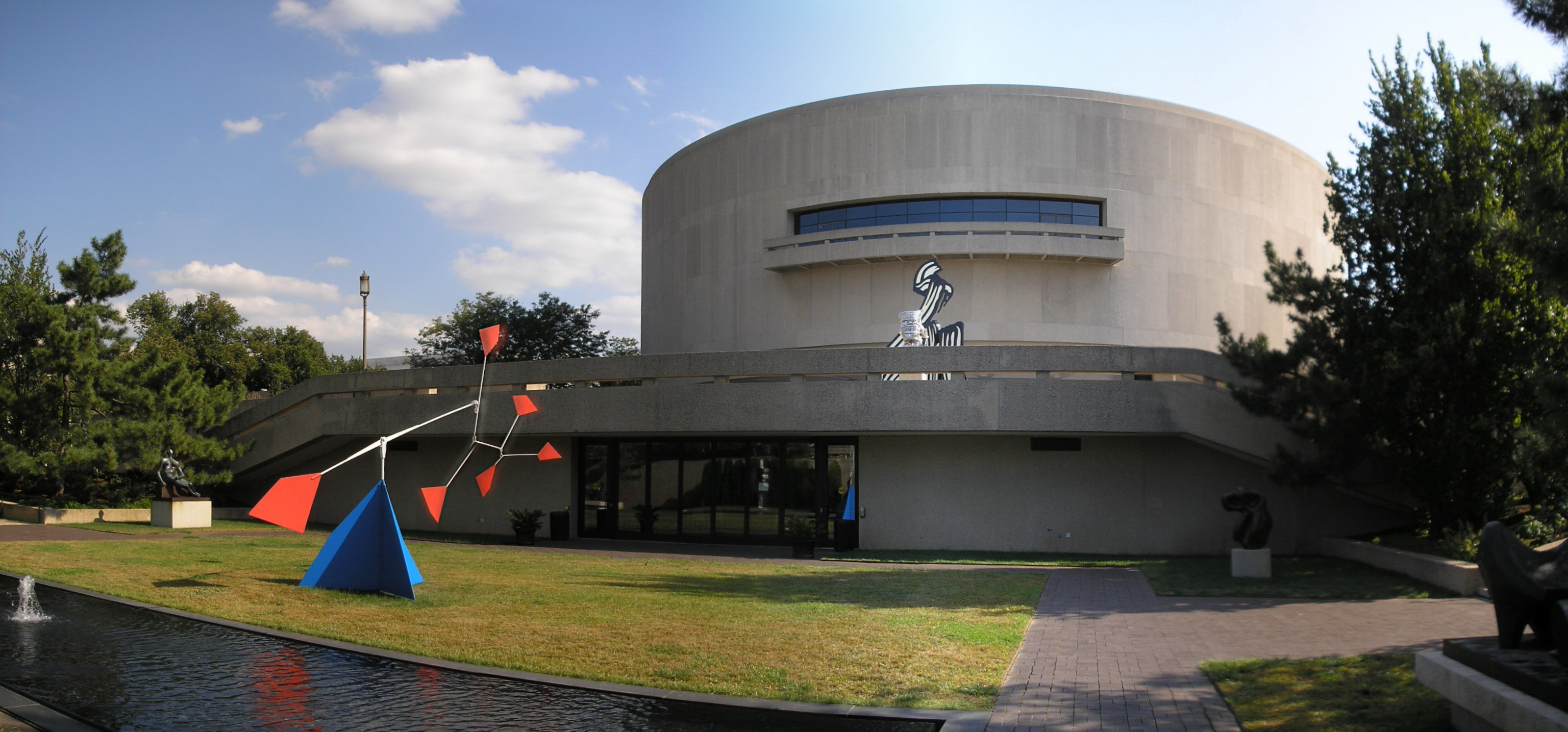
Hirshhorn Museum and Sculpture Garden
Modernism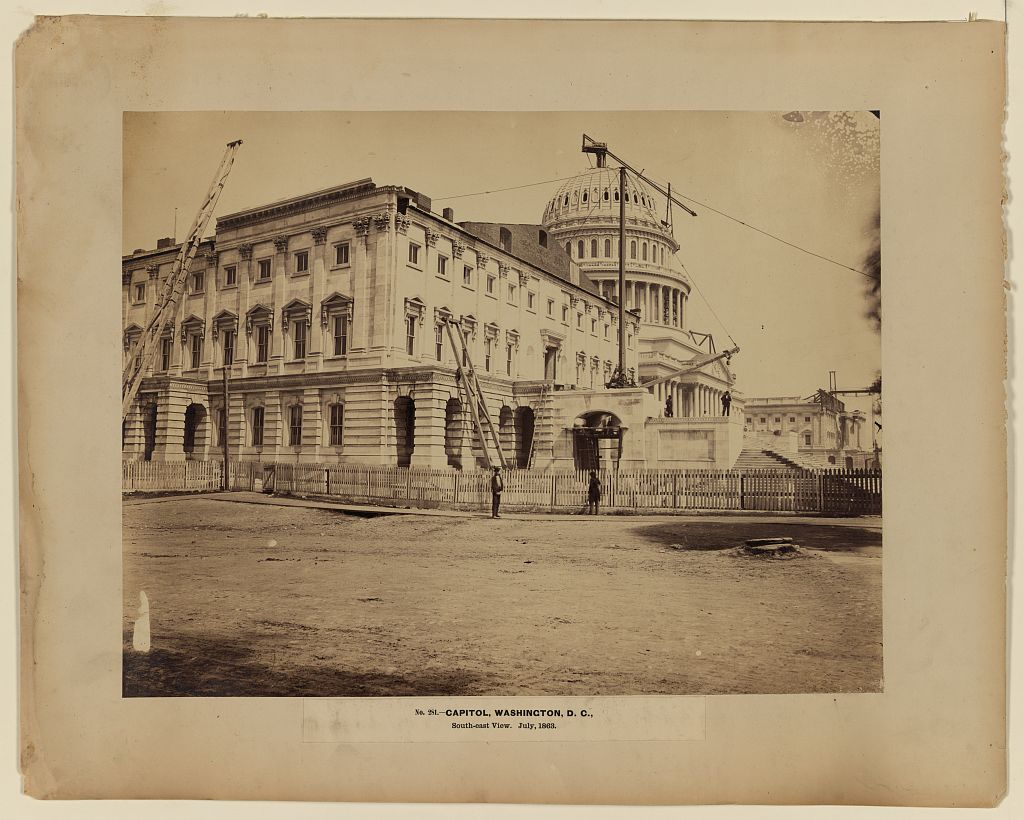
U.S. Capitol Building
Beaux-Arts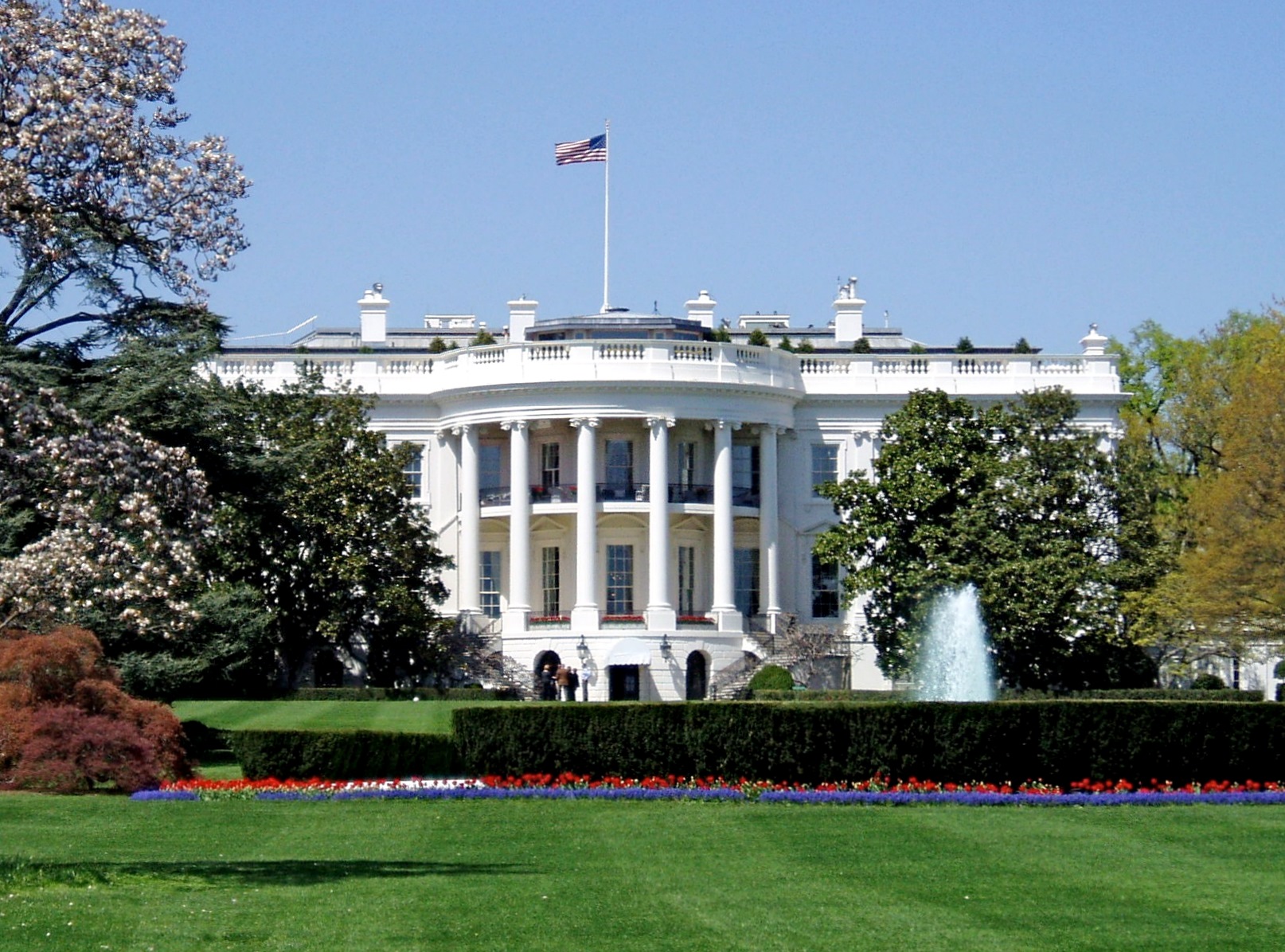
White House
Neoclassical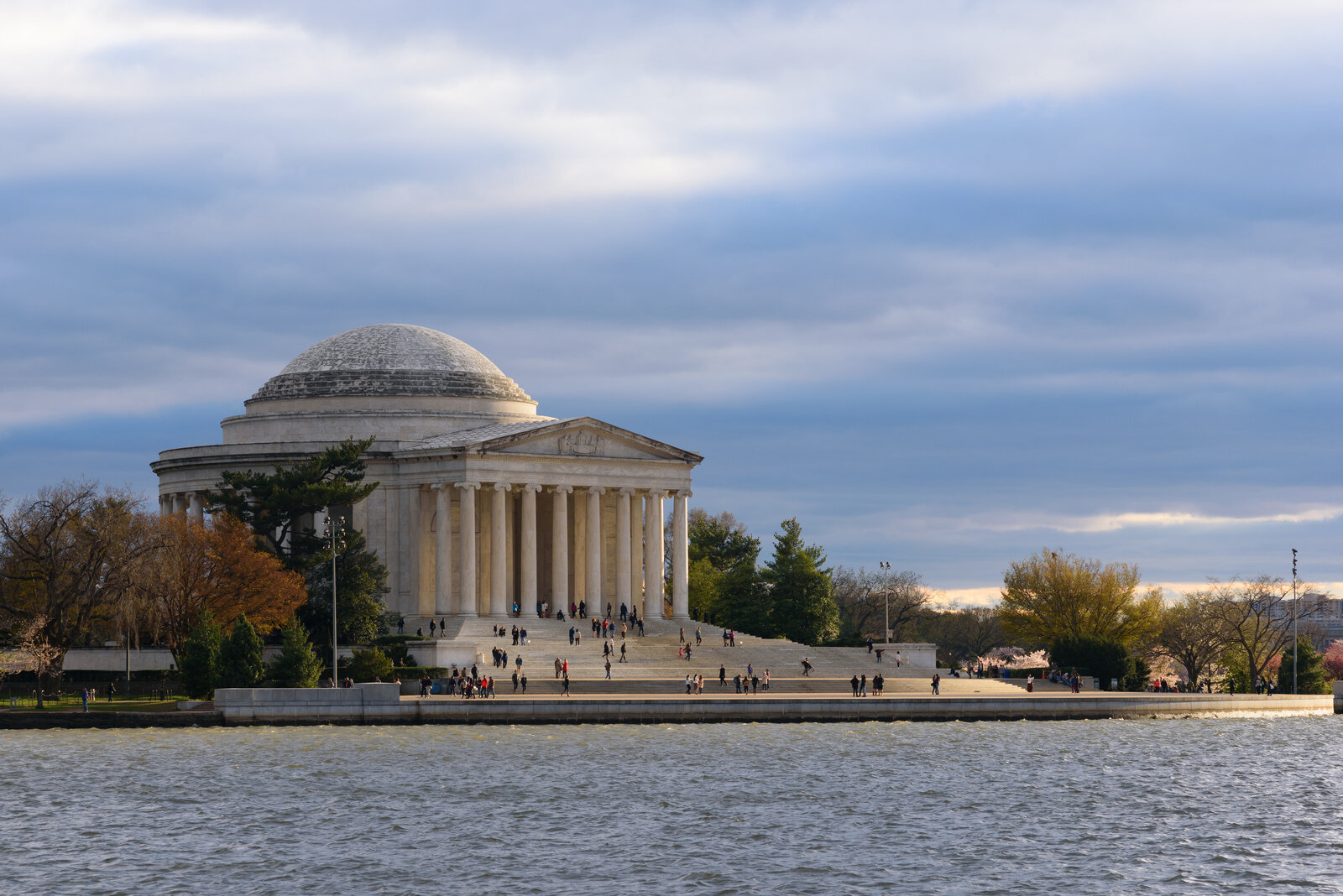
Jefferson Memorial
Neoclassical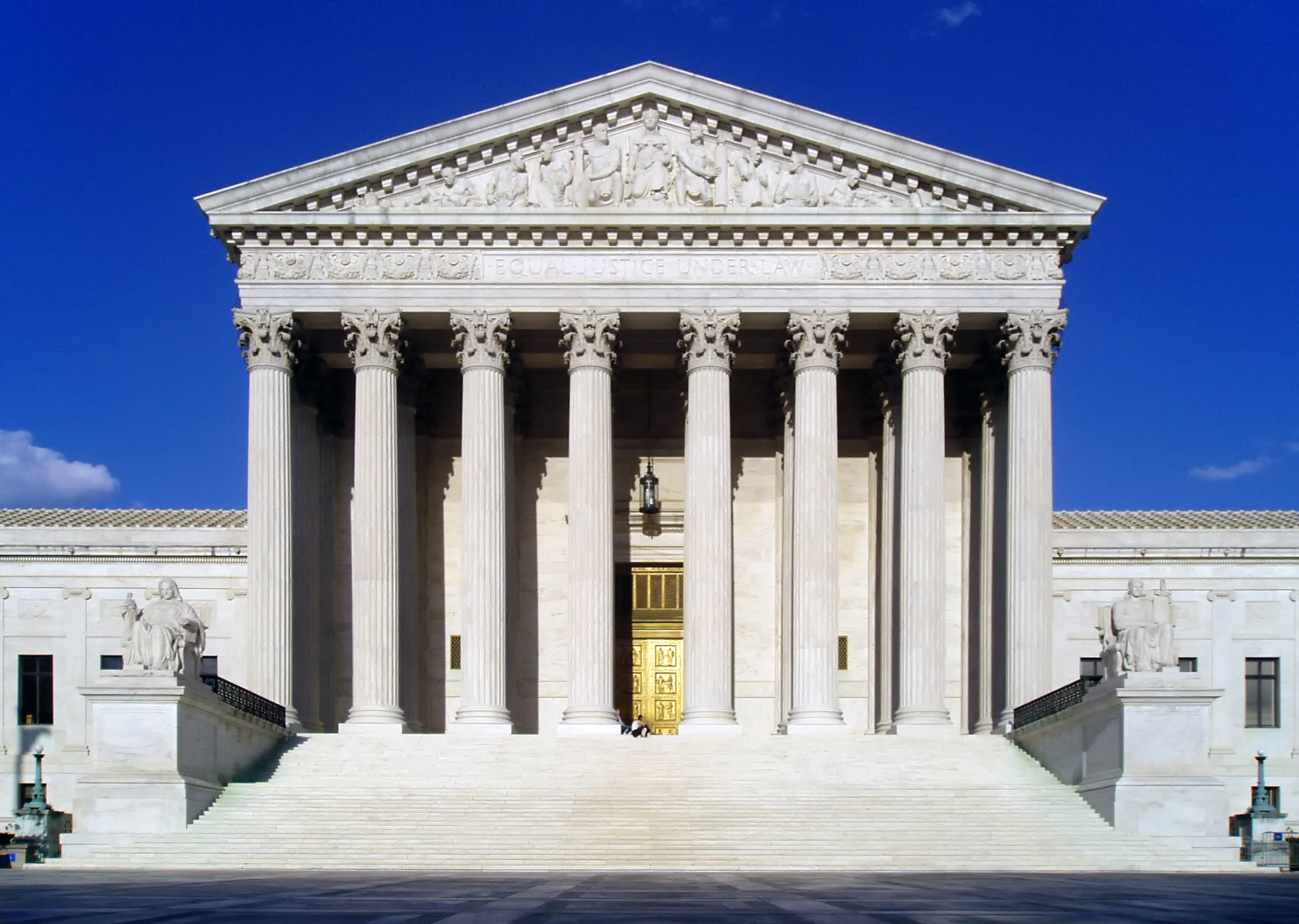
United States Supreme Court Building
Classical Roman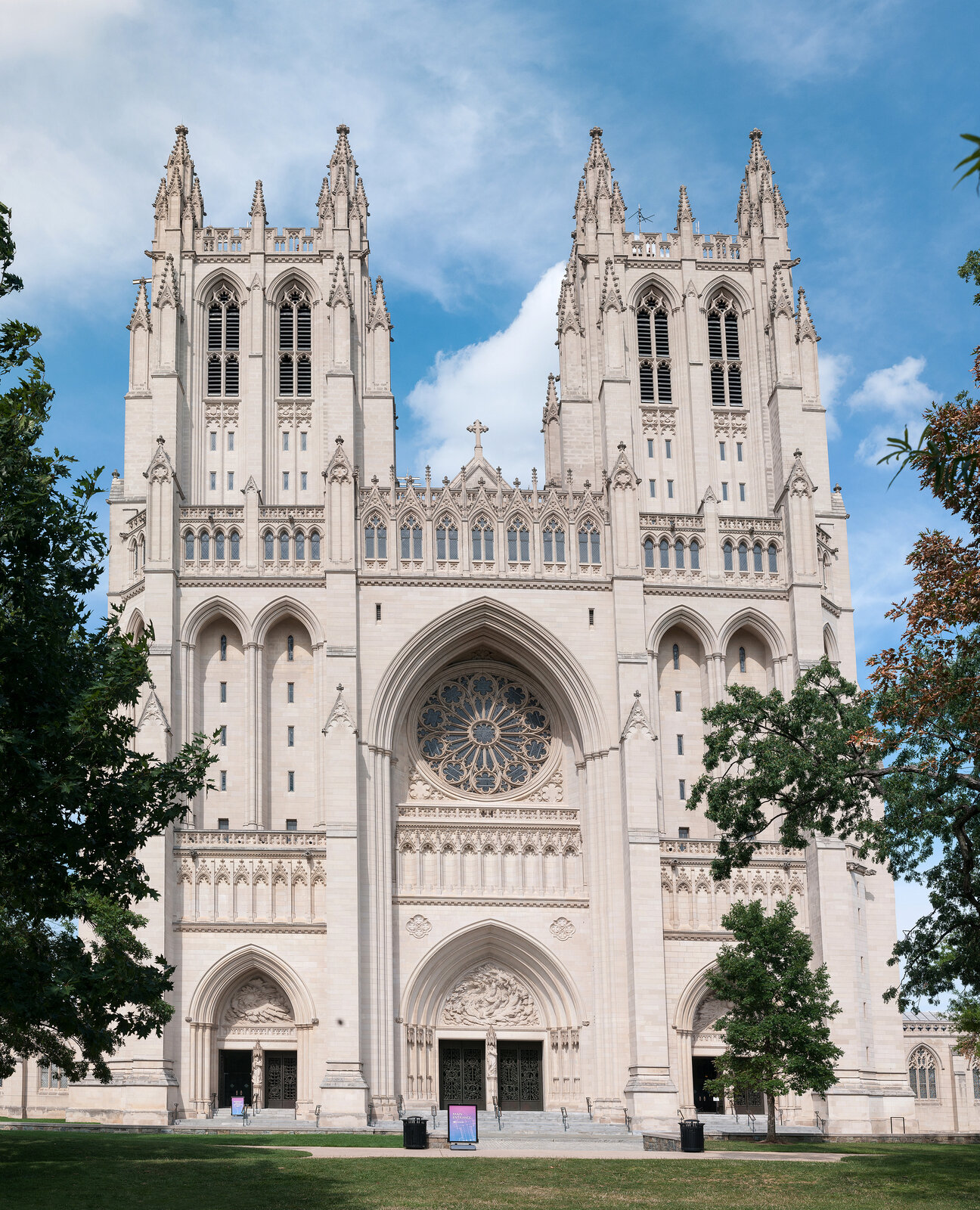
Washington National Cathedral
Gothic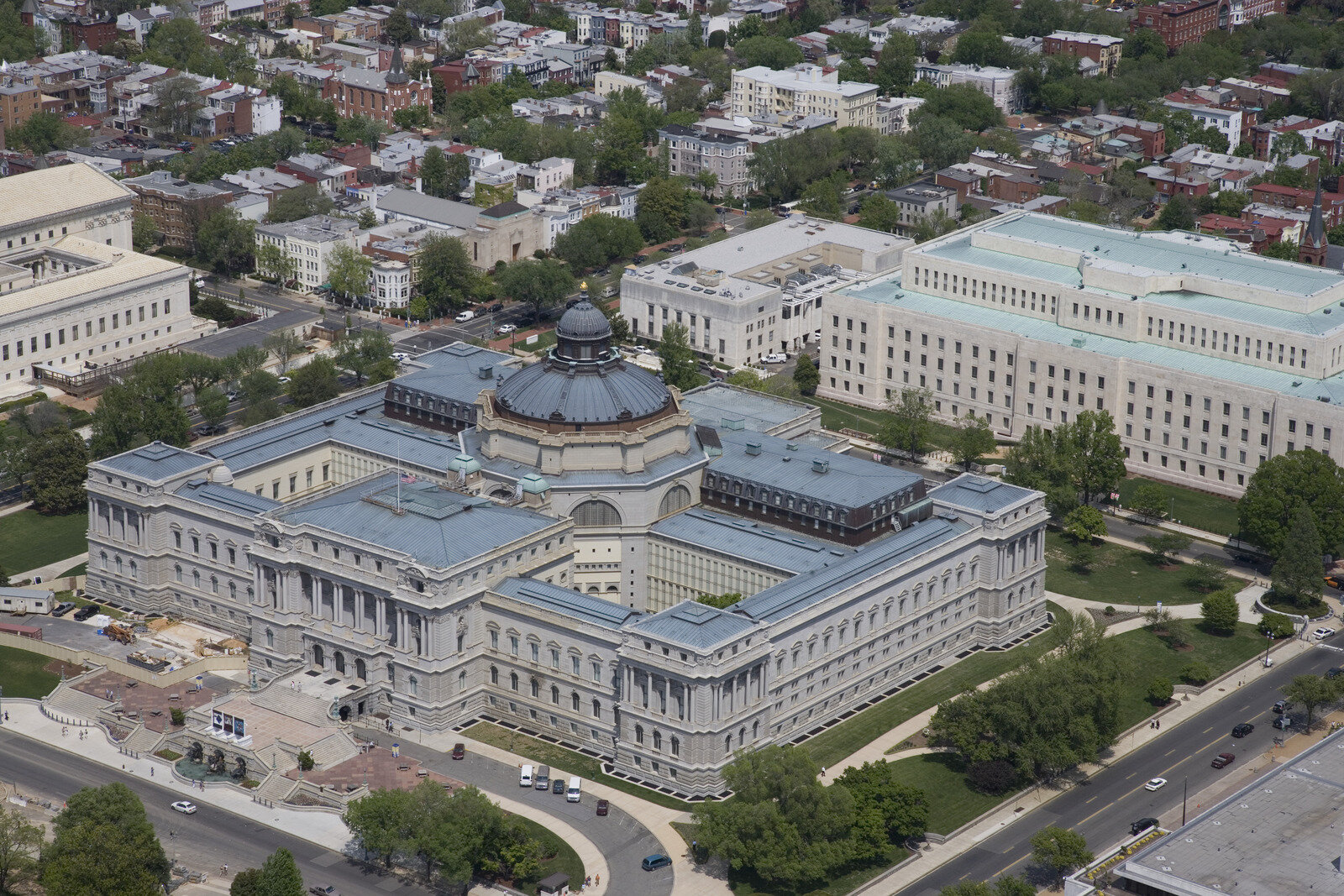
Thomas Jefferson Building
Beaux-ArtsExplore This City
Washington Architecture Guide
Explore 10 buildings across 10 styles →