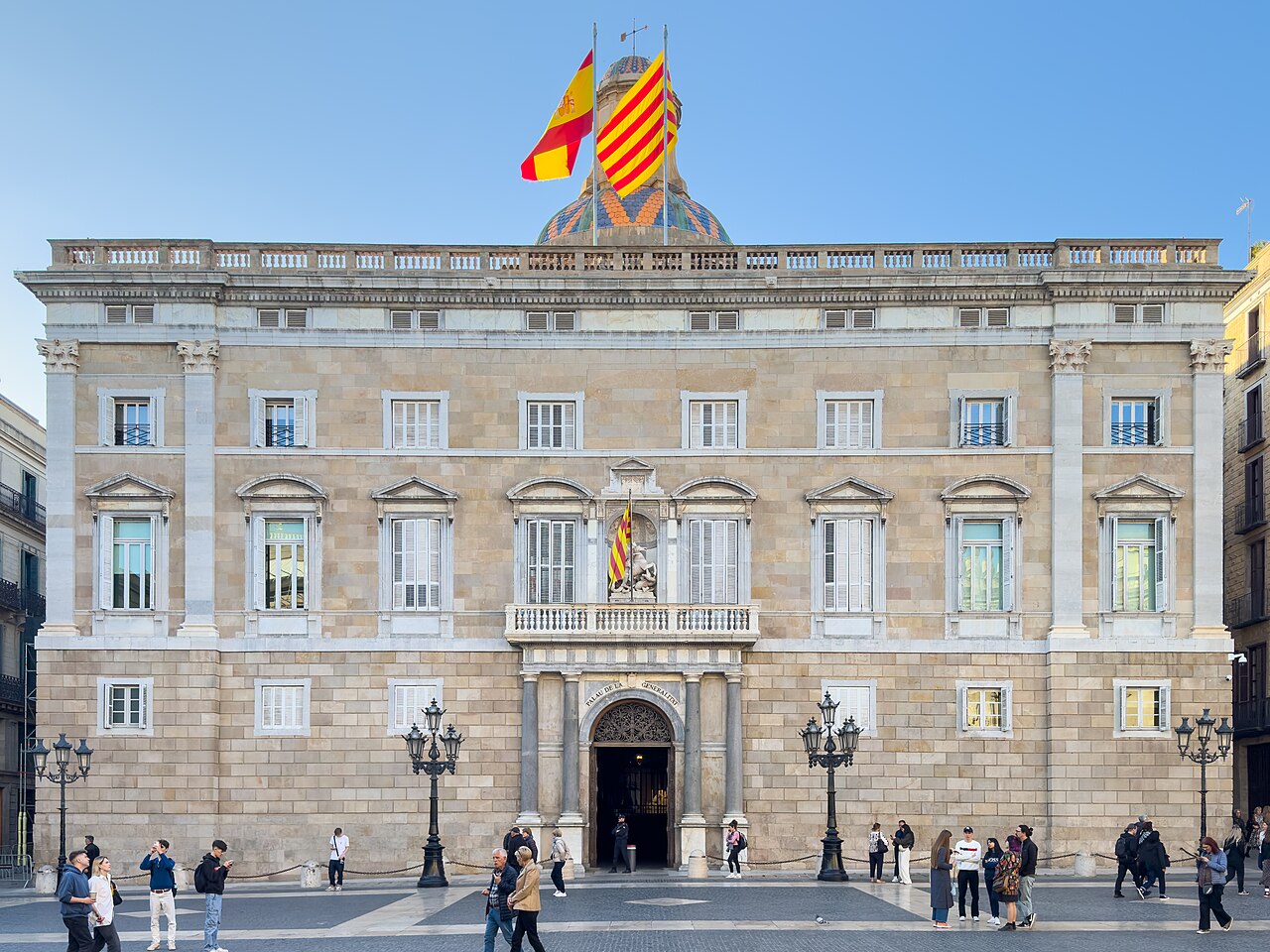
Palau de la Generalitat de Catalunya, Barcelona
-
Gothic Revival 90%
-
Renaissance 85%
-
Neoclassical 80%
The Palau de la Generalitat de Catalunya serves as the seat of the Catalan government. Combining various architectural styles, it reflects the region's political history and cultural significance.
Architectural Styles
Gothic Revival
90%The Gothic Revival style manifests in pointed arches, intricate stone carvings, and asymmetrical forms, showcasing a return to medieval design aesthetics. The building incorporates verticality and decorative elements typical of this style.
- Pointed arches
- Decorative stonework
- Asymmetrical facade
- Gargoyles
- Vertical lines
Renaissance
85%Renaissance elements are visible in the proportionate use of classical columns, symmetry, and harmonious designs, particularly in the courtyard and main entrance, emphasizing beauty and elegance.
- Symmetrical layout
- Classical columns
- Domed roofs
- Pilasters
- Ornamented entryways
Neoclassical
80%Neoclassical influences are apparent through the use of grand columns and a clear emphasis on symmetry. The building's formal presentation reflects the ideals of rationality and order prominent in this style.
- Grandeur of scale
- Use of classical motifs
- Columned porticoes
- Clear geometric forms
- Emphasis on symmetry
Notable Features
- Intricate façade sculptures
- Ornate main entrance
- Historic courtyard
- Vibrant tiled dome
Historical Context
The Palau de la Generalitat de Catalunya was initially built in the 14th century during a period of increased autonomy for Catalonia. The structure has undergone several renovations, notably during the Renaissance, representing the political evolution and cultural identity of Catalonia through architectural adaptability.
Fun Facts
- It has served as the seat of government since the 19th century.
- The building features a blend of several architectural styles due to its various renovations.
- It is often used for official events and functions related to Catalonia's governance.
Frequently Asked Questions
What architectural style is Palau de la Generalitat de Catalunya?
Palau de la Generalitat de Catalunya is primarily Gothic Revival architecture (90% confidence), with elements of Renaissance and Neoclassical. The Gothic Revival style manifests in pointed arches, intricate stone carvings, and asymmetrical forms, showcasing a return to medieval design aesthetics. The building incorporates verticality and decorative elements typical of this style.
When was Palau de la Generalitat de Catalunya built?
Palau de la Generalitat de Catalunya dates from 14th century, with modifications in the 17th century.
Who designed Palau de la Generalitat de Catalunya?
Palau de la Generalitat de Catalunya was designed by Francesc de Paula del Villar, and others.
Where is Palau de la Generalitat de Catalunya located?
Palau de la Generalitat de Catalunya is located at Plaça de Sant Jaume, 4, 08002 Barcelona, Spain.
What are the notable features of Palau de la Generalitat de Catalunya?
Notable features include intricate façade sculptures, ornate main entrance, historic courtyard, and vibrant tiled dome.
Similar Style Buildings

Paleisstraat 2b, 2514 JA Den Haag
Gothic
N/A
Gothic
N/A
Gothic
N/A
Norman
N/A
Gothic
N/A
Art Deco
N/A
Beaux-Arts
N/A
Colonial RevivalNearby Buildings
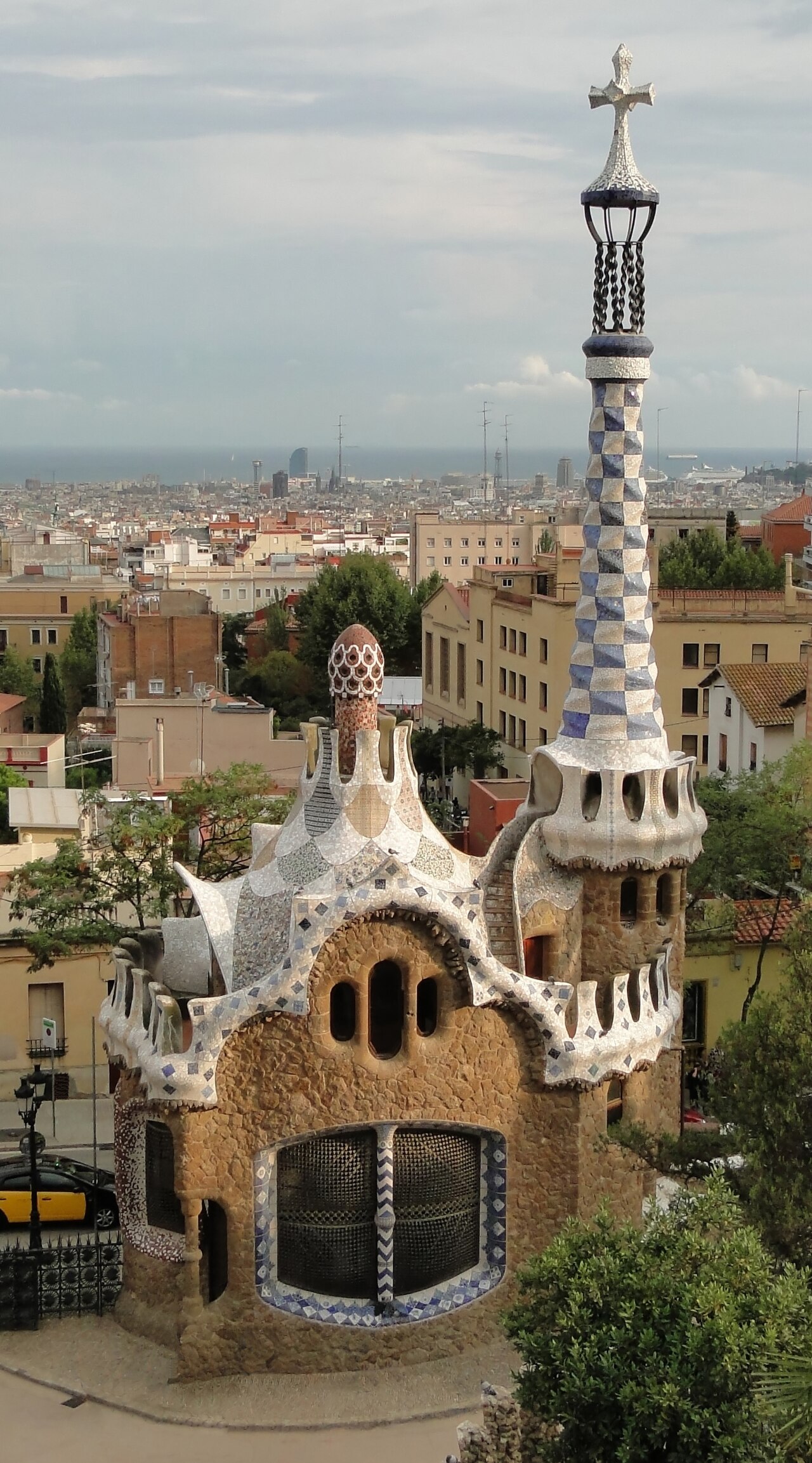
Park Güell
Art Nouveau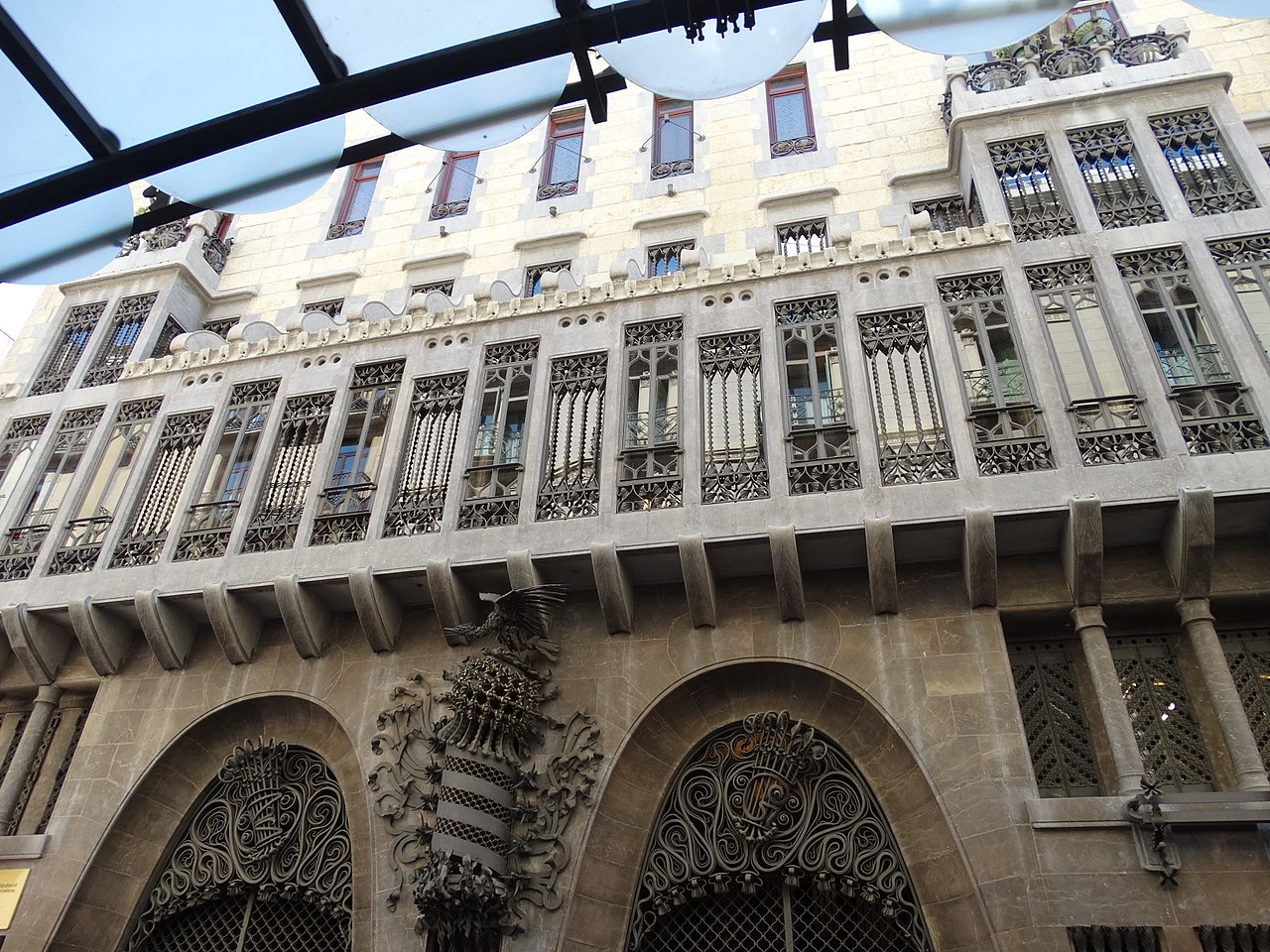
Palau Güell
Art Nouveau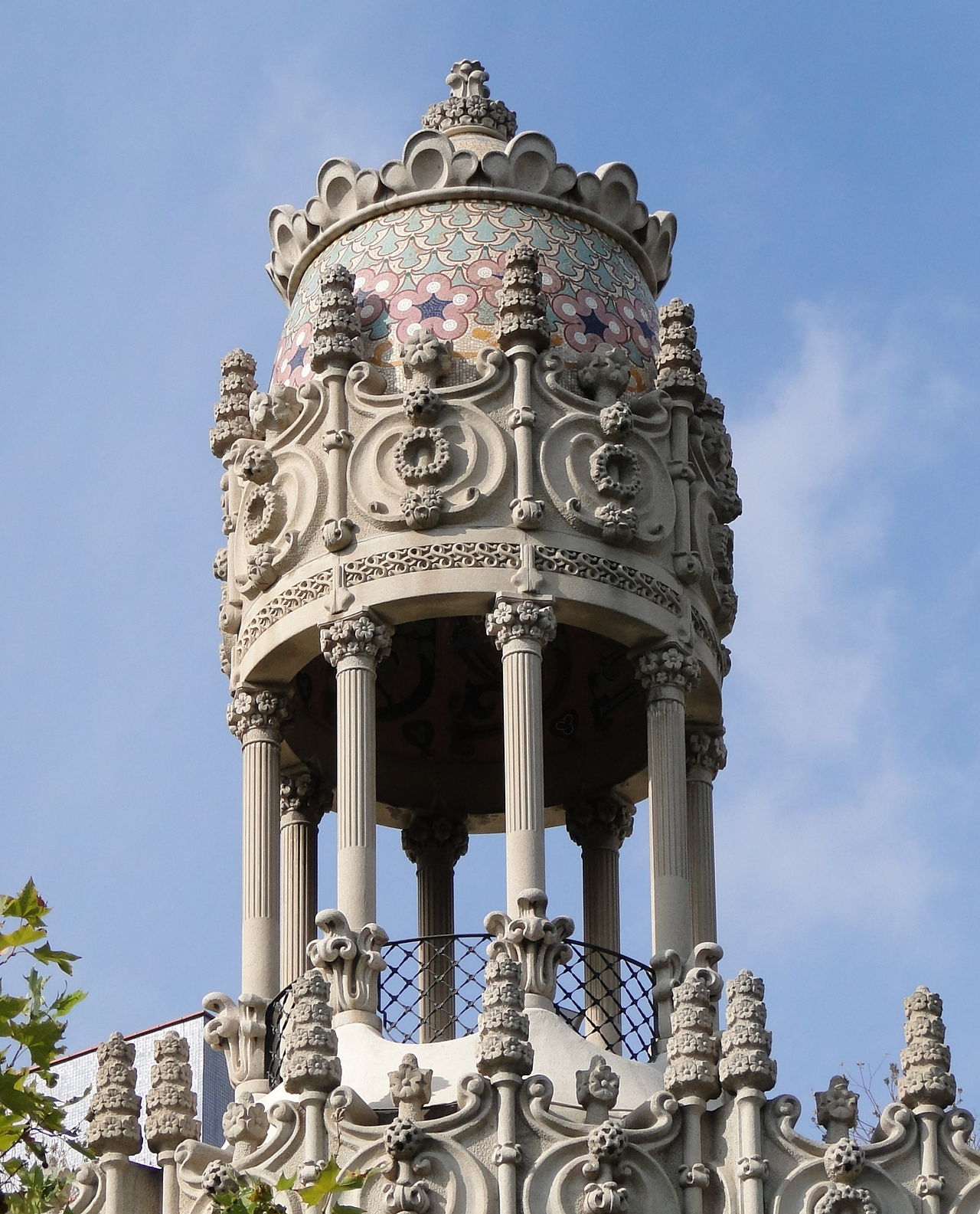
Casa Lleó Morera
Art Nouveau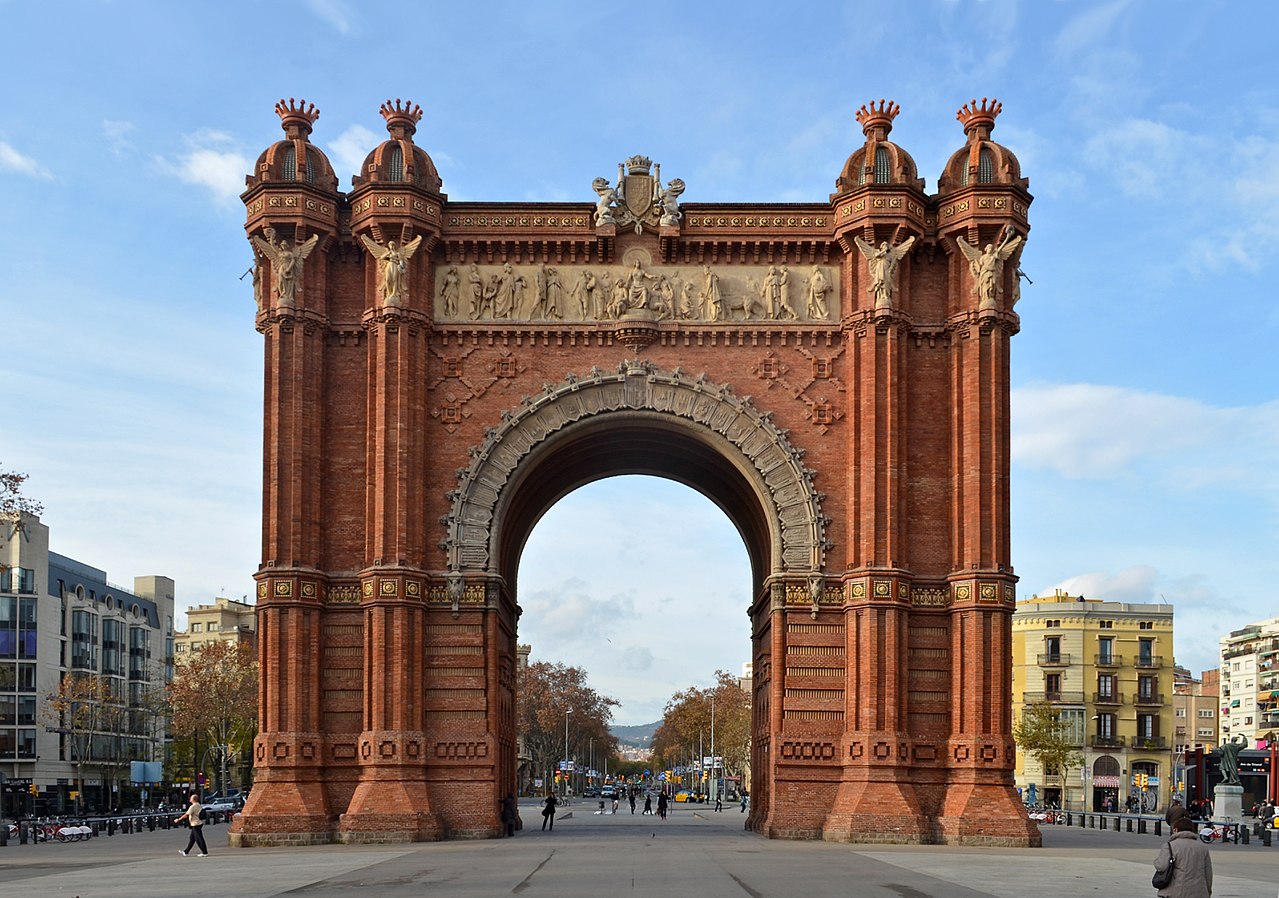
Arc de Triomf
Neo-mudéjar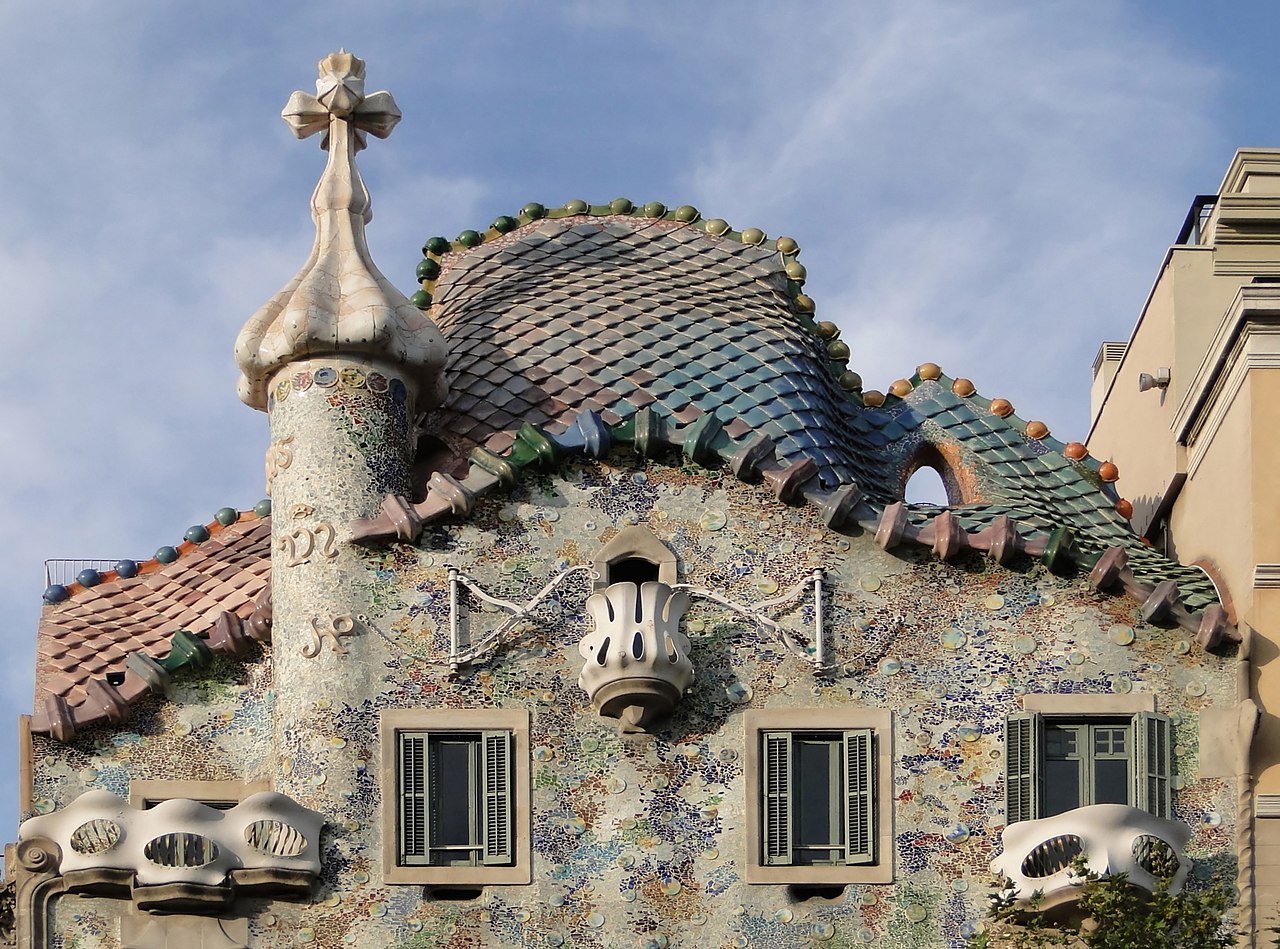
Casa Batlló
Art Nouveau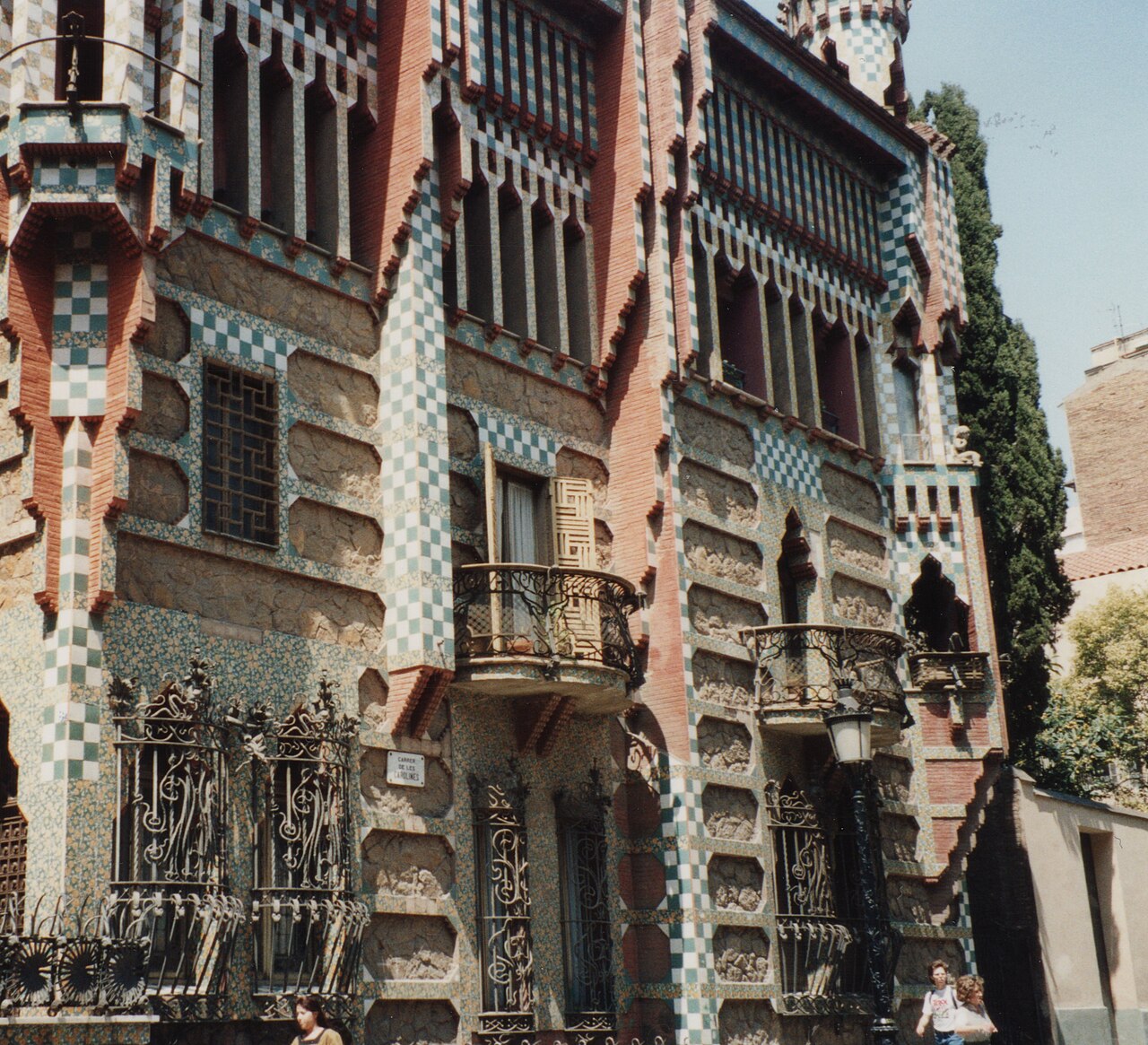
Casa Vicens
Art Nouveau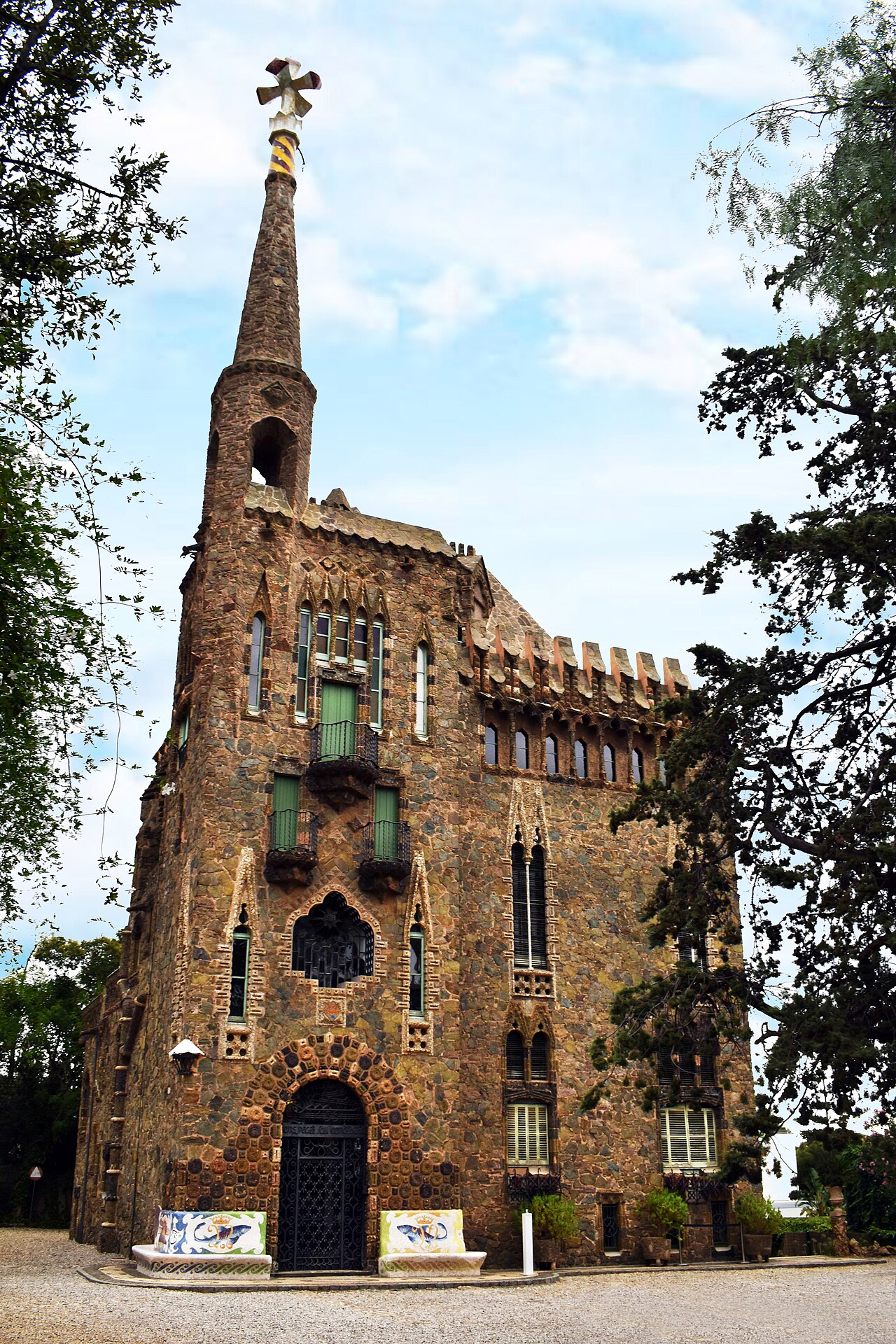
Torre Bellesguard
Gothic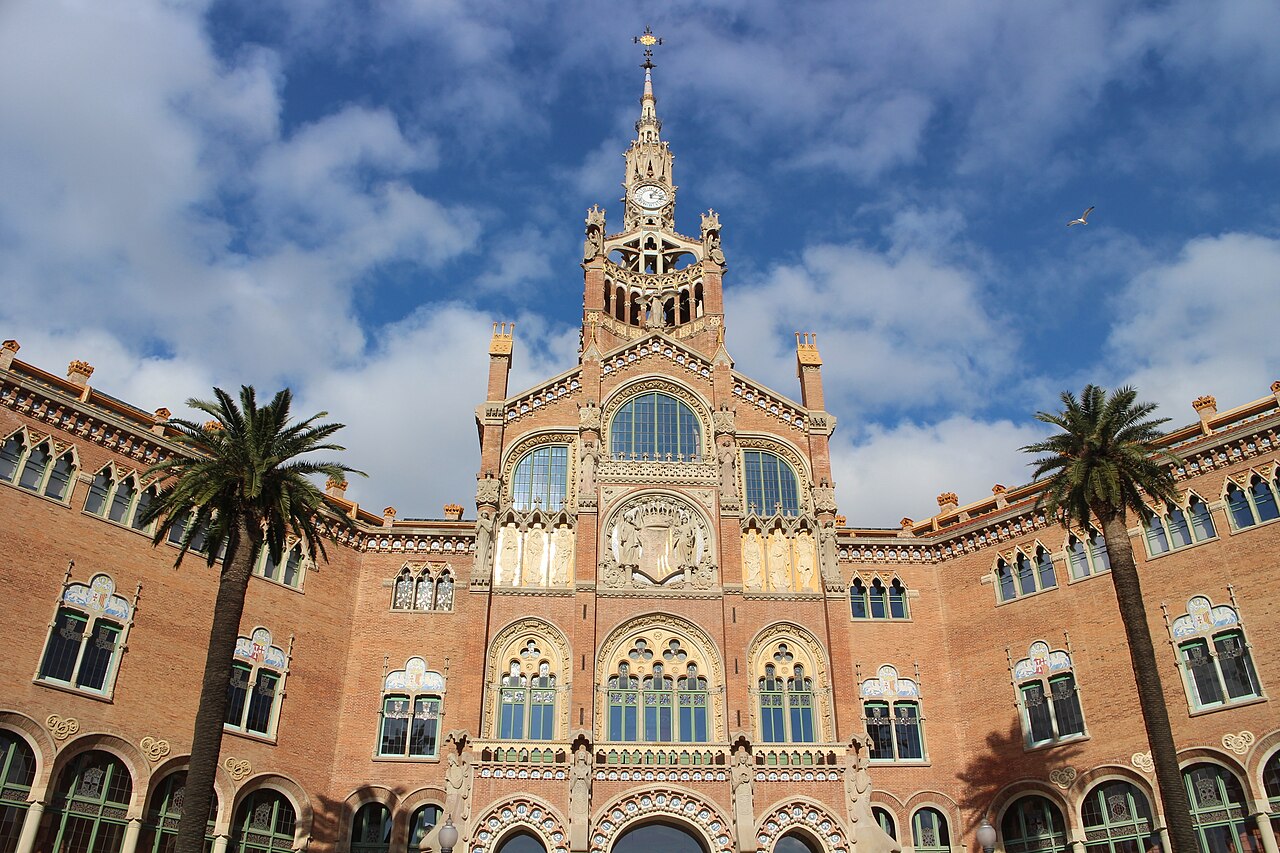
Hospital de Sant Pau
ModernismExplore This City
Barcelona Architecture Guide
Explore 25 buildings across 19 styles →