Palau de la Música Catalana, Barcelona
-
Art Nouveau 90%
-
Catalan Modernisme 85%
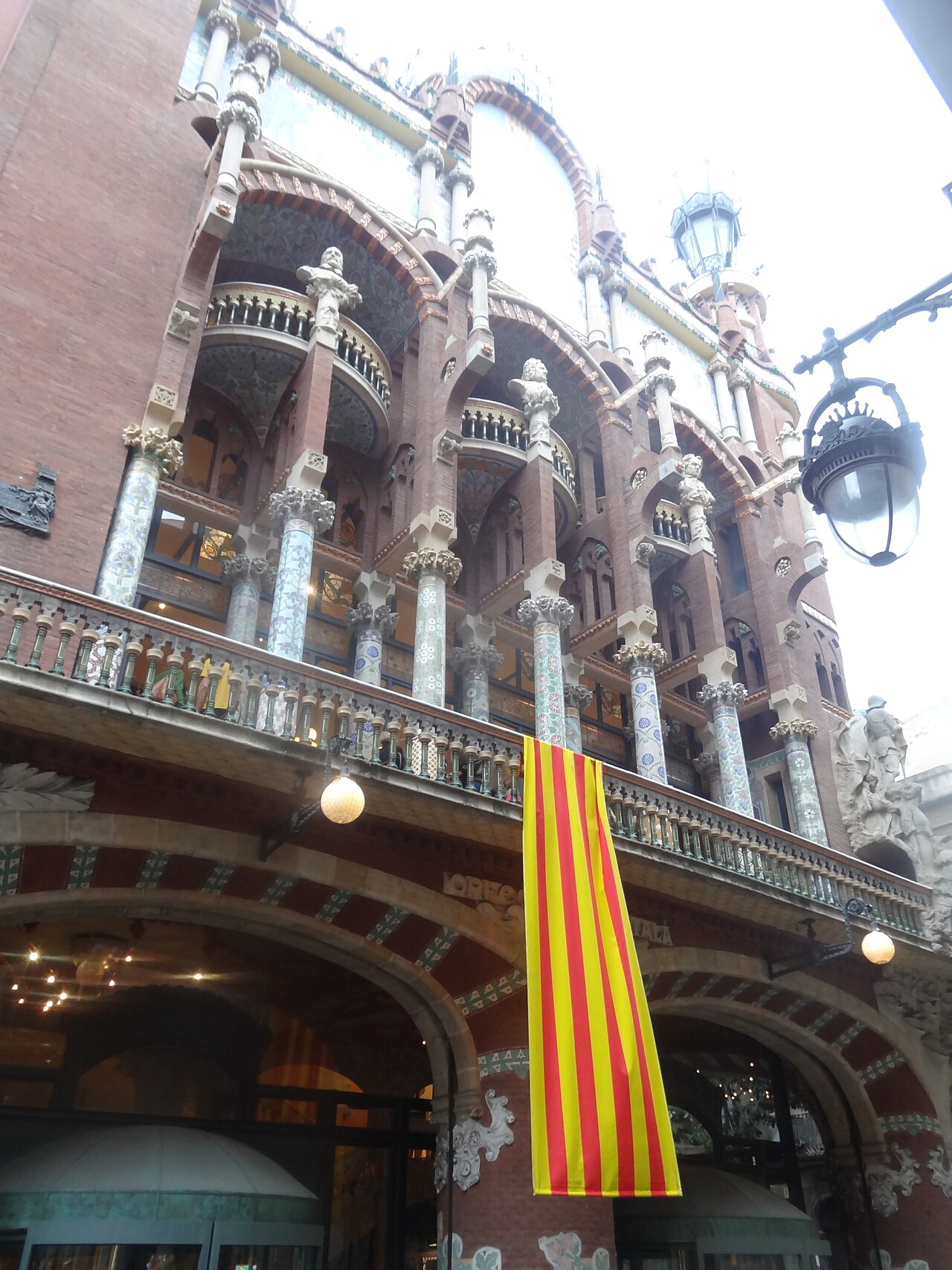
The Palau de la Música Catalana is a concert hall and a masterpiece of Catalan Modernisme. Its intricate design and vibrant mosaics reflect the cultural revival in Catalonia in the early 20th century, making it a significant architectural landmark.
Architectural Styles
Art Nouveau
90%Art Nouveau manifests in the Palau de la Música Catalana through its organic forms and decorative motifs. The building features flowing lines, intricate floral patterns, and the innovative use of stained glass which creates an inviting and dynamic space.
- Curvilinear shapes
- Floral motifs
- Stained glass windows
- Colorful mosaics
- Sculptural details
Catalan Modernisme
85%Catalan Modernisme showcases local craftsmanship and identity, evident in the use of traditional materials like brick and ceramic tiles. This style is characterized by a synthesis of various artistic forms, emphasizing ornamentation and nature-inspired design.
- Brick façade
- Ceramic tile work
- Sculptural elements
- Nature-inspired forms
Notable Features
- Stained glass skylight
- Intricate tile mosaics
- Scenic arches
- Sculptural decorations
Historical Context
Built between 1905 and 1908, the Palau de la Música Catalana was commissioned for the Orfeó Català choral society. It symbolizes the Catalan cultural renaissance and stands as a testament to the architectural dialogue of the period influenced by Modernisme.
Fun Facts
- The concert hall was declared a UNESCO World Heritage site in 1997.
- It features a unique façade adorned with colorful ceramics representing the national identity.
- The interior is designed to optimize acoustics, making it one of the best concert halls in Europe.
Frequently Asked Questions
What architectural style is Palau de la Música Catalana?
Palau de la Música Catalana is primarily Art Nouveau architecture (90% confidence), with elements of Catalan Modernisme. Art Nouveau manifests in the Palau de la Música Catalana through its organic forms and decorative motifs. The building features flowing lines, intricate floral patterns, and the innovative use of stained glass which creates an inviting and dynamic space.
When was Palau de la Música Catalana built?
Palau de la Música Catalana dates from 1908.
Who designed Palau de la Música Catalana?
Palau de la Música Catalana was designed by Lluís Domènech i Montaner.
Where is Palau de la Música Catalana located?
Palau de la Música Catalana is located at Carrer de Palau de la Música, 4-6, Barcelona, Spain.
What are the notable features of Palau de la Música Catalana?
Notable features include stained glass skylight, intricate tile mosaics, scenic arches, and sculptural decorations.
Similar Style Buildings

N/A
Modernism
N/A
Postmodernism
N/A
Gothic
AI
Art Deco
N/A
Gothic
N/A
Modernism
N/A
Beaux-Arts
N/A
ModernismNearby Buildings
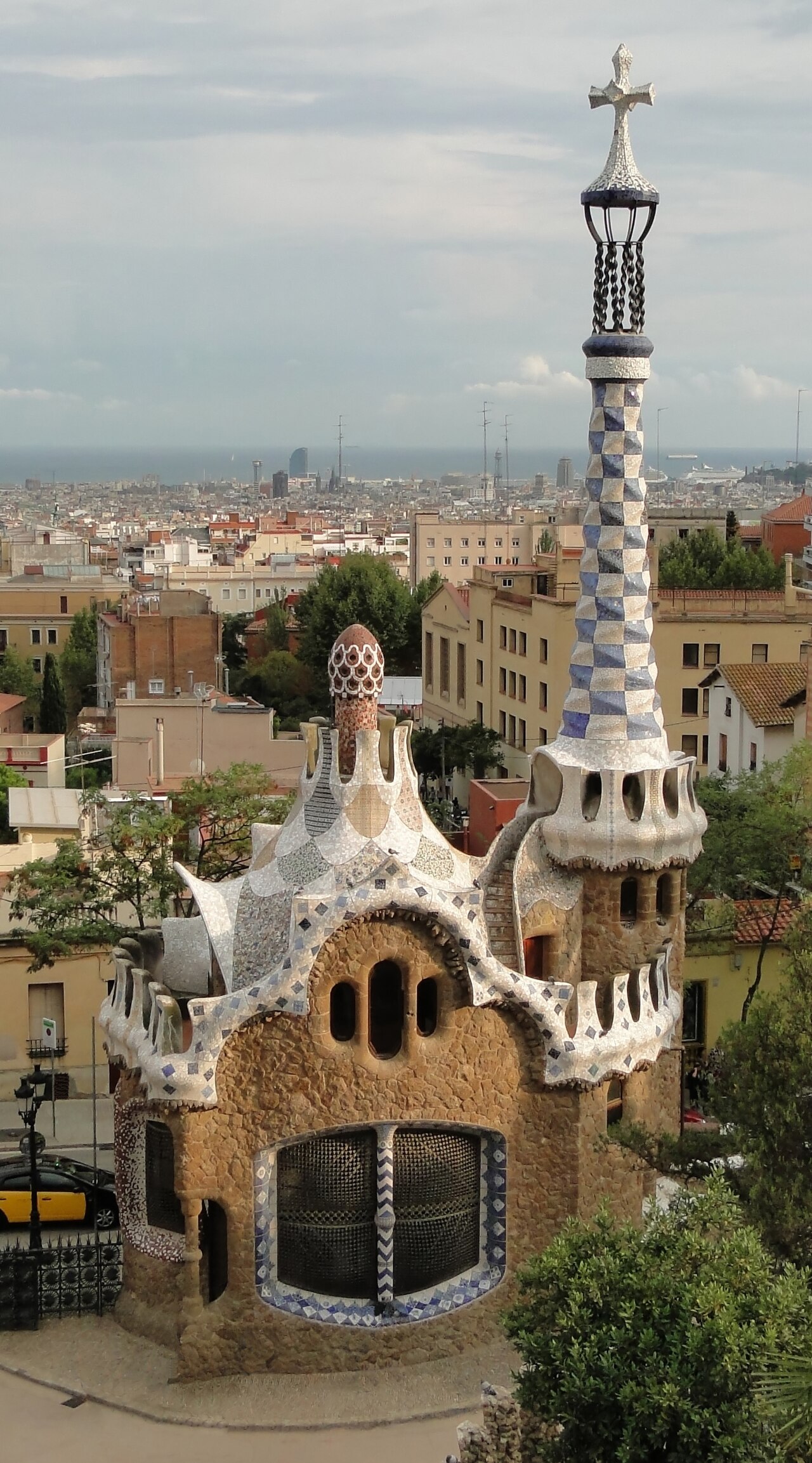
Park Güell
Art Nouveau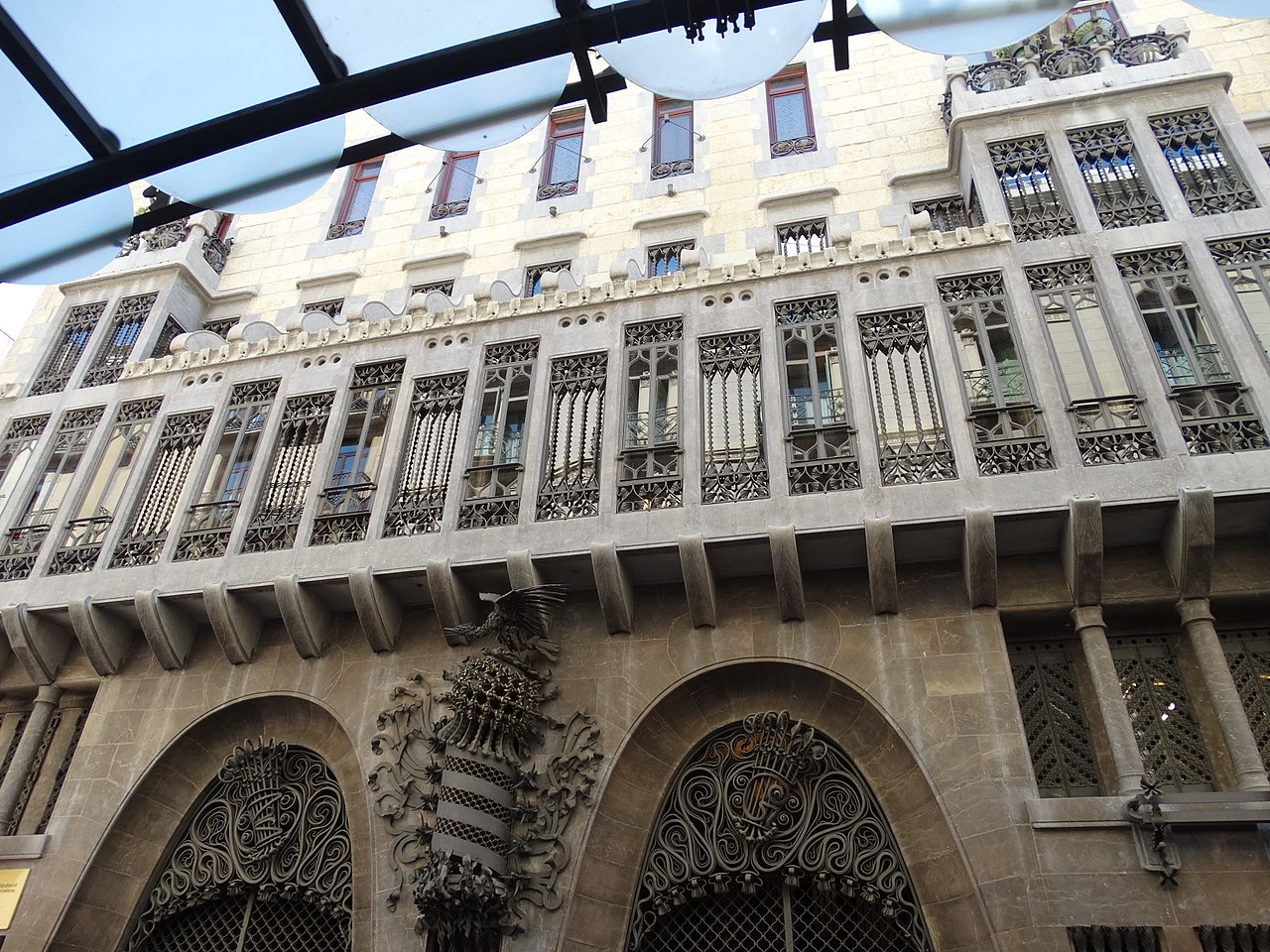
Palau Güell
Art Nouveau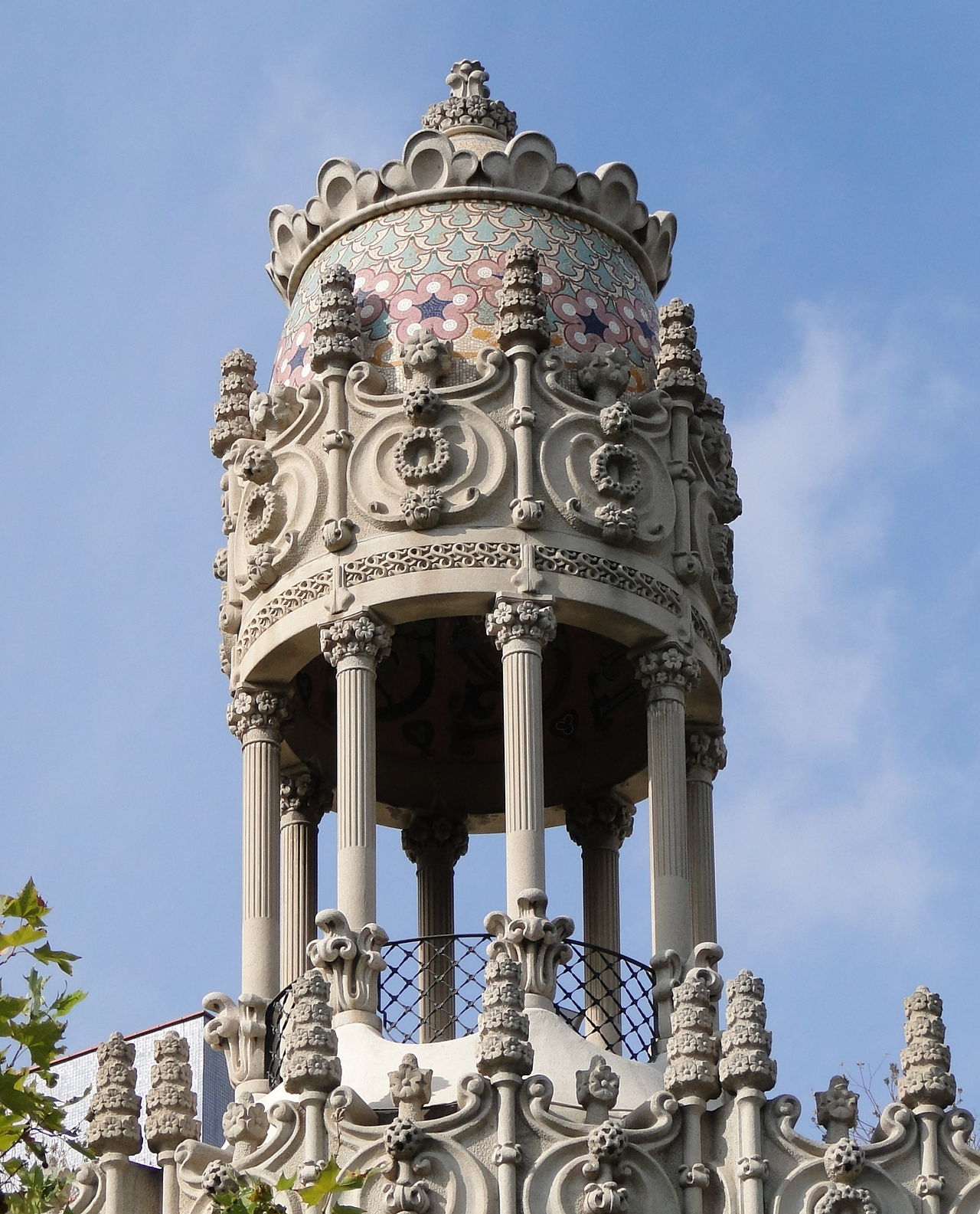
Casa Lleó Morera
Art Nouveau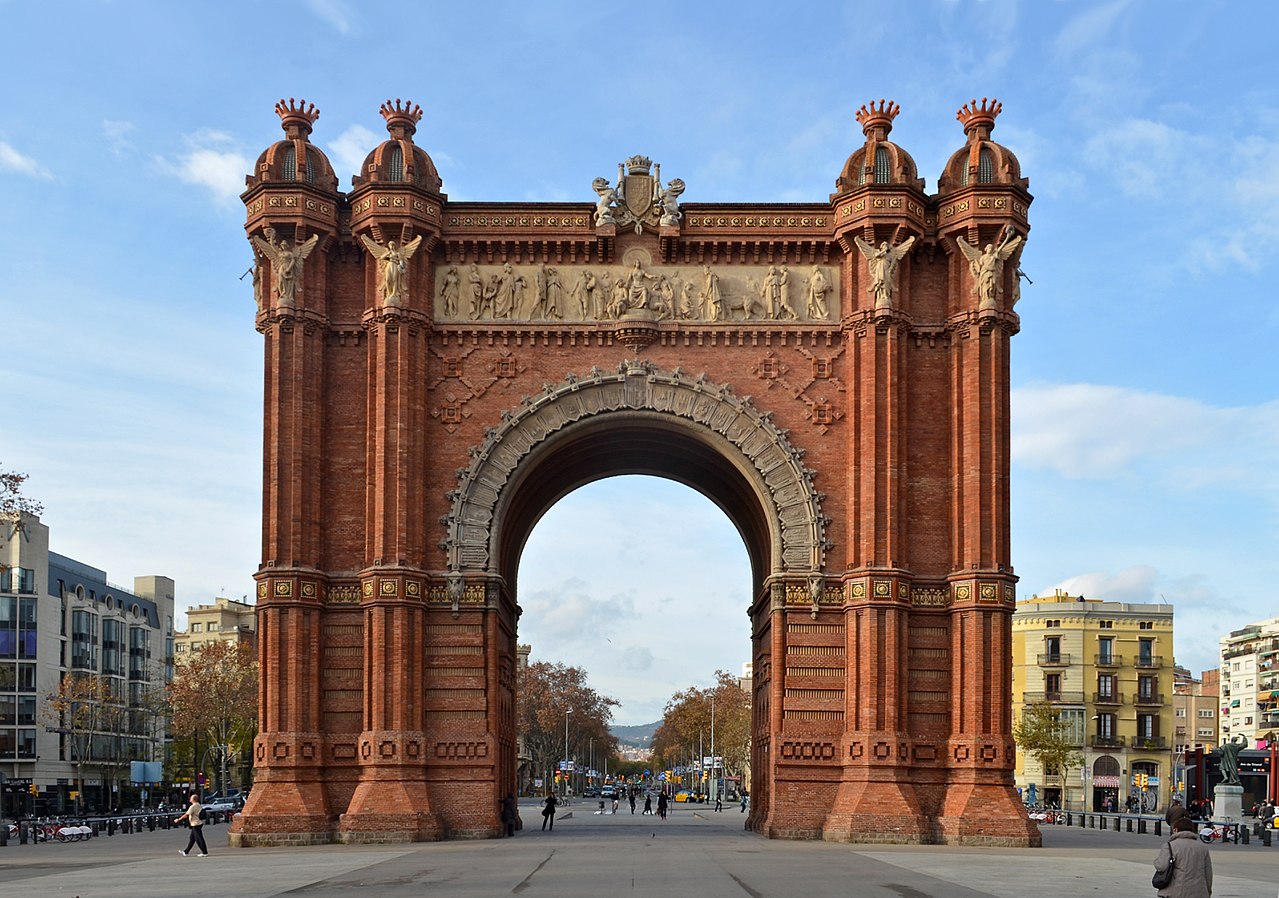
Arc de Triomf
Neo-mudéjar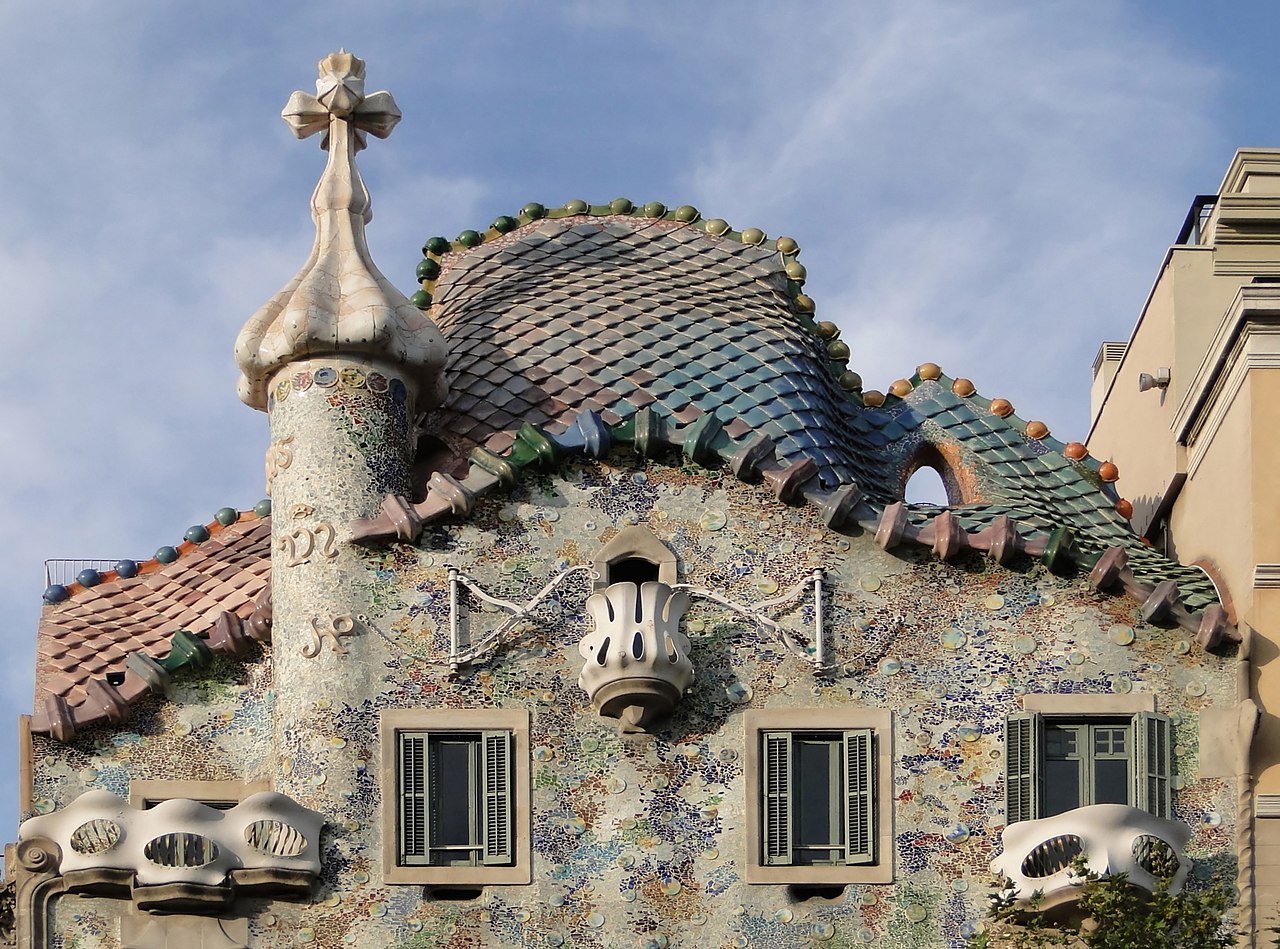
Casa Batlló
Art Nouveau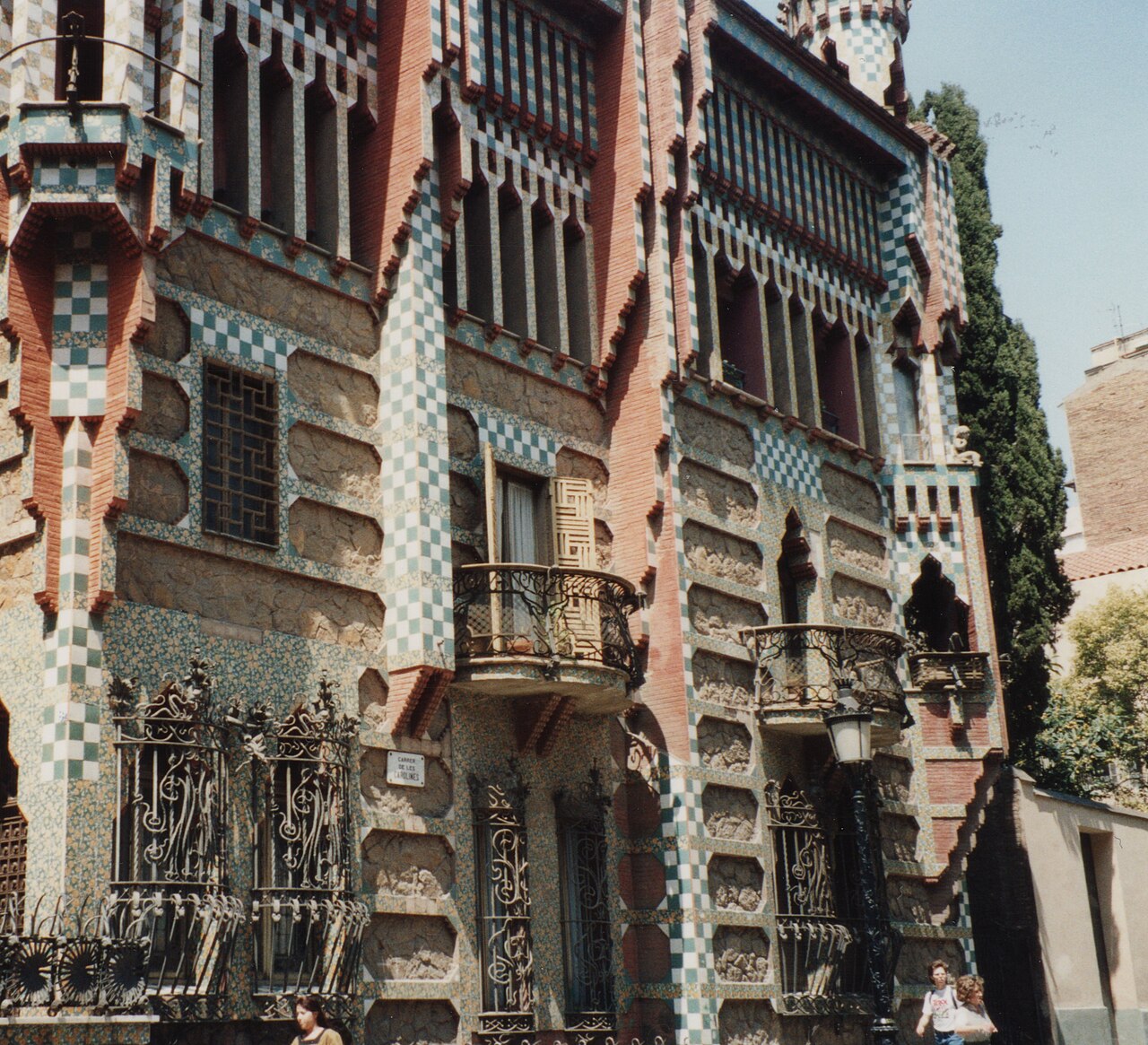
Casa Vicens
Art Nouveau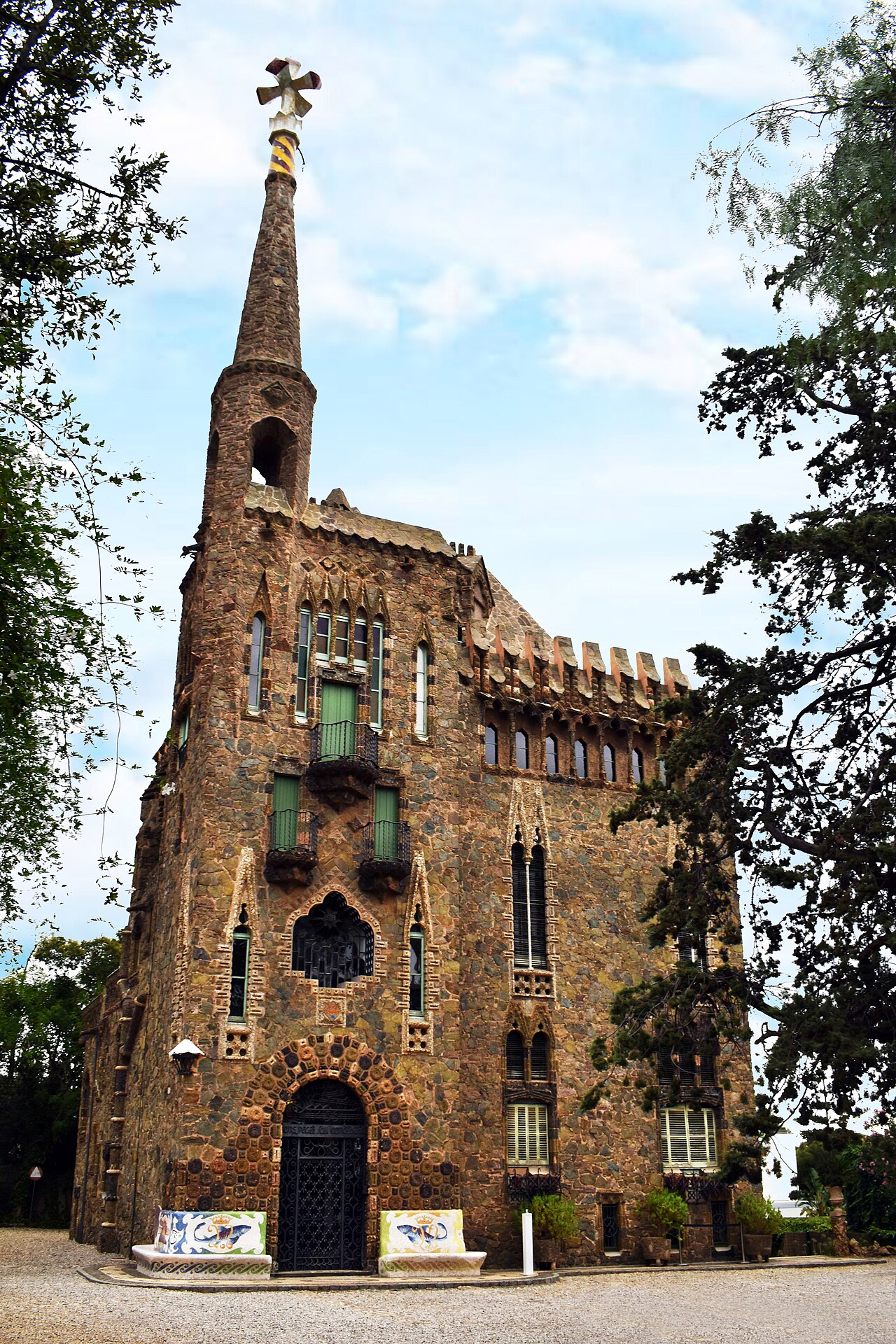
Torre Bellesguard
Gothic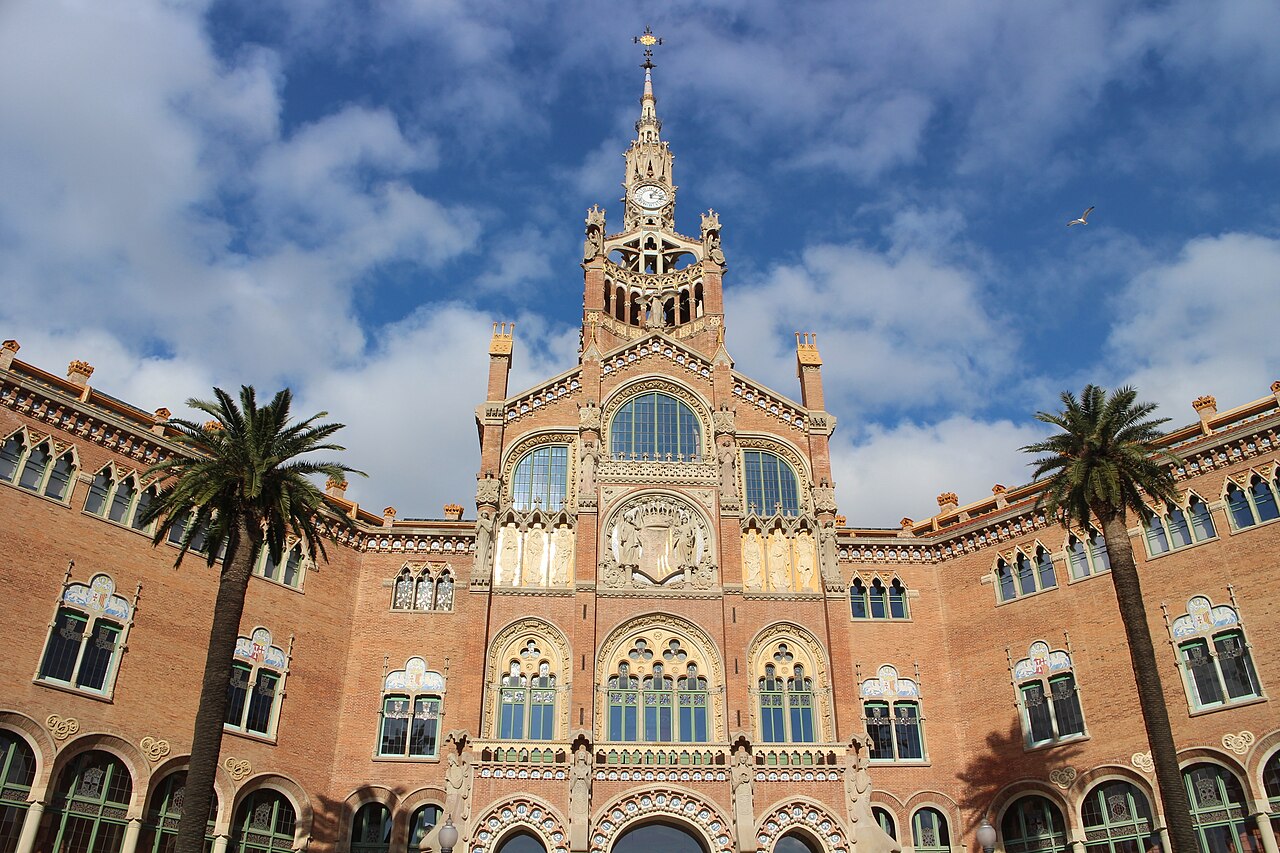
Hospital de Sant Pau
ModernismExplore This City
Barcelona Architecture Guide
Explore 25 buildings across 19 styles →