British Museum, London
-
Neoclassical 90%
-
Beaux-Arts 70%
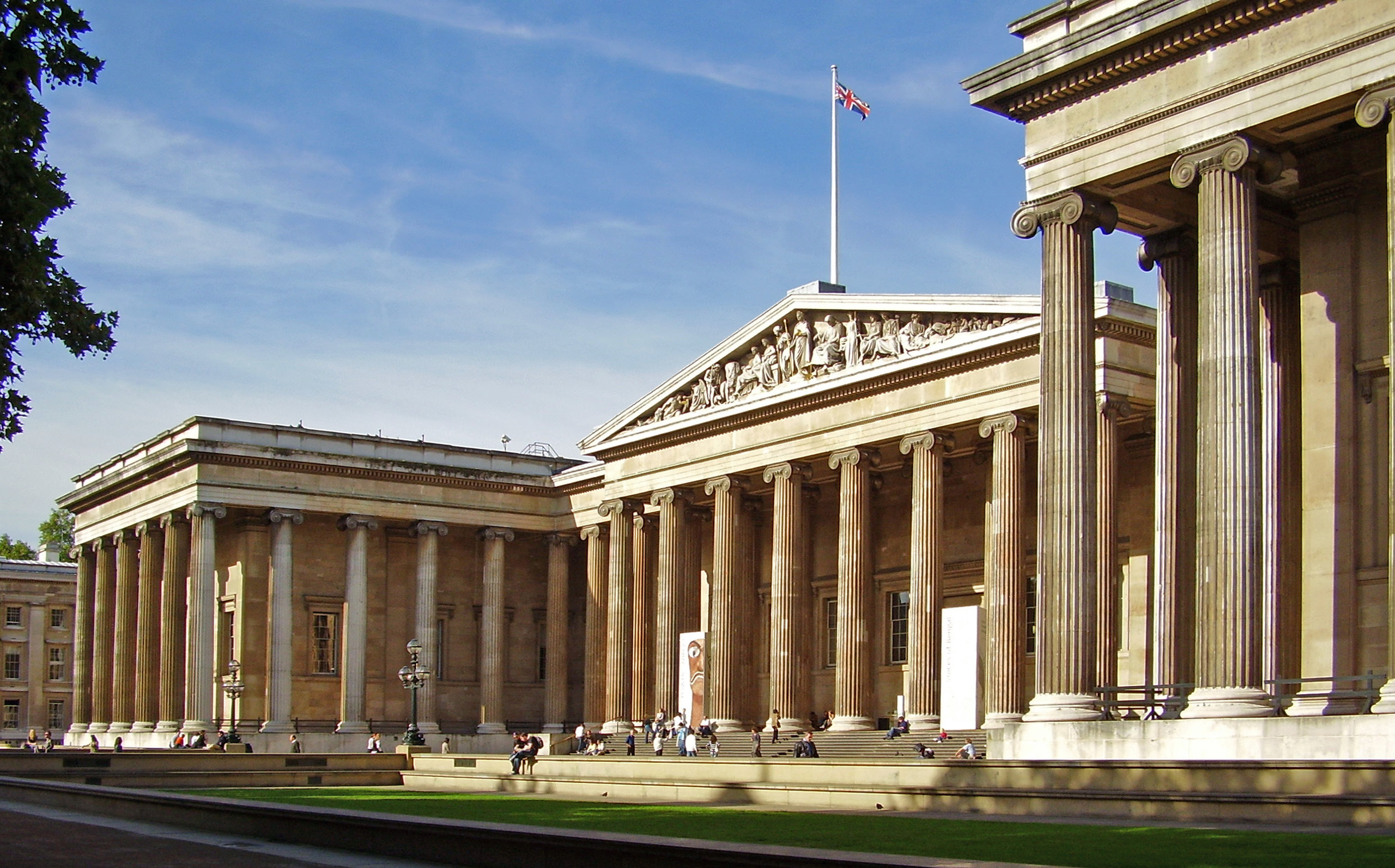
The British Museum, located in London, is one of the world's oldest and most comprehensive museums dedicated to human history and culture. Its neoclassical design stands as a symbol of Britain's imperial past and showcases an extensive collection of art and antiquities from around the globe.
Architectural Styles
Neoclassical
90%The neoclassical style is evident in the grand portico with tall columns and a triangular pediment, reflecting the influence of ancient Greek architecture.
- Tall columns
- Triangular pediment
- Symmetrical façade
- Entablature with reliefs
- Prominent staircase
Beaux-Arts
70%The Beaux-Arts style manifests in the elaborate detailing and the monumental scale of the building, characterized by its impressive entrance and decorative elements.
- Elaborate decorative moldings
- Grand staircases
- Use of sculptures
- Open interior spaces
- High ceilings
Notable Features
- Great Court
- Reading Room
- Collection of the Rosetta Stone
Historical Context
The British Museum was established in 1753 and opened to the public in 1759. It was built to house the growing collections stemming from Britain's colonial pursuits, marking a significant point in the history of museums.
Fun Facts
- It houses over 8 million works
- The Great Court is the largest covered public square in Europe
- Entry to the museum is free for all visitors
Frequently Asked Questions
What architectural style is British Museum?
British Museum is primarily Neoclassical architecture (90% confidence), with elements of Beaux-Arts. The neoclassical style is evident in the grand portico with tall columns and a triangular pediment, reflecting the influence of ancient Greek architecture.
When was British Museum built?
British Museum dates from 1852.
Who designed British Museum?
British Museum was designed by Sir Robert Smirke.
Where is British Museum located?
British Museum is located at Great Russell Street, Bloomsbury, London WC1B 3DG.
What are the notable features of British Museum?
Notable features include great court, reading room, and collection of the rosetta stone.
Similar Style Buildings

N/A
Beaux-Arts
N/A
Colonial Revival
N/A
Neoclassical
N/A
Neoclassical
N/A
Neoclassical
N/A
Neoclassical
N/A
Neoclassical
N/A
Art DecoNearby Buildings

7 Rhyl St London, England
Modernism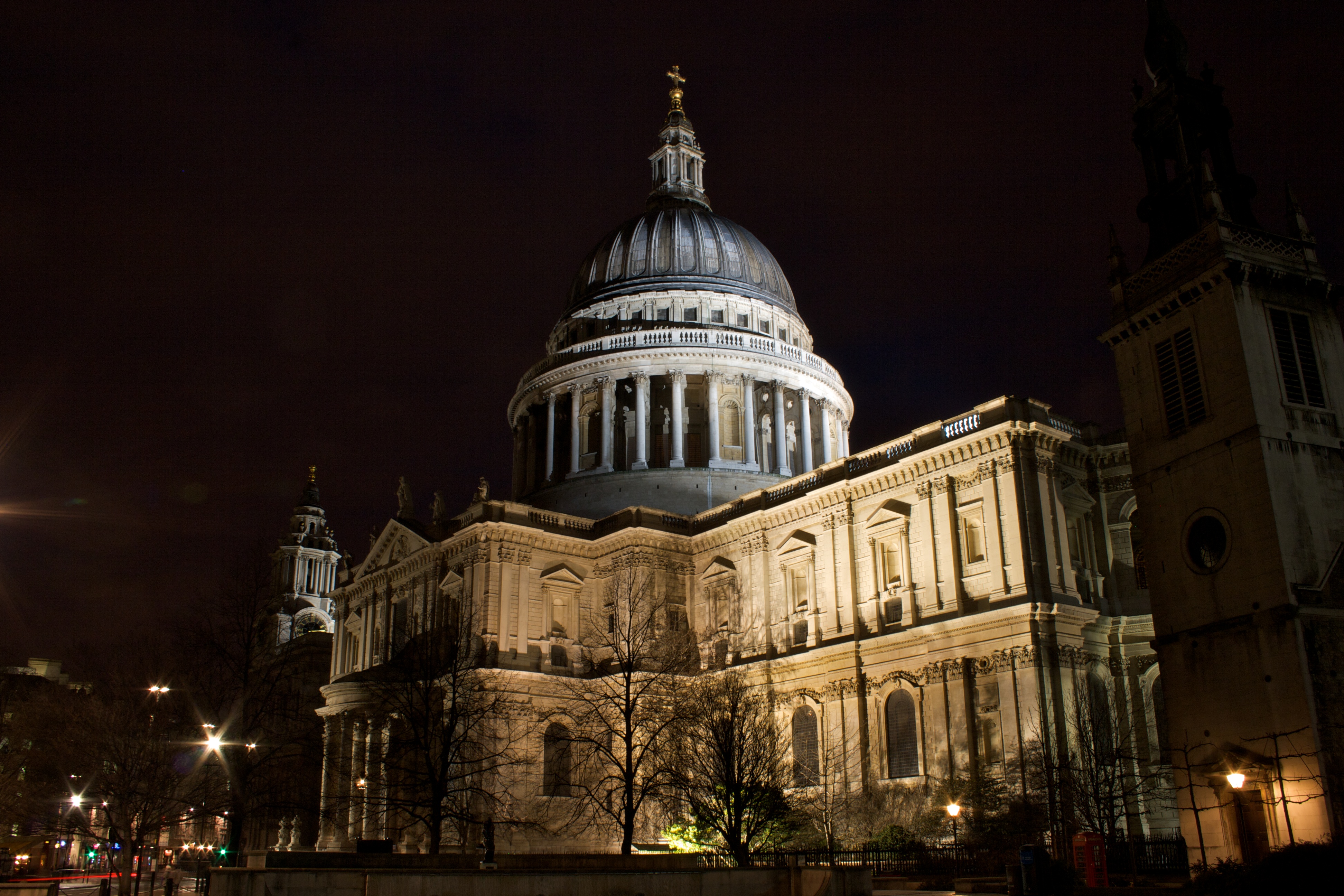
St Paul's Cathedral
Baroque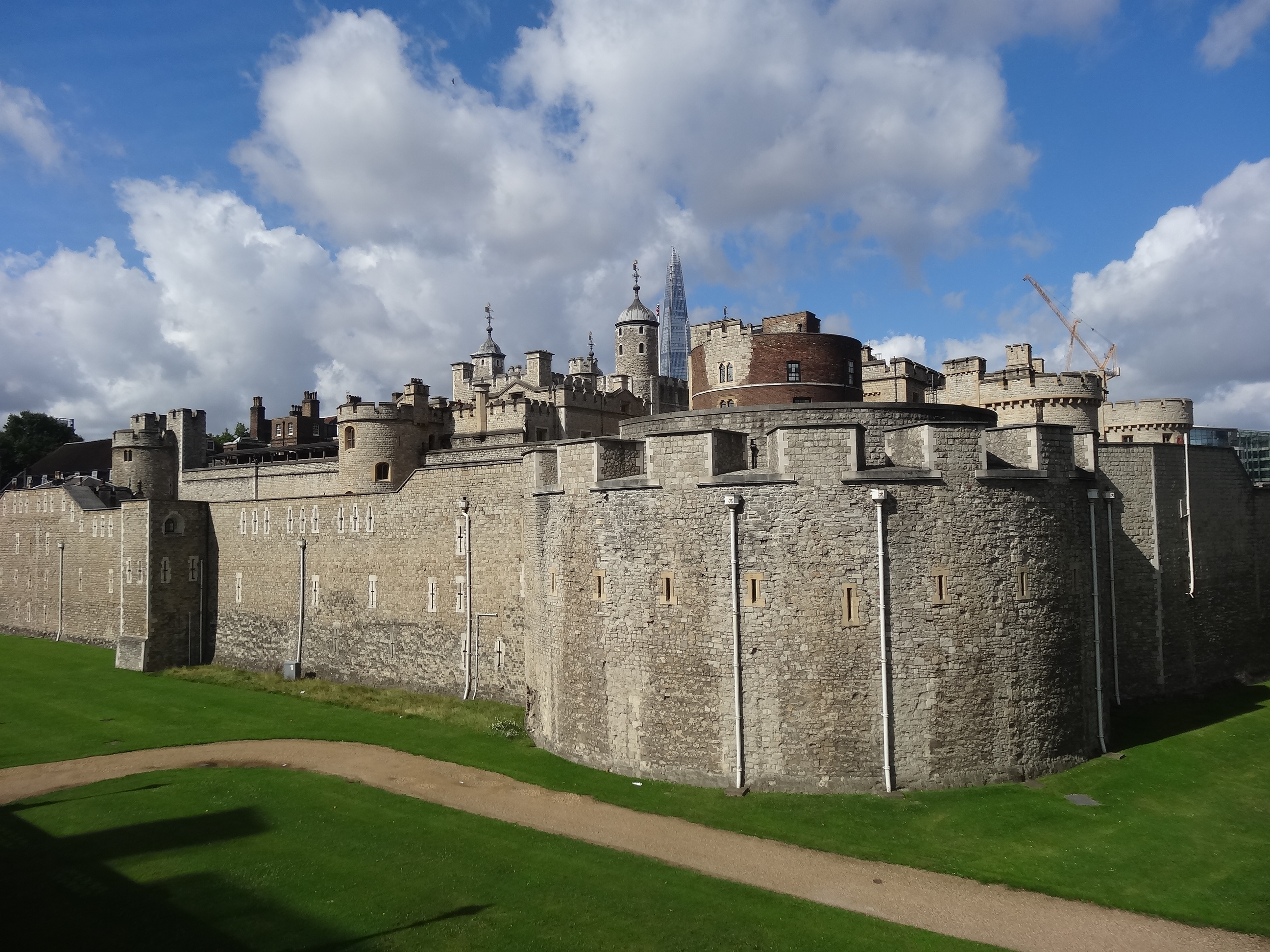
Tower of London
Romanesque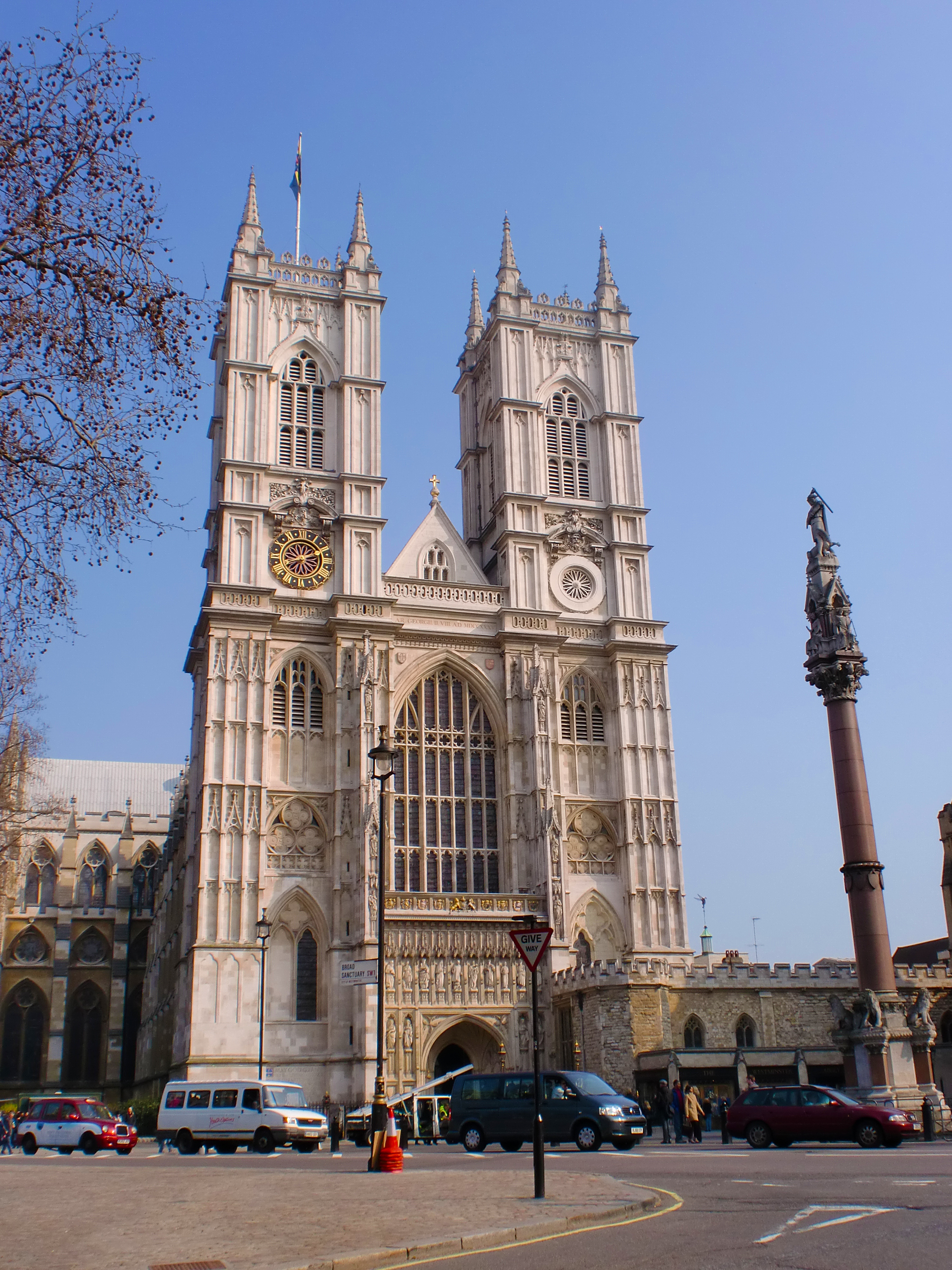
Westminster Abbey
Gothic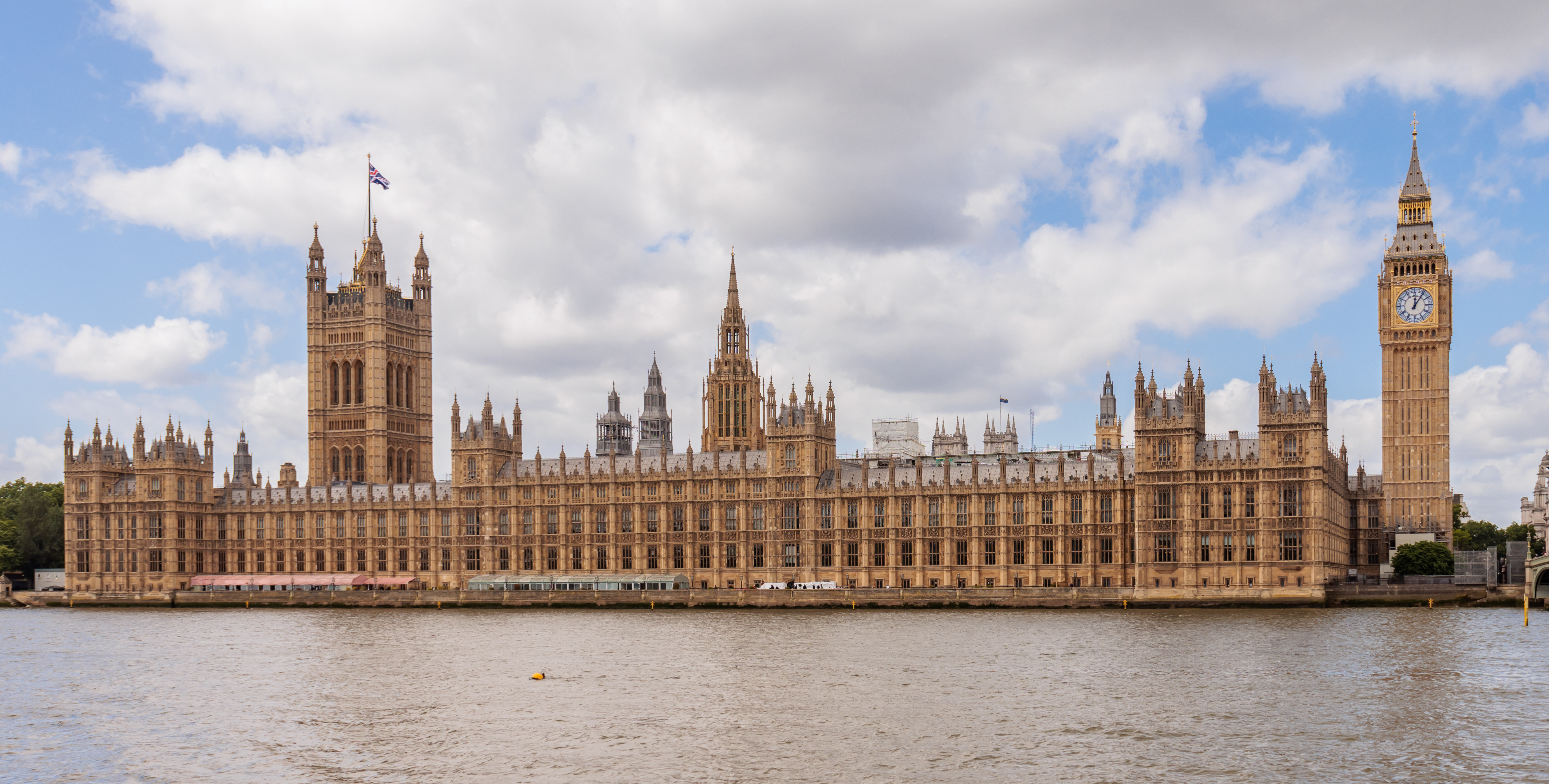
Palace of Westminster
Gothic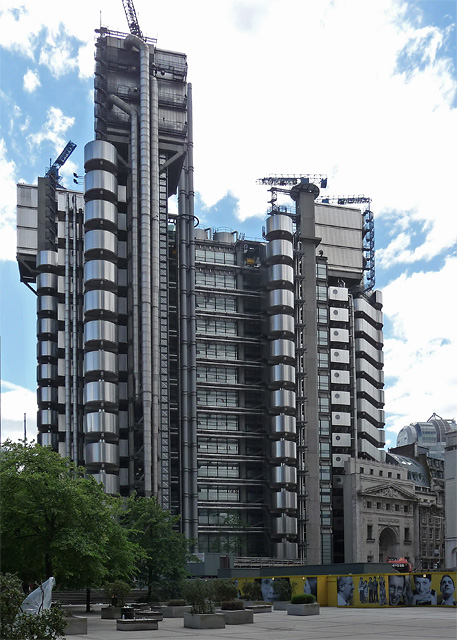
Lloyd's Building
High-Tech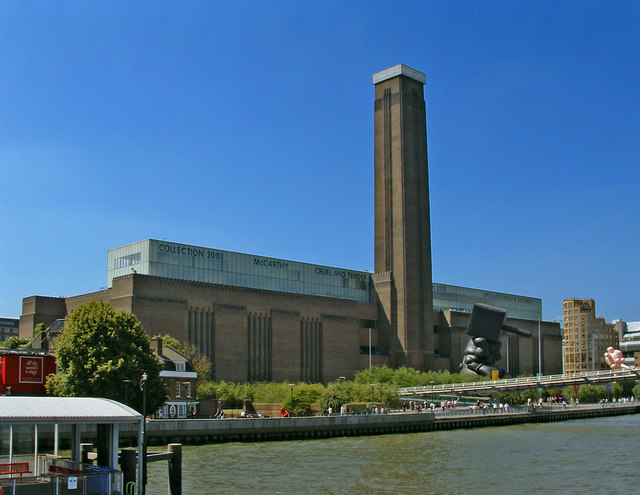
Tate Modern
Brutalism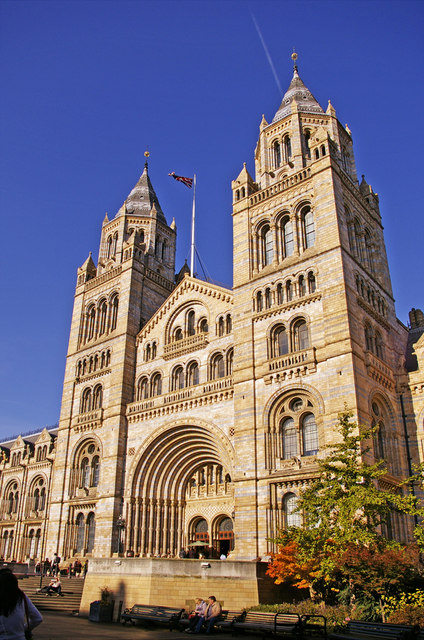
Natural History Museum
RomanesqueExplore This City
London Architecture Guide
Explore 8 buildings across 11 styles →