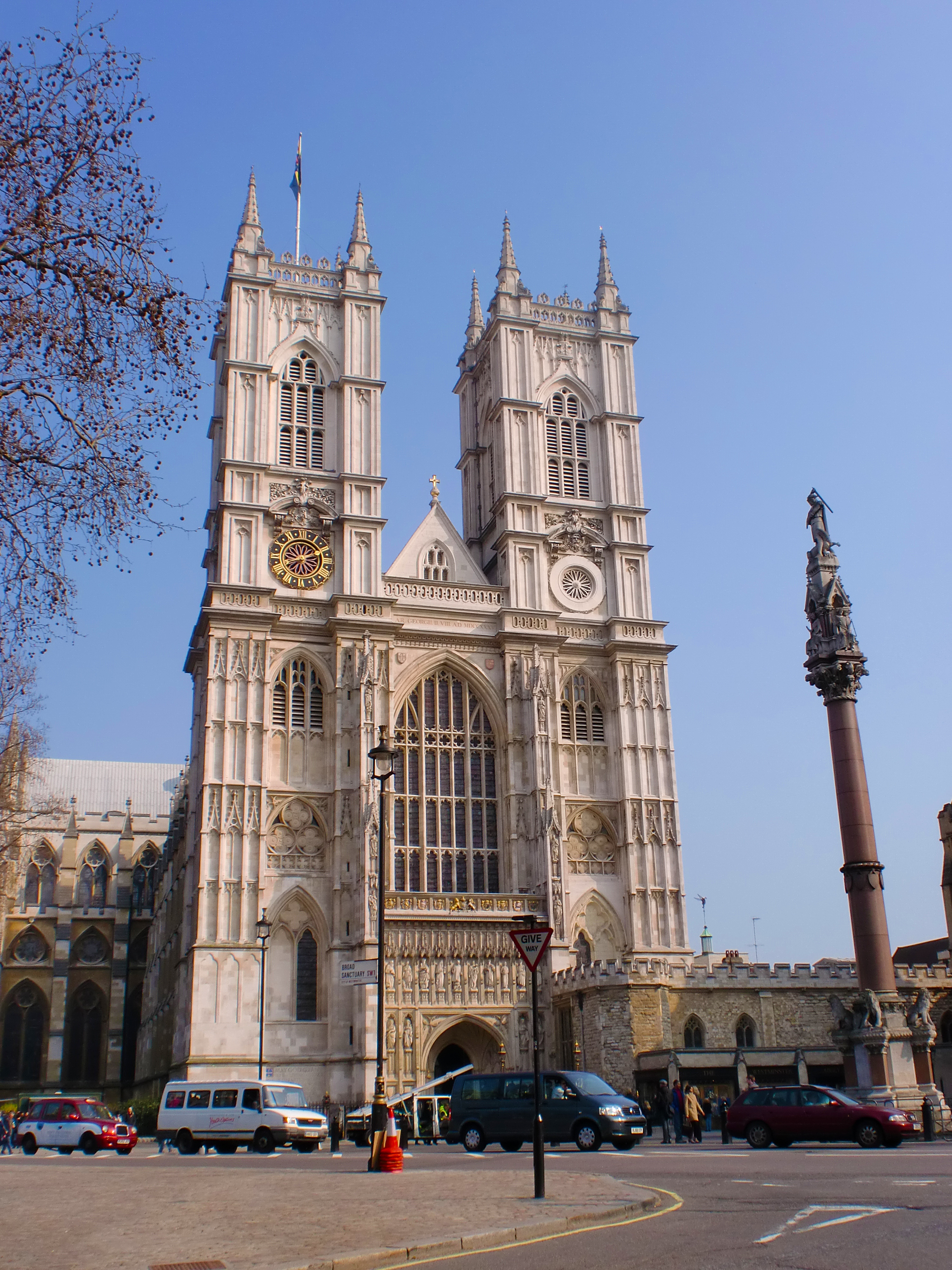
London is a city where history and modernity coexist in its architecture. The skyline is a patchwork of styles, ranging from medieval fortresses to cutting-edge contemporary structures. Each building tells a story of the city's evolution and cultural influences over centuries. From the majestic Gothic spires of Westminster Abbey to the sleek, industrial lines of the Lloyd's Building, London offers an architectural journey through time.
Visitors to London have the opportunity to experience a diverse array of architectural styles. The city's architects have historically drawn inspiration from both local traditions and international movements, creating a unique architectural landscape. As you explore, you'll find that London’s buildings are not only functional spaces but also expressions of artistic and cultural narratives.
Architectural history of London
London's architectural history is a reflection of its complex social and economic past. The city’s development over centuries has been shaped by various events, such as the Great Fire of 1666, which led to a rebuilding era marked by Baroque influences. The Industrial Revolution brought about rapid urban expansion, influencing Victorian and Neoclassical designs. Local materials such as Portland stone and red brick have been staples in construction, while the city's position as a global hub introduced diverse architectural ideas. The Gothic style dominated in the medieval period, seen in structures like Westminster Abbey, whereas the 19th century embraced the grandeur of Neoclassicism, evident in the British Museum. In recent times, London has become a canvas for modern and experimental architecture, showcasing buildings like the Tate Modern.
Signature styles
Gothic
The Gothic style is prominently featured in London, with iconic examples like the Palace of Westminster and Westminster Abbey. These buildings are characterized by pointed arches, ribbed vaults, and flying buttresses, creating an awe-inspiring verticality. The Gothic style in London is a testament to the city's medieval past and is often associated with religious and governmental architecture.
Neoclassical
Neoclassical architecture in London reflects the city’s affinity for symmetry, proportion, and grandeur. The British Museum and St Paul's Cathedral are prime examples, showcasing columns, domes, and pediments. This style emerged in the 18th and 19th centuries, inspired by the classical architecture of ancient Greece and Rome, and continues to symbolize elegance and authority.
Romanesque
Romanesque architecture in London is less prevalent but can be marvelously seen in the Tower of London and the Natural History Museum. This style is marked by thick walls, round arches, and sturdy piers. Often associated with religious and defensive structures, Romanesque buildings convey a sense of strength and permanence.
Victorian
The Victorian era brought about a fusion of styles, known for its ornate detailing and eclecticism. The Natural History Museum is a Victorian masterpiece, with its decorative terracotta façade and intricate interiors. Victorian architecture often includes Gothic revival elements, as seen in the Palace of Westminster, blending historical styles with new technologies.
Modernism
Modernism in London is exemplified by structures like 7 Rhyl St London, which emphasizes simplicity and functionalism. Modernist buildings often feature clean lines, open spaces, and innovative materials. This style flourished in the 20th century, reflecting the city's embrace of modernity and technological advancement.
Where to look
London's architectural wonders are spread across its diverse neighbourhoods. Westminster is a must-visit, housing iconic Gothic and Neoclassical landmarks like the Palace of Westminster and Westminster Abbey. The City of London, known as the Square Mile, offers a glimpse into the modern business district with high-tech buildings such as the Lloyd's Building. South Kensington is home to the Natural History Museum, showcasing Victorian and Romanesque styles. For contemporary art and architecture, head to Bankside, where the Tate Modern stands as a beacon of Brutalism and Industrial design. Each area provides a unique perspective on London's architectural evolution.
Notable buildings
- Natural History Museum: A stunning blend of Romanesque and Victorian architecture, known for its ornate terracotta façade.
- Lloyd's Building: A high-tech architectural marvel, showcasing the city's modern industrial side.
- Tate Modern: Renowned for its Brutalist industrial design, housed in a former power station.
- British Museum: A Neoclassical icon with a vast collection of global art and artifacts.
- Palace of Westminster: Home to the UK Parliament, blending Gothic and Victorian styles.
- Westminster Abbey: A Gothic masterpiece with a rich history in British coronations and ceremonies.
- Tower of London: A Romanesque fortress with a storied past, once a royal palace and prison.
- St Paul's Cathedral: A Neoclassical and Baroque architectural wonder, with a prominent dome dominating the skyline.
- 7 Rhyl St London: A modernist residential building, showcasing minimalist design principles.
Tips for exploring London's architecture
When exploring London's architecture, consider taking guided tours that provide insightful context into the history and design of notable buildings. Walking tours are particularly rewarding, allowing you to appreciate architectural details up close. Don't miss exploring both established landmarks and hidden gems, as London is full of surprising finds in less-touristed areas. Visiting during daylight hours is recommended to experience the full range of architectural beauty, from the gothic spires to modern facades. Remember to check opening hours and any visitor restrictions at specific sites to ensure a smooth visit.
Architectural styles in London
Browse the documented buildings by style:
London Architecture FAQ
What is the dominant architectural style in London?
In London, Gothic architecture is particularly prominent, especially in historic areas. Notable examples include the Palace of Westminster and Westminster Abbey. However, the city also features a significant number of Neoclassical, Romanesque, Victorian, and Modernist buildings, each contributing to the city's diverse architectural landscape.
What are the best areas to walk for architecture in London?
Westminster offers a mix of Gothic and Neoclassical architecture, while the City of London showcases modern high-tech buildings. South Kensington is ideal for Victorian and Romanesque styles, particularly with the Natural History Museum. Bankside provides a view of contemporary architecture, including the Tate Modern.
What are the oldest or most famous buildings in London?
The Tower of London, a Romanesque fortress, is one of the oldest buildings, dating back to the late 11th century. Westminster Abbey and the Palace of Westminster are also iconic historical landmarks, playing significant roles in British history and architecture.
How does London's architecture compare to nearby cities?
London's architecture is more varied than many nearby cities, reflecting its historical role as a global hub. While cities like Oxford and Cambridge are notable for their Gothic and medieval university buildings, London offers a broader spectrum, including modernist and contemporary styles alongside historic structures.
Can the notable buildings in London be visited?
Most notable buildings in London are open to visitors. The British Museum, Tate Modern, and St Paul's Cathedral welcome the public, while the Tower of London and Westminster Abbey offer guided tours. The Lloyd's Building and some modernist residences may have restricted access, so it's advisable to check ahead.