Mill City Museum, Minneapolis
-
Industrial 85%
-
Contemporary 70%
-
Brutalism 50%
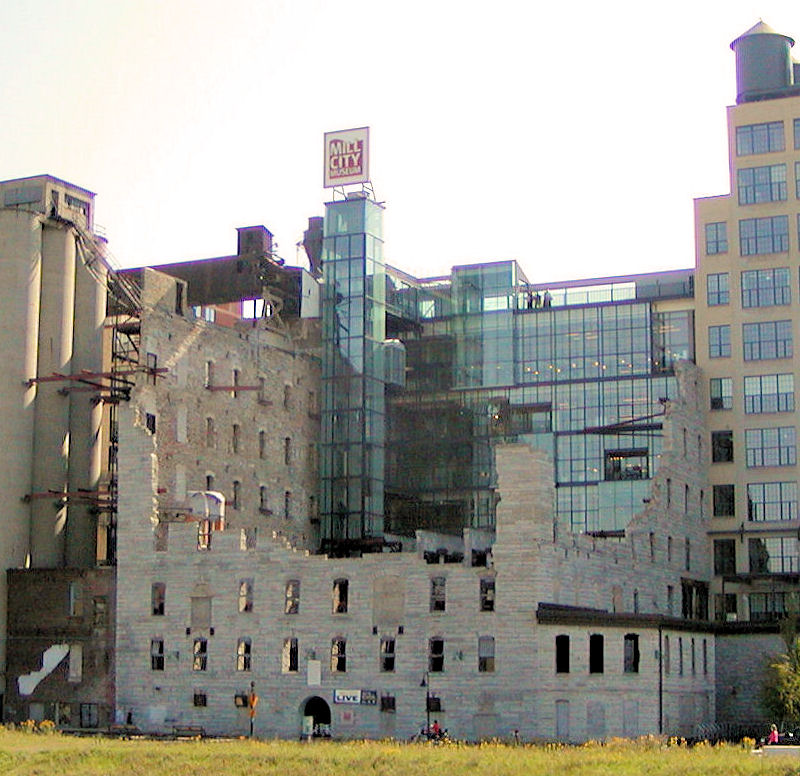
The Mill City Museum is situated in the ruins of what was once the world's largest flour mill, showcasing the industrial history of Minneapolis. Its design successfully integrates the old and the new, emphasizing the historical significance of the site while providing a modern space for public engagement.
Architectural Styles
Industrial
85%The building incorporates materials and elements characteristic of industrial architecture, such as exposed brick and metal.
- Exposed brick walls
- Steel framework
- Large windows
- Rooftop mechanical systems
Contemporary
70%Modern design elements are evident in the glass structures and innovative use of space.
- Glass facades
- Open floor plans
- Minimal ornamentation
- Integration of technology
Brutalism
50%The raw materials and utilitarian aesthetic reflect Brutalist design principles.
- Rough concrete surfaces
- Monolithic structures
- Bold geometric shapes
Notable Features
- Integration of historical structures
- Use of sustainable design principles
- Interactive exhibits related to milling history
Historical Context
Built on the site of the Washburn A Mill, which was a key player in the flour industry in the 19th century, the museum serves as a reminder of Minneapolis's industrial heritage while adapting to modern uses.
Fun Facts
- The museum includes remnants of the original mill structure.
- It offers a scenic view of the Mississippi River from its observation deck.
Frequently Asked Questions
What architectural style is Mill City Museum?
Mill City Museum is primarily Industrial architecture (85% confidence), with elements of Contemporary and Brutalism. The building incorporates materials and elements characteristic of industrial architecture, such as exposed brick and metal.
When was Mill City Museum built?
Mill City Museum dates from 2003.
Who designed Mill City Museum?
Mill City Museum was designed by Heritage Preservation Commission and other architects.
Where is Mill City Museum located?
Mill City Museum is located at 704 S 2nd Street, Minneapolis, MN 55401.
What are the notable features of Mill City Museum?
Notable features include integration of historical structures, use of sustainable design principles, and interactive exhibits related to milling history.
Similar Style Buildings

S100 432, 2518 KG Den Haag
Contemporary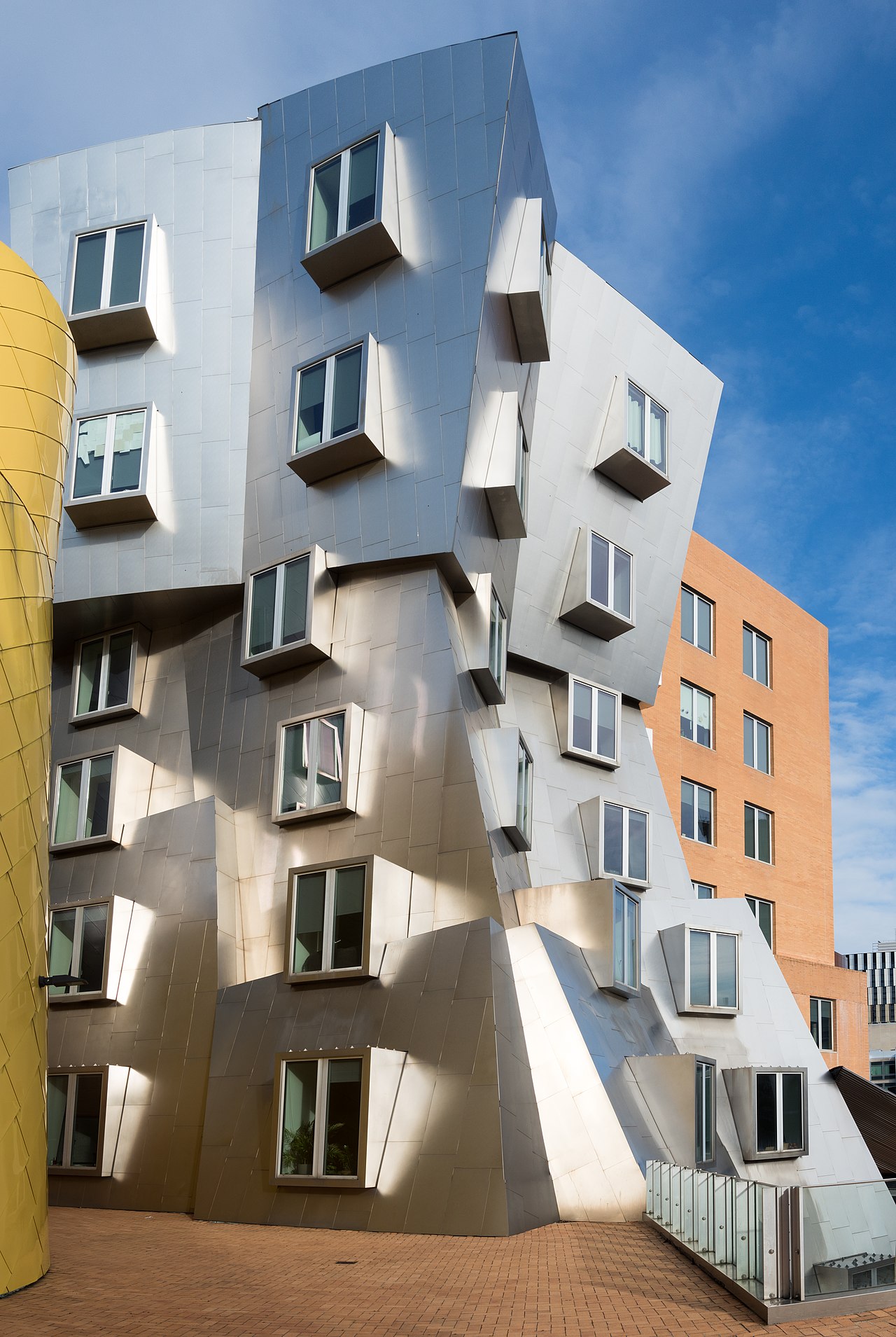
MIT Stata Center
Deconstructivism
N/A
Modernism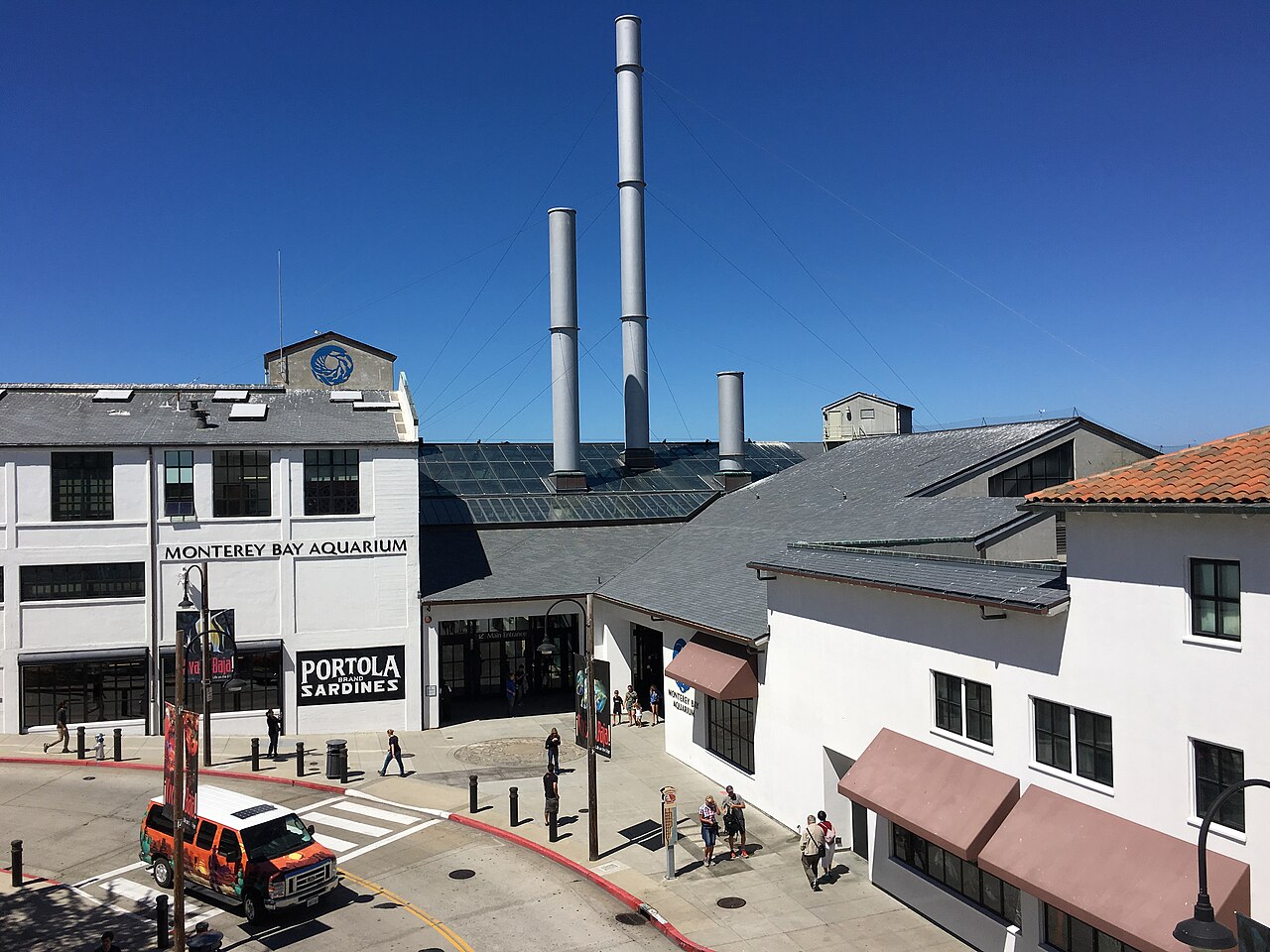
Monterey Bay Aquarium
Contemporary
N/A
Brutalism
Singapore City Hall
Contemporary
N/A
Modernism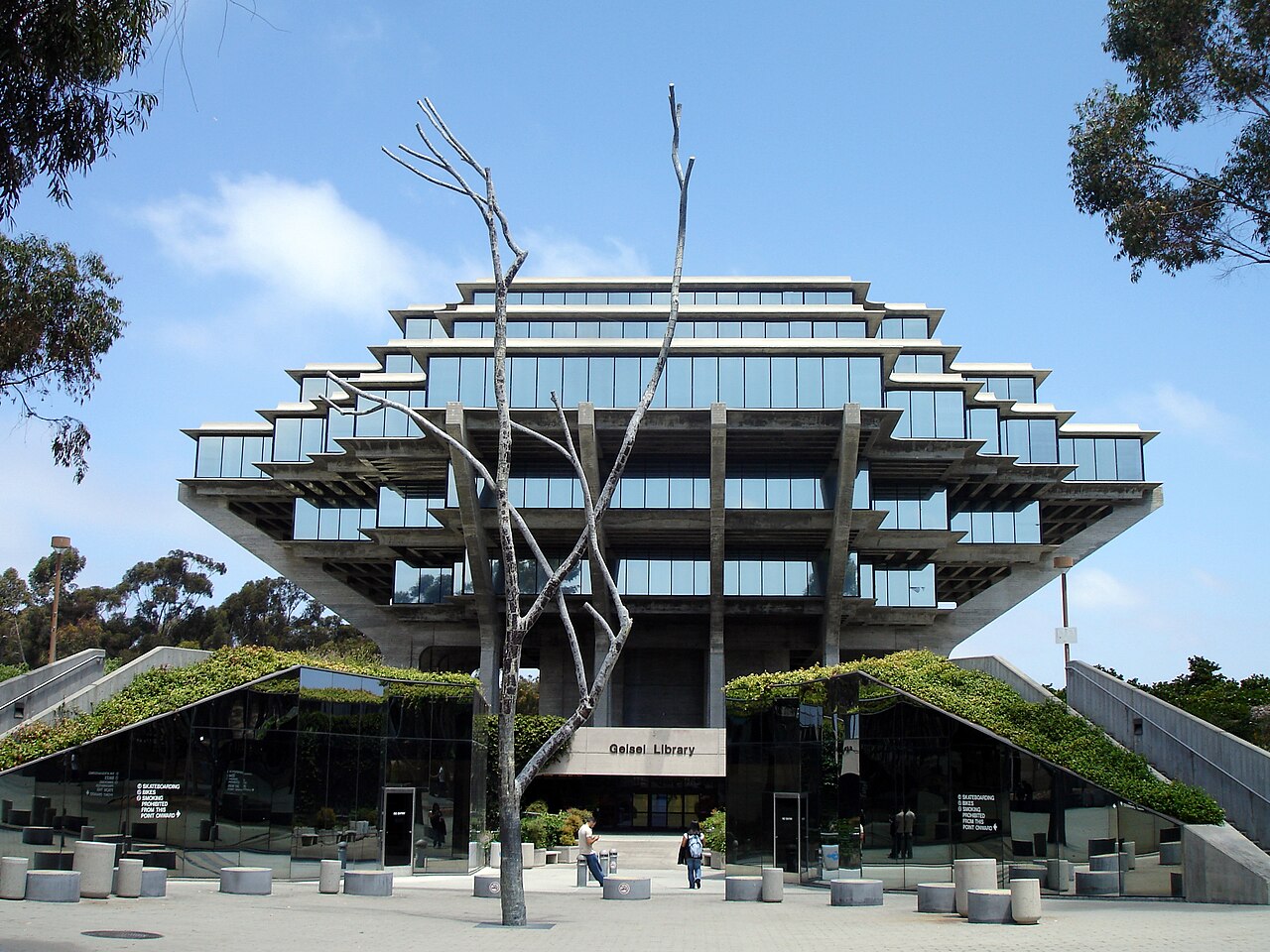
Geisel Library
ModernismNearby Buildings

Stone Arch Bridge
Romanesque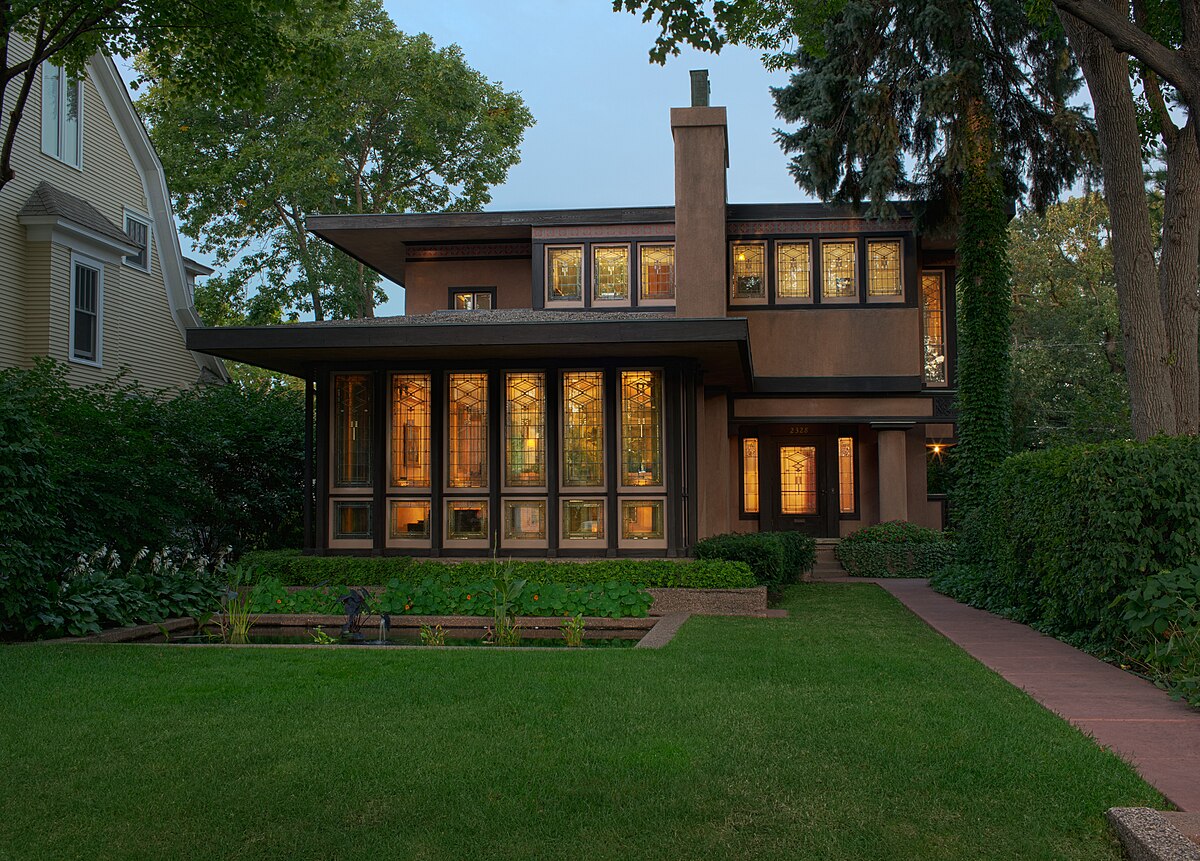
Purcell-Cutts House
Prairie Style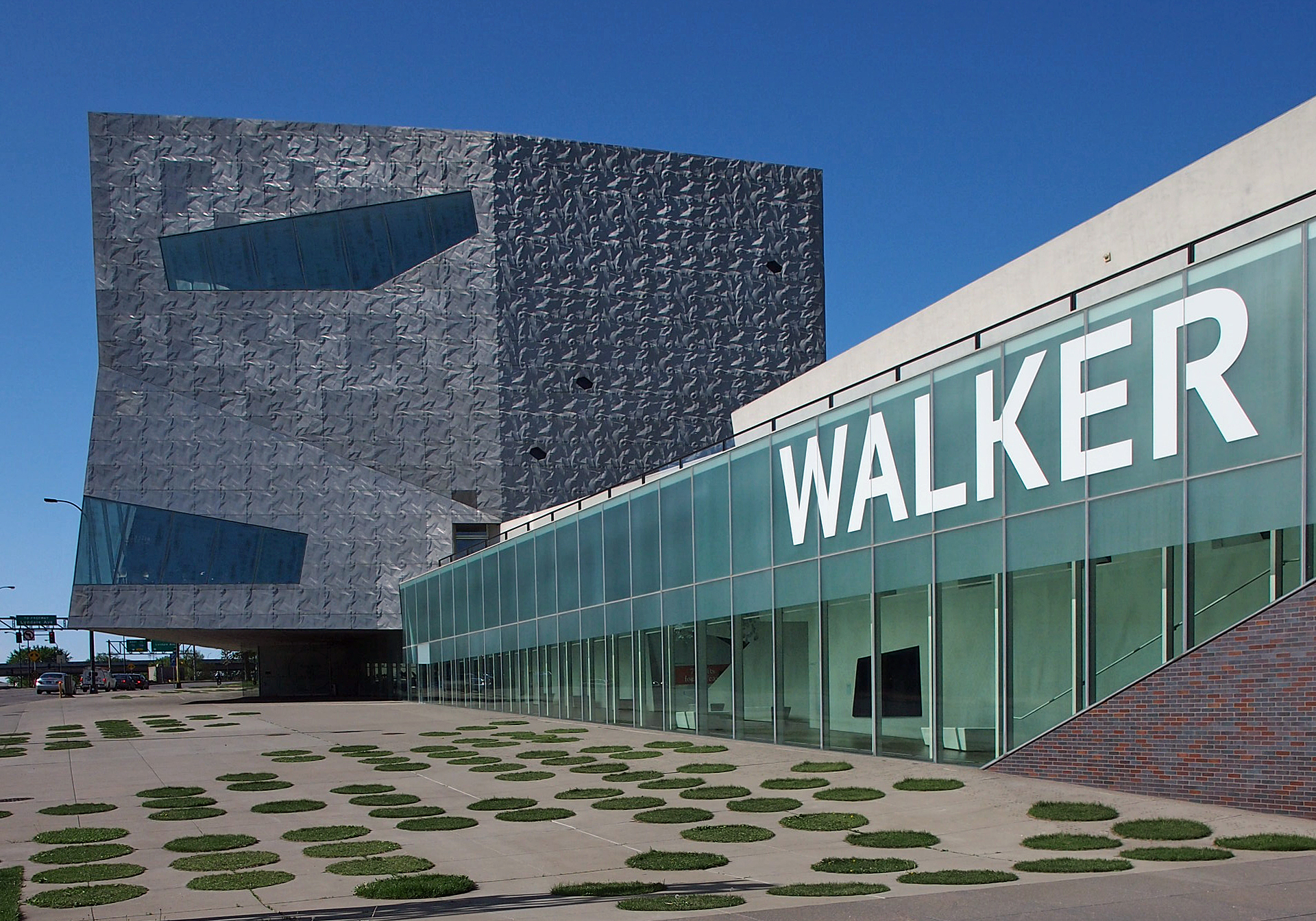
Walker Art Center
Contemporary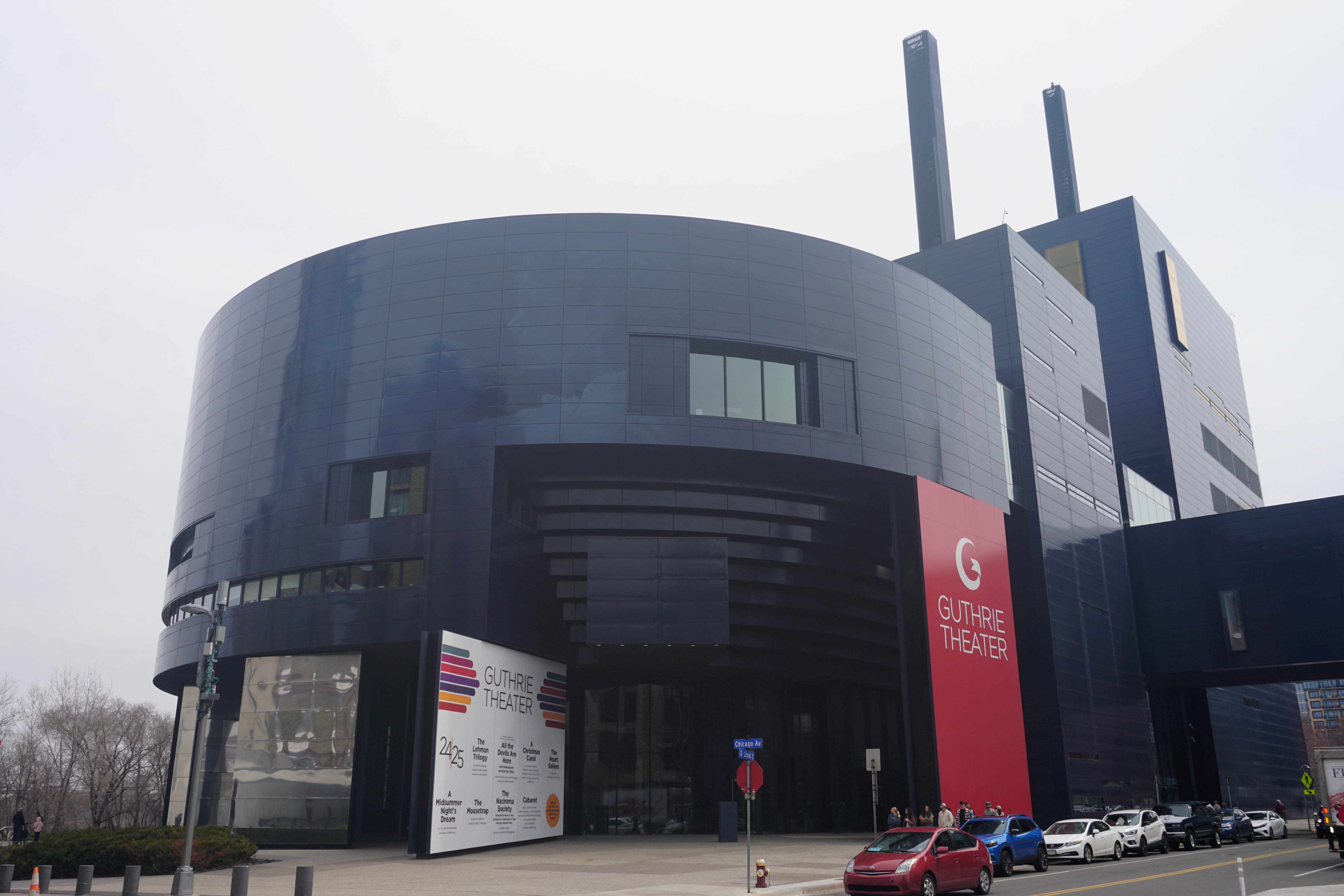
Guthrie Theater
Contemporary
Central Library
Contemporary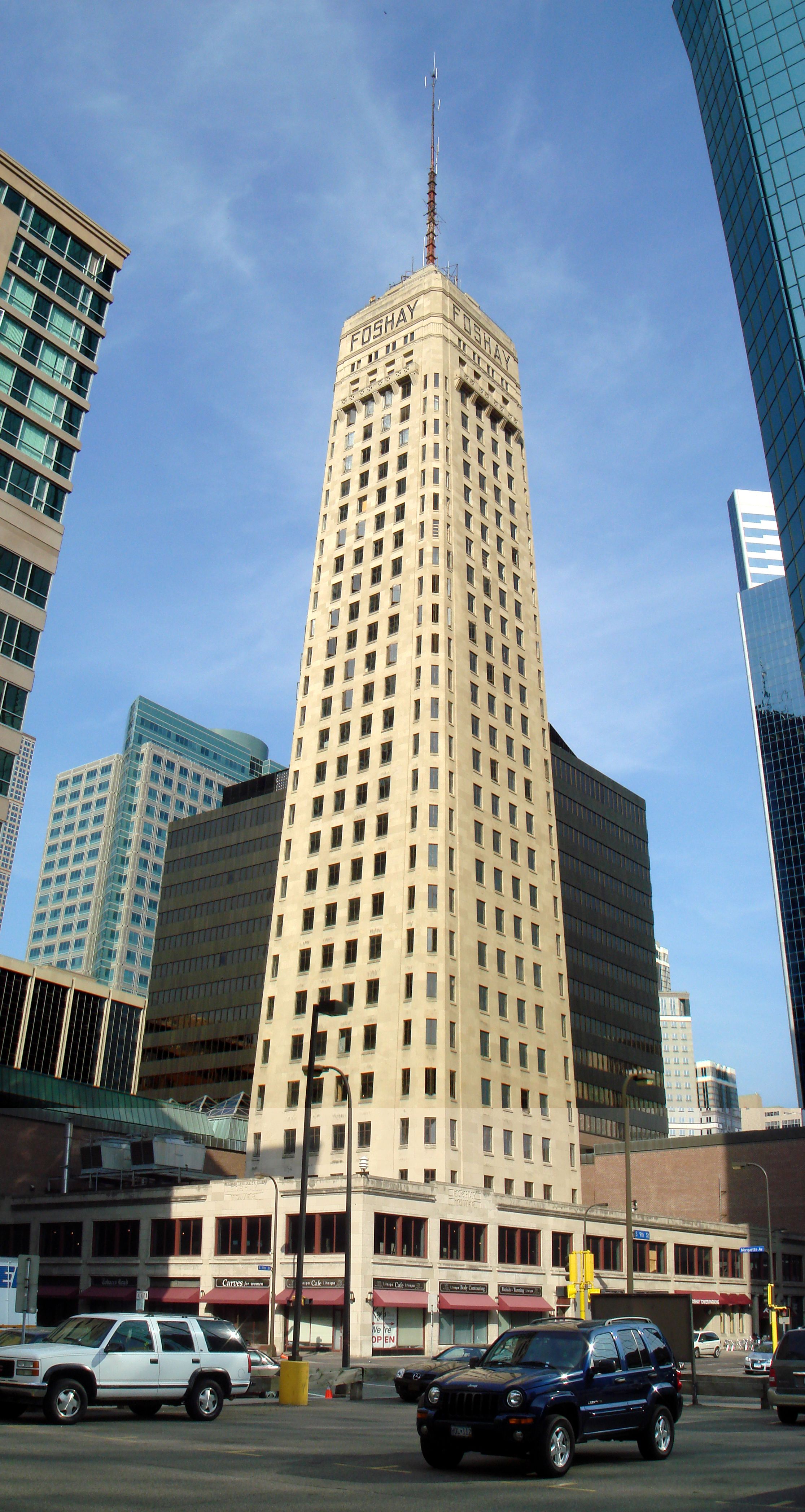
Federal Reserve Bank of Minneapolis
Art Deco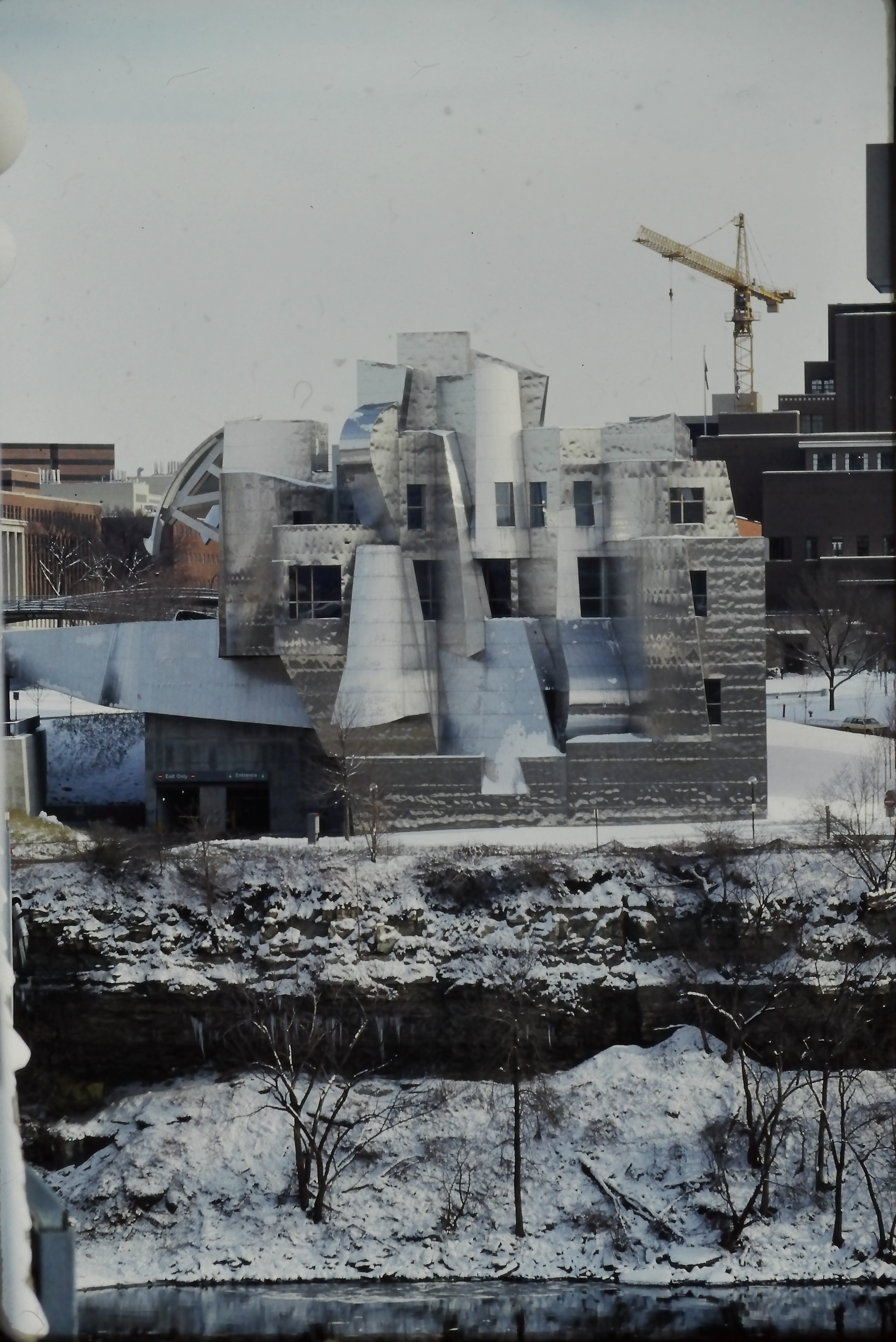
Weisman Art Museum
Deconstructivism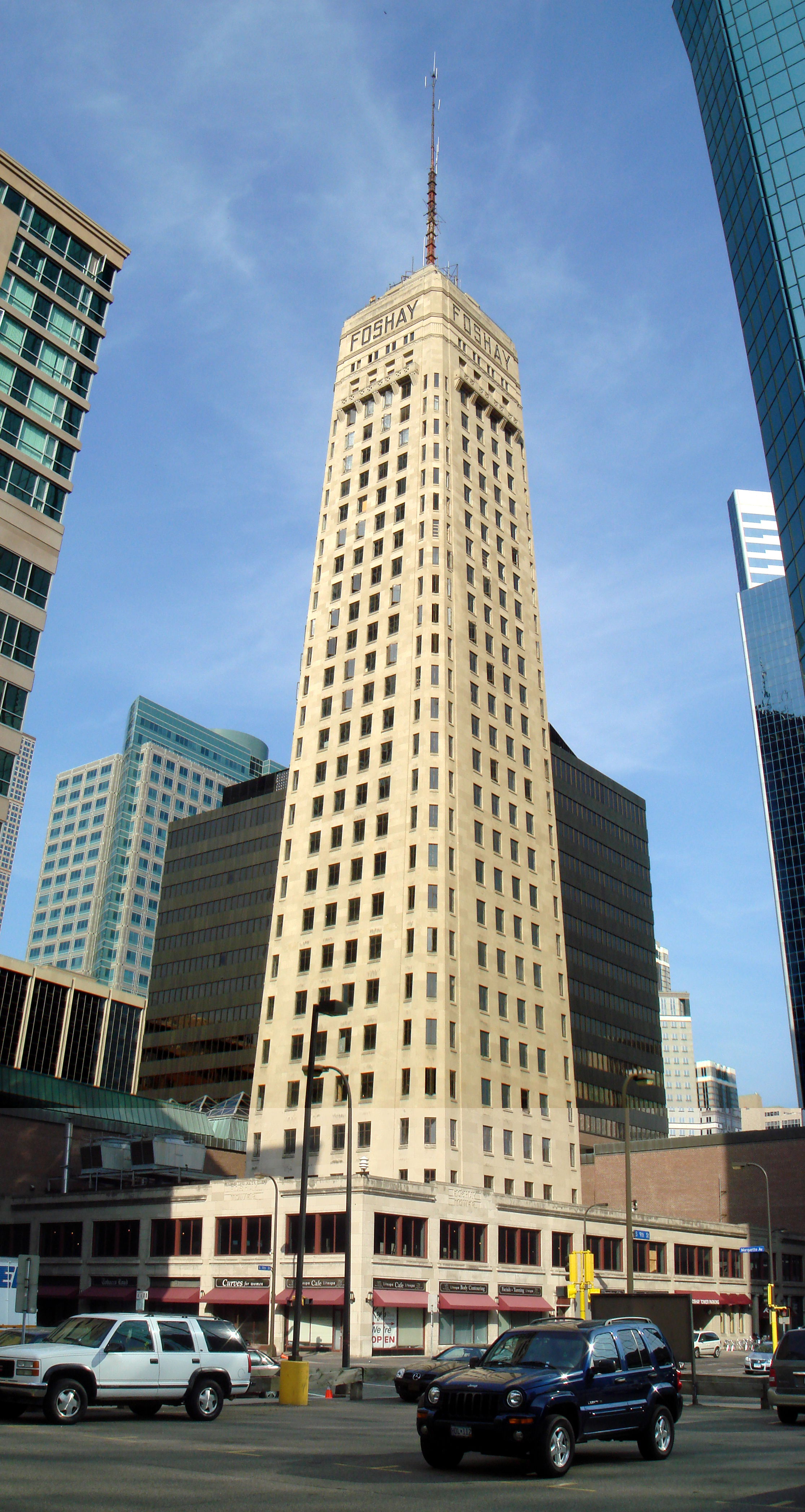
Capella Tower
Art DecoExplore This City
Minneapolis Architecture Guide
Explore 25 buildings across 13 styles →