Architectural Periods
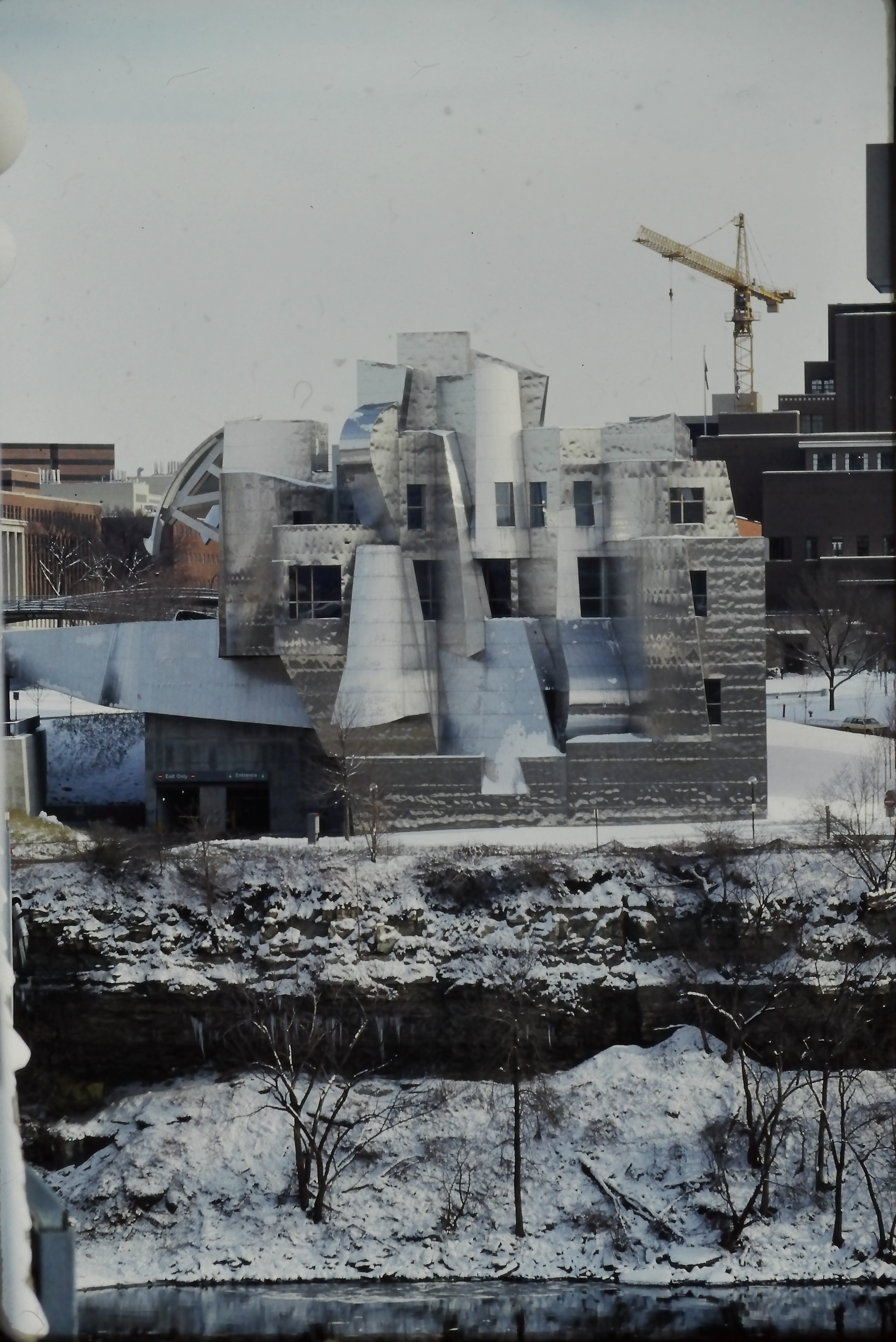
Minneapolis's architectural evolution reflects its growth from frontier lumber town to regional metropolis. The Milling Era (1870s-1920s) established the city's industrial foundation, with massive flour mills along the Mississippi Falls creating the wealth that funded ambitious civic and commercial buildings. The Washburn A Mill and Stone Arch Bridge from this period demonstrate how utilitarian structures could achieve architectural grandeur through skilled stonework and engineering excellence. The Civic Improvement Period (1900s-1930s) produced Minneapolis's most enduring landmarks, as prosperity from grain trading and lumber processing funded monumental public buildings. Minneapolis City Hall and the Foshay Tower exemplify this era's confidence, their Richardsonian Romanesque and Art Deco styles expressing the city's ambitions while using local materials like Kasota stone that connected buildings to regional geology. The Modernist Development (1950s-1980s) brought ambitious urban renewal projects and corporate headquarters that established Minneapolis as a regional financial center. The IDS Center and Hennepin County Government Center represent this period's embrace of steel and glass construction, creating the downtown skyline while demonstrating different approaches to modernist monumentality—one corporate, one civic. The Cultural Renaissance (1990s-present) has attracted international starchitects to Minneapolis, producing landmarks like the Weisman Art Museum, Guthrie Theater, and Walker Art Center expansion. These buildings don't just house cultural programs—they serve as symbols of Minneapolis's evolution from industrial center to creative capital, demonstrating how contemporary architecture can create civic pride while serving artistic communities.Architectural Districts
Historic Mill District along the Mississippi River contains Minneapolis's founding architecture, where massive limestone flour mills created the industrial landscape that powered the city's early growth. The Stone Arch Bridge and Mill City Museum anchor this district as monuments to 19th-century engineering and adaptive reuse. This area demonstrates how industrial architecture can transition into residential and cultural uses while preserving the material character that defines Minneapolis's relationship to the river. Downtown Core showcases Minneapolis's civic and commercial ambitions, where the Art Deco canyon of Marquette Avenue and the government complex around City Hall create the region's most significant collection of public architecture. The IDS Center's Crystal Court serves as the climactic space of the downtown skyline system, demonstrating how modernist architecture can create public gathering spaces even in harsh climates. Cultural Corridor along Hennepin Avenue connects the Walker Art Center, Basilica of Saint Mary, and Guthrie Theater in a sequence of architectural landmarks that span more than a century. This district demonstrates how cultural institutions can anchor neighborhood development while serving the broader metropolitan region. The recent additions by Gehry and Nouvel create dialogue between contemporary and historic architecture while establishing Minneapolis as a destination for architectural tourism.Notable Architects
Long & Kees designed Minneapolis City Hall and other civic buildings that established the city's Richardsonian Romanesque tradition, creating architecture that felt both monumental and rooted in regional materials. Their work demonstrated how public buildings could express democratic values while serving practical governmental functions, influencing Minneapolis's approach to civic architecture for decades. Philip Johnson and John Burgee brought international modernism to Minneapolis with the IDS Center, creating not just a corporate headquarters but an urban landmark that redefined the downtown skyline. Their design demonstrated how contemporary architecture could create public space through the Crystal Court while establishing Minneapolis as a regional business center. Frank Gehry revolutionized Minneapolis's cultural landscape with the Weisman Art Museum, bringing deconstructivist principles to the Mississippi riverfront in a building that serves as both art museum and architectural sculpture. His work demonstrated how contemporary architecture could honor industrial heritage while creating spaces that inspire creativity and cultural engagement. Jean Nouvel designed the Guthrie Theater as a monument to contemporary performance, creating a building that serves practical theatrical needs while functioning as an urban landmark. His cantilevered bridge and blue metal exterior demonstrate how contemporary architecture can create civic pride while establishing new relationships between buildings and the Mississippi River. Cesar Pelli contributed multiple buildings to Minneapolis's skyline, including the Central Library and Capella Tower, demonstrating how a single architect can influence urban character through consistent attention to materials, proportion, and relationship to context. His work shows how contemporary architecture can enhance rather than compete with existing urban fabric.What to Notice
Minneapolis's architecture reveals itself in the consistent use of local limestone, quarried from Minnesota River bluffs and used in everything from 19th-century mills to contemporary museum additions. This material creates architectural continuity across eras while connecting buildings to regional geology. The warm buff color and fine texture of Kasota stone appears in buildings from Minneapolis City Hall to the Federal Reserve Bank, creating a unifying element that defines the city's architectural character. Industrial heritage shapes contemporary design throughout Minneapolis, from the adaptive reuse of flour mills as residential lofts to the incorporation of heavy timber and masonry construction techniques in new buildings. The Mill District demonstrates how industrial architecture can transition into cultural and residential uses while preserving the material character that makes Minneapolis distinctive among American cities. River orientation influences building siting and design throughout Minneapolis, with major landmarks from the Stone Arch Bridge to the Guthrie Theater establishing relationships with the Mississippi Falls and riverfront. This orientation reflects the city's founding relationship with water power while creating opportunities for contemporary architects to design buildings that engage the natural landscape. Climate response appears in architectural solutions from the IDS Center's Crystal Court to the extensive skyway system that connects downtown buildings at the second-floor level. These design strategies demonstrate how architecture can create comfortable public spaces and efficient circulation even in harsh winter conditions, making Minneapolis a model for cold-climate urban design. The integration of public art enhances architectural experience throughout the city, from Daniel Chester French's "Father of Waters" statue in City Hall to the sculpture gardens that surround the Walker Art Center. This tradition demonstrates Minneapolis's belief that public spaces should inspire civic pride while serving practical functions, creating an urban environment that feels both functional and culturally enriched.Architectural styles in Minneapolis
Browse the documented buildings by style:
Minneapolis Architecture FAQ
What is the dominant architectural style in Minneapolis?
Minneapolis showcases a blend of architectural styles, with contemporary design being the most prominent. Modernism and High-Tech structures are also significant, reflecting the city's industrial heritage and progressive spirit. Notable examples include the IDS Center and the Guthrie Theater, which highlight the city's commitment to innovative design.
What are the best areas to walk and explore architecture in Minneapolis?
The Mill District is an excellent area to explore, where historic flour mills coexist with contemporary structures. Nicollet Mall offers a vibrant urban experience, featuring modern buildings like Orchestra Hall. The downtown area, with its Art Deco and Brutalist landmarks, such as the Wells Fargo Centre, is also worth a visit.
What are some of the oldest or most famous buildings in Minneapolis?
Minneapolis City Hall, built in the Romanesque Revival style, is one of the city's oldest and most iconic buildings. The Grain Belt Brewery Complex represents the city's industrial past. Both structures are significant landmarks that reflect the architectural evolution of Minneapolis over the years.
How does Minneapolis's architecture compare to nearby cities?
Minneapolis is known for its unique blend of industrial and contemporary architecture, setting it apart from nearby cities like St. Paul. While St. Paul features more historic Victorian buildings, Minneapolis showcases a strong commitment to modern design, with notable structures like the Guthrie Theater and the IDS Center.
Can notable buildings in Minneapolis be visited?
Yes, many notable buildings in Minneapolis are open for public visits. Architectural tours are available, allowing visitors to explore landmarks like the Guthrie Theater, Orchestra Hall, and the Minneapolis Convention Center. Additionally, areas such as the Mill District offer a rich historical context for exploring the city's architectural heritage.