Skyscraper Architecture in Minneapolis
Explore 5 skyscraper buildings that shape Minneapolis's architectural identity
Minneapolis has embraced skyscraper architecture as a defining feature of its urban landscape, particularly during the late 20th century when economic growth and modernization prompted a surge in vertical construction. The city's skyline is characterized by a mix of historic and contemporary designs, showcasing innovations in materials and engineering. Key neighborhoods such as the Central Business District and the Warehouse District are home to many of these towering structures.
One of the most significant examples is the IDS Center, completed in 1973, which remains a focal point of the Minneapolis skyline. Its sleek glass facade and height exemplify modern architectural trends, while its design prioritizes verticality, enhancing the city’s urban profile. Another notable structure is the Capella Tower, known for its striking height and unique shape that create a commanding presence, reflecting the ambition of the city’s economic growth.
The Foshay Tower, completed in 1929, stands as a historic representation of the skyscraper style in Minneapolis. Its Art Deco design and narrow profile make it distinctive among its peers, showcasing the evolution of skyscraper aesthetics over time. These buildings, along with others like the AT&T Tower and Target Field, not only contribute to the skyline but also embody the city’s architectural narrative.
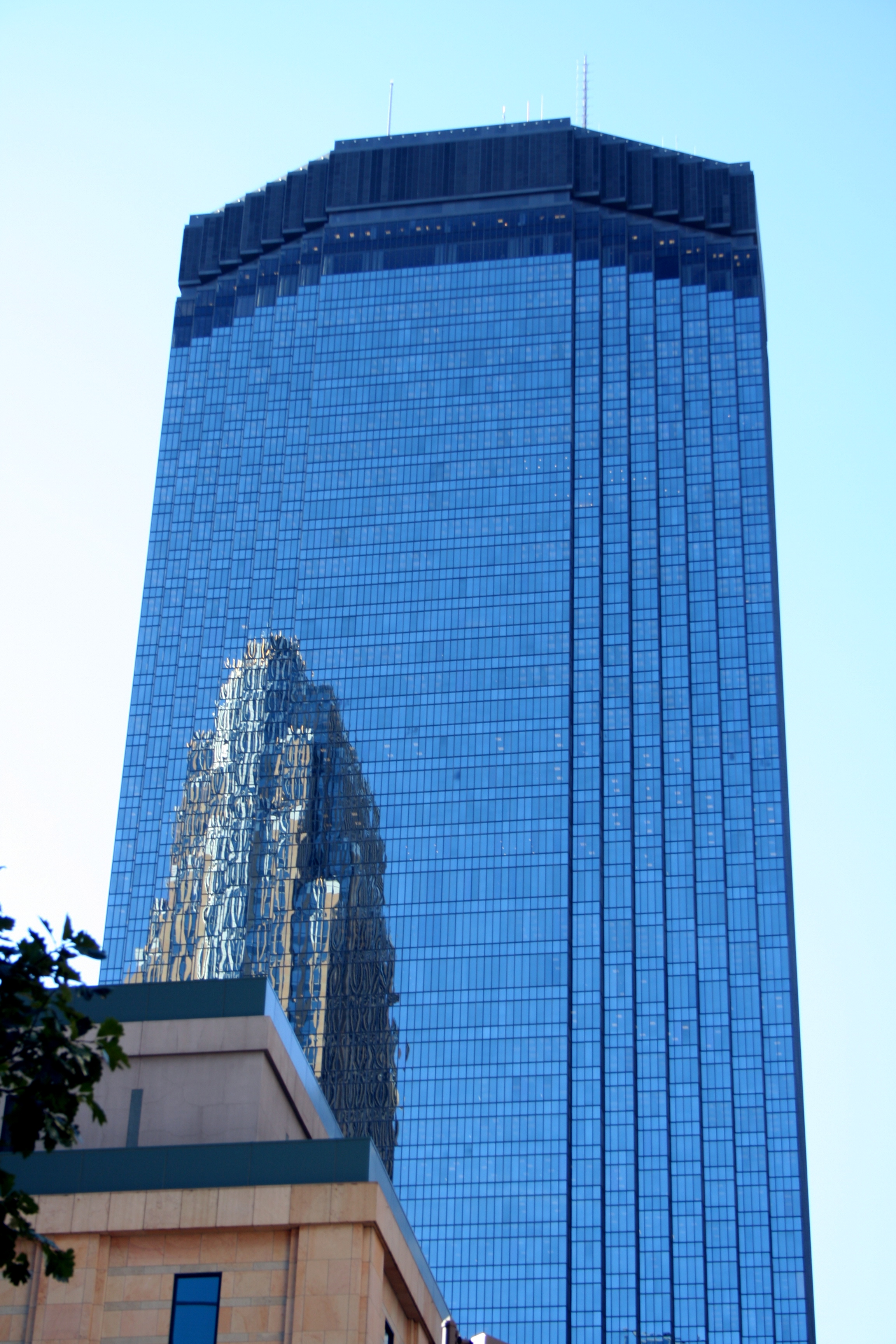
Target Field
1 Twins Way, Minneapolis, MN 55403
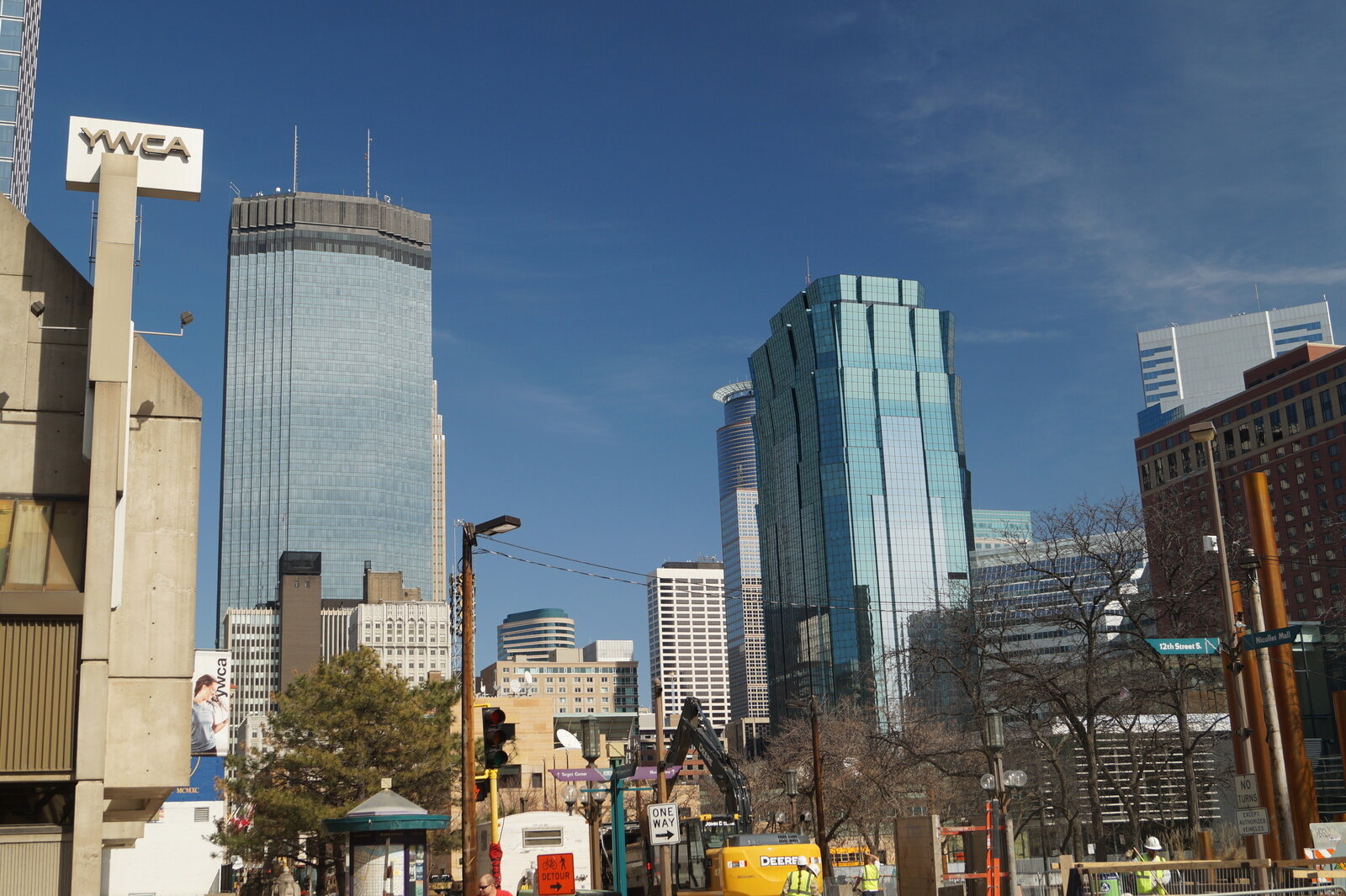
AT&T Tower Minneapolis
901 Marquette Avenue, Minneapolis, MN 55402
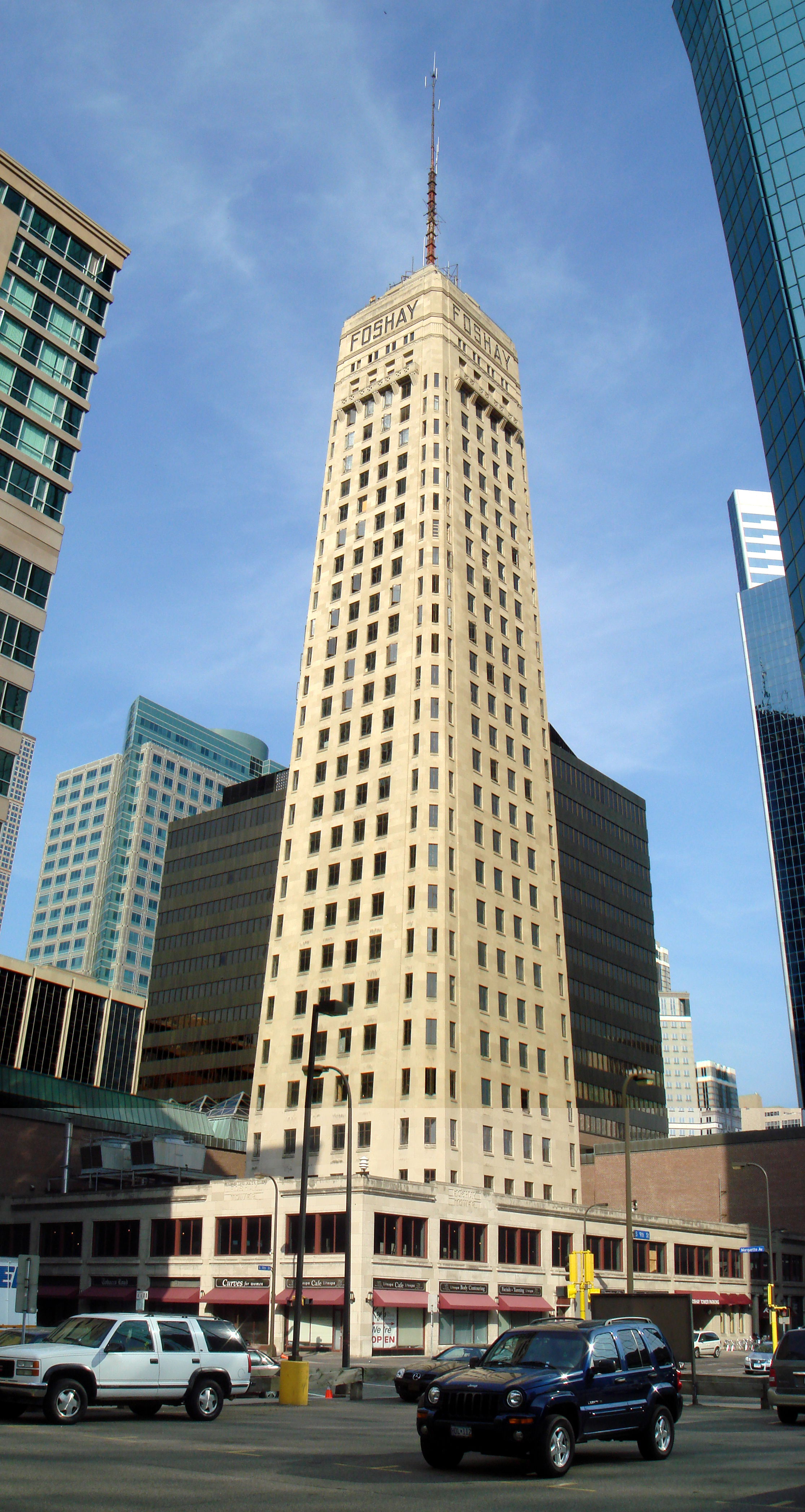
Capella Tower
225 S 6th Street, Minneapolis, MN 55402
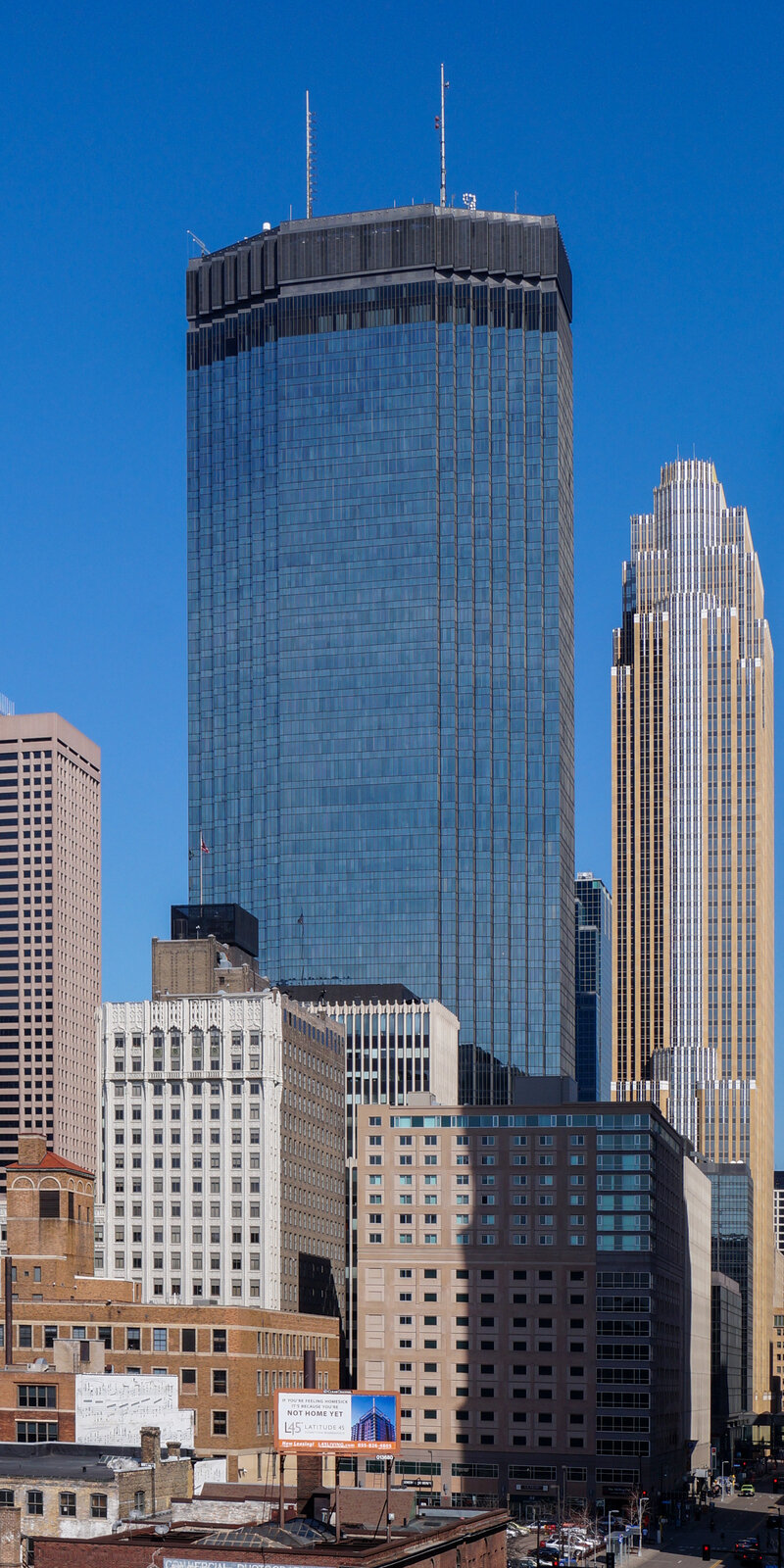
IDS Center
80 8th Street S, Minneapolis, MN 55402
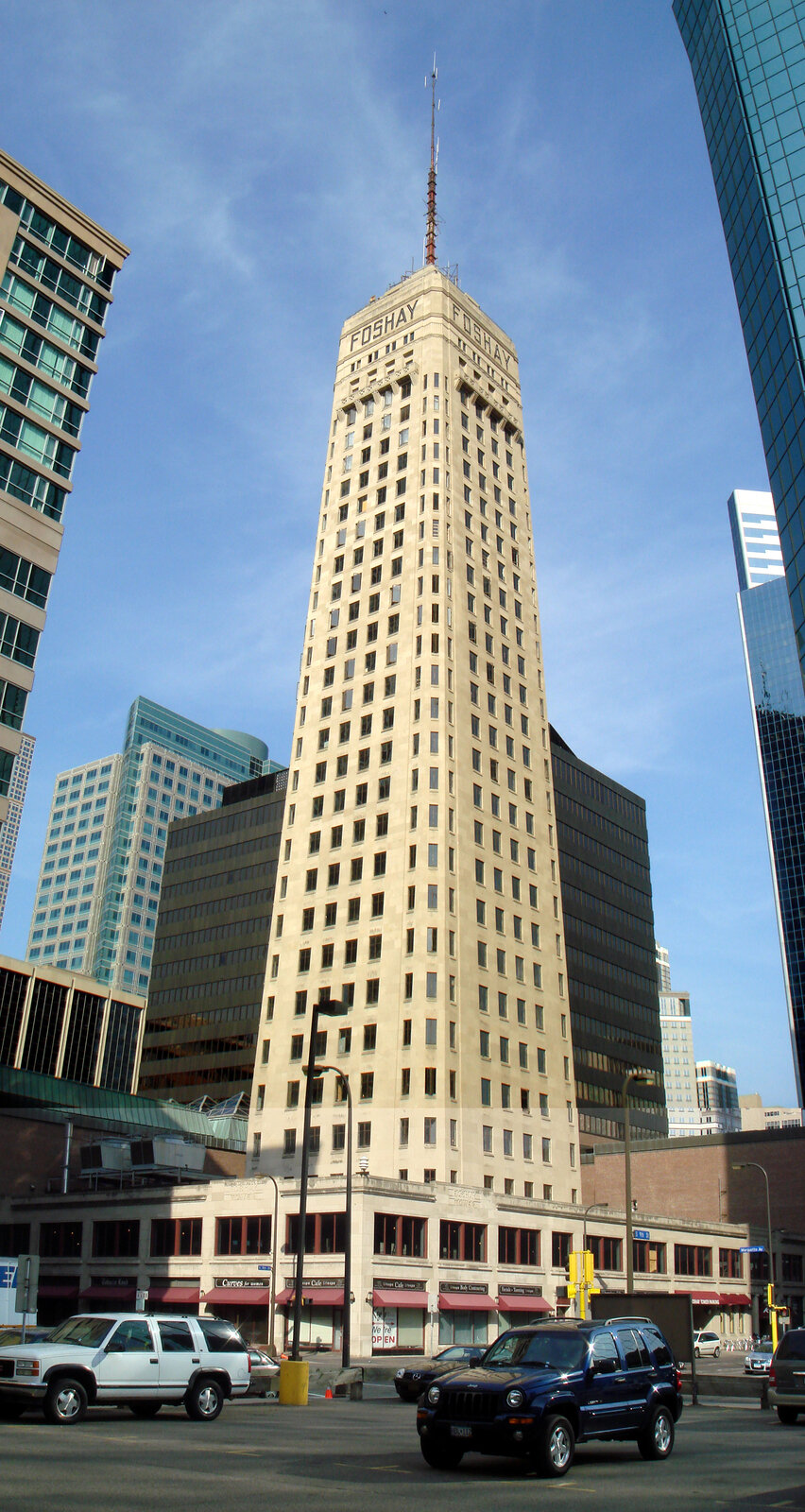
Foshay Tower
821 Marquette Avenue, Minneapolis, MN 55402
Skyscraper in Minneapolis: Common Questions
Where can I see skyscrapers in Minneapolis?
The Central Business District is the primary area for skyscrapers in Minneapolis, featuring several iconic buildings like the IDS Center and Capella Tower. Marquette Avenue is also notable for its concentration of high-rise structures.
When were the skyscrapers in Minneapolis built?
The skyscrapers documented on this page were built primarily from the 1920s to the 1970s. For example, the Foshay Tower was completed in 1929, while the IDS Center was finished in 1973.
What should I look for in Minneapolis skyscrapers?
Look for distinctive features such as glass exteriors, vertical lines, and unique shapes. Each building has its own character, with the Foshay Tower showcasing Art Deco design and the IDS Center emphasizing modern materials.
How does Minneapolis' skyscraper architecture compare to other cities?
Minneapolis skyscrapers emphasize verticality and modern materials, similar to cities like Chicago and New York. However, the city's unique blend of historic and contemporary styles offers a distinct architectural identity.
Can I visit these skyscrapers?
Yes, many skyscrapers in Minneapolis, such as the IDS Center and AT&T Tower, have public access areas, including observation decks and lobbies. Some buildings may have restrictions, so it's best to check ahead for visitor information.