Skyscraper Architecture in Detroit
Explore 3 skyscraper buildings that shape Detroit's architectural identity
Skyscraper architecture in Detroit emerged during the early 20th century as the city experienced rapid industrial growth and urbanization. The demand for office space and the desire to project economic power led to the construction of iconic skyscrapers. This architectural style reflects not only the city's economic ambitions but also the technological advancements in materials, such as steel and reinforced concrete, which enabled buildings to reach new heights.
The David Stott Building, located at 1150 Griswold St, exemplifies the skyscraper concept with its verticality and striking urban presence. Completed in 1929, its design incorporates a blend of Gothic and Art Deco elements, creating a distinctive silhouette that contributes significantly to Detroit's skyline.
Another significant structure is One Detroit Center at 500 Woodward Ave. This skyscraper showcases the modernist architectural style, characterized by its geometric forms and expansive glass facade. Completed in 1993, it represents the evolution of skyscraper design in Detroit, merging contemporary aesthetics with the city’s rich architectural heritage.
The Fisher Building, situated at 3011 W Grand Blvd, is a remarkable example of Art Deco architecture. Completed in 1928, its ornate details and significant height dominate the surrounding skyline. The building is often referred to as "Detroit's largest art object" due to its intricate design and craftsmanship, making it a focal point in the city’s architectural landscape.
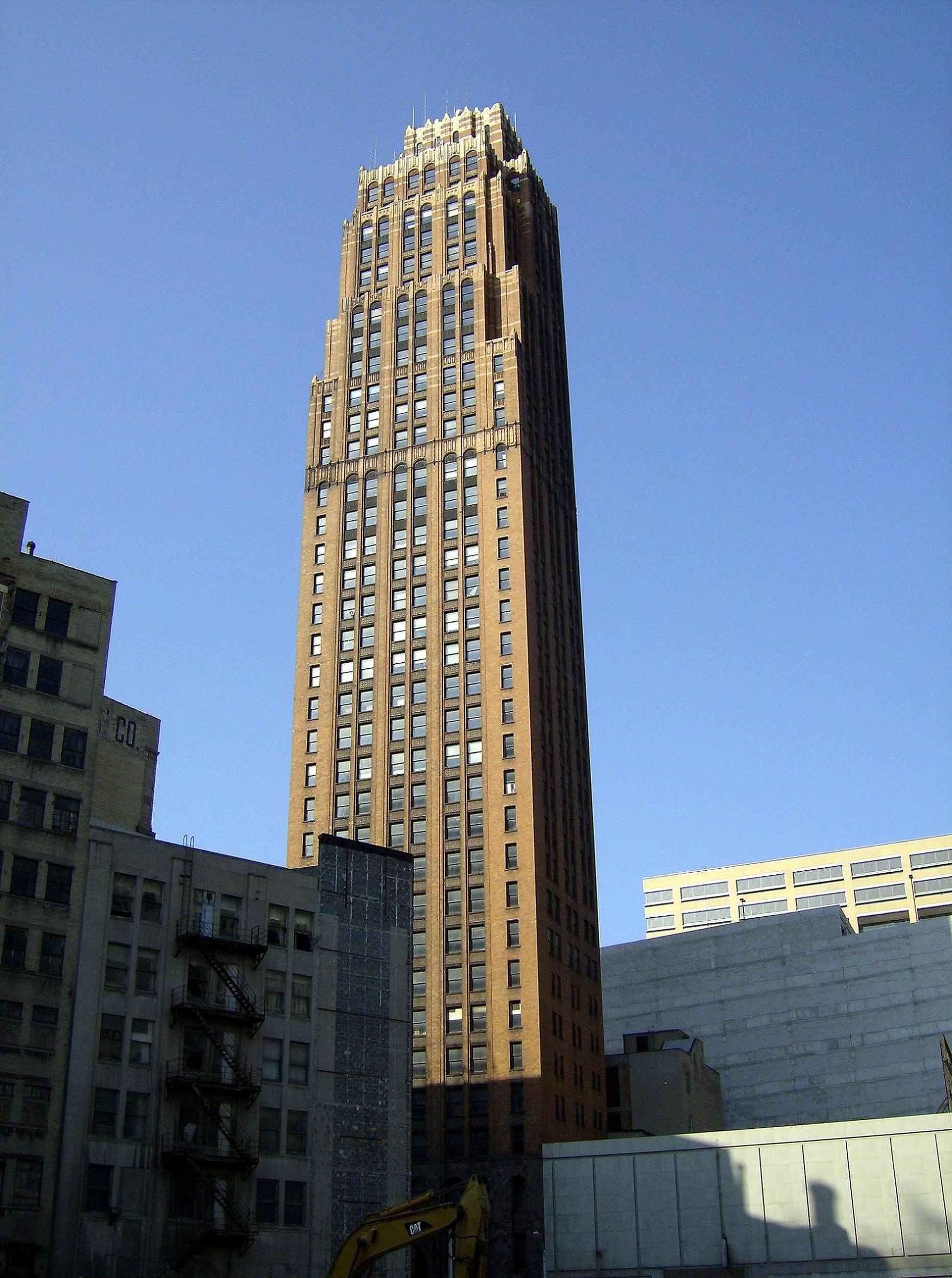
David Stott Building
1150 Griswold St, Detroit, MI 48226
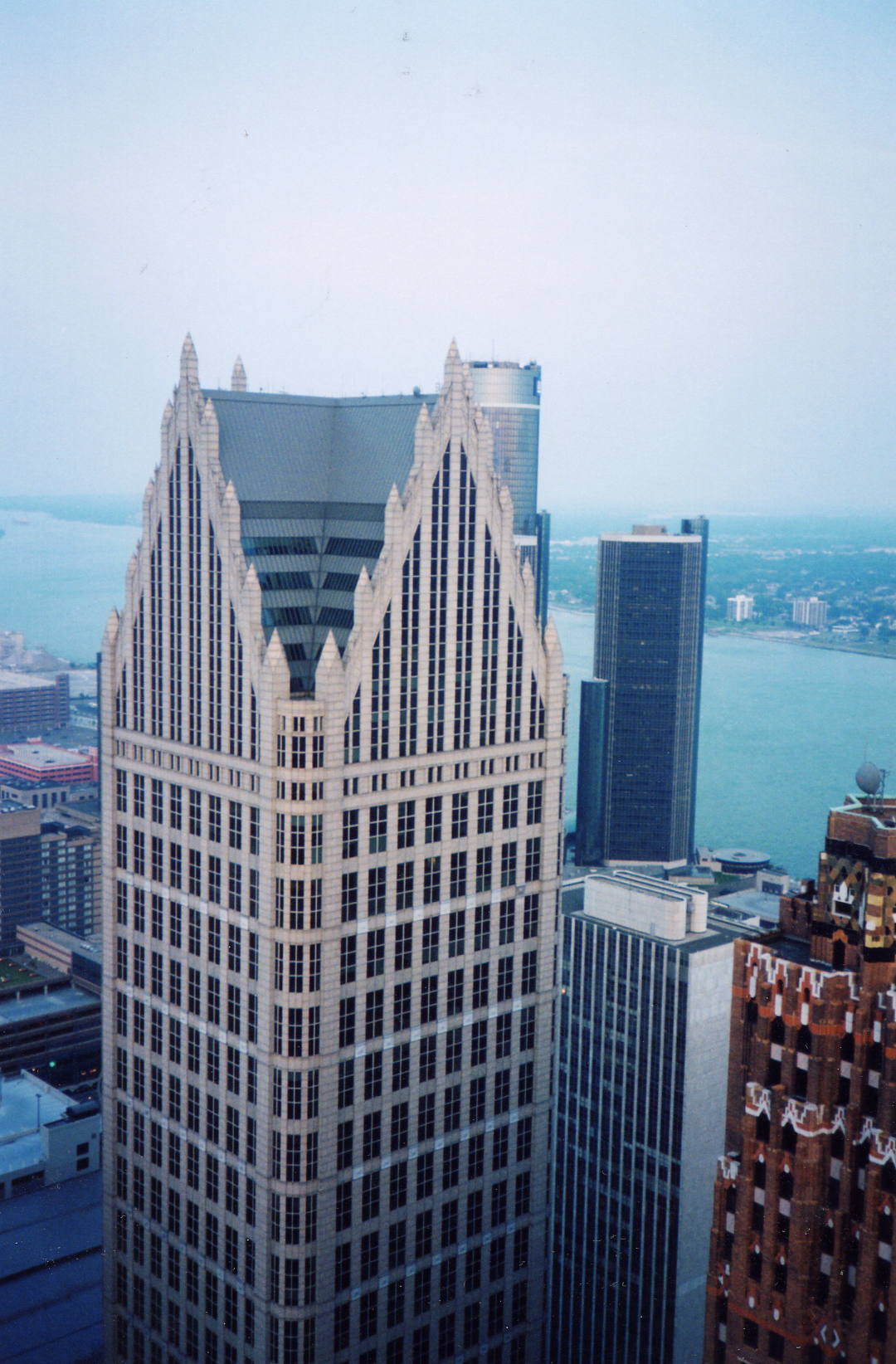
One Detroit Center
500 Woodward Ave, Detroit, MI 48226
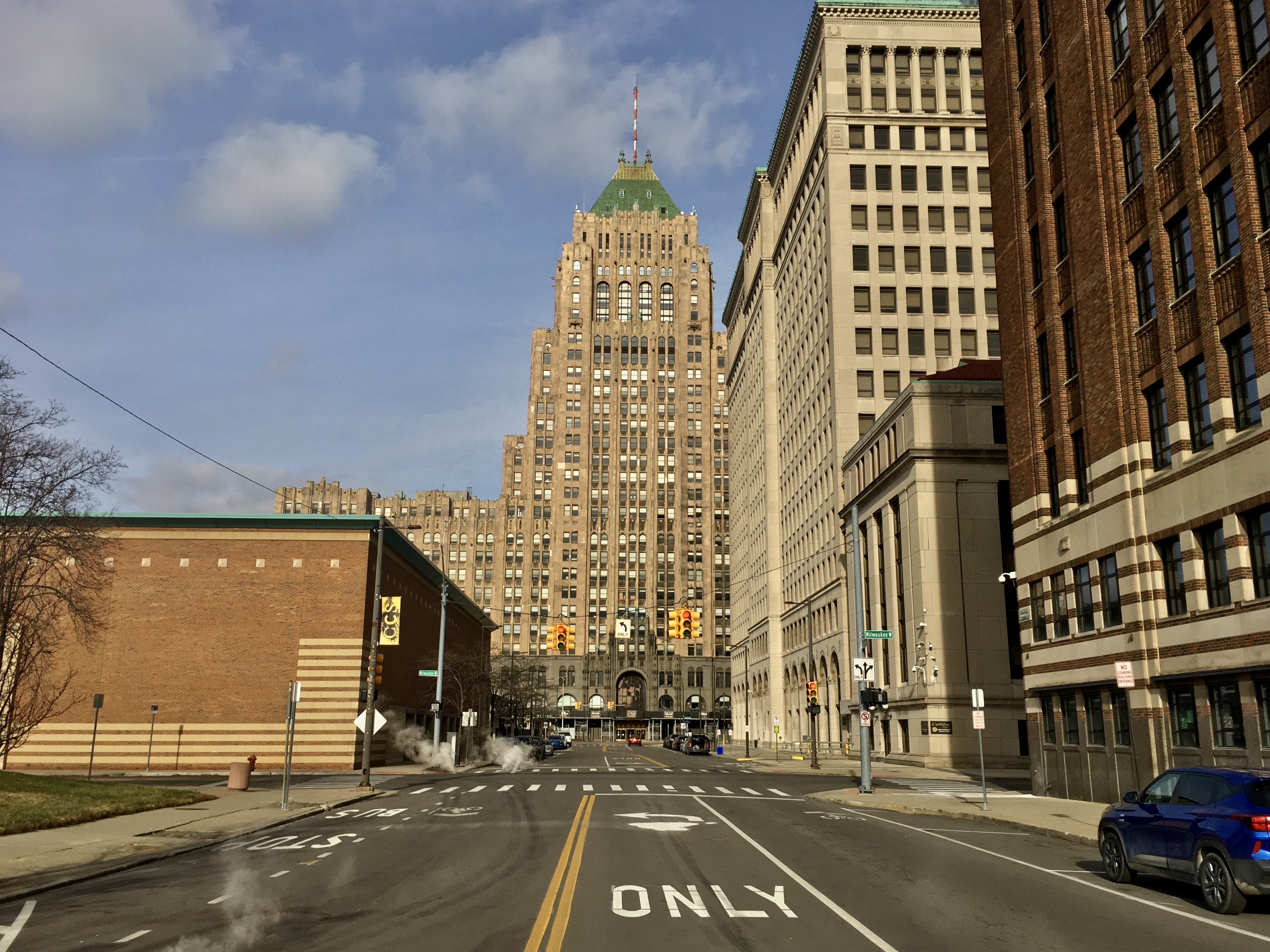
Fisher Building
3011 W Grand Blvd, Detroit, MI 48202
Skyscraper in Detroit: Common Questions
Where can I see notable skyscrapers in Detroit?
You can see notable skyscrapers like the David Stott Building, One Detroit Center, and Fisher Building primarily in the downtown area. These buildings are concentrated along Woodward Avenue and Grand Boulevard, making them easily accessible for visitors.
When were these skyscrapers built?
The David Stott Building was completed in 1929, the Fisher Building in 1928, and One Detroit Center was finished in 1993. Each of these buildings reflects the architectural trends and economic conditions of their respective eras.
What should I look for in Detroit's skyscrapers?
When exploring Detroit's skyscrapers, pay attention to their unique architectural styles, such as the Gothic and Art Deco details of the David Stott Building and the modernist design of One Detroit Center. The ornate craftsmanship of the Fisher Building is also a highlight.
How does Detroit's skyscraper architecture compare to other cities?
Detroit's skyscraper architecture features a mix of historic styles like Art Deco and modernist design, setting it apart from other cities. While cities like New York are known for their iconic landmarks, Detroit's skyscrapers reflect the city's industrial past and economic resilience.
Can I visit these skyscrapers?
Yes, many of Detroit's skyscrapers can be visited. The Fisher Building, for example, often hosts tours showcasing its architectural details. However, access to office buildings like One Detroit Center may be limited to business hours or special events.