Beaux-Arts Architecture in Detroit
Explore 10 beaux-arts buildings that shape Detroit's architectural identity
The Beaux-Arts architectural style emerged in the late 19th and early 20th centuries, a period marked by economic growth and urban development in Detroit. As the city flourished due to the automotive industry and manufacturing boom, architects adopted the Beaux-Arts style to convey grandeur and stability. This style emphasizes classical forms, symmetrical designs, and elaborate ornamentation, making it an ideal choice for civic buildings and luxurious hotels.
Notable examples of Beaux-Arts architecture in Detroit include the Book-Cadillac Hotel, which showcases intricate detailing and a structured symmetry that is characteristic of the style. Similarly, the Detroit Institute of Arts presents grand architectural elements, including arches and ornamental features that not only enhance its aesthetic appeal but also reflect the cultural aspirations of the city during its construction.
The concentration of Beaux-Arts buildings is particularly evident along Washington Boulevard and Woodward Avenue. The Fox Theatre, with its elaborate ornamentation and grand scale, stands as a cultural icon, while the Penobscot Building exemplifies the style with its strong sense of symmetry and decorative motifs. Together, these structures represent a significant chapter in Detroit's architectural history, highlighting the city's ambition and artistic endeavors during a transformative era.
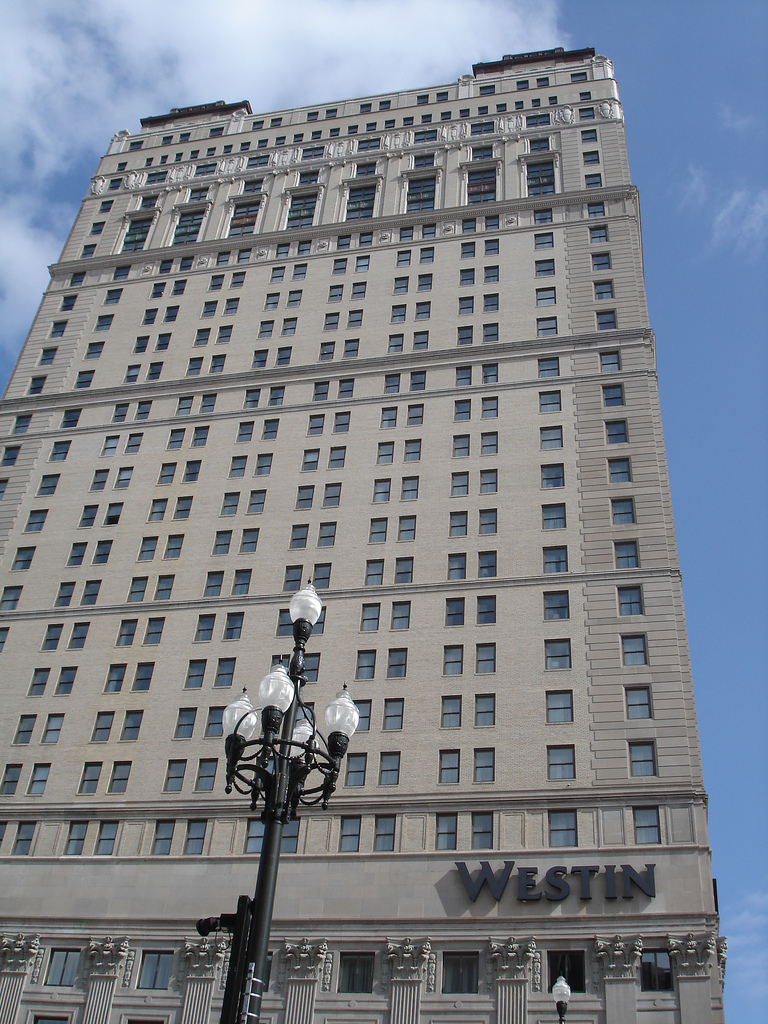
Book-Cadillac Hotel
1114 Washington Blvd, Detroit, MI 48226
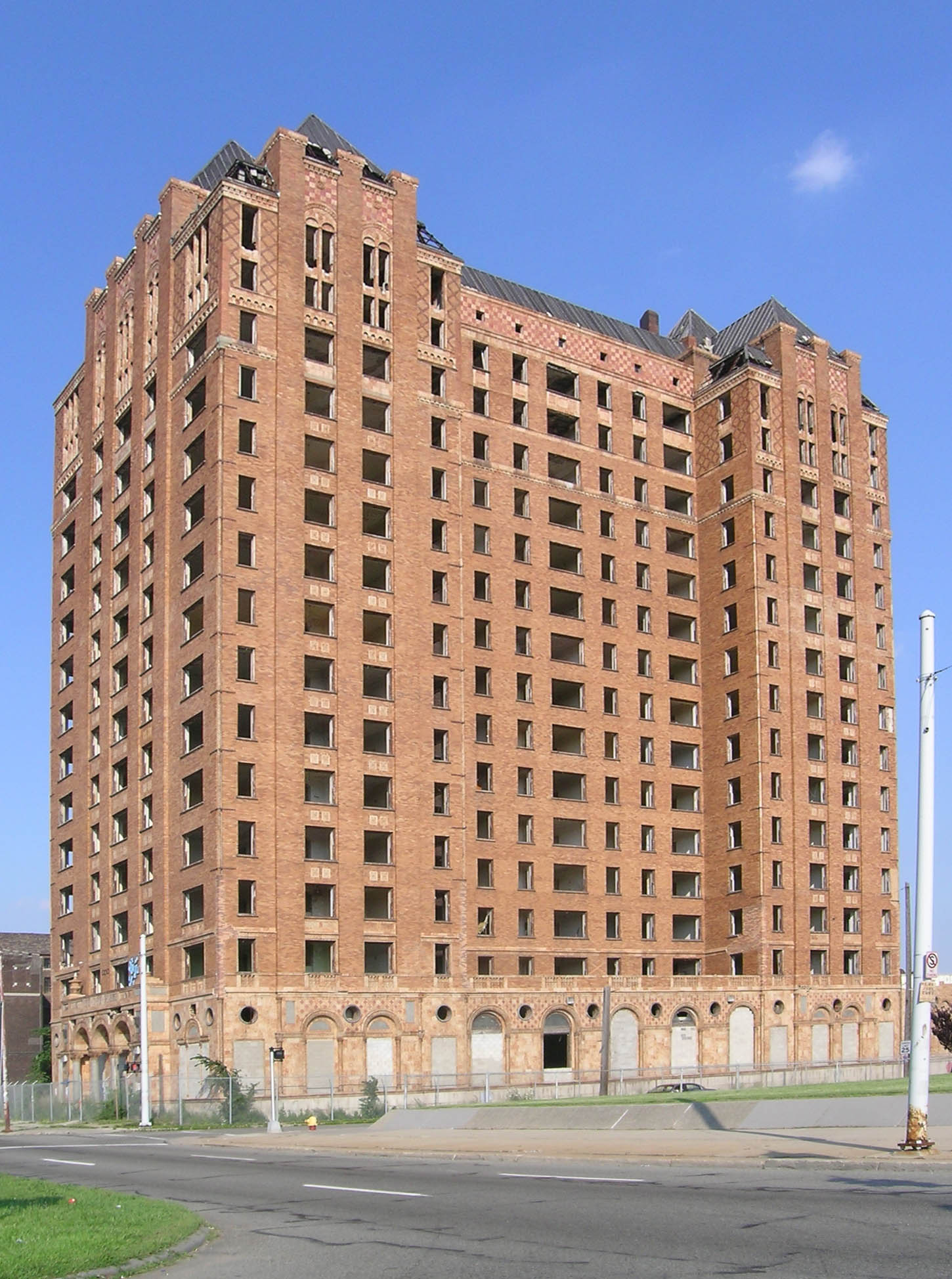
Lee Plaza
2240 W Grand Blvd, Detroit, MI 48208
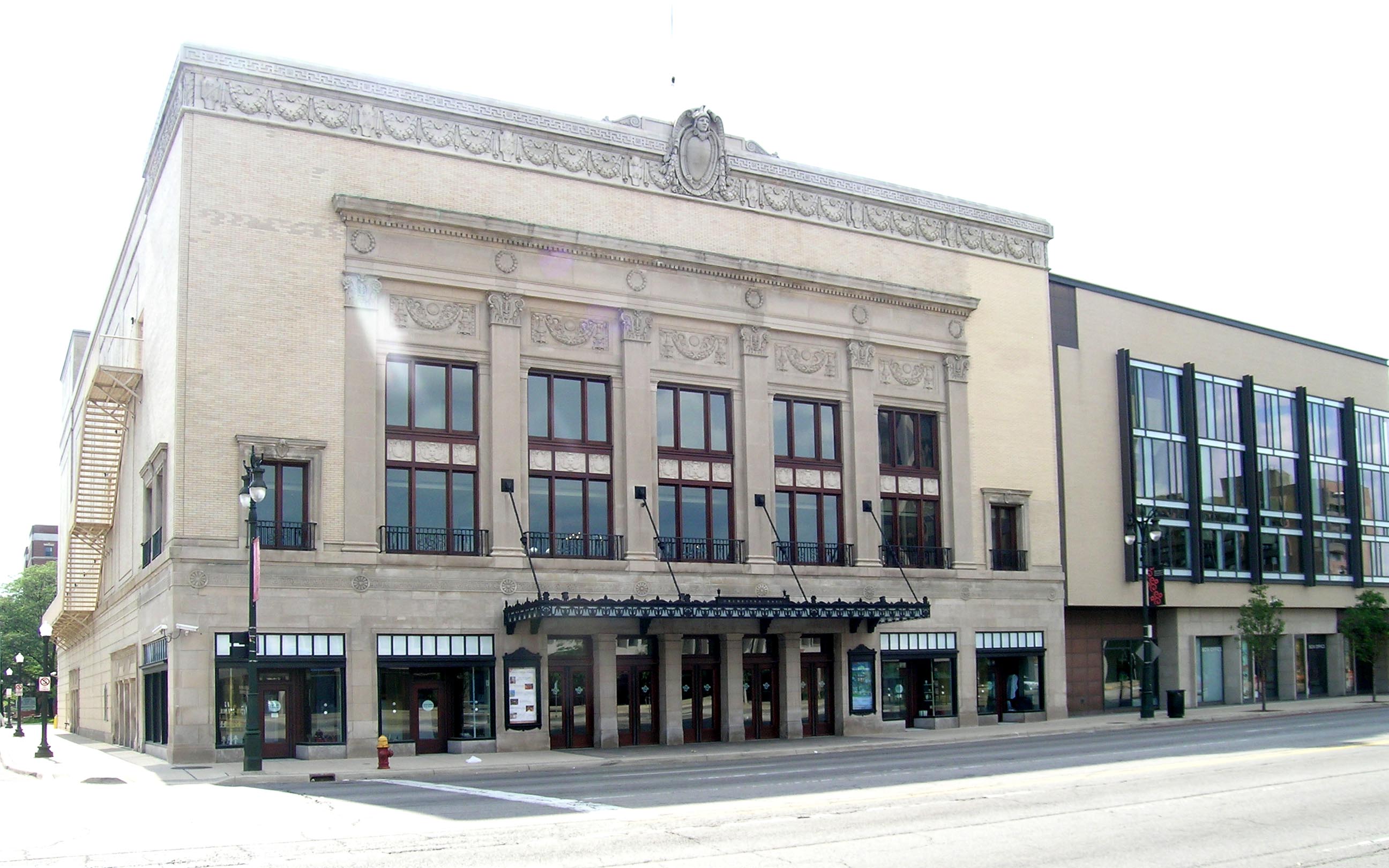
Orchestra Hall
3711 Woodward Ave, Detroit, MI 48201
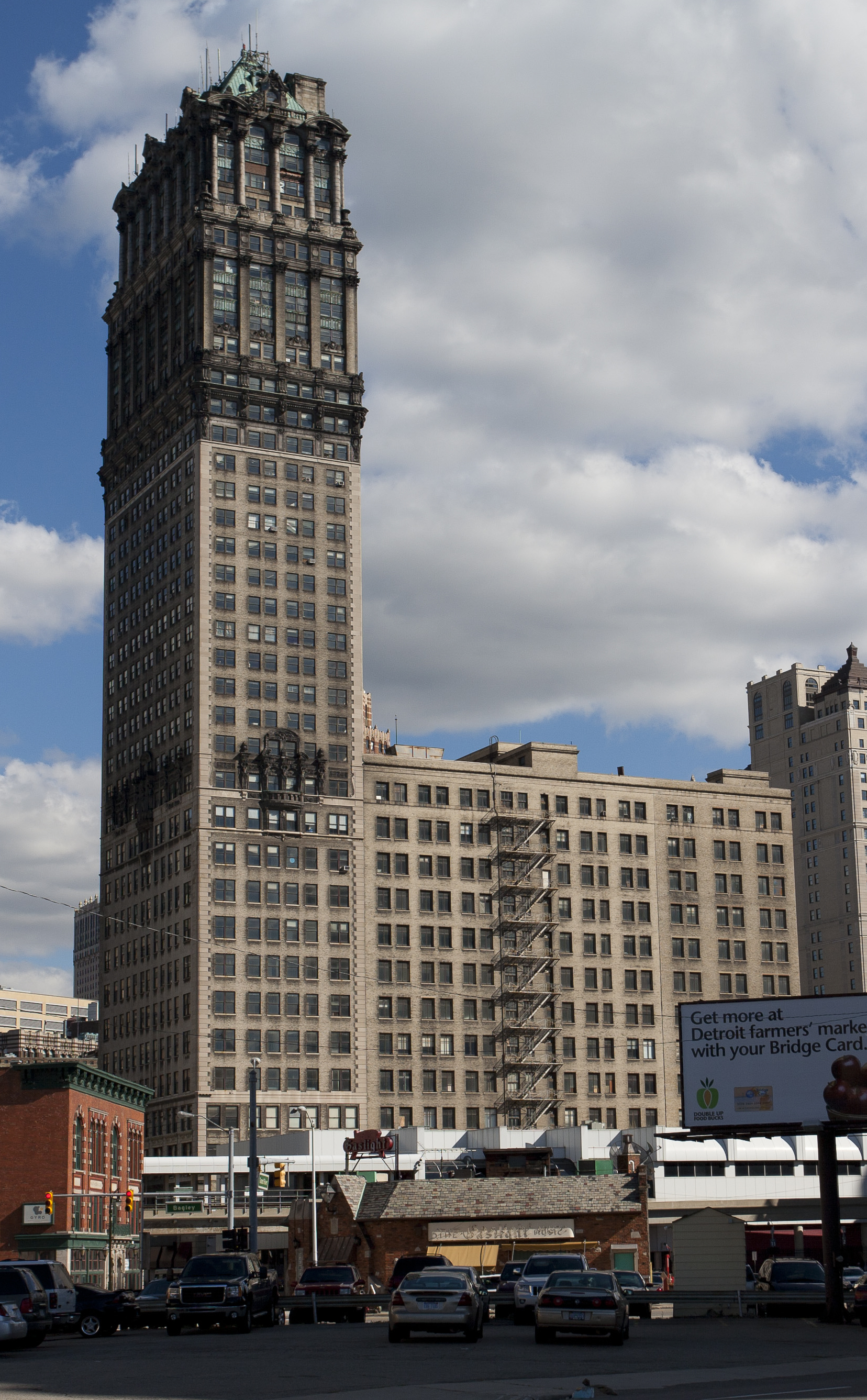
Book Tower
1265 Washington Blvd, Detroit, MI 48226
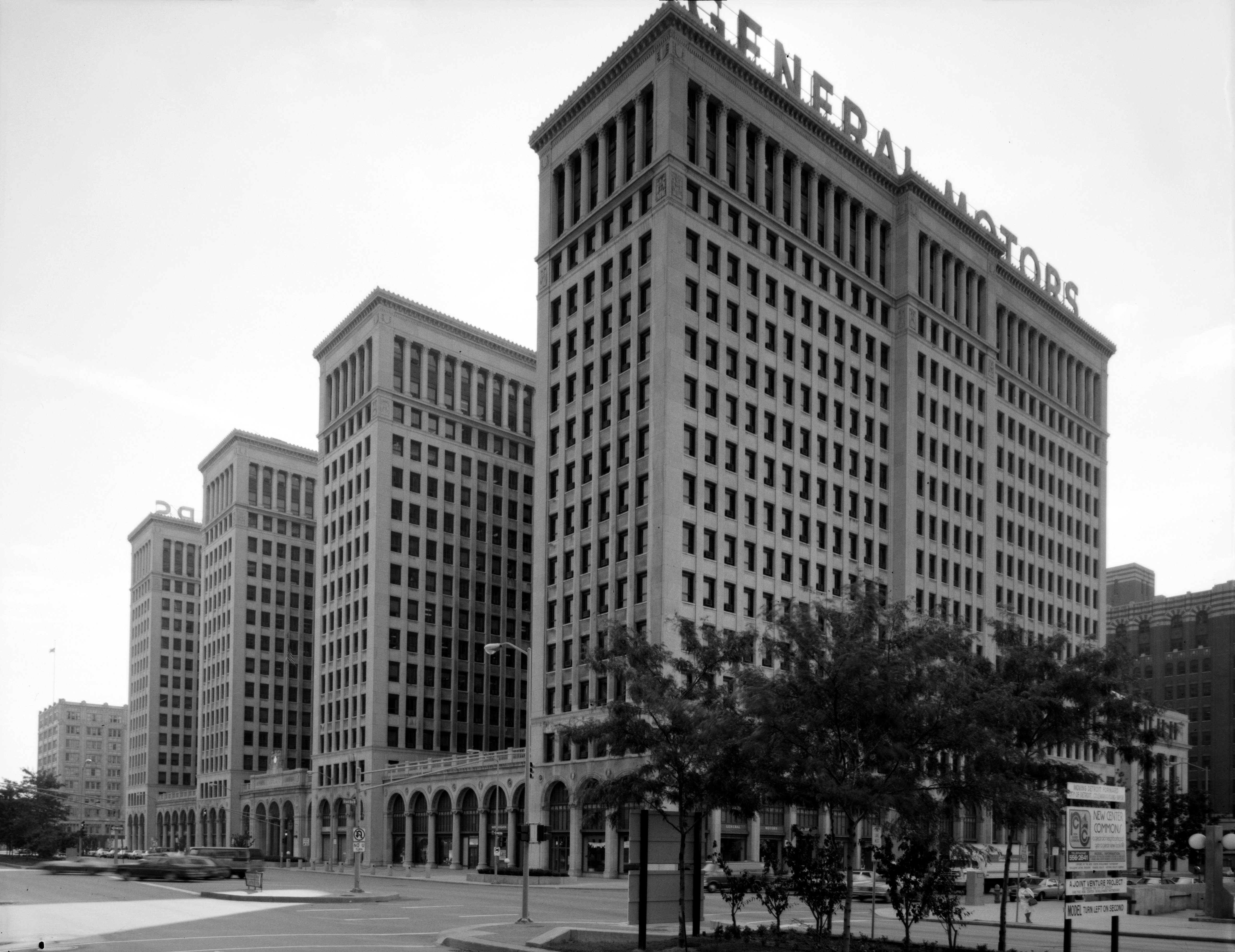
Cadillac Place
3044 W Grand Blvd, Detroit, MI 48202
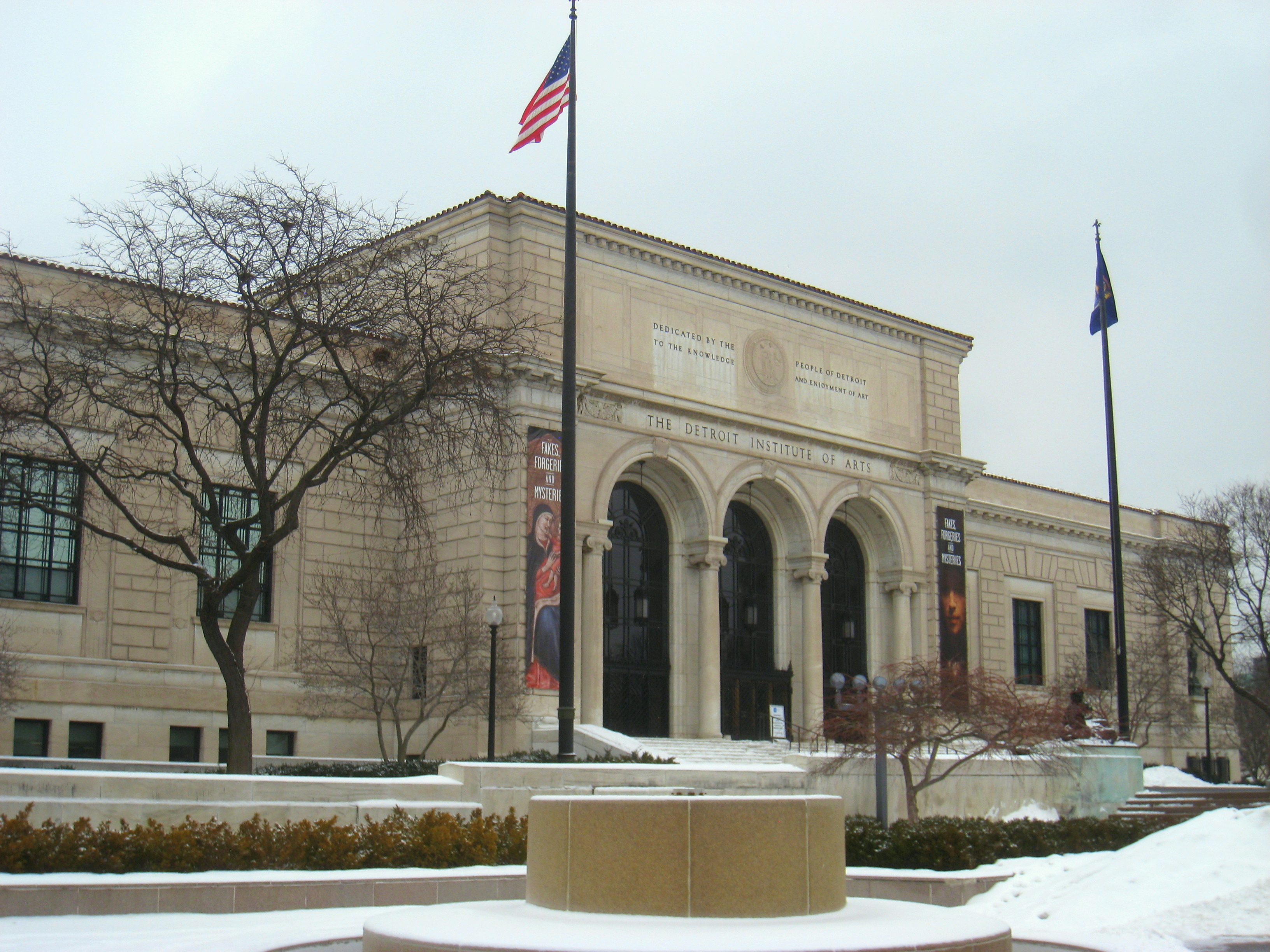
Detroit Institute of Arts
5200 Woodward Ave, Detroit, MI 48202
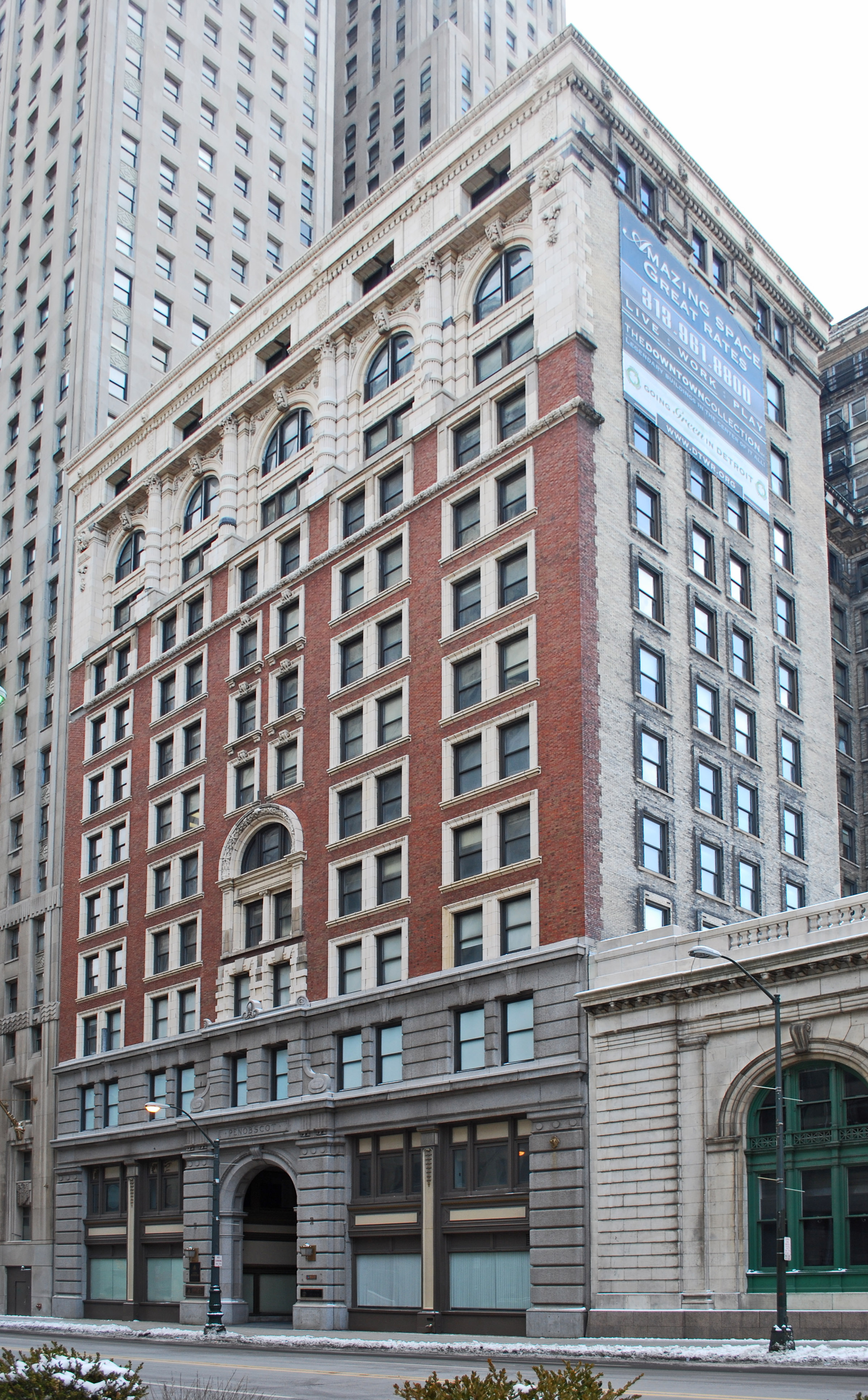
Penobscot Building
645 Griswold St, Detroit, MI 48226
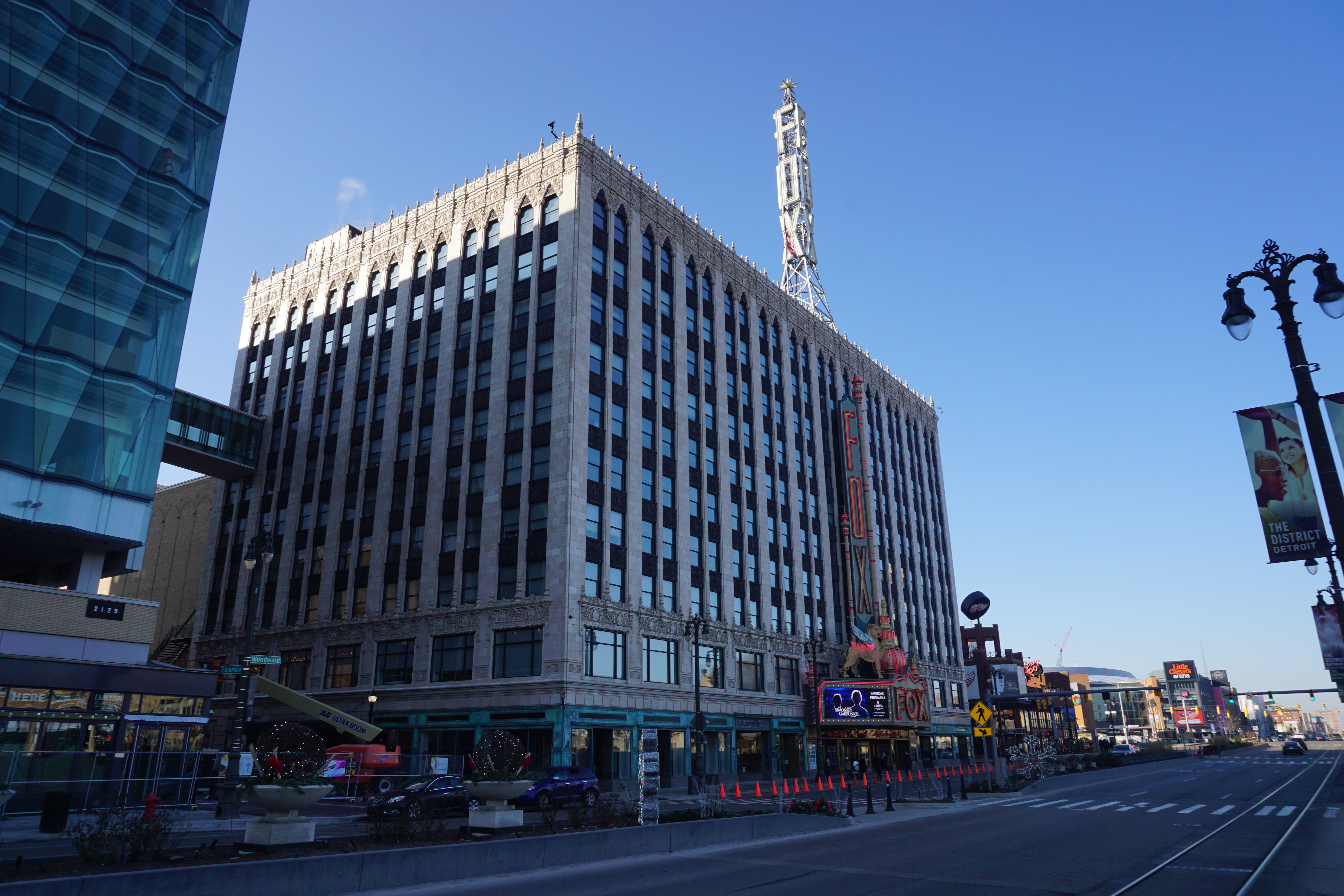
Fox Theatre
2211 Woodward Ave, Detroit, MI 48201
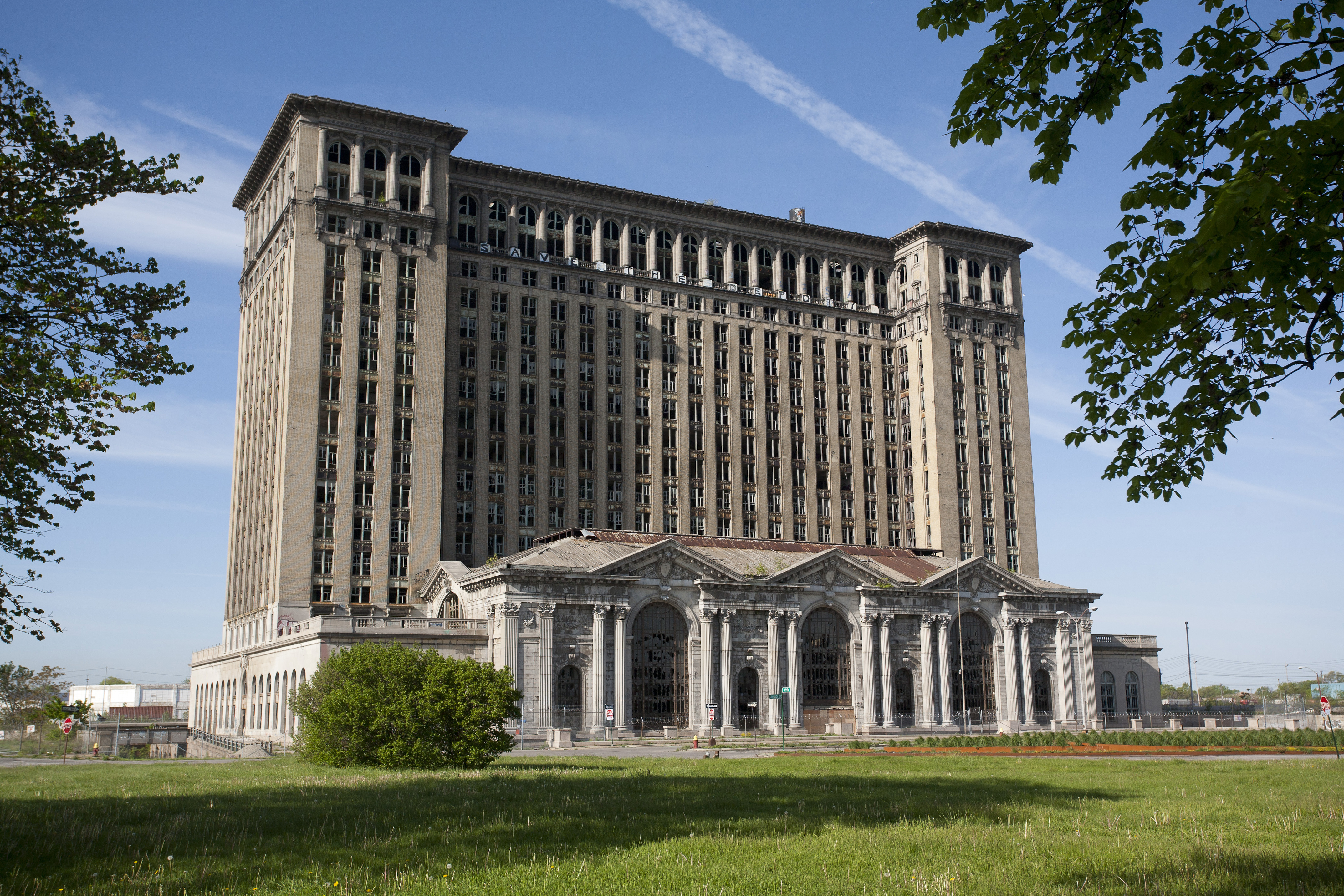
Michigan Central Station
2001 15th St, Detroit, MI 48216
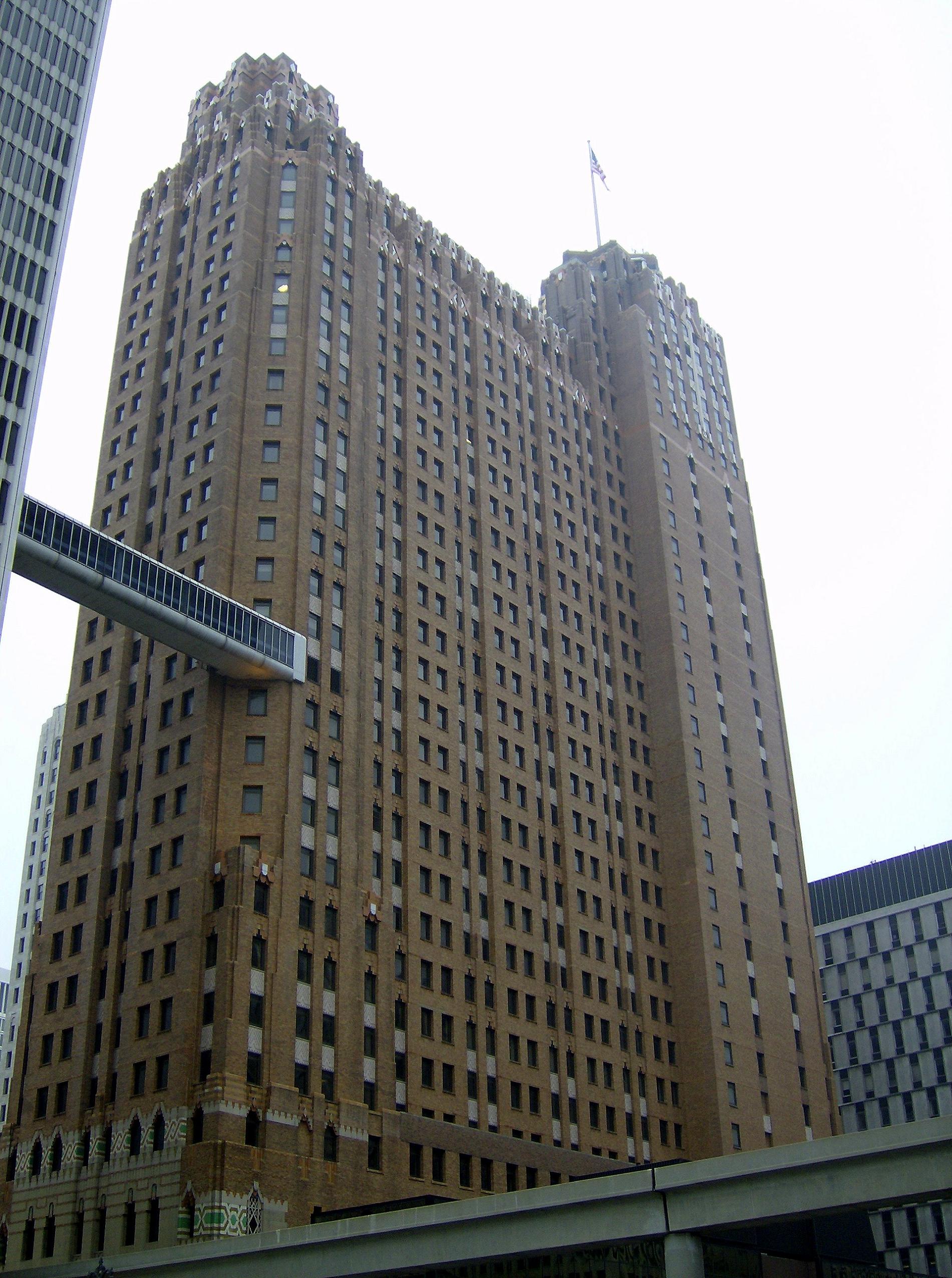
Guardian Building
500 Griswold St, Detroit, MI 48226
Beaux-Arts in Detroit: Common Questions
Where can I see Beaux-Arts architecture in Detroit?
Key locations to see Beaux-Arts architecture in Detroit include Washington Boulevard and Woodward Avenue. Notable buildings such as the Book-Cadillac Hotel, Detroit Institute of Arts, and Fox Theatre offer prominent examples of this architectural style.
When were the Beaux-Arts buildings in Detroit built?
Many Beaux-Arts buildings in Detroit were constructed during the early 20th century, particularly between 1900 and 1930, a time when the city experienced significant growth and prosperity.
What should I look for in Beaux-Arts architecture?
Look for grand entrances, symmetrical designs, classical details like columns and arches, and elaborate decorative motifs. Buildings like the Guardian Building and Michigan Central Station exemplify these features.
How does Beaux-Arts architecture in Detroit compare to other cities?
Detroit's Beaux-Arts architecture reflects the city's unique historical context and economic growth. While other cities like New York and Chicago also feature Beaux-Arts buildings, Detroit's examples often incorporate local materials and distinct ornamental details.
Can I visit these Beaux-Arts buildings?
Yes, many of the documented Beaux-Arts buildings in Detroit, such as the Fox Theatre and Detroit Institute of Arts, are open to the public for tours and events. It is advisable to check specific visiting hours and any special events beforehand.