Beaux-Arts Architecture in Singapore
Explore 9 beaux-arts buildings that shape Singapore's architectural identity
Beaux-Arts architecture emerged in Singapore during the late 19th and early 20th centuries, reflecting the city’s economic growth and colonial influences. This architectural style, characterized by its grandeur and elaborate detailing, was a popular choice for public buildings and hotels, serving to convey power and prestige. The city’s rapid development during this period created opportunities for architects to incorporate classical elements into new structures, resulting in a unique blend of local and Western design principles.
One notable example is the Buddha Tooth Relic Temple, located at 288 South Bridge Road. Its design showcases Beaux-Arts influences through its ornamental details and classic forms, creating a sense of awe and reverence. Similarly, the Fullerton Hotel stands out at 1 Fullerton Square, where grand columns and symmetrical designs emphasize its monumental nature, reflecting the style's emphasis on elegance and grandeur.
Another significant building is the Singapore City Hall, situated at 3 St Andrew's Road. Its architectural features highlight the Beaux-Arts style's attention to detail and classical architecture elements, providing a striking landmark in the Civic District. The concentration of Beaux-Arts architecture in areas like Raffles Place and the Civic District makes these neighborhoods vital for understanding the architectural heritage of Singapore.
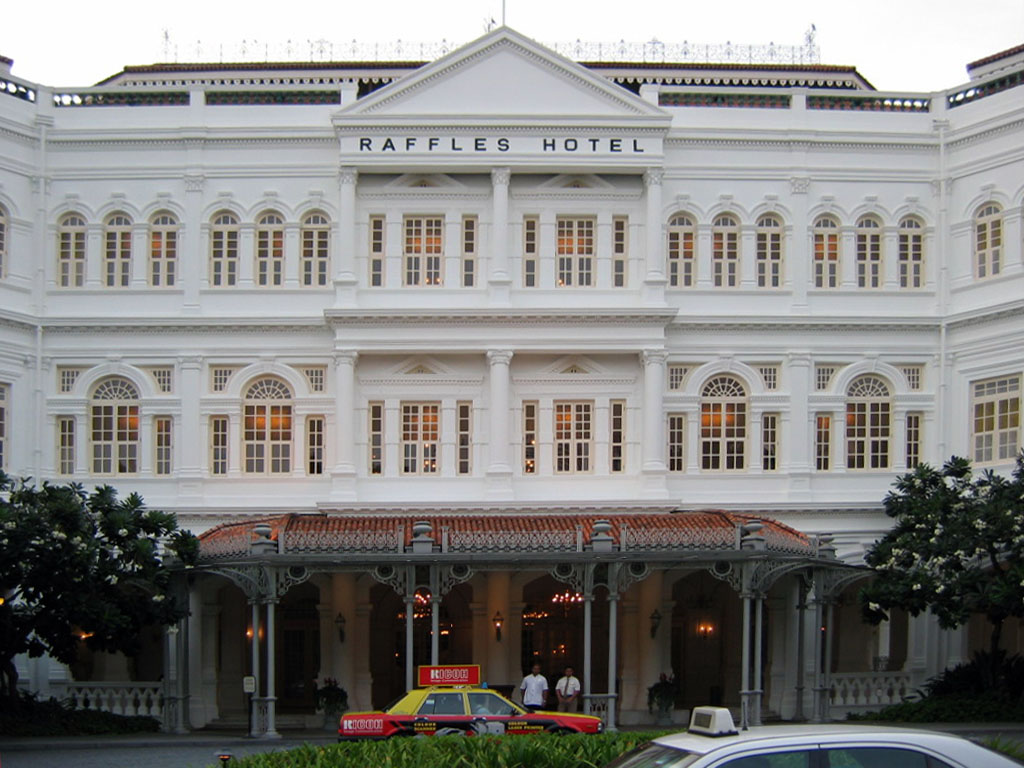
Buddha Tooth Relic Temple
288 South Bridge Road, Singapore 058840
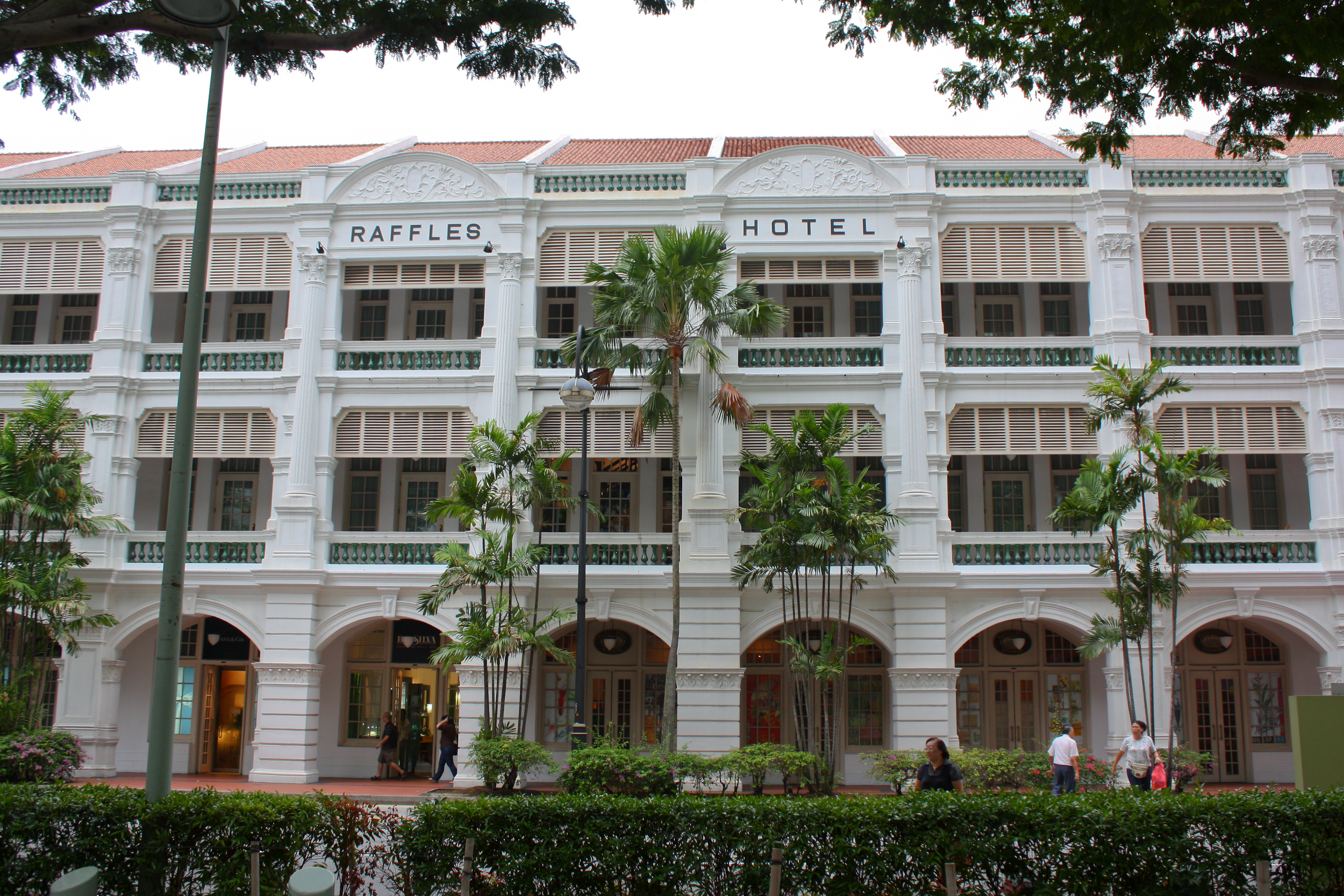
Sri Mariamman Temple
244 South Bridge Road, Singapore 058793
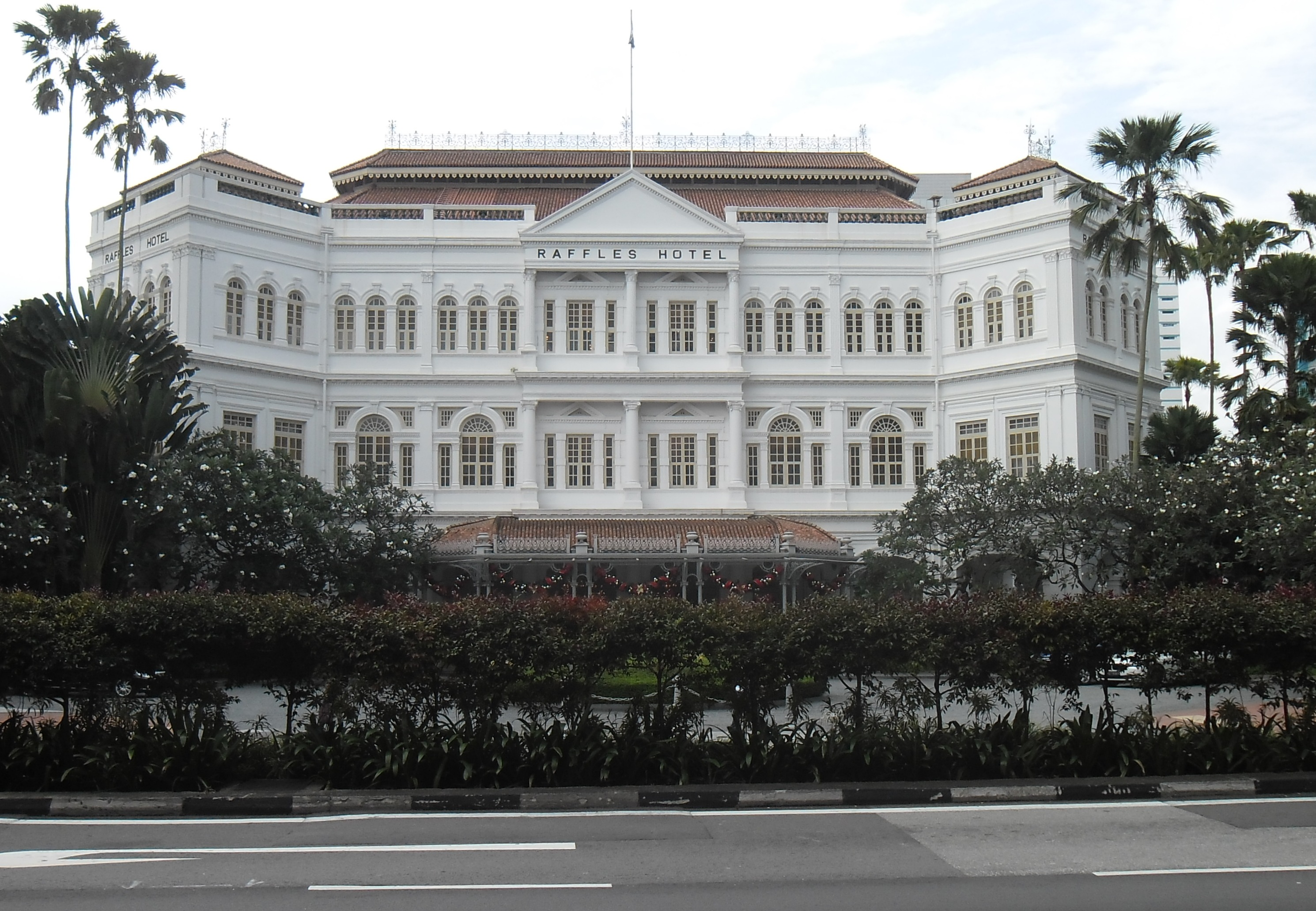
One Raffles Place
1 Raffles Place, Singapore 048616
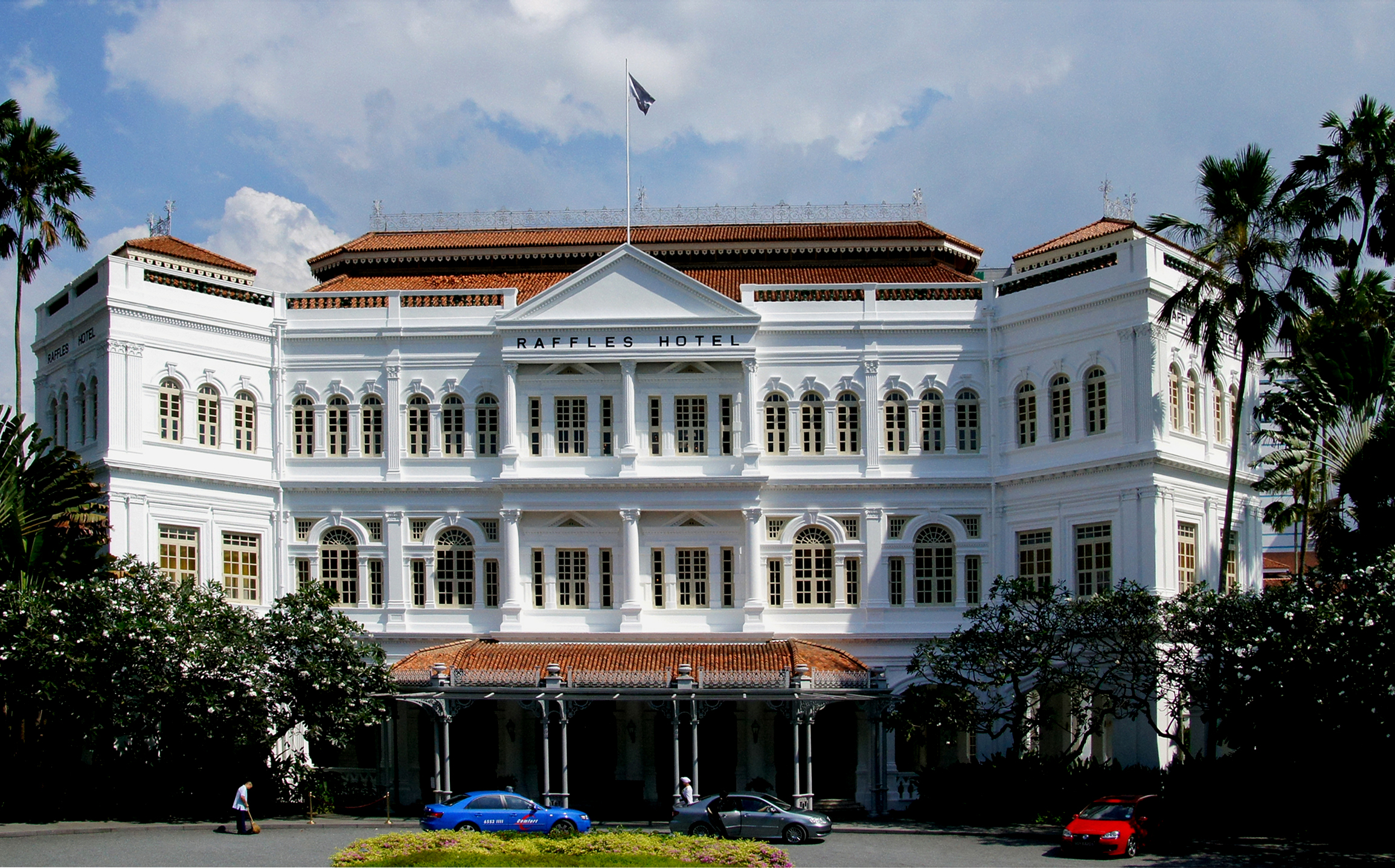
UOB Plaza
80 Raffles Place, Singapore 048624
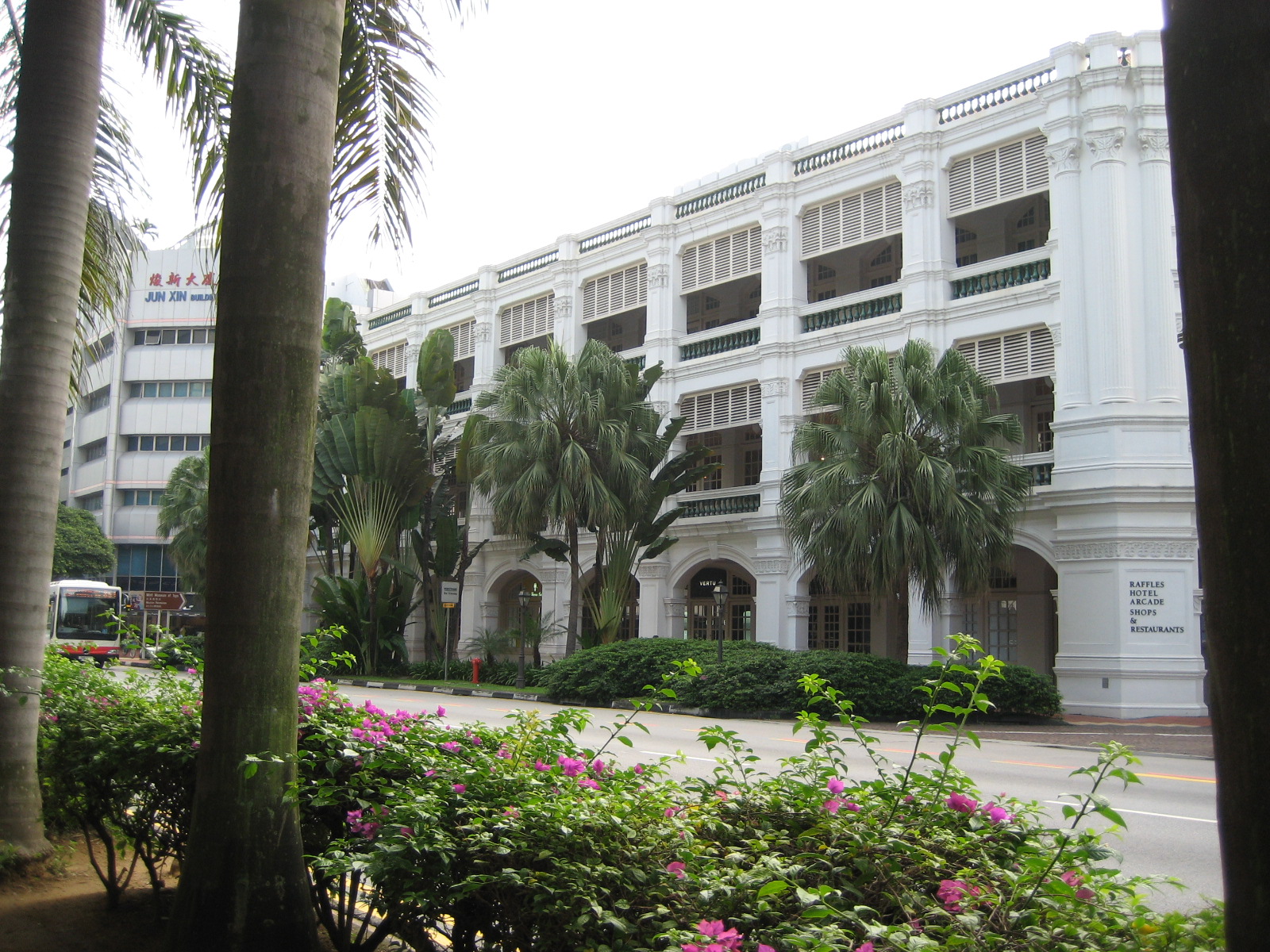
PARKROYAL on Pickering
3 Upper Pickering Street, Singapore 058289
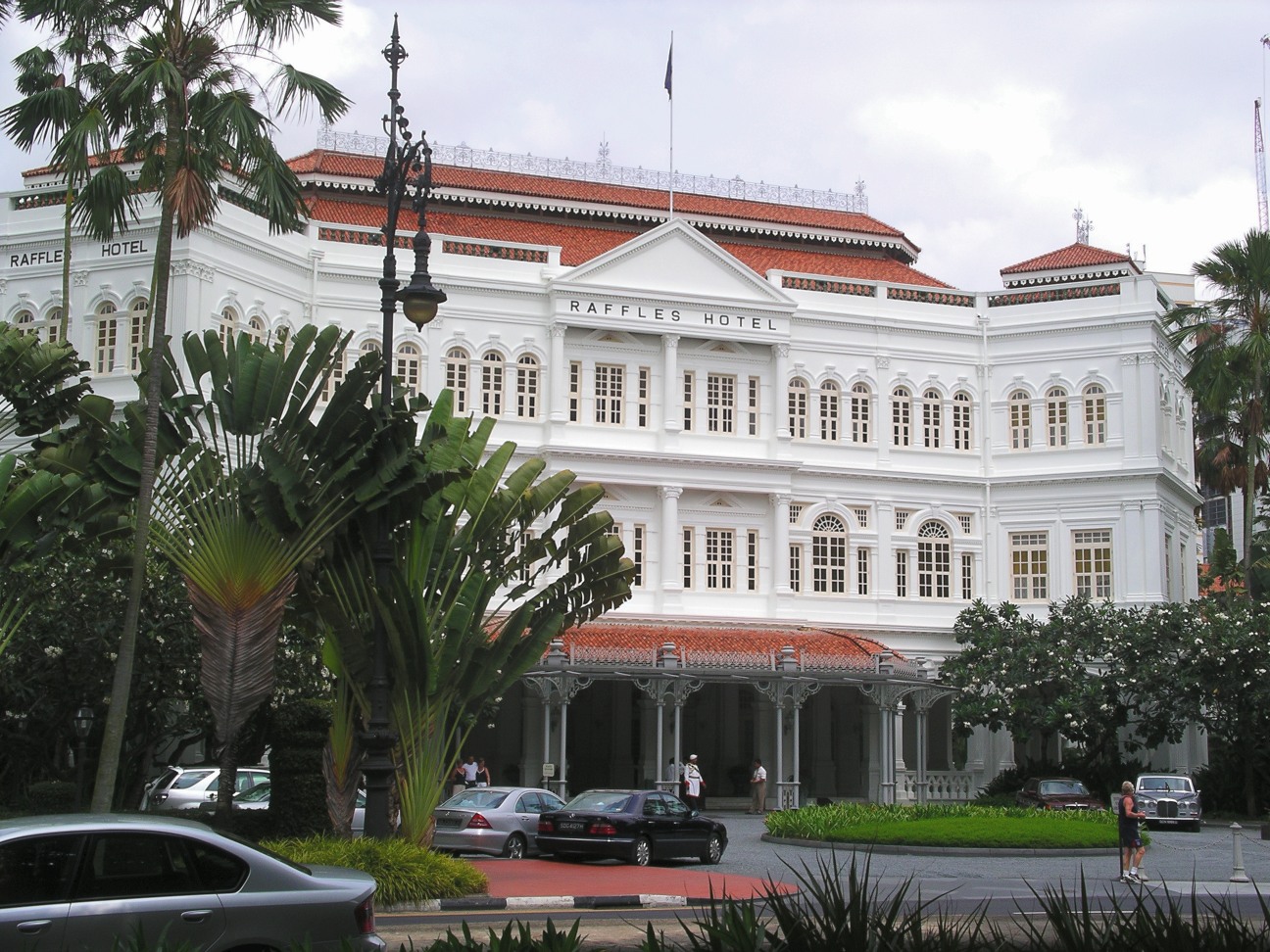
Singapore City Hall
3 St Andrew's Road, Singapore 178958
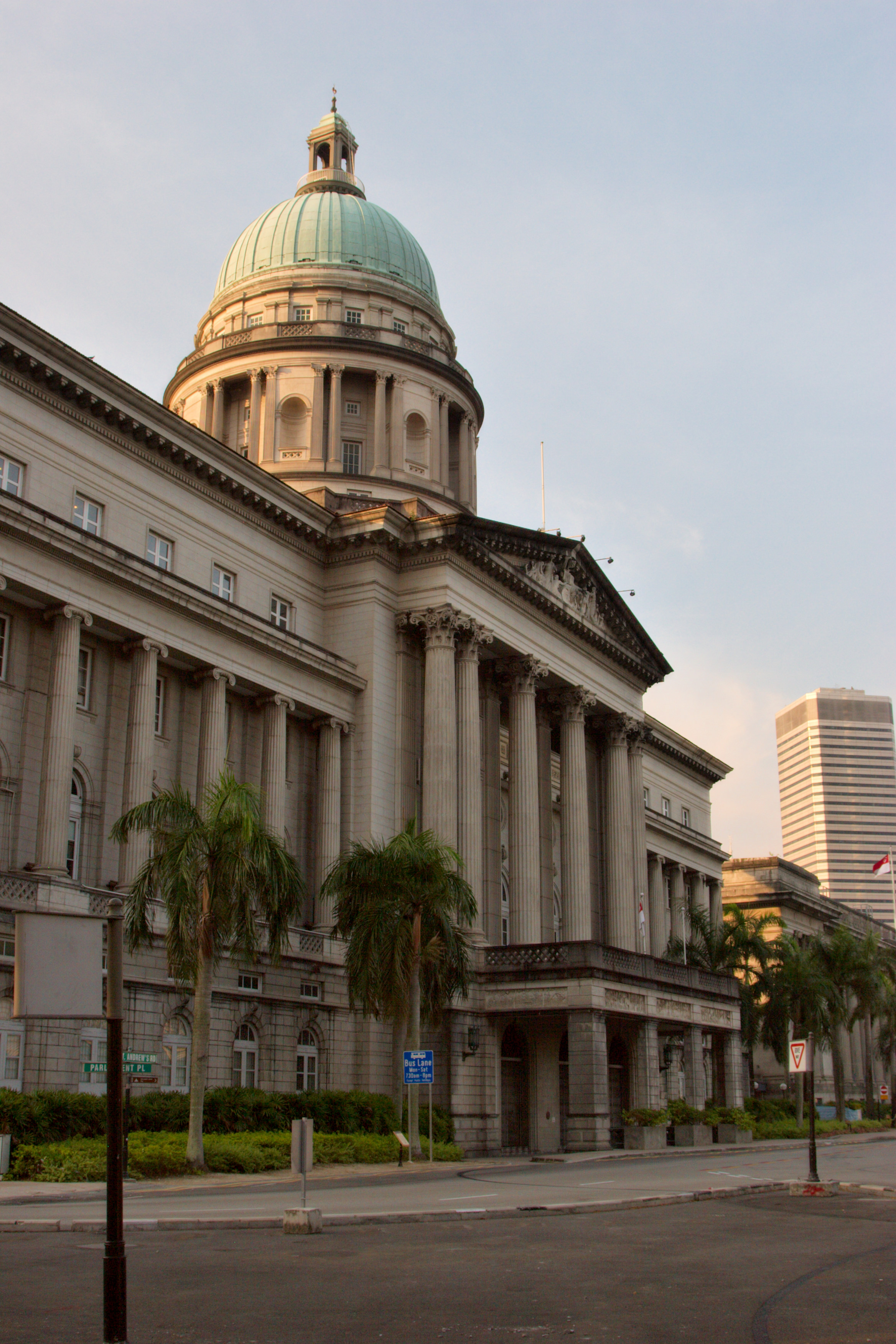
Old Supreme Court Building
1 St Andrew's Road, Singapore 178957
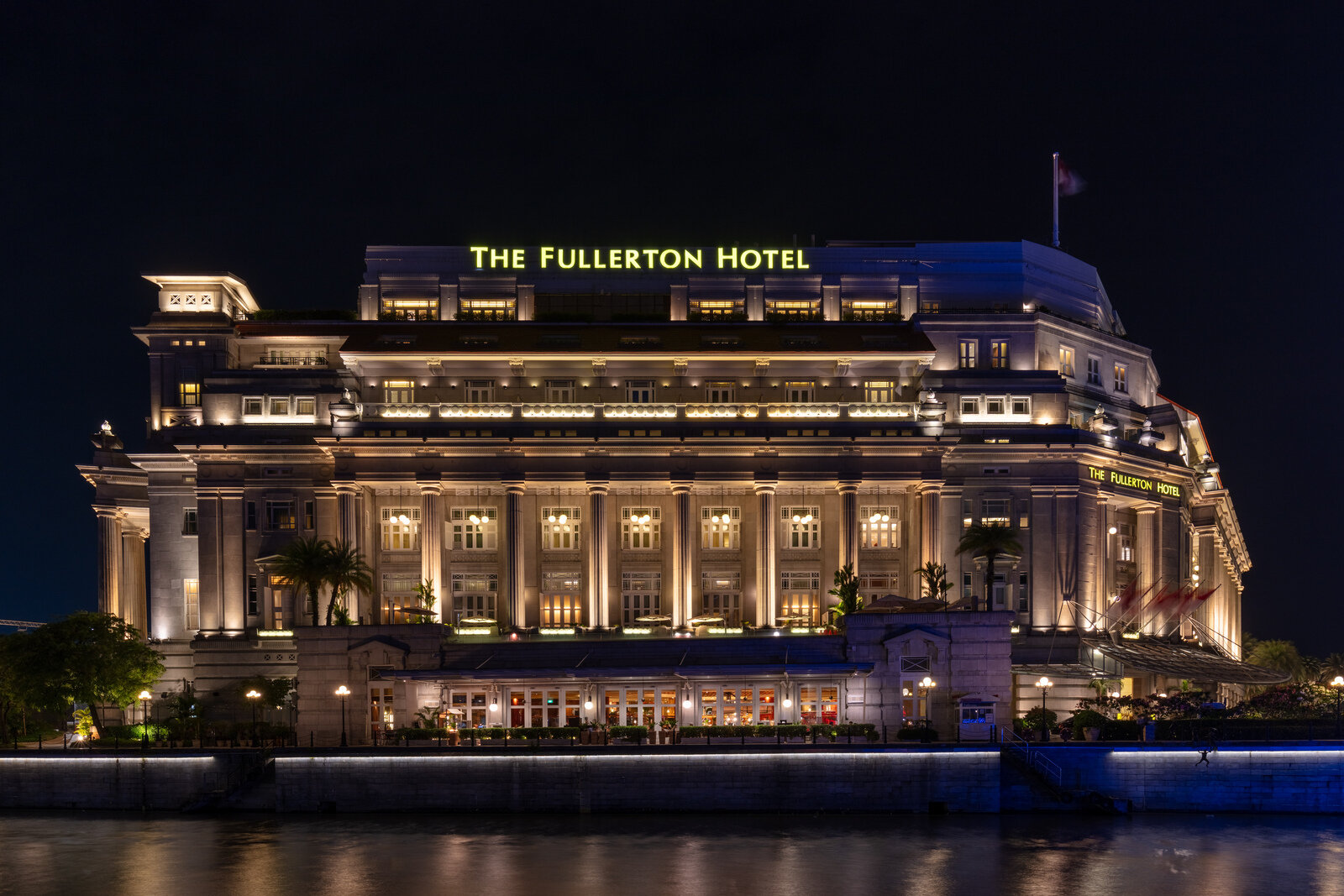
The Fullerton Hotel
1 Fullerton Square, Singapore 049178
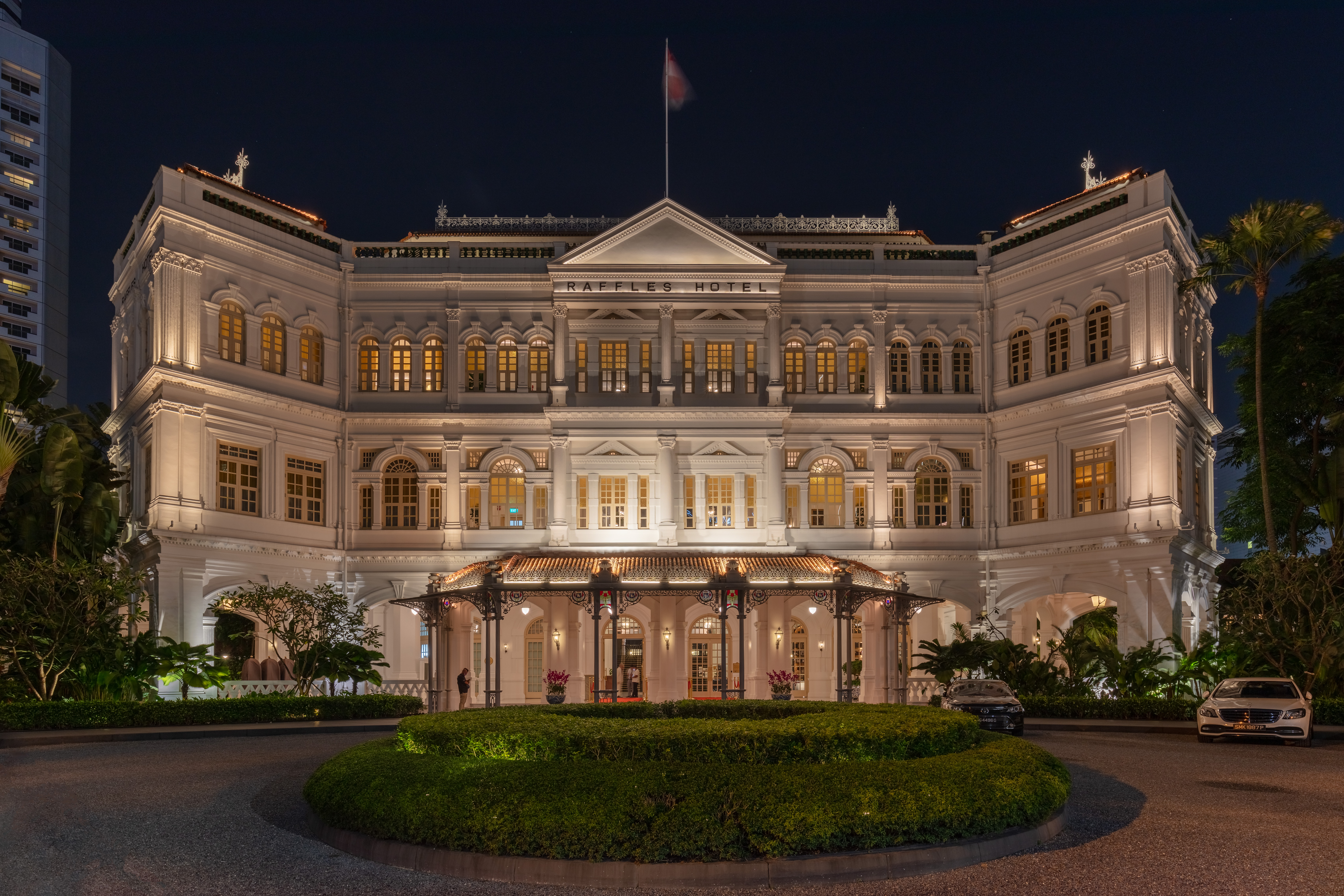
Raffles Hotel
1 Beach Road, Singapore 189673
Beaux-Arts in Singapore: Common Questions
Where can I see Beaux-Arts architecture in Singapore?
Key locations include Raffles Place and the Civic District, where you can find significant examples like the Fullerton Hotel, Singapore City Hall, and the Old Supreme Court Building.
When were these Beaux-Arts buildings built?
Most Beaux-Arts buildings in Singapore were constructed between the late 19th century and the early 20th century, a period marked by colonial influence and economic growth.
What should I look for in Beaux-Arts architecture?
Look for grand columns, elaborate ornamentation, symmetrical designs, and classical motifs. Buildings like the Raffles Hotel and UOB Plaza exemplify these characteristics.
How does Singapore's Beaux-Arts architecture compare to other cities?
While Beaux-Arts architecture in Singapore shares common traits with global examples, its local interpretation often incorporates Asian design elements, creating a distinctive character seen in buildings like the Sri Mariamman Temple.
Can I visit these Beaux-Arts buildings?
Yes, many of these buildings are open to the public. Notable examples like the Fullerton Hotel and the Buddha Tooth Relic Temple welcome visitors for tours and exploration.