Architectural Periods
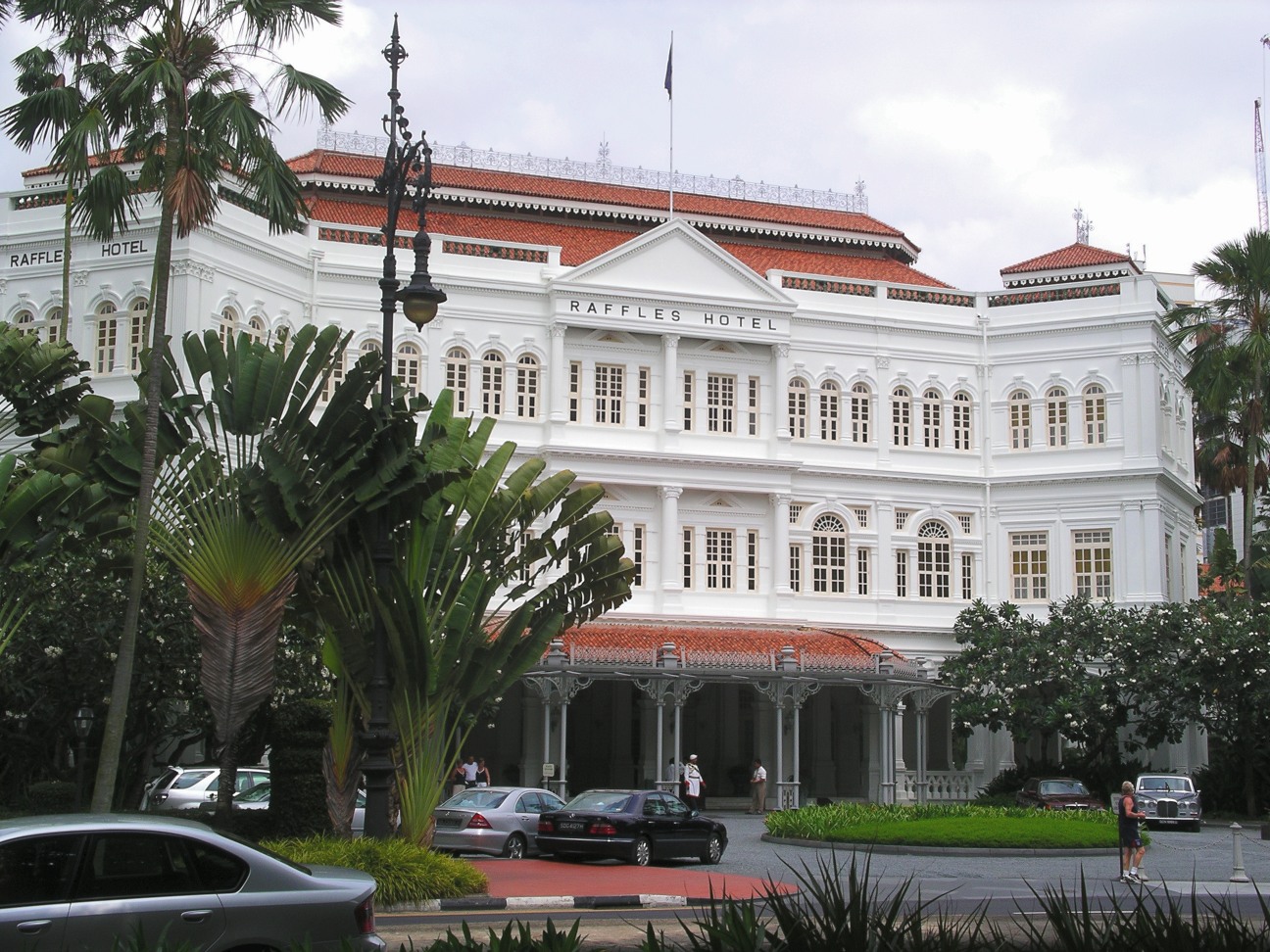
Singapore's architectural story unfolds in distinct chapters, each responding to the island's changing role in global trade and politics. The Colonial Era (1819-1959) established the bones of the modern city, with British administrators creating civic landmarks like the Raffles Hotel and Victoria Theatre that adapted European neoclassicism to tropical conditions. These buildings featured deep verandahs, high ceilings, and cross-ventilation—architectural strategies that remain relevant today. The Post-Independence Period (1960s-1980s) brought ambitious modernist experiments, from Brutalist housing estates that housed hundreds of thousands to civic landmarks like the Esplanade concert halls. This era prioritized functionality and social housing, creating the distinctive "void deck" typology that defines Singaporean residential architecture. The Economic Boom Years (1990s-2000s) transformed Singapore's skyline with international-style towers and cultural landmarks. Buildings like the Singapore Art Museum and expanded Changi Airport announced the city's arrival as a global hub, while heritage conservation efforts began preserving colonial and shophouse neighborhoods. The Contemporary Sustainable Era (2010s-present) has produced Singapore's most iconic structures: Marina Bay Sands' infinity pool, Gardens by the Bay's biomimetic conservatories, and WOHA's tropical skyscrapers that integrate vegetation throughout their facades. These buildings don't just work in Singapore's climate—they celebrate it.Architectural Districts
Colonial Core around the Singapore River contains the city's founding architecture, where the Raffles Hotel, Cricket Club, and Parliament House create Singapore's equivalent of Washington's National Mall. The Padang field serves as the ceremonial heart, surrounded by neoclassical buildings that established British colonial power. This district showcases how European architectural vocabulary adapted to monsoon rains and year-round heat. Chinatown and Boat Quay preserve Singapore's merchant heritage through rows of colorful shophouses—narrow, deep buildings that maximized street frontage while providing living space above ground-floor shops. These 19th-century structures feature distinctive five-foot-ways (covered sidewalks), ornate facades mixing Chinese and Malay decorative traditions, and internal courtyards for cooling. The shophouse remains Singapore's most successful architectural type, recently adapted for boutique hotels and restaurants. Marina Bay represents Singapore's 21st-century ambitions, where the city-state has literally expanded into the sea to create space for architectural spectacle. The district culminates at Gardens by the Bay, where climate-controlled conservatories and 150-foot Supertrees demonstrate how architecture can create artificial ecosystems. This is Singapore as futuristic garden city, where technology serves both human comfort and environmental sustainability.Notable Architects
Swan & Maclaren, the colonial-era firm, designed many of Singapore's civic landmarks including the Victoria Concert Hall and expanded Raffles Hotel. Their work established the "Singapore colonial" style that balanced European grandeur with tropical practicality, creating buildings that remained comfortable without air conditioning. William Lim championed tropical modernism in the post-independence era, designing buildings that used modern materials and forms while responding to Singapore's climate and cultural diversity. His work helped establish a distinctly Southeast Asian modernist vocabulary that influenced a generation of local architects. WOHA Architects have become Singapore's most internationally recognized contemporary practice, creating towers like Parkroyal on Pickering and Oasia Hotel Downtown that integrate vegetation throughout their facades. Their "garden tower" typology demonstrates how high-density development can enhance rather than degrade urban ecology. Moshe Safdie designed both Marina Bay Sands and the expanded Changi Airport Terminal, creating spaces that serve as symbols of Singapore's global connectivity. His work combines bold engineering with spaces designed for human comfort and social gathering. Thomas Heatherwick and Grant Associates created the Supertrees at Gardens by the Bay, structures that function as vertical gardens while housing environmental systems. Their biomimetic approach represents architecture learning from nature rather than imposing upon it.What to Notice
Singapore's architecture reveals itself in details that respond to the tropical environment. Look for deep overhangs and verandahs that provide shade while allowing air circulation—from colonial buildings to contemporary towers, successful Singapore architecture creates layers of protection from sun and rain. The traditional five-foot-way that covers sidewalks in shophouse districts has evolved into the covered walkways that connect modern shopping centers and MRT stations. Ventilation strategies tell the story of Singapore's relationship with its climate. Pre-air conditioning buildings feature high ceilings, large windows positioned for cross-ventilation, and internal courtyards that create cooling updrafts. Contemporary buildings like WOHA's towers use similar principles, creating naturally ventilated spaces even in high-rise construction. Water management shapes building forms throughout the city. Traditional shophouses feature internal drains and courtyards designed for monsoon downpours, while contemporary buildings like Marina Bay Sands incorporate water features that provide cooling through evaporation. Singapore's status as a "City in a Garden" appears in the integration of vegetation into building design—from the simple potted plants on shophouse balconies to the vertical forests of contemporary towers. The mixing of scales creates Singapore's distinctive urban character. Walk through any established neighborhood and notice how two-story shophouses sit comfortably beside 40-story residential towers, connected by covered walkways and punctuated by pocket parks. This layering of different building types and eras, unified by consistent responses to climate and culture, creates the architectural richness that makes Singapore one of Asia's most livable cities.Architectural styles in Singapore
Browse the documented buildings by style:
Singapore Architecture FAQ
What is the dominant architectural style in Singapore?
Singapore's architecture is characterized by a blend of Colonial Revival and Beaux-Arts styles, reflecting its historical roots. This is complemented by modernist and contemporary designs, showcasing the city's evolution and adaptation to tropical conditions.
What are the best areas to walk to experience Singapore's architecture?
The best areas to walk include Chinatown, where you can see historic shophouses, and Marina Bay, home to modern skyscrapers and innovative structures like the Gardens by the Bay. A stroll from the Raffles Hotel to the Fullerton Hotel offers a rich architectural contrast.
What are some of the oldest or most famous buildings in Singapore?
Some of the oldest and most famous buildings include the Raffles Hotel, a colonial icon, and the Victoria Theatre. The Buddha Tooth Relic Temple and Sri Mariamman Temple also showcase the city's rich heritage and architectural diversity.
How does Singapore's architecture compare to nearby cities?
Singapore's architecture uniquely combines colonial heritage with modern sustainability, setting it apart from nearby cities like Kuala Lumpur or Jakarta. While both cities exhibit colonial influences, Singapore places a stronger emphasis on integrating greenery and contemporary design.
Can notable buildings in Singapore be visited?
Yes, many notable buildings in Singapore are open to the public. Visitors can explore the Raffles Hotel, Buddha Tooth Relic Temple, and Marina Bay Sands. Guided tours often provide insights into the architectural significance and history of these landmarks.


