Beaux-Arts Architecture in New York
Explore 8 beaux-arts buildings that shape New York's architectural identity
The Beaux-Arts architectural style emerged in New York City during the late 19th and early 20th centuries, a period marked by economic growth and cultural ambition. This style, characterized by its grandiosity, classical details, and symbolic ornamentation, reflects the aspirations of a city poised to establish itself as a global cultural hub. The influence of the Beaux-Arts movement can be seen prominently in various neighborhoods, particularly in Midtown and lower Manhattan.
The New York Public Library, located at 476 5th Avenue, exemplifies the Beaux-Arts principles with its majestic façade, featuring intricately carved lion statues that guard the entrance. Its grand interior spaces, such as the Rose Main Reading Room, further highlight the style's emphasis on monumental scale and elaborate detailing. Similarly, the Brooklyn Bridge, an iconic emblem of New York, showcases Beaux-Arts aesthetics in its stone towers and arches that seamlessly combine engineering with artistry.
Another significant example is 30 Rockefeller Plaza, which stands as a prime representation of the style’s integration with modern skyscraper design. The building’s ornate lobby and art deco details reflect the Beaux-Arts influence while also embracing the advancements of the 1930s. Within the city, the concentration of Beaux-Arts architecture can be observed along major thoroughfares such as 42nd Street and Broadway, where buildings like 233 Broadway and 89 E 42nd St contribute to the architectural narrative of the city.
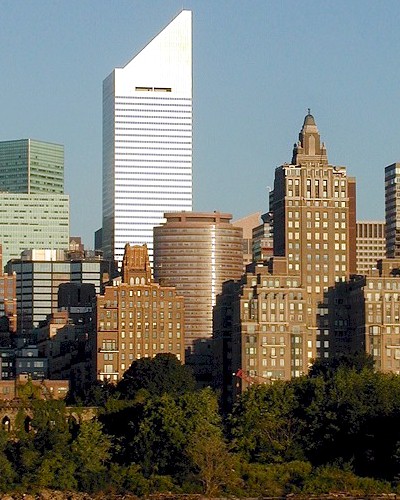
Citigroup Center
601 Lexington Ave, New York, NY 10022
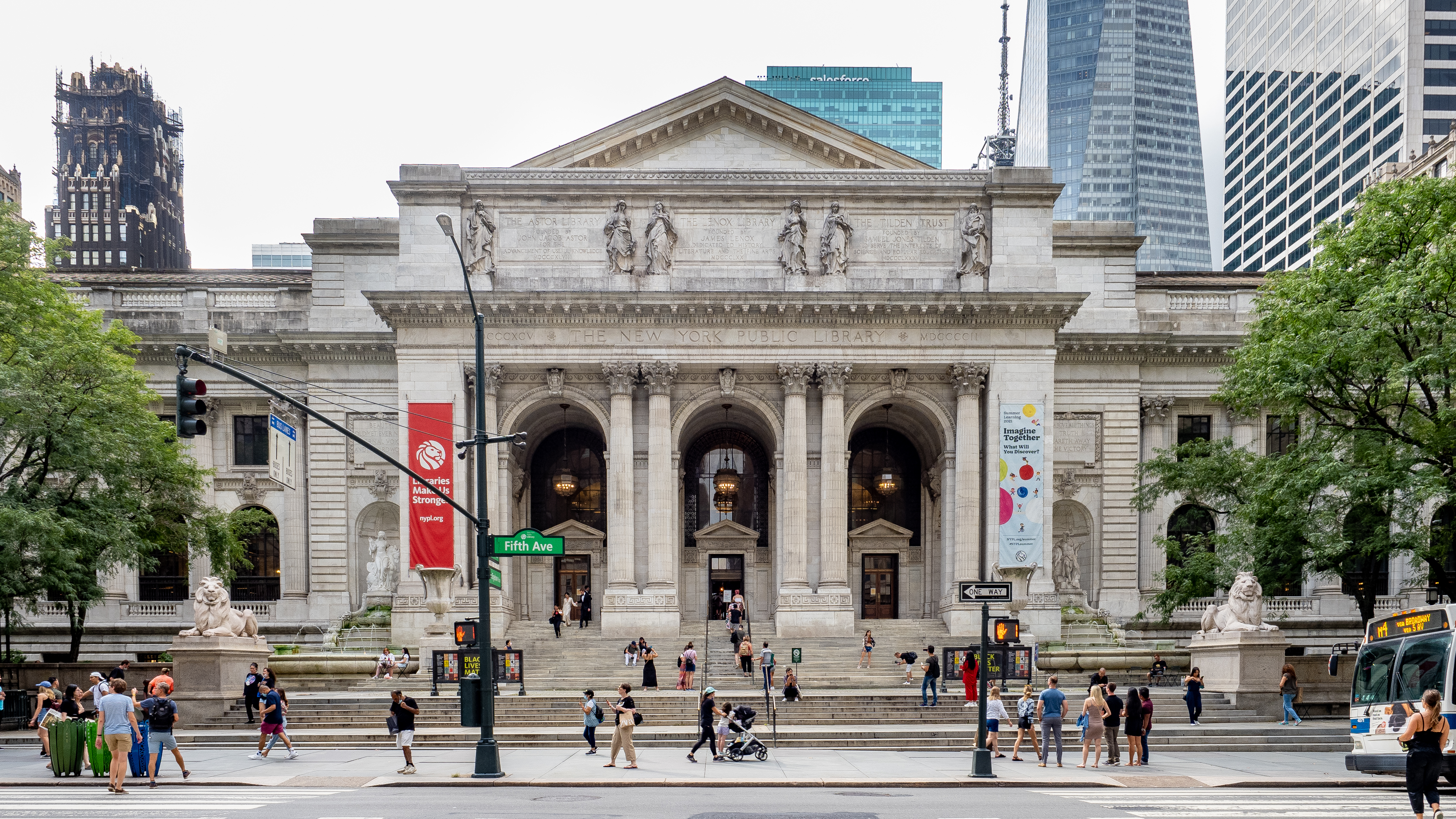
New York Public Library
476 5th Ave, New York, NY 10018
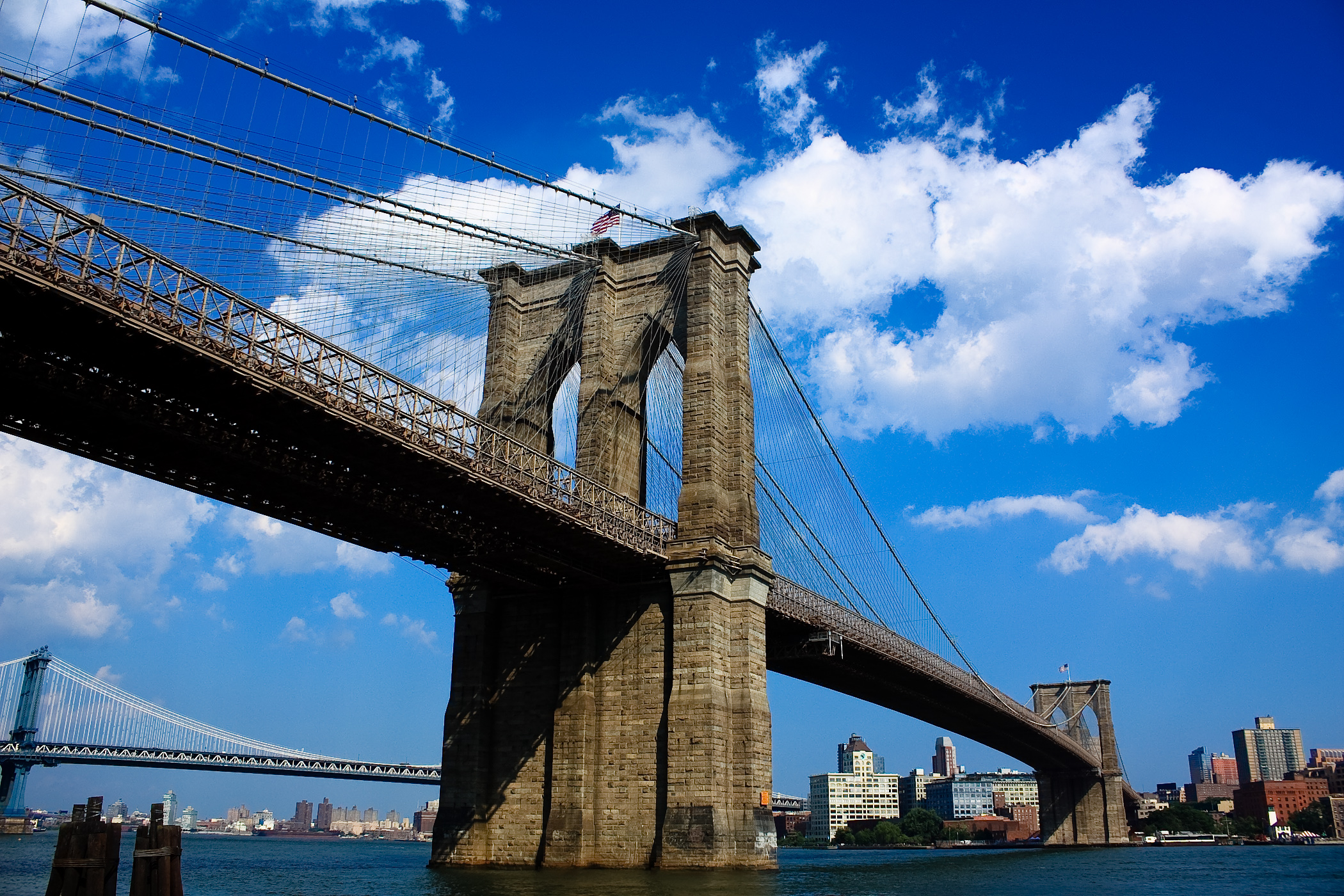
Brooklyn Bridge
Brooklyn Bridge, New York, NY 10038
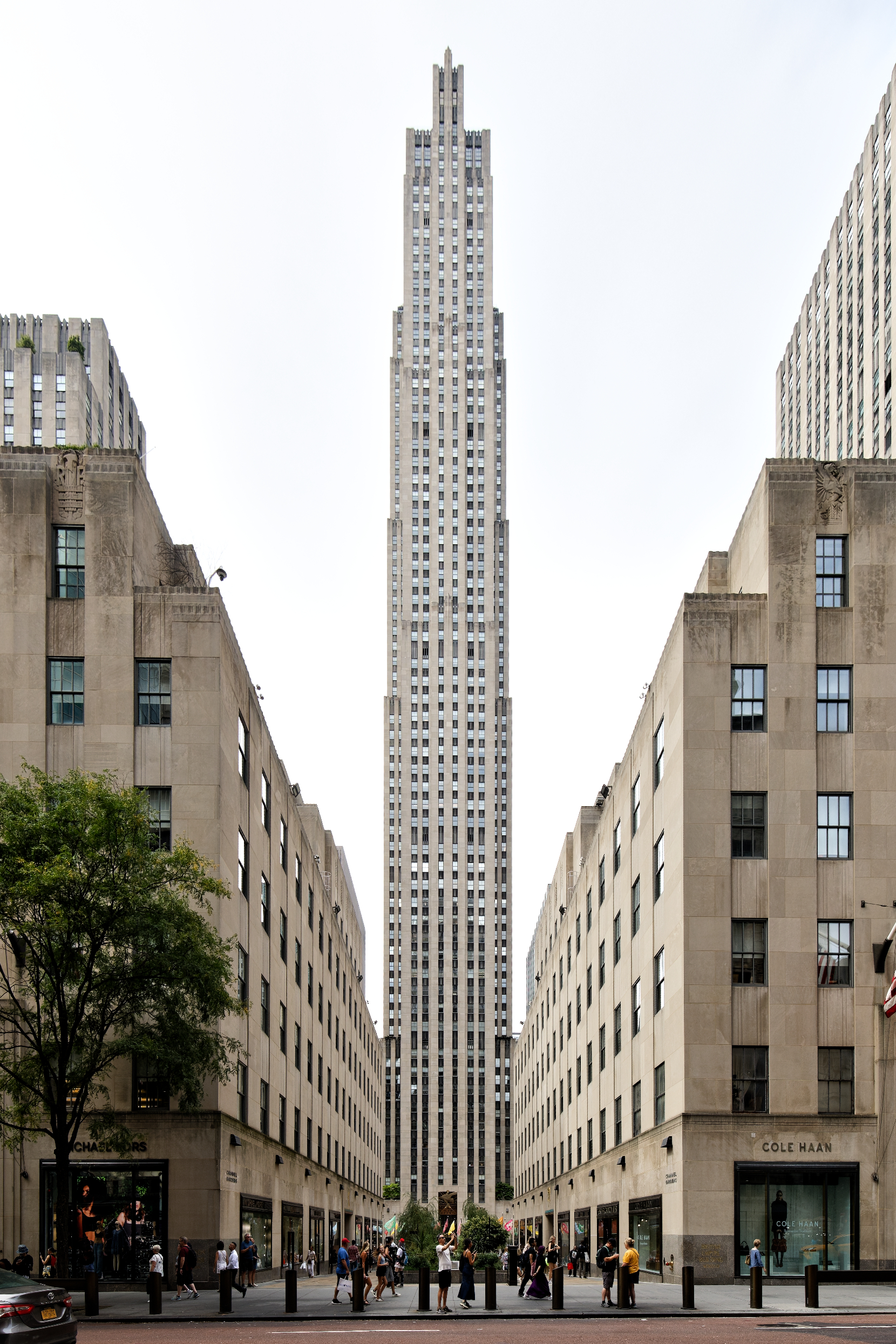
30 Rockefeller Plaza
30 Rockefeller Plaza, New York, NY 10112
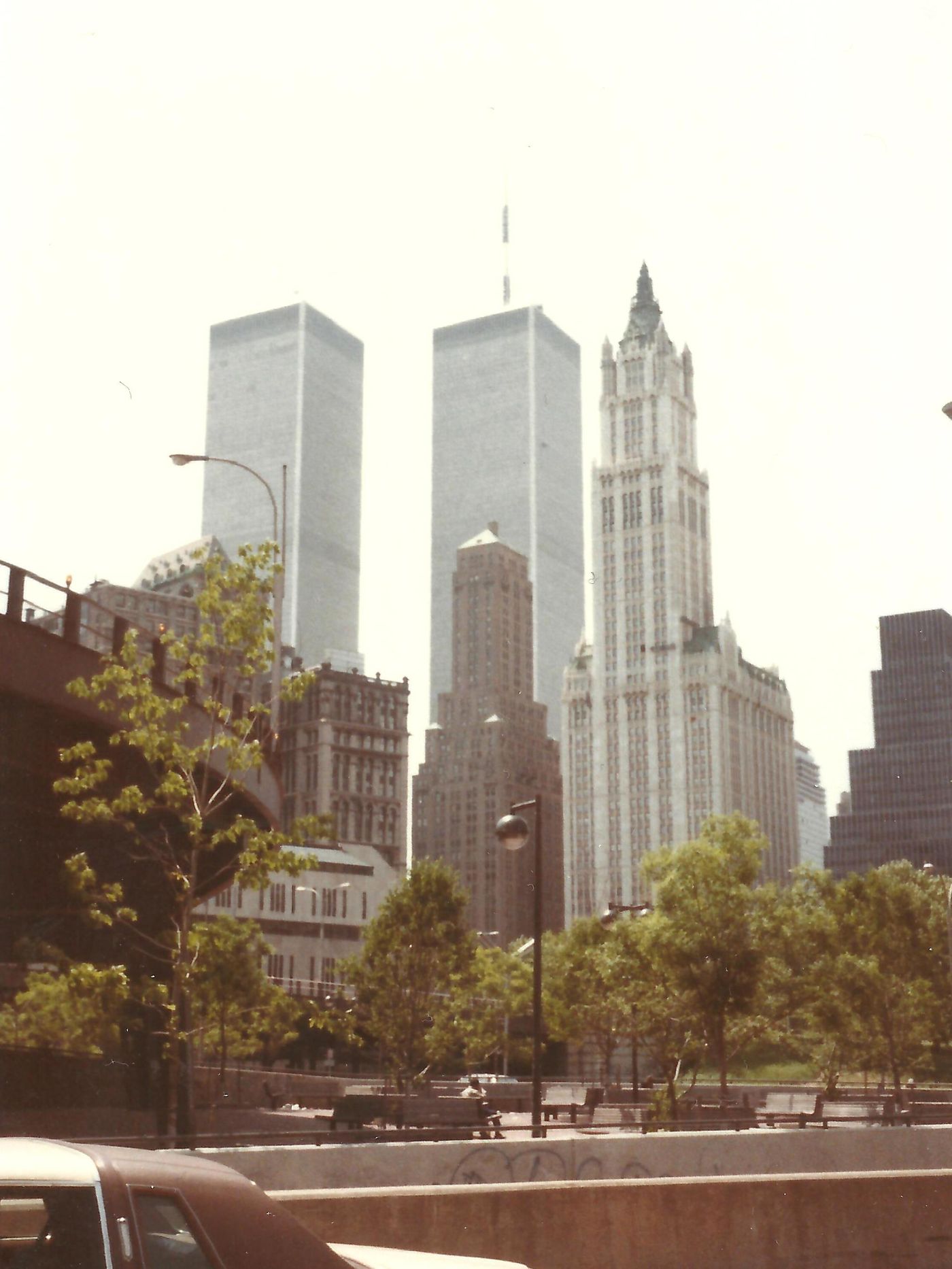
233 Broadway, New York, NY 10007
233 Broadway, New York, NY 10007
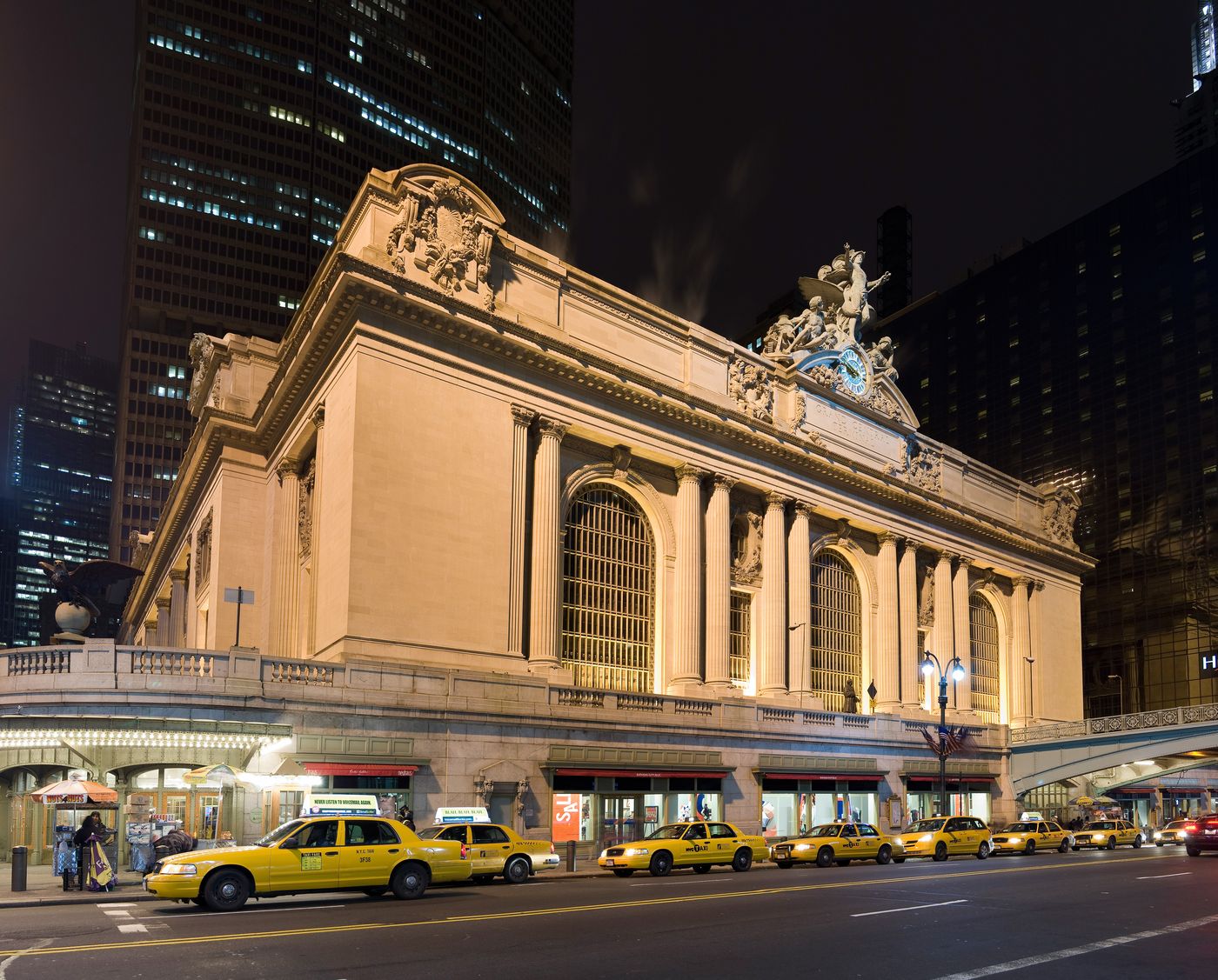
89 E 42nd St, New York, NY 10017
89 E 42nd St, New York, NY 10017
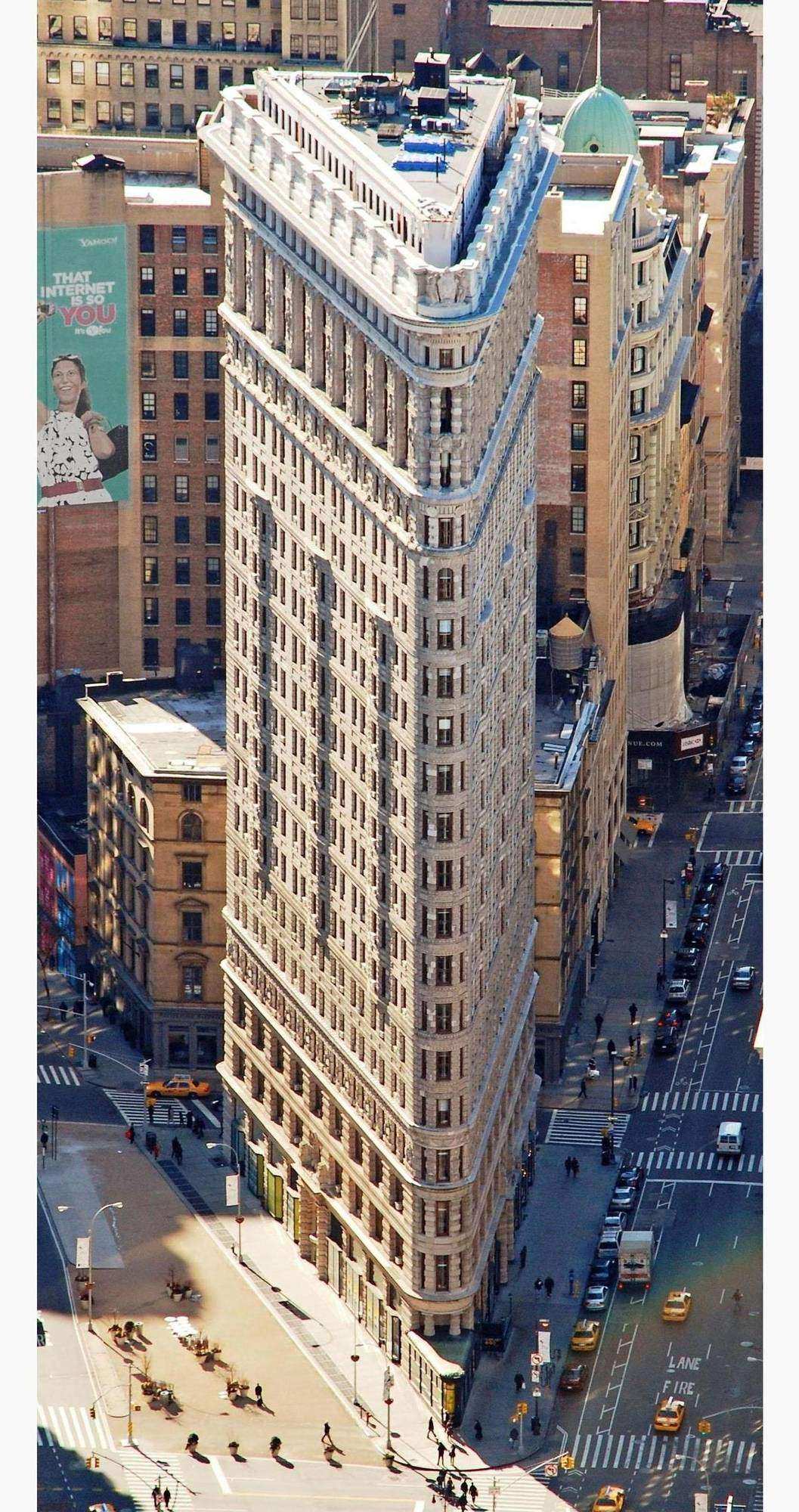
175 5th Ave, New York, NY 10010
175 5th Ave, New York, NY 10010

20 W 34th St, New York, NY 10001
20 W 34th St, New York, NY 10001
Beaux-Arts in New York: Common Questions
Where can I see Beaux-Arts architecture in New York?
You can see notable Beaux-Arts buildings throughout New York City, especially in Midtown and lower Manhattan. Key locations include the New York Public Library, 30 Rockefeller Plaza, and the Brooklyn Bridge.
When were these Beaux-Arts buildings constructed?
Many of the documented Beaux-Arts buildings in New York were constructed between the late 19th century and the early 20th century, a period of significant urban development and cultural growth.
What are the key characteristics of Beaux-Arts architecture?
Key characteristics of Beaux-Arts architecture include grandiose scale, classical columns, elaborate ornamentation, and an emphasis on symmetry and historical references, as seen in buildings like the New York Public Library and Citigroup Center.
How does New York's Beaux-Arts architecture compare to that in other cities?
New York's Beaux-Arts architecture often features a blend of classical elements with modern skyscraper design, creating a unique urban identity. In contrast, other cities may focus more on historical preservation without such extensive integration of contemporary styles.
Can I visit these Beaux-Arts buildings?
Yes, many Beaux-Arts buildings in New York are open to the public. The New York Public Library offers tours, while buildings like 30 Rockefeller Plaza host various events and exhibitions, allowing visitors to appreciate their architectural grandeur.