Modernism Architecture in New York
Explore 13 modernism buildings that shape New York's architectural identity
Modernism in New York emerged as a response to the rapid urbanization and industrialization of the early to mid-20th century. This architectural style epitomized a break from traditional forms, embracing innovation and new materials such as steel and glass. The economic boom during this period allowed for the construction of iconic structures that reflected a forward-thinking ethos. Key neighborhoods, particularly Midtown and Lower Manhattan, became hotspots for Modernist architecture.
One of the most recognizable examples is the Seagram Building (375 Park Ave), designed by Ludwig Mies van der Rohe. Completed in 1958, it is celebrated for its minimalist façade and elegant proportions, which set a precedent for skyscraper design. Meanwhile, the Guggenheim Museum (1071 5th Ave), designed by Frank Lloyd Wright and opened in 1959, features a unique spiraling form that contrasts sharply with the grid of New York City, challenging conventional museum architecture.
Another significant structure is the Citigroup Center (601 Lexington Ave), completed in 1977. Its distinctive stilt-style base and innovative engineering solutions, including the use of a large stabilizing system, showcase the adaptability of Modernist principles to urban settings. The blend of functionality and aesthetics in these buildings exemplifies the character of Modernism in New York, making it a rich field for exploration.
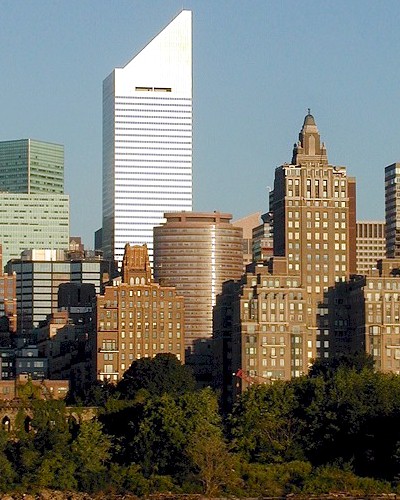
Citigroup Center
601 Lexington Ave, New York, NY 10022
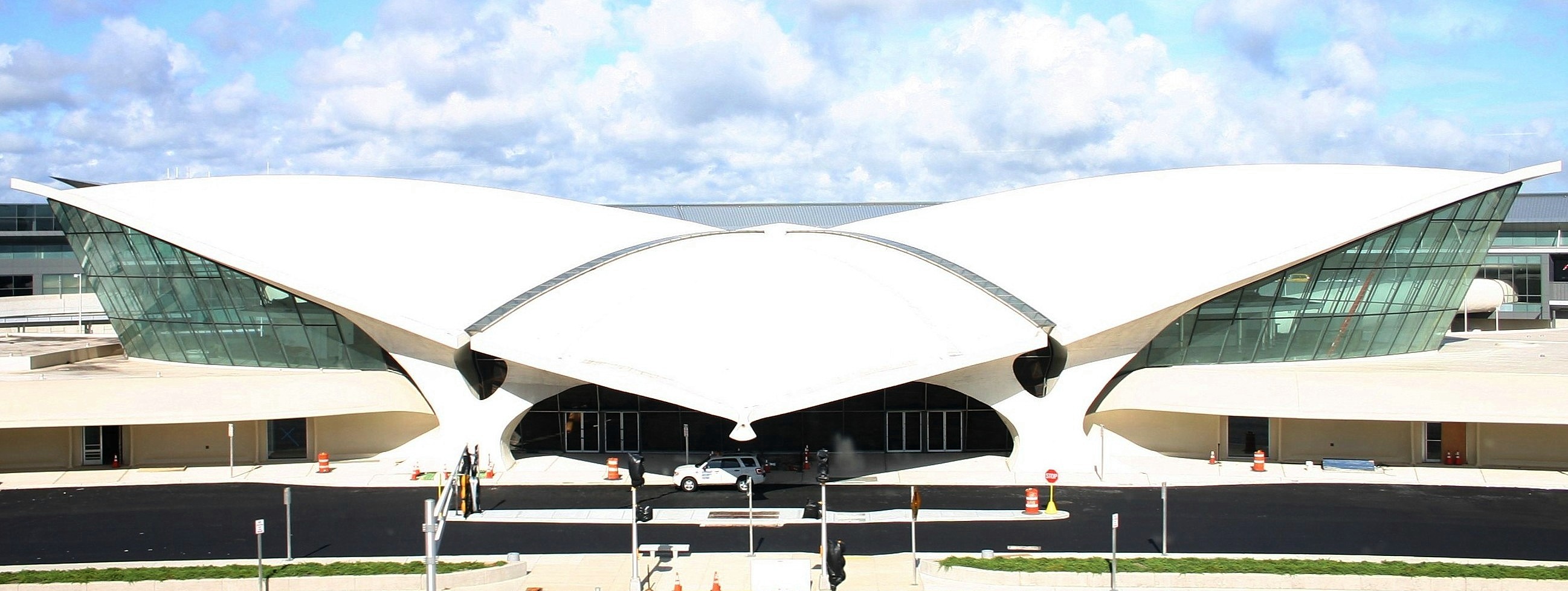
TWA Flight Center
1 Idlewild Dr, Queens, NY 11430
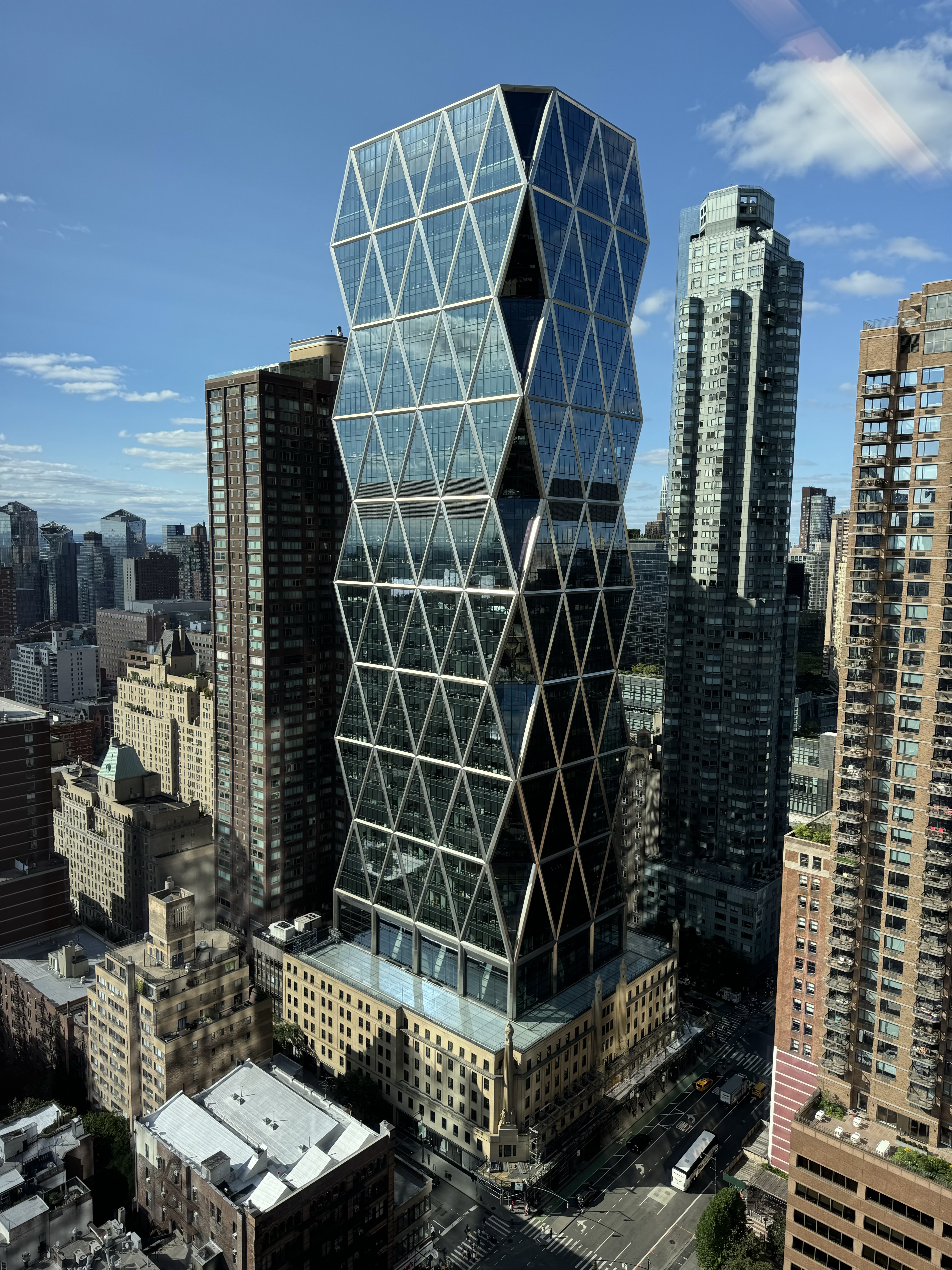
Hearst Tower
300 W 57th St, New York, NY 10019
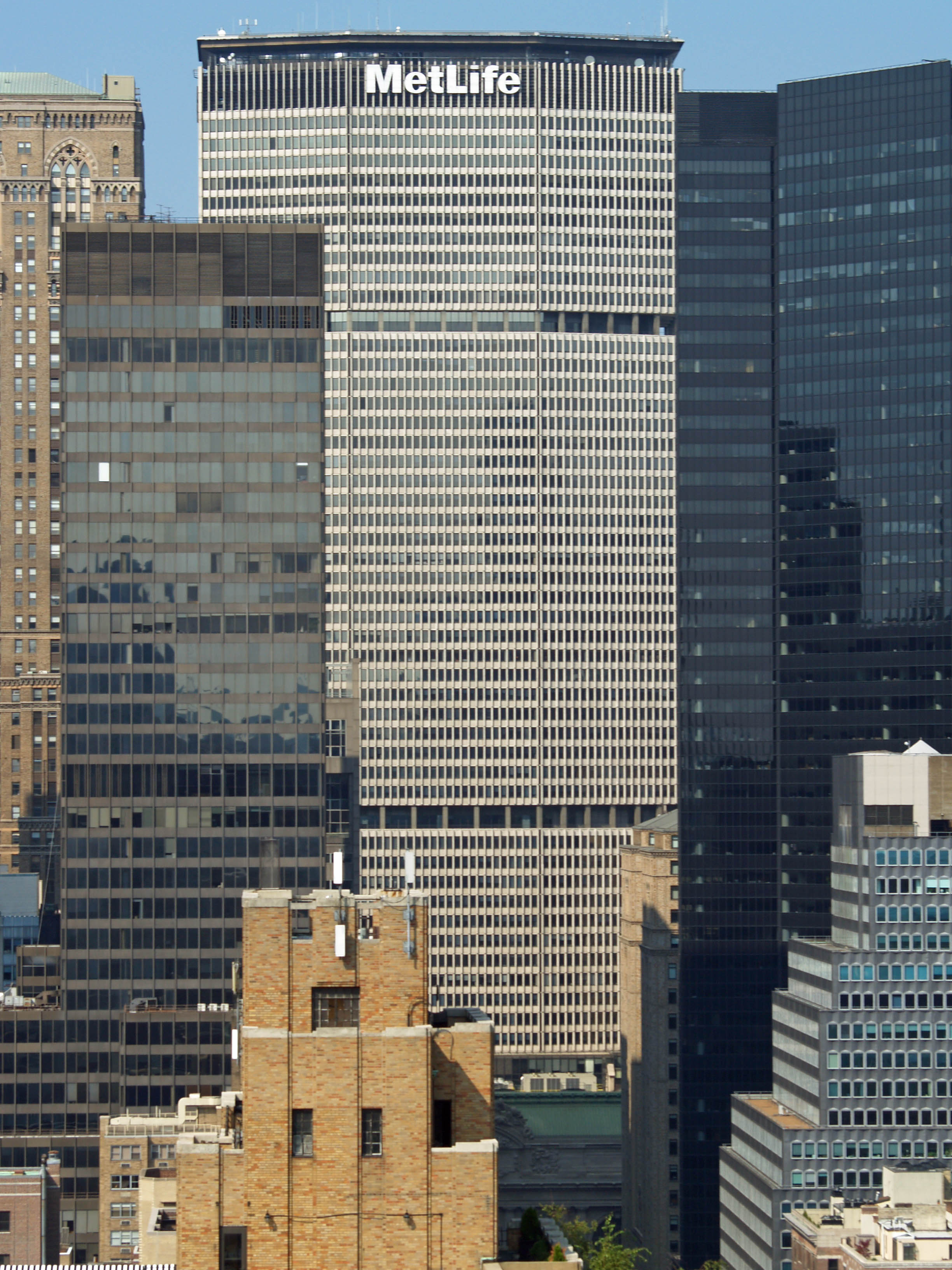
MetLife Building
200 Park Ave, New York, NY 10166
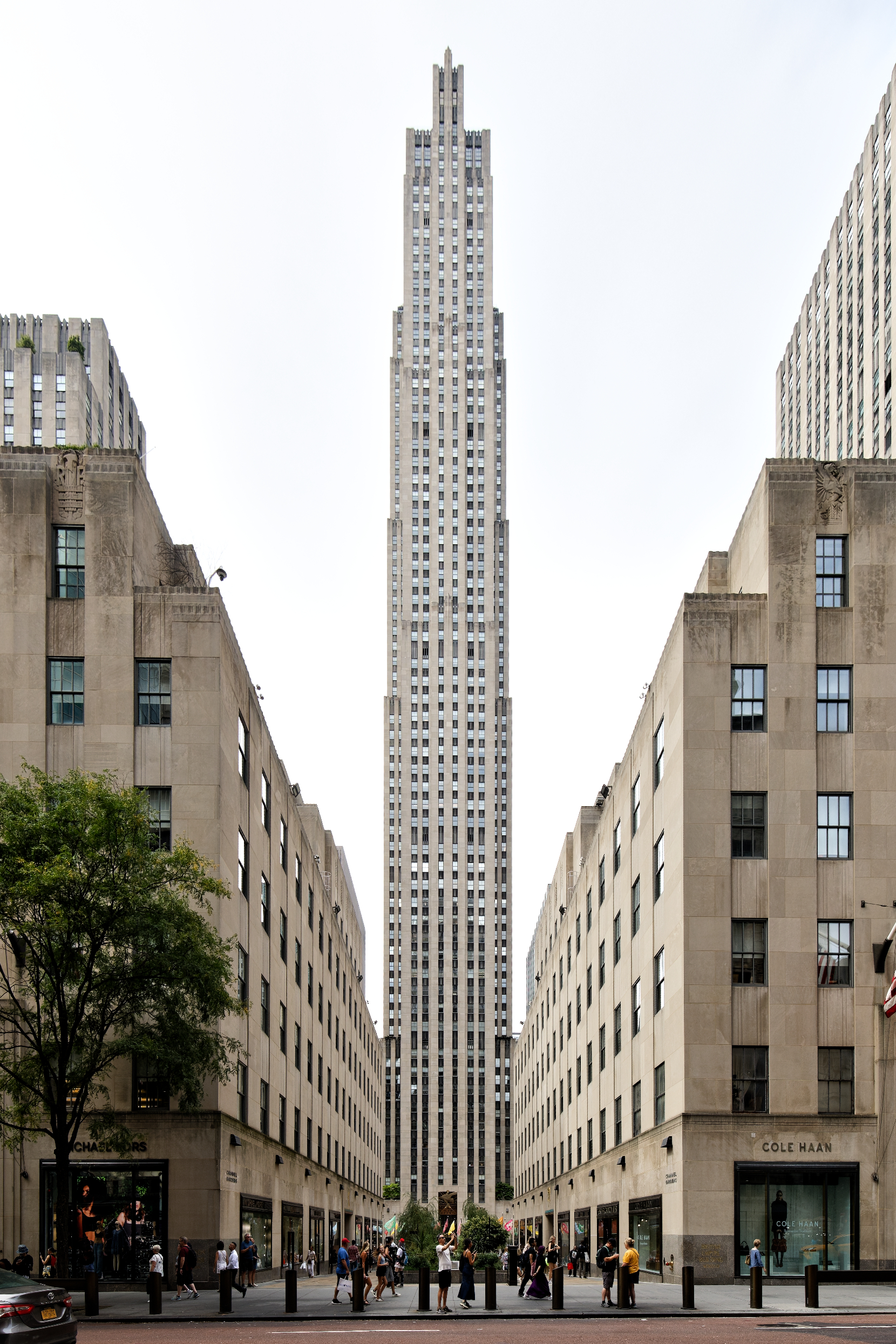
30 Rockefeller Plaza
30 Rockefeller Plaza, New York, NY 10112
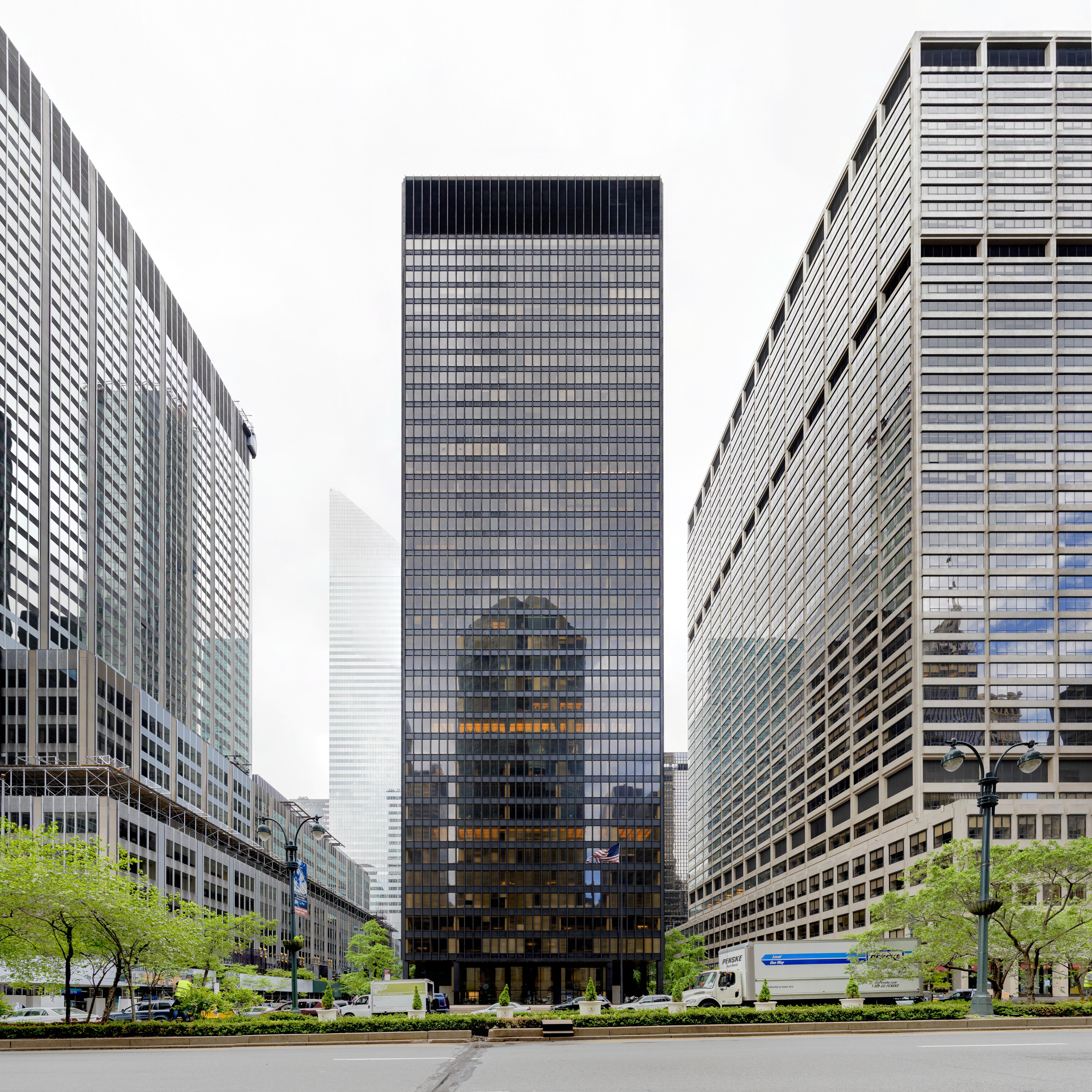
Seagram Building
375 Park Ave, New York, NY 10152
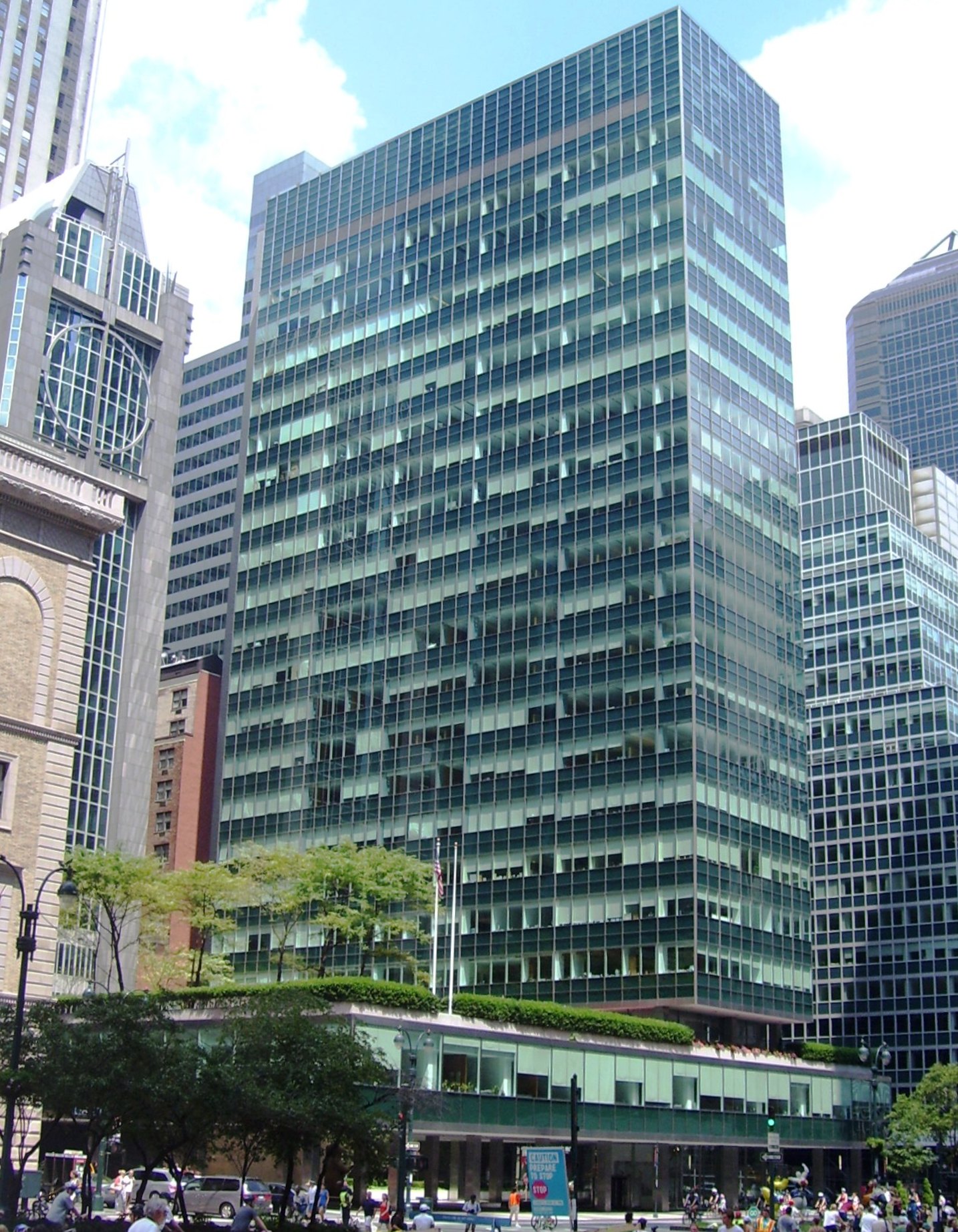
Lever House
390 Park Ave, New York, NY 10022
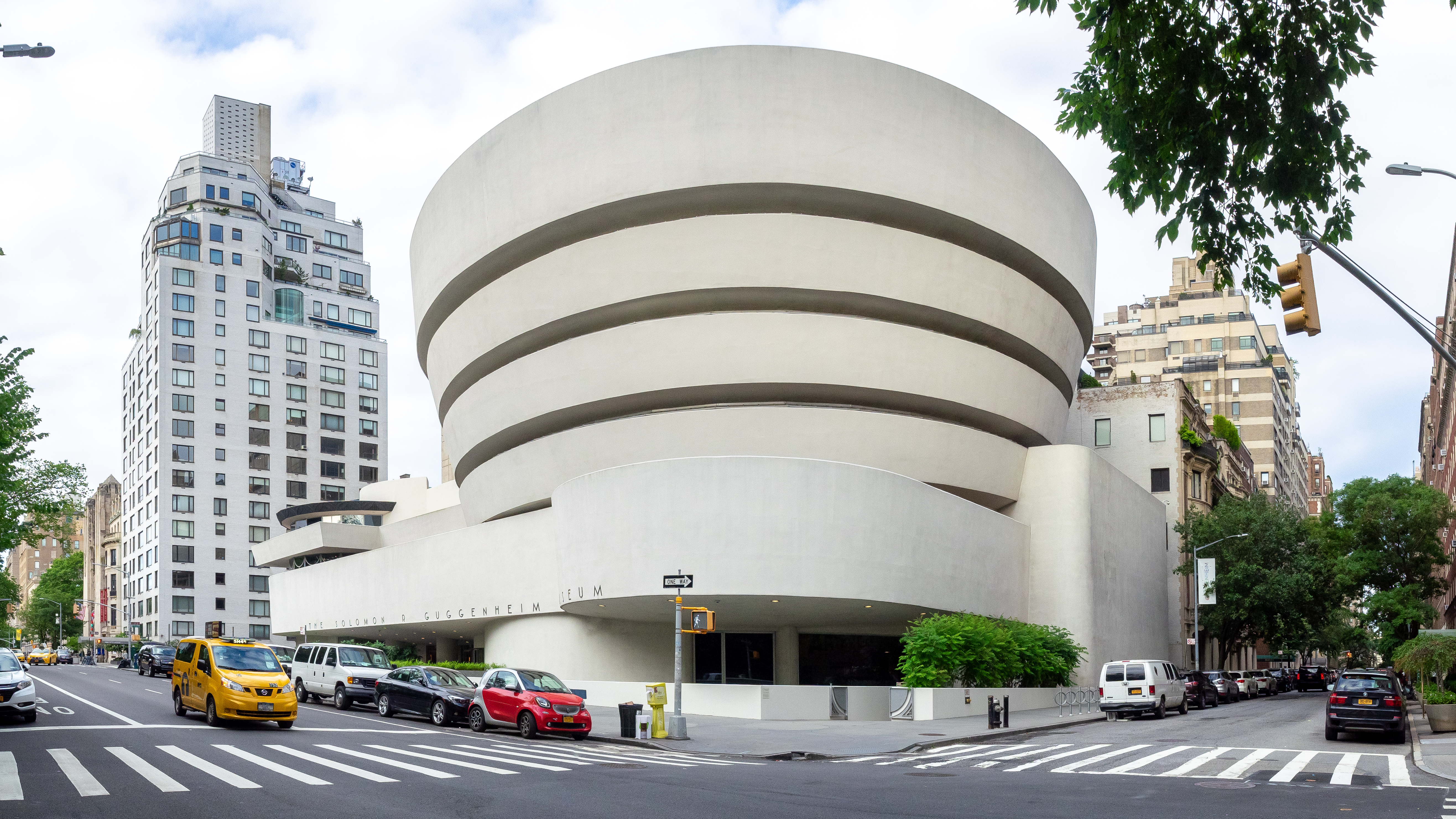
Solomon R. Guggenheim Museum
1071 5th Ave, New York, NY 10128
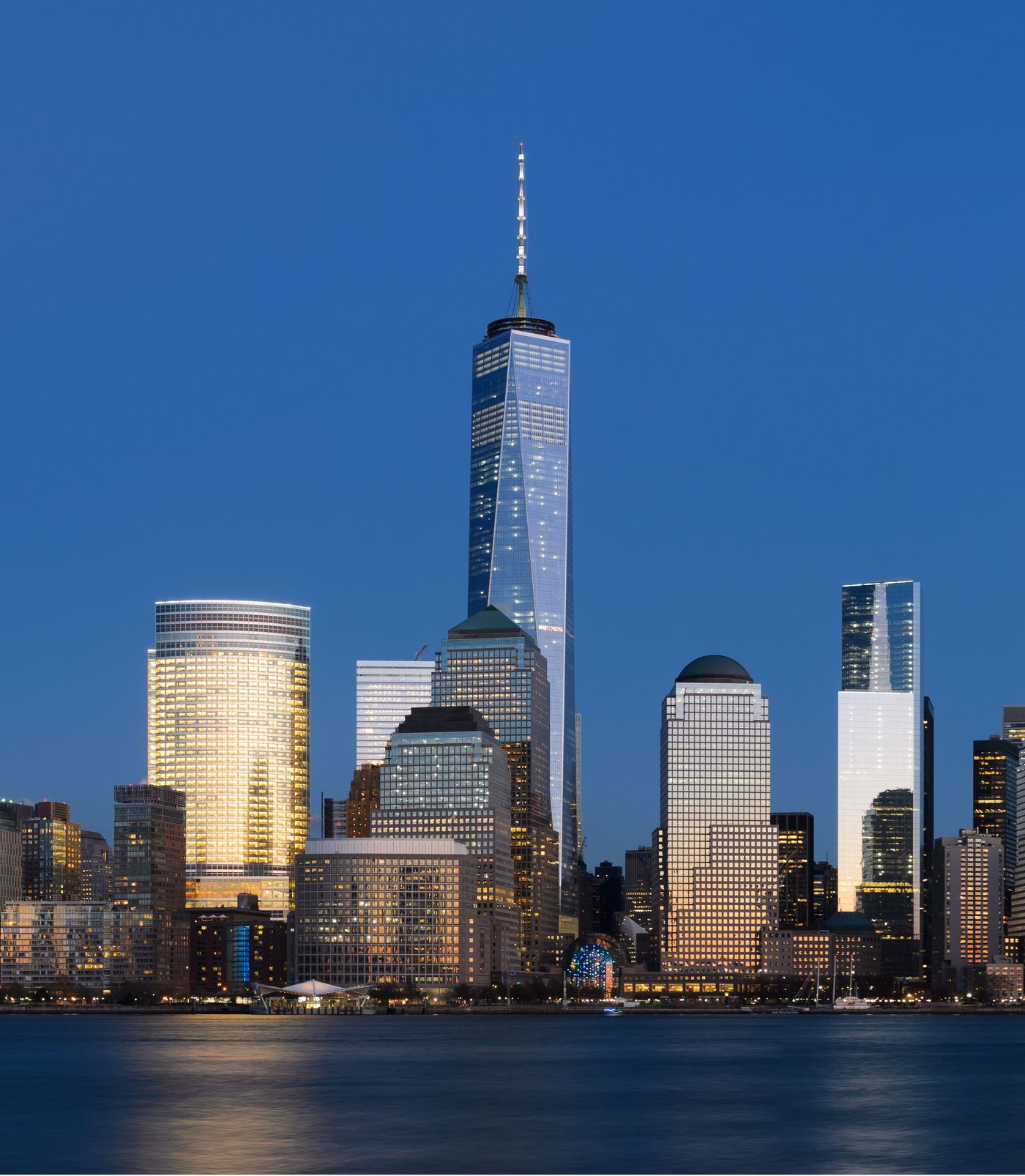
285 Fulton St, New York, NY 10007
285 Fulton St, New York, NY 10007

233 Broadway, New York, NY 10007
233 Broadway, New York, NY 10007
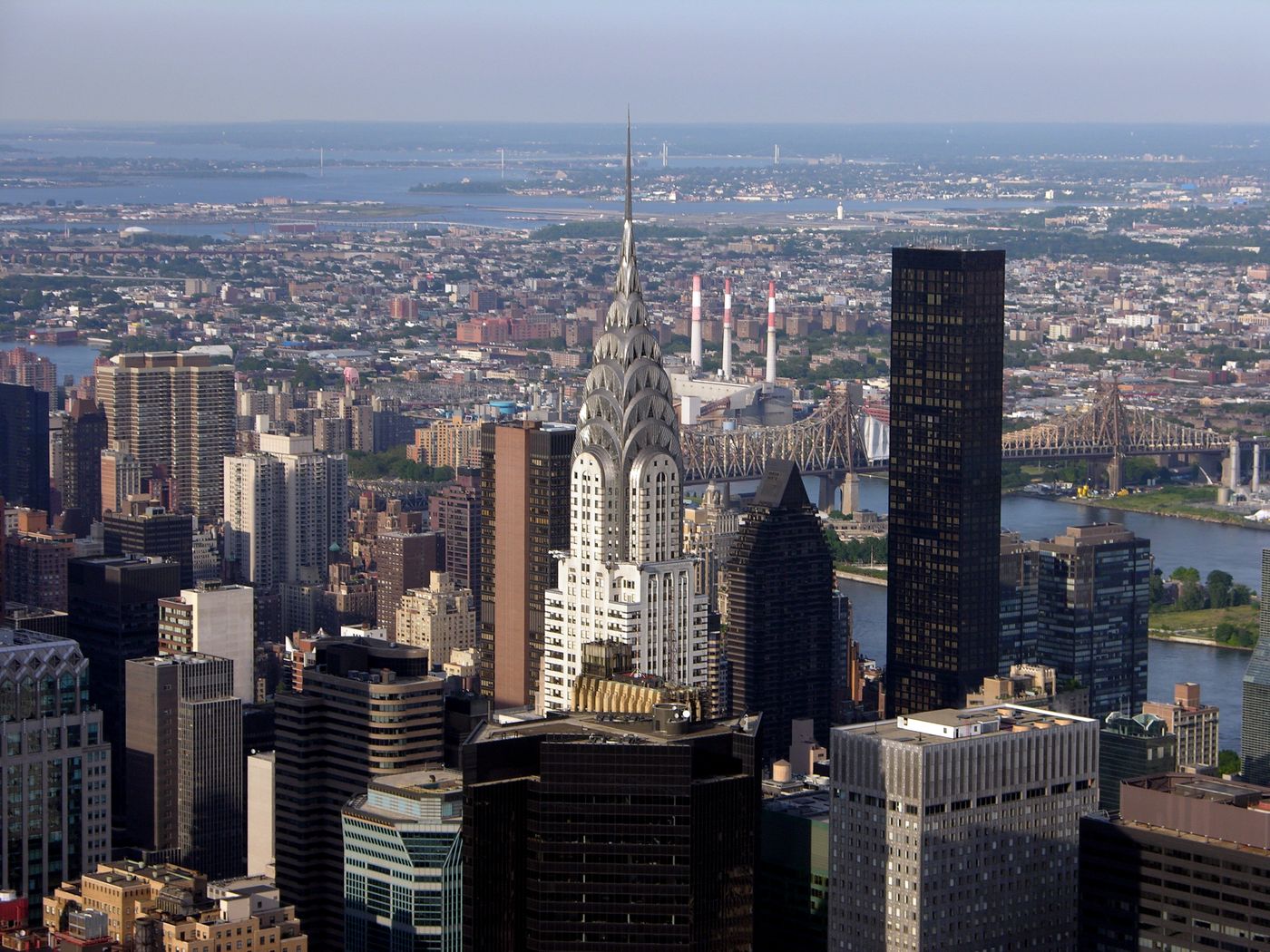
405 Lexington Ave, New York, NY 10174
405 Lexington Ave, New York, NY 10174
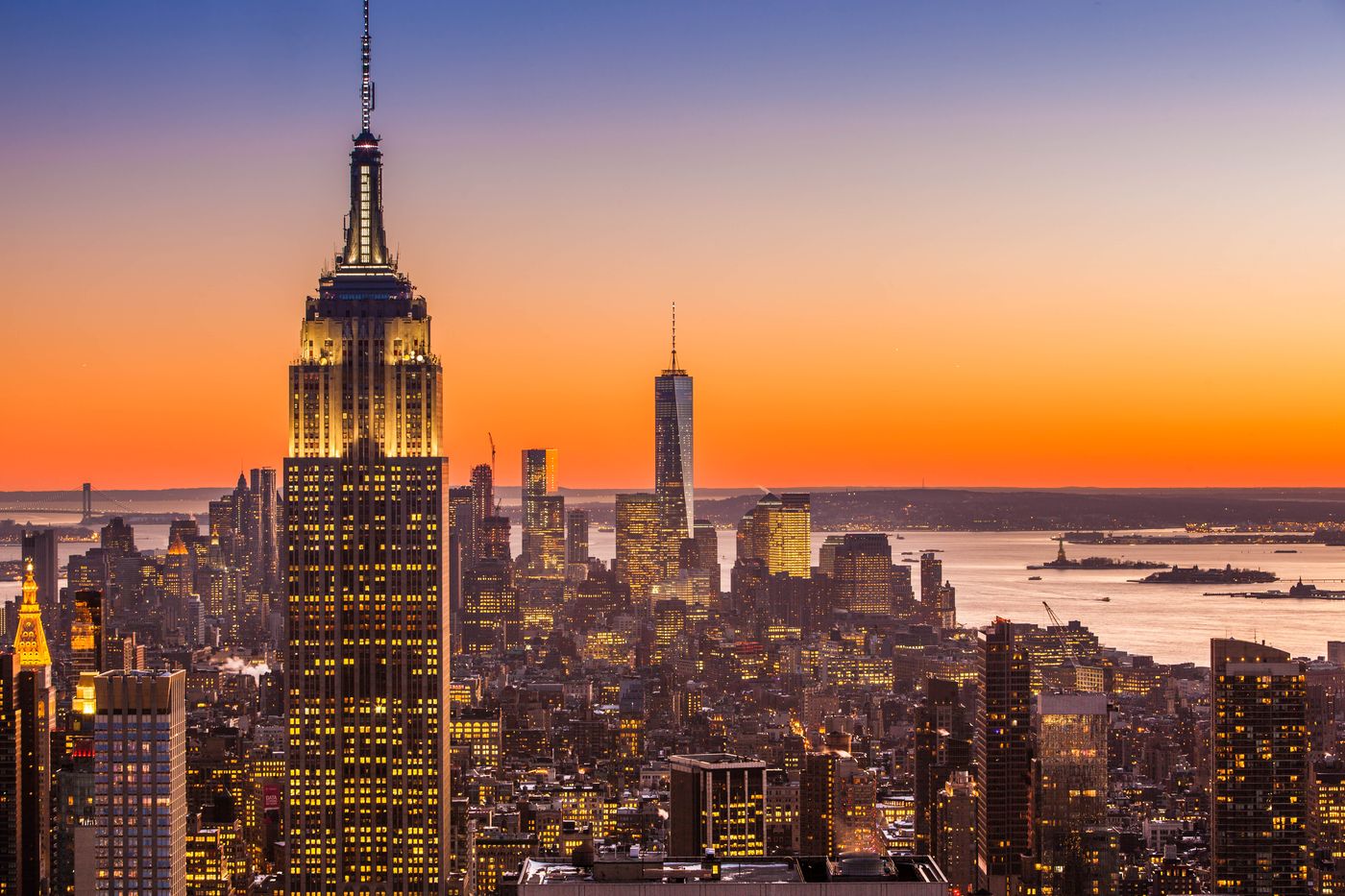
20 W 34th St, New York, NY 10001
20 W 34th St, New York, NY 10001

New York City, New York
New York City, New York
Modernism in New York: Common Questions
Where can I see Modernism architecture in New York?
You can find notable examples of Modernism throughout Midtown and Lower Manhattan. Key buildings include the Seagram Building on Park Avenue, the Guggenheim Museum on Fifth Avenue, and the Citigroup Center at Lexington Avenue. Each location showcases unique architectural features emblematic of the style.
When were the Modernist buildings in New York built?
Most Modernist buildings in New York were constructed between the 1930s and 1970s. For instance, the Seagram Building was completed in 1958, while the TWA Flight Center opened in 1962. The era was marked by a significant shift towards innovative design and materials.
What should I look for in Modernist architecture?
When exploring Modernist buildings, look for clean lines, open spaces, and the use of concrete, glass, and steel. Pay attention to how structures like the Hearst Tower and Lever House integrate into their urban surroundings while embodying a commitment to functional design.
How does New York's Modernism compare to other cities?
New York's Modernism is characterized by its bold skyscrapers and innovative use of materials, paralleling movements in cities like Chicago and Los Angeles. However, New York's density and urban context lead to a unique interpretation of Modernist principles, as seen in the MetLife Building and 30 Rockefeller Plaza.
Can I visit these Modernist buildings?
Many of the Modernist buildings in New York are open to the public. The Guggenheim Museum offers exhibitions and tours, while structures like the Hearst Tower may have public access areas. However, some buildings may primarily serve as office spaces and could have restricted access.