Modernism Architecture in San Francisco
Explore 7 modernism buildings that shape San Francisco's architectural identity
Modernism in San Francisco emerged as a response to the rapid urban development and economic growth of the mid-20th century, particularly in the post-World War II era. The city’s architectural landscape was transformed as architects sought to break away from traditional styles, favoring functional forms and minimalist aesthetics. This shift was influenced by new materials and technologies, allowing for innovative designs that prioritized efficiency and simplicity.
Notable examples of Modernism in San Francisco include the Bank of America Building at 555 California St. Its clean lines and absence of ornamentation reflect the core principles of modernist design. The building serves as a landmark of financial power, encapsulating the era's architectural ethos while integrating seamlessly into the bustling Financial District.
The Transamerica Pyramid, located at 600 Montgomery St, stands as a unique representation of modernist architecture with its distinctive geometric shape and emphasis on verticality. Designed to symbolize growth and prosperity, the pyramid's minimal ornamentation conveys the Modernist preference for form over decoration. This iconic structure has become synonymous with San Francisco's skyline.
In addition, Lombard Street, widely known as the Crooked Street, showcases modernist influences through its contemporary buildings, which feature streamlined designs and functional forms. This area exemplifies how Modernism has adapted to the city's topography, demonstrating a harmonious blend of architectural innovation and urban landscape.
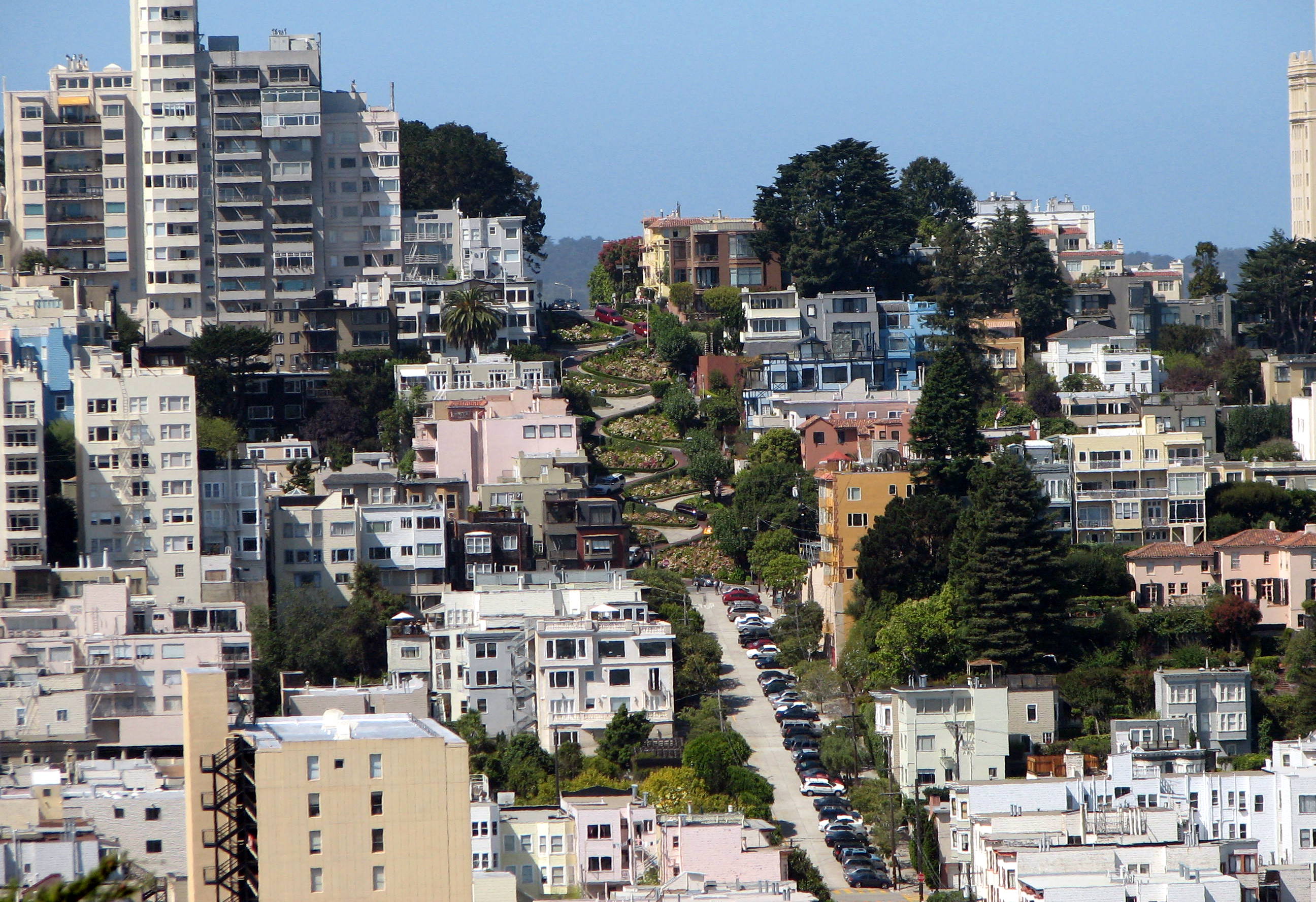
Lombard Street (Crooked Street)
Lombard St, San Francisco, CA 94133
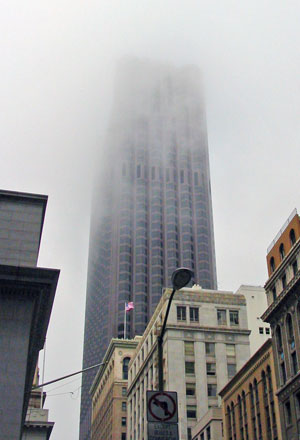
Bank of America Building
555 California St, San Francisco, CA 94104
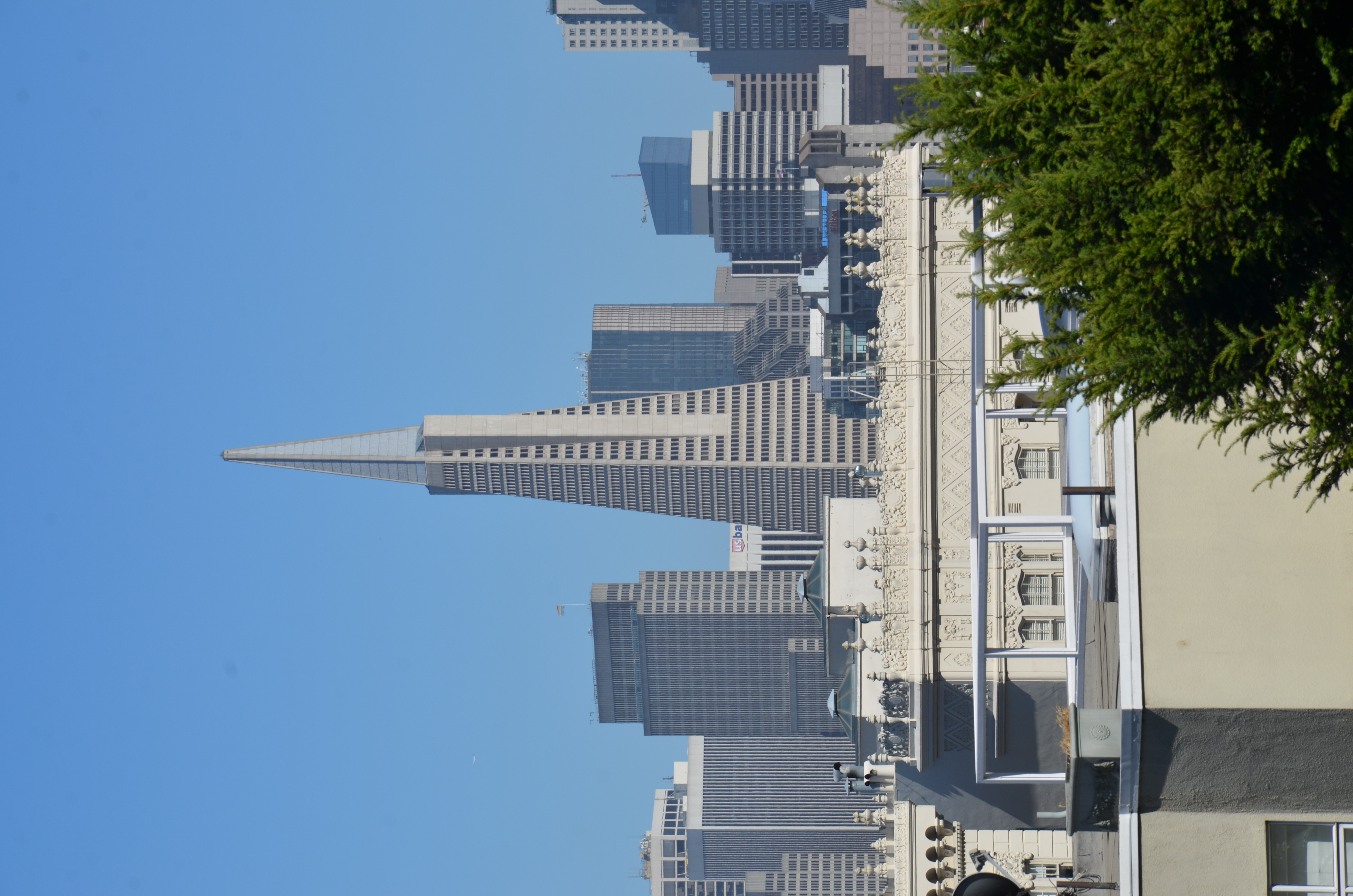
Transamerica Pyramid
600 Montgomery St, San Francisco, CA 94111
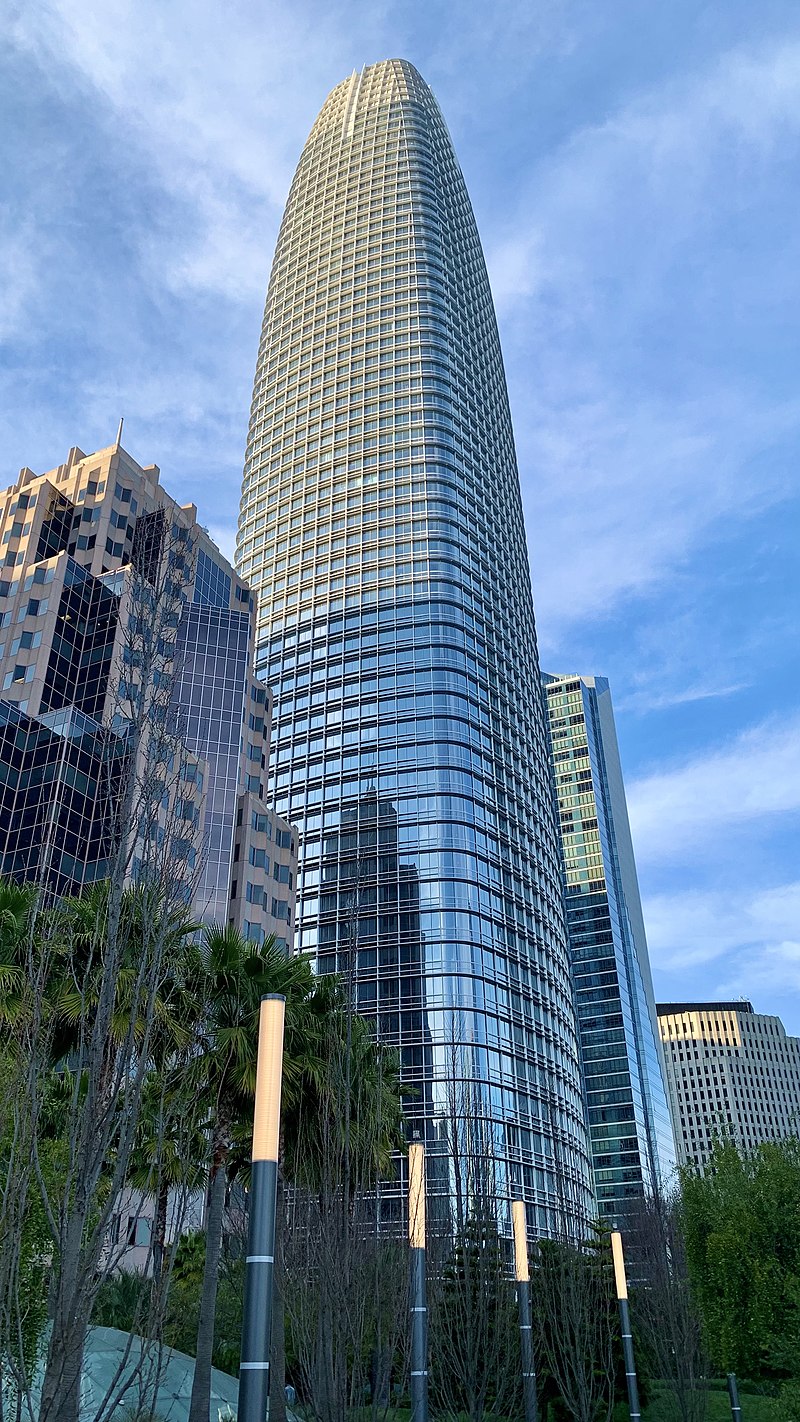
415 Mission St, San Francisco, CA 94105
415 Mission St, San Francisco, CA 94105
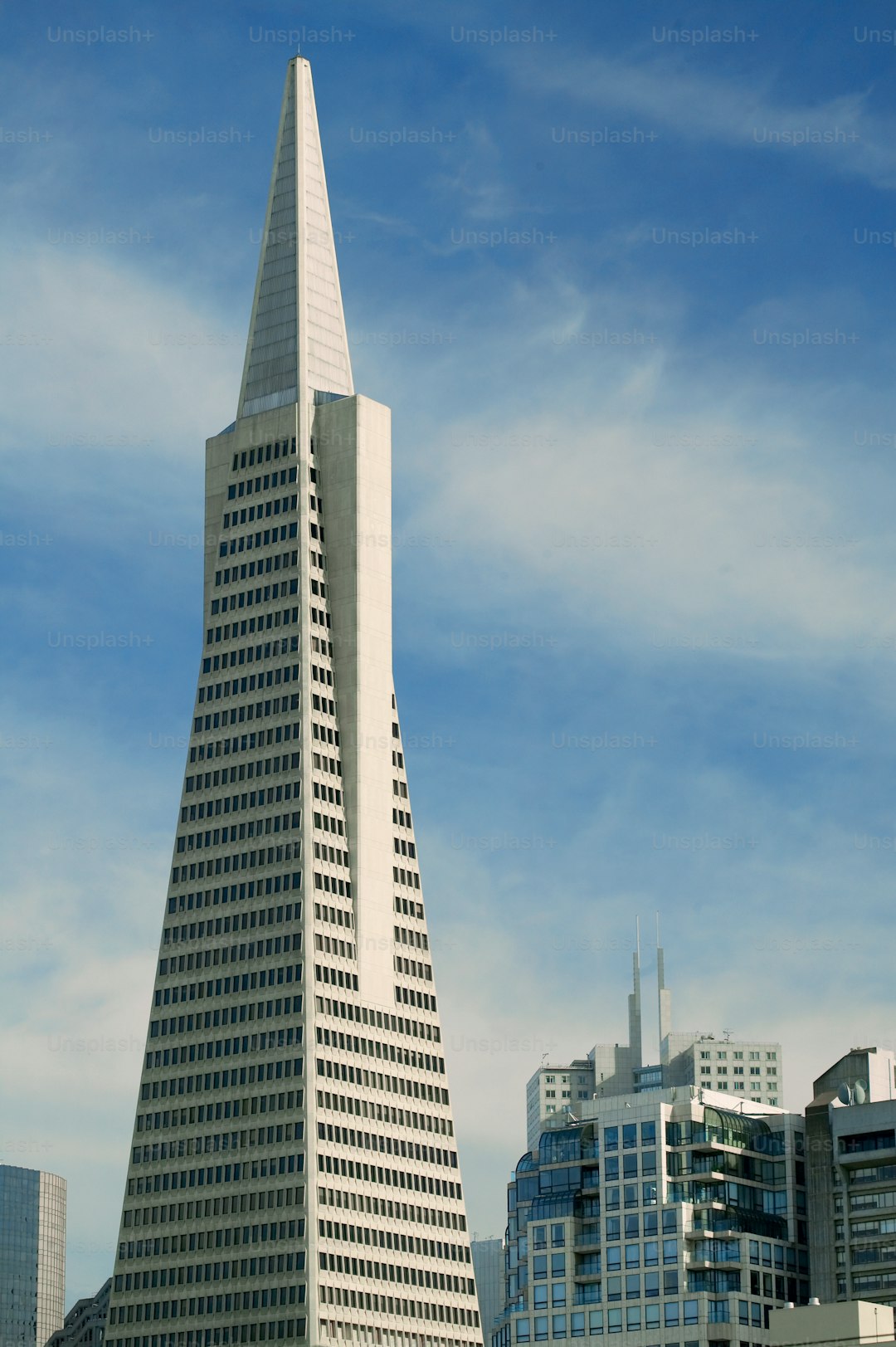
600 Montgomery St, San Francisco, CA 94111
600 Montgomery St, San Francisco, CA 94111
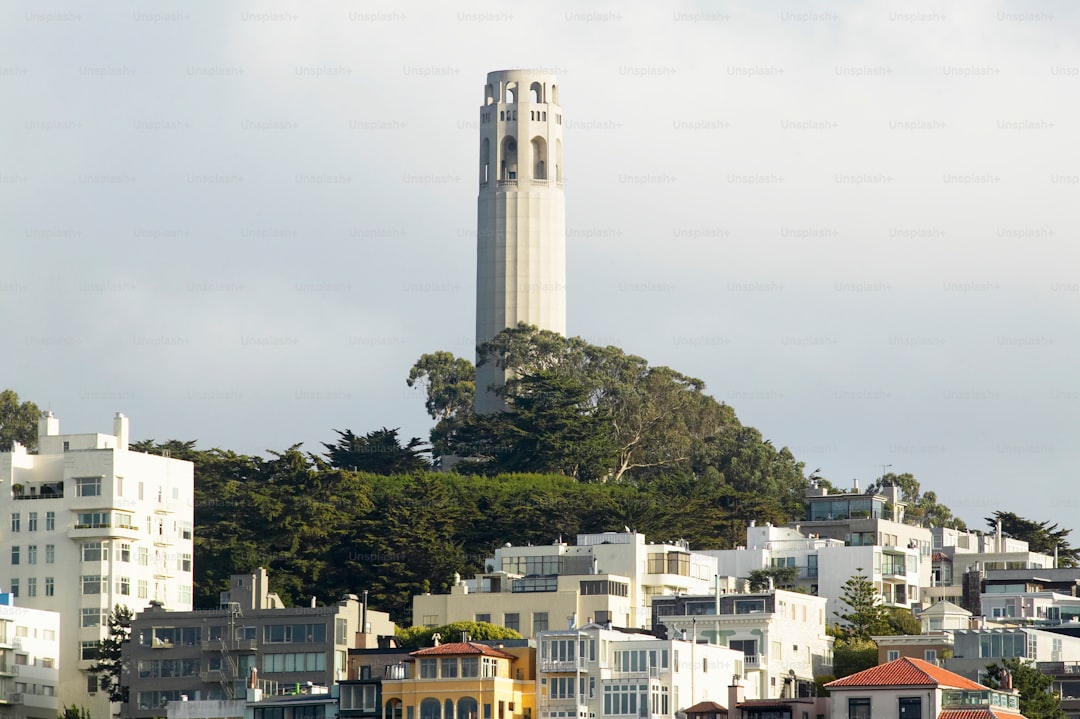
1 Telegraph Hill Blvd, San Francisco, CA 94133
1 Telegraph Hill Blvd, San Francisco, CA 94133
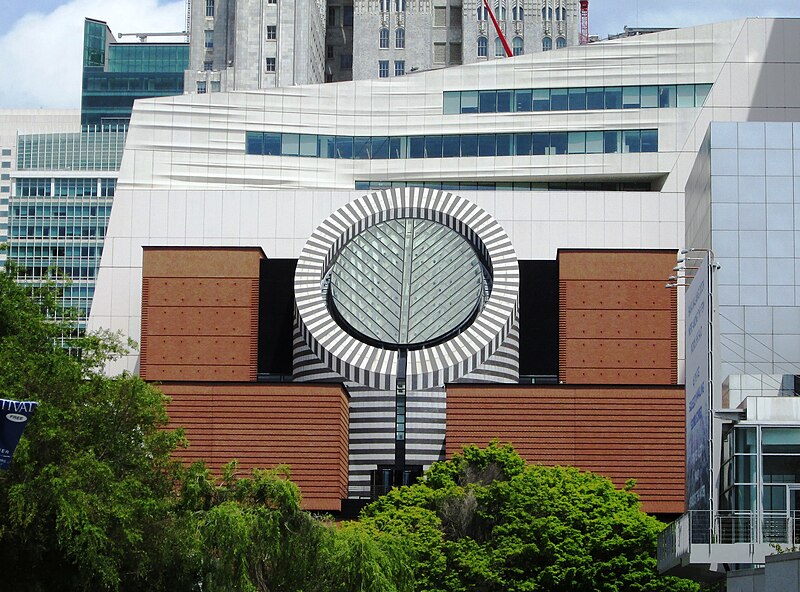
151 3rd St, San Francisco, CA 94103
151 3rd St, San Francisco, CA 94103
Modernism in San Francisco: Common Questions
Where can I see Modernism architecture in San Francisco?
Key locations include the Financial District, where the Bank of America Building and Transamerica Pyramid are situated. Lombard Street also features modernist influences in its contemporary buildings.
When was Modernism prominent in San Francisco?
Modernism in San Francisco gained prominence in the mid-20th century, particularly after World War II, as urban development accelerated and architects sought new design principles.
What should I look for in Modernist buildings?
Look for clean lines, functional forms, and minimal ornamentation. Buildings like the Bank of America Building and Transamerica Pyramid exemplify these characteristics in their designs.
How does San Francisco's Modernism compare to other cities?
San Francisco's Modernism reflects its unique economic and cultural context, with buildings like the Transamerica Pyramid showcasing innovative designs that stand out in the urban landscape, differing from styles in cities like New York or Los Angeles.
Can I visit these Modernist buildings?
Yes, many modernist buildings in San Francisco, such as the Bank of America Building and Transamerica Pyramid, are located in public areas and can be viewed up close, but check for any specific access restrictions.