Modernism Architecture in Minneapolis
Explore 9 modernism buildings that shape Minneapolis's architectural identity
Modernism in Minneapolis emerged in the mid-20th century, coinciding with a period of economic growth and urban development. The city's architecture reflects a shift towards functional design, characterized by clean lines and an emphasis on materials like glass and steel. This movement was driven by a desire to create buildings that were not only practical but also aesthetically pleasing, marking a departure from ornate styles of the past.
Key neighborhoods such as the North Loop and downtown Minneapolis showcase notable examples of Modernism. The Minneapolis Convention Center, for instance, features abstract forms and a focus on functionality that exemplifies this architectural style. Similarly, the Wells Fargo Centre stands out with its geometric shapes and integration of glass and concrete, creating open spaces that invite interaction.
Another significant structure, the Weisman Art Museum, highlights the innovative use of materials and organic forms, which contribute to its unique identity. Additionally, the IDS Center, known for its clean lines and maximization of daylight, reflects the principles of Modernism effectively. These buildings collectively create a distinctive architectural landscape, showcasing the evolution of design in Minneapolis.
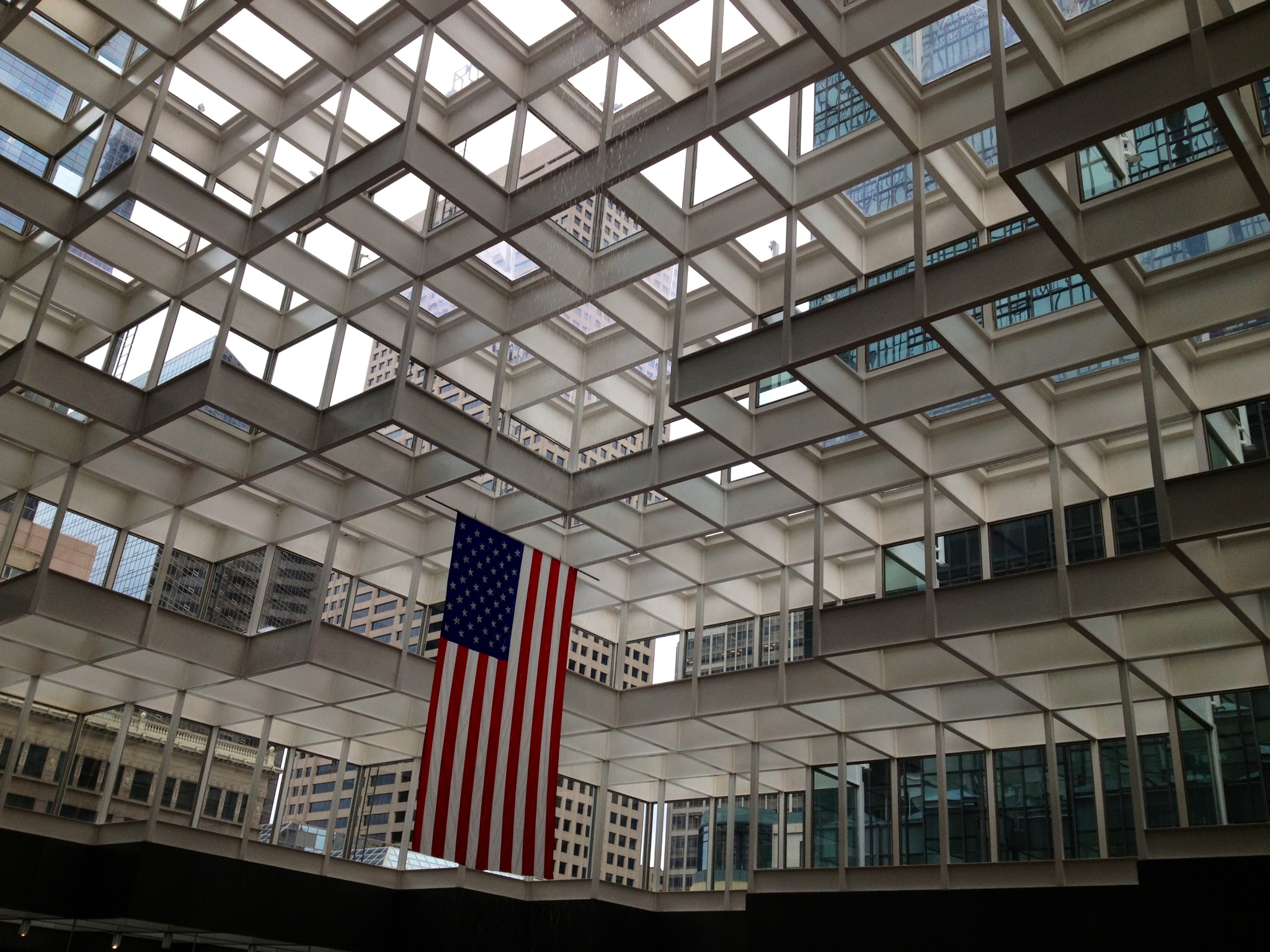
Minneapolis Convention Center
1301 2nd Avenue S, Minneapolis, MN 55403
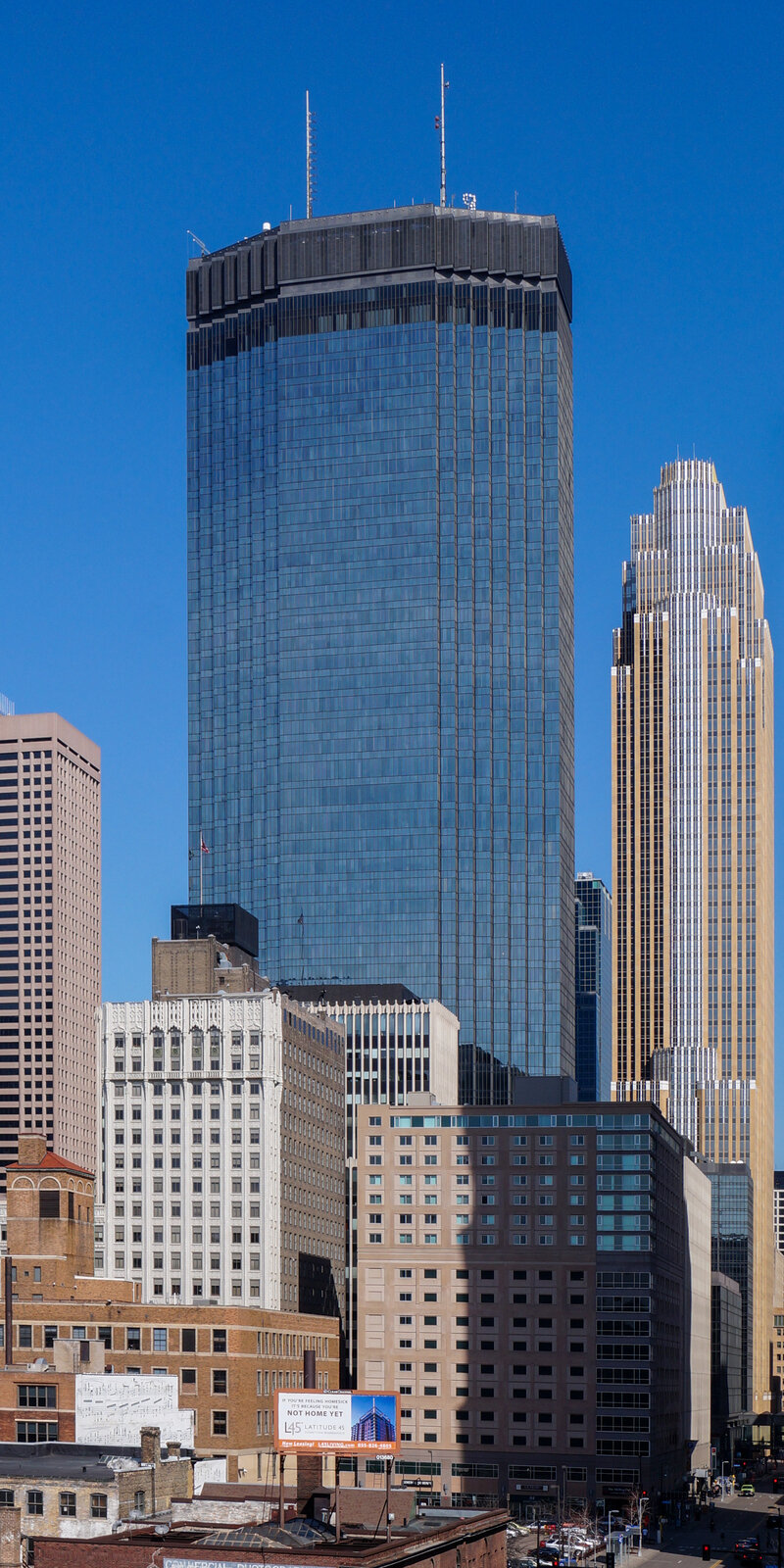
Target Center
600 1st Avenue N, Minneapolis, MN 55403
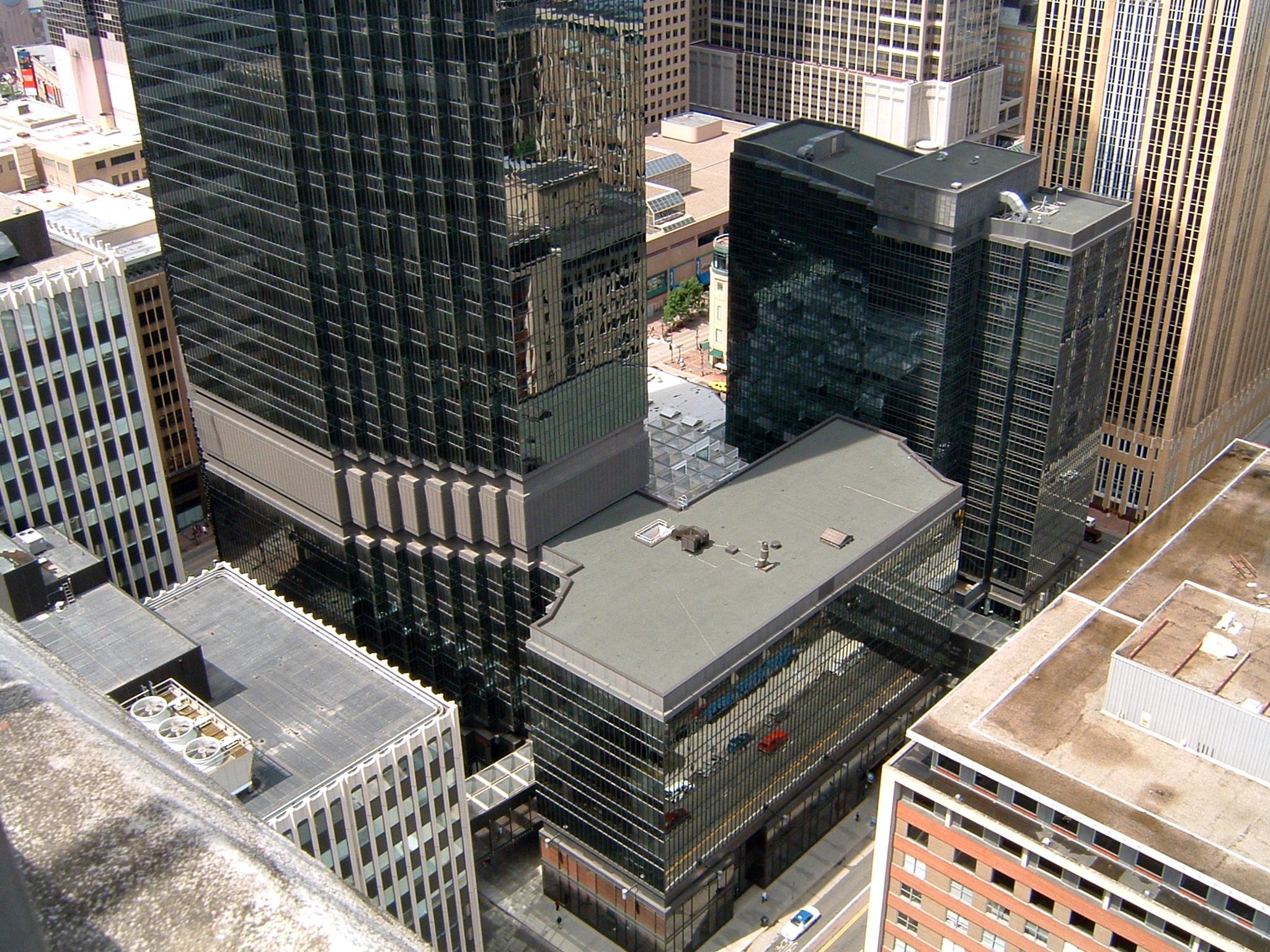
Hennepin County Government Center
300 S 6th Street, Minneapolis, MN 55487
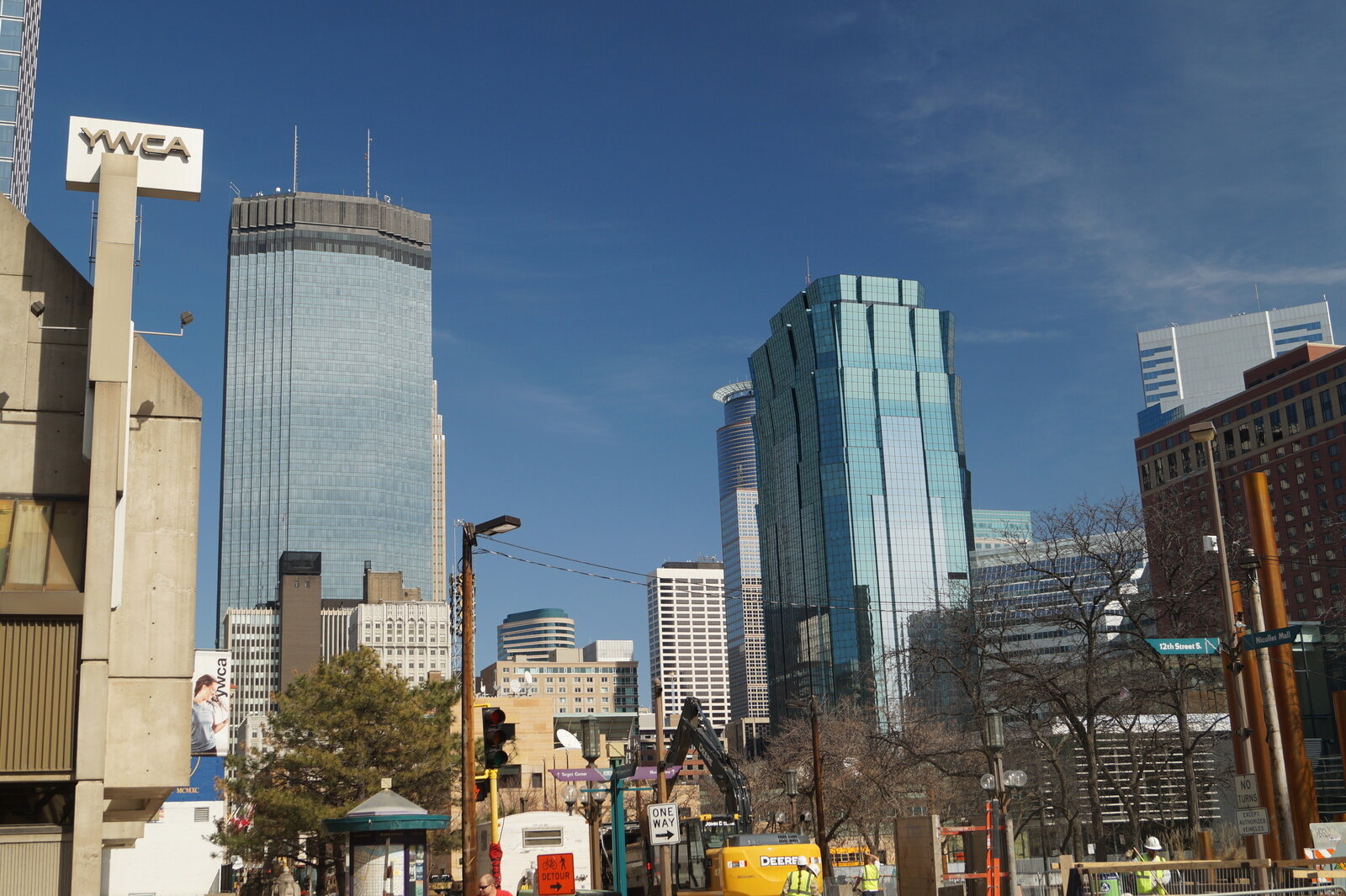
AT&T Tower Minneapolis
901 Marquette Avenue, Minneapolis, MN 55402
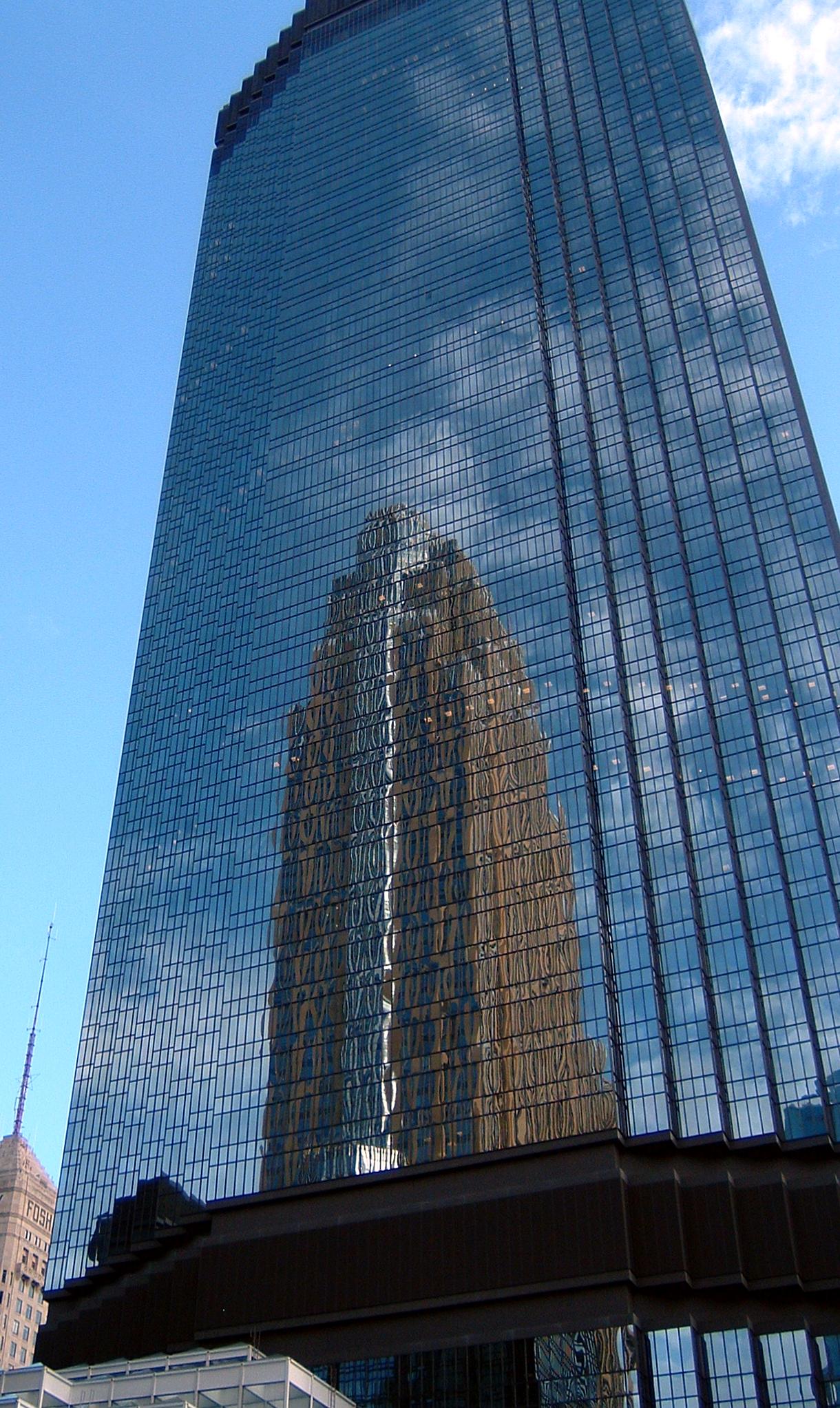
Wells Fargo Centre
90 S 7th Street, Minneapolis, MN 55402
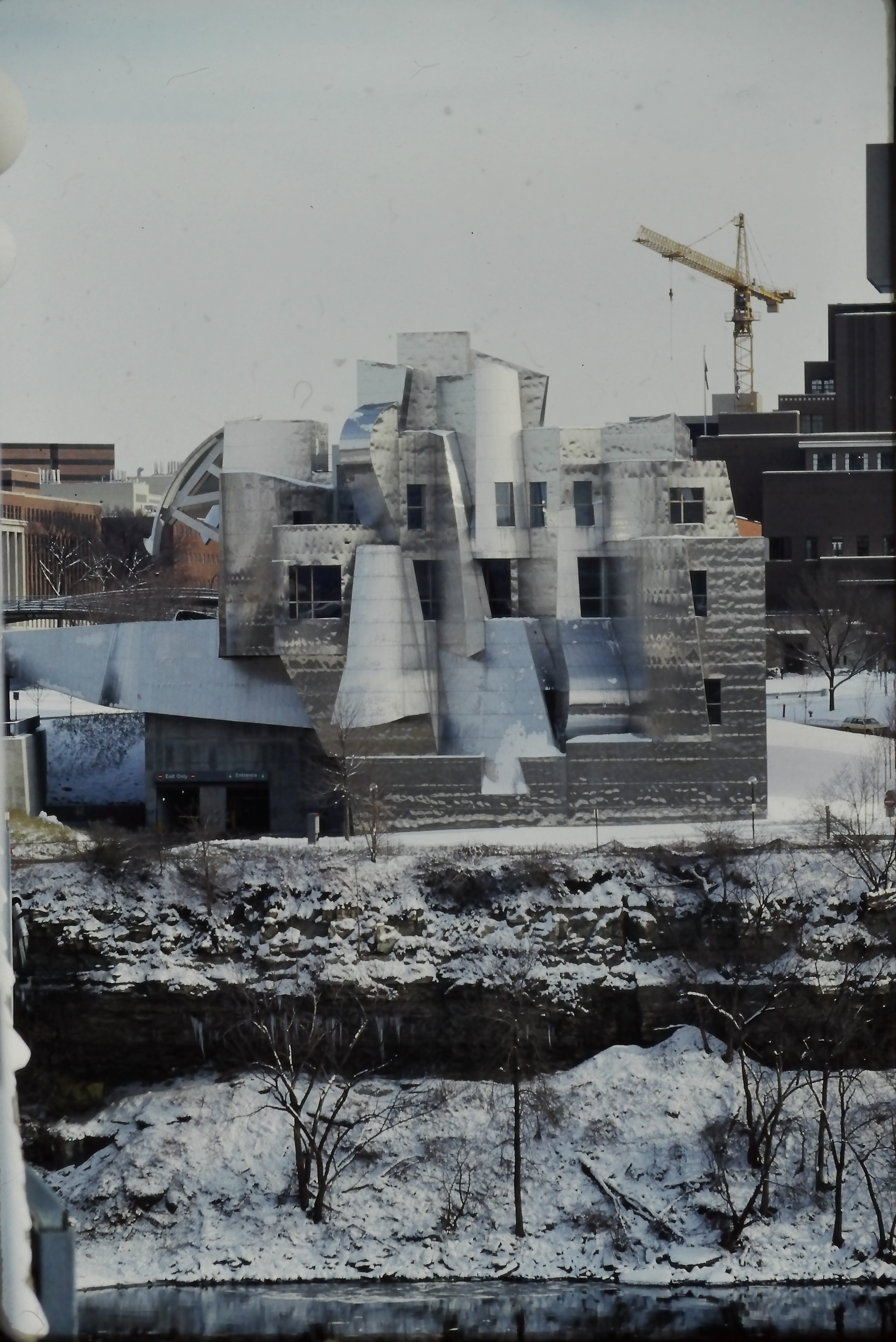
Weisman Art Museum
333 E River Parkway, Minneapolis, MN 55455
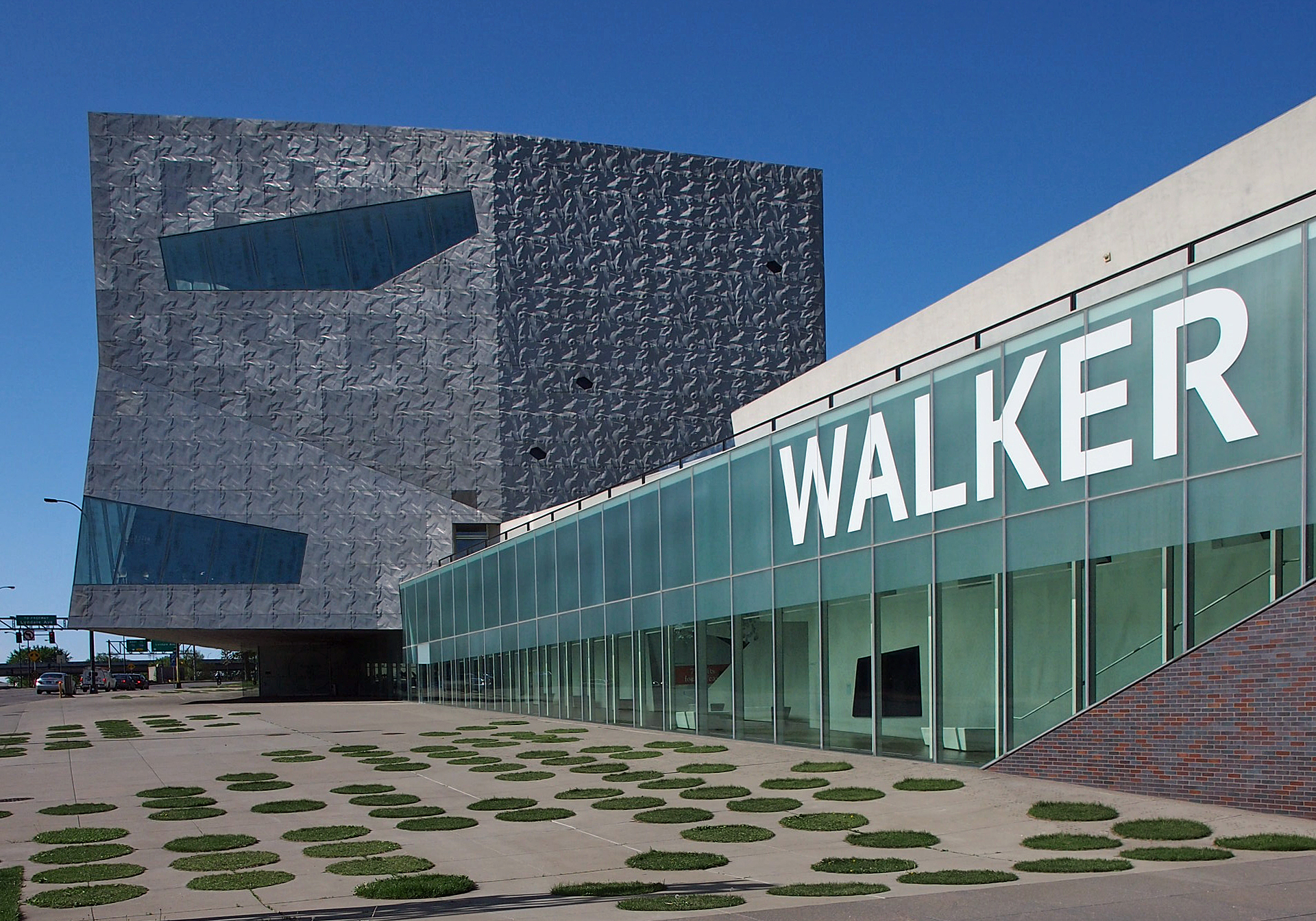
Walker Art Center
1750 Hennepin Avenue, Minneapolis, MN 55403
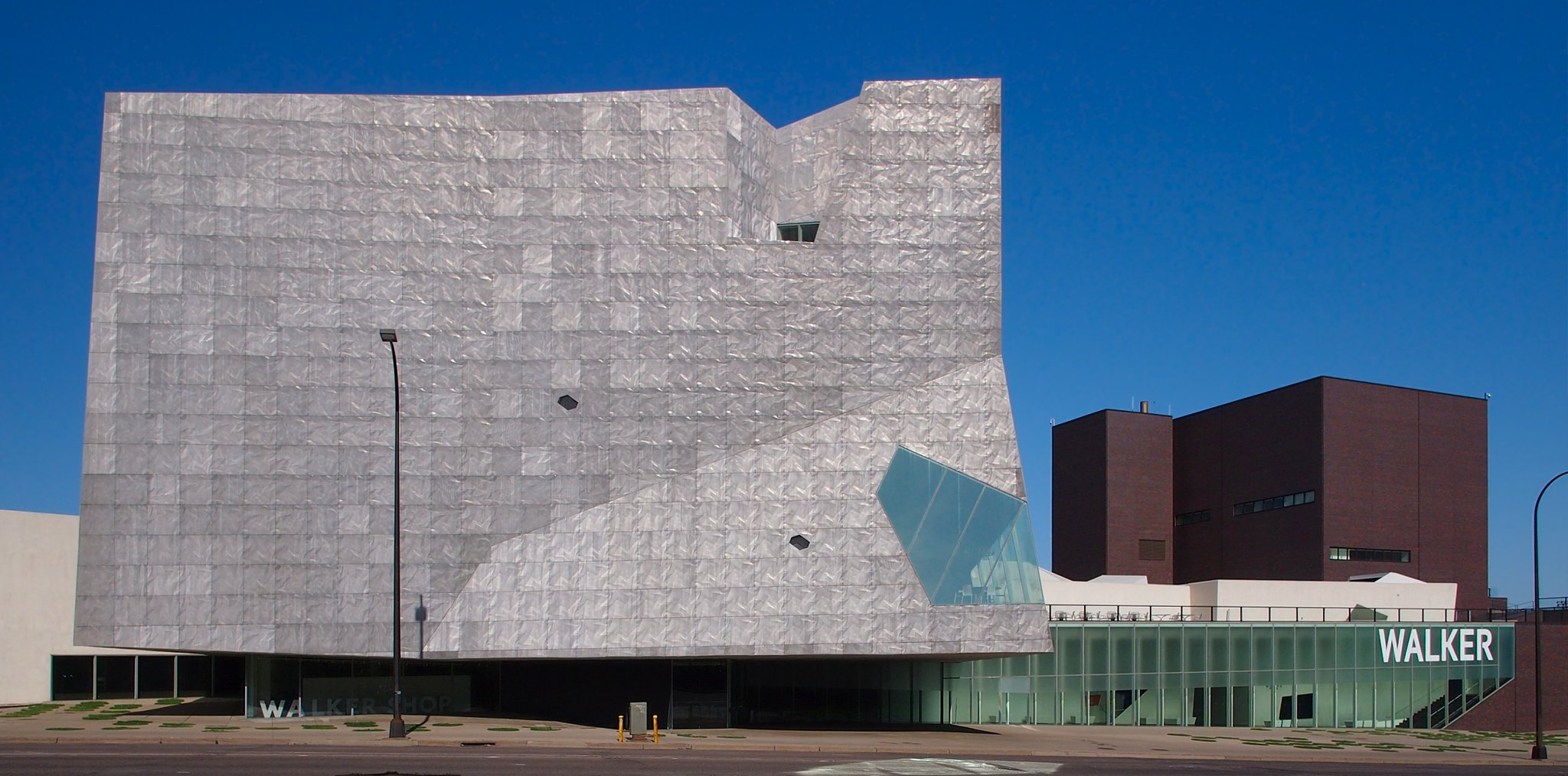
Basilica of Saint Mary
1600 Hennepin Avenue, Minneapolis, MN 55403
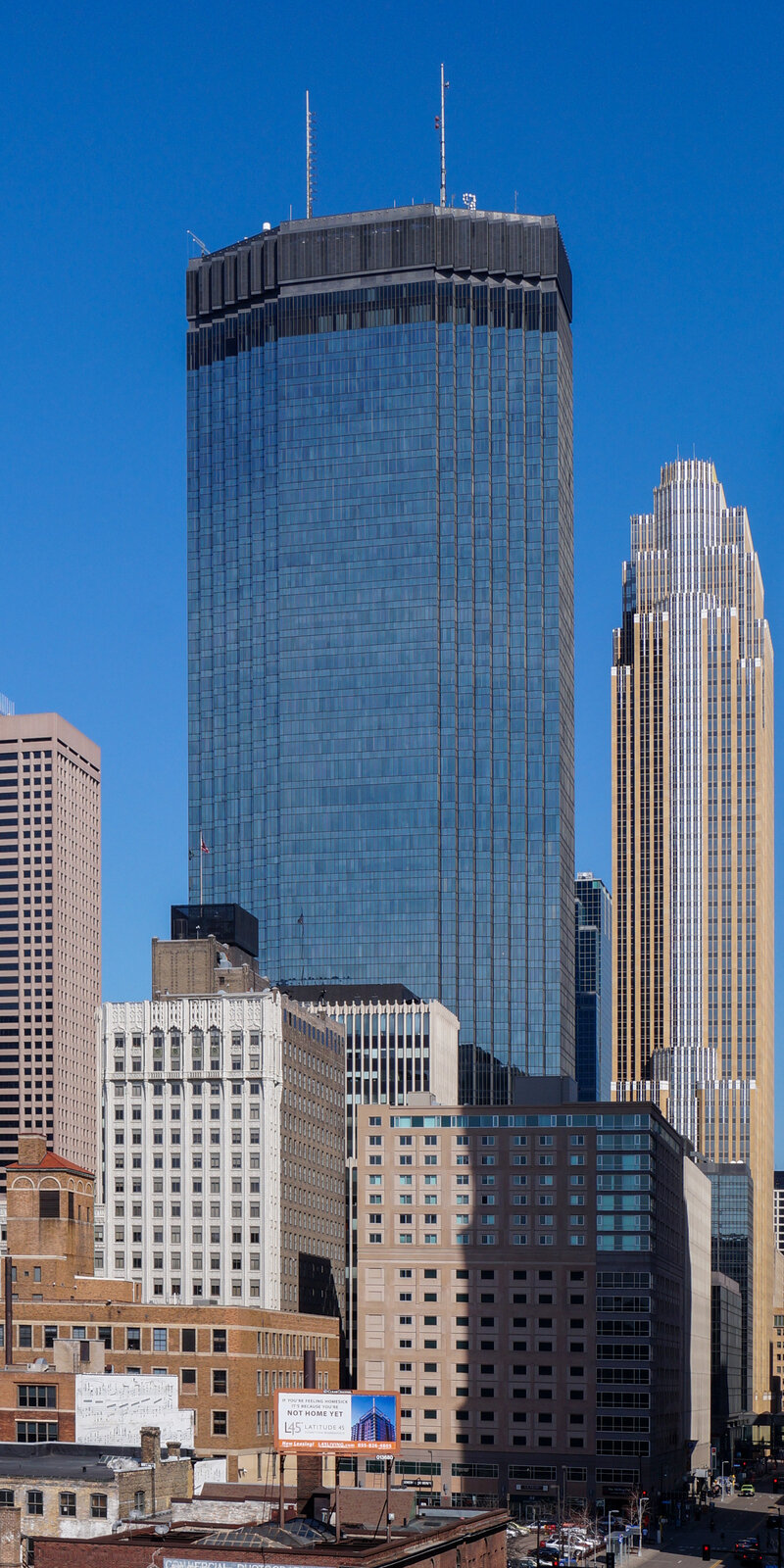
IDS Center
80 8th Street S, Minneapolis, MN 55402
Modernism in Minneapolis: Common Questions
Where can I see Modernism architecture in Minneapolis?
Key locations to see Modernism in Minneapolis include the downtown area, particularly around 1st Avenue and 6th Street. Notable buildings include the Minneapolis Convention Center, Target Center, and the Wells Fargo Centre.
When were these Modernist buildings constructed?
The majority of the Modernist buildings in Minneapolis were constructed from the 1960s through the 1980s, a period that coincided with significant urban development and economic growth in the city.
What should I look for in Modernist architecture?
Look for clean lines, minimal ornamentation, and the use of modern materials like glass and steel. Buildings like the Hennepin County Government Center and the IDS Center exemplify these features.
How does Minneapolis Modernism compare to other cities?
Minneapolis Modernism shares similarities with other urban centers, emphasizing functionality and simplicity. However, local adaptations, such as the integration of art and landscape at the Walker Art Center, give it a unique character.
Can these buildings be visited?
Yes, many of the documented Modernist buildings, such as the Weisman Art Museum and the Walker Art Center, are open to the public and offer tours or exhibitions showcasing their architectural significance.