Romanesque Architecture in Minneapolis
Explore 4 romanesque buildings that shape Minneapolis's architectural identity
Romanesque architecture emerged in the late 19th century as a reflection of the broader architectural trends across the United States. In Minneapolis, this style began to take shape during a period of economic growth fueled by the milling and lumber industries. As the city expanded, architects embraced the use of robust stone masonry and rounded arches, characteristics that defined the Romanesque style and contributed to the city's architectural identity.
One of the most prominent examples of Romanesque architecture in Minneapolis is the Minneapolis City Hall. Constructed with a distinctive blend of functionality and ornate detailing, this building serves as a focal point for the city. Its Richardsonian Romanesque style is characterized by the use of heavy stone and intricate carvings, creating a monumental presence that is both striking and practical.
Another significant structure is the Grain Belt Brewery Complex, which showcases the Romanesque style through its large, rounded arches and robust masonry work. This historic brewery complex highlights the industrial backbone of Minneapolis while embodying the architectural aesthetics of the period.
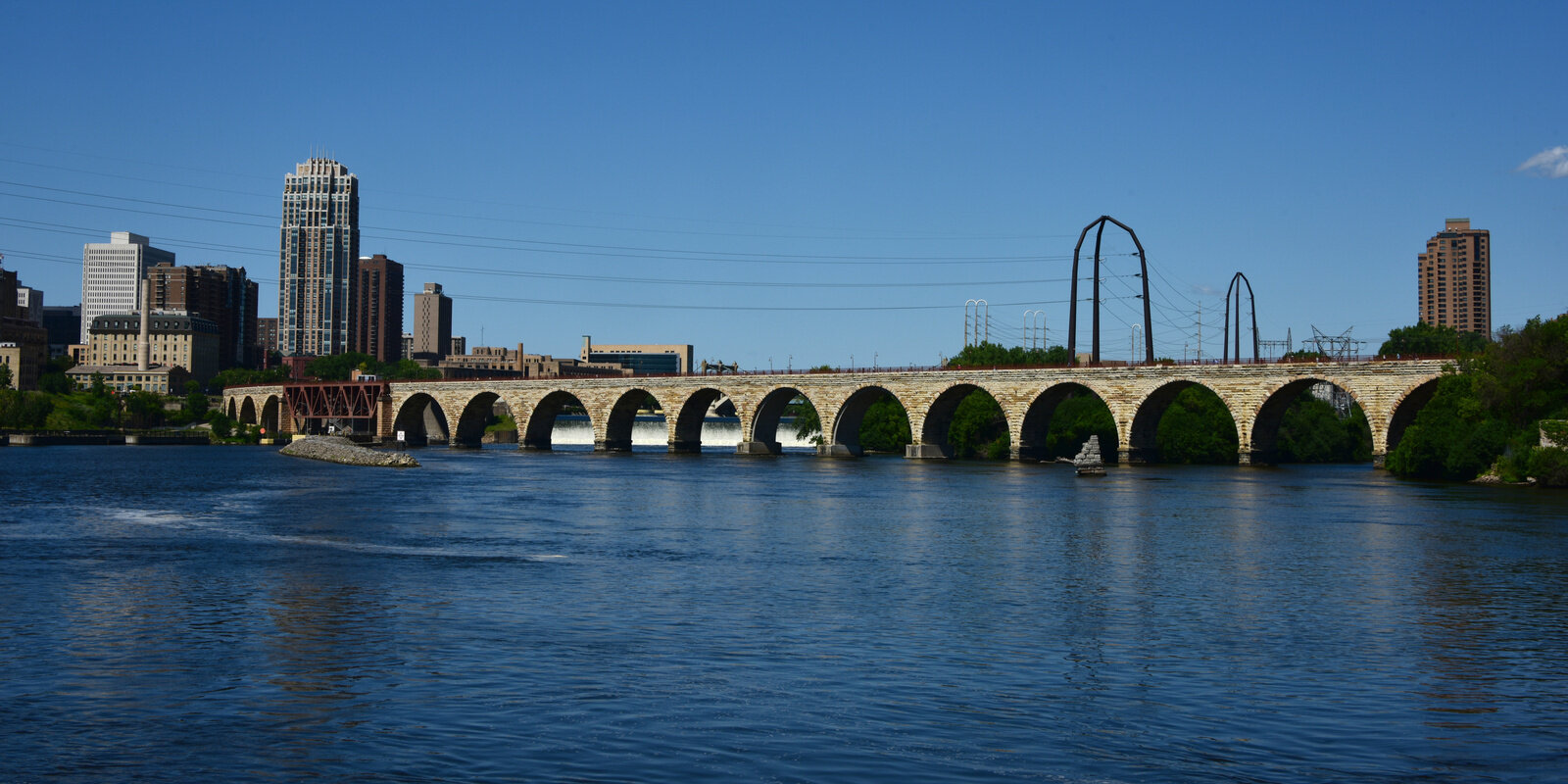
The Stone Arch Bridge also exemplifies Romanesque elements with its smooth, rounded arches and sturdy stone construction. This bridge not only provides a vital connection across the Mississippi River but also stands as a testament to the engineering prowess and architectural style of its time, offering a glimpse into the city's past.
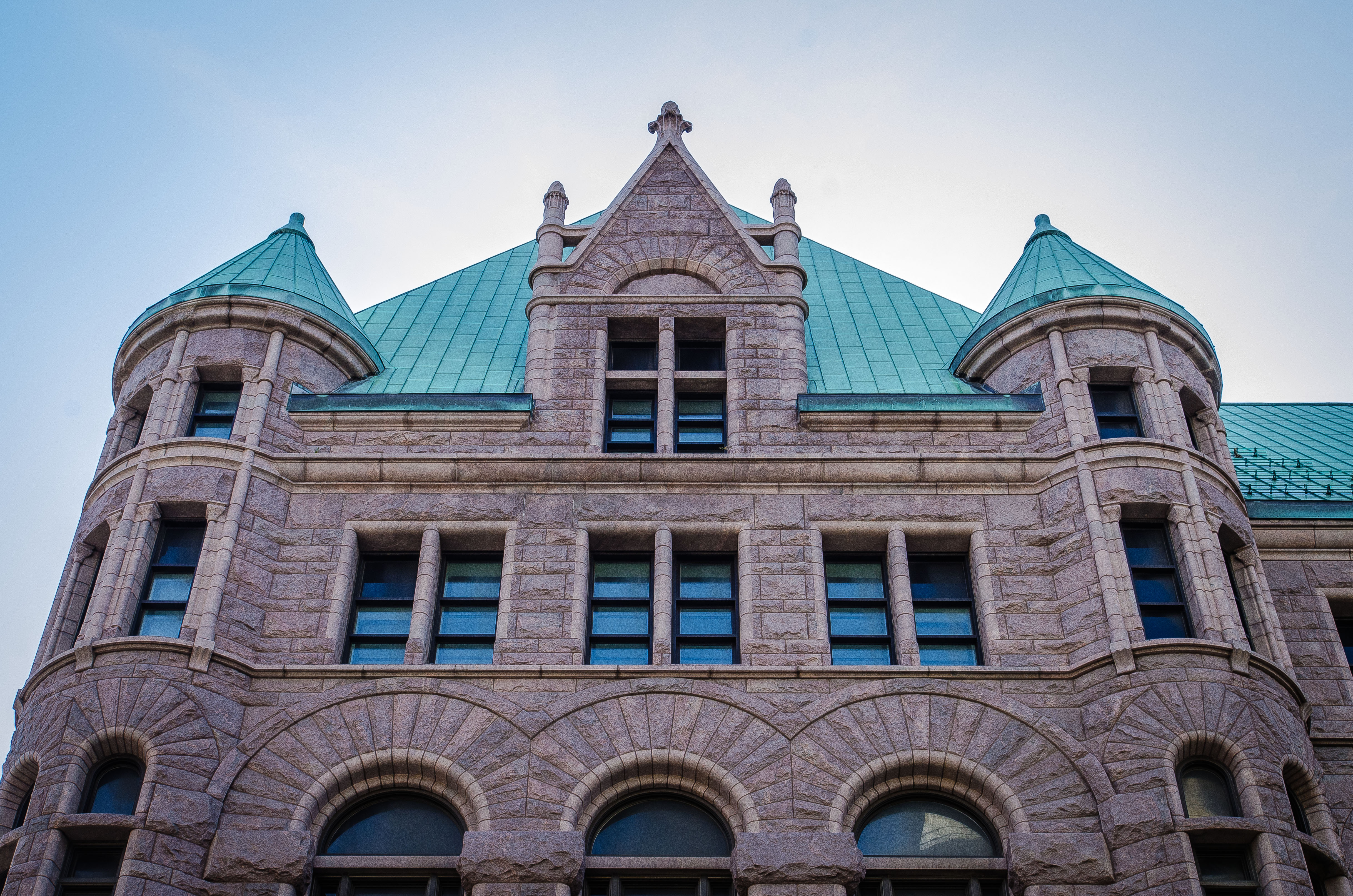
Minneapolis City Hall
350 S 5th Street, Minneapolis, MN 55415
Grain Belt Brewery Complex
79 13th Avenue SE, Minneapolis, MN 55414
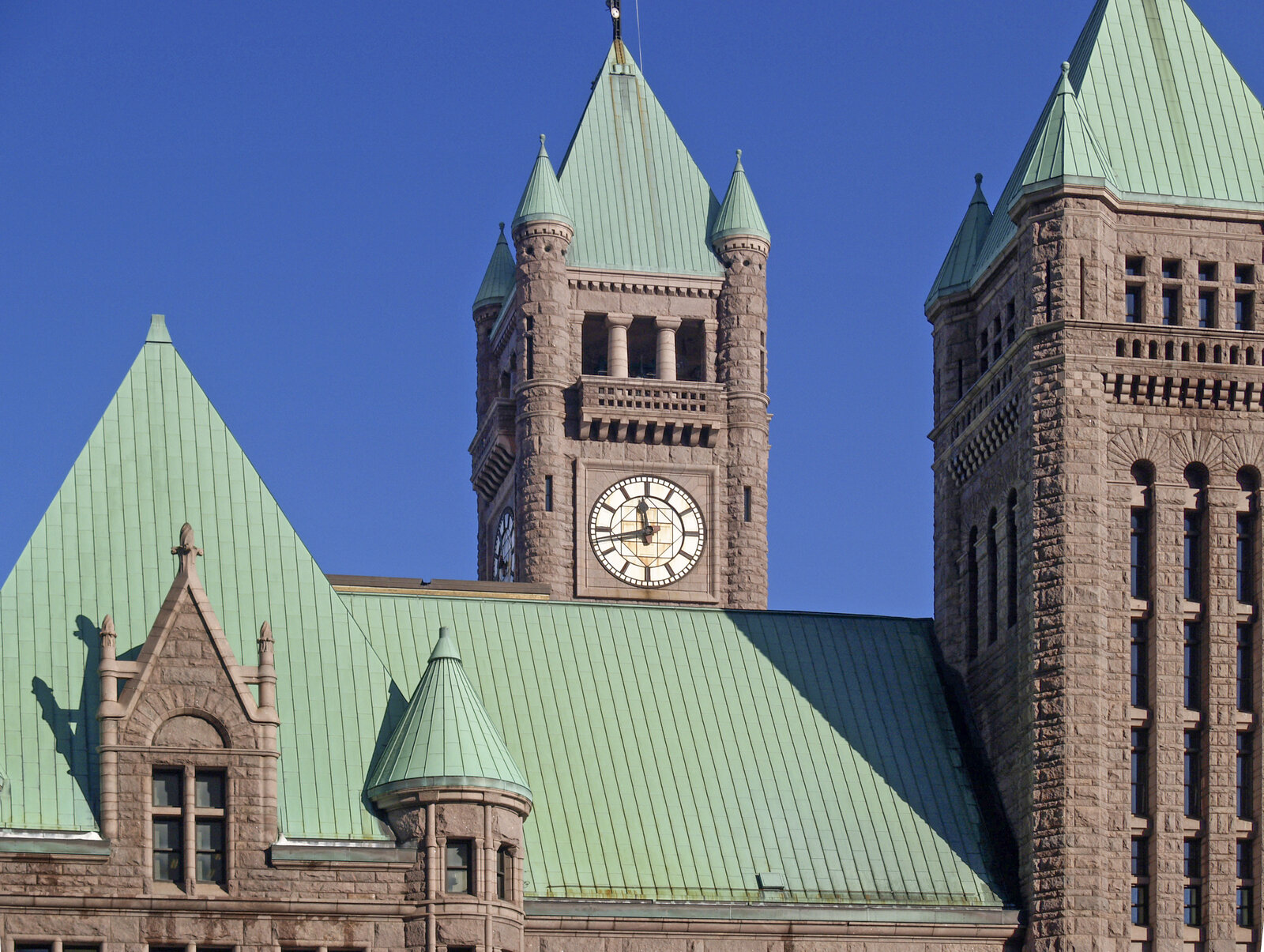
Minneapolis City Hall
350 S 5th Street, Minneapolis, MN 55415
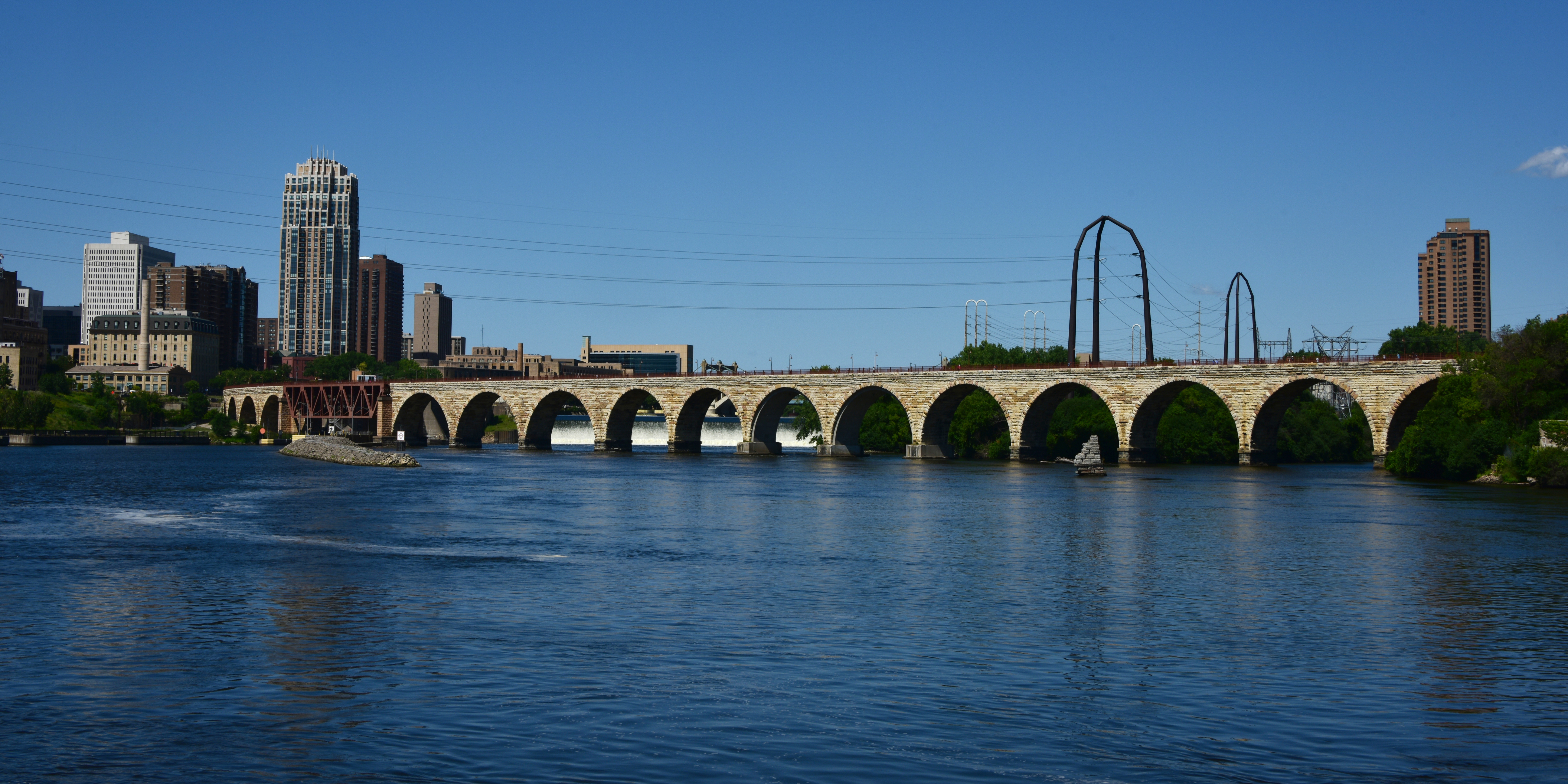
Stone Arch Bridge
Stone Arch Bridge, Minneapolis, MN 55401
Romanesque in Minneapolis: Common Questions
Where can I see Romanesque architecture in Minneapolis?
You can see Romanesque architecture in Minneapolis at notable sites like the Minneapolis City Hall, Grain Belt Brewery Complex, and the Stone Arch Bridge. These buildings encapsulate the style's distinctive features, such as rounded arches and robust stonework.
When were these Romanesque buildings constructed?
The Minneapolis City Hall was completed in 1906, while the Grain Belt Brewery Complex dates back to the late 19th century. The Stone Arch Bridge was built between 1881 and 1883, showcasing the architectural developments of that era.
What specific features should I look for in Romanesque buildings?
Look for rounded arches, thick walls, and decorative stone carvings in Romanesque buildings. The Minneapolis City Hall and Grain Belt Brewery Complex are excellent examples of these characteristics, showcasing the robust masonry typical of the style.
How does Minneapolis Romanesque architecture compare to other cities?
Minneapolis' Romanesque architecture shares similarities with other cities, particularly in its use of Richardsonian Romanesque style. However, local materials and designs reflect the city's unique industrial history, giving it distinct character compared to Romanesque structures found elsewhere.
Can these Romanesque buildings be visited?
Yes, many of the Romanesque buildings in Minneapolis, such as the Minneapolis City Hall and the Stone Arch Bridge, are open to the public. Visitors can explore their architectural features and the historical context in which they were built.