High-Tech Architecture in Minneapolis
Explore 6 high-tech buildings that shape Minneapolis's architectural identity
High-Tech architecture emerged in the late 20th century, reflecting a growing interest in technology and innovation within the built environment. Minneapolis, with its dynamic economy and commitment to modern design, has embraced this architectural style, resulting in several notable structures across the city. Noteworthy examples can be found primarily in the downtown area, where the integration of advanced materials and structural systems showcases the unique character of this architectural movement.
The Minneapolis Convention Center (1301 2nd Avenue S) exemplifies High-Tech architecture through its exposed structural elements and the use of advanced materials. This approach not only enhances the aesthetic appeal but also serves functional purposes, creating a space that is both inviting and efficient. Similarly, the U.S. Bank Stadium (401 Chicago Avenue) features sleek, angular lines and extensive glass surfaces, embodying the principles of transparency and modernity intrinsic to High-Tech design.
Another significant example is the IDS Center (80 S 8th Street), which utilizes glass and steel to emphasize functionality. Its verticality and modernist form contribute to the Minneapolis skyline, making it a landmark of contemporary architecture. Additionally, the Guthrie Theater (818 2nd Street S) showcases revealed structural components that highlight its design philosophy, reinforcing the notion that High-Tech architecture blends form, function, and innovation.
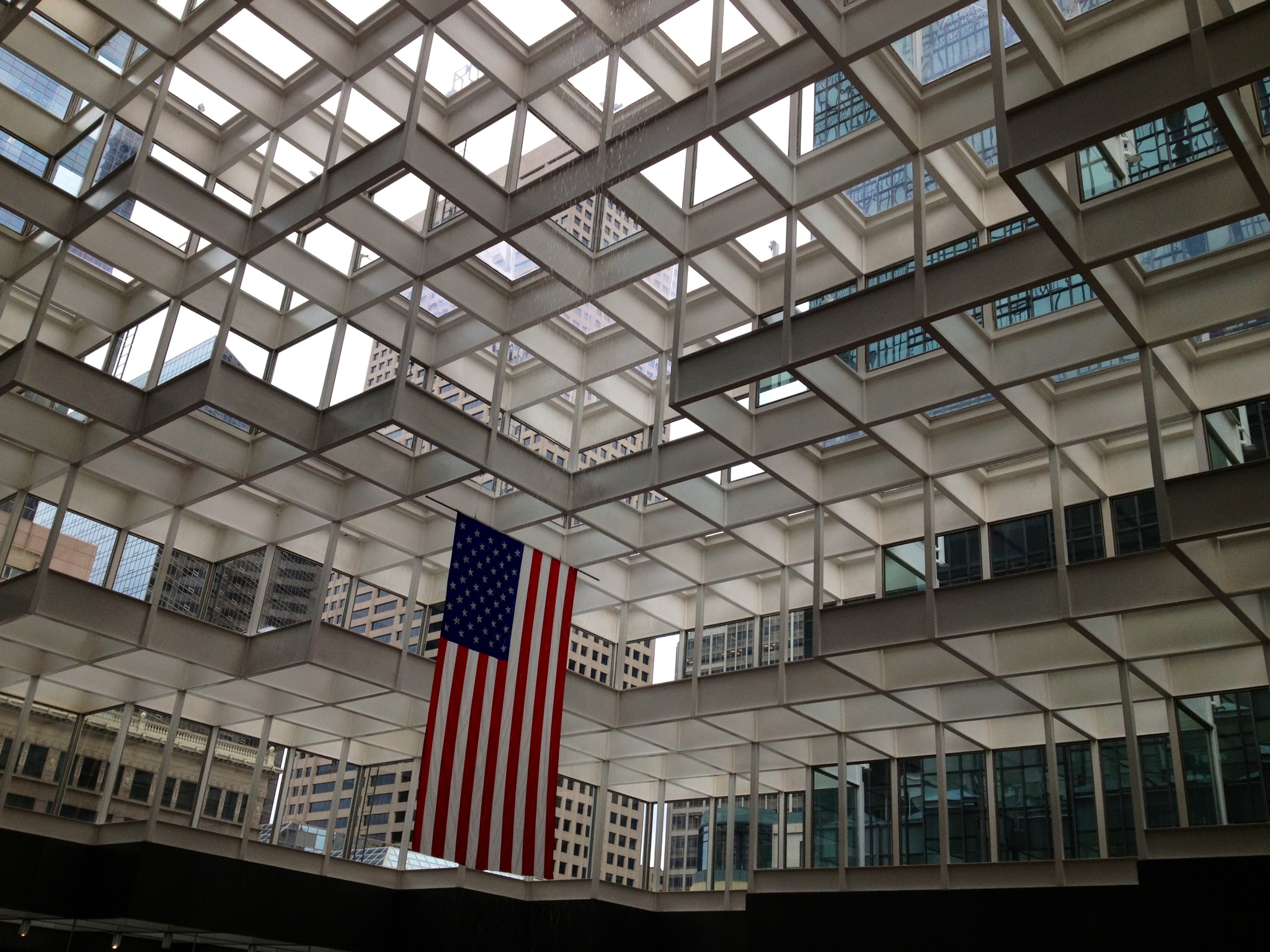
Minneapolis Convention Center
1301 2nd Avenue S, Minneapolis, MN 55403
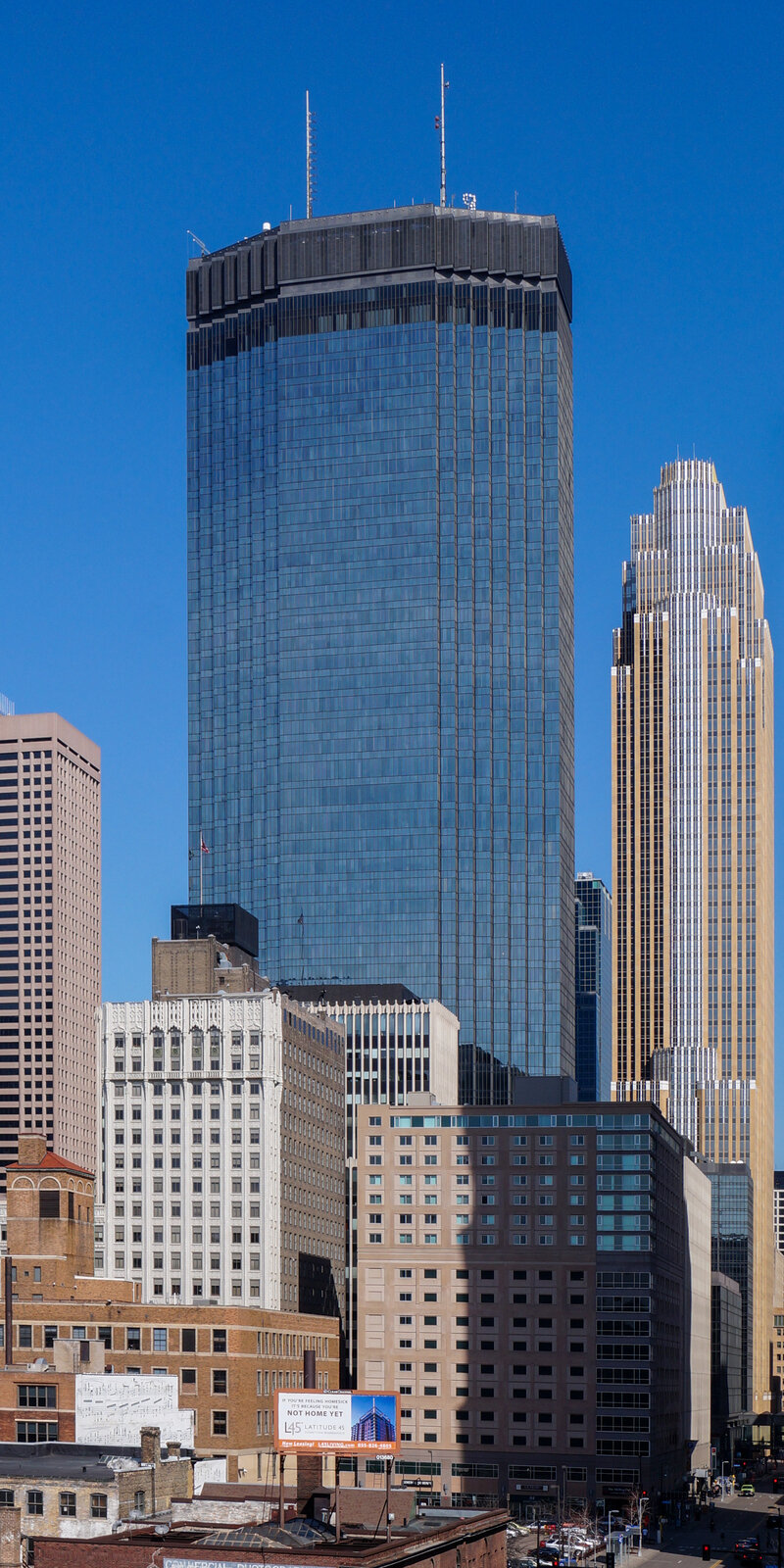
Target Center
600 1st Avenue N, Minneapolis, MN 55403
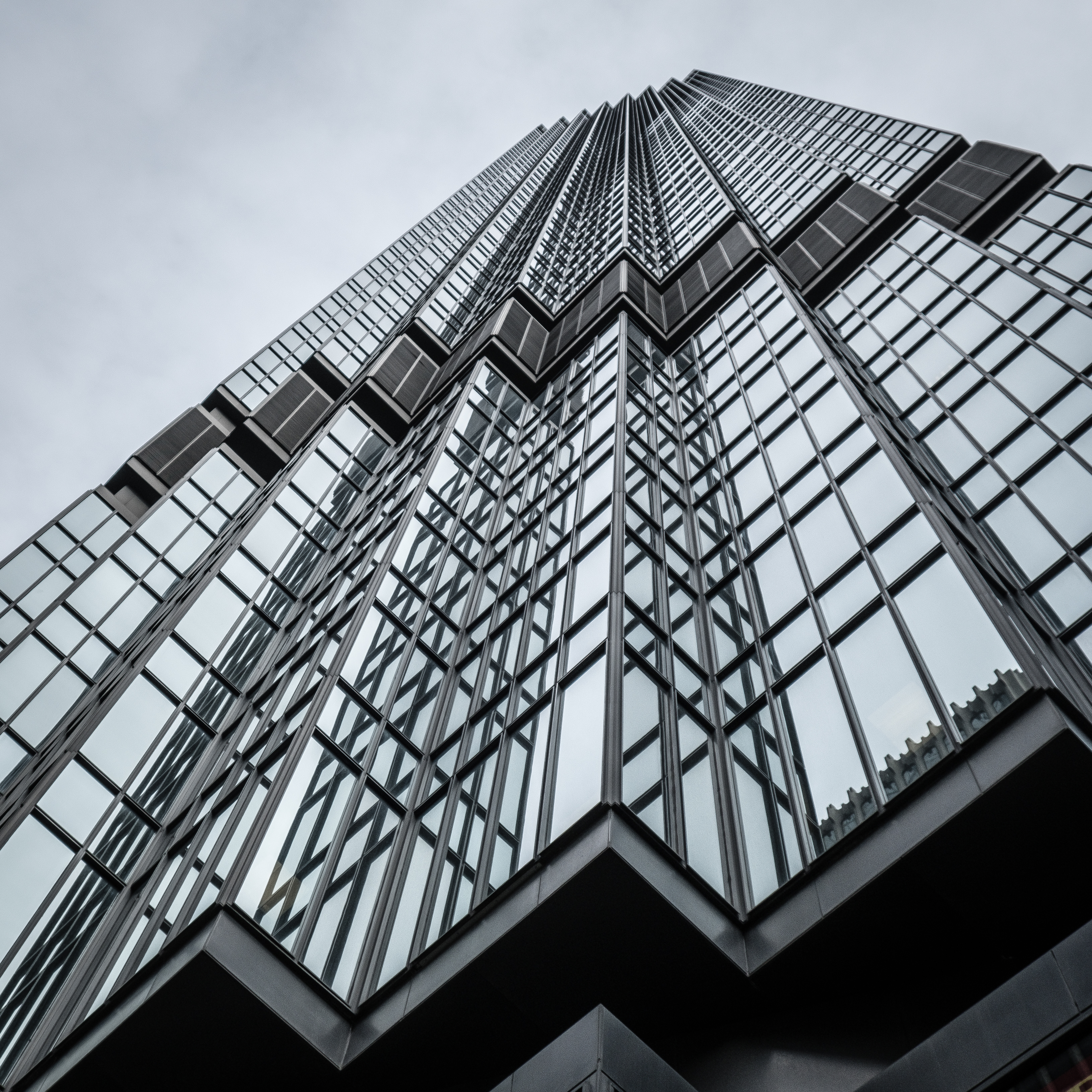
Orchestra Hall Minneapolis
1111 Nicollet Mall, Minneapolis, MN 55403
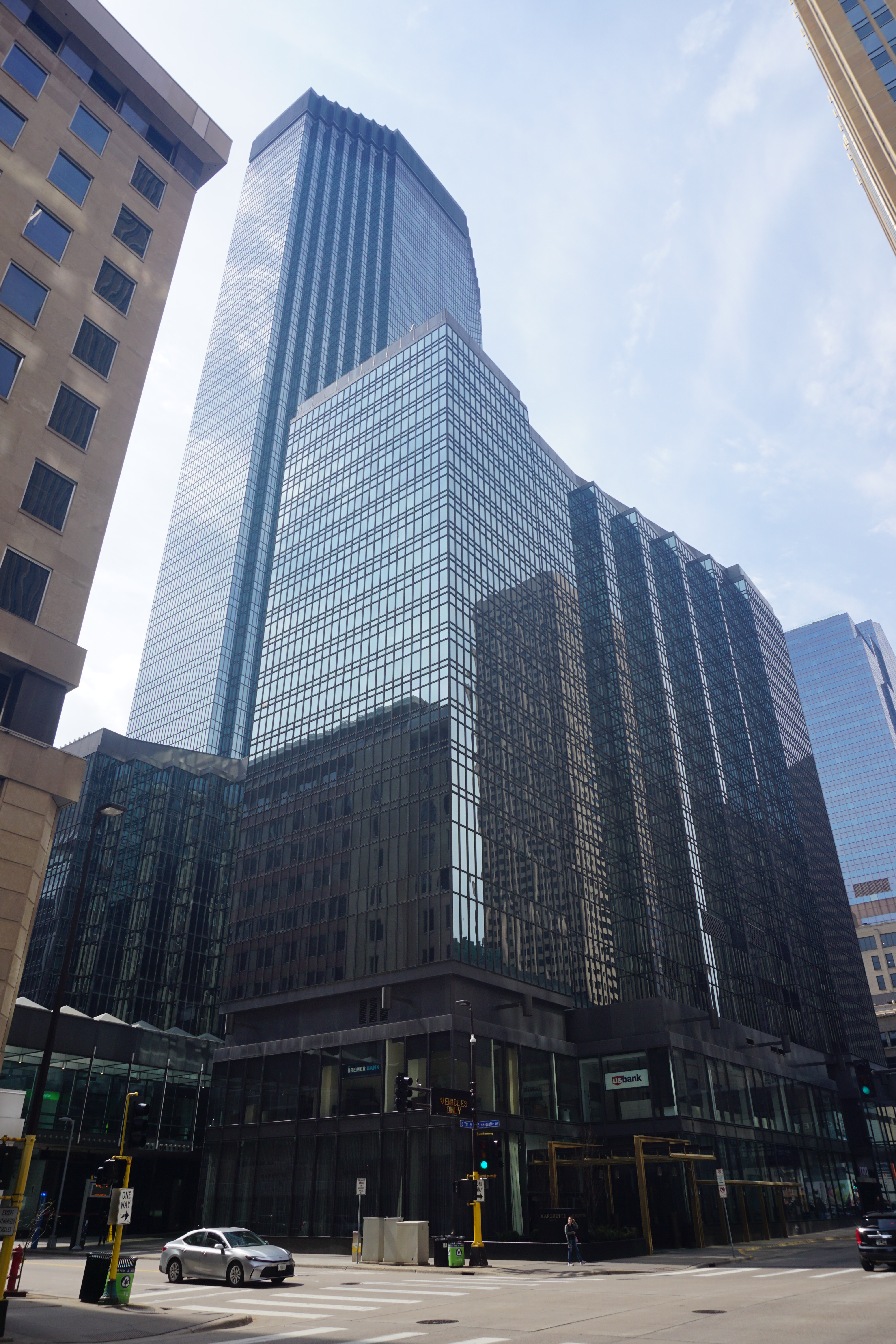
IDS Center
80 S 8th Street, Minneapolis, MN 55402
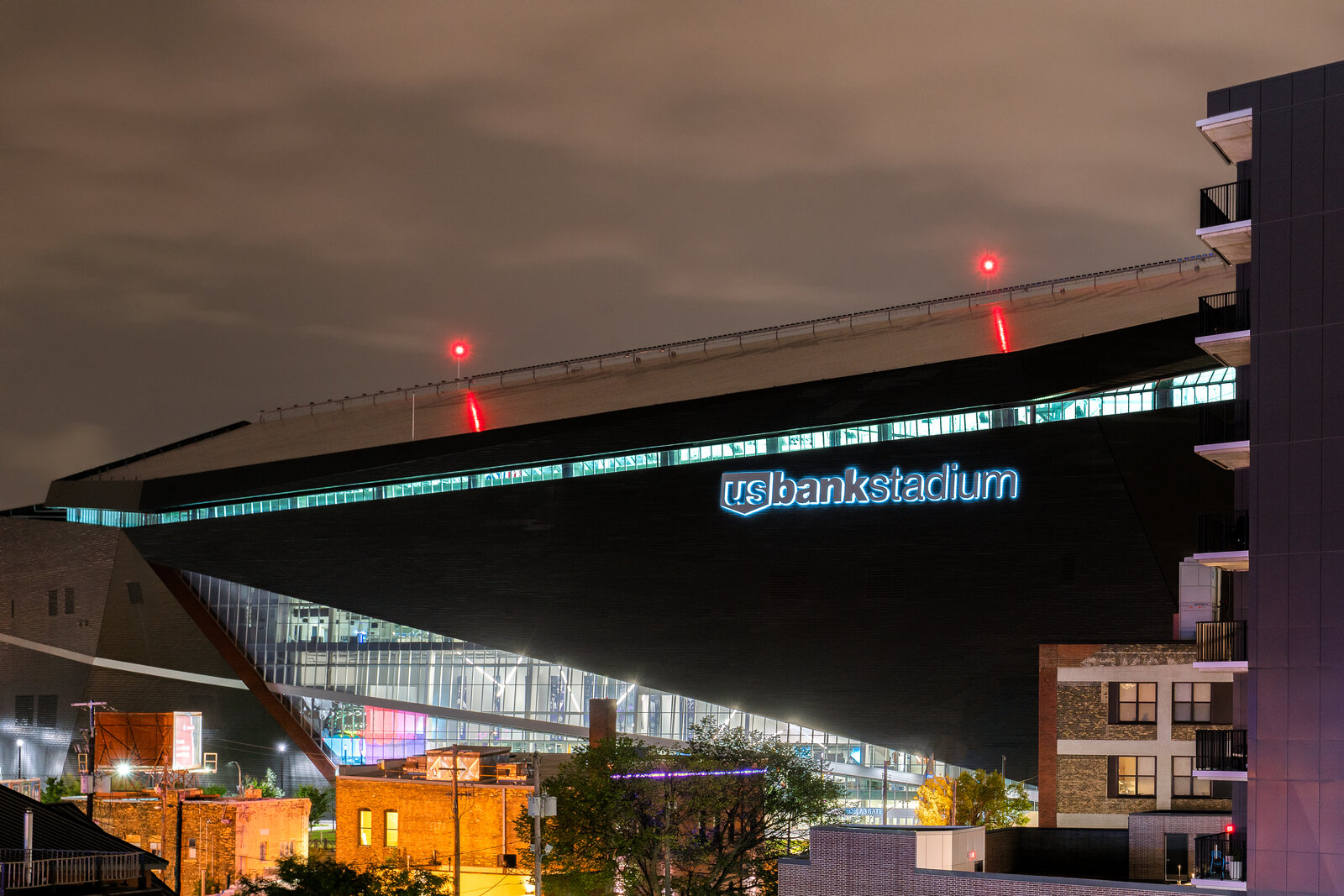
U.S. Bank Stadium
401 Chicago Avenue, Minneapolis, MN 55415
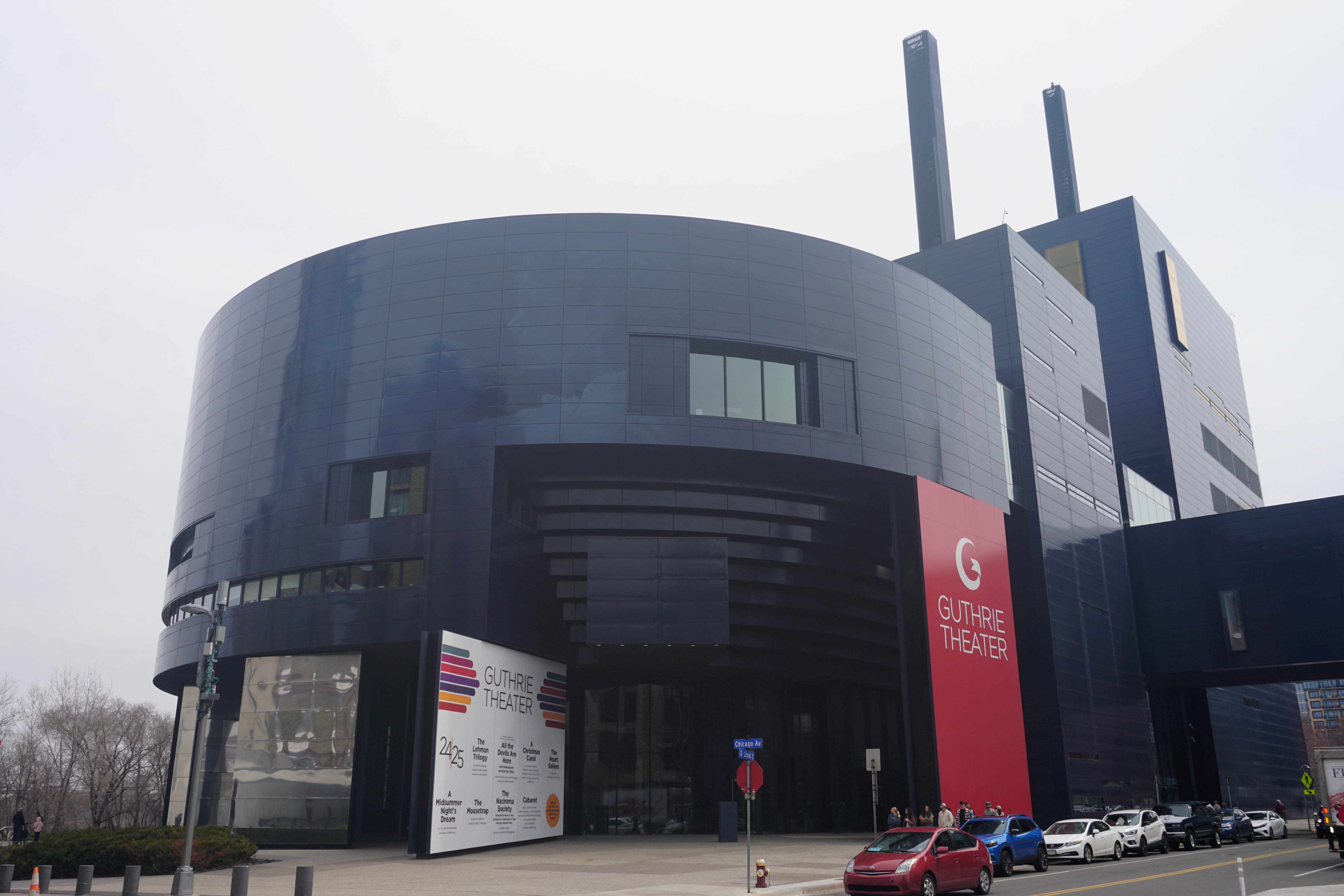
Guthrie Theater
818 2nd Street S, Minneapolis, MN 55415
High-Tech in Minneapolis: Common Questions
Where can I see High-Tech architecture in Minneapolis?
You can see High-Tech architecture primarily in downtown Minneapolis. Key buildings include the Minneapolis Convention Center, Target Center, and IDS Center, all showcasing the style's distinctive use of advanced materials and structural elements.
When were these High-Tech buildings constructed?
Most of the notable High-Tech buildings in Minneapolis were constructed in the late 20th century and early 21st century. For instance, the Minneapolis Convention Center opened in 1990, while the U.S. Bank Stadium was completed in 2016.
What should I look for in High-Tech architecture?
Look for exposed structural components, the use of glass and steel, and an emphasis on functionality. Buildings like the IDS Center and Guthrie Theater highlight these features, showcasing how technology and design can coexist.
How does Minneapolis' High-Tech architecture compare to other cities?
Minneapolis' High-Tech architecture shares similarities with cities like London and Tokyo, emphasizing transparency and modern materials. However, its unique climate and local context influence design choices, resulting in distinct architectural expressions.
Can I visit these High-Tech buildings?
Yes, many High-Tech buildings in Minneapolis are open to the public. The Minneapolis Convention Center and U.S. Bank Stadium, for example, offer tours and events. Check their websites for visitor information.