High-Tech Architecture in Boston
Explore 3 high-tech buildings that shape Boston's architectural identity
High-Tech architecture emerged in Boston during the late 20th century, reflecting an era that emphasized innovation and technological advancements in construction. This architectural style is characterized by its use of modern materials such as glass and steel, which are often left exposed to showcase the building's structural integrity. Key economic developments and a growing interest in modern design propelled the growth of High-Tech architecture in the city, particularly in the Back Bay and Fenway neighborhoods.
The Isabella Stewart Gardner Museum exemplifies High-Tech design through its integration of advanced materials and exposed structural elements. This fusion creates both functional and aesthetic spaces that invite visitors to engage with the art within. While the museum's design is rooted in a historical context, its innovative approach reflects the High-Tech ethos.
Another significant example is the John Hancock Tower, which stands as an iconic piece of High-Tech architecture in Boston. Its sleek glass façade and steel framework are not merely decorative; they form a crucial part of the building’s overall design, allowing for vast open spaces within. This structure highlights the harmony of form and function, a hallmark of the High-Tech movement.
While the John Hancock Tower is a prominent representation, it is essential to note that the city's High-Tech architecture includes a range of buildings that contribute to its unique character. The concentration of such buildings along streets like Clarendon and in areas like the Back Bay showcases Boston's commitment to modern architectural expression, making it a notable destination for enthusiasts of this style.
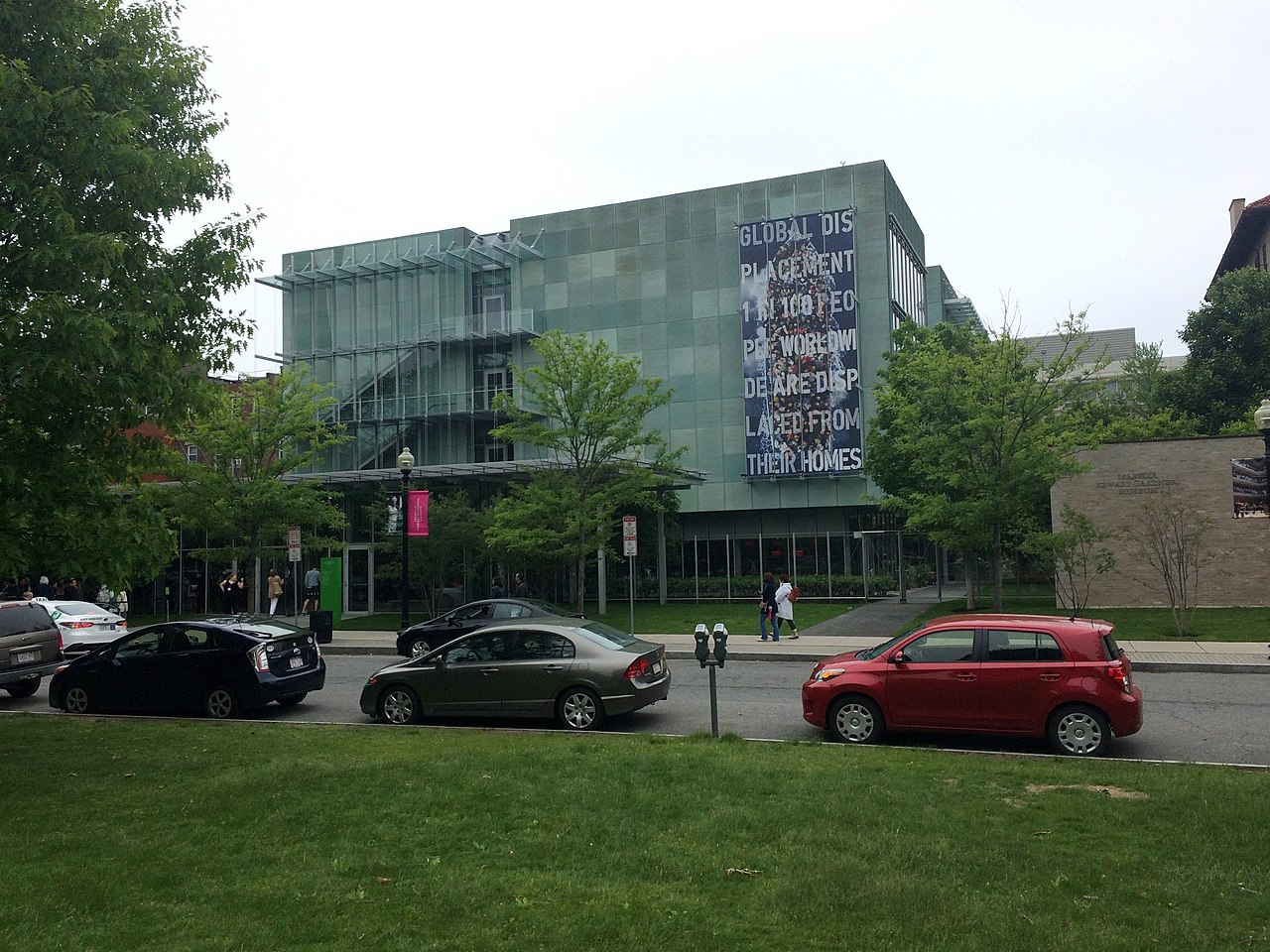
Isabella Stewart Gardner Museum
25 Evans Way, Boston, MA 02115
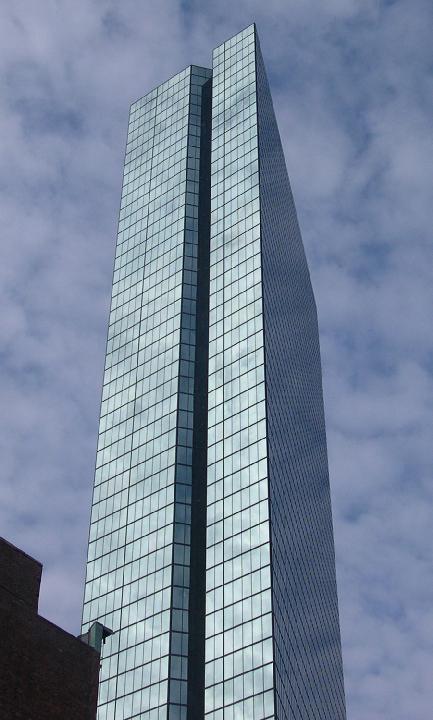
John Hancock Tower
200 Clarendon St, Boston, MA 02116
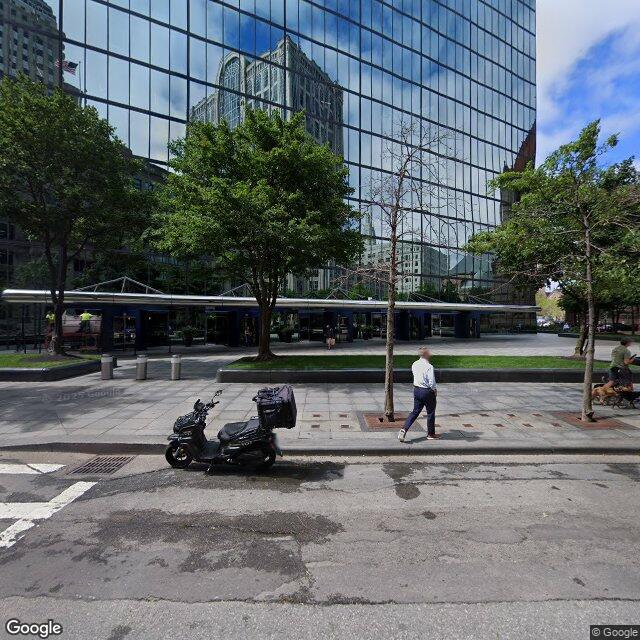
John Hancock Tower
200 Clarendon St, Boston, MA 02116
High-Tech in Boston: Common Questions
Where can I see High-Tech architecture in Boston?
You can see High-Tech architecture prominently in the Back Bay and Fenway neighborhoods. Key buildings include the Isabella Stewart Gardner Museum and the John Hancock Tower, both showcasing the style's signature materials and design elements.
When were these High-Tech buildings constructed?
The John Hancock Tower was completed in 1976, while the Isabella Stewart Gardner Museum has roots dating back to the early 20th century, though it has incorporated High-Tech elements in its renovations and expansions.
What should I look for in High-Tech architecture?
Look for exposed structural elements, a prominent use of glass and steel, and an emphasis on functionality alongside aesthetic appeal. The John Hancock Tower is a prime example of these characteristics.
How does Boston's High-Tech architecture compare to other cities?
Boston's High-Tech architecture, such as the John Hancock Tower and Isabella Stewart Gardner Museum, often integrates historical context with modern materials, creating a unique blend that distinguishes it from other cities known for this style.
Can these buildings be visited?
Yes, both the Isabella Stewart Gardner Museum and the John Hancock Tower can be visited. The museum offers tours of its art collection, while the Hancock Tower's lobby is accessible for public viewing of its architectural features.