Contemporary Architecture in Boston
Explore 7 contemporary buildings that shape Boston's architectural identity
Contemporary architecture in Boston emerges from the city's unique blend of historical significance and innovation, reflecting a shift in design ethos that prioritizes functionality, sustainability, and aesthetics. The post-World War II era marked a turning point as urban renewal and economic expansion drove a wave of modern architectural expression that embraced new materials and construction techniques.
Neighborhoods like Back Bay and Cambridge showcase a variety of contemporary structures that redefine urban living. The John Hancock Tower, for example, is a striking example with its reflective glass façade, which integrates with the skyline while emphasizing transparency and modernist principles. Similarly, the MIT Stata Center exemplifies innovative design with its unconventional form and use of modern materials, showcasing a departure from traditional architectural styles.
The Isabella Stewart Gardner Museum, while originally a historic building, incorporates contemporary elements such as its glass façade and open layout, effectively blending new and old. This integration with the surrounding landscape highlights how contemporary architecture in Boston not only serves functional purposes but also enhances the experience of public spaces.
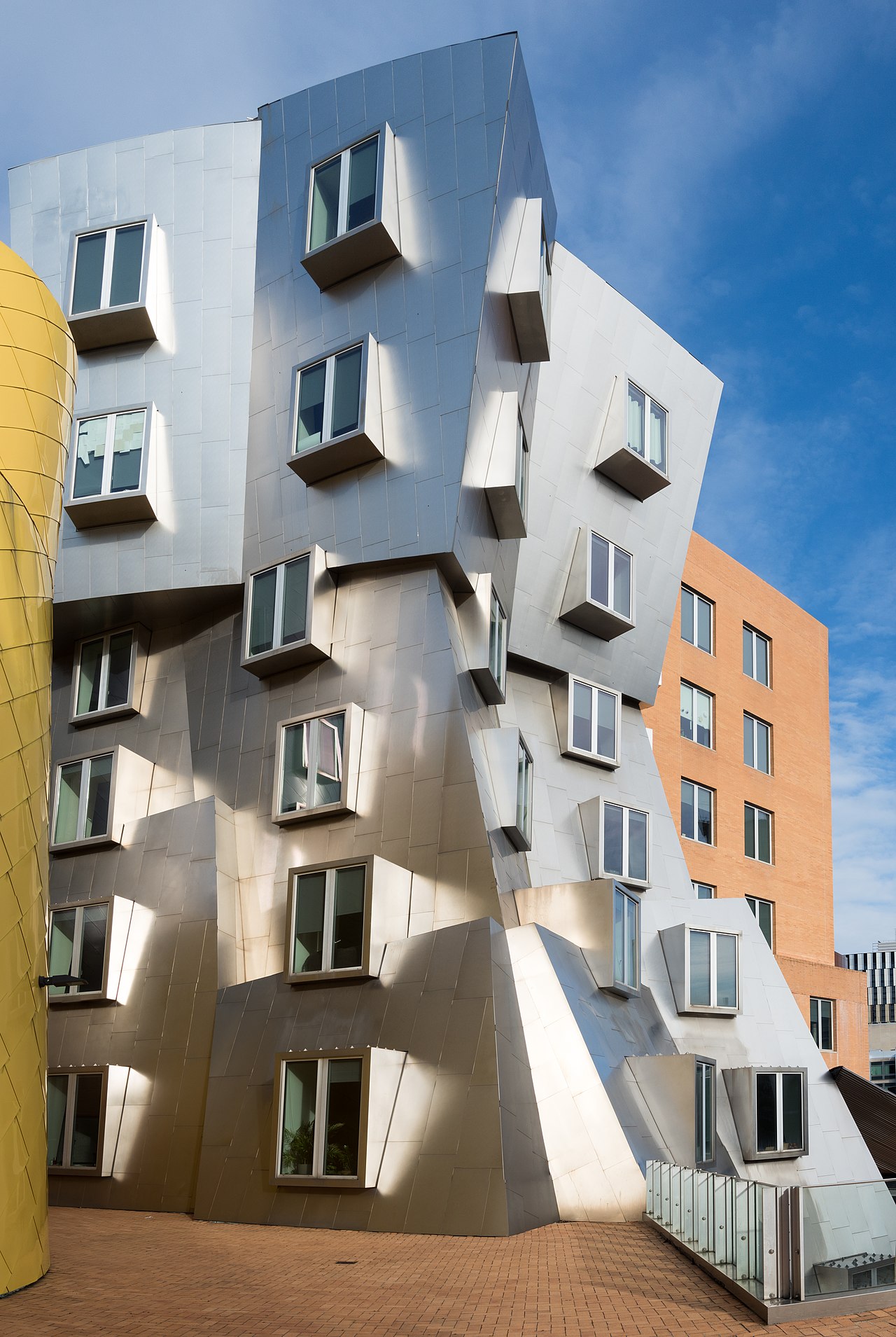
MIT Stata Center
32 Vassar St, Cambridge, MA 02139
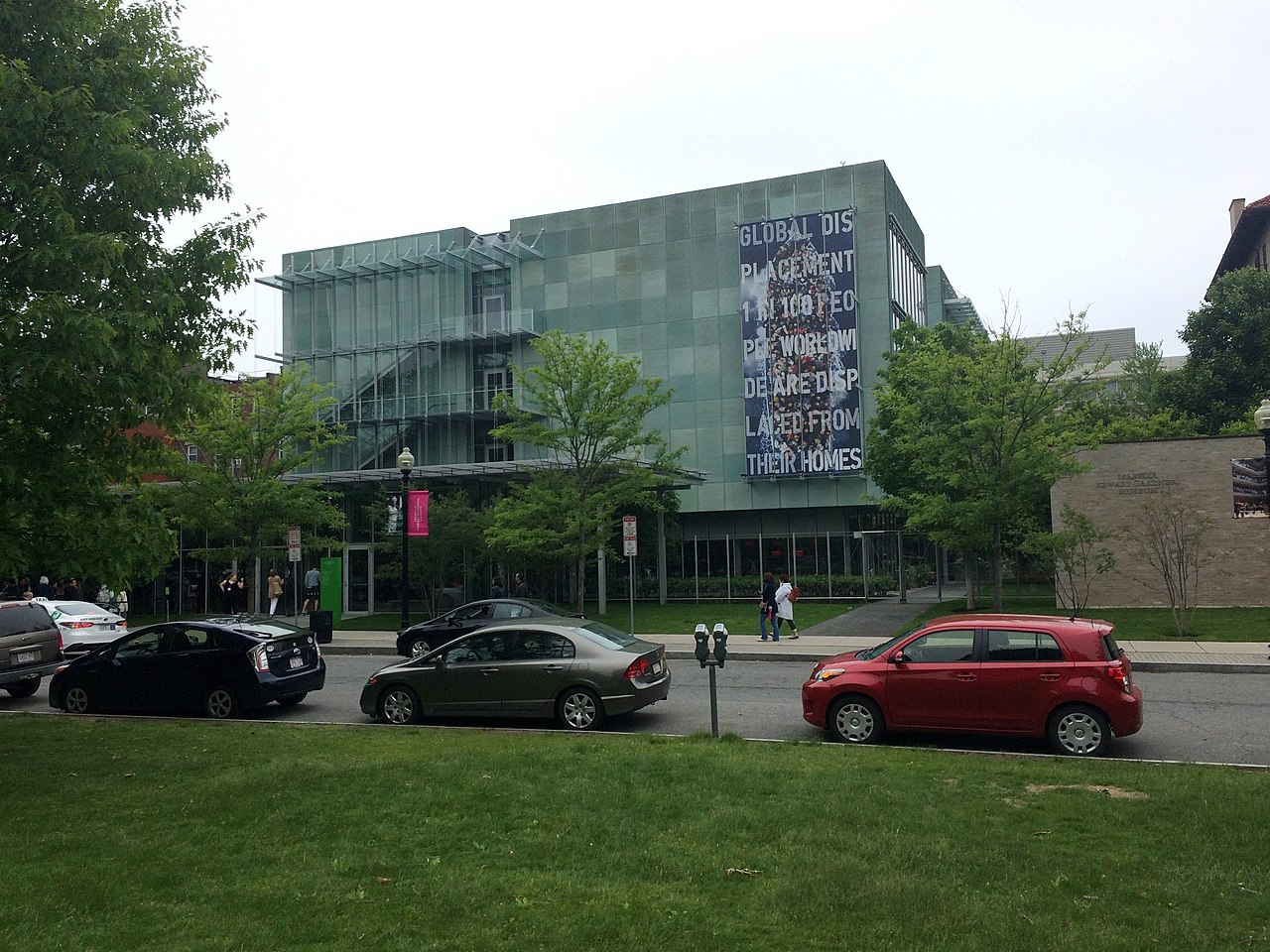
Isabella Stewart Gardner Museum
25 Evans Way, Boston, MA 02115
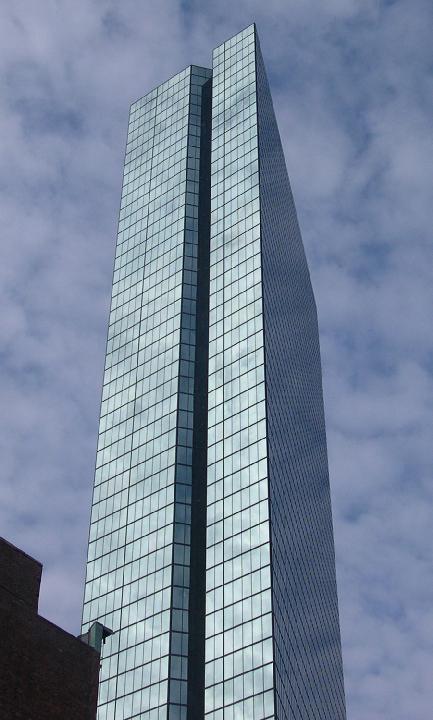
John Hancock Tower
200 Clarendon St, Boston, MA 02116
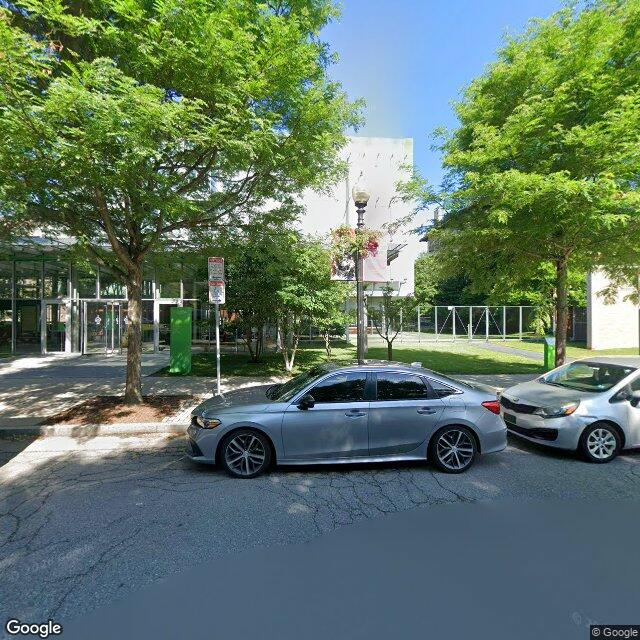
Isabella Stewart Gardner Museum
25 Evans Way, Boston, MA 02115
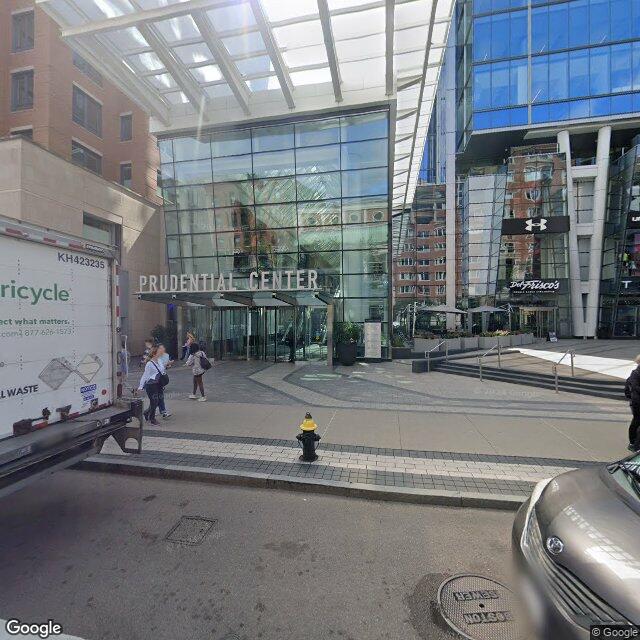
Prudential Tower
800 Boylston St, Boston, MA 02199
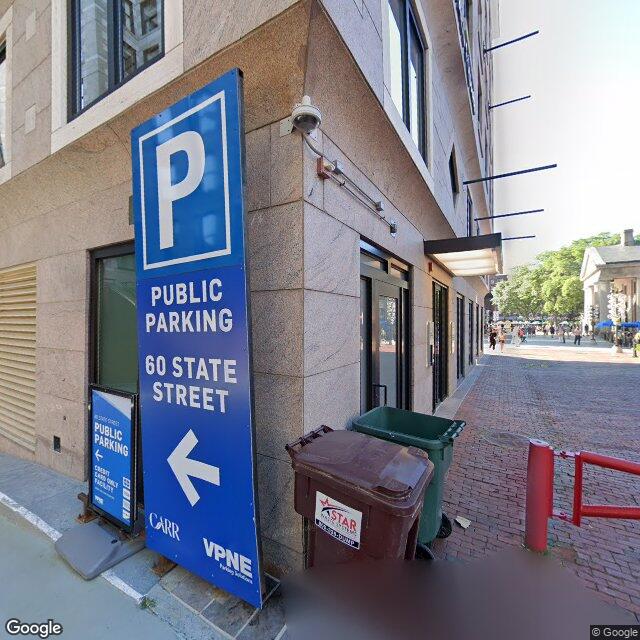
Faneuil Hall
1 Faneuil Hall Square, Boston, MA 02109
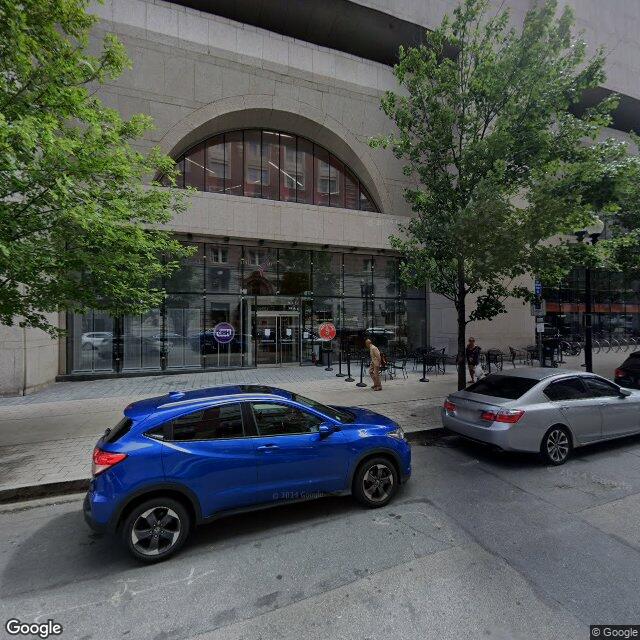
Boston Public Library
700 Boylston St, Boston, MA 02116
Contemporary in Boston: Common Questions
Where can I see contemporary architecture in Boston?
Key locations include the John Hancock Tower and the MIT Stata Center in Cambridge, as well as the Prudential Tower and the Isabella Stewart Gardner Museum in Boston. These buildings highlight the city's contemporary architectural character.
What are some notable contemporary buildings in Boston?
Notable examples include the John Hancock Tower, known for its reflective glass design, and the Prudential Tower, which features a modern aesthetic using glass and steel. The Isabella Stewart Gardner Museum also showcases contemporary elements alongside its historical roots.
When were these buildings constructed?
The John Hancock Tower was completed in 1976, while the Prudential Tower was finished in 1964. The MIT Stata Center, a more recent example, was completed in 2004, reflecting ongoing advancements in architectural design.
How does Boston's contemporary architecture compare to other cities?
Boston's contemporary architecture emphasizes a blend of modern materials and historical context, with structures like the MIT Stata Center prioritizing innovation. Compared to cities like New York or Chicago, Boston's designs often focus more on integrating with the urban landscape and surrounding nature.
Can these buildings be visited?
Yes, many contemporary buildings in Boston, such as the Isabella Stewart Gardner Museum and the Boston Public Library, are open to the public. Visitors can explore their unique architectural features and design elements during regular visiting hours.