Contemporary Architecture in Miami
Explore 6 contemporary buildings that shape Miami's architectural identity
Contemporary architecture in Miami emerges from a dynamic intersection of cultural influences, economic growth, and innovative design practices. The city's architectural landscape reflects a historical moment shaped by rapid urban development and a focus on sustainability and modern aesthetics. As Miami has evolved, so too has its skyline, characterized by sleek lines and glass facades that promote transparency and light.
Key neighborhoods such as Downtown Miami and Miami Beach showcase notable examples of contemporary design. The Miami Marine Stadium stands out with its dynamic silhouette and clean lines, creating a striking visual impact against the waterfront. Similarly, the Bacardi Building exemplifies openness with its glass façade and streamlined form, inviting interaction between the interior and exterior spaces.
The architectural fabric of Miami also incorporates minimalist principles, as seen in the Perez Art Museum Miami, which features sleek lines and an emphasis on natural light. This building, along with others like 1111 Lincoln Road, underscores the local version of contemporary architecture by utilizing materials such as glass and metal to create harmonious, functional spaces. The result is a cohesive blend of aesthetics and practicality that defines Miami’s modern architectural identity.
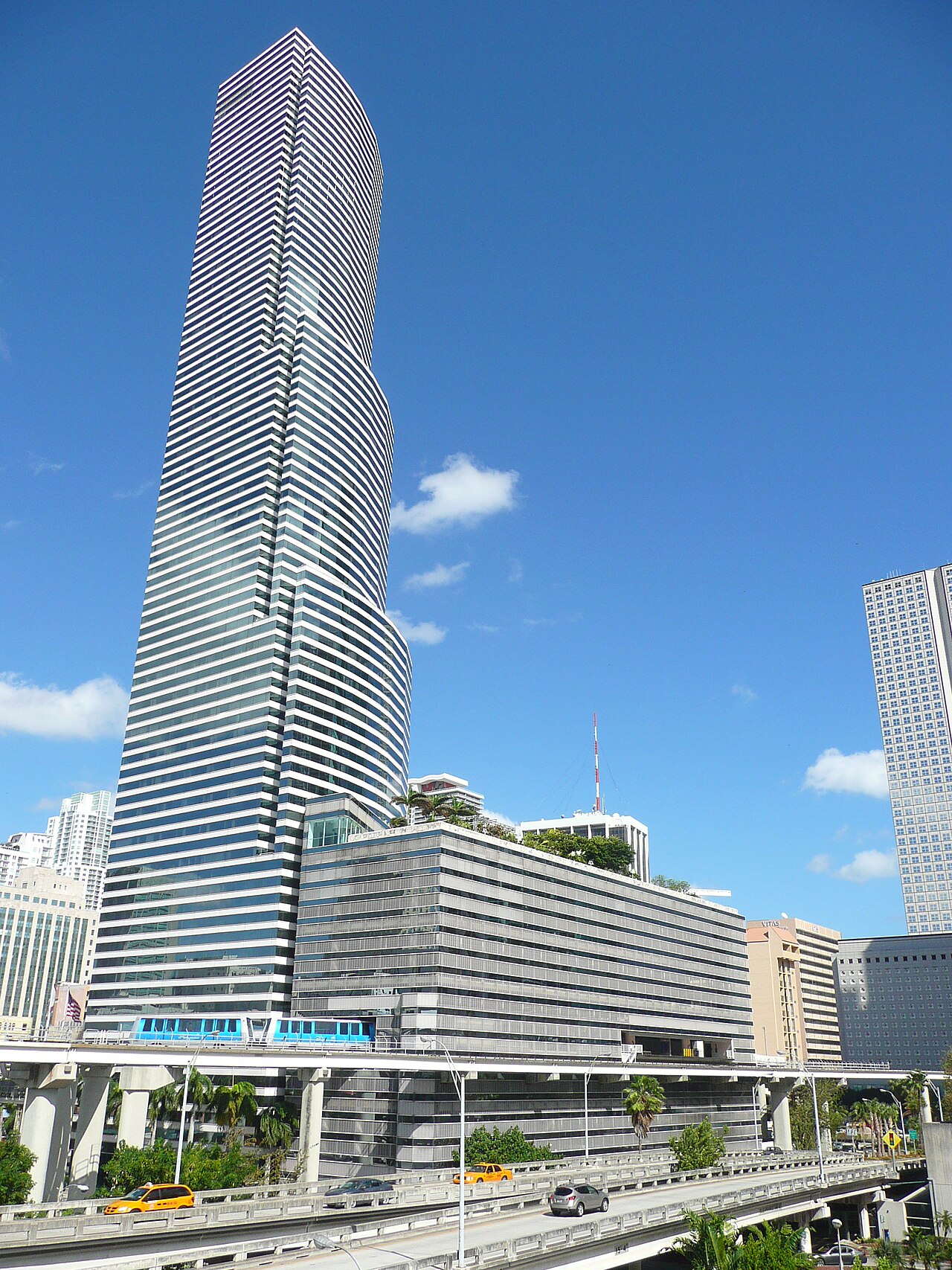
Miami Marine Stadium
3501 Rickenbacker Cswy, Virginia Key, FL 33149
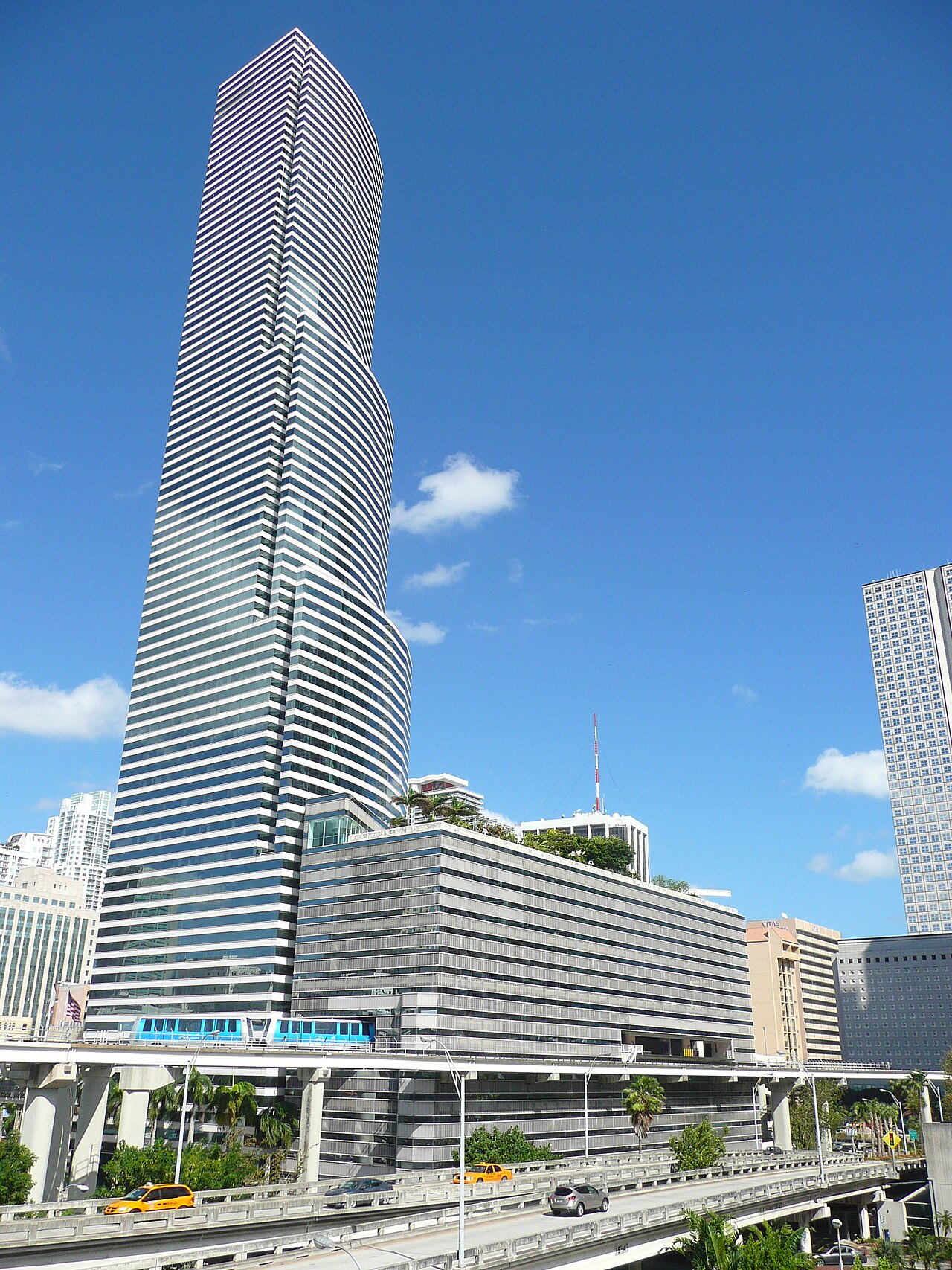
Bacardi Building
2100 Biscayne Blvd, Miami, FL 33137
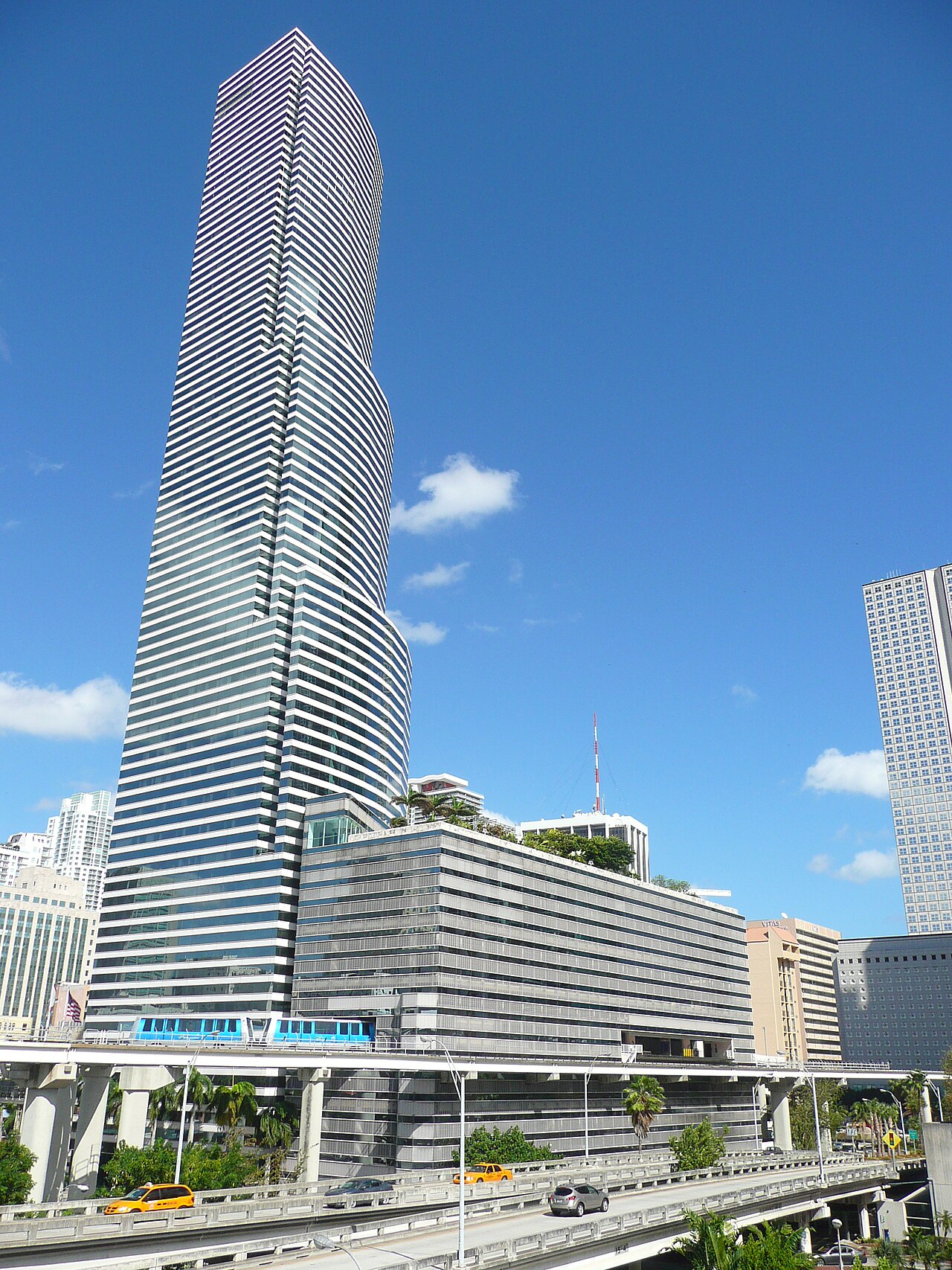
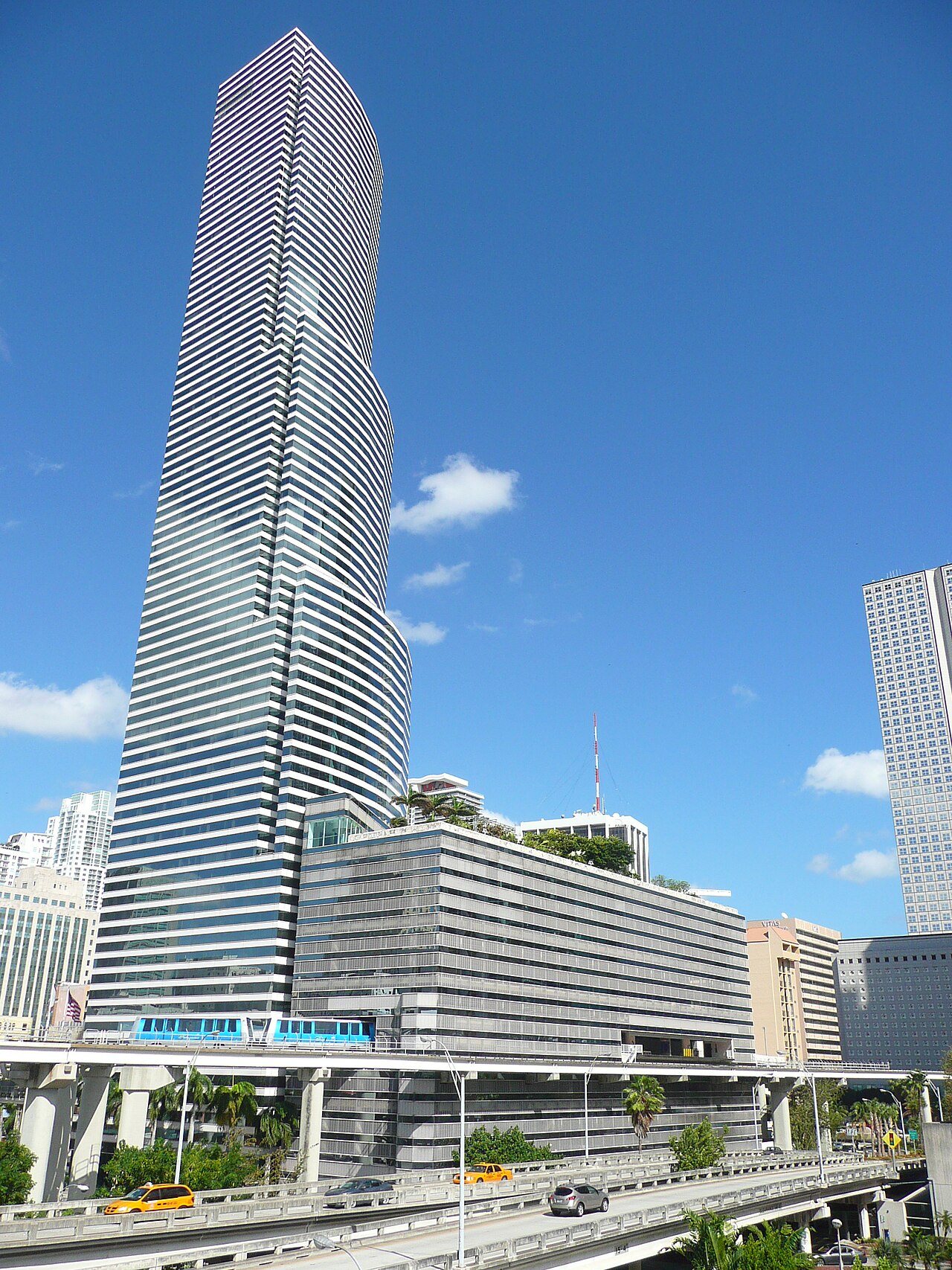
Miami Tower
100 SE 2nd St, Miami, FL 33131
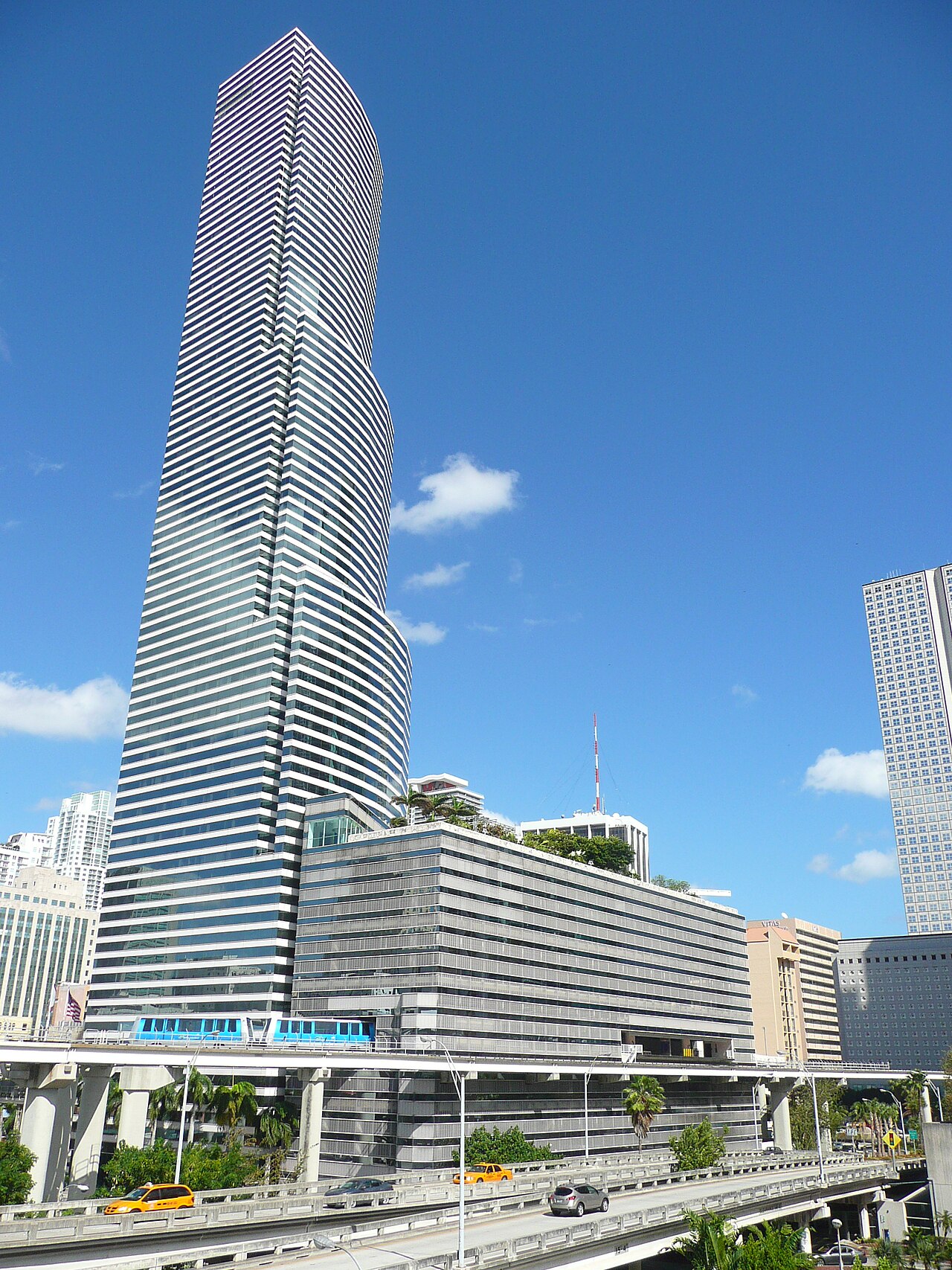
1111 Lincoln Road
1111 Lincoln Rd, Miami Beach, FL 33139
Perez Art Museum Miami
1103 Biscayne Blvd, Miami, FL 33132
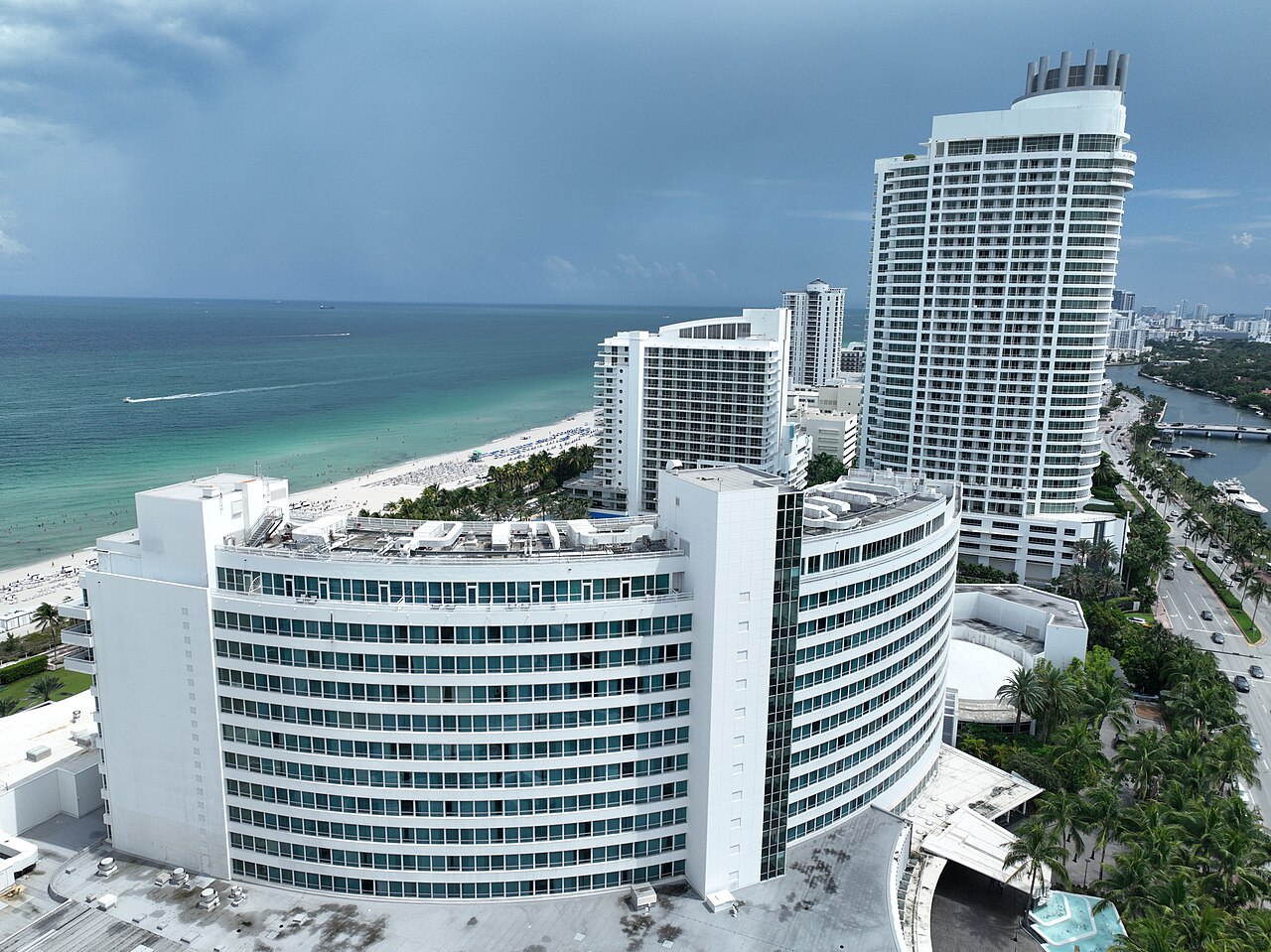
Fontainebleau Miami Beach
4441 Collins Ave, Miami Beach, FL 33140
Contemporary in Miami: Common Questions
Where can I see contemporary architecture in Miami?
You can find contemporary architecture throughout Miami, particularly in Downtown and Miami Beach. Noteworthy buildings include the Bacardi Building, Miami Marine Stadium, and the Perez Art Museum, all showcasing modern design elements and innovative materials.
When were these contemporary buildings constructed?
The buildings listed on this page were completed in various decades, with many emerging in the late 20th and early 21st centuries. For instance, the Bacardi Building was completed in 1963, while 1111 Lincoln Road was finished in 2010.
What should I look for in contemporary architecture?
Look for characteristics such as clean lines, open spaces, and extensive use of glass and metal. Buildings like the Miami Tower and Fontainebleau Miami Beach exemplify these traits, emphasizing simplicity and connection to the surrounding environment.
How does Miami's contemporary architecture compare to other cities?
Miami's contemporary architecture is distinguished by its tropical climate and coastal environment, leading to designs that enhance natural light and outdoor living. This contrasts with cities like New York or Chicago, where more traditional materials and styles often prevail.
Can I visit the contemporary buildings in Miami?
Yes, many contemporary buildings in Miami, such as the Perez Art Museum and 1111 Lincoln Road, are open to the public. Visiting these sites offers a chance to experience their architectural significance and enjoy the surrounding urban landscape.