Renaissance Architecture in Miami
Explore 5 renaissance buildings that shape Miami's architectural identity
The Renaissance architectural style, characterized by its emphasis on symmetry, proportion, and classical detailing, found a unique expression in Miami during the early 20th century. This period coincided with a significant economic boom, which spurred the construction of impressive buildings that drew inspiration from European Renaissance ideals. As Miami transformed into a bustling urban center, architects embraced this style to evoke a sense of grandeur and permanence.
One of the most notable examples is the Biltmore Hotel in Coral Gables. Opened in 1926, the hotel showcases classical columns and embellished details that reflect the opulence associated with Renaissance architecture. Its symmetrical design and grand scale serve as a focal point in the Coral Gables area, which is rich in architectural history.
The Olympia Theater, located on East Flagler Street, further embodies Renaissance influences with its use of classical columns and pilasters. As a cultural landmark, the theater emphasizes the geometric precision characteristic of the style, making it an essential stop for those interested in Miami's architectural heritage. Additionally, the Coral Gables City Hall features harmonious proportions and classical detailing that echo Renaissance principles, contributing to the area's architectural identity.
Across the city, the influence of Renaissance architecture can also be seen at the Seaquarium Entrance and Vizcaya Museum and Gardens. These sites highlight the intricate ornamental details and classical proportions typical of Renaissance palaces, enriching Miami's architectural landscape. Neighborhoods such as Coral Gables, with its Mediterranean Revival flair, and the downtown area, where the Olympia Theater resides, are particularly concentrated with such architectural gems.
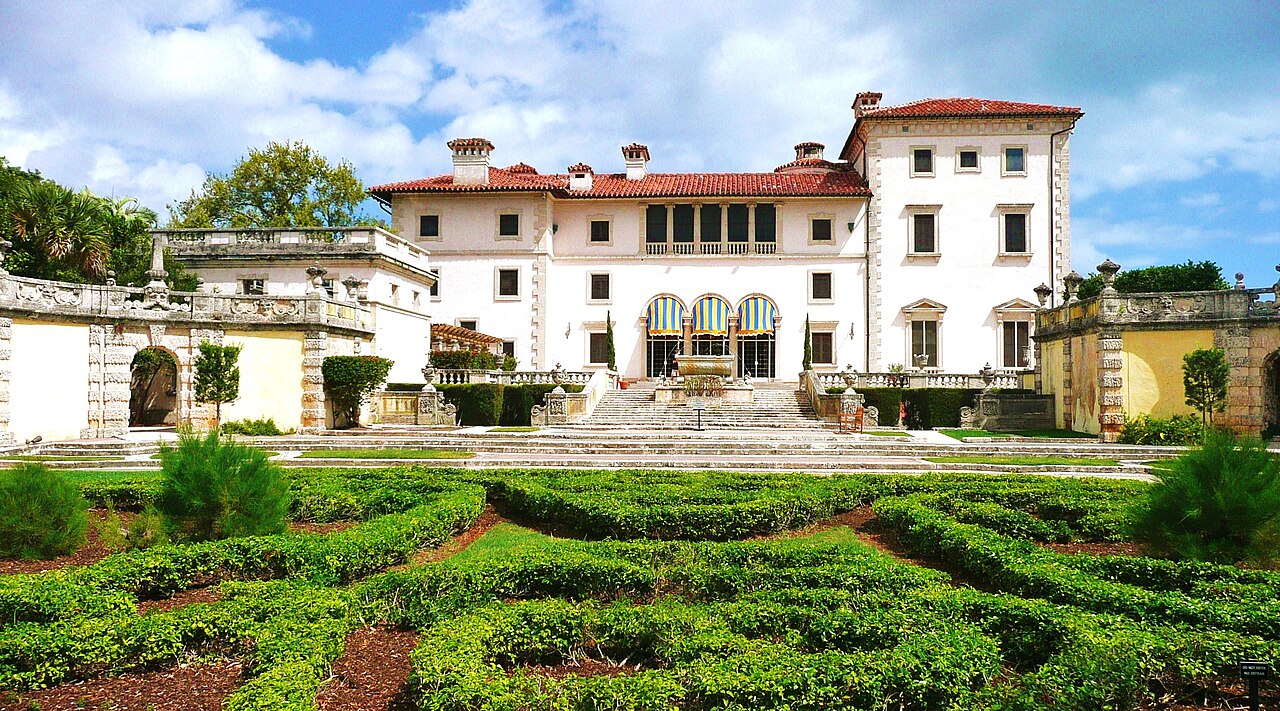
Seaquarium Entrance
4400 Rickenbacker Cswy, Key Biscayne, FL 33149
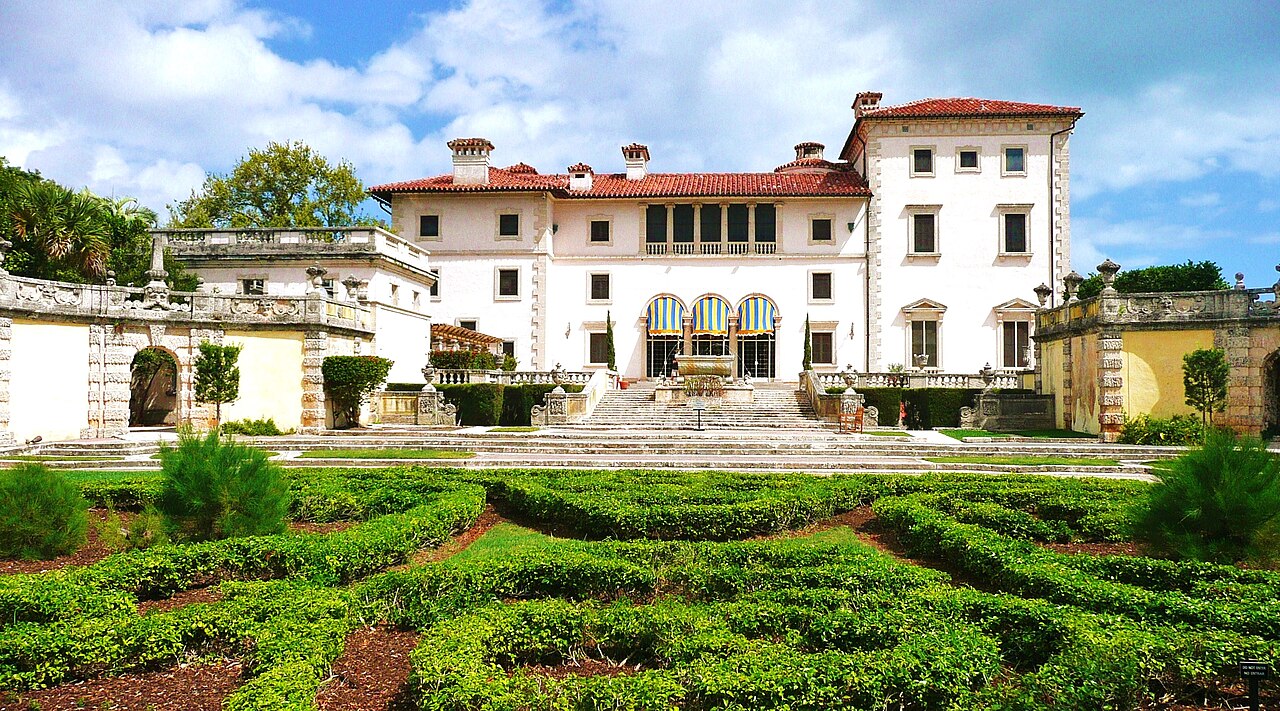
Olympia Theater
174 E Flagler St, Miami, FL 33131
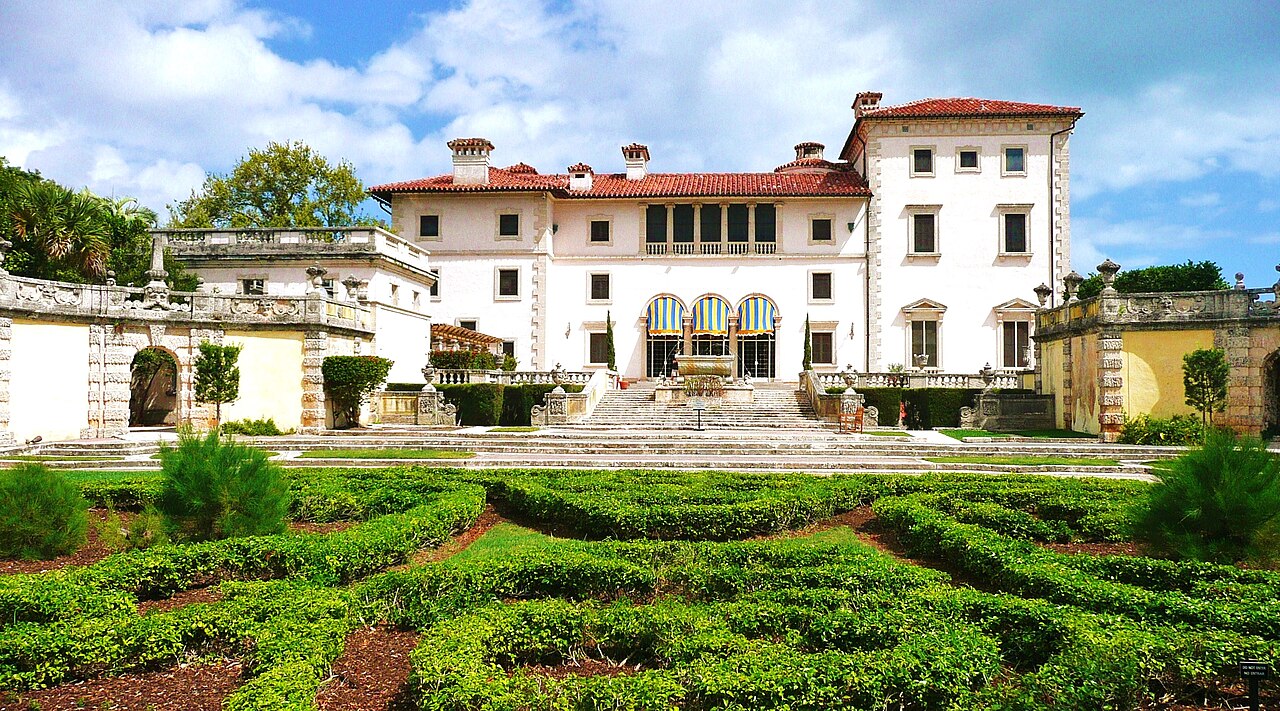
Biltmore Hotel
1200 Anastasia Ave, Coral Gables, FL 33134
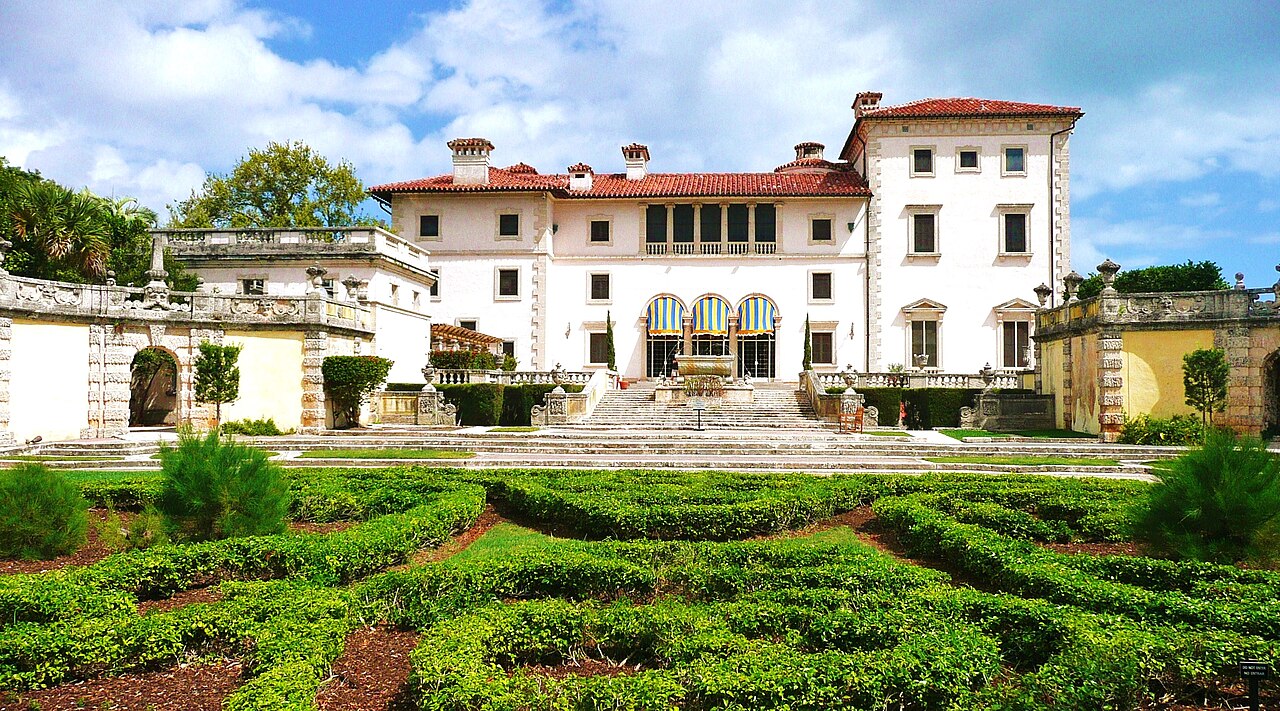
Coral Gables City Hall
405 Biltmore Way, Coral Gables, FL 33134
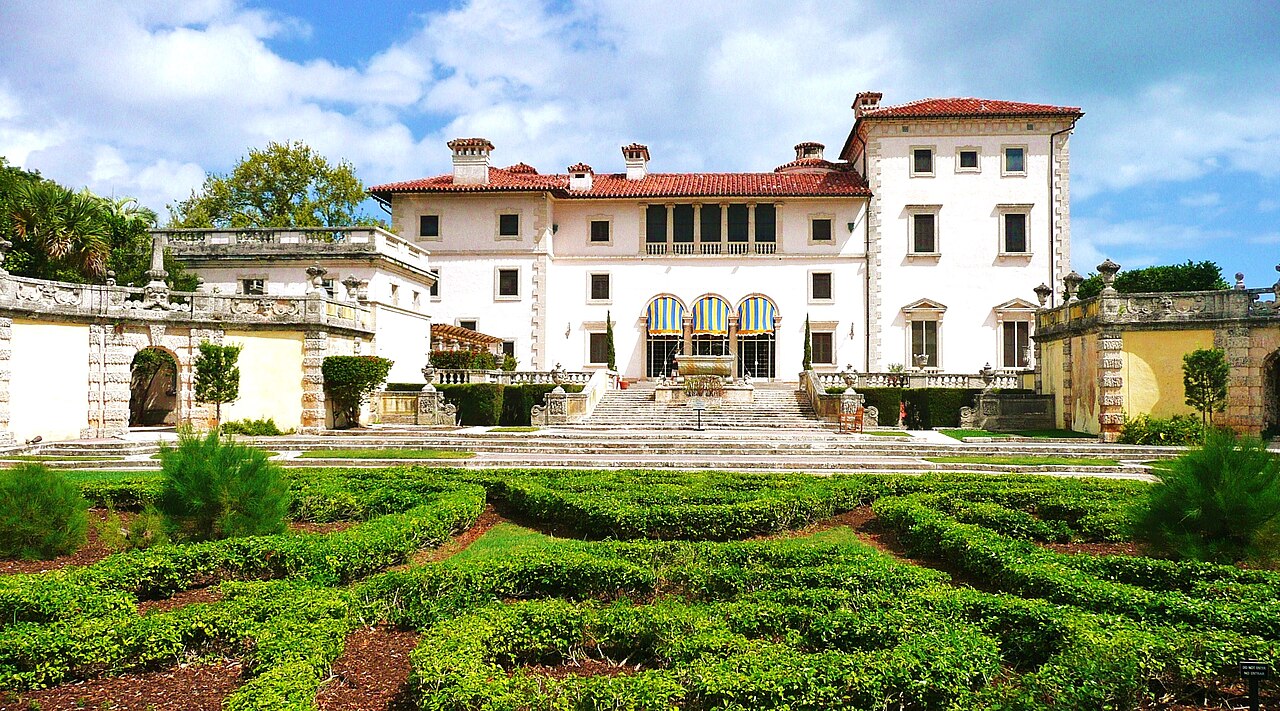
Vizcaya Museum and Gardens
3251 S Miami Ave, Miami, FL 33129
Renaissance in Miami: Common Questions
What are some notable examples of Renaissance architecture in Miami?
Key examples include the Biltmore Hotel, Olympia Theater, and Coral Gables City Hall. Each features classical elements such as symmetry, proportion, and ornamental details typical of the Renaissance style.
When were these buildings constructed?
Most of the Renaissance-style buildings in Miami were constructed during the early to mid-20th century, with the Biltmore Hotel opening in 1926 and the Olympia Theater in 1926, coinciding with the city's economic growth.
What should I look for in Renaissance architecture?
Look for features like classical columns, pilasters, symmetrical designs, and intricate detailing. Buildings such as the Coral Gables City Hall and Vizcaya Museum and Gardens exemplify these characteristics.
How does Miami's Renaissance architecture compare to other cities?
Miami's Renaissance architecture incorporates local materials and climatic adaptations, giving it a distinct character. While cities like Florence are home to original Renaissance works, Miami’s examples reflect a blend of styles influenced by its unique cultural context.
Can I visit these Renaissance buildings?
Yes, many of the buildings, such as the Biltmore Hotel and Vizcaya Museum and Gardens, are open to the public for tours and events. The Olympia Theater also hosts various performances, making it accessible for visitors.