Renaissance Architecture in Kraków
Explore 8 renaissance buildings that shape Kraków's architectural identity
The Renaissance period marked a significant shift in European architecture, characterized by a return to classical ideals and a focus on symmetry, proportion, and harmony. In Kraków, this architectural style emerged during the late 15th and early 16th centuries, driven by the city's economic prosperity and cultural revival. Wealth from trade and the patronage of the nobility facilitated the construction of grand buildings that reflected the Renaissance ethos.
Notable examples of Renaissance architecture in Kraków include the Palace of Art, which features a harmonious facade adorned with decorative sculptures that highlight its proportionality. Similarly, the Cloth Hall showcases classical detailing and symmetrical layouts, blending brick and stone to create a visually striking structure. These design elements reflect the ideals of beauty and balance that defined the Renaissance.
The Wawel Castle and its cathedral also embody Renaissance principles, with their use of classical columns and arches that emphasize elegance and grandeur. Neighborhoods such as the Main Market Square and Wawel Hill concentrate many of these architectural gems, making them accessible to those interested in exploring the local interpretation of Renaissance style. While other significant Renaissance landmarks exist in Kraków, they are not included in this documentation.
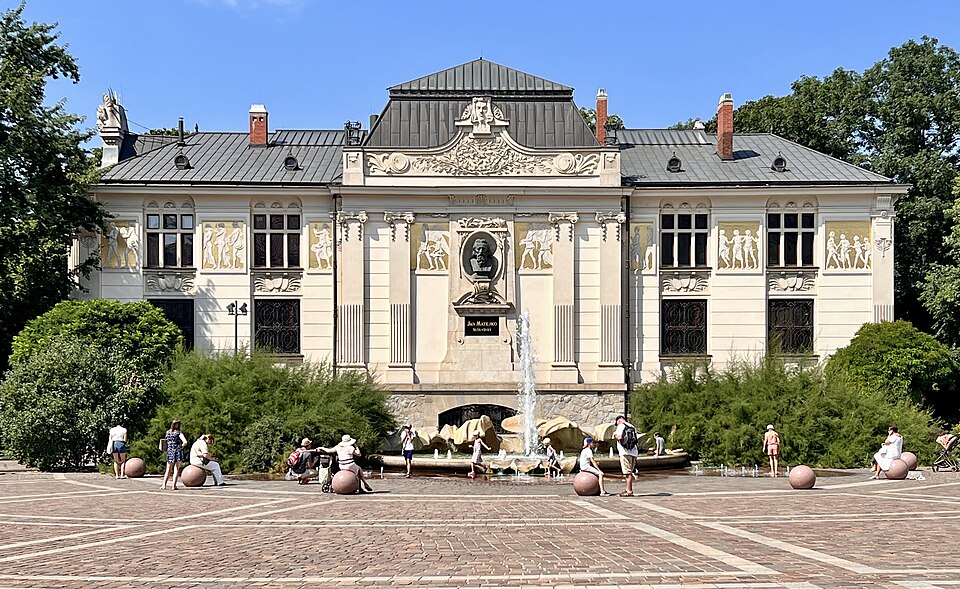
Palace of Art
plac Szczepański 4, 31-011 Kraków, Poland
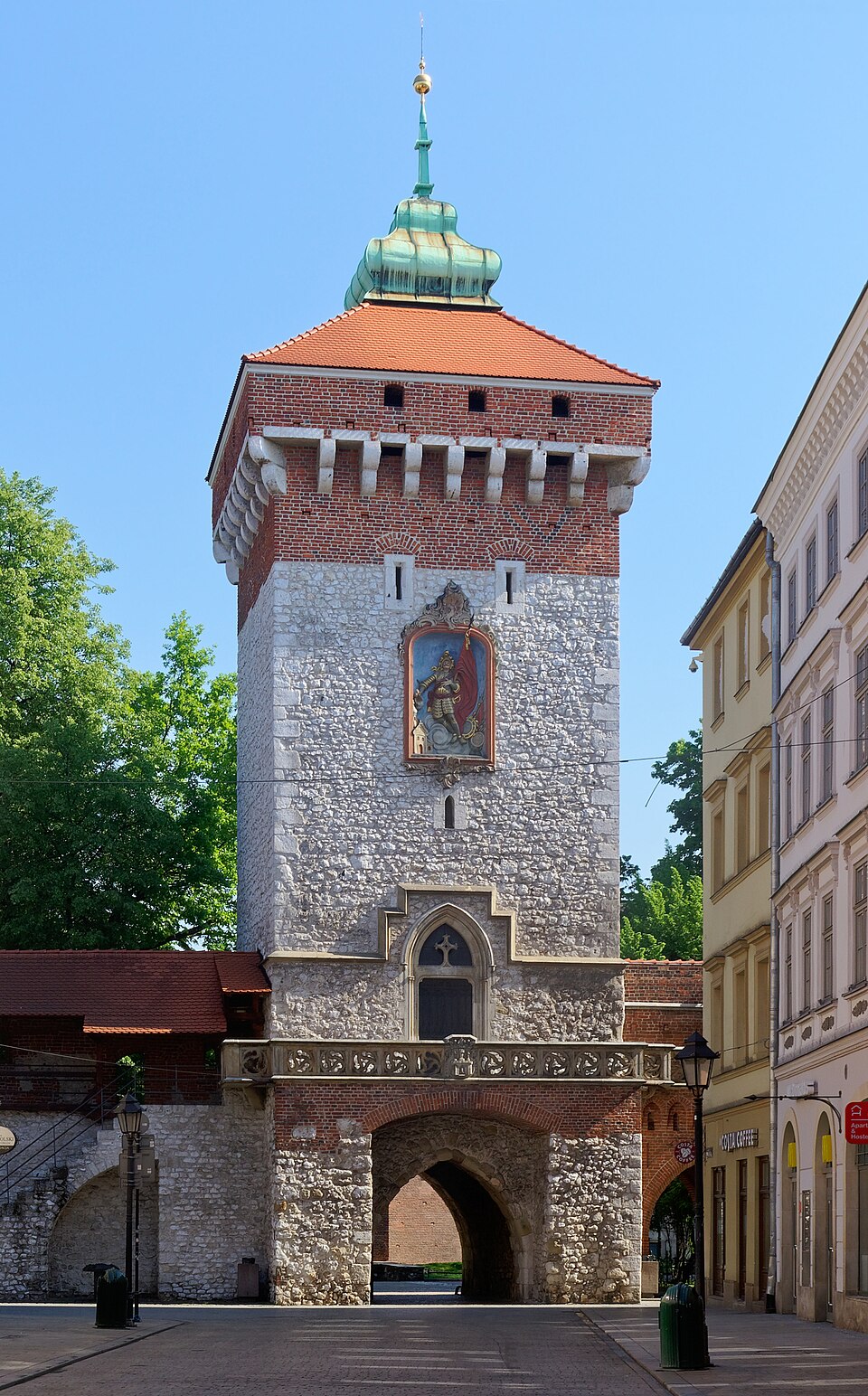
St. Florian's Gate
Pijarska, 31-015 Kraków, Poland
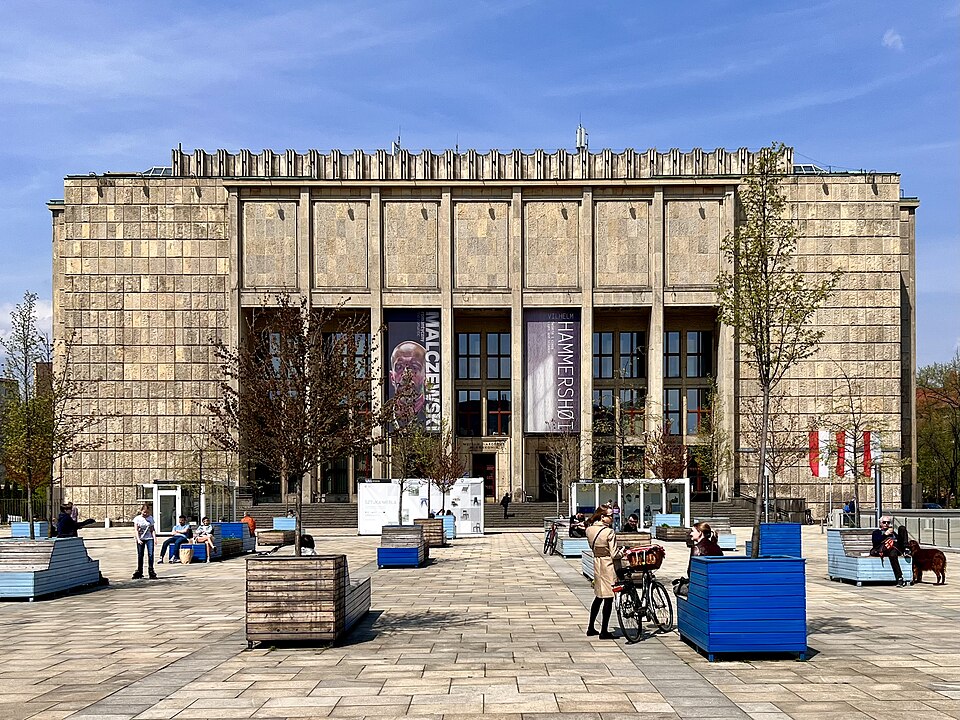
National Museum in Kraków
al. 3 Maja 1, 30-062 Kraków, Poland
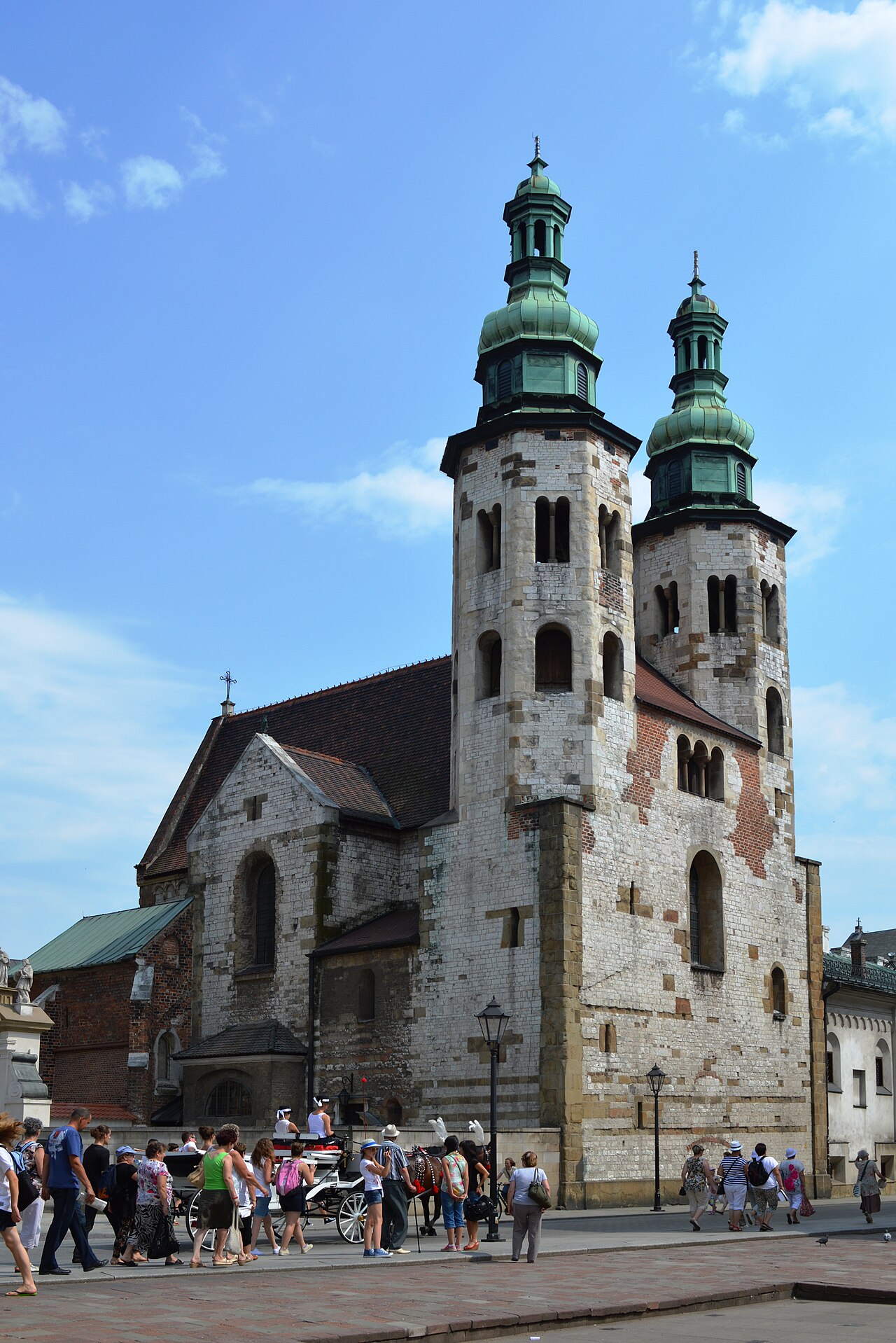
St. Andrew's Church, Kraków
Grodzka 56, 31-044 Kraków, Poland
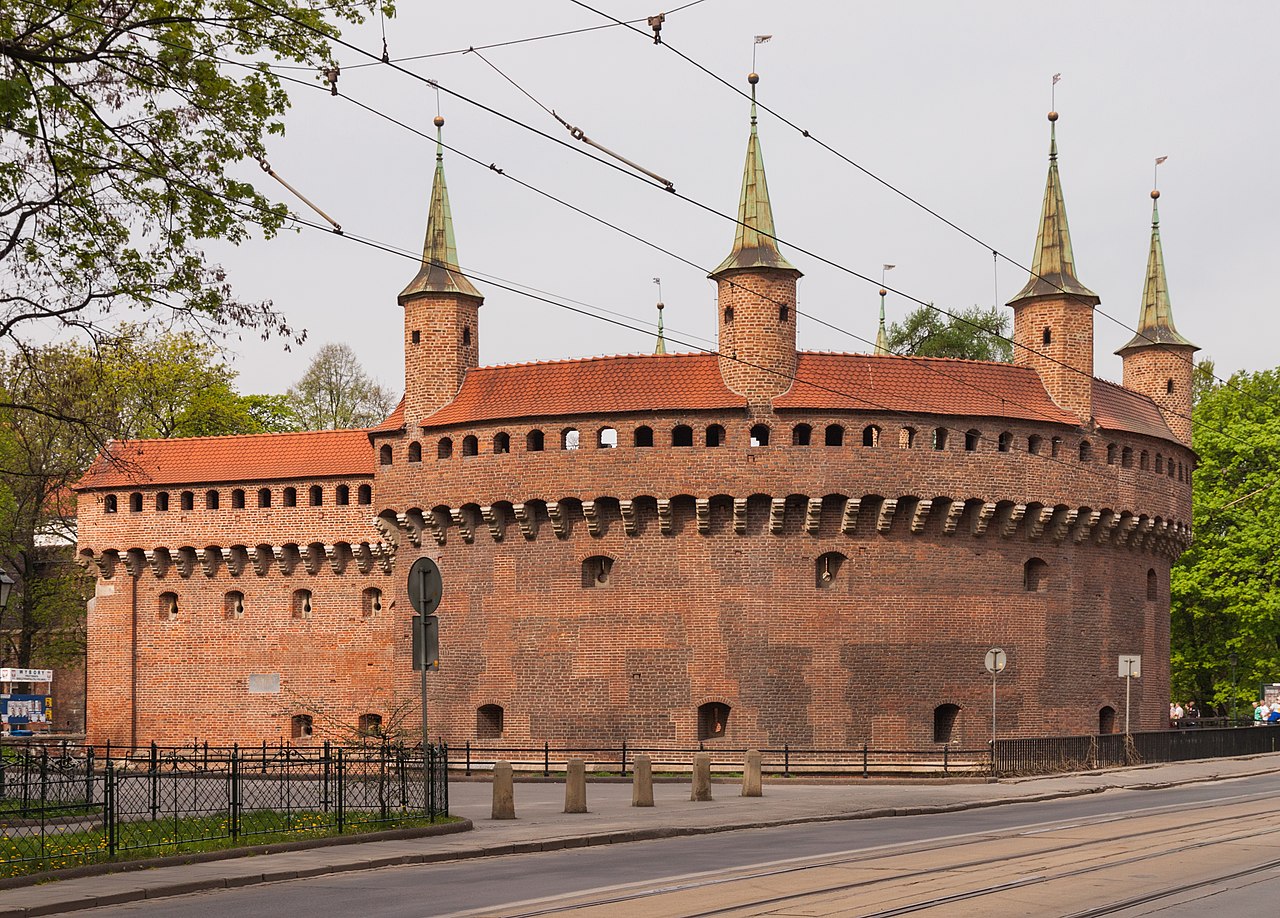
Barbican of Kraków
Basztowa, 30-547 Kraków, Poland
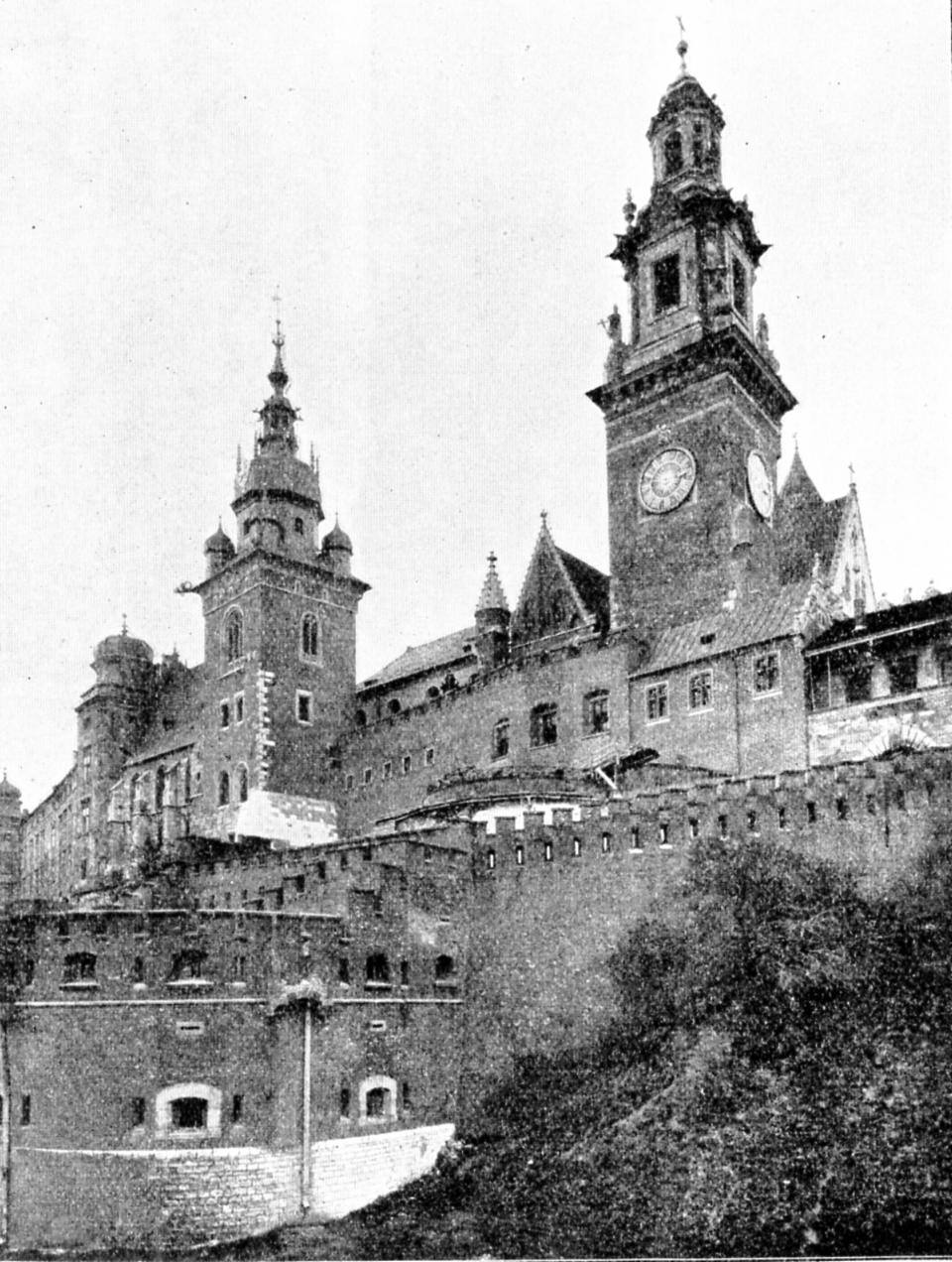
Wawel Cathedral
Wawel 3, 31-001 Kraków, Poland
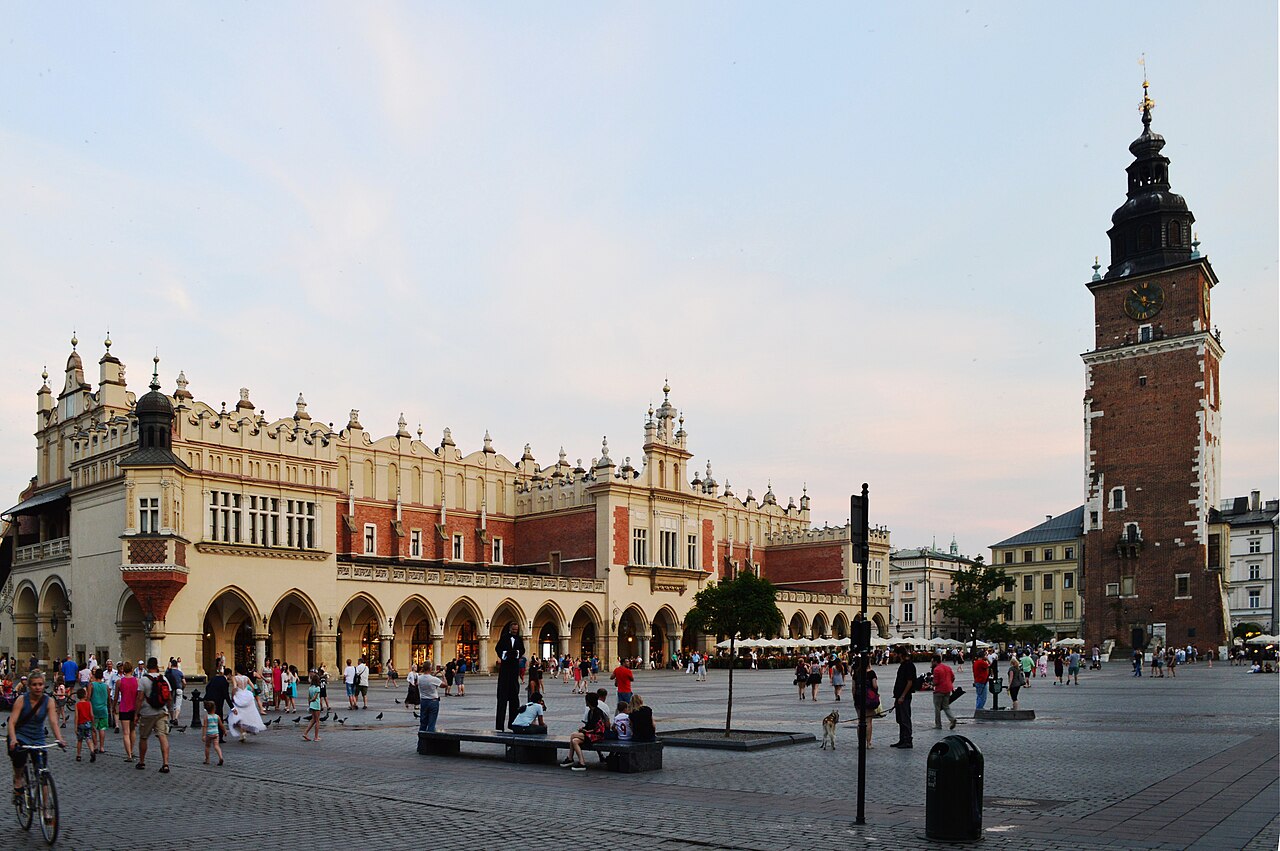
Cloth Hall
Rynek Główny 1/3, 31-042 Kraków, Poland
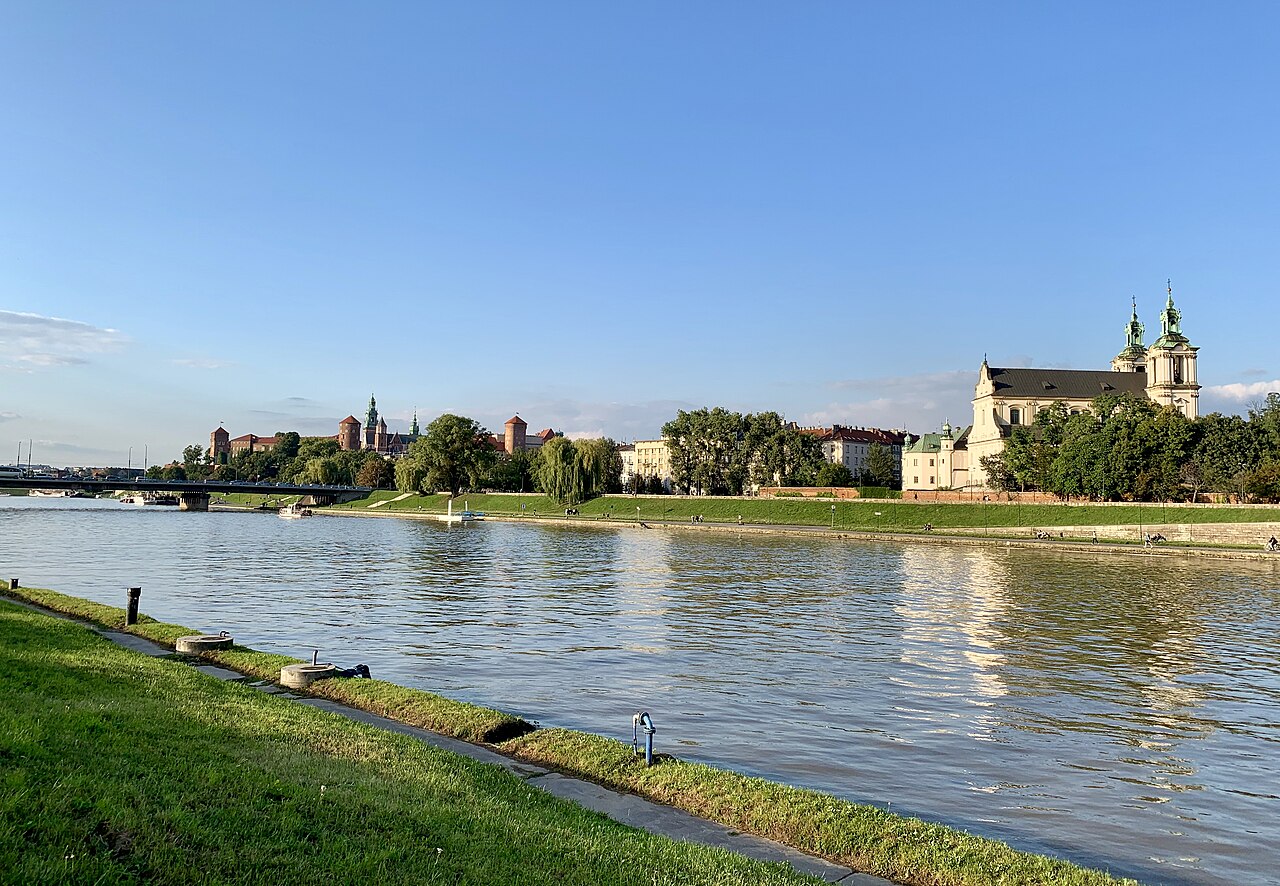
Wawel Castle
Wawel 5, 31-001 Kraków, Poland
Renaissance in Kraków: Common Questions
Where can I see Renaissance architecture in Kraków?
Key locations include the Main Market Square, where the Cloth Hall is located, and Wawel Hill, home to Wawel Castle and Wawel Cathedral. St. Florian's Gate and the Palace of Art are also notable examples within the city.
When was Renaissance architecture prominent in Kraków?
Renaissance architecture became prominent in Kraków during the late 15th and early 16th centuries, aligning with the city's cultural and economic growth that allowed for significant architectural projects.
What should I look for in Renaissance buildings?
Look for features such as symmetry, proportionality, classical columns, and decorative elements. Buildings like St. Andrew's Church and the Barbican showcase these characteristics, reflecting the transition from Gothic to Renaissance style.
How does Renaissance architecture in Kraków compare to that in other cities?
Kraków’s Renaissance architecture reflects a blend of local materials and styles, incorporating brick and stone in unique ways. This contrasts with other cities, such as Florence, where the use of marble is more prevalent. Each location has its distinct interpretation.
Can I visit these Renaissance buildings?
Yes, many Renaissance buildings in Kraków, such as the Cloth Hall and Wawel Castle, are open to the public. Some may have specific visiting hours or require tickets, so it's advisable to check in advance.