Renaissance Architecture in Bruges
Explore 7 renaissance buildings that shape Bruges's architectural identity
Renaissance architecture in Bruges emerged during a period marked by economic prosperity and cultural revival, particularly from the late 15th to the early 17th century. The city, known for its thriving trade, attracted artists and architects who embraced the principles of symmetry, proportion, and classical beauty that characterized the Renaissance. This architectural style can be observed in several key buildings across Bruges, particularly in the historic center.
One notable example is the Church of Our Lady Bruges, where the integration of decorative elements and balanced proportions reflects the era's humanist ideals. The church's intricate façade and use of sculptures exemplify how Bruges architects began to adopt Renaissance aesthetics while still honoring Gothic traditions.
Another significant structure is Brugse Vrije, which showcases vibrant decorative motifs and classical symmetry, embodying the spirit of Renaissance architecture. The building's façade serves as a visual representation of Bruges’ wealth and cultural ambitions during this transformative time. Nearby, the Basilica of the Holy Blood also incorporates Renaissance influences, particularly in its embellished columns and carefully designed friezes that merge historical reverence with the stylistic innovations of the period.
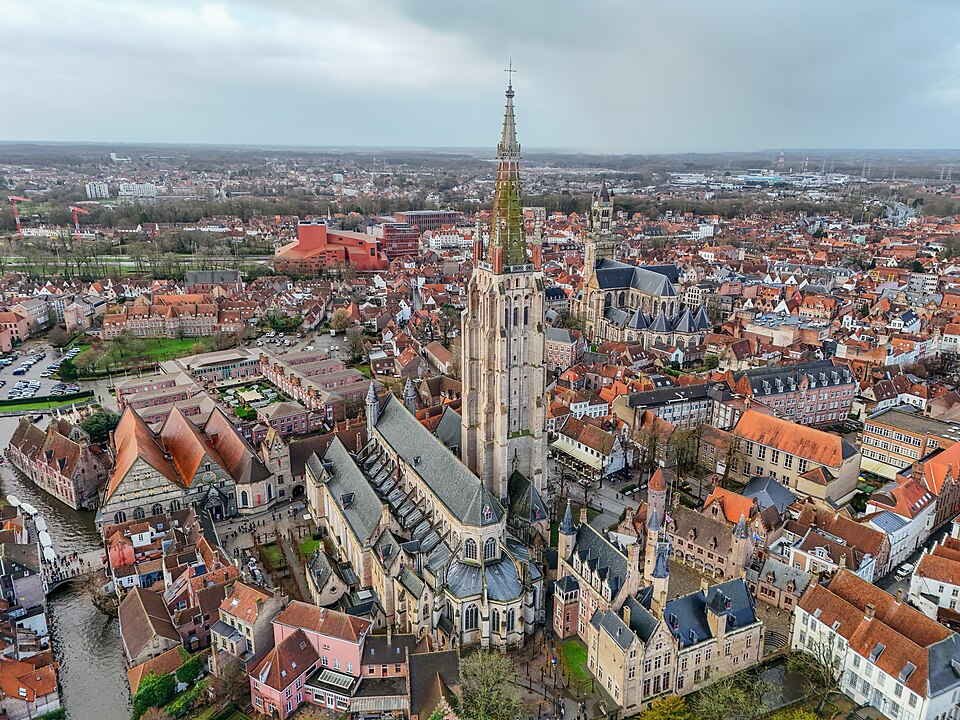
Church of Our Lady Bruges
Mariastraat, 8000 Brugge, Belgium
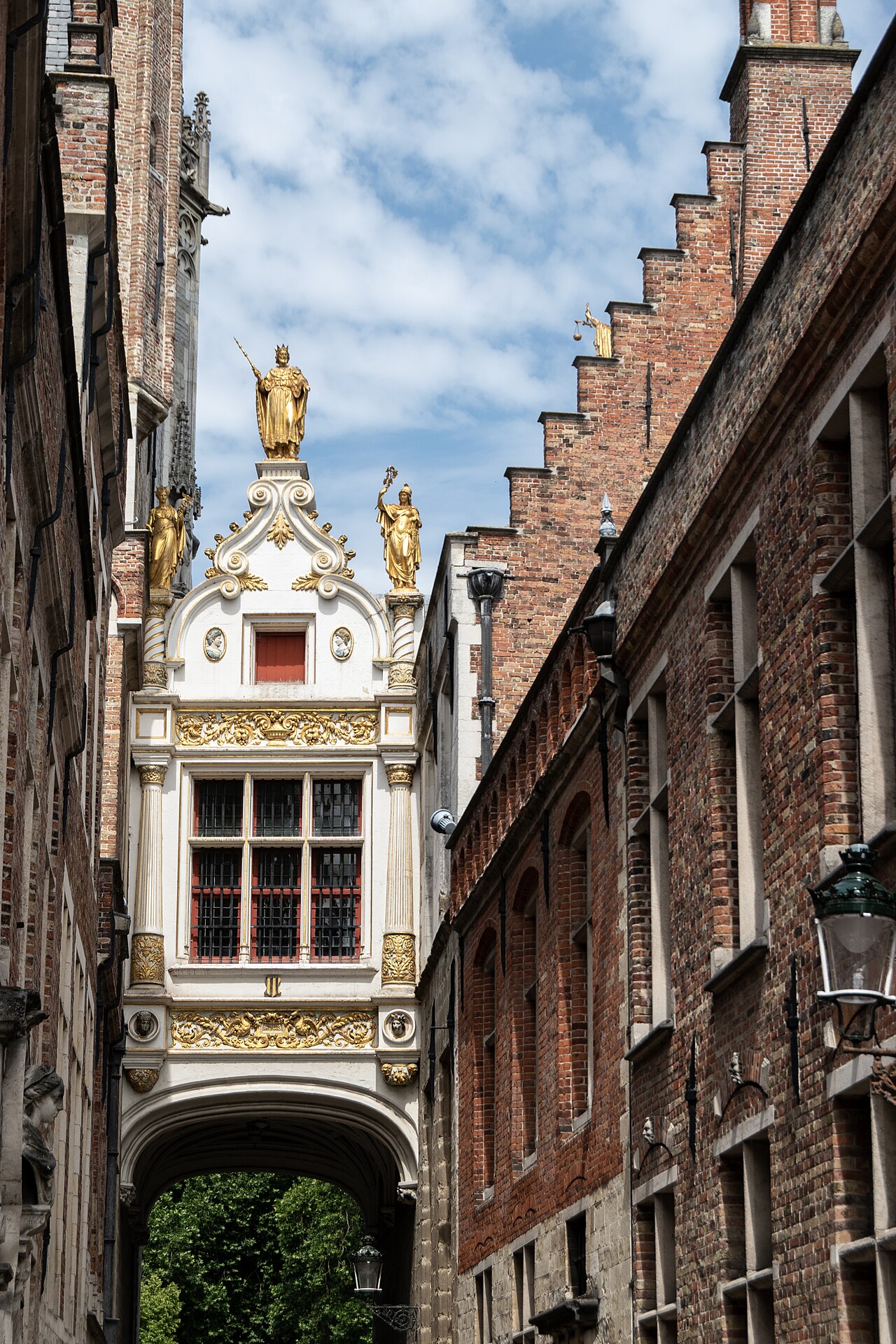
Brugse Vrije
Burg 11A, 8000 Brugge, Belgium
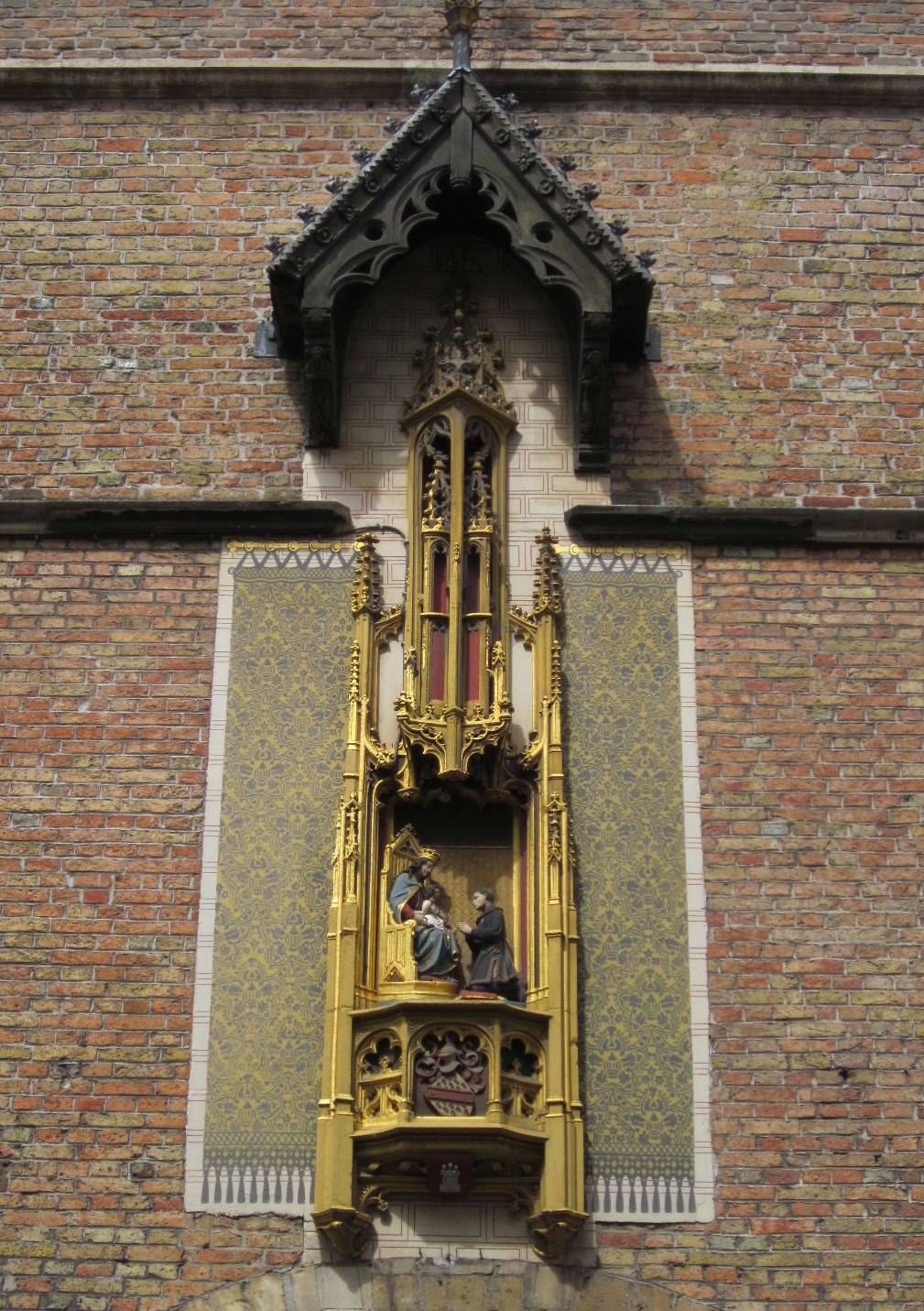
Hof Bladelin
Naaldenstraat 19, 8000 Brugge, Belgium
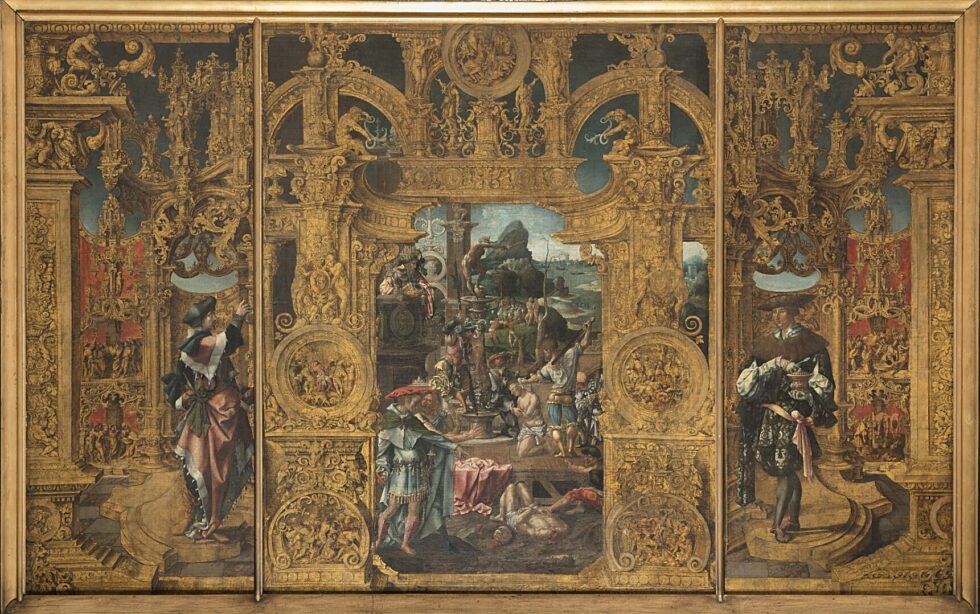
Sint-Jakobskerk
Sint-Jakobsplein, 8000 Brugge, Belgium
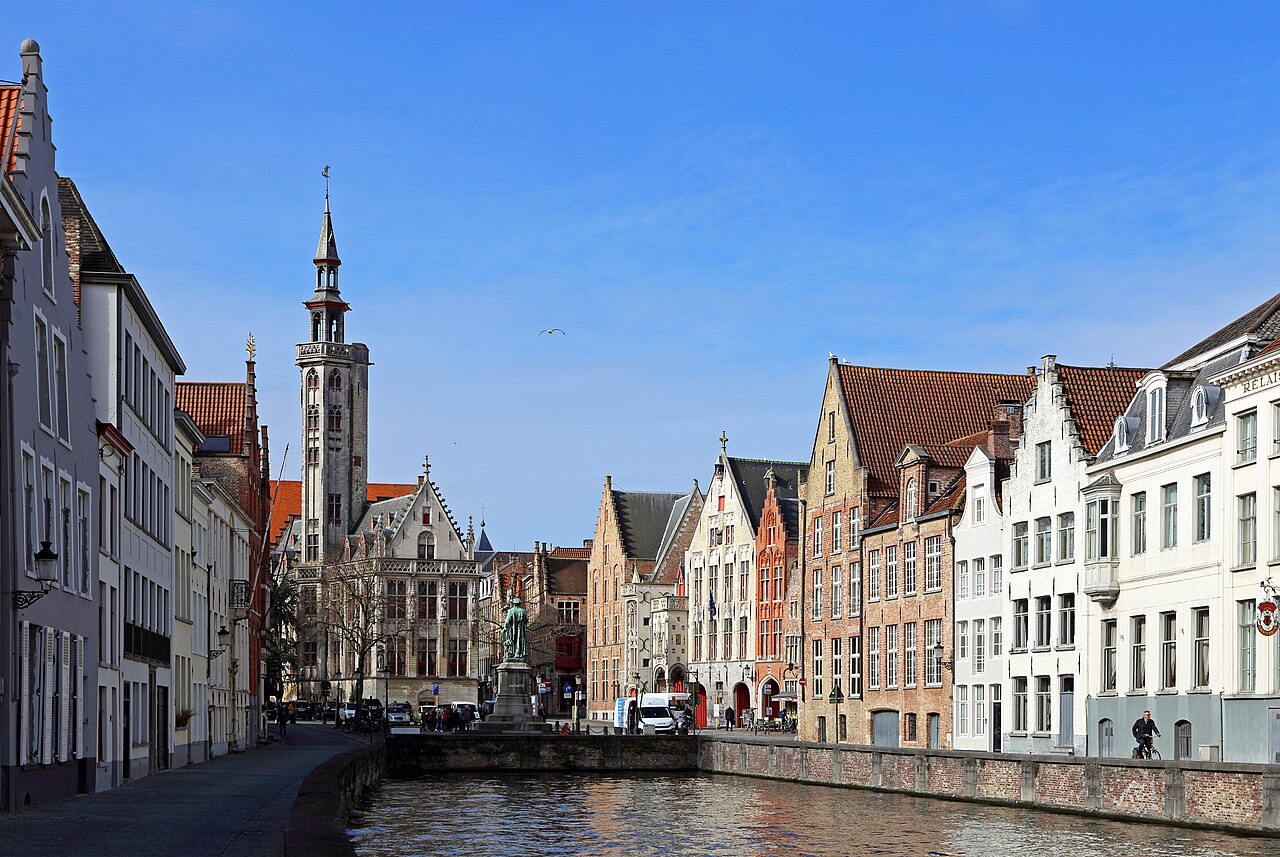
Jan Van Eyckplein Tolhuis
Jan van Eyckplein, 8000 Brugge, Belgium
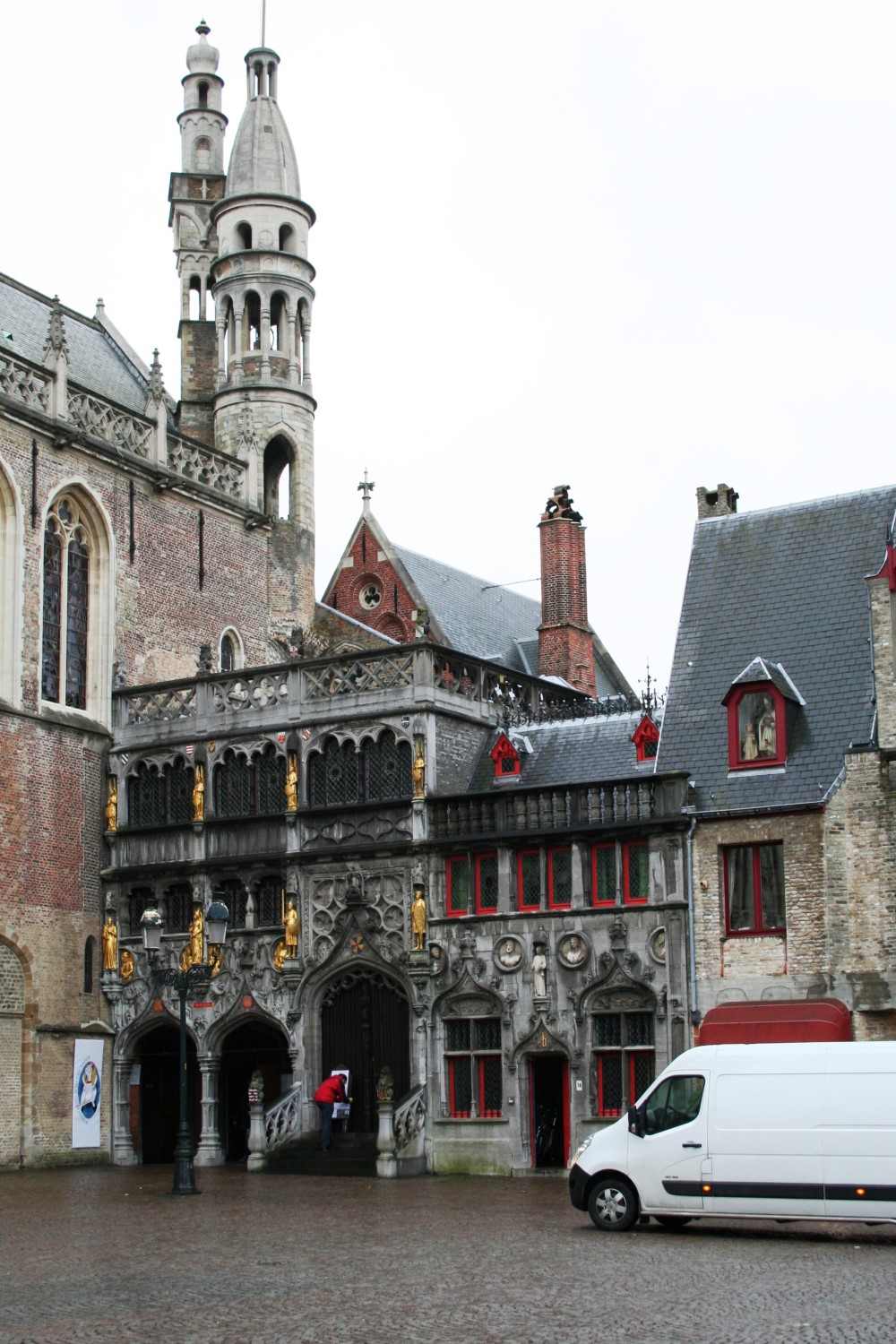
Basilica of the Holy Blood
Burg 13, 8000 Brugge, Belgium
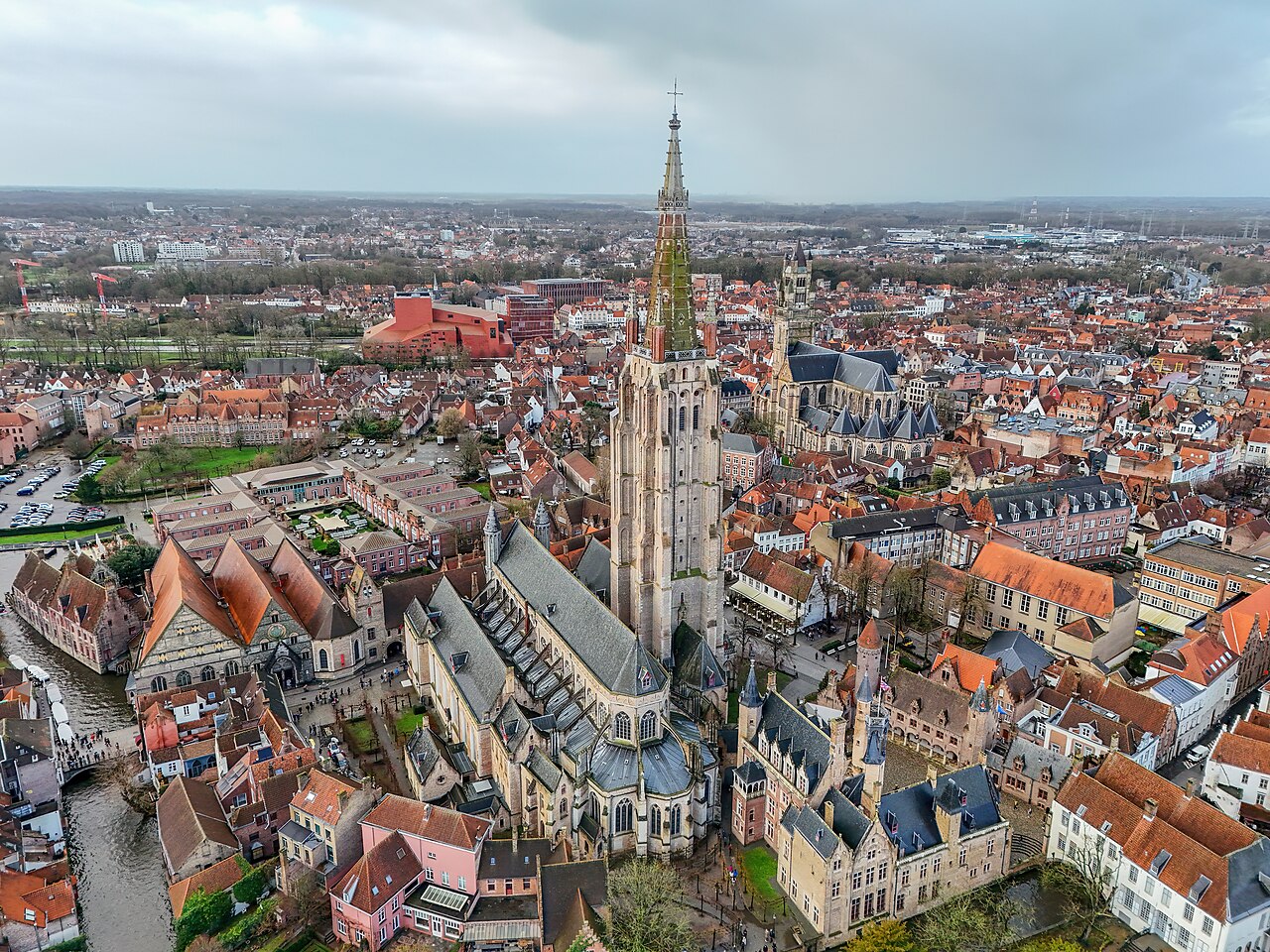
Church of Our Lady Bruges
Mariastraat, 8000 Brugge, Belgium
Renaissance in Bruges: Common Questions
Where can I see Renaissance architecture in Bruges?
Key locations include the Church of Our Lady, Brugse Vrije, and the Basilica of the Holy Blood. These buildings showcase distinctive Renaissance features and are situated within the city's historic center, making them easily accessible.
When was Renaissance architecture prominent in Bruges?
Renaissance architecture in Bruges flourished primarily from the late 15th century to the early 17th century. This period coincided with significant economic growth and cultural developments in the city.
What should I look for in Renaissance buildings in Bruges?
Look for characteristics such as symmetry, proportion, and classical detailing. For example, the Church of Our Lady features elegant proportions, while Brugse Vrije showcases vibrant decorative elements typical of the Renaissance style.
How does Bruges' Renaissance architecture compare to other cities?
Bruges' Renaissance architecture reflects local influences with unique materials like red brick and elaborate gables. While cities like Antwerp have grander examples, Bruges maintains a distinctive charm with its smaller-scale, intricately detailed buildings.
Can I visit these Renaissance buildings?
Yes, many Renaissance buildings in Bruges, such as the Church of Our Lady and the Basilica of the Holy Blood, are open to the public. Visitors can explore their architectural details and historical significance firsthand.