Baroque Architecture in Bruges
Explore 3 baroque buildings that shape Bruges's architectural identity
Baroque architecture emerged in Bruges during the late 16th and early 17th centuries, a period marked by economic prosperity and cultural flourishing. The city was a significant trading hub, and its affluence allowed for the commissioning of grand architectural works that reflected the wealth and influence of its citizens. This style is characterized by its dramatic use of light, intricate detailing, and dynamic forms, which can be seen throughout various neighborhoods in Bruges.
One of the most notable examples of Baroque architecture in Bruges is the Brugse Vrije. Located at Burg 11A, this building showcases exuberant decorative details and a sense of grandeur that is emblematic of the Baroque style. Its rich ornamentation not only serves aesthetic purposes but also symbolizes the authority and cultural significance of the local government.
The Sint-Jakobskerk, situated in Sint-Jakobsplein, further exemplifies Baroque characteristics through its dramatic interplay of light and shadow. The gilded frames and vividly painted scenes within the church enhance its theatrical atmosphere, inviting visitors to experience the intricate craftsmanship that defines this architectural style.
Another remarkable site is the Jan Van Eyckplein Tolhuis, where Flemish Baroque influences manifest in the grand scale and fluid forms of the buildings. The dynamic shapes and elaborate ornamentation create a sense of movement and drama, making this area a focal point for those interested in the Baroque style. Together, these structures contribute to Bruges' unique architectural landscape, reflecting both its historical significance and artistic heritage.
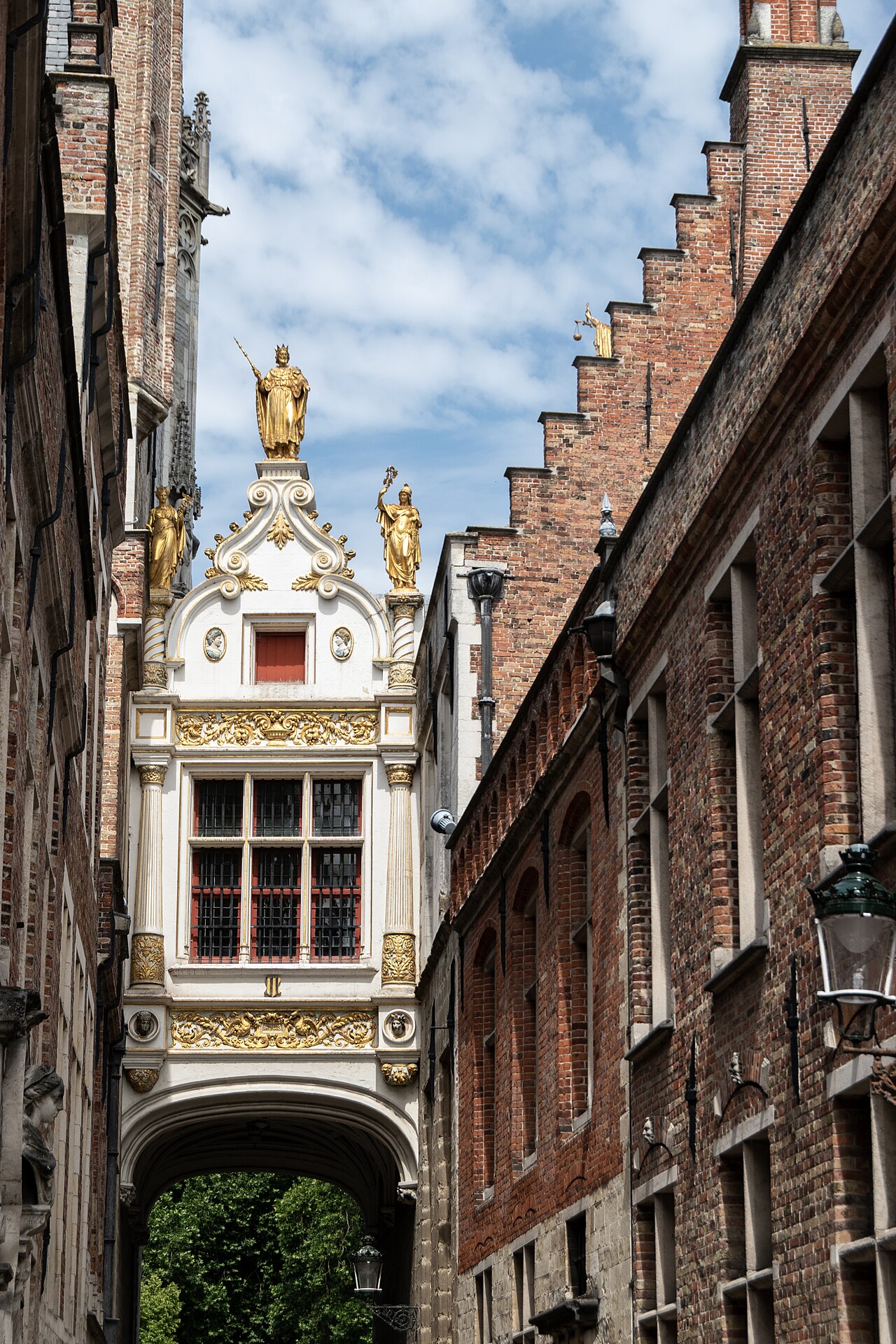
Brugse Vrije
Burg 11A, 8000 Brugge, Belgium
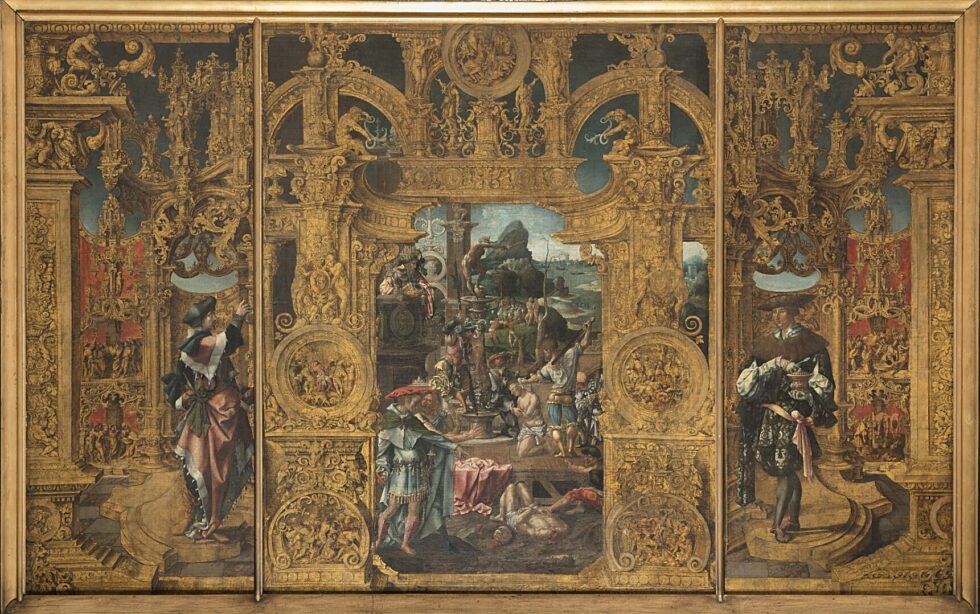
Sint-Jakobskerk
Sint-Jakobsplein, 8000 Brugge, Belgium
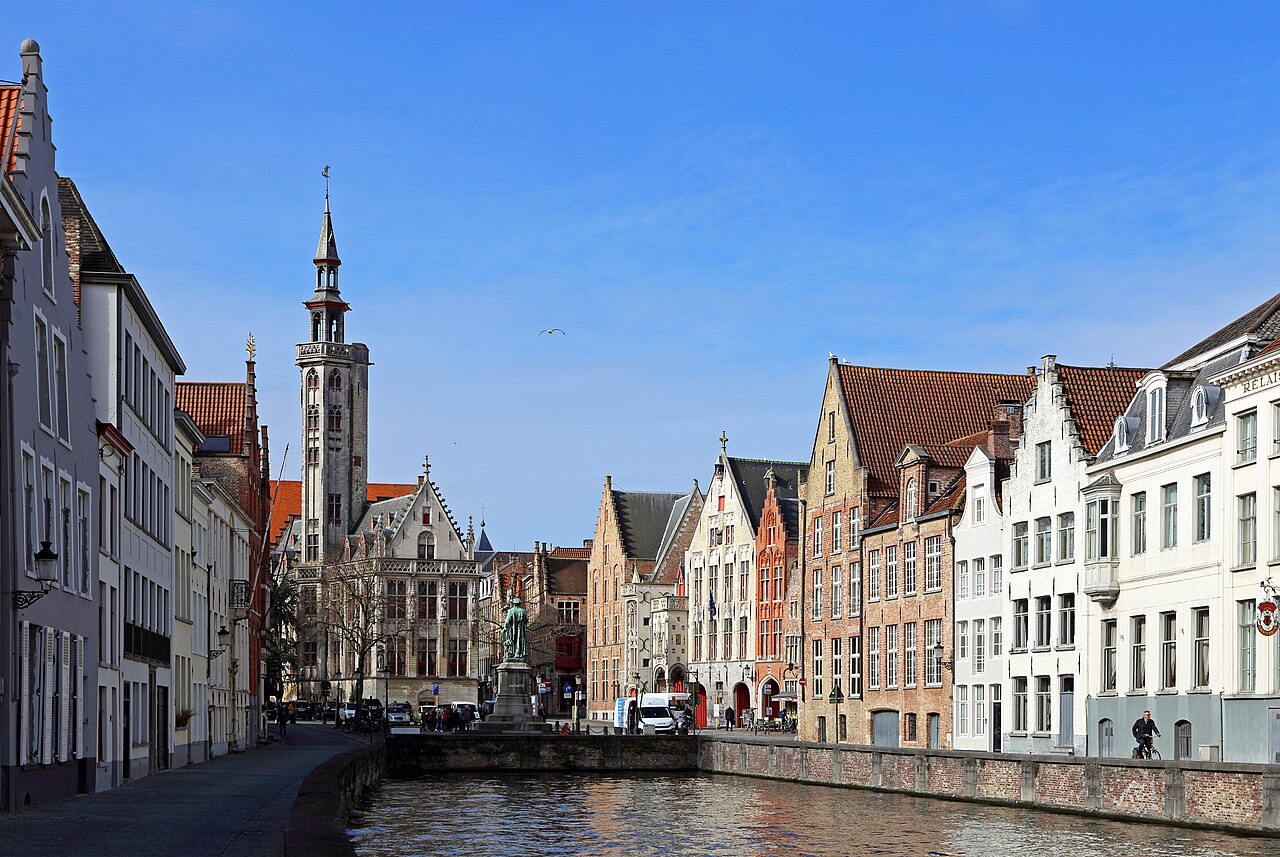
Jan Van Eyckplein Tolhuis
Jan van Eyckplein, 8000 Brugge, Belgium
Baroque in Bruges: Common Questions
Where can I see Baroque architecture in Bruges?
Key sites include Brugse Vrije, Sint-Jakobskerk, and Jan Van Eyckplein Tolhuis. Each showcases distinct Baroque elements and can be explored within the city’s historic center.
When was Baroque architecture prominent in Bruges?
Baroque architecture flourished in Bruges primarily during the late 16th to the 17th centuries, coinciding with the city's economic prosperity and cultural development.
What should I look for in Baroque buildings?
Look for dramatic use of light and shadow, elaborate ornamentation, and dynamic forms. Specific features like gilded frames in Sint-Jakobskerk and the grandeur of Brugse Vrije are excellent examples.
How does Bruges' Baroque style compare to other regions?
Bruges' Baroque architecture incorporates local Flemish influences, emphasizing fluid forms and intricate detailing, which can differ from the more ornate styles seen in cities like Brussels or Vienna.
Can I visit these Baroque buildings?
Yes, Brugse Vrije and Sint-Jakobskerk are accessible to visitors. Jan Van Eyckplein Tolhuis is in a public square, allowing for exploration of its exterior and surroundings.