Romanesque Architecture in Bruges
Explore 9 romanesque buildings that shape Bruges's architectural identity
The emergence of Romanesque architecture in Bruges is rooted in the city's economic prosperity during the 11th and 12th centuries. As Bruges became a significant trading hub, the demand for durable and impressive structures rose. Romanesque architecture, characterized by its heavy stonework and rounded arches, offered both strength and aesthetic appeal, making it a favored style for ecclesiastical and civic buildings.
Among the notable examples, the Holy Saviour Cathedral stands out with its robust appearance and vertical tower, which reflects the Romanesque emphasis on solidity. The cathedral's rounded arches provide a sense of permanence, embodying the architectural ethos of the period. Similarly, the Memling Museum, originally a hospital, showcases Romanesque characteristics, particularly in its earlier sections where thick walls and rounded arches create a strong foundation for the building.
The Belfry of Bruges, a monumental bell tower, serves as a prominent symbol of the city and illustrates the transition from Romanesque to Gothic architecture with its sturdy base and intricate upper sections. This blend of styles is typical in Bruges, where Romanesque elements continue to influence the design of numerous structures, particularly in areas like the Markt and Peperstraat.
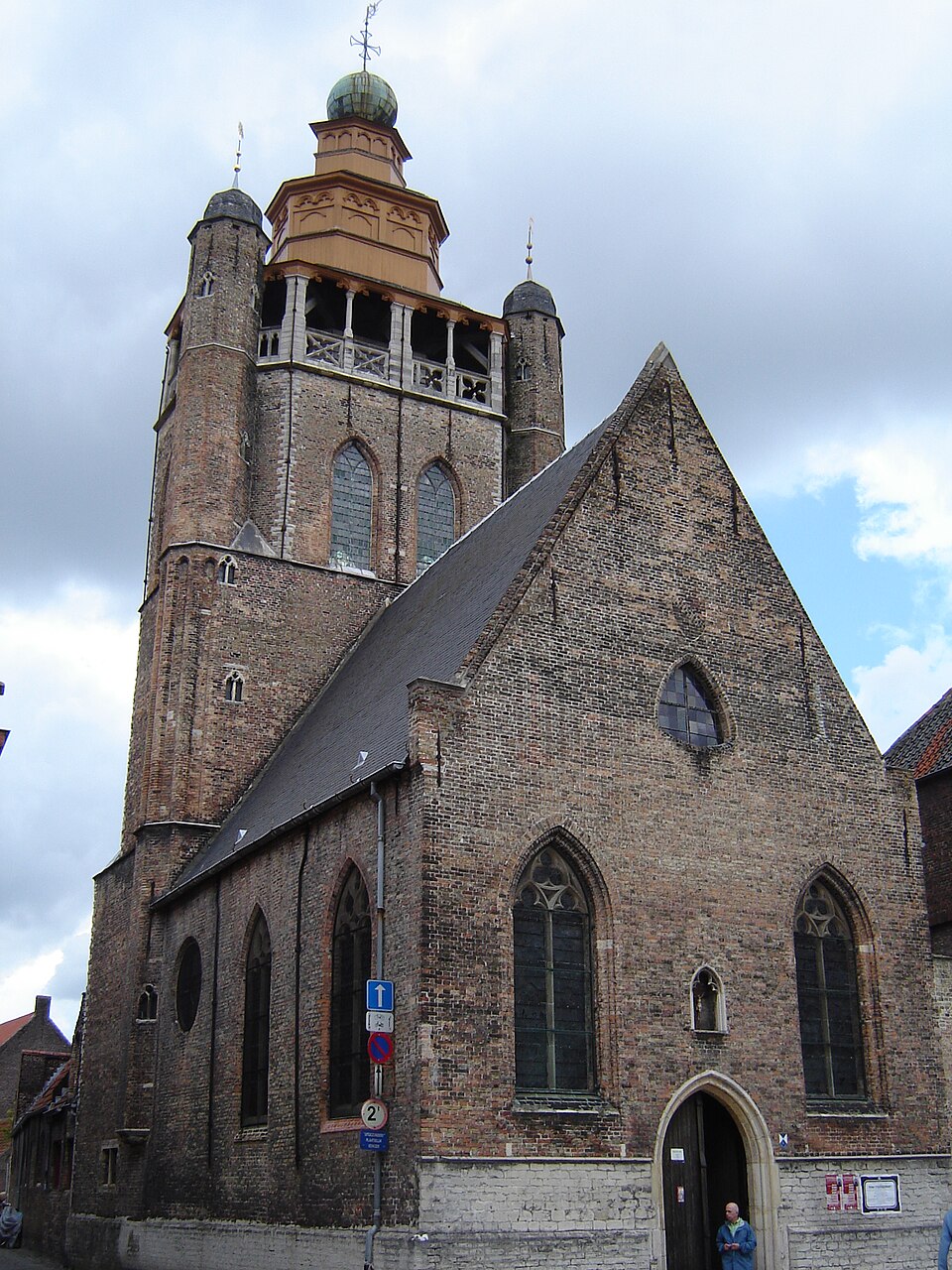
Jerusalem Chapel Bruges
Peperstraat 3A, 8000 Brugge, Belgium
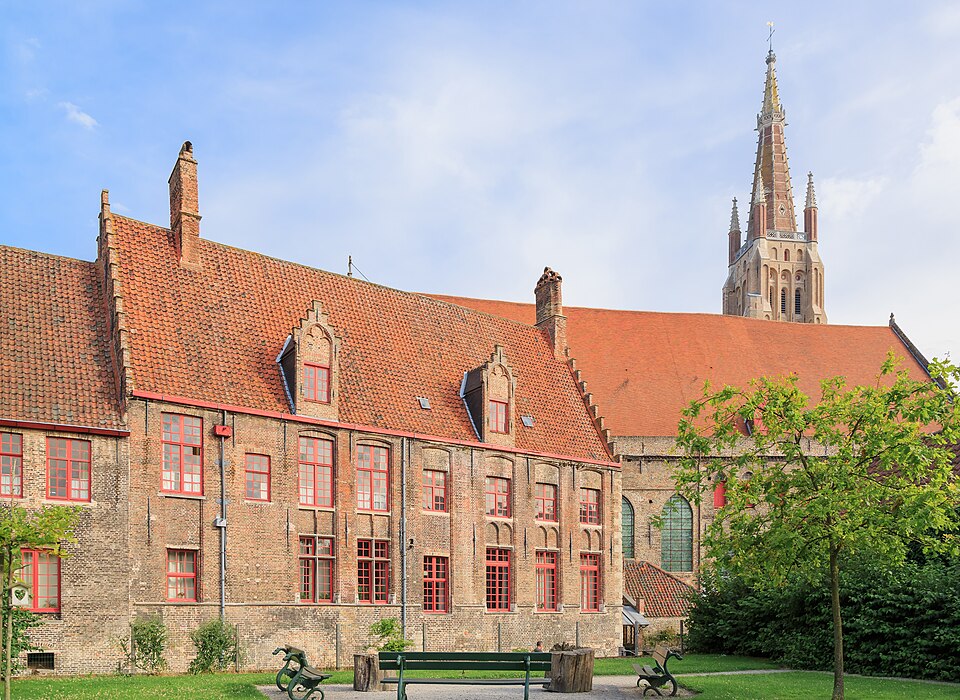
Memling Museum
Mariastraat 38, 8000 Brugge, Belgium
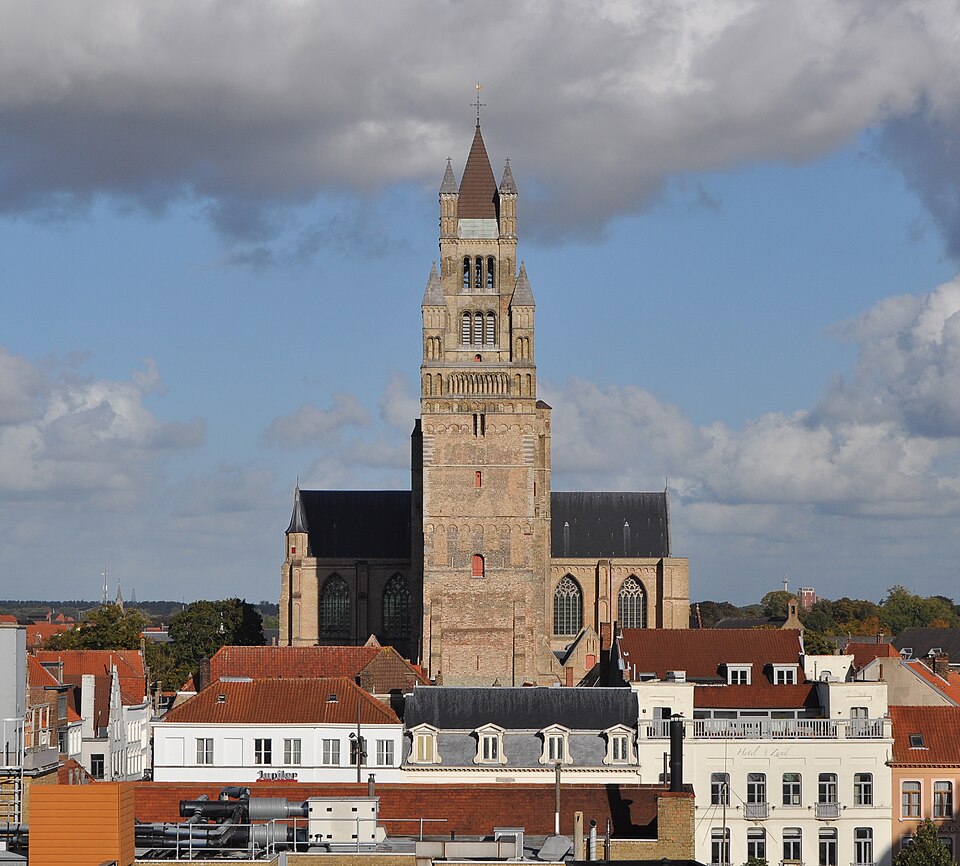
Holy Saviour Cathedral
Steenstraat 1, 8000 Brugge, Belgium
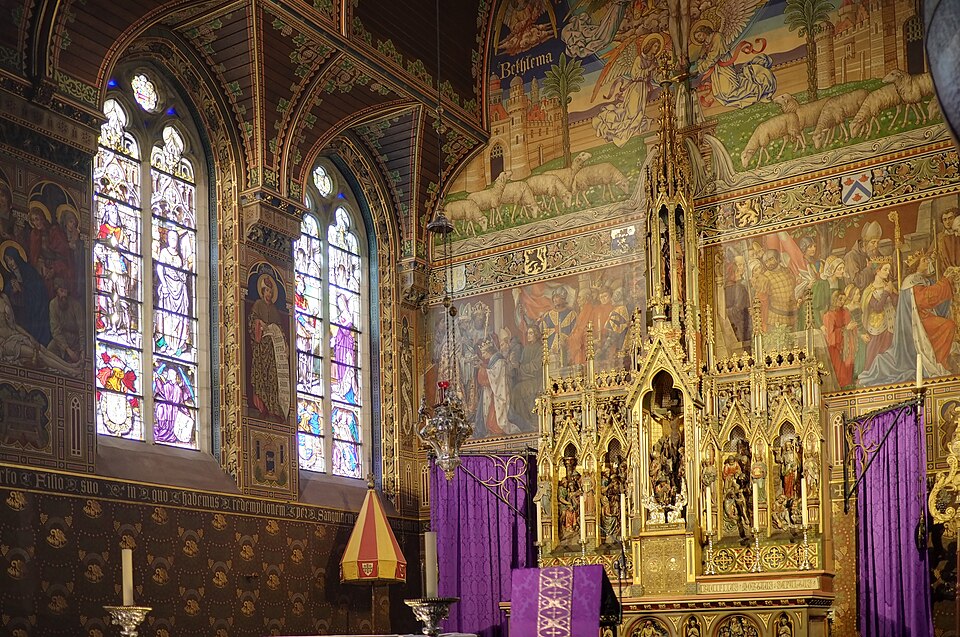
Basilica of the Holy Blood
Burg 13, 8000 Brugge, Belgium
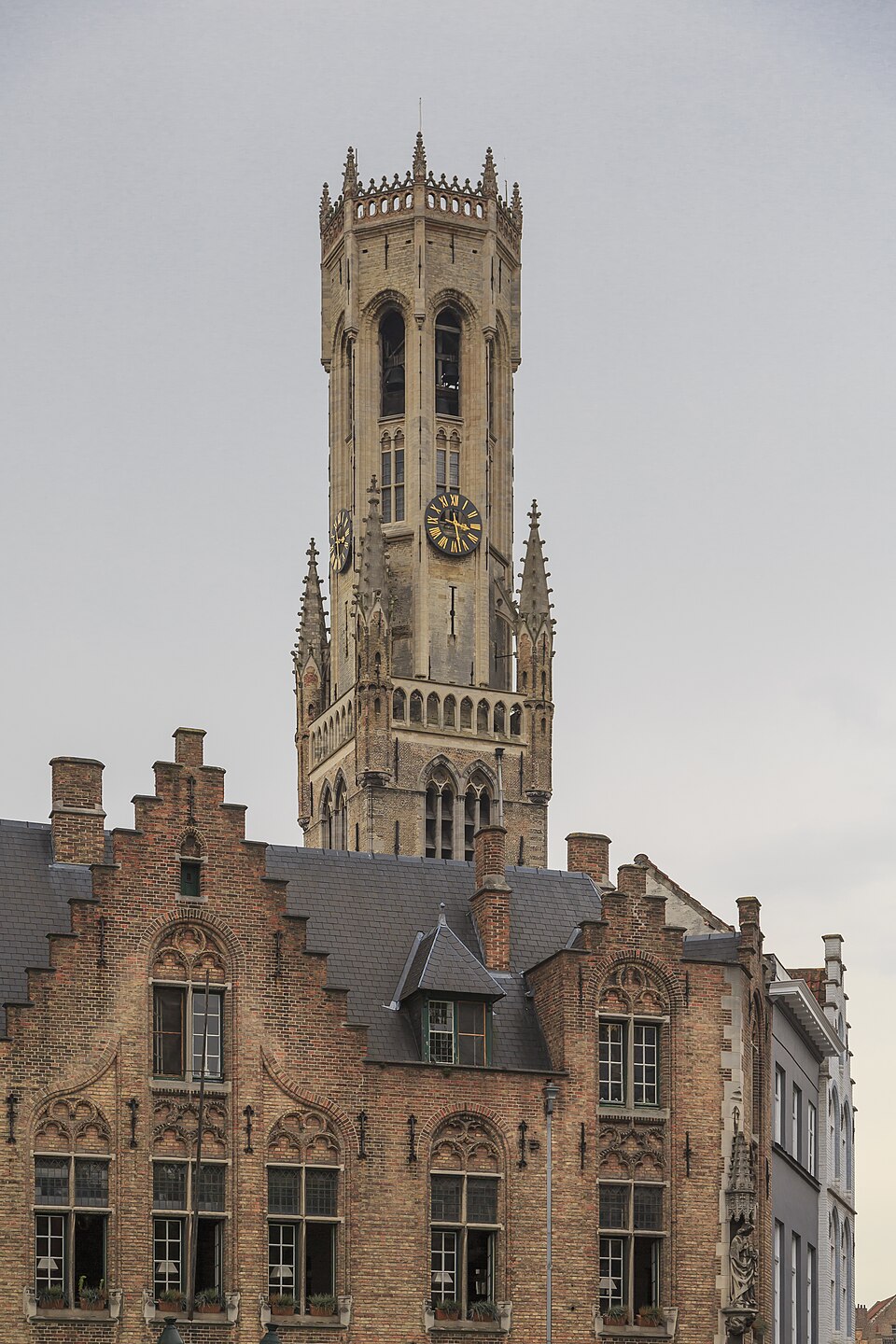
Belfry of Bruges
Markt 7, 8000 Brugge, Belgium
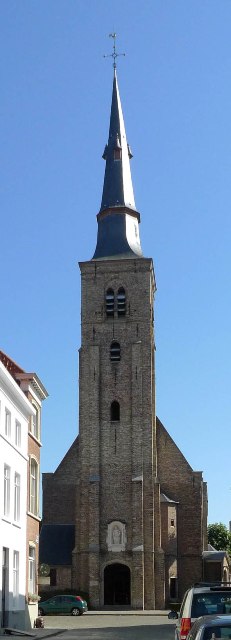
Sint-Annakerk
Sint-Annaplein, 8000 Brugge, Belgium
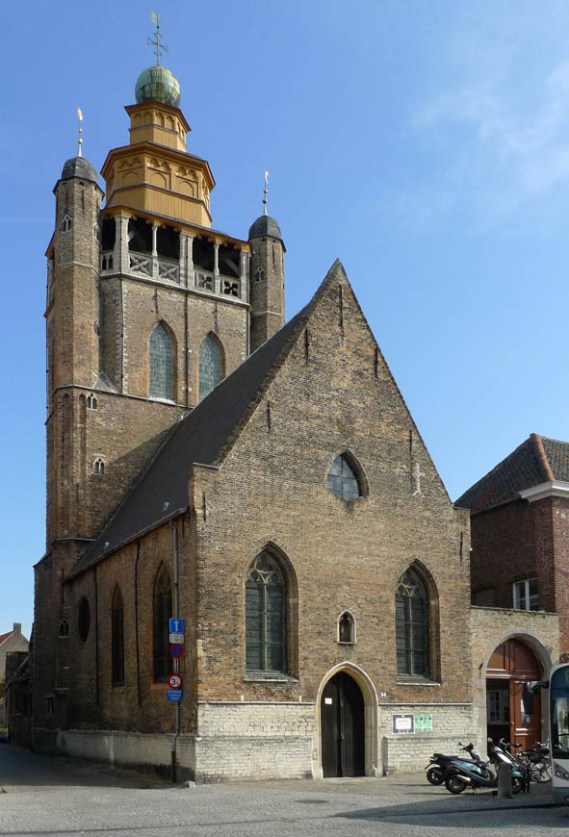
Jeruzalemkerk
Peperstraat 3, 8000 Brugge, Belgium
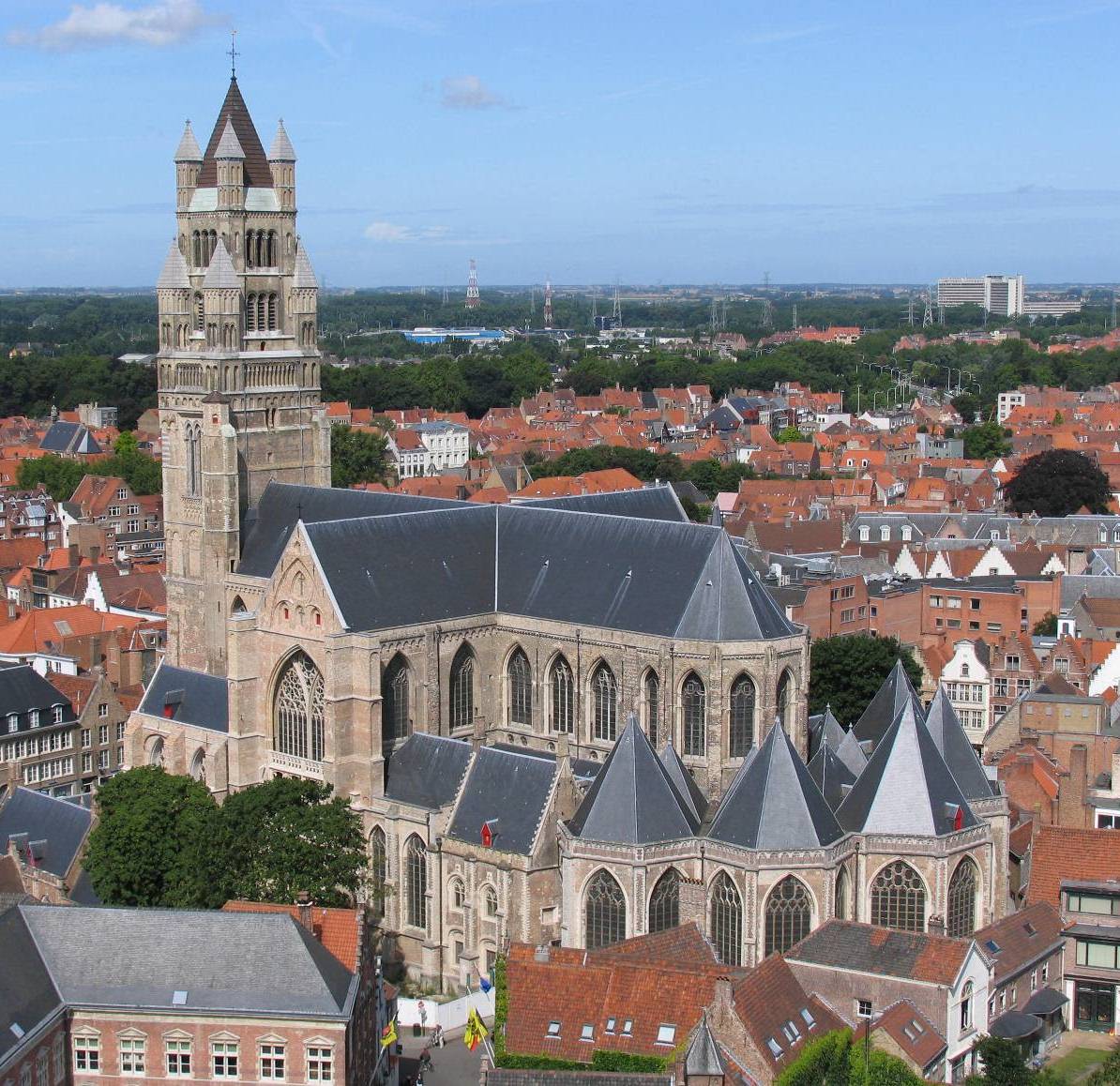
Sint-Salvatorskathedraal
Sint-Salvatorskoorstraat 8, 8000 Brugge, Belgium
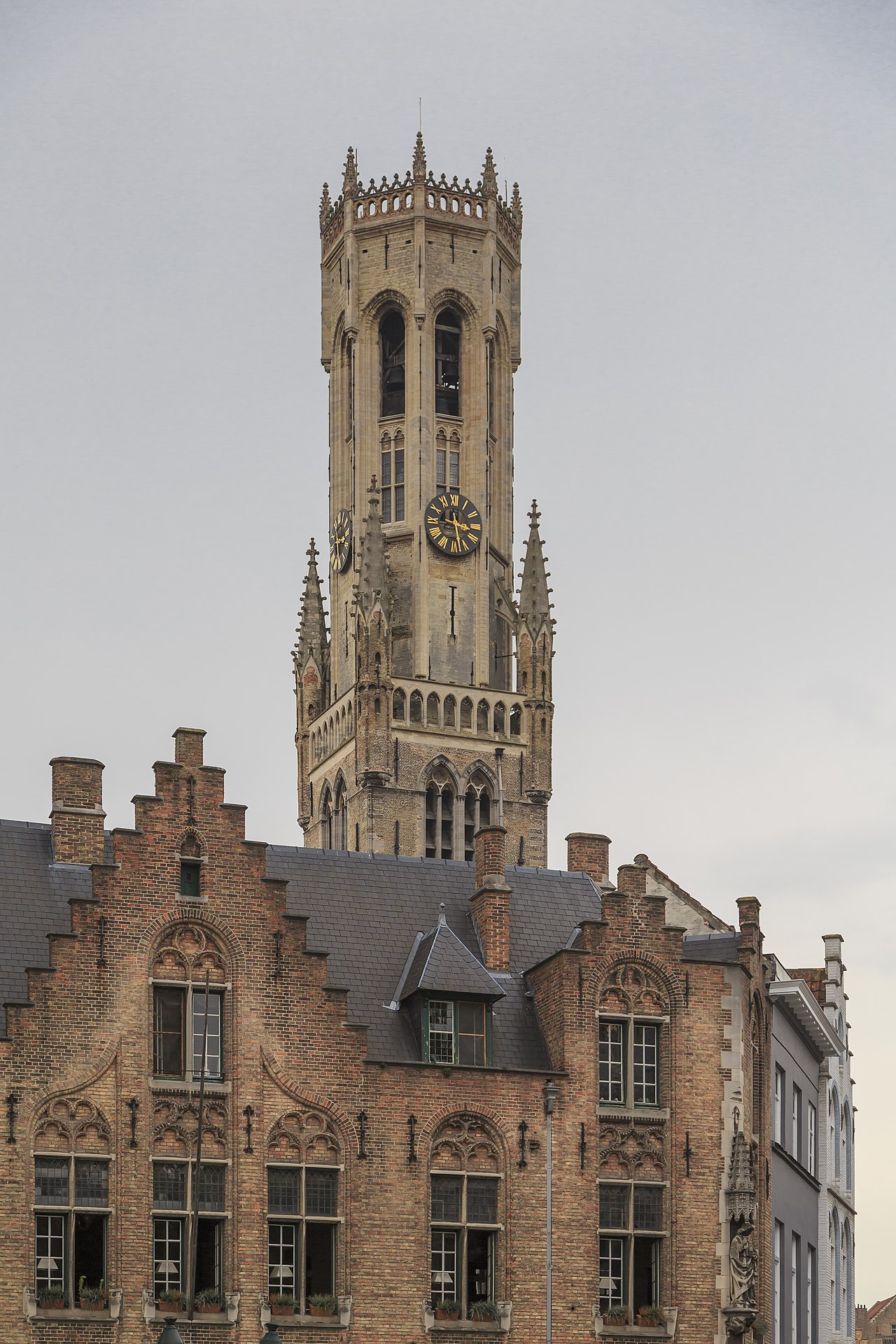
Belfry of Bruges
Markt 7, 8000 Brugge, Belgium
Romanesque in Bruges: Common Questions
Where can I see Romanesque architecture in Bruges?
Key locations include the Holy Saviour Cathedral, the Memling Museum, and the Belfry of Bruges. Each features distinct Romanesque elements such as rounded arches and thick walls.
When was Romanesque architecture prevalent in Bruges?
Romanesque architecture flourished in Bruges primarily during the 11th and 12th centuries, coinciding with the city's rise as a major trading center.
What should I look for in Romanesque buildings?
Look for characteristics such as thick stone walls, rounded arches, and a robust, solid appearance. These features are notable in buildings like the Sint-Salvatorskathedraal and Jeruzalemkerk.
How does Bruges' Romanesque architecture compare to other regions?
Bruges' Romanesque style shares similarities with other European examples, but it also reflects local materials and construction techniques, giving it a unique character distinct from places like Italy or France.
Can I visit these Romanesque buildings?
Yes, many Romanesque buildings in Bruges, such as the Holy Saviour Cathedral and the Belfry, are open to the public for visits, allowing you to appreciate their architectural significance firsthand.