Baroque Architecture in Kraków
Explore 10 baroque buildings that shape Kraków's architectural identity
The emergence of Baroque architecture in Kraków can be traced back to the late 16th and 17th centuries, a period marked by significant political and religious transformations across Europe. As the Catholic Church sought to reaffirm its influence following the Reformation, cities like Kraków witnessed the construction of grandiose structures that combined ornate aesthetics with a strong emotional appeal. This architectural style was not only a means of religious expression but also a reflection of the city's prosperity during this era.
Kraków's economy flourished, driven by trade, scholarship, and the arts, allowing for the development of intricate buildings that displayed the wealth and artistic ambitions of the time. Notable examples include the Franciscan Church, where elaborate details and dramatic light play create a profound spiritual atmosphere. Similarly, the Church of Saints Peter and Paul showcases dynamic forms and intricate detailing, emphasizing the Baroque fascination with movement and theatricality.
Concentrated primarily in the Old Town and Kazimierz districts, Baroque architecture brings a unique character to Kraków's urban landscape. The Juliusz Słowacki Theatre stands as a prime illustration of this style, with its elaborate ornamentation enhancing the theatrical experience. Other significant structures like Wawel Cathedral display the dramatic use of space and grandeur typical of the Baroque period, aiming to impress both worshipers and visitors alike.
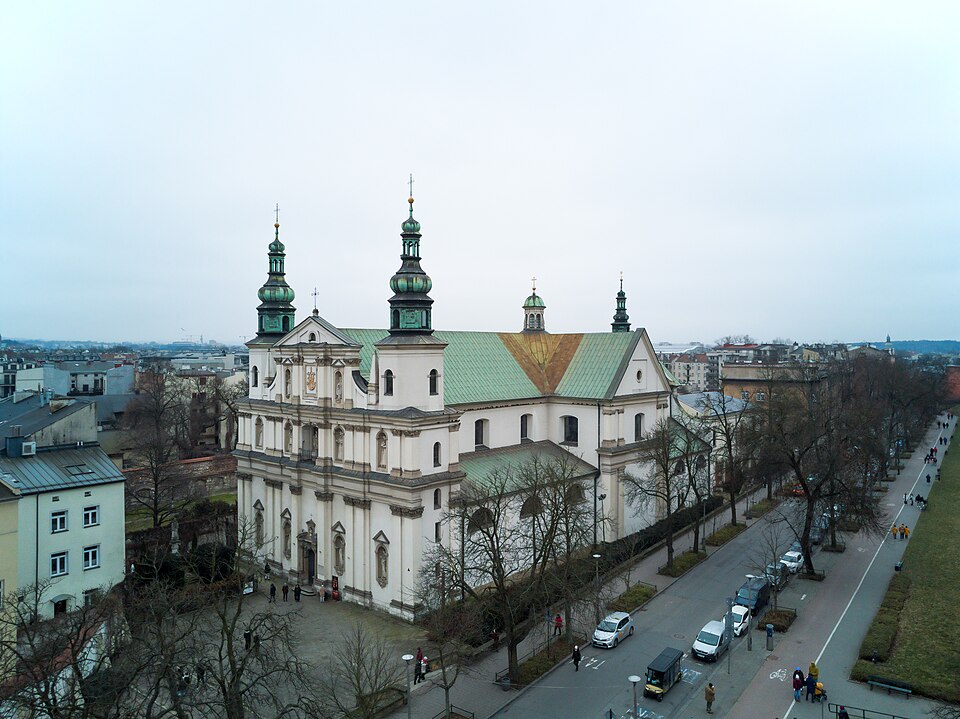
Franciscan Church
Franciszkańska 2, 31-004 Kraków, Poland
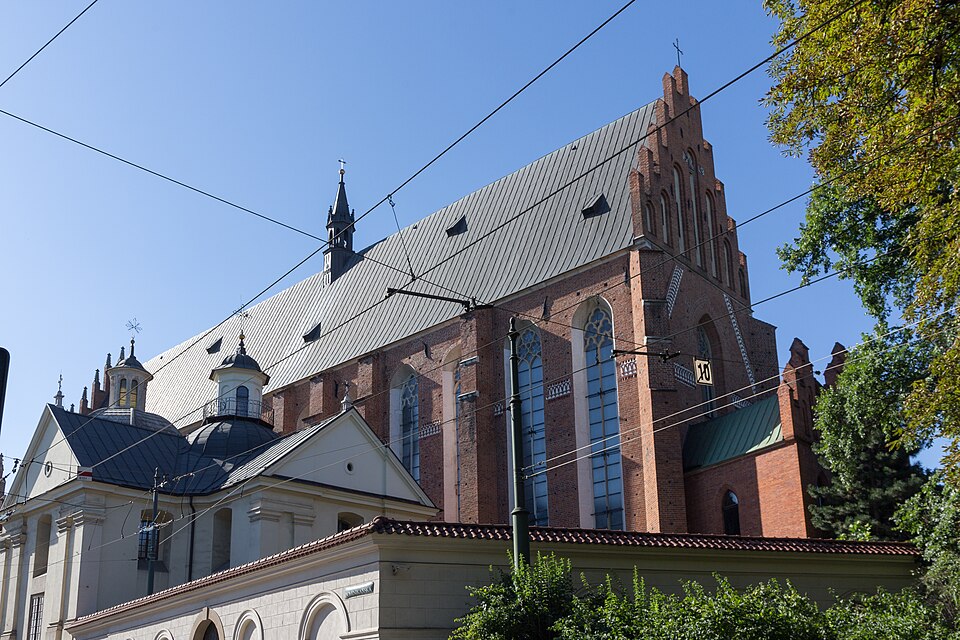
Dominican Church and Monastery
Stolarska 12, 31-043 Kraków, Poland
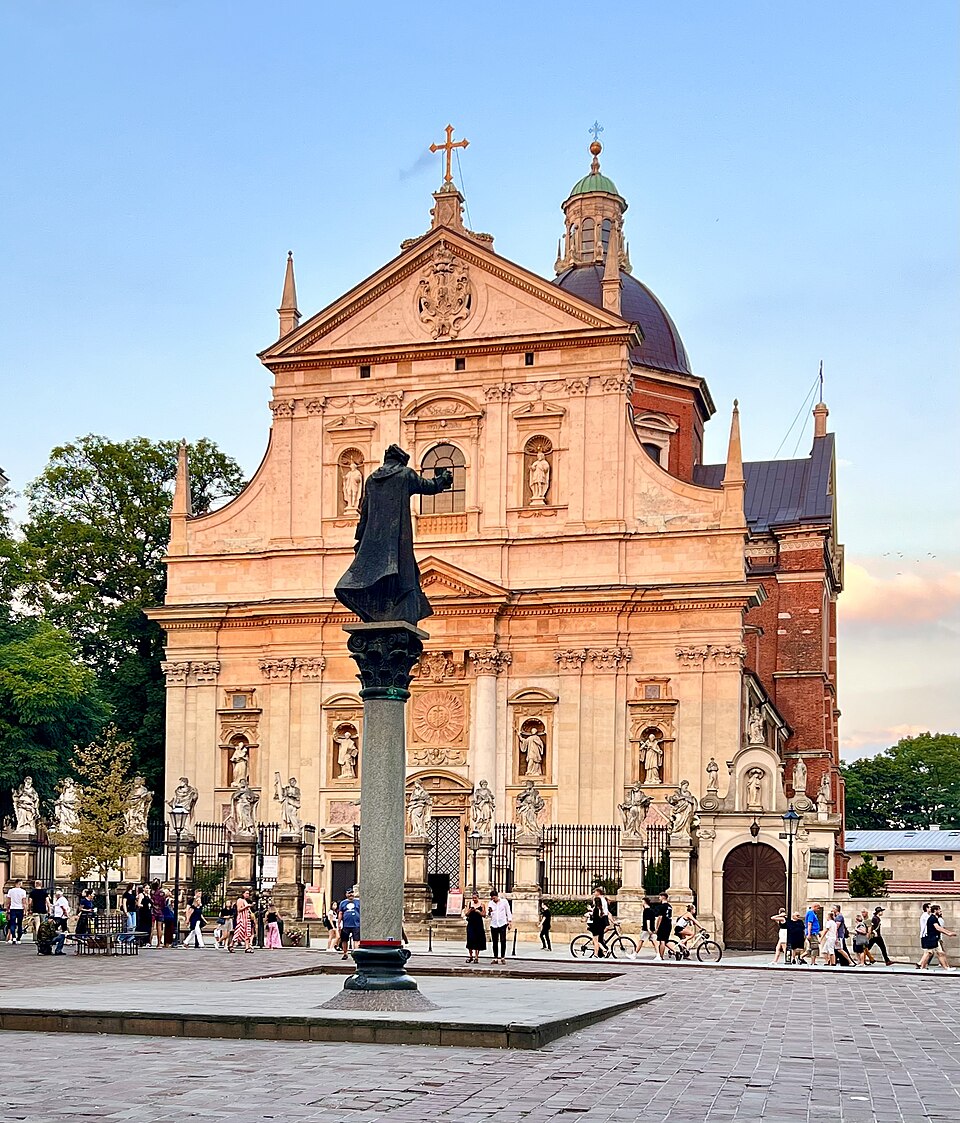
Church of Saints Peter and Paul
Grodzka 52A, 31-044 Kraków, Poland
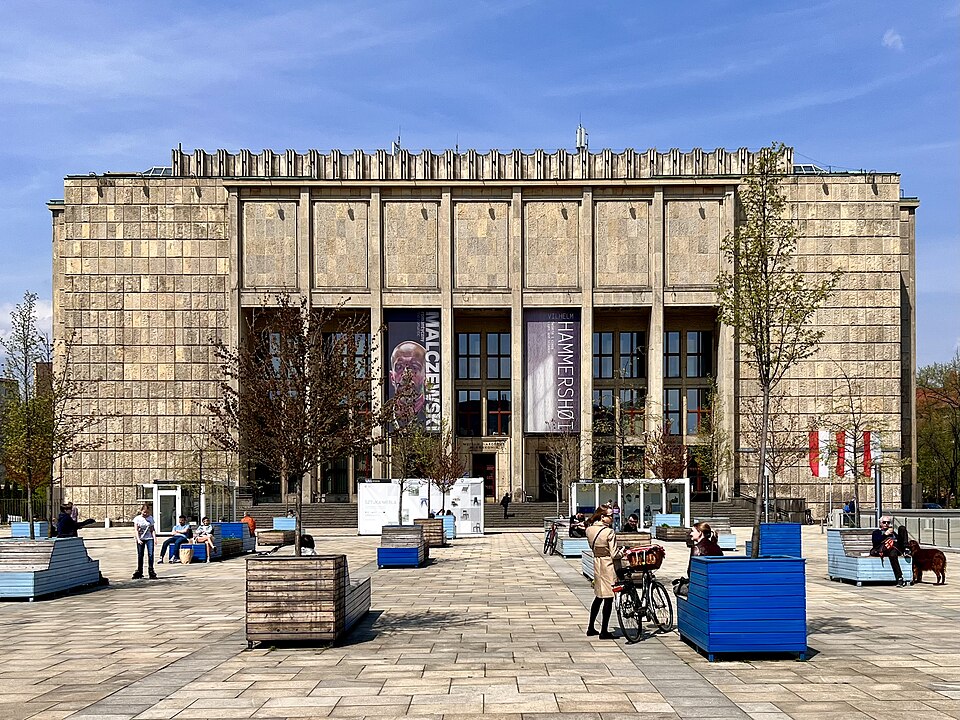
National Museum in Kraków
al. 3 Maja 1, 30-062 Kraków, Poland
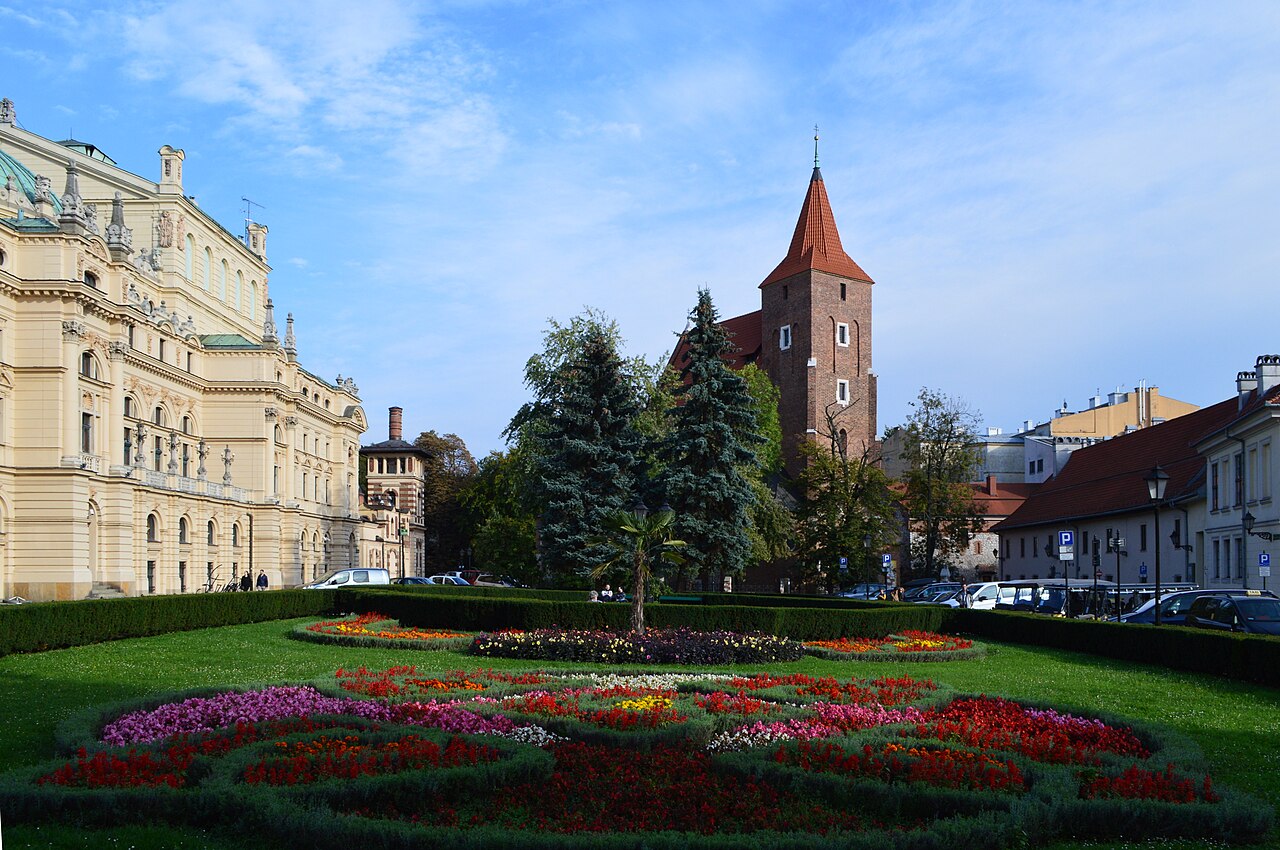
Juliusz Słowacki Theatre
Plac Świętego Ducha 1, 31-023 Kraków, Poland
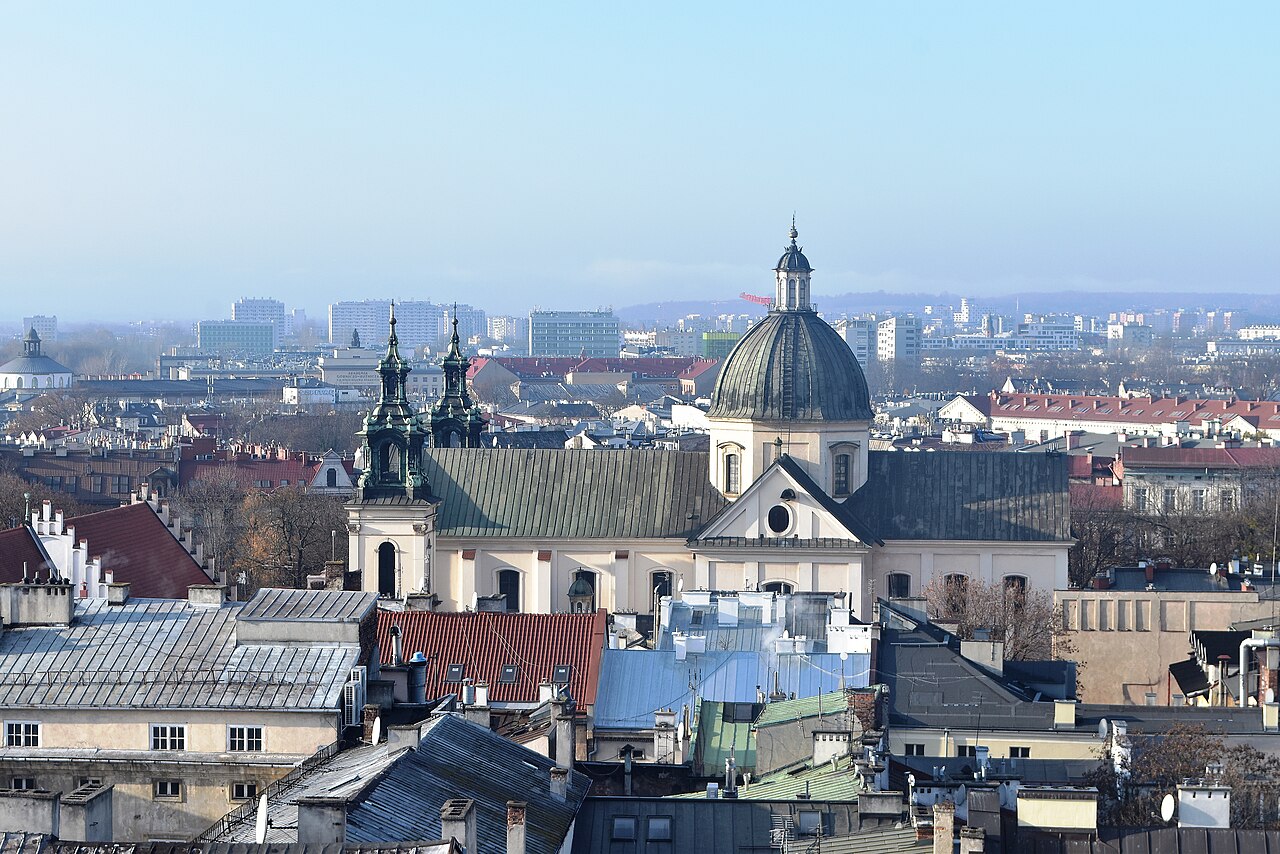
Town Hall Tower, Kraków
Rynek Główny 1, 31-042 Kraków, Poland
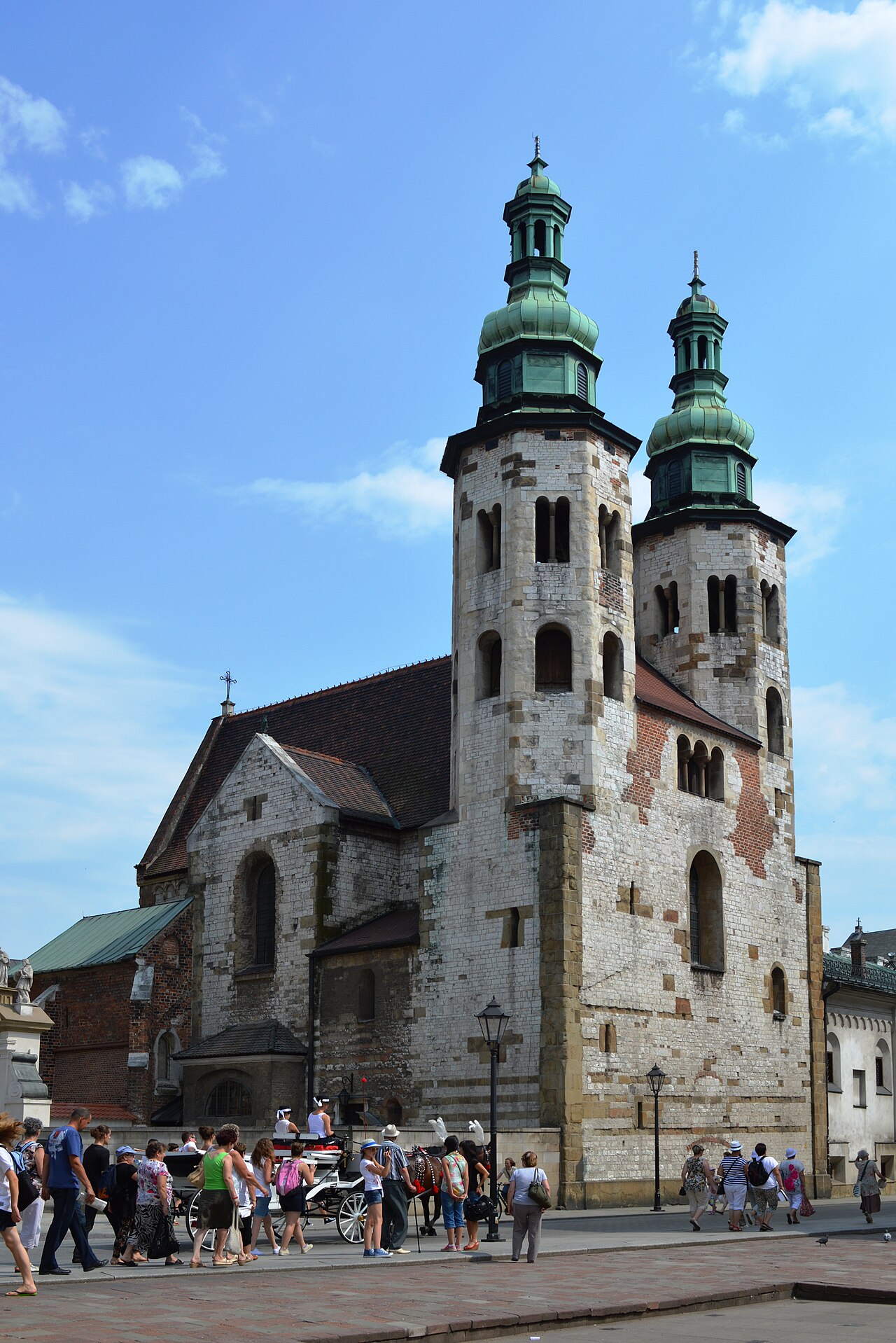
St. Andrew's Church, Kraków
Grodzka 56, 31-044 Kraków, Poland
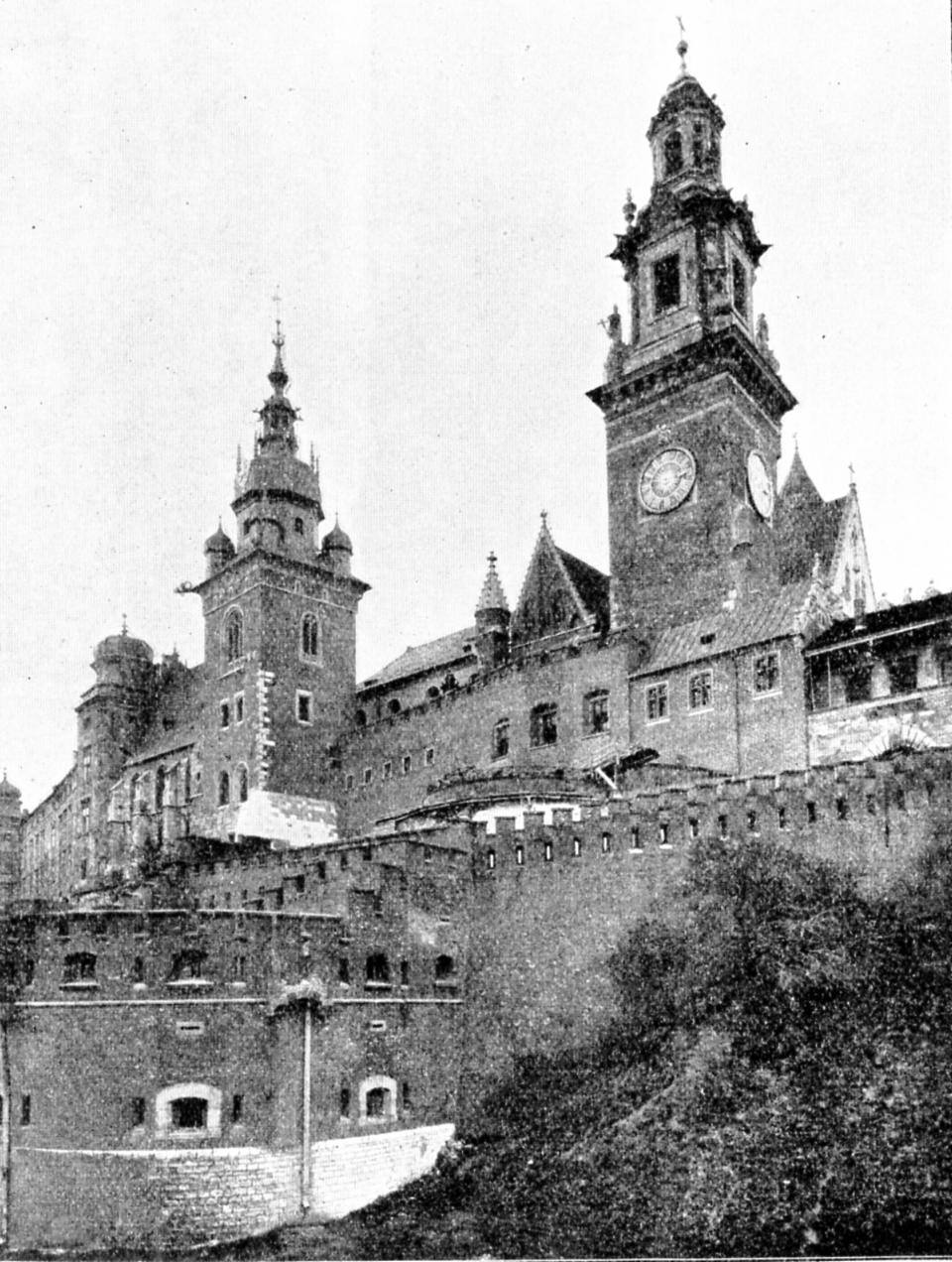
Wawel Cathedral
Wawel 3, 31-001 Kraków, Poland
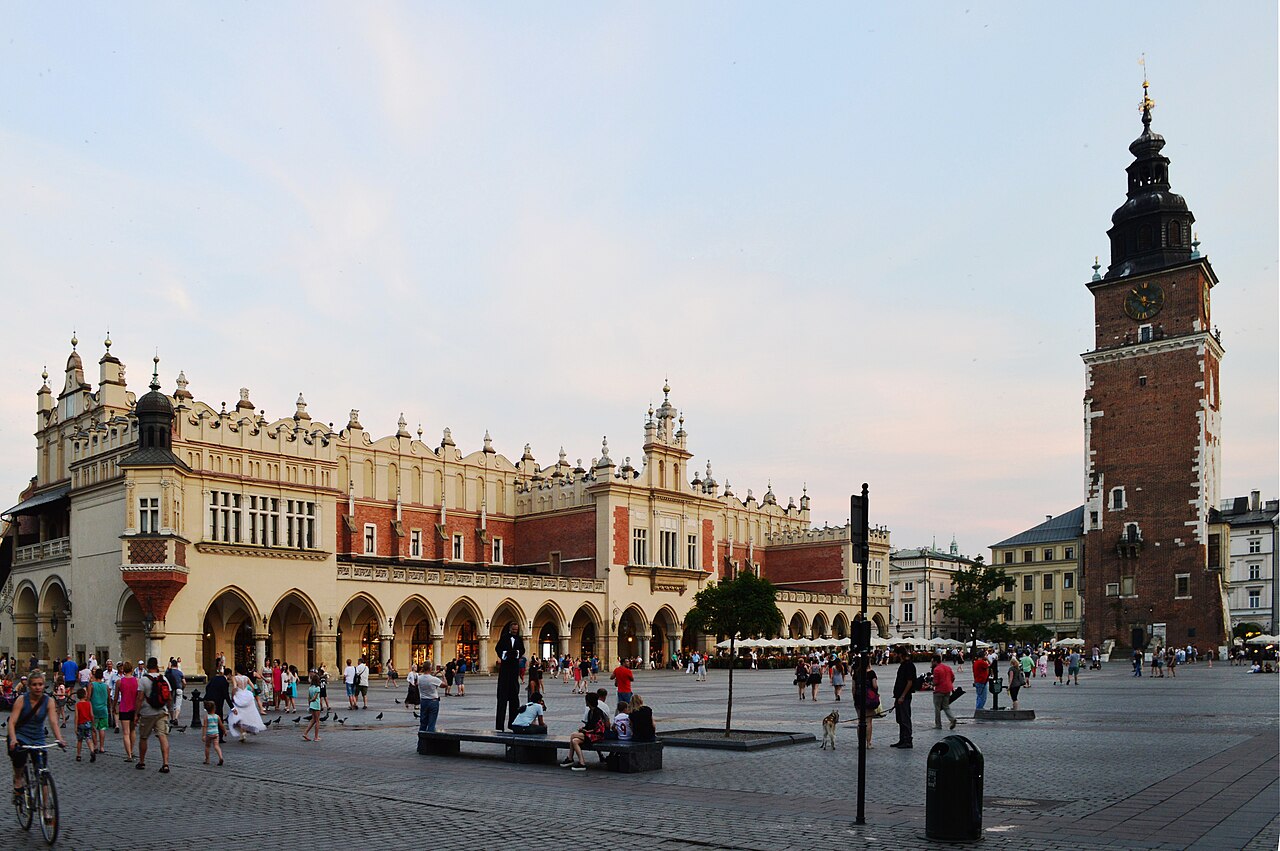
Cloth Hall
Rynek Główny 1/3, 31-042 Kraków, Poland
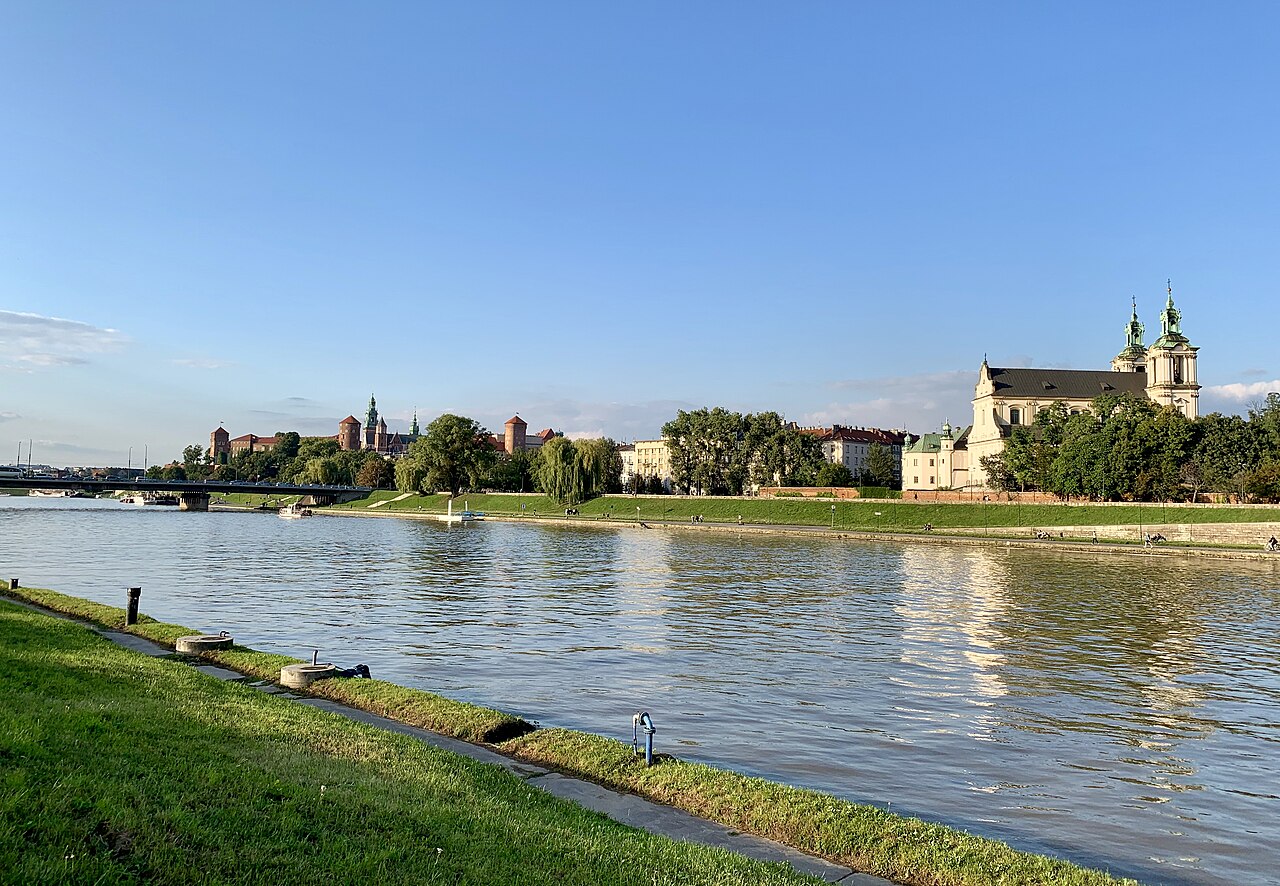
Wawel Castle
Wawel 5, 31-001 Kraków, Poland
Baroque in Kraków: Common Questions
Where can I see Baroque architecture in Kraków?
Key locations include the Old Town and Kazimierz districts, where you can find notable examples like the Franciscan Church and the Church of Saints Peter and Paul. The Juliusz Słowacki Theatre and Wawel Cathedral also showcase the distinctive characteristics of Baroque architecture.
When was Baroque architecture prominent in Kraków?
Baroque architecture in Kraków flourished primarily during the late 16th to the 17th centuries. This period coincided with the Counter-Reformation, when the Catholic Church commissioned many grand structures to convey its power and influence.
What should I look for in Baroque buildings?
Look for dramatic expressions, intricate detailing, and dynamic forms. Buildings like the National Museum and Wawel Cathedral feature ornate facades, grand staircases, and a strong emphasis on light and shadow that enhances their emotional impact.
How does Kraków's Baroque architecture compare to other cities?
Kraków's Baroque architecture is characterized by its integration of local materials and craftsmanship, resulting in a unique regional expression. While cities like Warsaw and Prague also showcase Baroque styles, Kraków's structures, such as the Cloth Hall, offer distinctive decorative elements that reflect local traditions.
Can I visit these Baroque buildings?
Yes, many Baroque buildings in Kraków are open to the public. For instance, the Franciscan Church and the Church of Saints Peter and Paul welcome visitors, while the Juliusz Słowacki Theatre offers performances that allow for a deeper appreciation of its architectural beauty.