Modernism Architecture in Miami
Explore 4 modernism buildings that shape Miami's architectural identity
Modernism in Miami emerged during the mid-20th century, coinciding with a post-World War II economic boom that spurred rapid urban development. The desire for functional and efficient structures reflected the changing social dynamics and a growing population seeking contemporary living spaces. Notably, Miami Beach became a focal point for this architectural movement, showcasing an array of minimalist designs that prioritize clean lines and functionality.
The JFK Causeway Bridge exemplifies this ethos with its unembellished form and emphasis on purpose over ornamentation, connecting Miami Beach to the mainland while embodying a streamlined aesthetic. Similarly, the Faena House captures the essence of Modernism with its smooth, modern silhouette and dedication to simplicity, providing a luxurious yet understated living experience along the iconic Collins Avenue.
Another significant example is the Adrienne Arsht Center, which serves as a cultural hub for the arts in Miami. Its design features strong geometric forms and an emphasis on open spaces, aligning with the principles of Modernism that focus on the relationship between structure and environment. The building stands out in the bustling Biscayne Boulevard area, reflecting the city's commitment to contemporary architectural design.
Additionally, the Fontainebleau Miami Beach illustrates how Modernism can blend with hospitality and leisure. The design principles of functionality and simplicity are evident throughout the property, making it a prime example of how Modernist ideals have shaped Miami's architectural landscape. These structures collectively narrate the evolution of Miami’s identity as a modern metropolis.
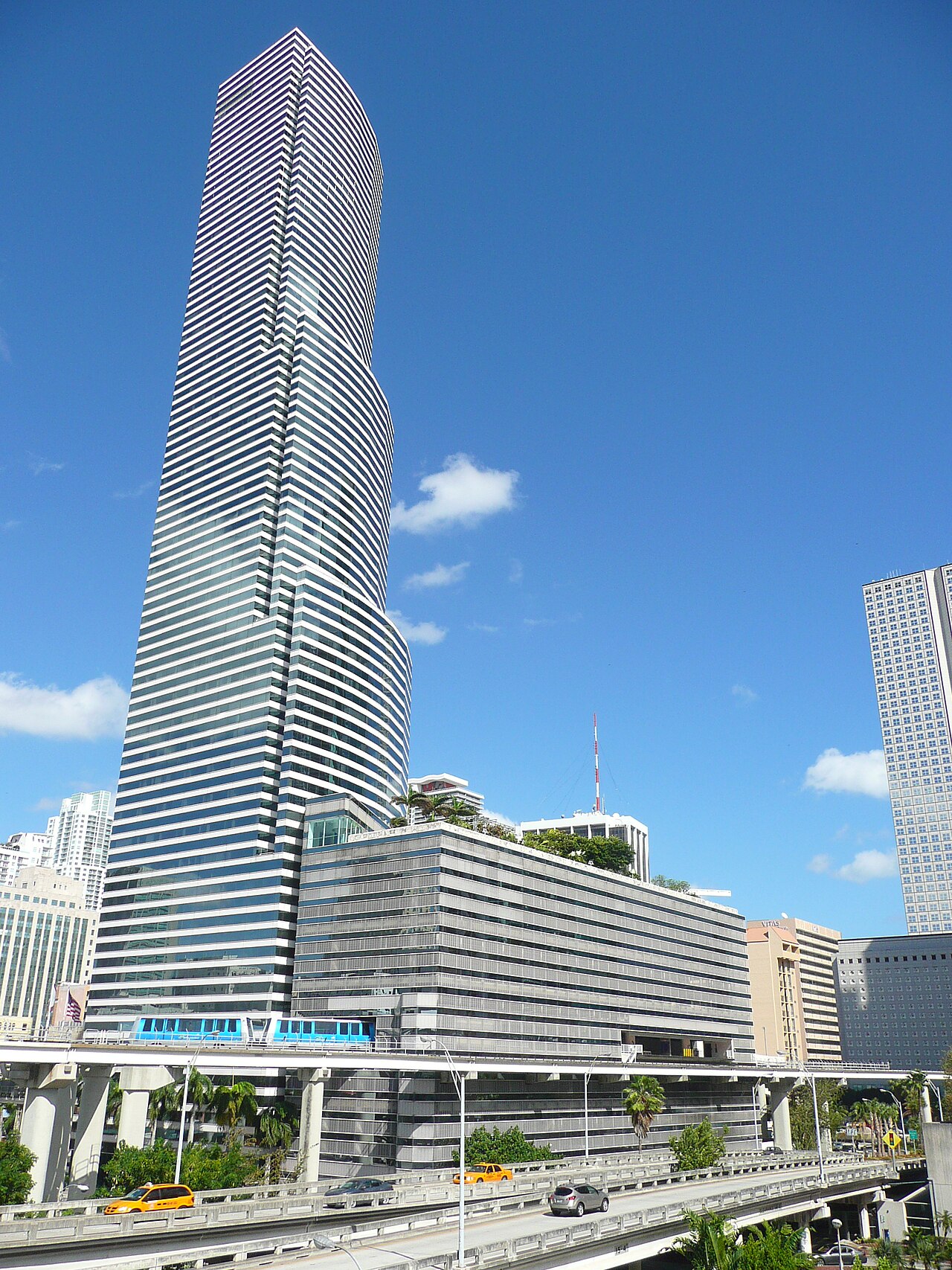
JFK Causeway Bridge
79th St Causeway, Miami Beach, FL 33141
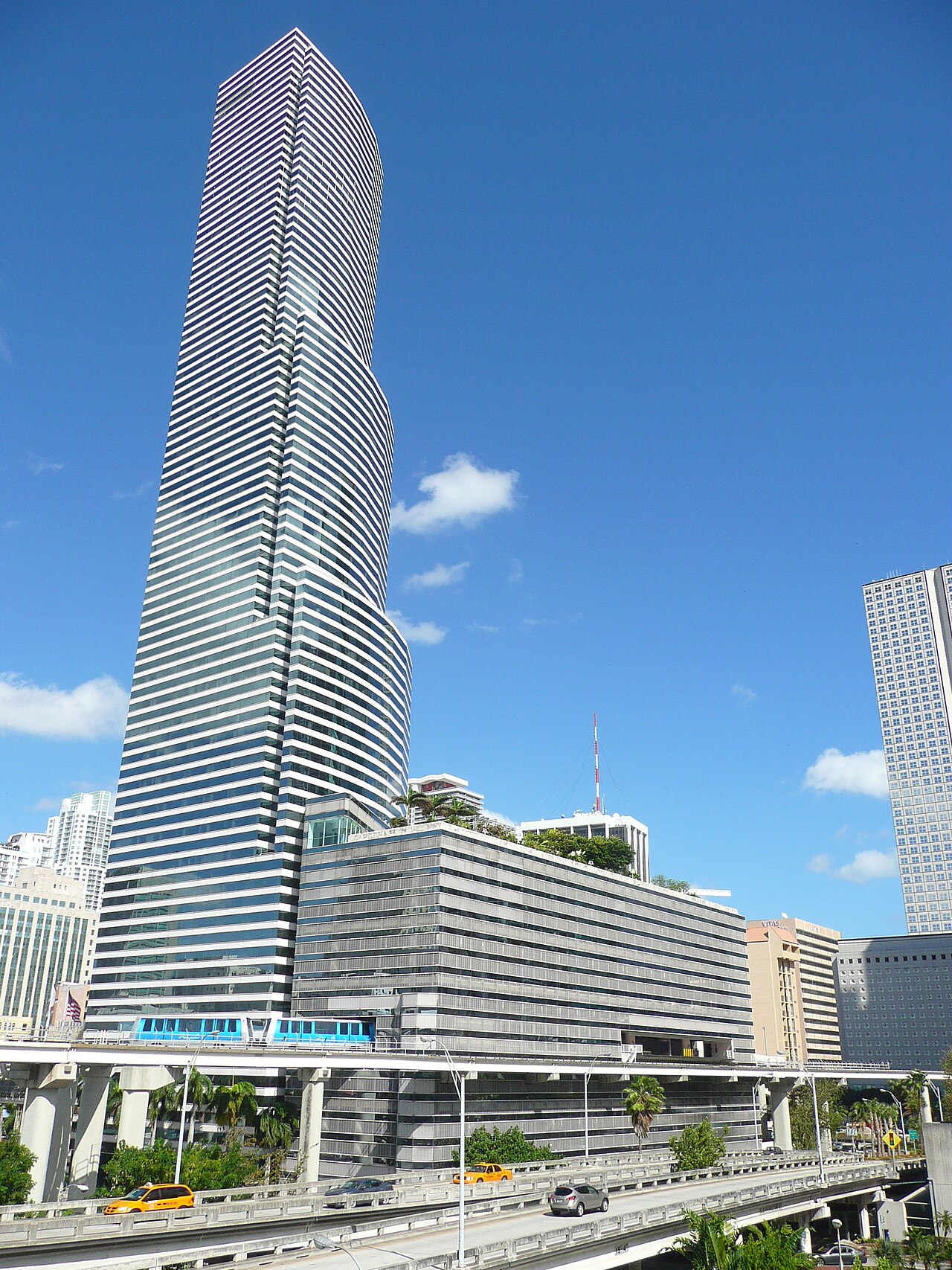
Faena House
3315 Collins Ave, Miami Beach, FL 33140
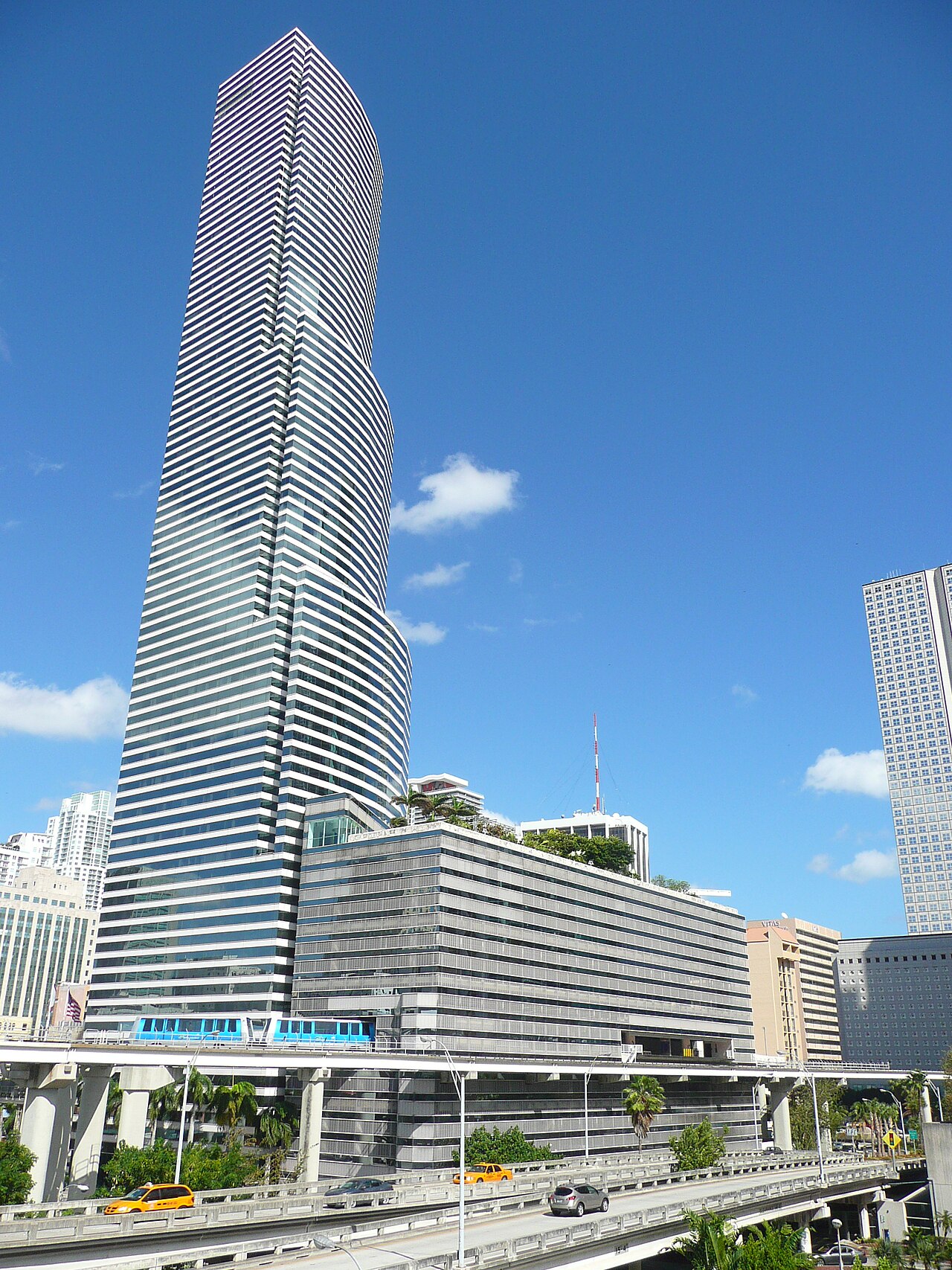
Adrienne Arsht Center
1300 Biscayne Blvd, Miami, FL 33132
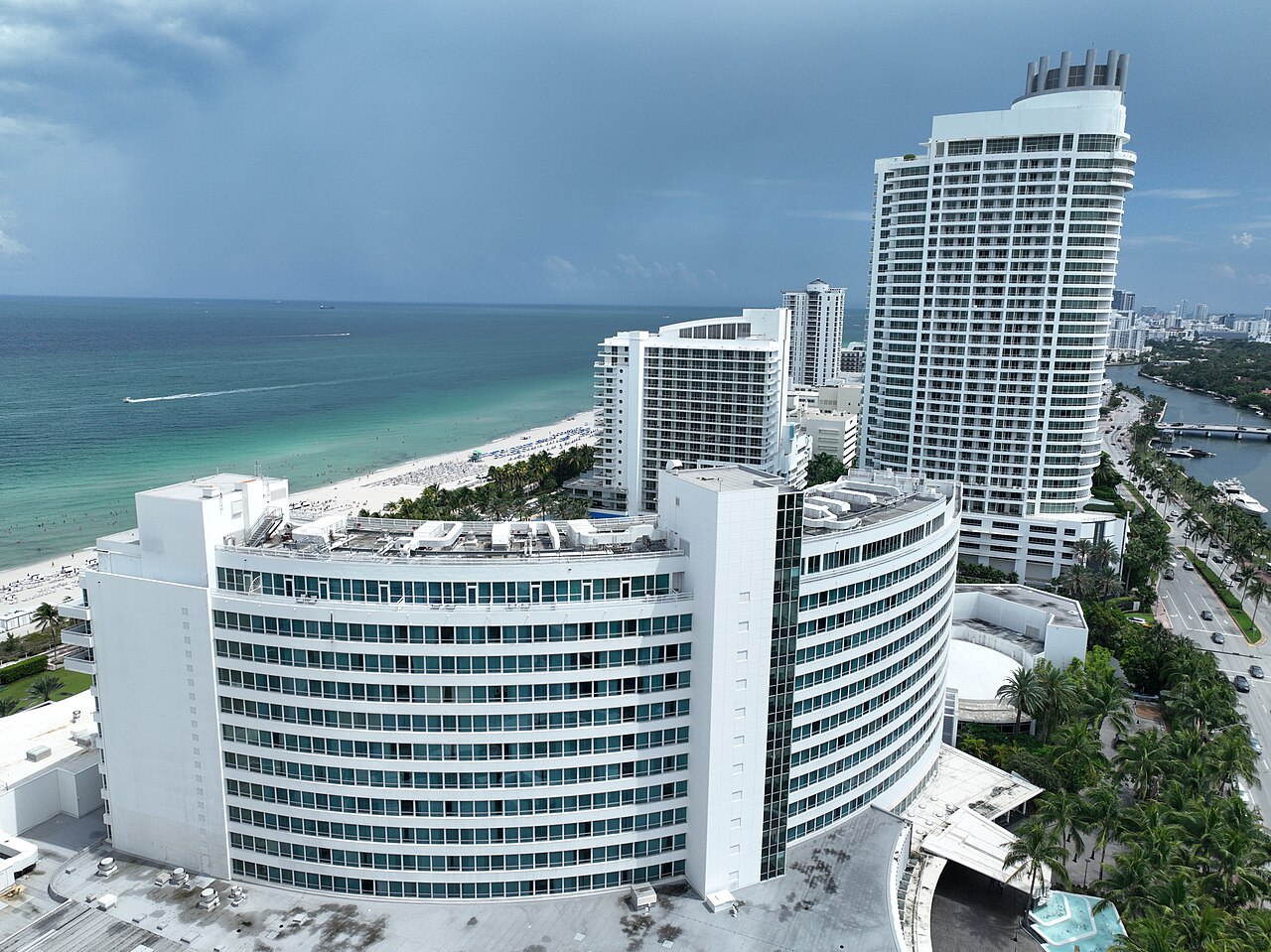
Fontainebleau Miami Beach
4441 Collins Ave, Miami Beach, FL 33140
Modernism in Miami: Common Questions
Where can I see Modernism architecture in Miami?
Key areas to explore Modernism in Miami include Miami Beach and Biscayne Boulevard. Notable buildings include the JFK Causeway Bridge, Faena House, Adrienne Arsht Center, and Fontainebleau Miami Beach.
When were the Modernism buildings in Miami built?
Many of the prominent Modernism buildings in Miami, like the Faena House and the Adrienne Arsht Center, were completed in the 21st century, reflecting a modern interpretation of the style that began to take shape in the mid-20th century.
What should I look for in Modernism architecture?
Look for clean lines, minimal ornamentation, and a focus on functionality. Buildings like the JFK Causeway Bridge and the Fontainebleau Miami Beach exemplify these characteristics, emphasizing form and the relationship with their environment.
How does Miami's Modernism compare to other cities?
Miami's Modernism has a unique character shaped by its coastal environment and cultural diversity. While cities like Los Angeles and New York have their own distinct styles, Miami's structures often integrate tropical elements, as seen in the Faena House.
Can I visit these Modernism buildings?
Yes, many Modernism buildings in Miami are accessible to the public. The Adrienne Arsht Center hosts performances, and the Fontainebleau Miami Beach operates as a hotel, while the JFK Causeway Bridge is open for travel.