Modernism Architecture in Barcelona
Explore 12 modernism buildings that shape Barcelona's architectural identity
Modernism in Barcelona emerged during the late 19th and early 20th centuries, a period marked by industrial growth and a resurgence of Catalan identity. This architectural style reflects a departure from traditional forms, embracing innovation in design and materials. Notable buildings such as the Palau de la Música Catalana demonstrate the movement's emphasis on ornamentation and craftsmanship, featuring intricate mosaics and nature-inspired motifs that celebrate local culture.
The influence of Modernism is particularly evident in the Eixample district, where many architectural masterpieces are concentrated along key avenues. Casa Batlló and Casa Amatller are prime examples of this style, showcasing unique façades and innovative use of color and texture that embody the creativity of their creators. The use of local materials, such as brick and ceramic tiles, further establishes a distinct Catalan Modernisme aesthetic.
Buildings like Hospital de Sant Pau reveal the organic forms and vibrant details characteristic of Modernism, integrating art into functional spaces. The architecture not only serves practical purposes but also enhances the cultural narrative of Barcelona, making these structures vital to understanding the city's identity. Overall, Modernism in Barcelona is a celebration of creativity, craftsmanship, and the local environment.
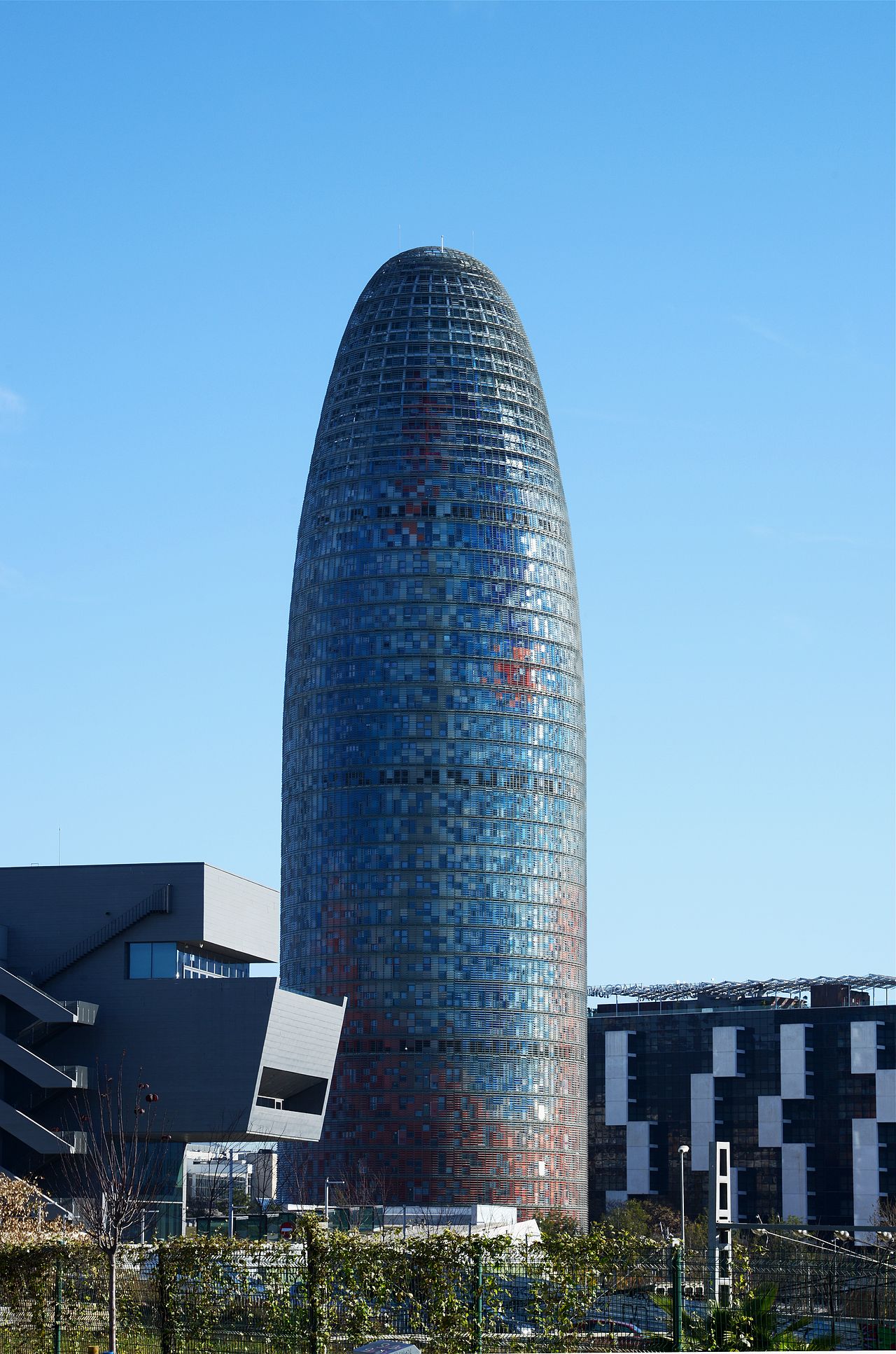
Torre Glòries
Avinguda Diagonal, 211, Barcelona, Spain
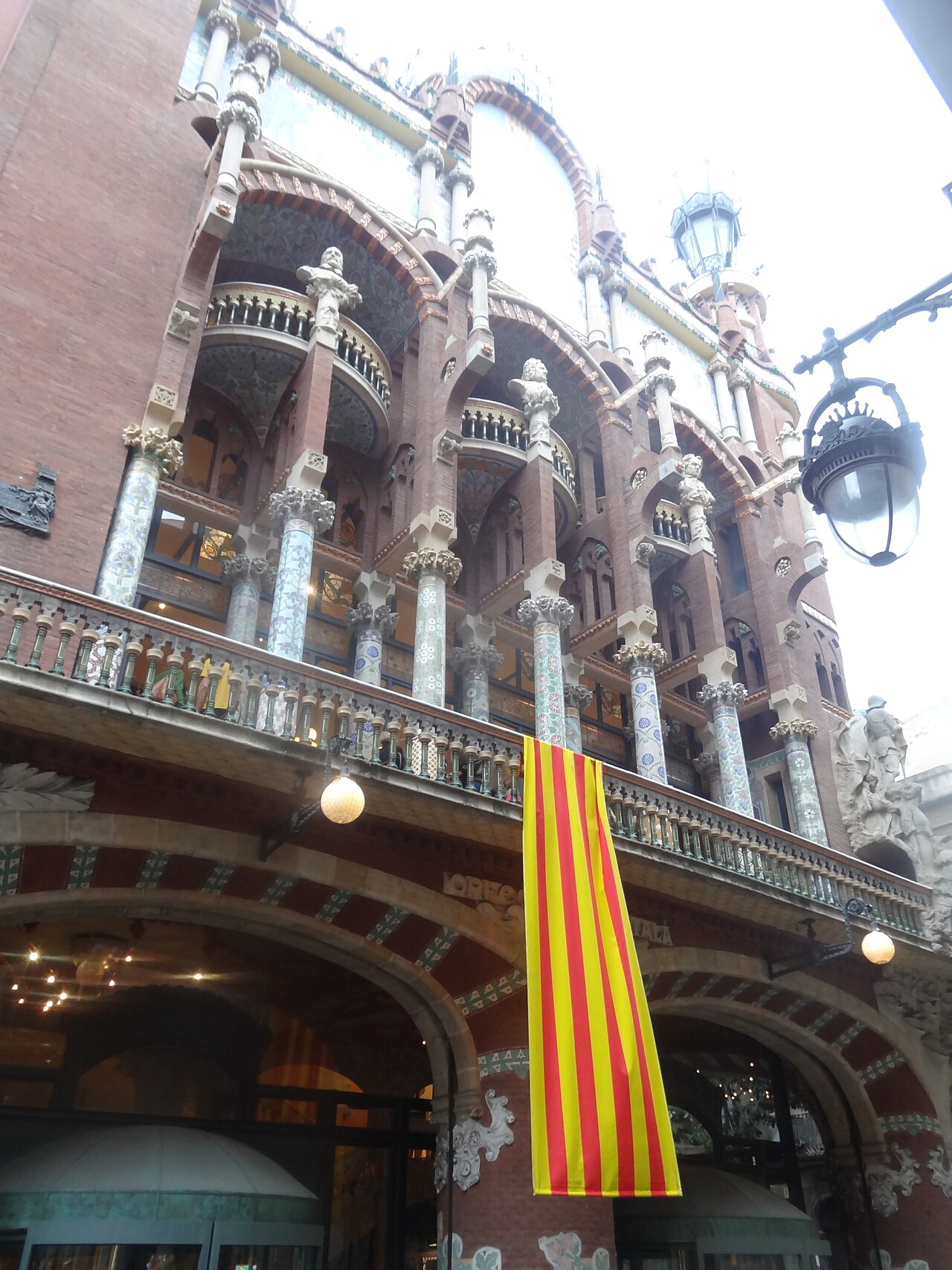
Palau de la Música Catalana
Carrer de Palau de la Música, 4-6, Barcelona, Spain
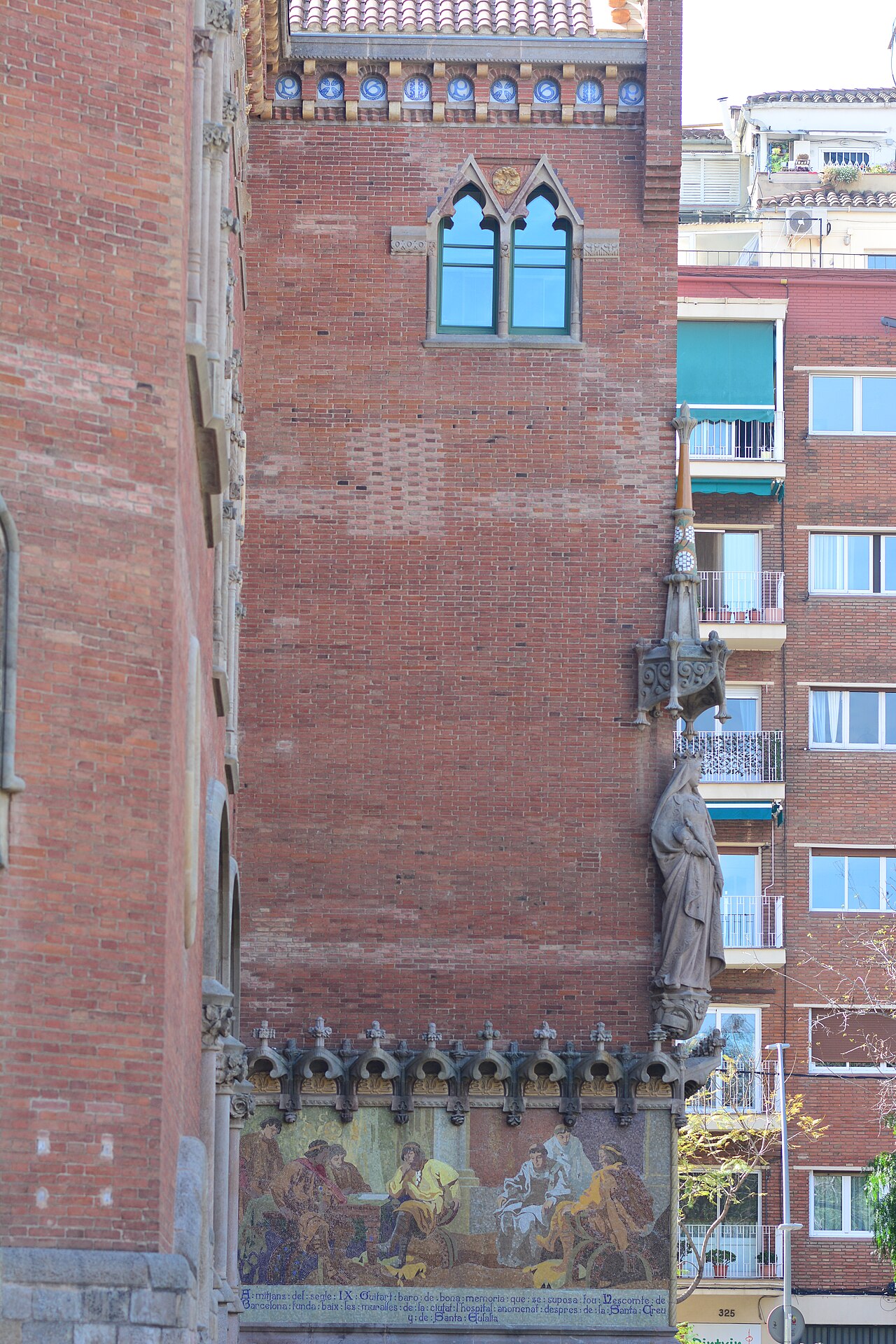
Hospital de Sant Pau
Carrer de Sant Antoni Maria Claret, 167, Barcelona, Spain
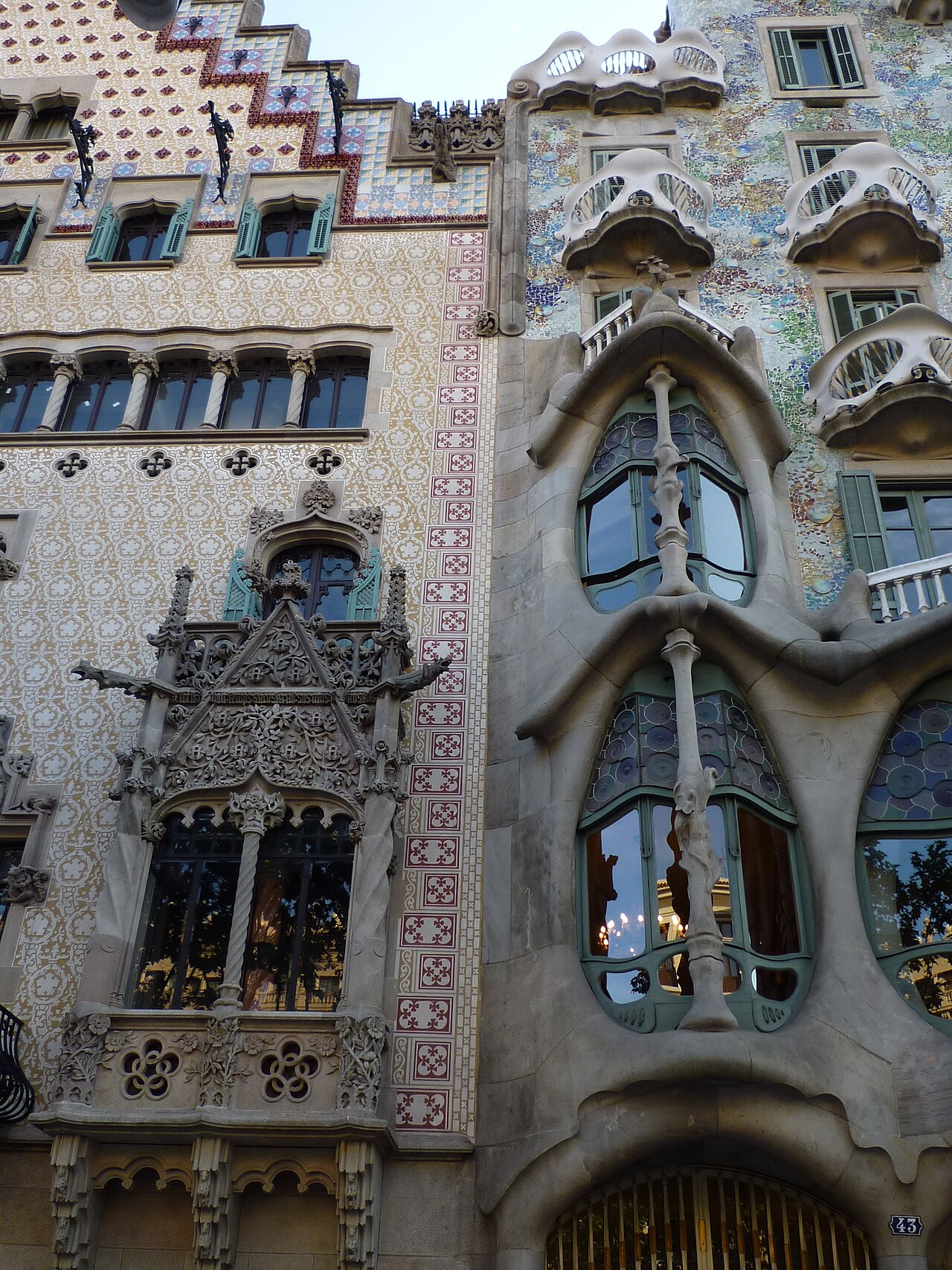
Casa Amatller
Passeig de Gràcia, 41, 08007 Barcelona, Spain
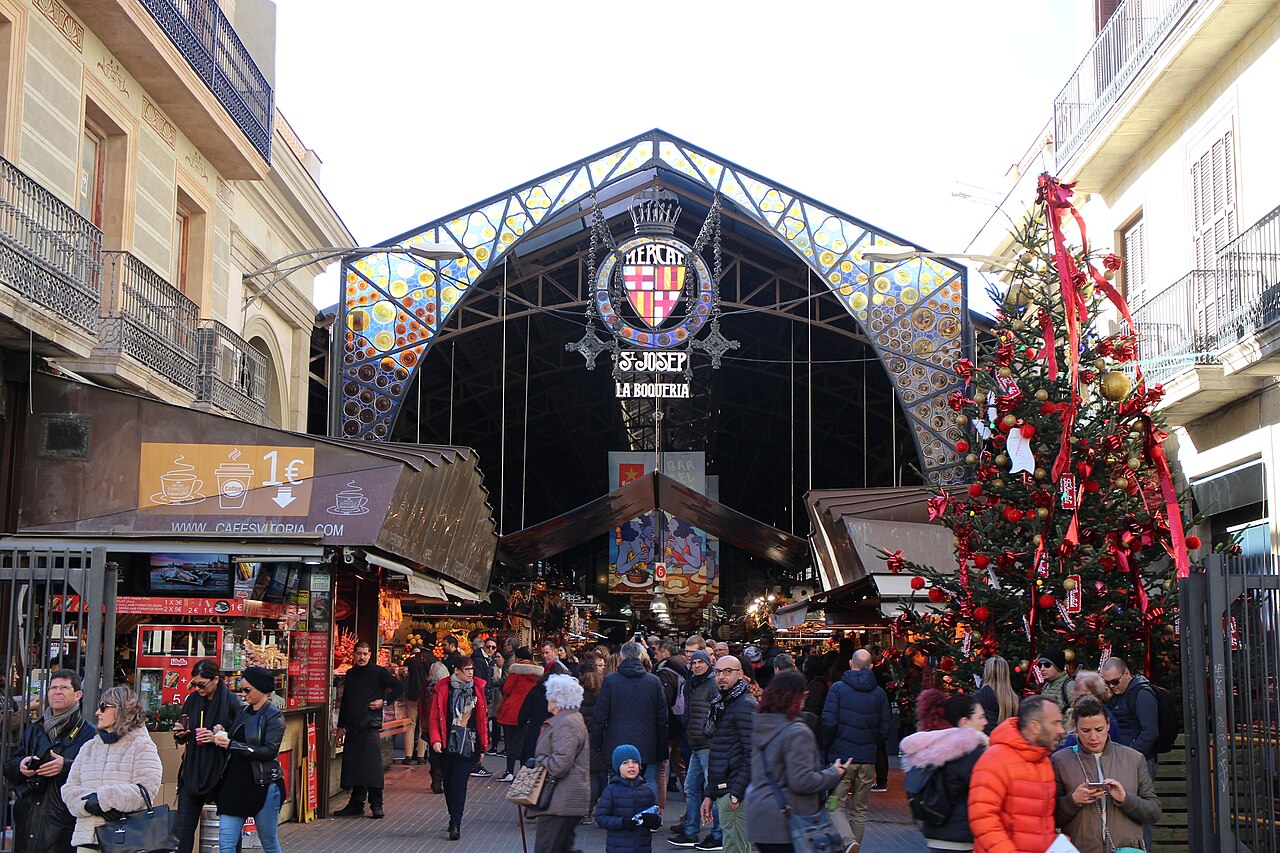
Mercat de la Boqueria
La Rambla, 91, 08001 Barcelona, Spain
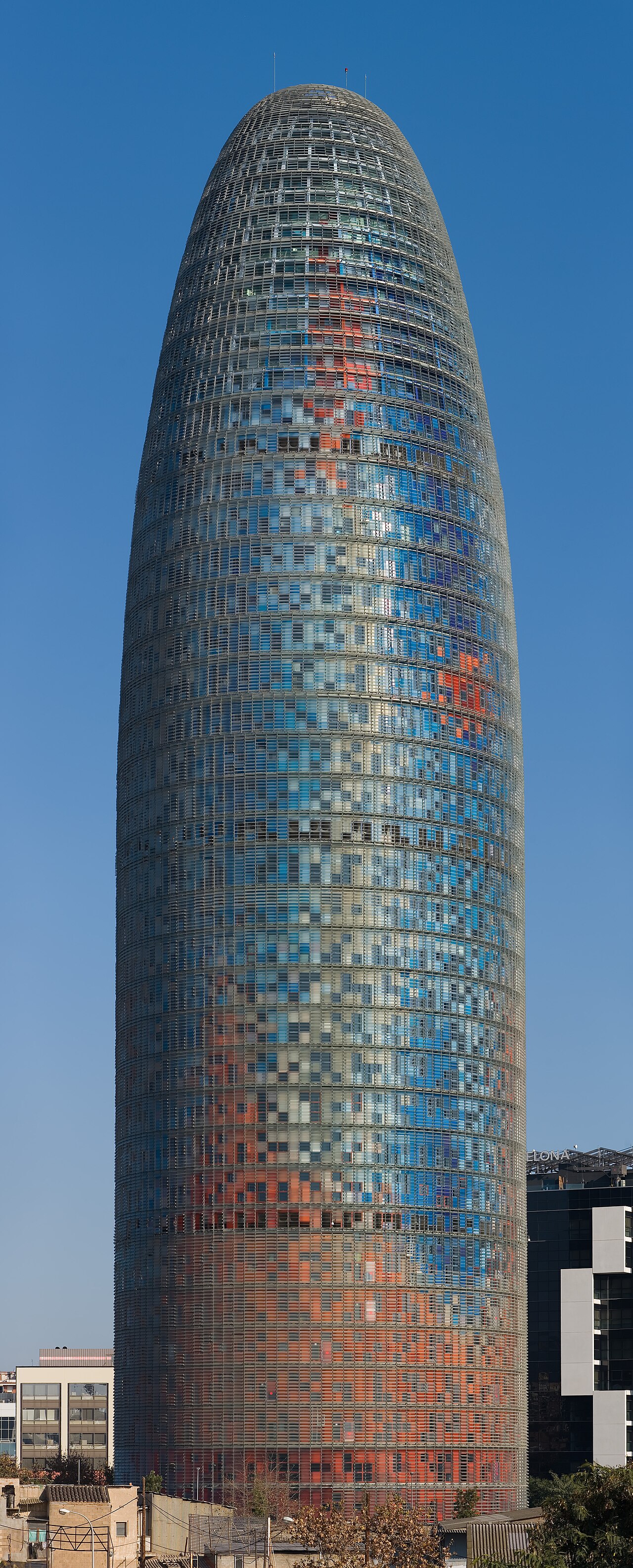
Torre Glòries
Avinguda Diagonal, 211, 08018 Barcelona, Spain
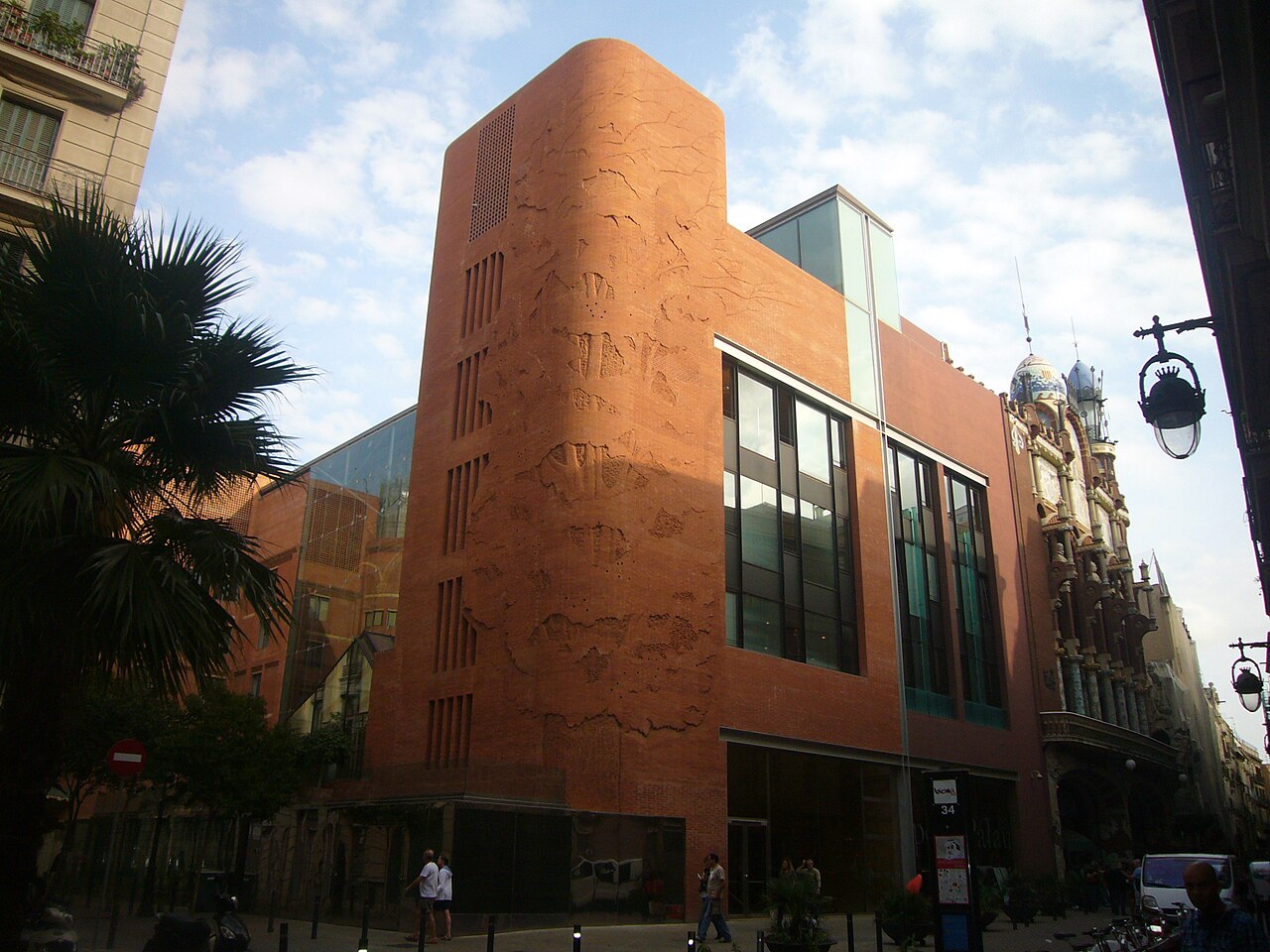
Palau de la Música Catalana
C/ Palau de la Música, 4-6, 08003 Barcelona, Spain
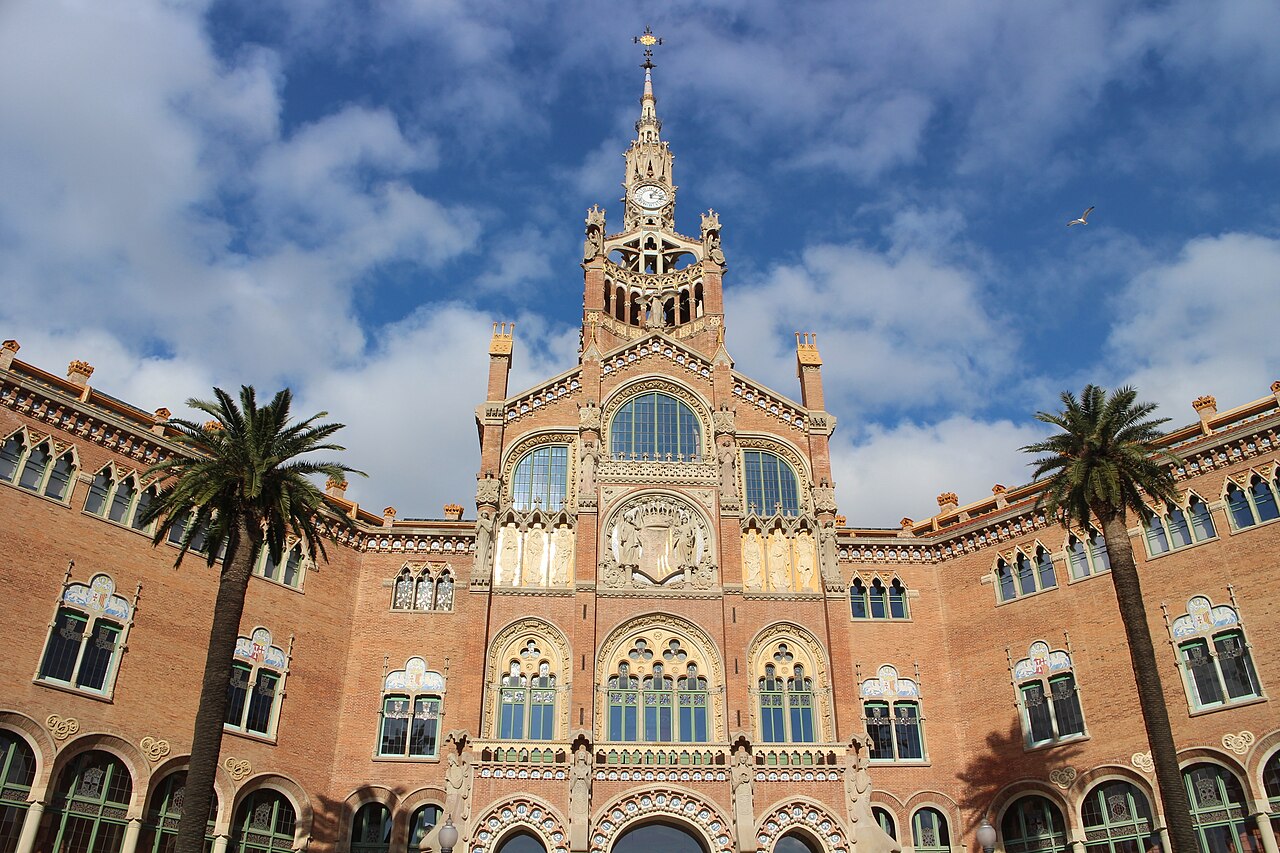
Hospital de Sant Pau
Carrer de Sant Antoni Maria Claret, 167, 08025 Barcelona, Spain
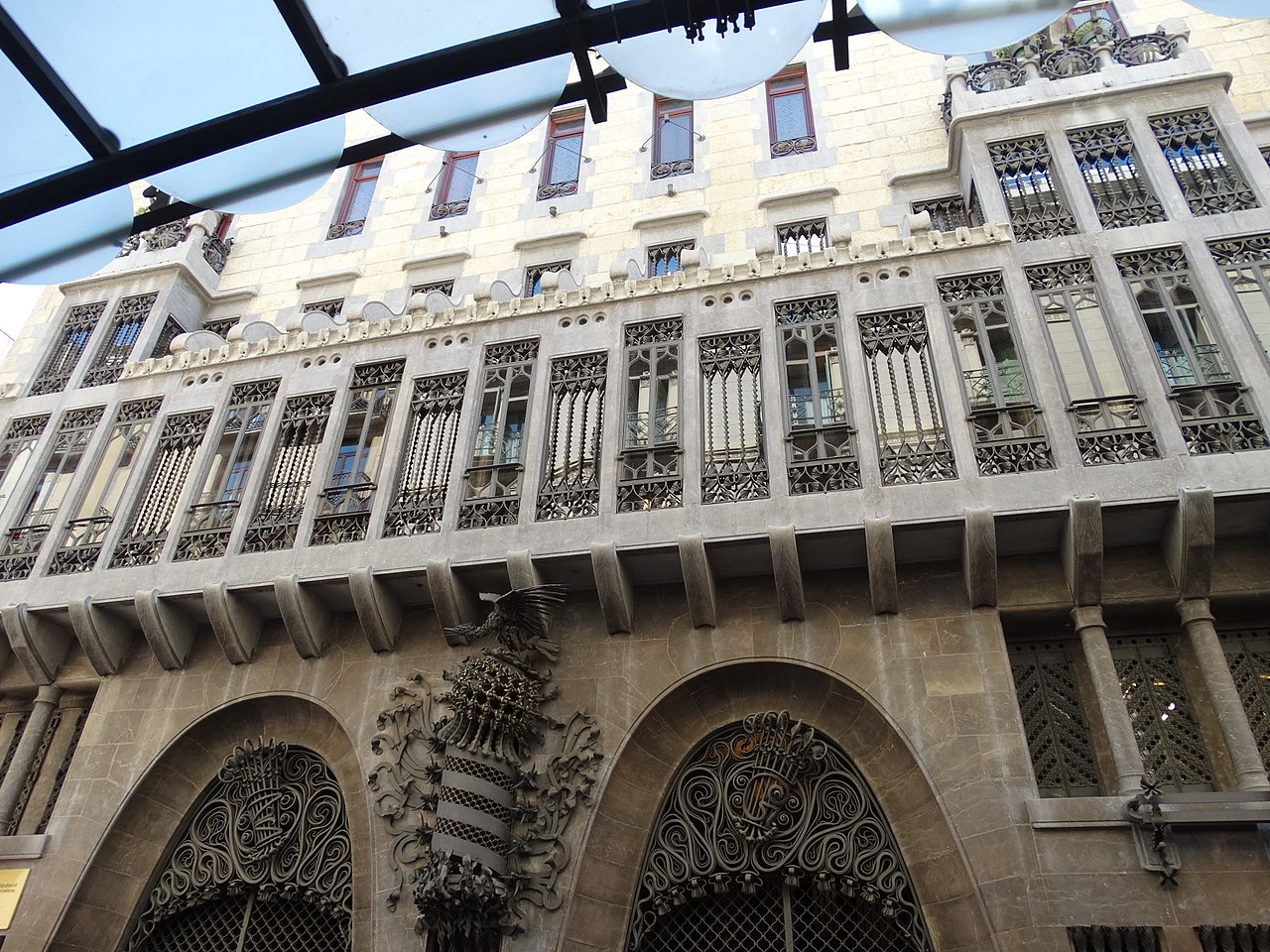
Palau Güell
Carrer Nou de la Rambla 3-5, 08001 Barcelona, Spain
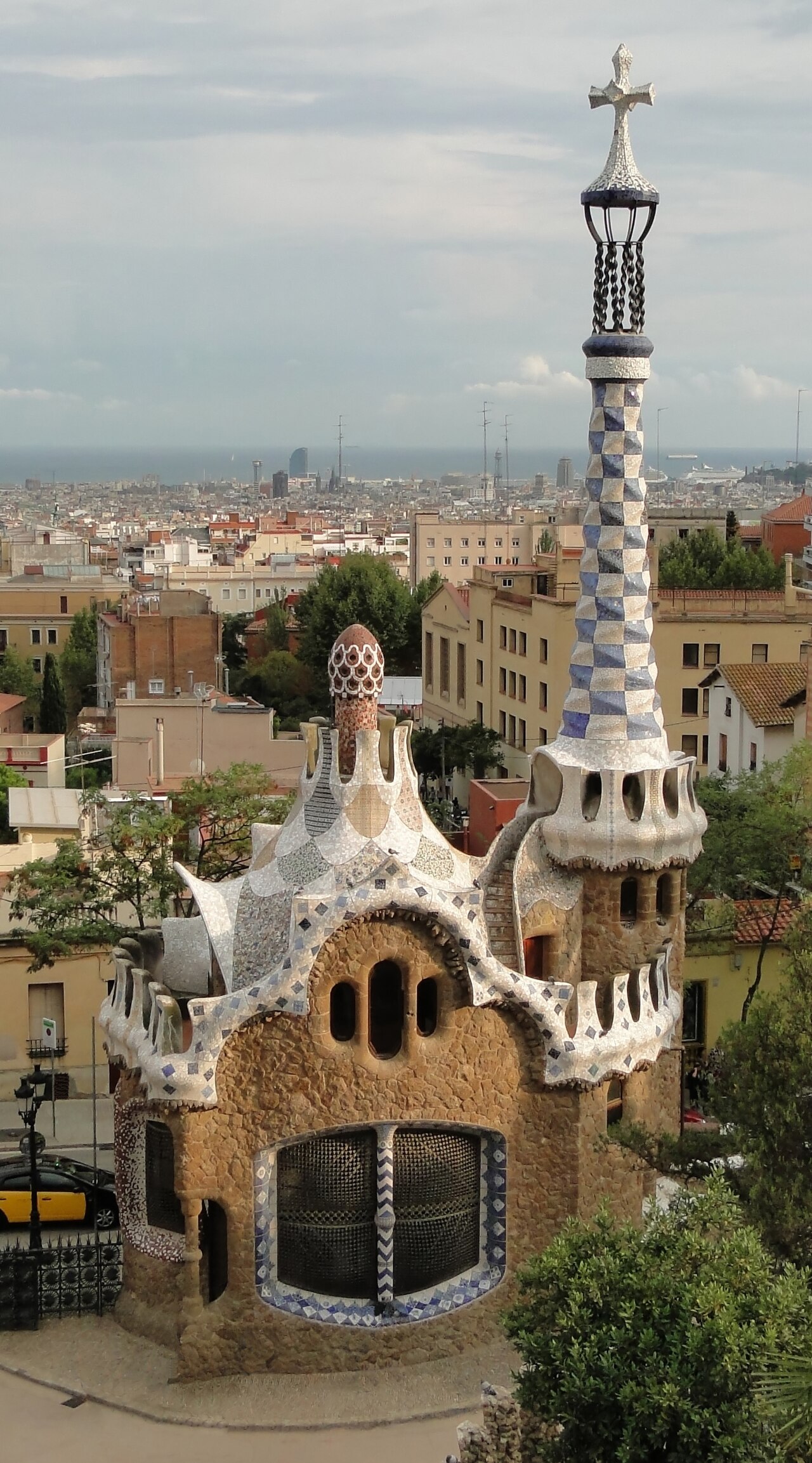
Park Güell
Carrer d'Olot, 08024 Barcelona, Spain
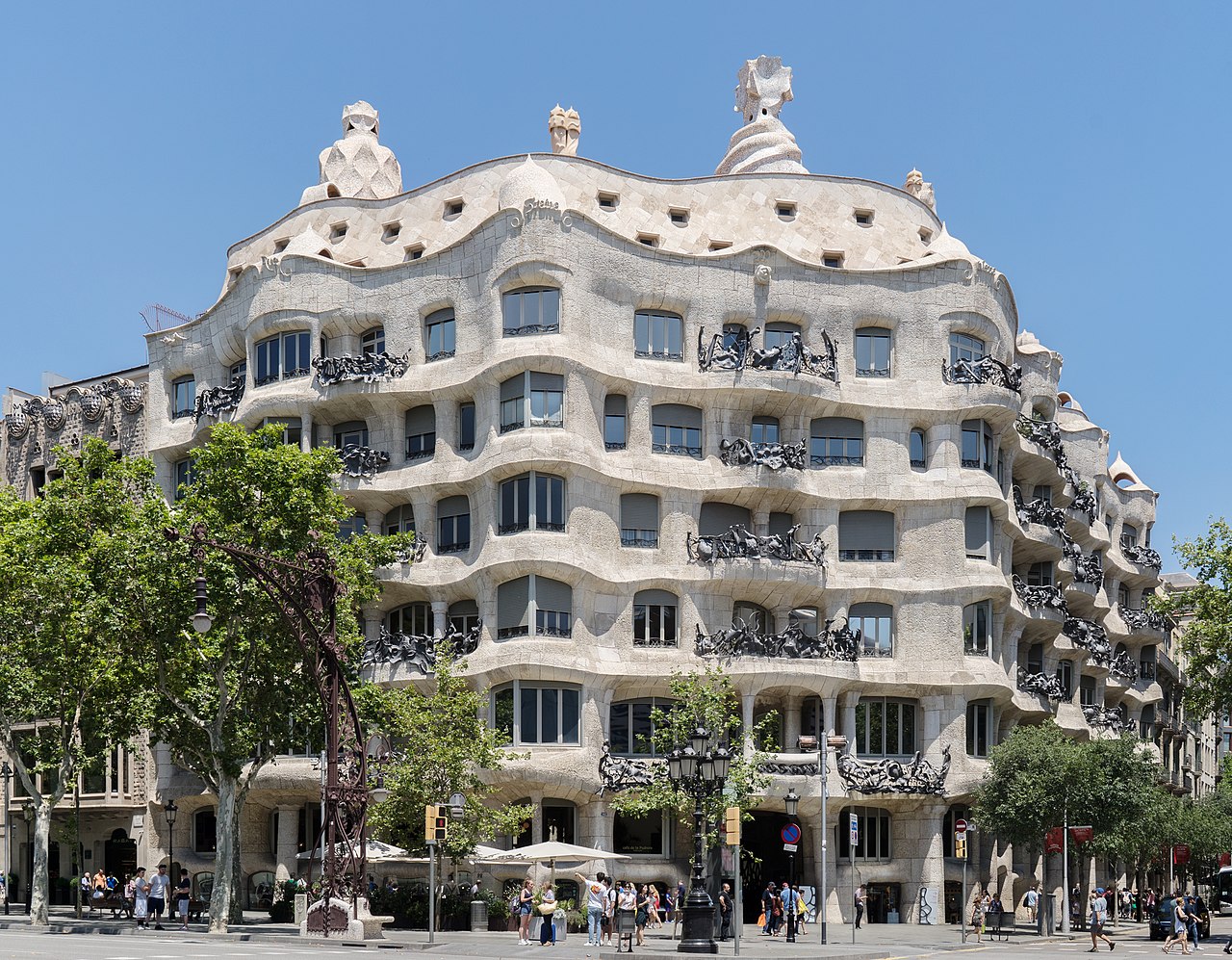
Casa Milà (La Pedrera)
Passeig de Gràcia 92, 08008 Barcelona, Spain
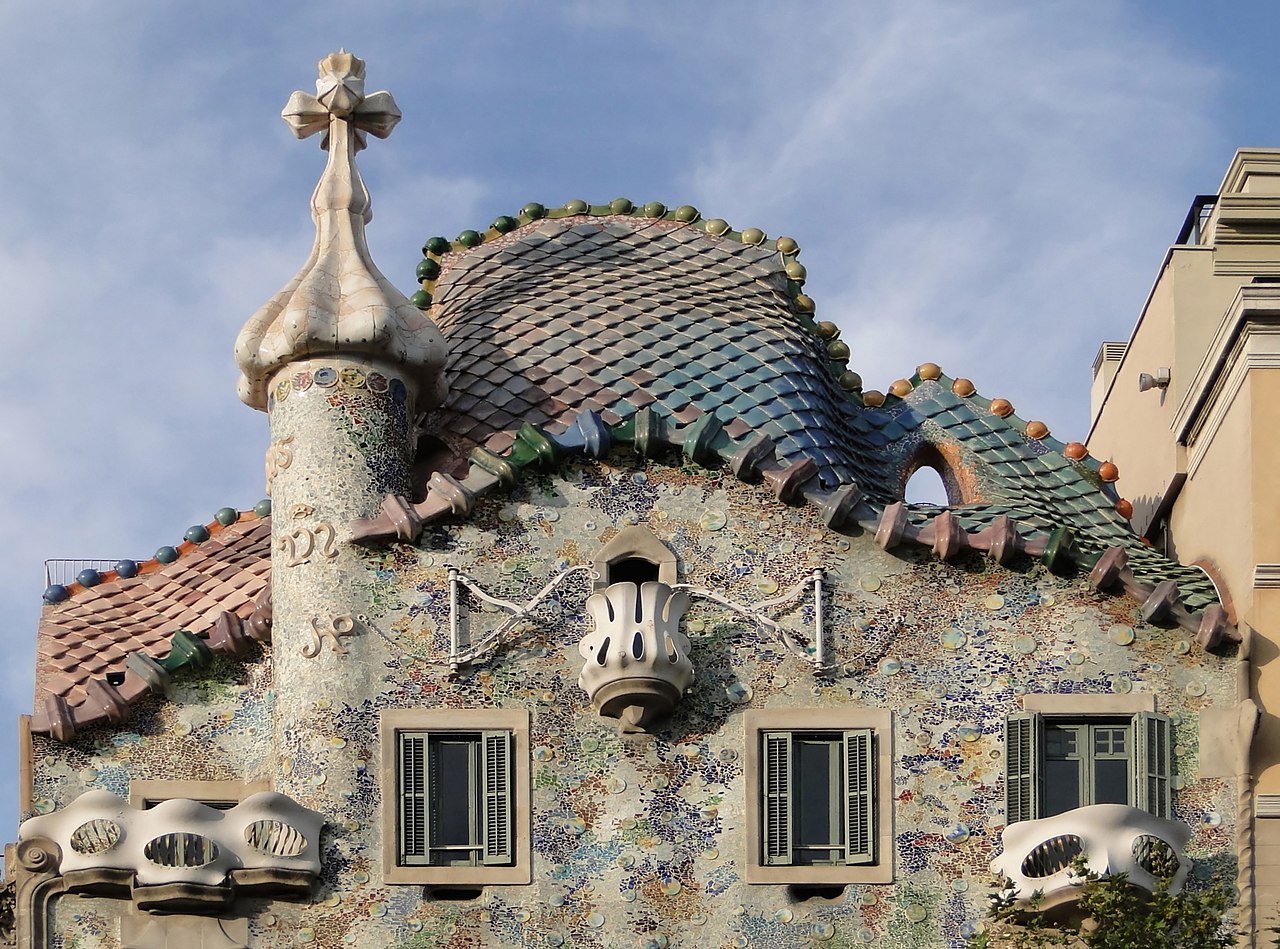
Casa Batlló
Passeig de Gràcia 43, 08007 Barcelona, Spain
Modernism in Barcelona: Common Questions
Where can I see Modernism architecture in Barcelona?
Key areas to explore include the Eixample district and Passeig de Gràcia, where notable buildings like Casa Batlló, Casa Amatller, and Palau de la Música Catalana are located. Each structure showcases unique elements of the Modernism style.
When were these Modernism buildings constructed?
Most of the significant Modernism buildings in Barcelona were constructed between the late 19th century and the early 20th century, particularly during the period of Catalan industrialization and cultural revival.
What should I look for in Modernism architecture?
Look for distinctive organic shapes, intricate details, and the use of local materials. Buildings like Hospital de Sant Pau and Casa Milà feature unique façades and decorative elements that reflect the craftsmanship of the era.
How does Barcelona's Modernism compare to other styles elsewhere?
Barcelona's Modernism is unique due to its integration of Catalan identity and local materials. While Art Nouveau in other cities may focus on similar themes, the emphasis on vibrant colors and organic forms in Barcelona sets it apart.
Can I visit these Modernism buildings?
Yes, many Modernism buildings in Barcelona are open to the public. For instance, Palau de la Música Catalana and Casa Batlló offer guided tours, allowing visitors to appreciate their architectural significance and artistic details.