Gothic Architecture in Barcelona
Explore 10 gothic buildings that shape Barcelona's architectural identity
The emergence of Gothic architecture in Barcelona can be traced back to the medieval period, particularly during the 13th to 15th centuries, when the city experienced significant economic growth and political stability. This era allowed for the development of monumental buildings that showcased the artistic ambitions of the time. The use of local materials, such as sandstone and brick, along with intricate stone carvings, led to a distinctive version of Gothic architecture that is unique to the city.
Key examples of this style include the magnificent Santa Maria del Mar, known for its soaring pointed arches and ribbed vaults that create a sense of height and lightness. This basilica exemplifies the harmony of form and function typical of Gothic design. Another notable structure is the Sagrada Família, where the interplay of Gothic elements, such as flying buttresses and dramatic spires, redefines the skyline of Barcelona while embracing modernist influences.
In contrast, the Hospital de Sant Pau showcases the Gothic Revival, where historical references are combined with modern materials to create an innovative space. This building highlights the continuation of Gothic traditions into the 20th century, emphasizing verticality and decorative detail. Gothic architecture is primarily concentrated in the Gothic Quarter and surrounding areas, where these historic buildings can be explored in close proximity.
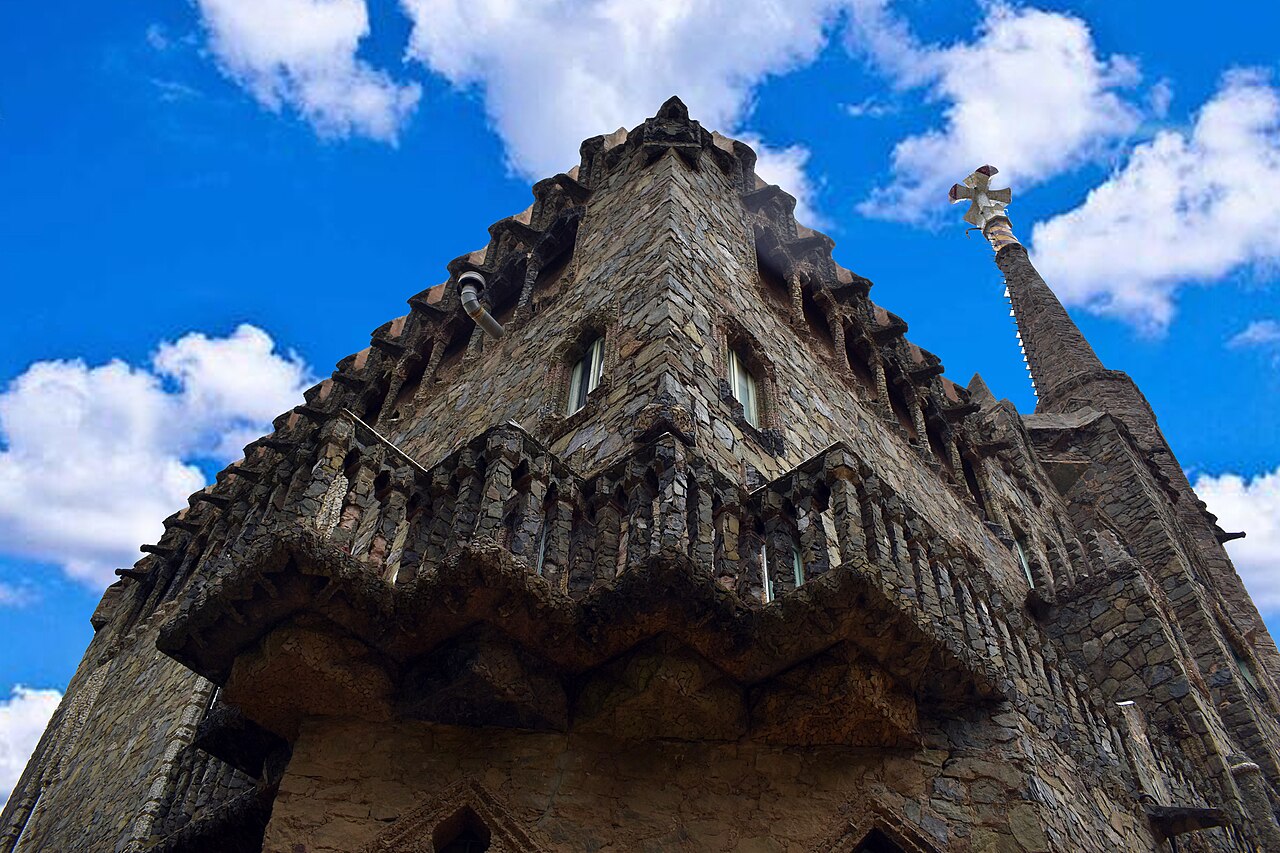
Torre Bellesguard
Carrer de Bellesguard, 20, Barcelona, Spain
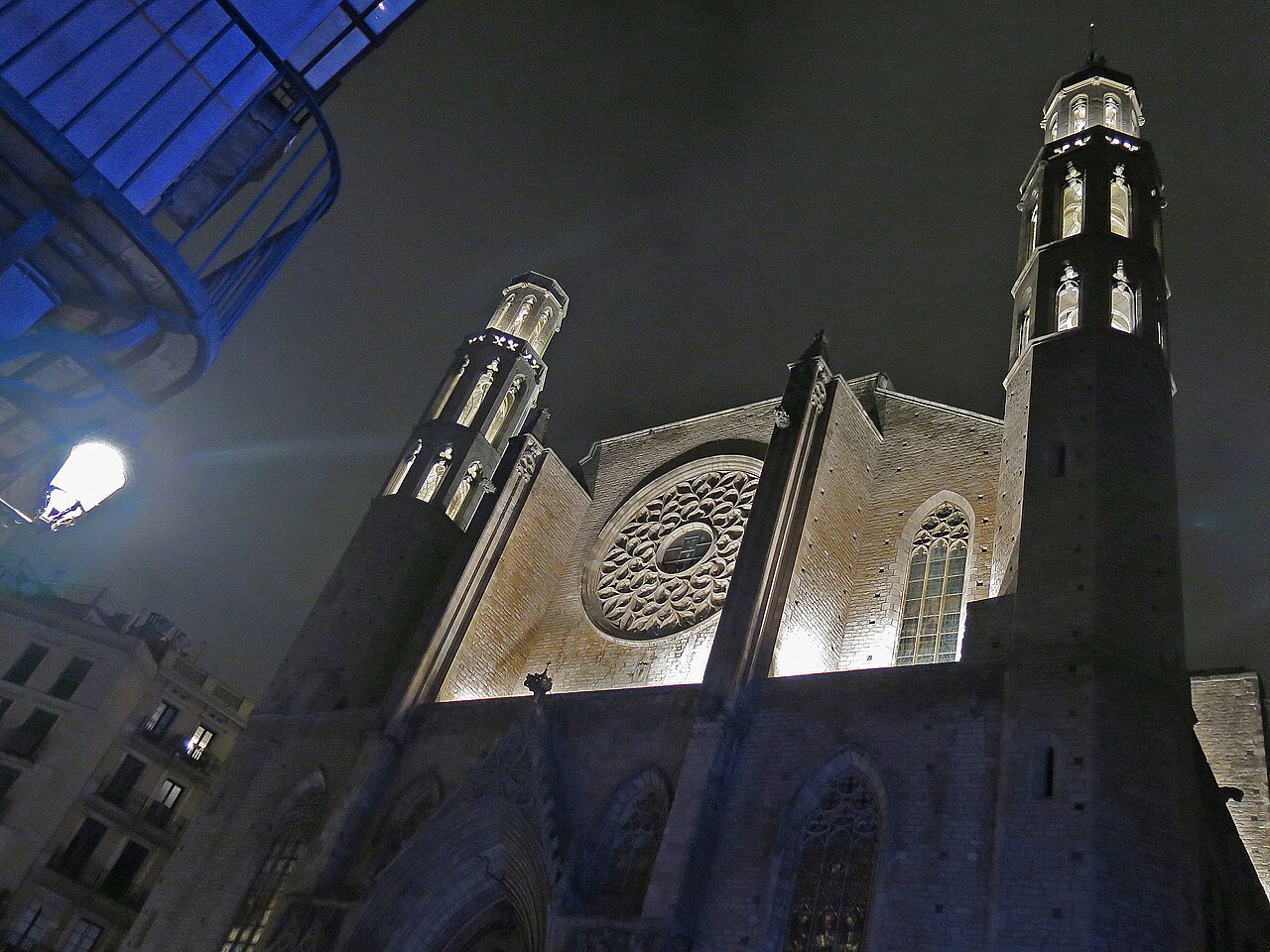
Santa Maria del Mar
Plaça de Santa Maria, 1, Barcelona, Spain
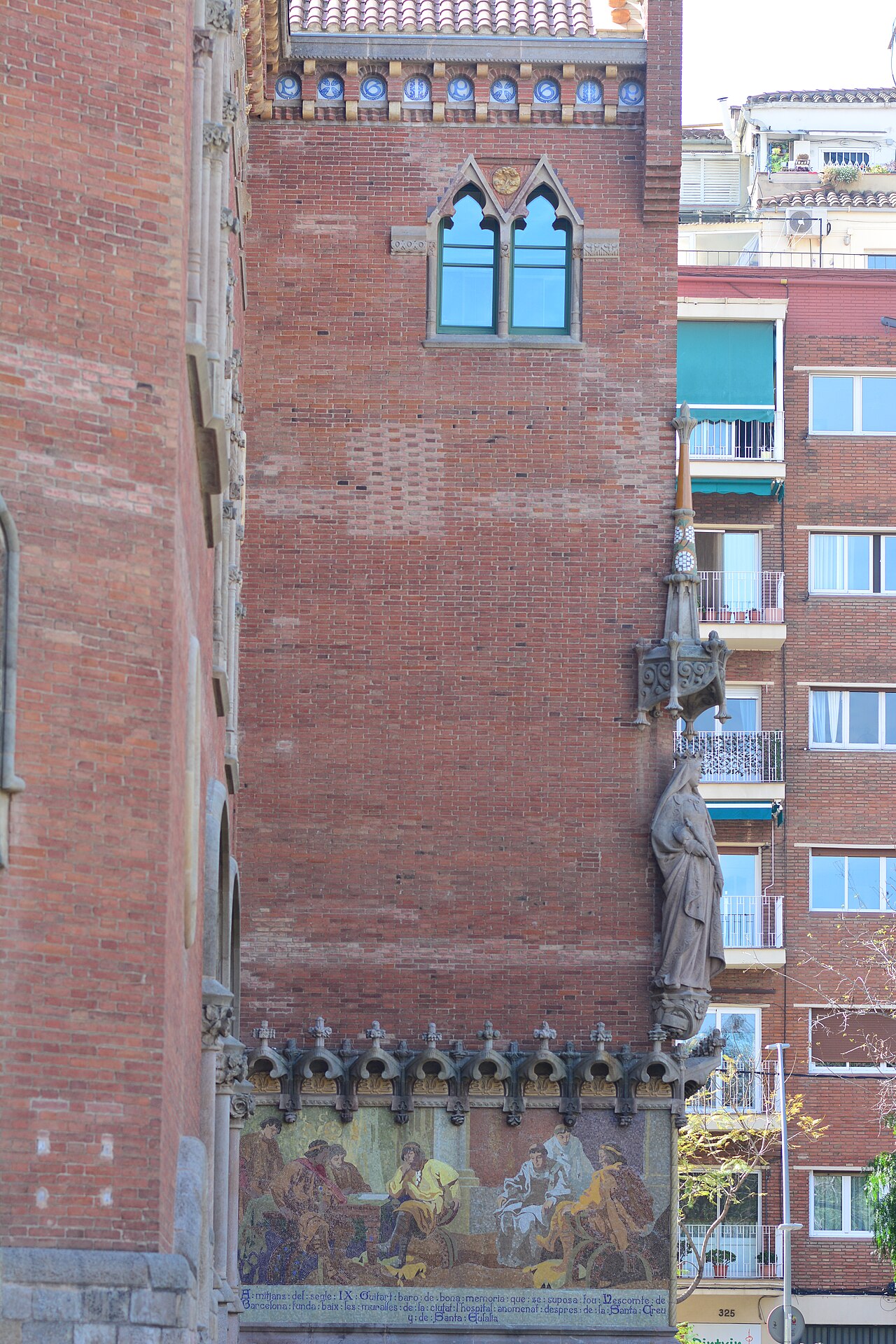
Hospital de Sant Pau
Carrer de Sant Antoni Maria Claret, 167, Barcelona, Spain
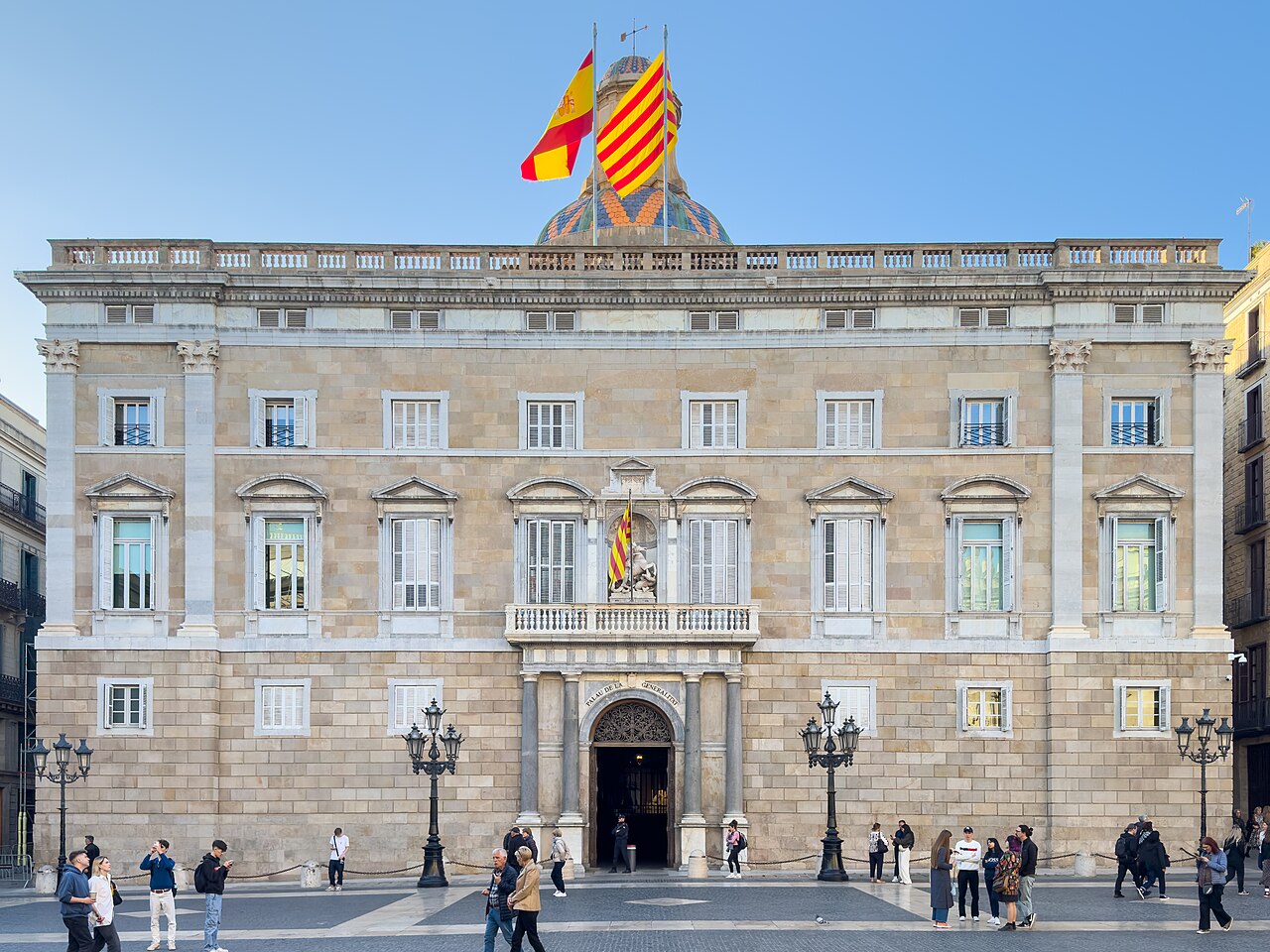
Palau de la Generalitat de Catalunya
Plaça de Sant Jaume, 4, 08002 Barcelona, Spain
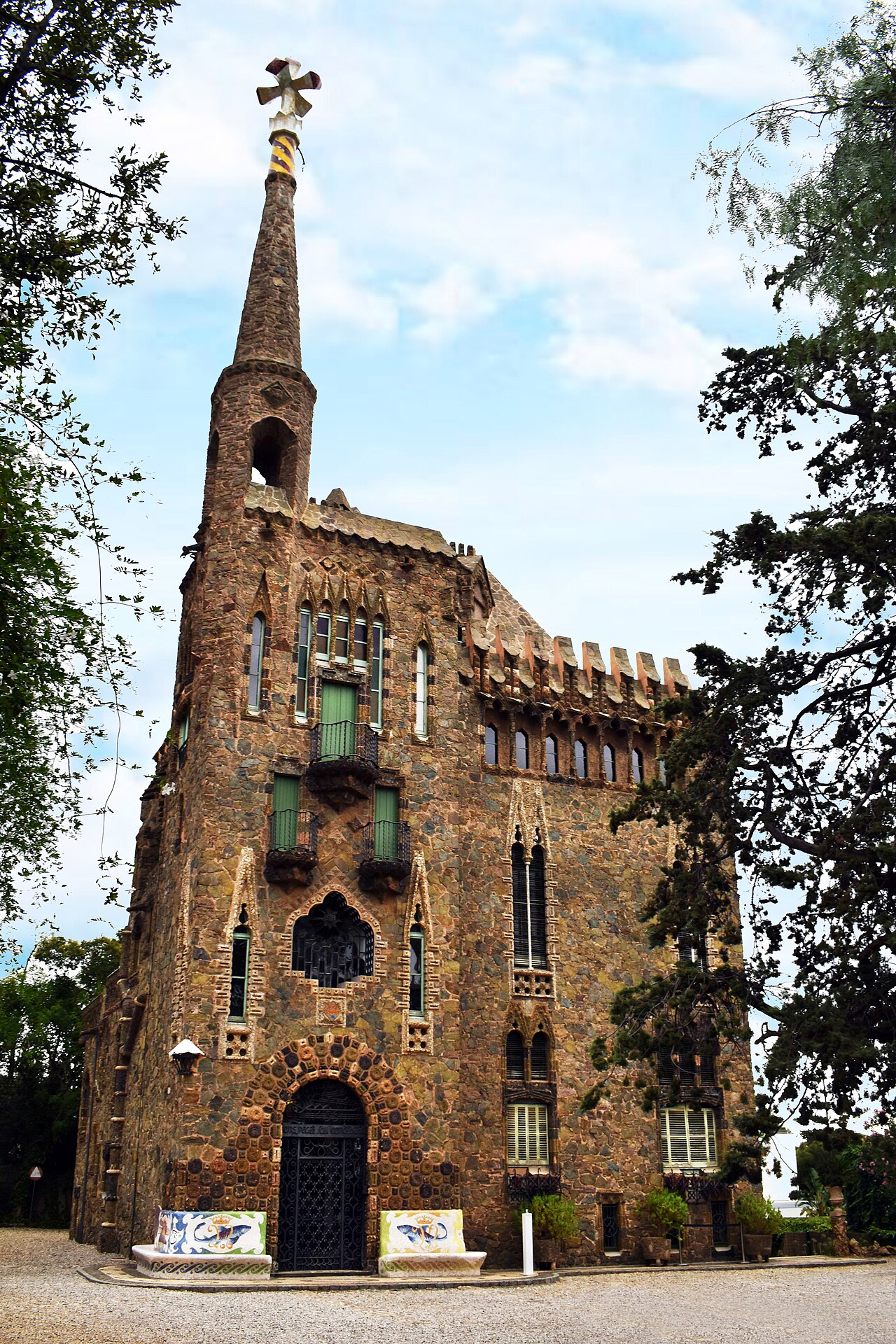
Torre Bellesguard
Carrer de Bellesguard, 20, 08022 Barcelona, Spain
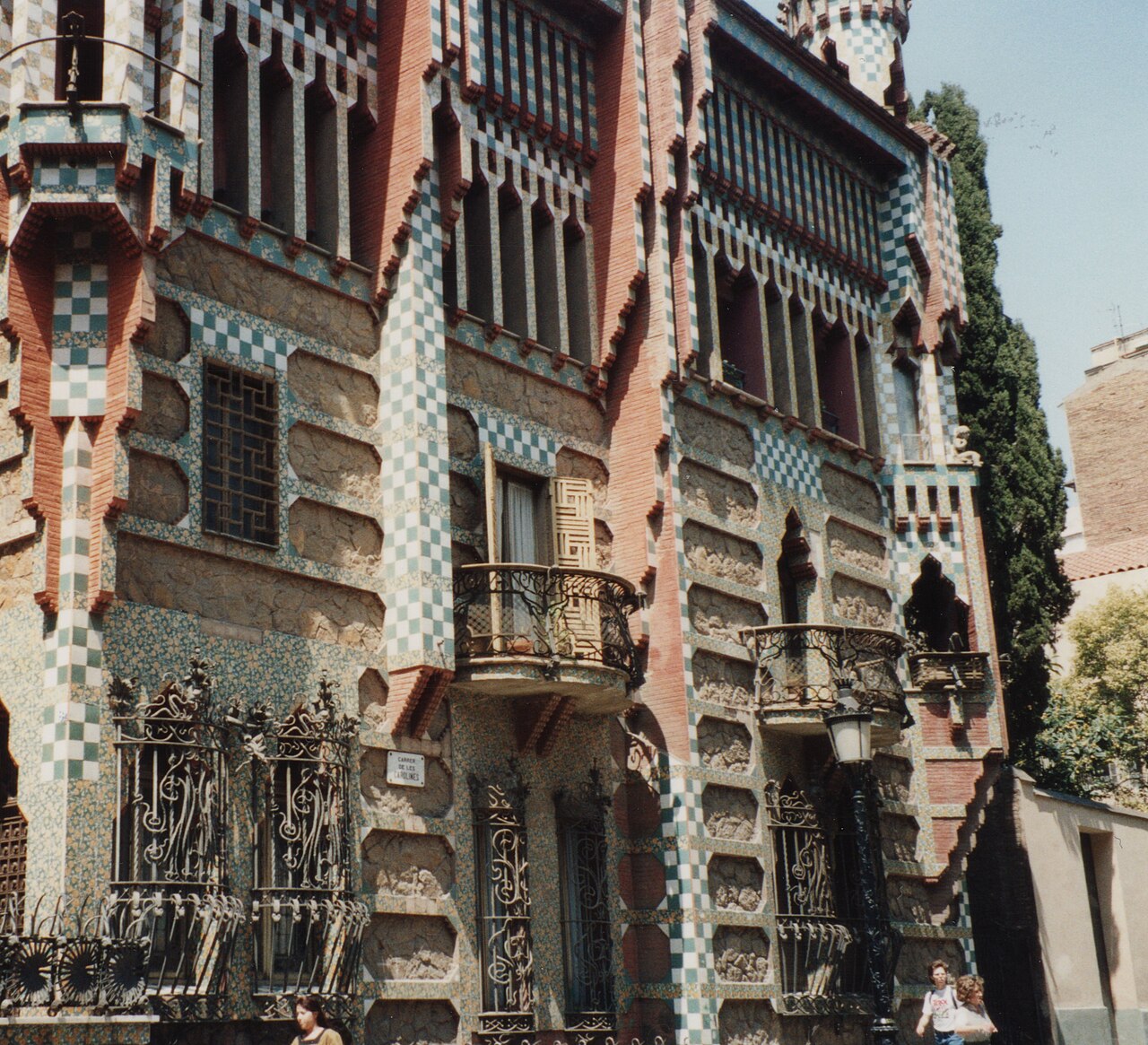
Casa Vicens
Carrer de les Carolines, 18-24, 08012 Barcelona, Spain
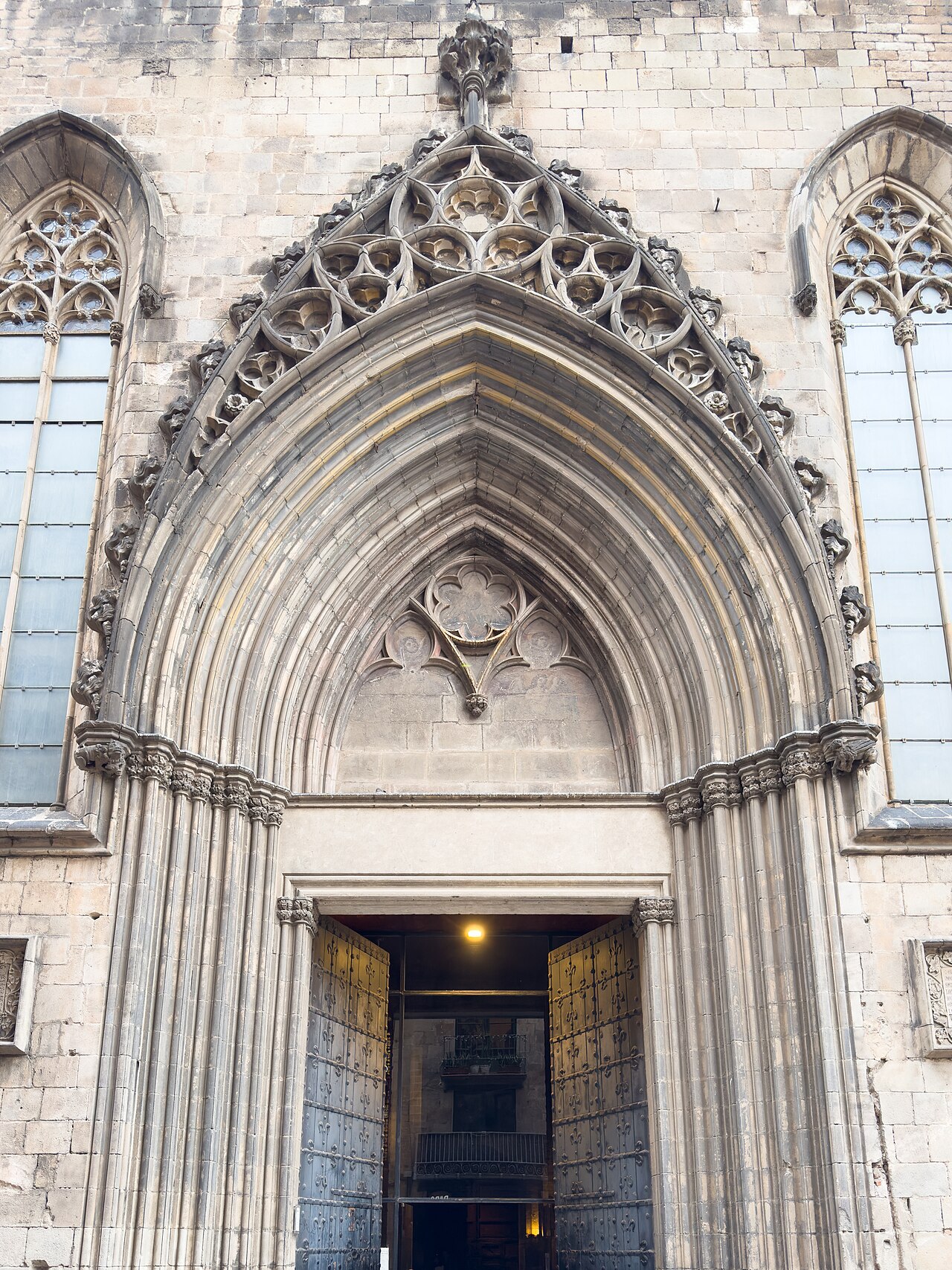
Santa Maria del Mar
Plaça de Santa Maria, 1, 08003 Barcelona, Spain
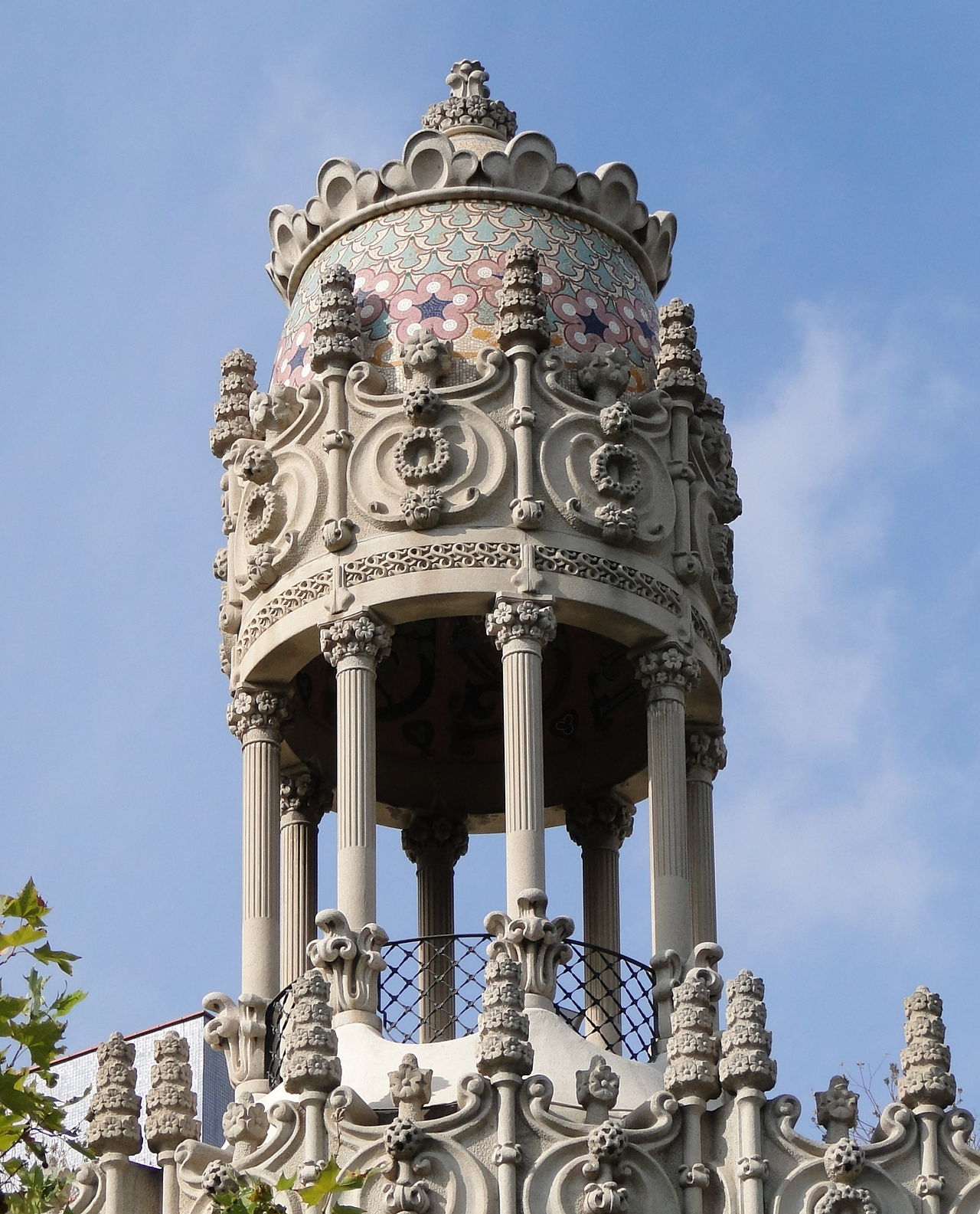
Casa Lleó Morera
Passeig de Gràcia, 35, 08007 Barcelona, Spain
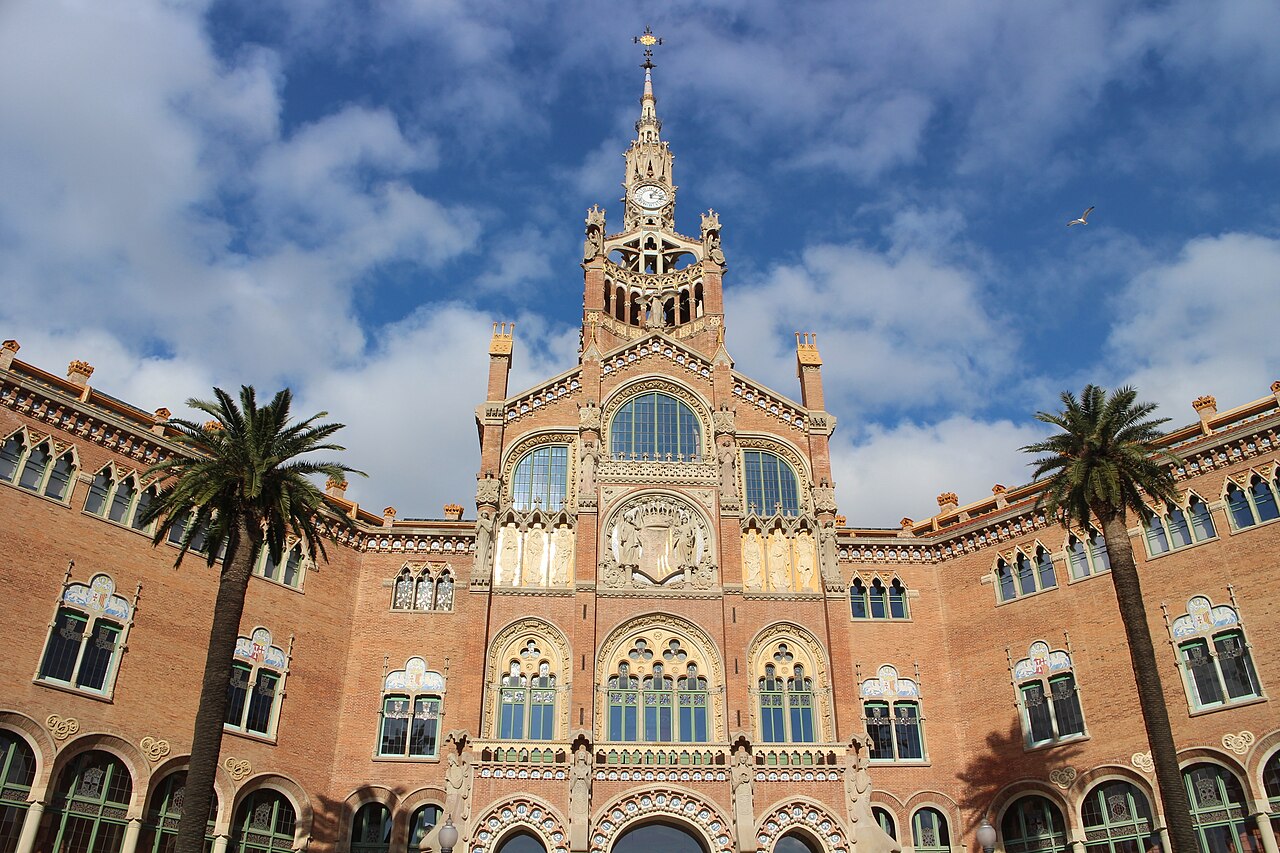
Hospital de Sant Pau
Carrer de Sant Antoni Maria Claret, 167, 08025 Barcelona, Spain
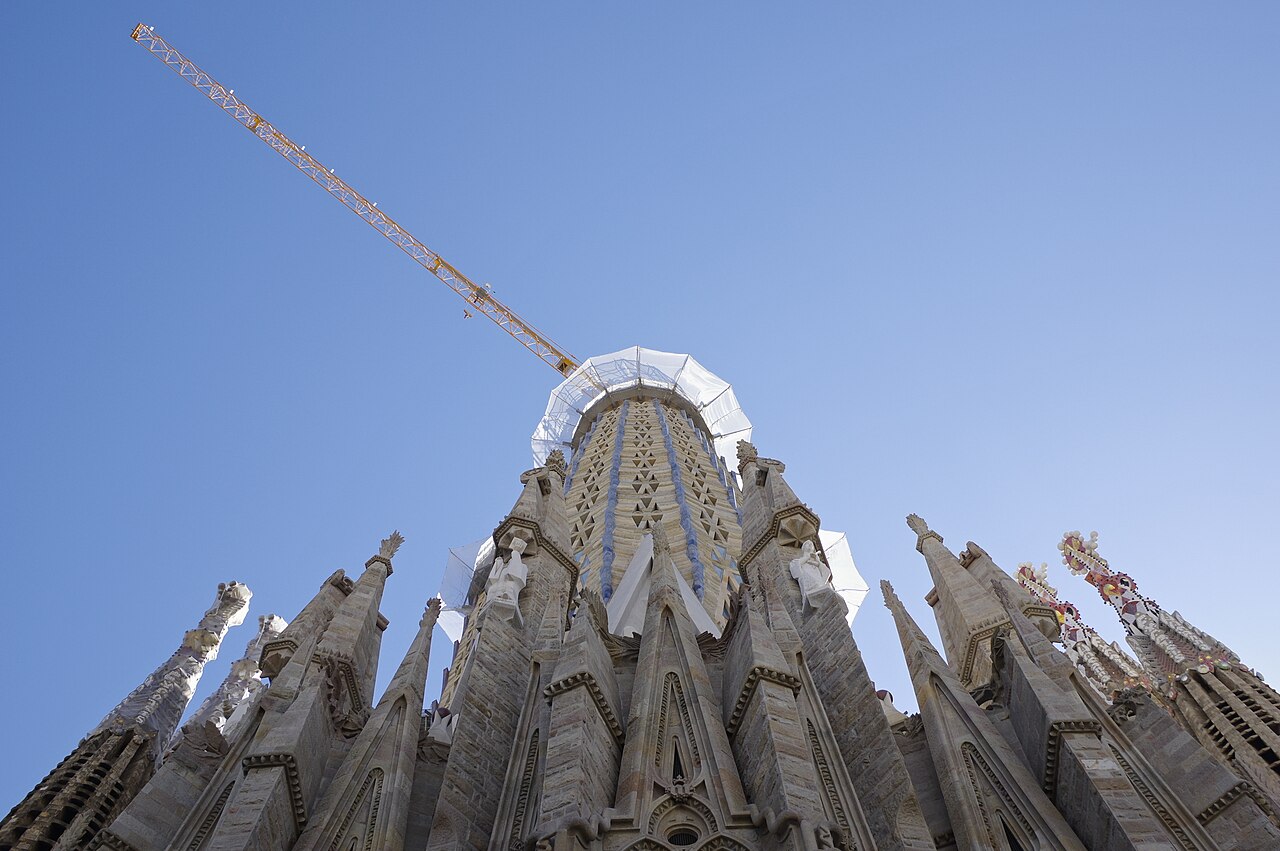
Sagrada Família
Carrer de Mallorca 401, 08013 Barcelona, Spain
Gothic in Barcelona: Common Questions
Where can I see Gothic architecture in Barcelona?
Gothic architecture can be found primarily in the Gothic Quarter and areas like El Raval and Eixample. Notable buildings include Santa Maria del Mar, Sagrada Família, and the Palau de la Generalitat de Catalunya.
When was Gothic architecture prominent in Barcelona?
Gothic architecture in Barcelona was most prominent from the 13th to 15th centuries, coinciding with periods of economic growth and the establishment of significant civic and religious structures.
What are key features of Gothic architecture to look for?
Look for pointed arches, ribbed vaults, and flying buttresses, which enhance verticality and light. Intricate stone carvings and elaborate façades are also distinctive features, as seen in Santa Maria del Mar and Sagrada Família.
How does Barcelona's Gothic architecture compare to other cities?
Barcelona's Gothic architecture is characterized by its integration of local materials and distinct styling, differing from other cities like Paris or Cologne. The blend of Gothic and modernist elements, especially in structures like Sagrada Família, is unique to Barcelona.
Can I visit these Gothic buildings?
Yes, many Gothic buildings in Barcelona are open to the public for visits. Notable examples like Santa Maria del Mar and Sagrada Família offer tours, allowing visitors to appreciate their architectural details up close.