Art Nouveau Architecture in Barcelona
Explore 15 art nouveau buildings that shape Barcelona's architectural identity
Art Nouveau emerged in Barcelona during the late 19th and early 20th centuries, coinciding with a period of rapid industrialization and urban development. This architectural style sought to break away from the rigid historical styles of the past, embracing organic forms and intricate details that reflect the natural world. The city’s economic growth fueled creative experimentation, allowing architects to explore new materials and techniques, which resulted in a distinctive local adaptation of the movement.
Key examples of Art Nouveau in Barcelona can be found along the prestigious Passeig de Gràcia. Casa Batlló, designed by Antoni Gaudí, showcases flowing forms and colorful mosaics that mimic natural elements, creating a whimsical facade. Similarly, Casa Amatller, adjacent to Casa Batlló, features elaborate ornamentation and fluid lines that exemplify the style's emphasis on craftsmanship and artistic expression.
Another significant site is the Palau de la Música Catalana, which, while primarily a concert hall, embodies the Art Nouveau ethos through its innovative use of stained glass and intricate floral motifs. This venue highlights how the style transcended residential architecture, influencing public buildings as well. The concentration of Art Nouveau buildings in neighborhoods such as Eixample and Gràcia makes Barcelona a remarkable city for exploring this architectural movement.
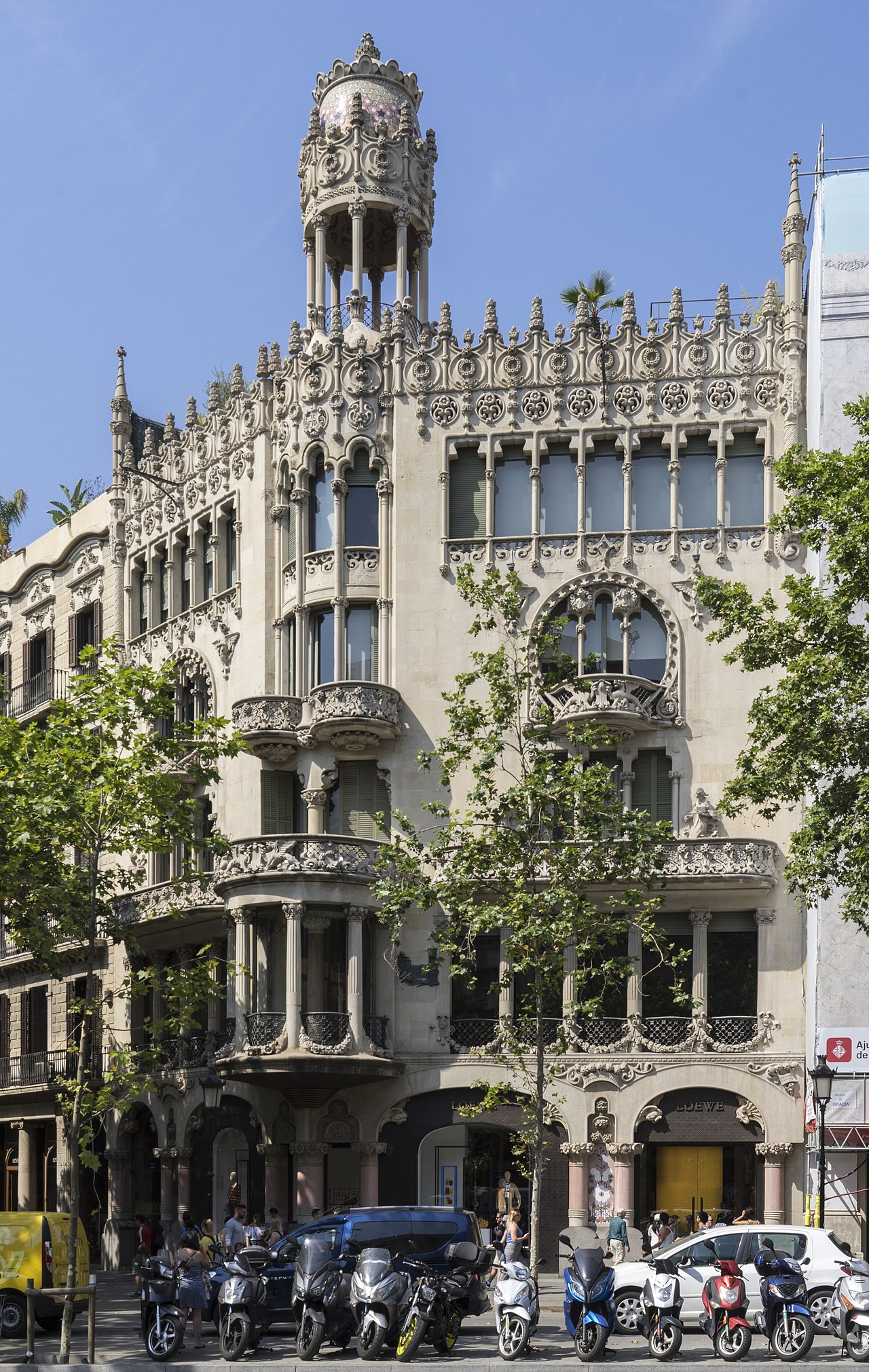
Casa Lleó Morera
Passeig de Gràcia, 35, Barcelona, Spain
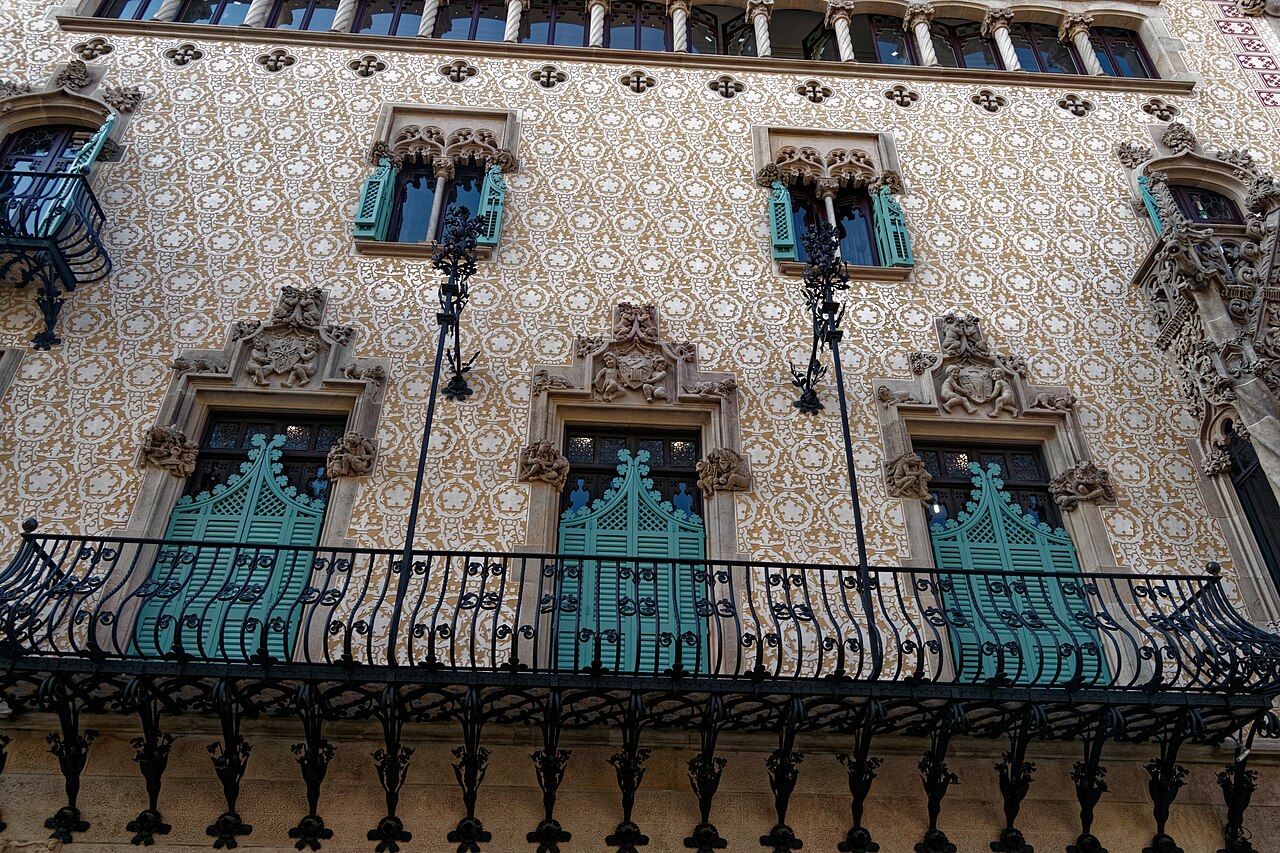
Casa Amatller
Passeig de Gràcia, 41, Barcelona, Spain
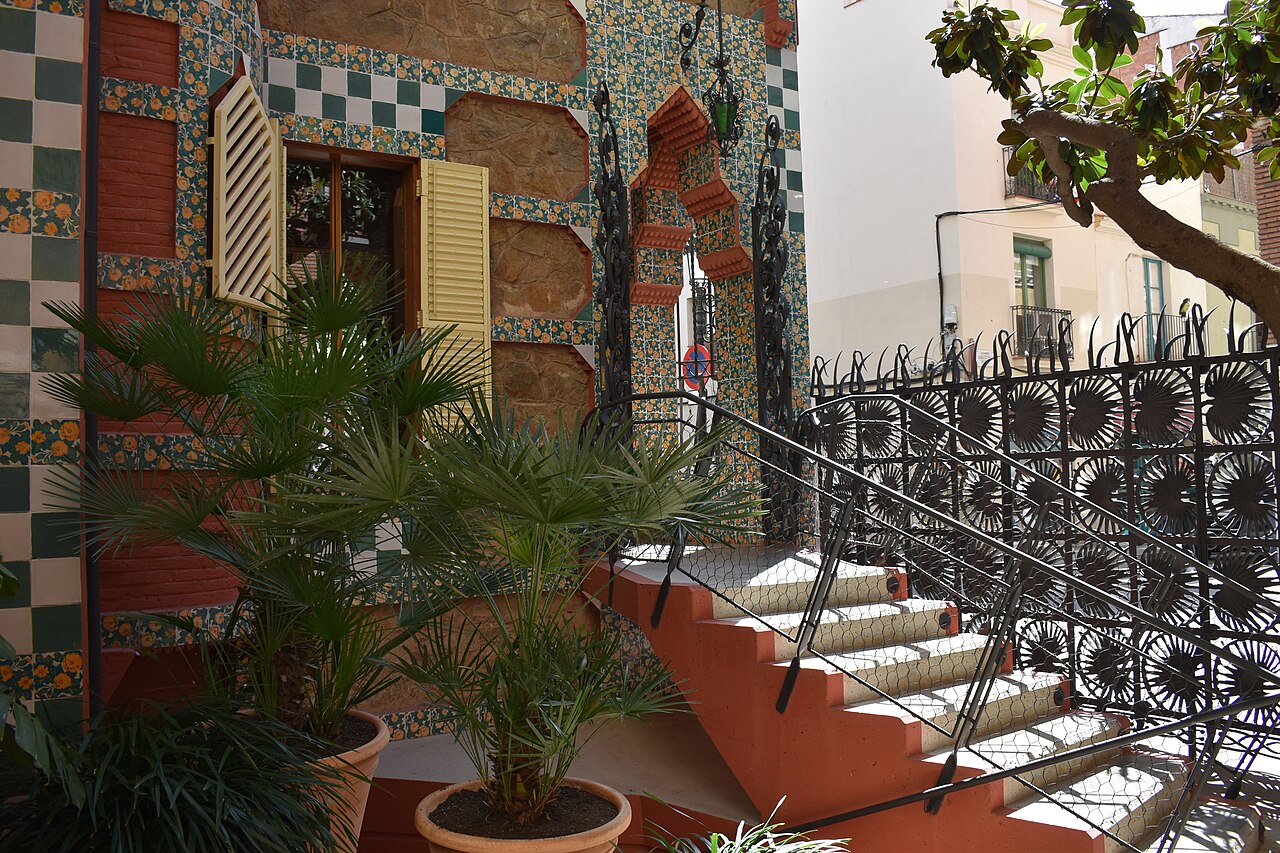
Casa Vicens
Carrer de les Carolines, 18-24, Barcelona, Spain
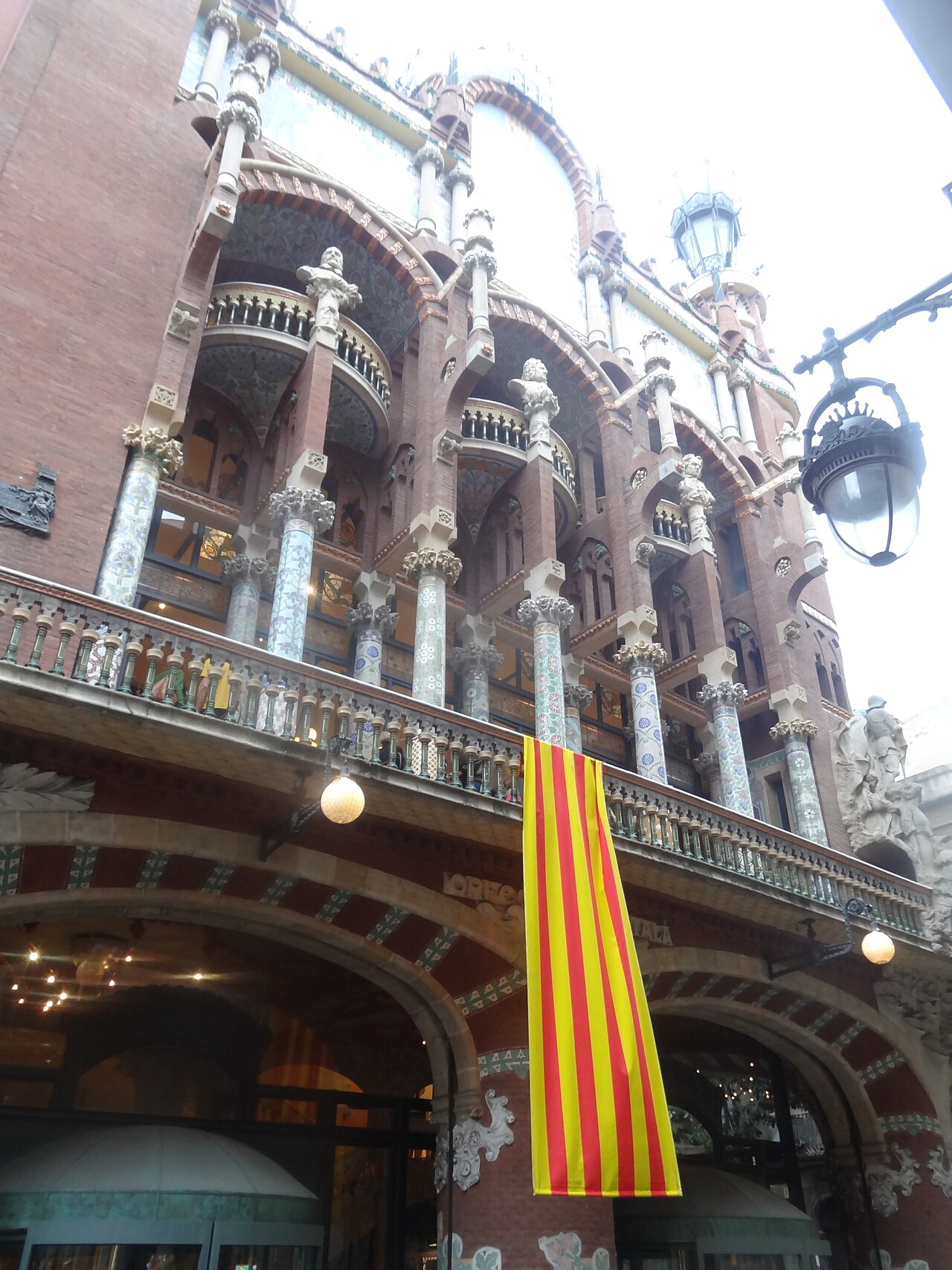
Palau de la Música Catalana
Carrer de Palau de la Música, 4-6, Barcelona, Spain
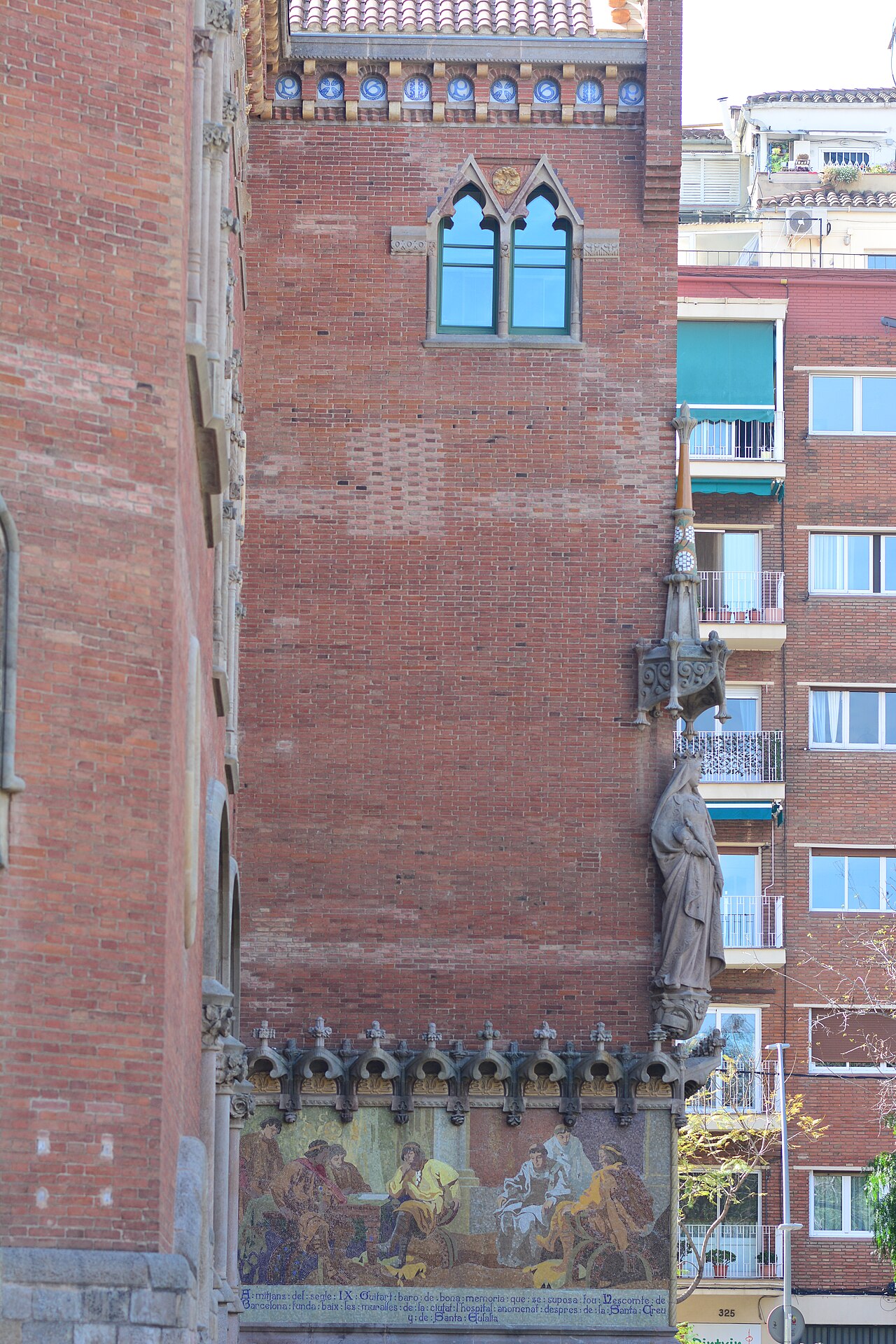
Hospital de Sant Pau
Carrer de Sant Antoni Maria Claret, 167, Barcelona, Spain
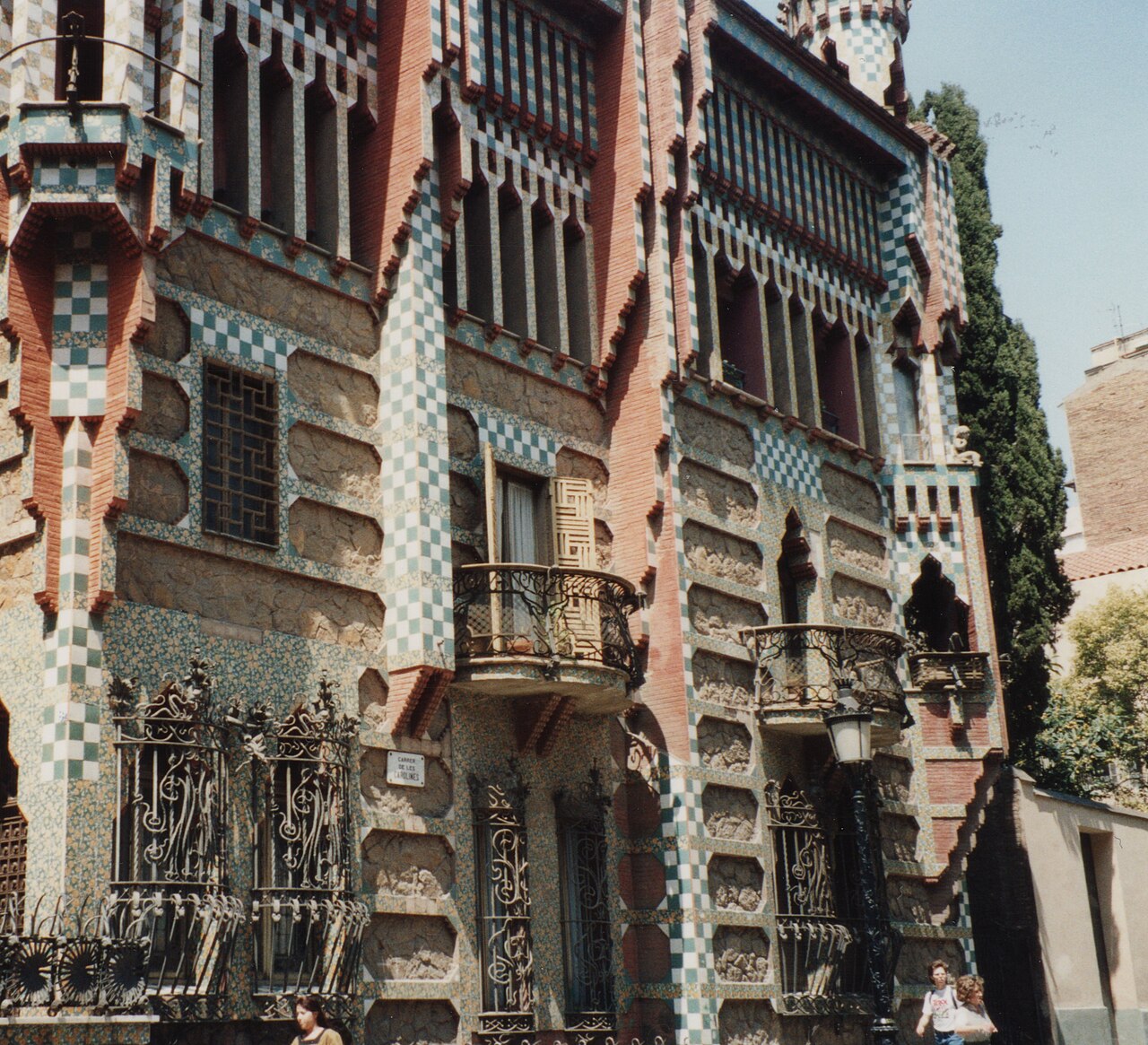
Casa Vicens
Carrer de les Carolines, 18-24, 08012 Barcelona, Spain
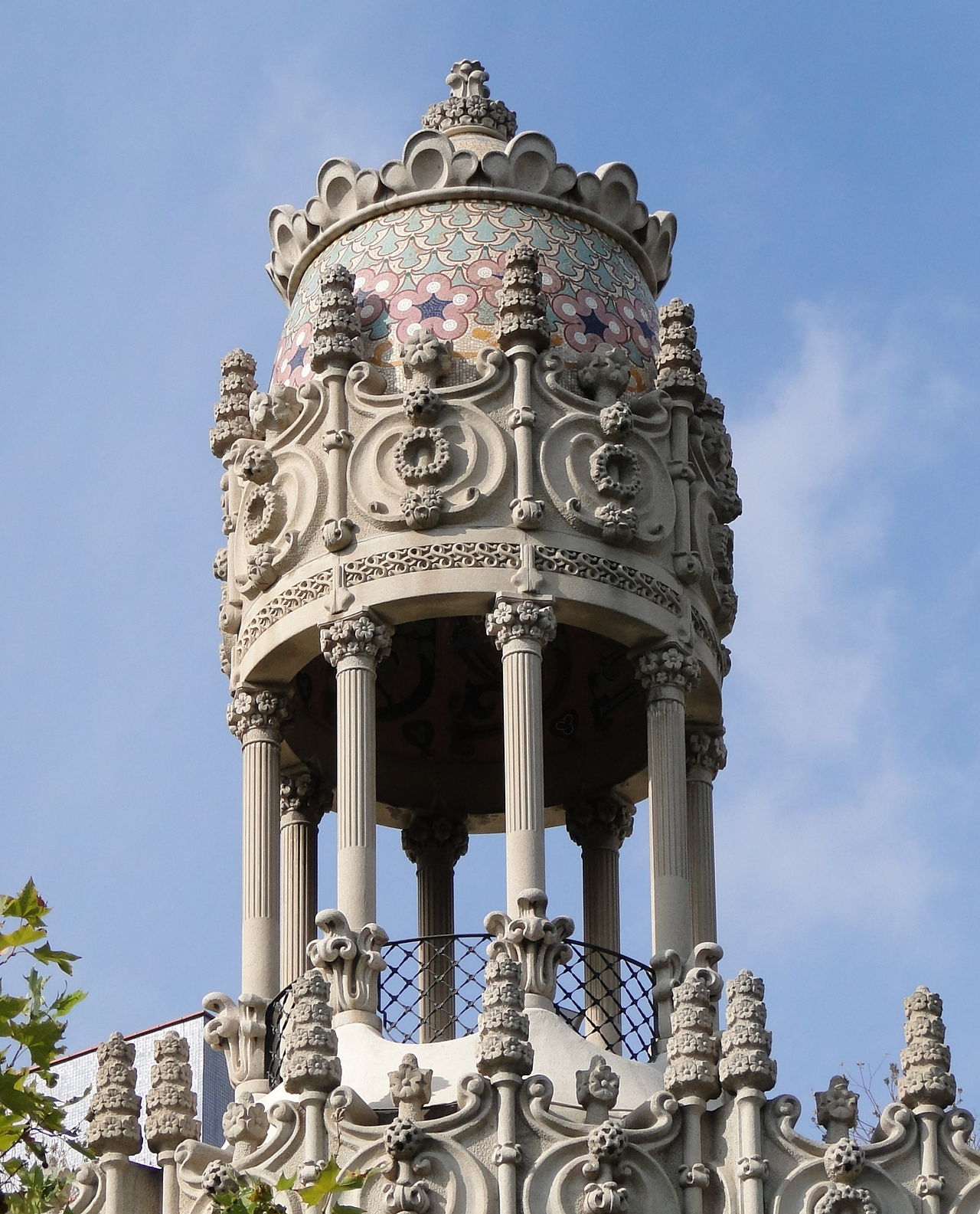
Casa Lleó Morera
Passeig de Gràcia, 35, 08007 Barcelona, Spain
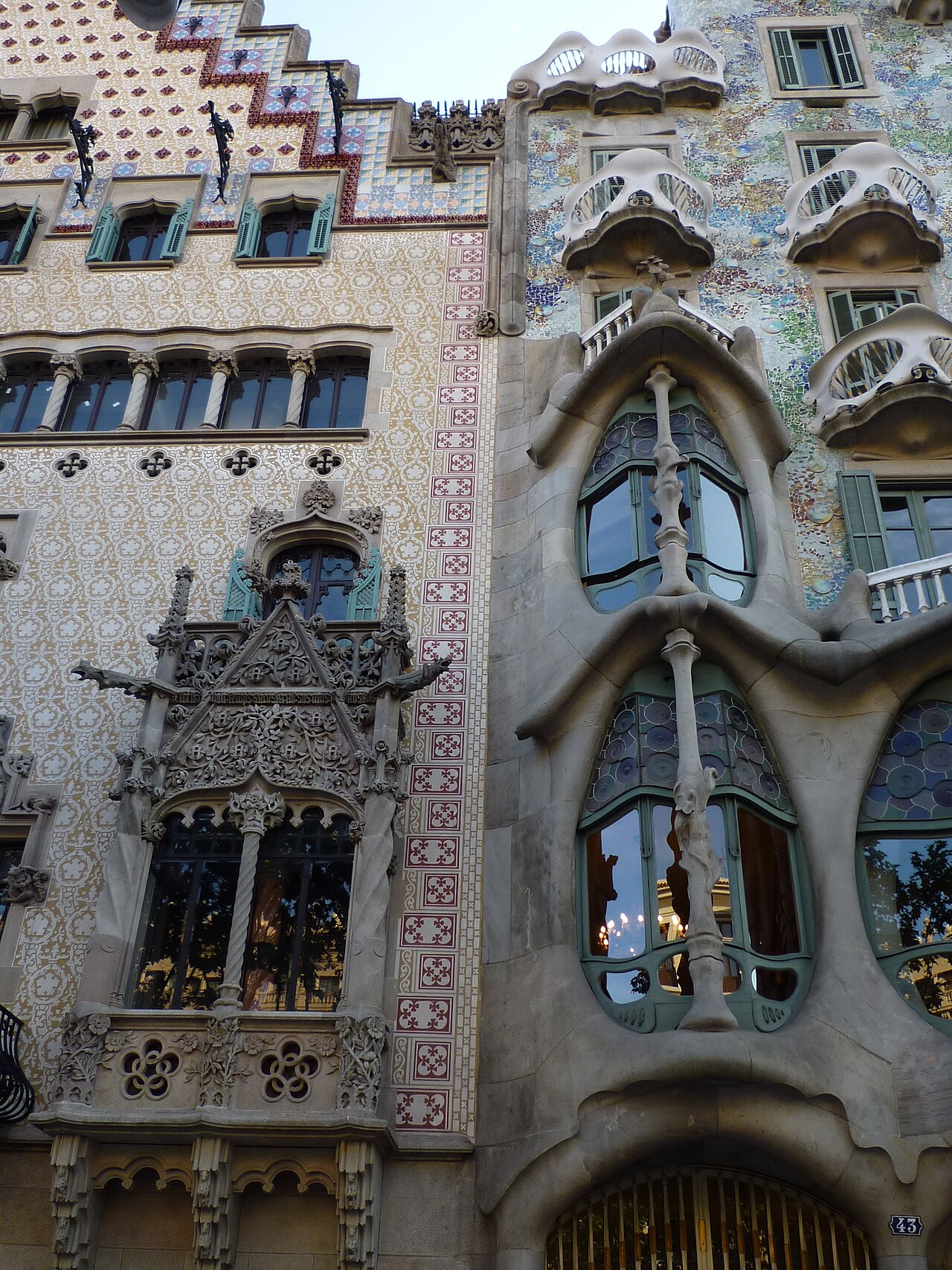
Casa Amatller
Passeig de Gràcia, 41, 08007 Barcelona, Spain
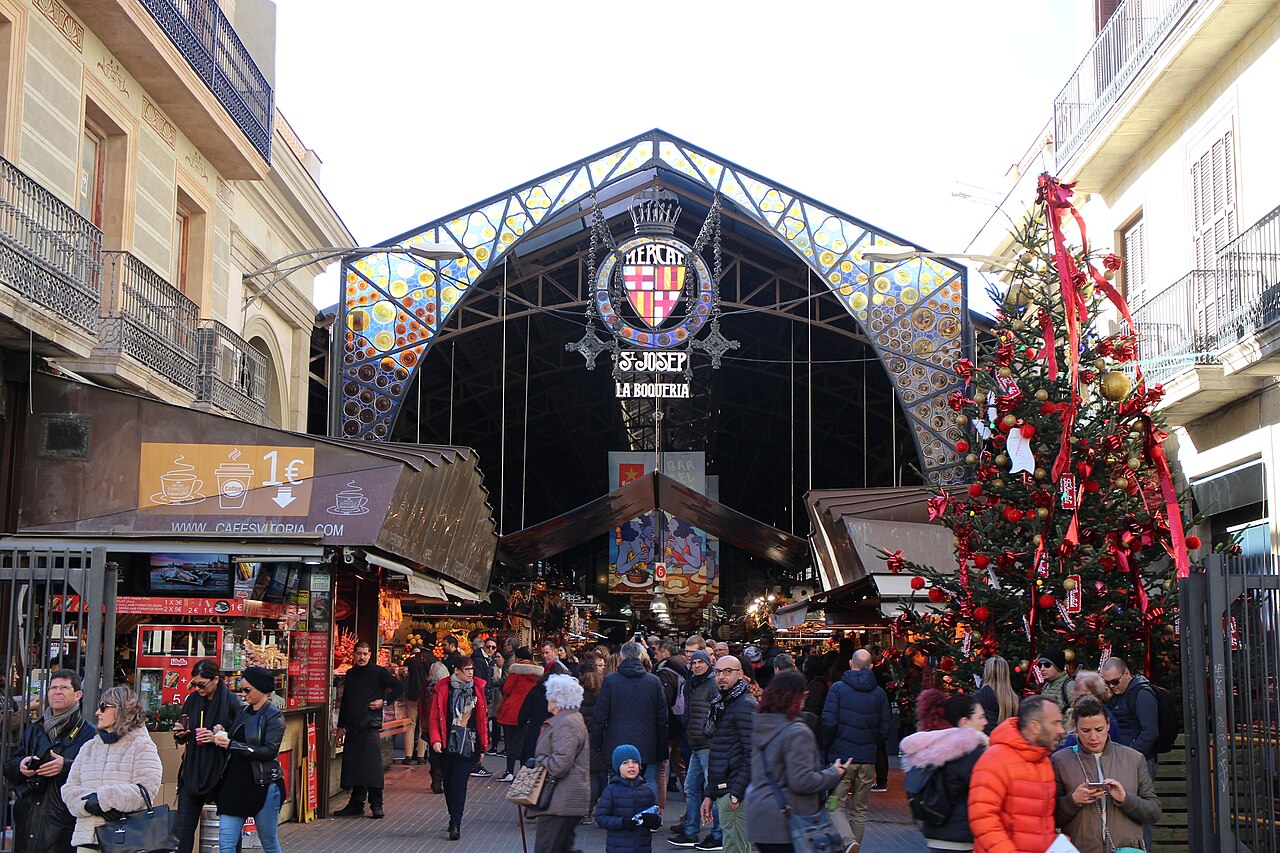
Mercat de la Boqueria
La Rambla, 91, 08001 Barcelona, Spain
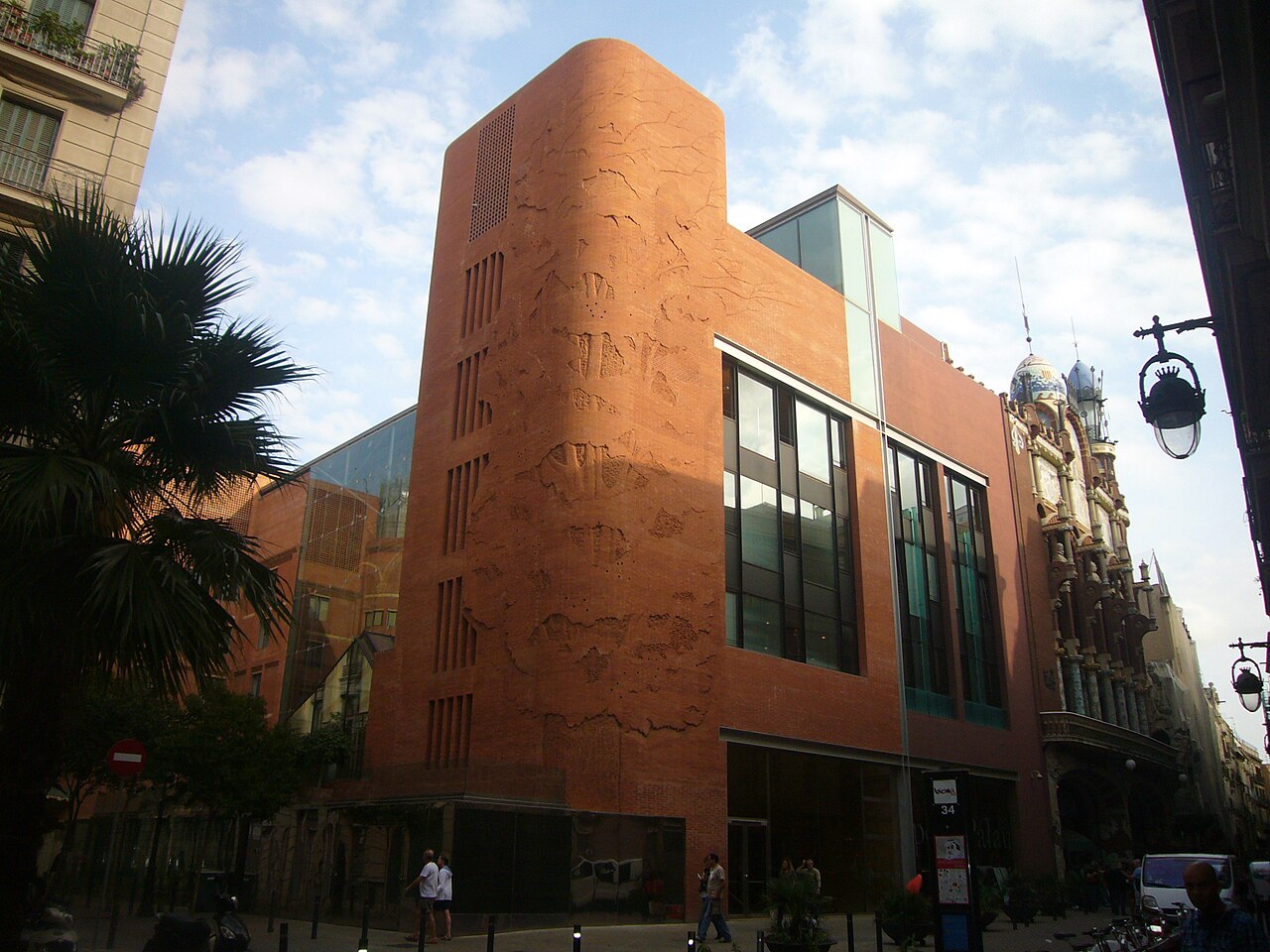
Palau de la Música Catalana
C/ Palau de la Música, 4-6, 08003 Barcelona, Spain
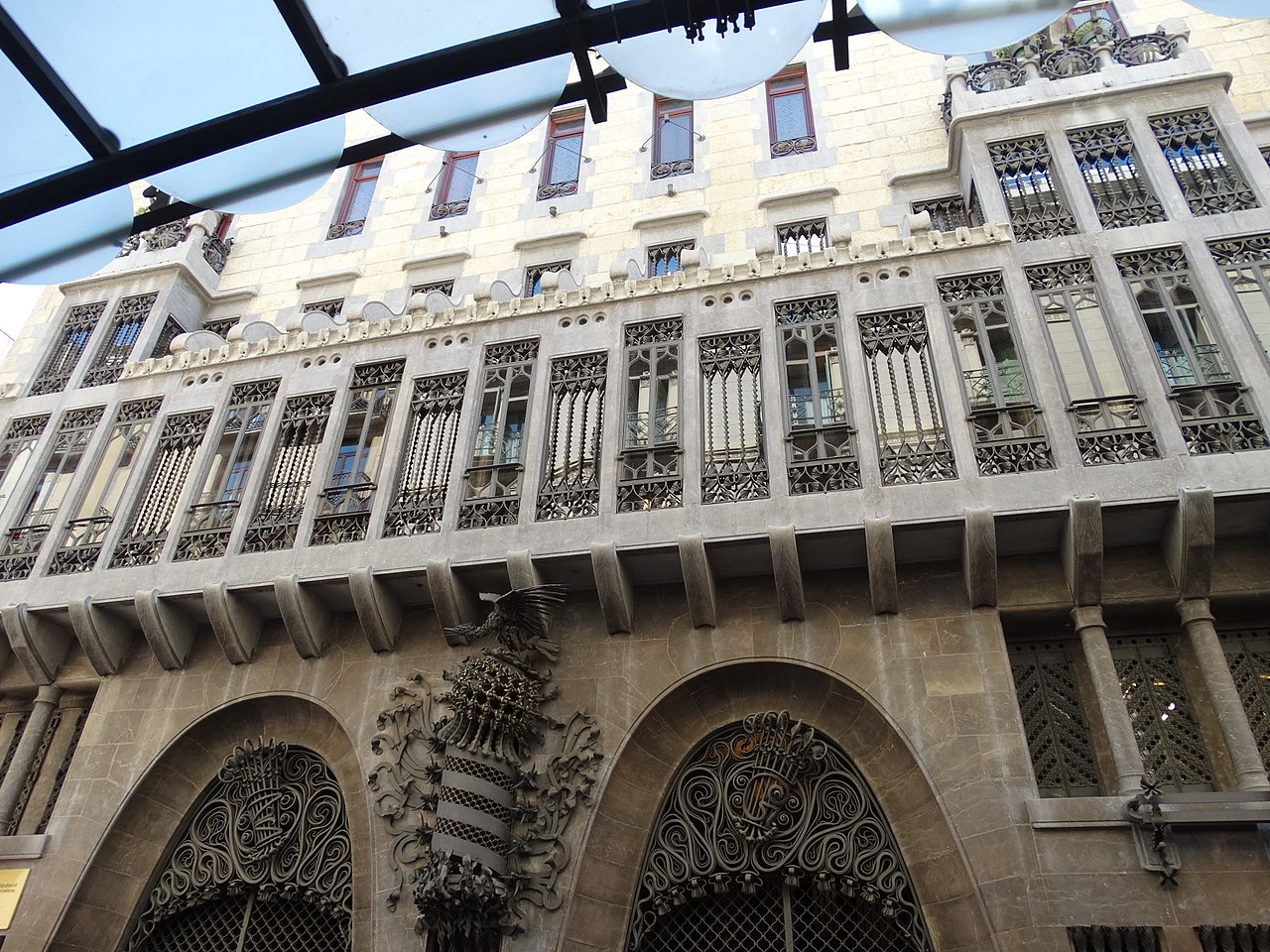
Palau Güell
Carrer Nou de la Rambla 3-5, 08001 Barcelona, Spain
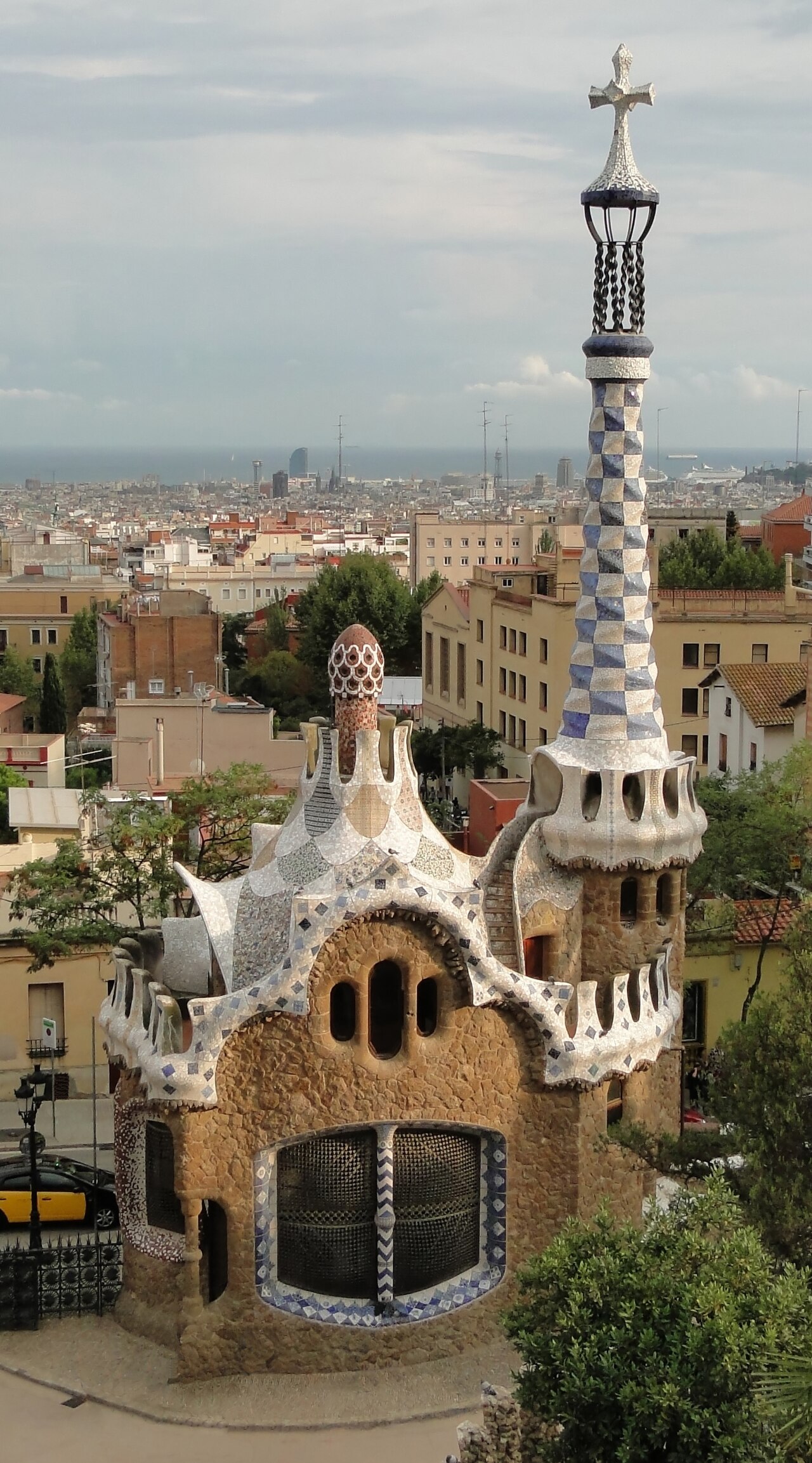
Park Güell
Carrer d'Olot, 08024 Barcelona, Spain
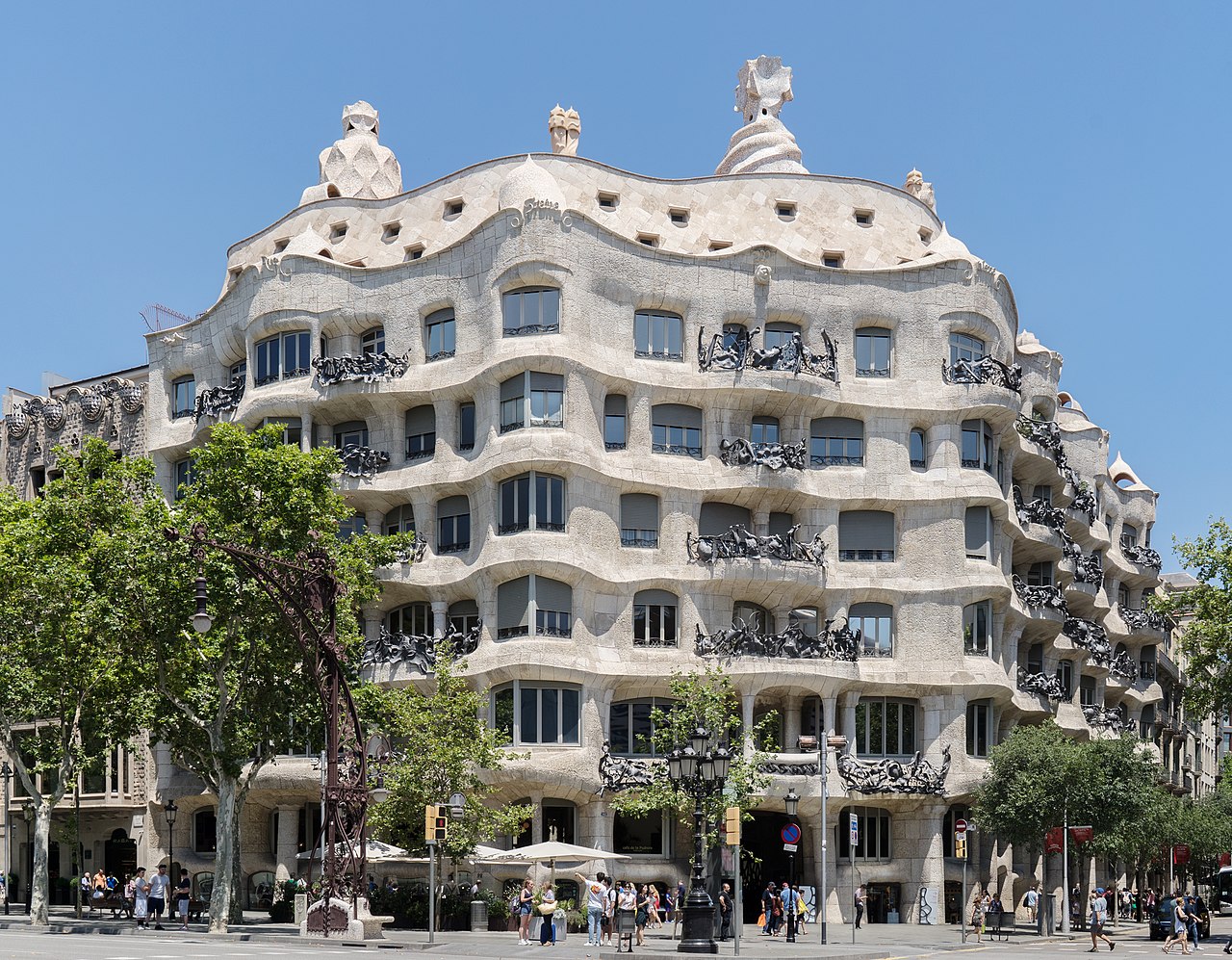
Casa Milà (La Pedrera)
Passeig de Gràcia 92, 08008 Barcelona, Spain
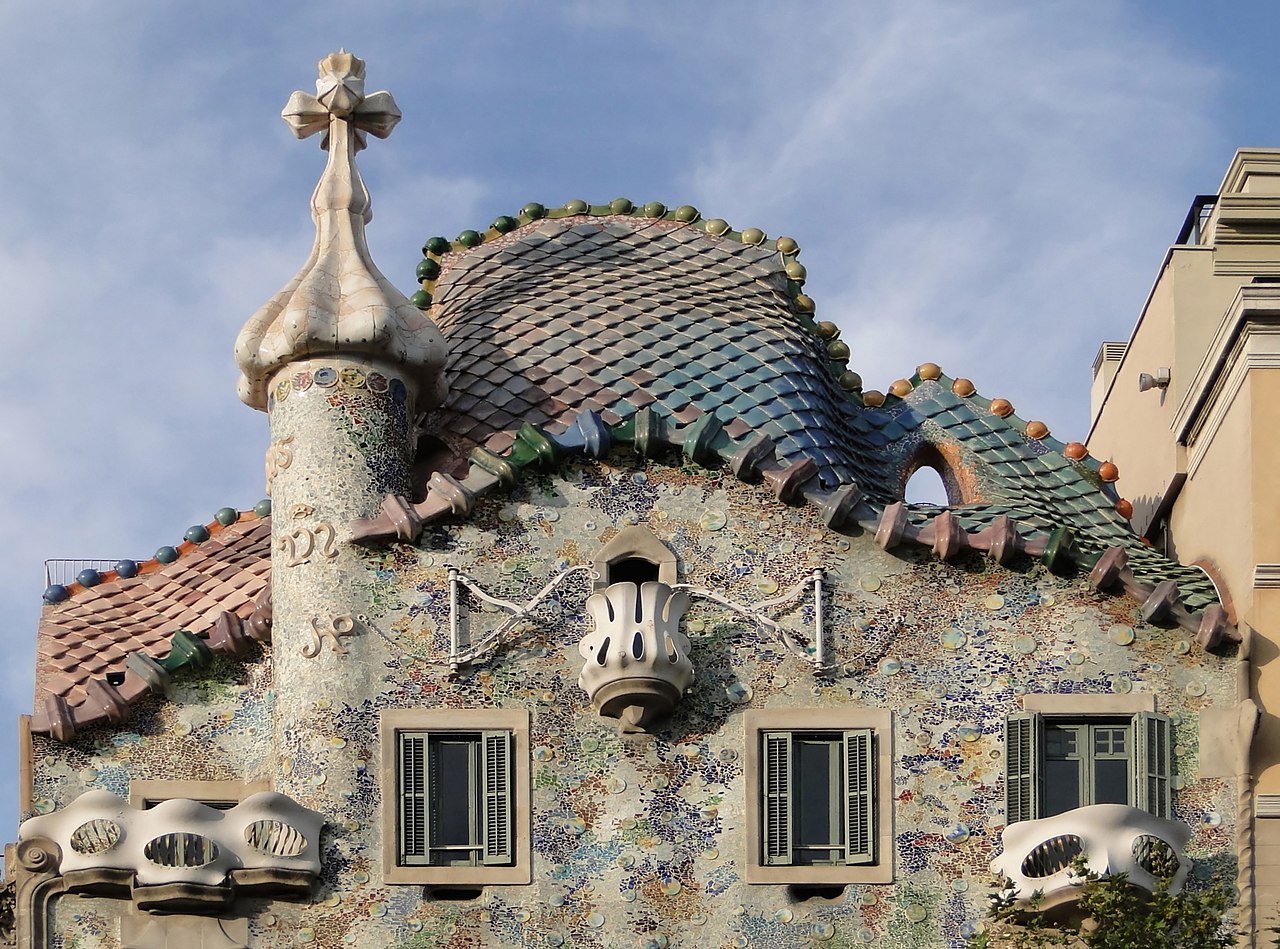
Casa Batlló
Passeig de Gràcia 43, 08007 Barcelona, Spain
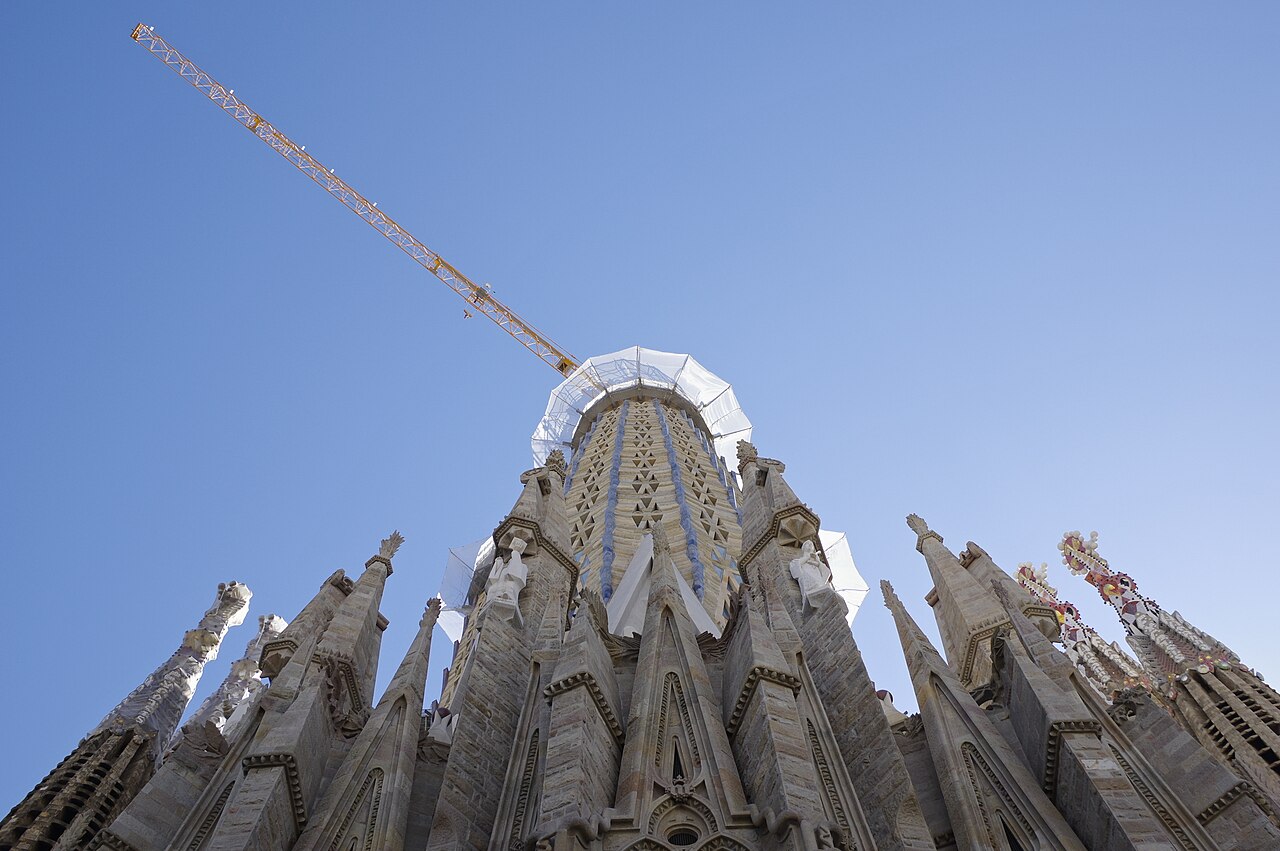
Sagrada Família
Carrer de Mallorca 401, 08013 Barcelona, Spain
Art Nouveau in Barcelona: Common Questions
Where can I see Art Nouveau architecture in Barcelona?
You can see notable examples along Passeig de Gràcia, including Casa Batlló and Casa Amatller. The Palau de la Música Catalana and Hospital de Sant Pau are also significant sites showcasing this architectural style.
When was the Art Nouveau period in Barcelona?
The Art Nouveau movement in Barcelona flourished primarily between the late 19th century and the early 20th century, coinciding with the city’s rapid industrialization.
What should I look for in Art Nouveau buildings?
Look for flowing lines, organic shapes, and intricate decorative elements. Buildings like Casa Lleó Morera and Casa Vicens exhibit distinct floral motifs and craftsmanship characteristic of the style.
How does Barcelona's Art Nouveau compare to other cities?
Barcelona's Art Nouveau is unique due to its integration with Catalan culture and the innovative works of architects like Antoni Gaudí. While cities like Paris have similar styles, Barcelona's use of color and local materials sets it apart.
Can I visit these Art Nouveau buildings?
Yes, many Art Nouveau buildings in Barcelona, such as Casa Batlló and Palau de la Música Catalana, are open to the public, offering guided tours that highlight their architectural significance.