Expressionism Architecture in Barcelona
Explore 6 expressionism buildings that shape Barcelona's architectural identity
Barcelona's architectural landscape is significantly shaped by the Expressionist movement, which emerged in the early 20th century as a response to the rigid forms of earlier styles. This period coincided with a time of economic growth and cultural flourishing in the city, allowing architects to explore innovative designs that emphasized emotion and individual experience. The city's unique context, paired with the use of organic materials like stone and ceramics, has given Expressionism in Barcelona a distinct character.
One of the most notable examples is Casa Batlló, located on Passeig de Gràcia. Its flowing, organic shapes and vibrant colors create an immersive experience that evokes a sense of fantasy. The building's design reflects a deep connection to nature and artistic expression, marking it as a key representation of the style. Similarly, Casa Milà, also known as La Pedrera, features dynamic forms and imaginative roof sculptures that convey movement, inviting personal interpretation.
In addition to residential buildings, public structures like the Sagrada Família demonstrate the emotive qualities of Expressionism. Its intricate and symbolic designs reflect complex theological concepts, making it a profound spiritual narrative in architectural form. The presence of these buildings along major thoroughfares such as Passeig de Gràcia and Avinguda Diagonal highlights the concentration of Expressionist architecture in the Eixample district, making it an essential area for exploration.
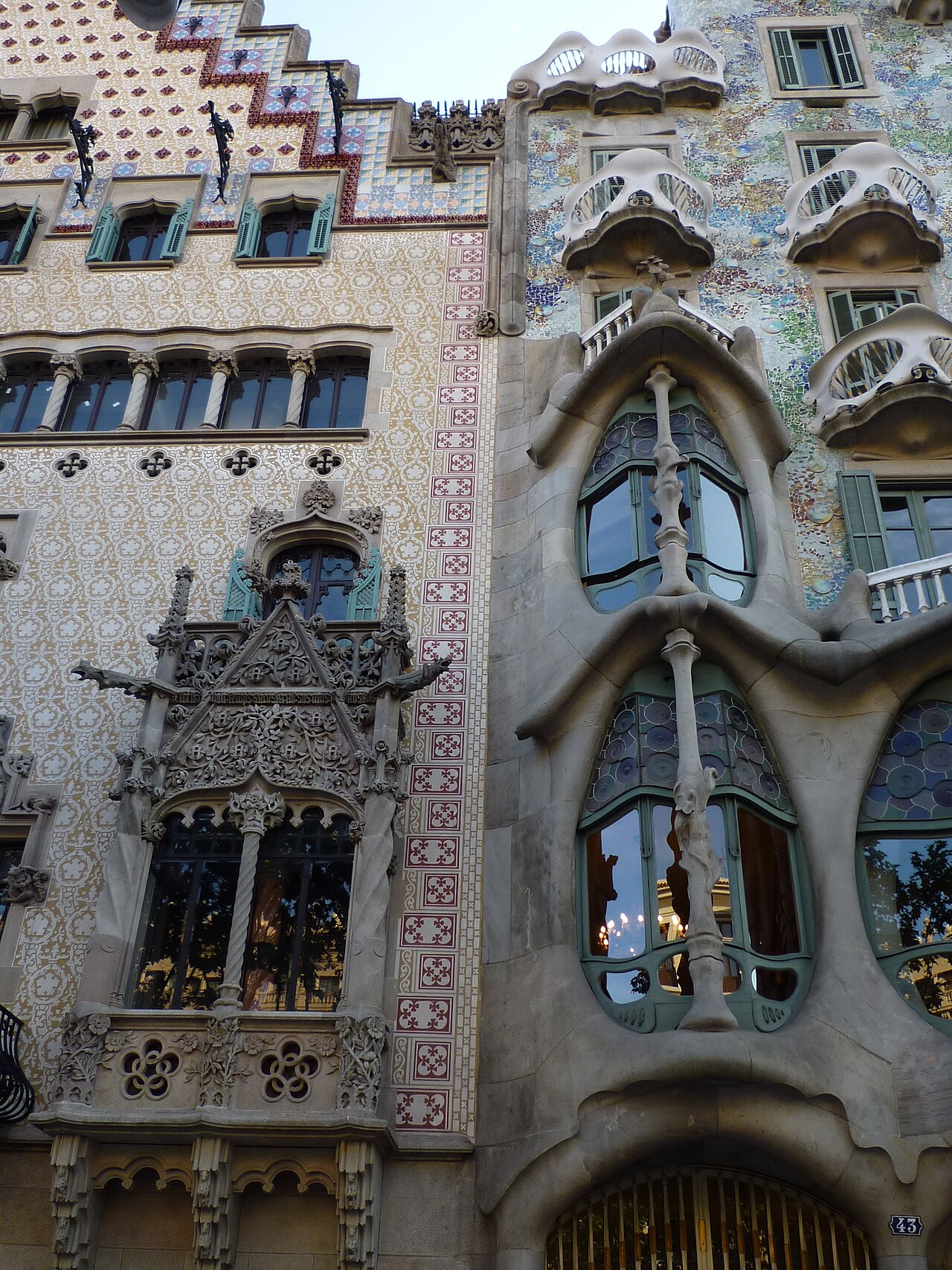
Casa Amatller
Passeig de Gràcia, 41, 08007 Barcelona, Spain
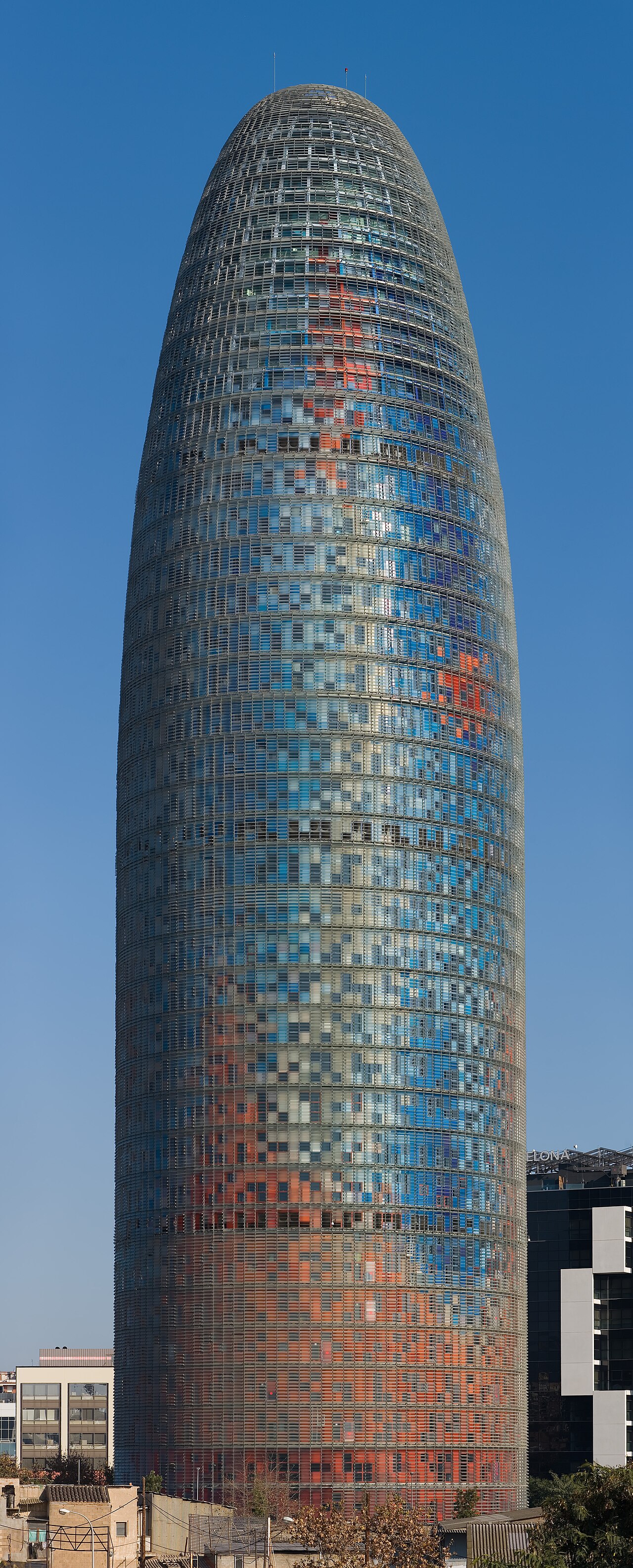
Torre Glòries
Avinguda Diagonal, 211, 08018 Barcelona, Spain
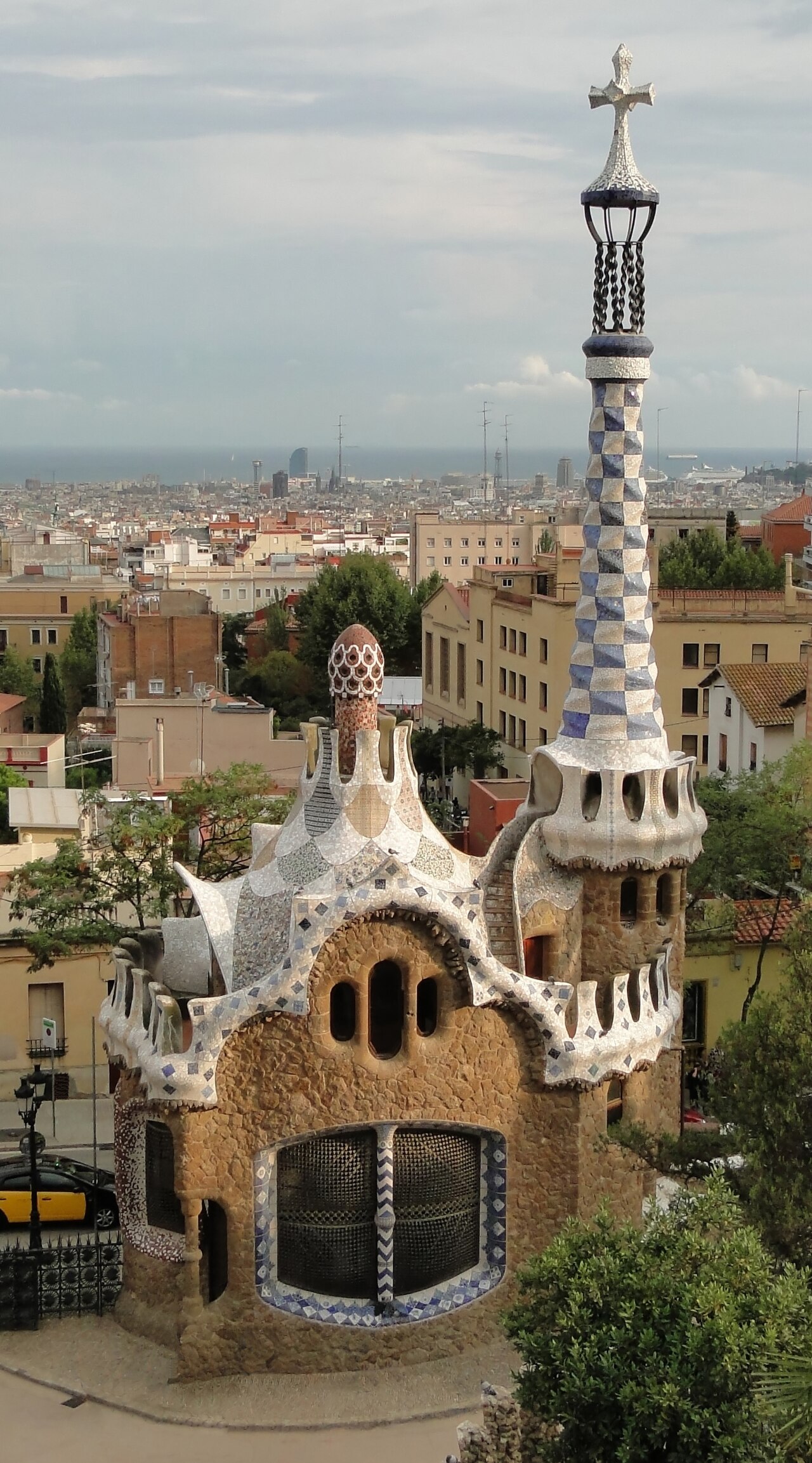
Park Güell
Carrer d'Olot, 08024 Barcelona, Spain
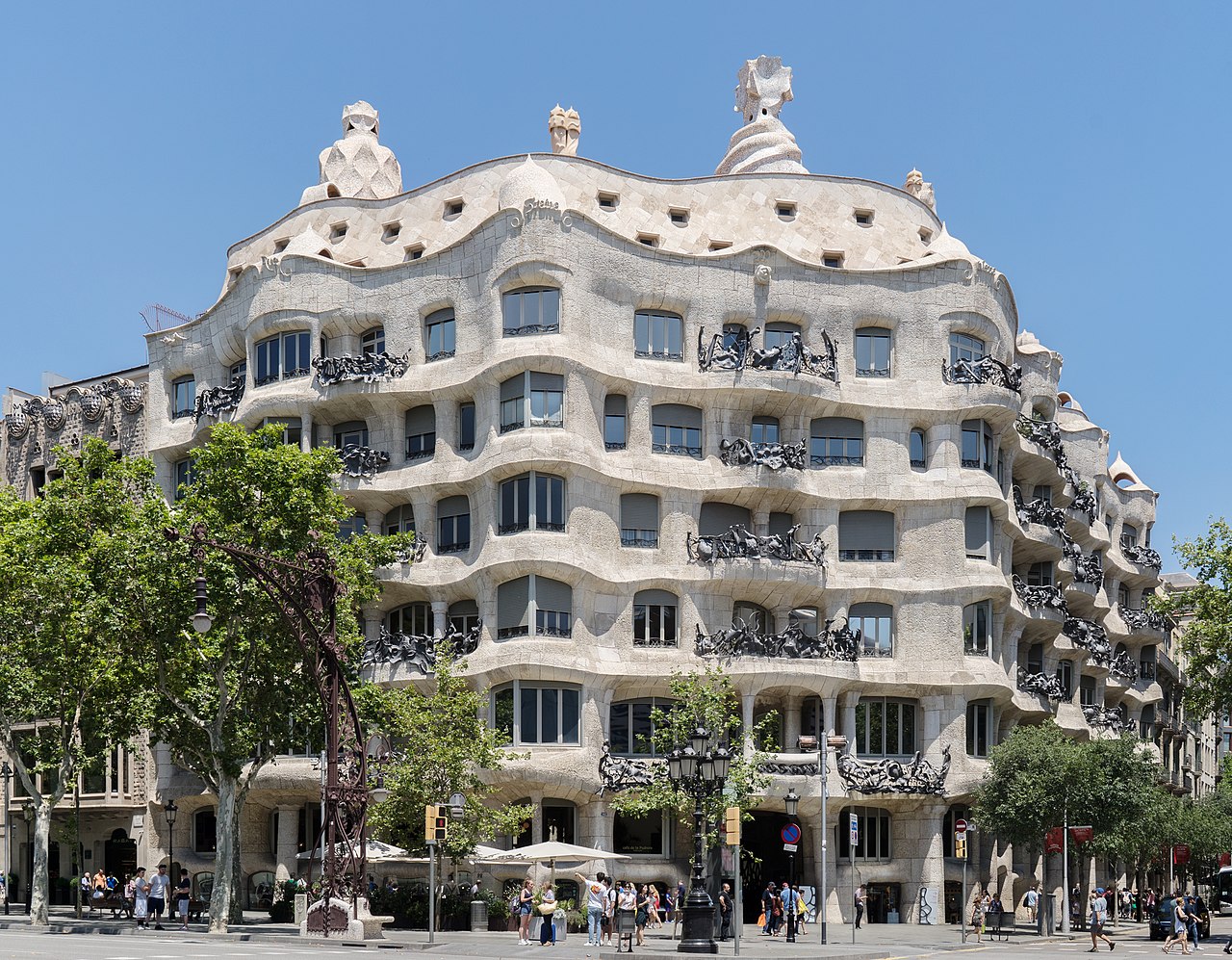
Casa Milà (La Pedrera)
Passeig de Gràcia 92, 08008 Barcelona, Spain
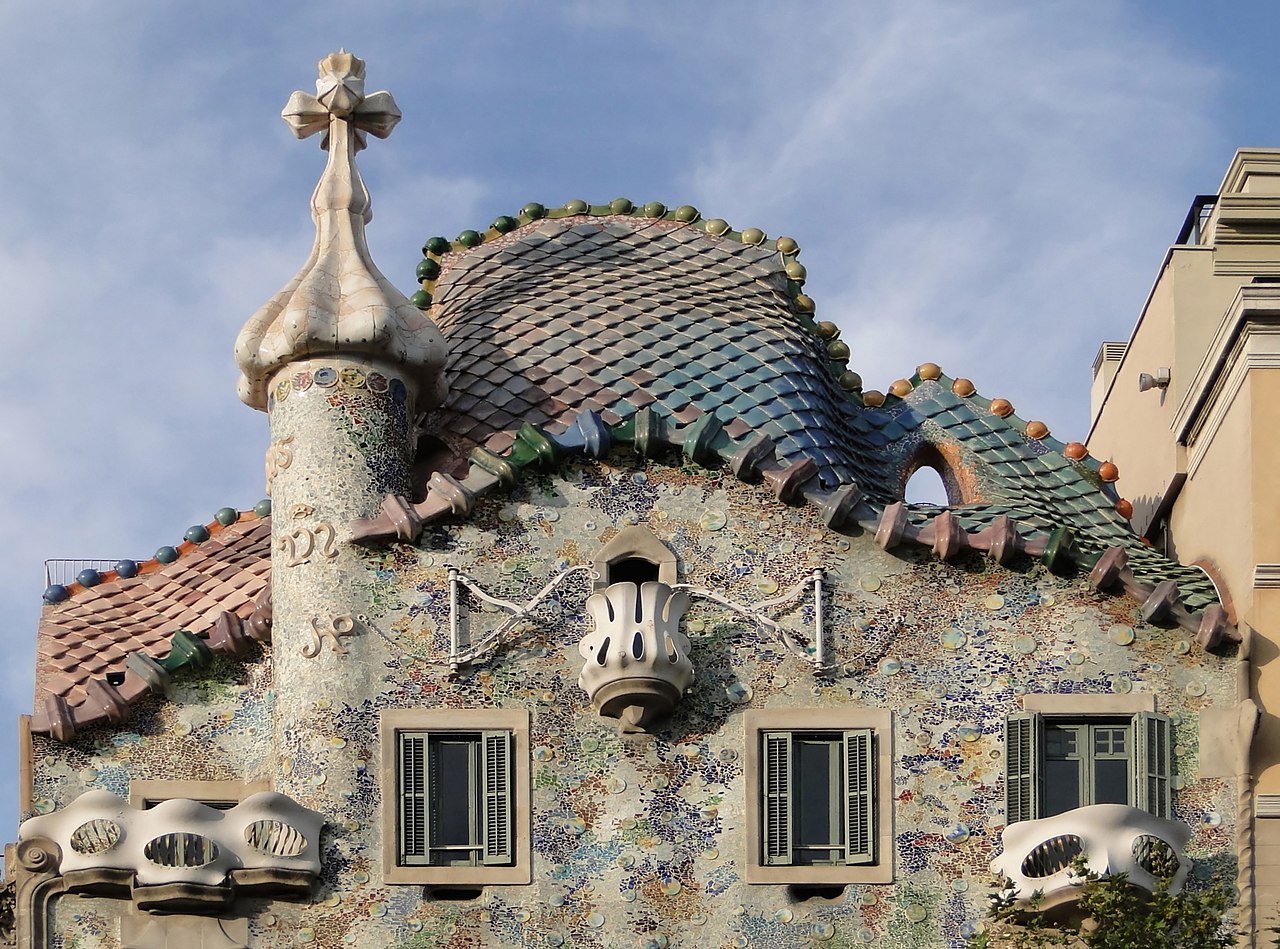
Casa Batlló
Passeig de Gràcia 43, 08007 Barcelona, Spain
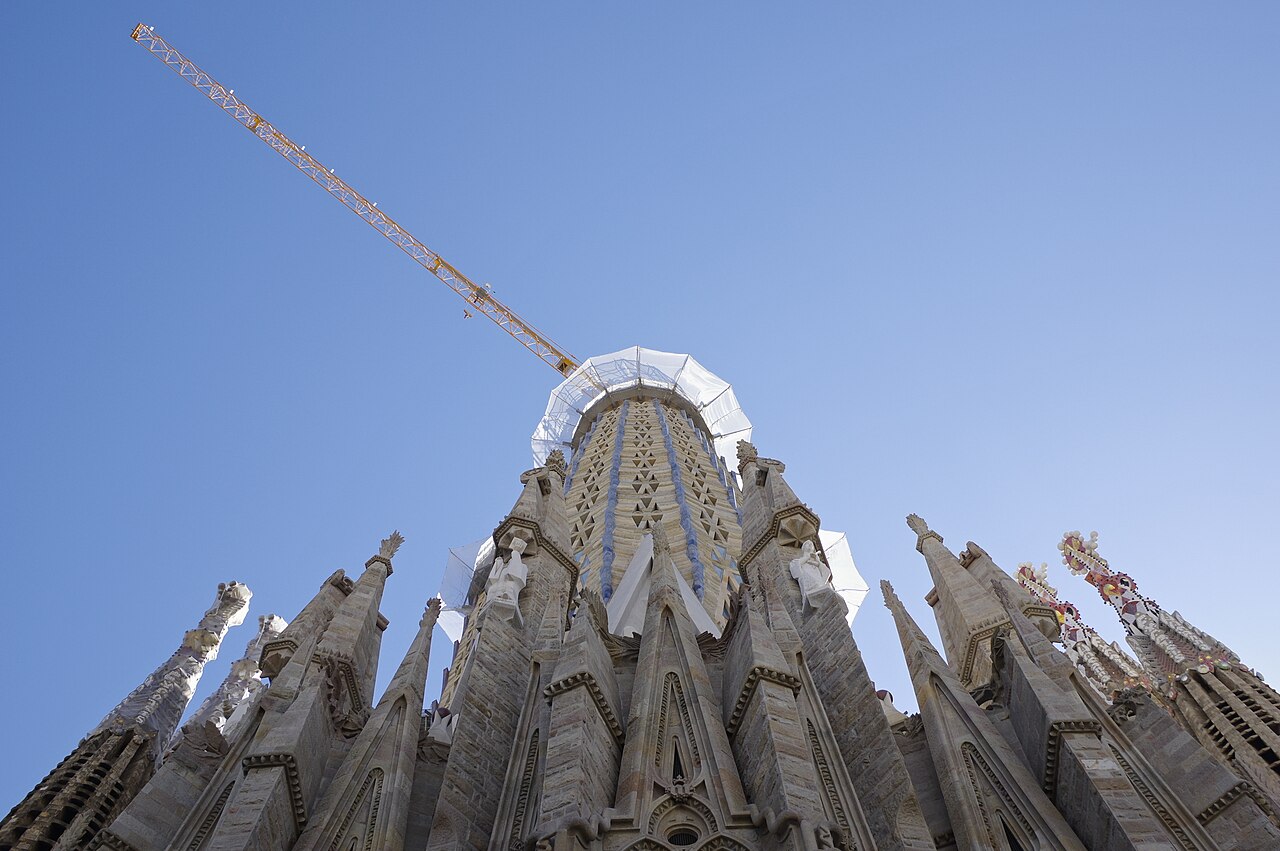
Sagrada Família
Carrer de Mallorca 401, 08013 Barcelona, Spain
Expressionism in Barcelona: Common Questions
Where can I see Expressionism architecture in Barcelona?
Key locations include Passeig de Gràcia, where Casa Batlló and Casa Milà are situated, and Avinguda Diagonal, home to Torre Glòries. These areas are concentrated with distinct examples of Expressionist design.
When were these Expressionist buildings constructed?
Most of the notable Expressionist buildings in Barcelona were constructed in the early 20th century, particularly between 1900 and 1930, a time of significant cultural and architectural innovation in the city.
What should I look for in these buildings?
Look for organic, flowing shapes, vibrant colors, and unique materials that evoke emotion. For instance, Casa Batlló's whimsical forms and the dynamic roof of Casa Milà are excellent examples of these characteristics.
How does Barcelona's Expressionism compare to that in other cities?
Barcelona's Expressionism reflects a unique blend of local materials and cultural influences. While cities like Berlin and Amsterdam also feature Expressionist architecture, Barcelona's designs often emphasize a deeper connection to nature and spirituality, as seen in the Sagrada Família.
Can I visit these Expressionist buildings?
Yes, many of these buildings, such as Casa Batlló and Casa Milà, are open to the public for tours. Visitors can experience their unique architectural features and learn about the history behind their designs.