Eclectic Architecture in Barcelona
Explore 7 eclectic buildings that shape Barcelona's architectural identity
Eclectic architecture in Barcelona emerged during the late 19th and early 20th centuries, a period marked by rapid industrialization and socio-political changes. This era allowed architects to experiment with various styles, reflecting influences from different historical periods and artistic movements. The local economy thrived, fostering a construction boom that encouraged innovative designs and the use of diverse materials.
Neighborhoods such as Eixample and Ciutat Vella are notable for their eclectic buildings. For instance, Casa Lleó Morera on Passeig de Gràcia showcases a blend of decorative arts and historical references, creating a cohesive facade that draws from multiple architectural traditions. Similarly, the Arc de Triomf incorporates Gothic, Renaissance, and Moorish elements, resulting in a striking structure that symbolizes the city's cultural richness.
Torre Bellesguard, another significant example, illustrates the eclectic style through its playful design combining traditional stonework with whimsical motifs. The distinctiveness of each building lies in its unique combination of styles, materials, and decorative details, making Barcelona a key destination for enthusiasts of eclectic architecture.
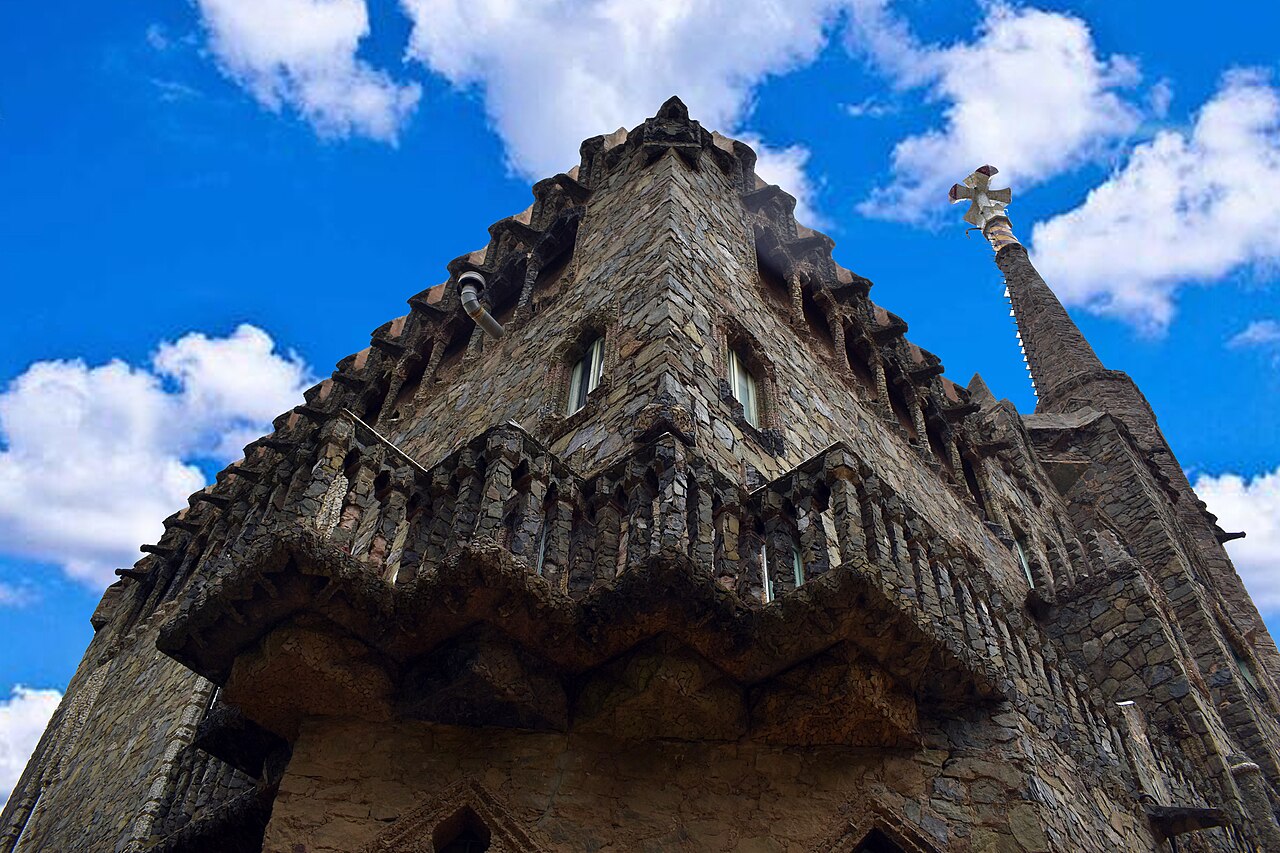
Torre Bellesguard
Carrer de Bellesguard, 20, Barcelona, Spain
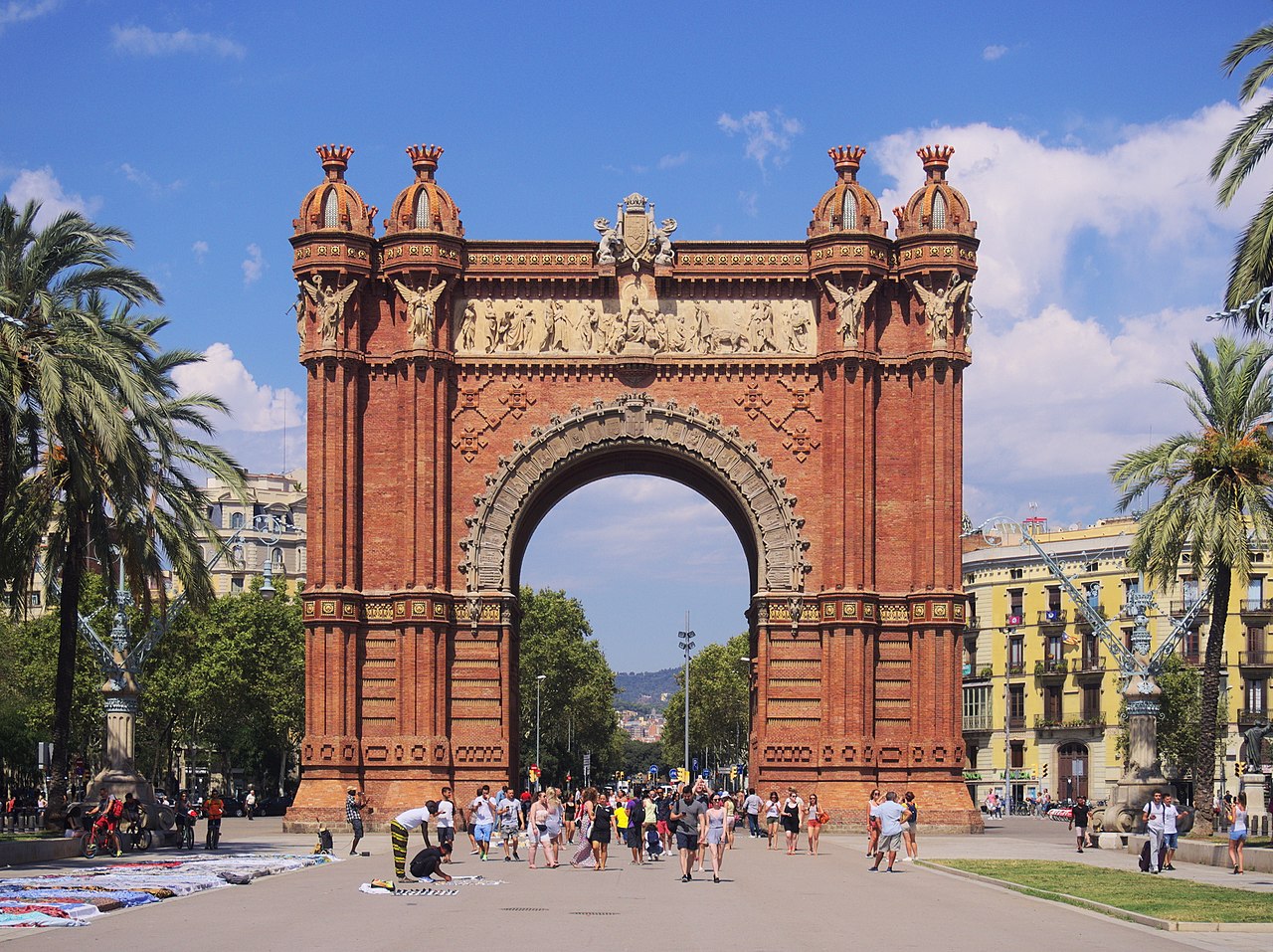
Arc de Triomf
Passeig de Lluís Companys, Barcelona, Spain
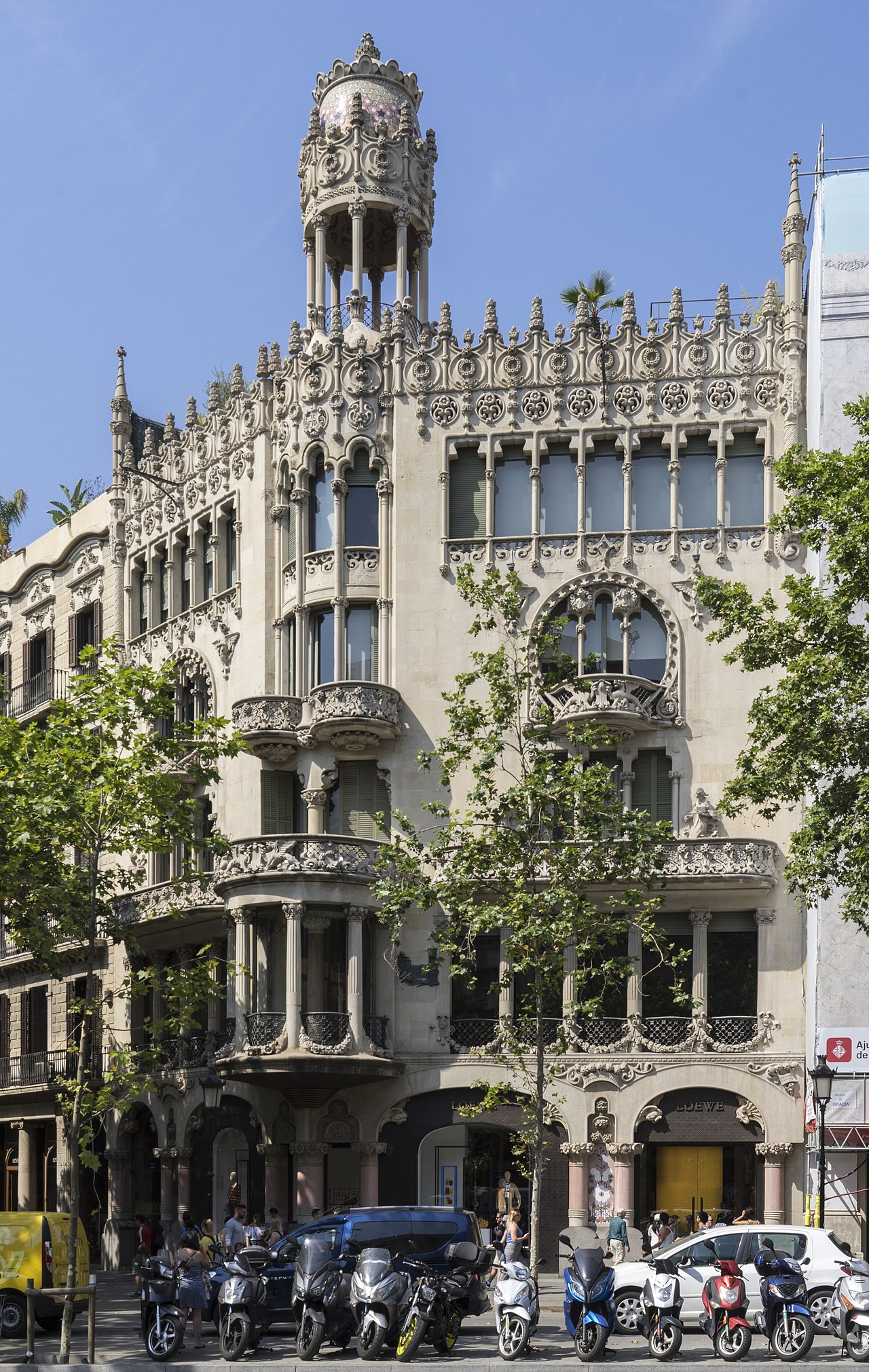
Casa Lleó Morera
Passeig de Gràcia, 35, Barcelona, Spain
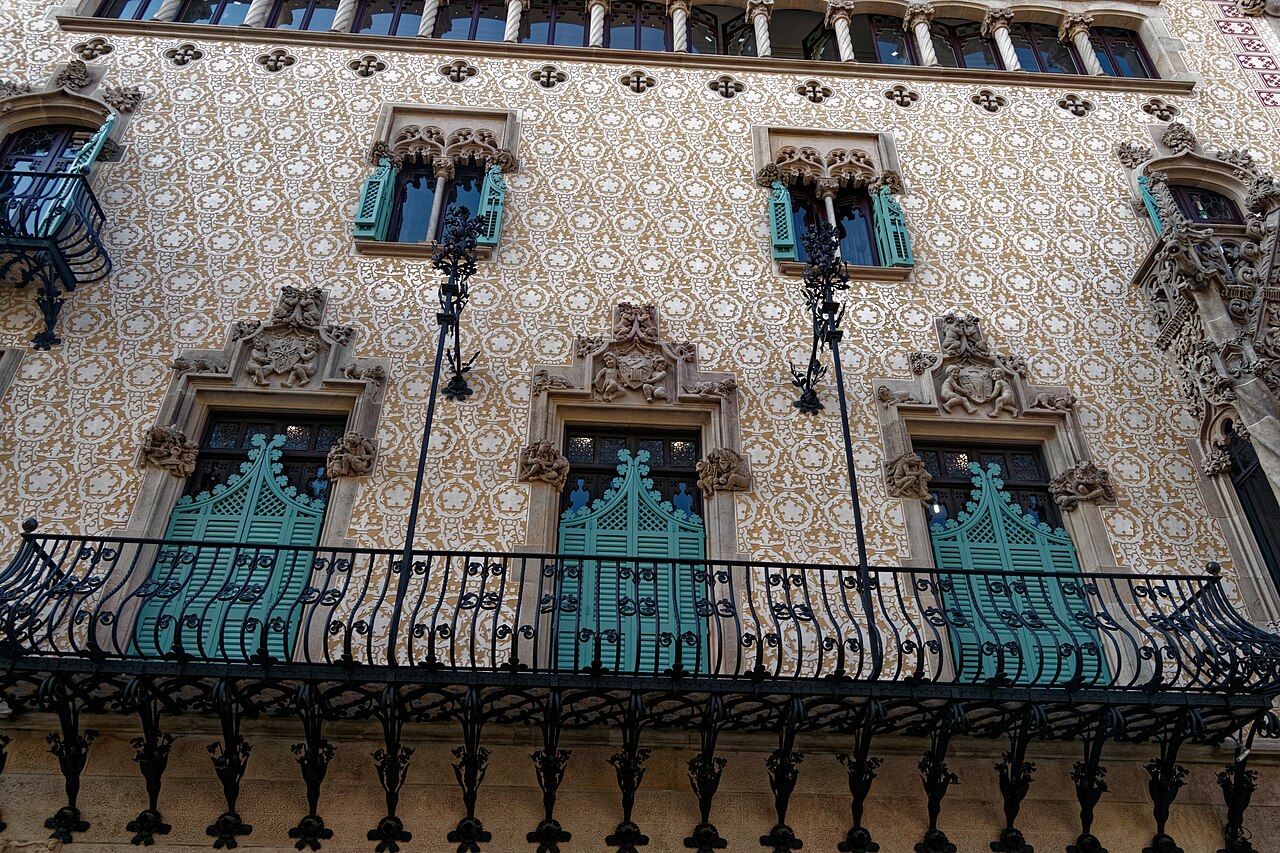
Casa Amatller
Passeig de Gràcia, 41, Barcelona, Spain
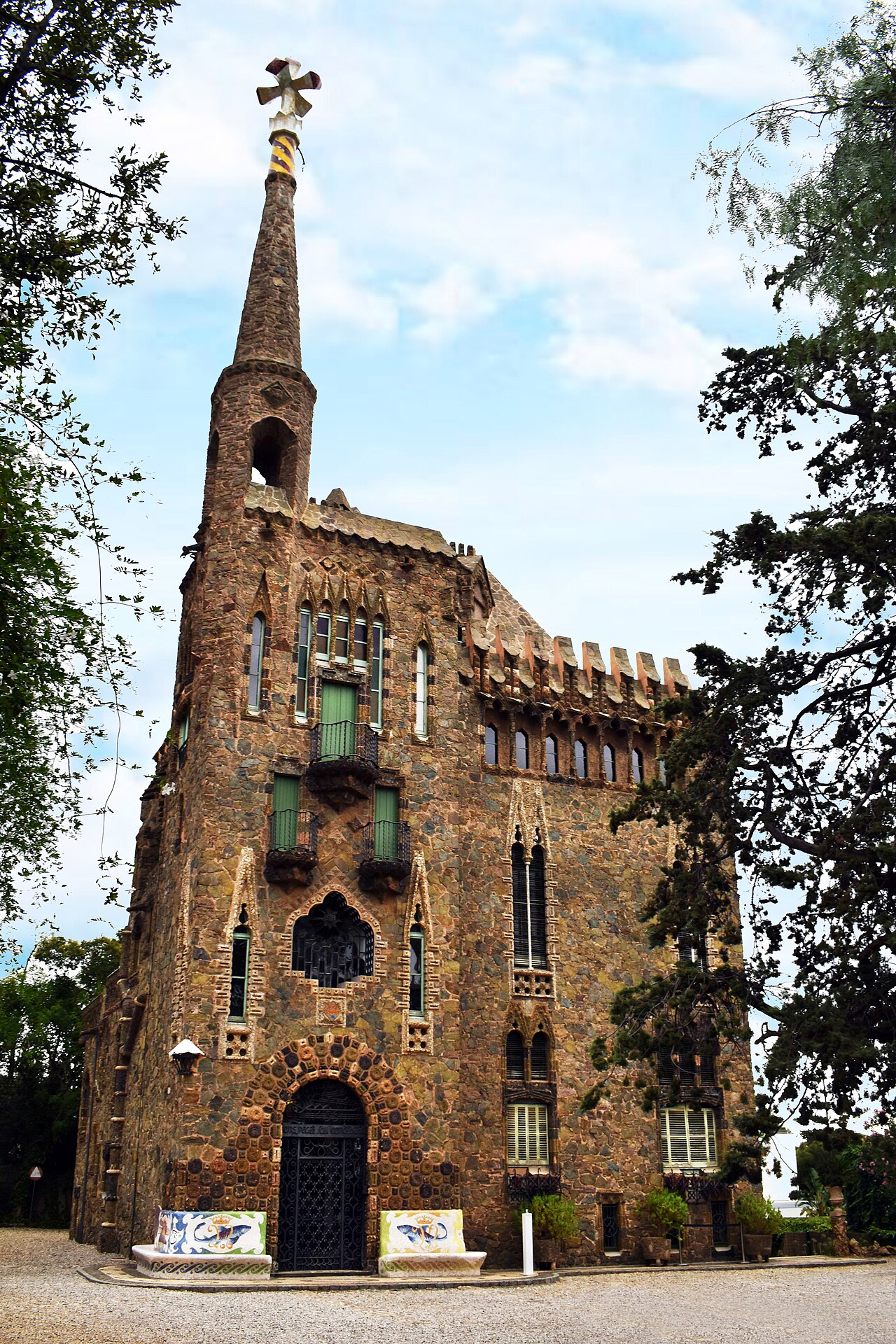
Torre Bellesguard
Carrer de Bellesguard, 20, 08022 Barcelona, Spain
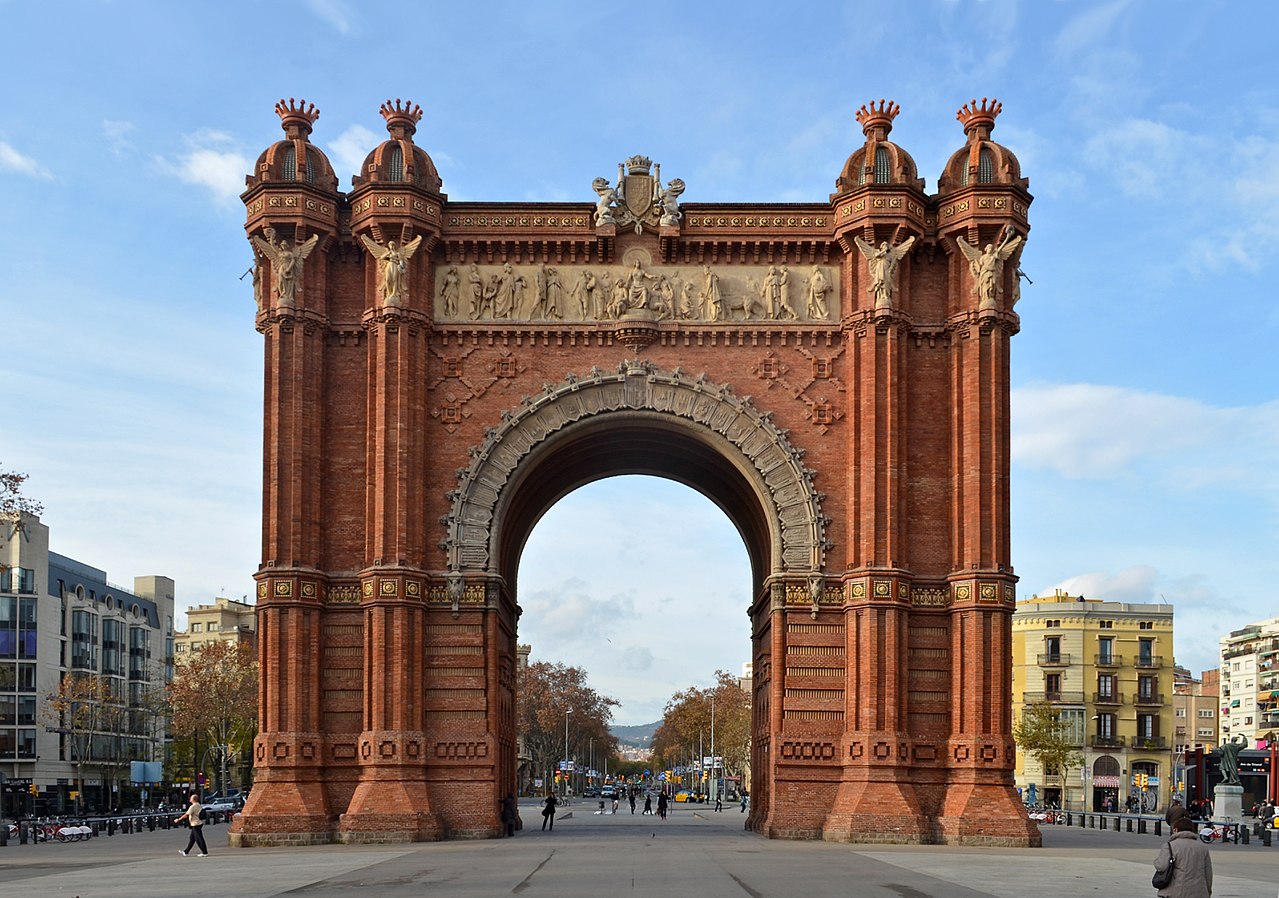
Arc de Triomf
Passeig de Lluís Companys, 08003 Barcelona, Spain
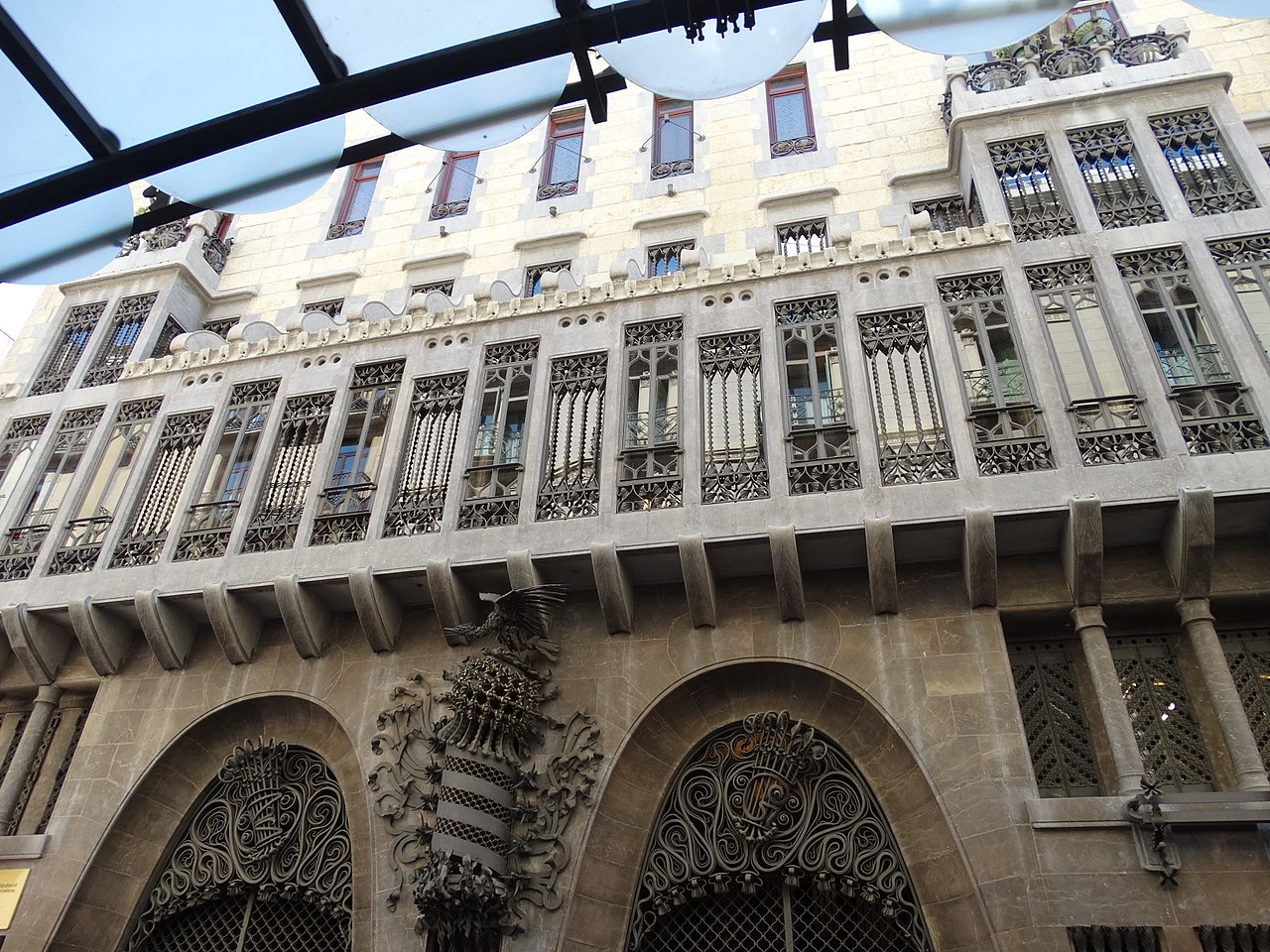
Palau Güell
Carrer Nou de la Rambla 3-5, 08001 Barcelona, Spain
Eclectic in Barcelona: Common Questions
Where can I see eclectic architecture in Barcelona?
You can find eclectic architecture primarily along Passeig de Gràcia, where notable buildings like Casa Lleó Morera and Casa Amatller are located. The Arc de Triomf is also a prominent example, situated near the Ciutadella Park.
When were the eclectic buildings in Barcelona built?
Most of the eclectic buildings in Barcelona were constructed between the late 19th and early 20th centuries, particularly during the Catalan Modernisme movement, which encouraged diverse architectural expressions.
What should I look for in eclectic architecture?
When exploring eclectic architecture, pay attention to the variety of stylistic elements and materials used. Look for unique decorative details, the blending of different historical influences, and how these features come together to create a cohesive visual narrative.
How does Barcelona's eclectic architecture compare to other cities?
Barcelona's eclectic architecture is distinctive due to its rich blend of Catalan Modernisme with influences from Gothic, Renaissance, and Moorish styles. This contrasts with cities like Paris, where Beaux-Arts predominates, or London, known for its Victorian eclecticism.
Can I visit the eclectic buildings in Barcelona?
Yes, many of the eclectic buildings in Barcelona, such as Casa Lleó Morera and Palau Güell, are open to the public. Visitors can explore their interiors and appreciate the architectural details that define their unique styles.