Expressionism Architecture in New York
Explore 3 expressionism buildings that shape New York's architectural identity
Expressionism in New York emerged during a period of dynamic architectural experimentation influenced by modernist movements and social changes in the early to mid-20th century. The city's economy and cultural landscape fostered a desire for buildings that conveyed emotion and individuality, capturing the spirit of the time. With its diverse neighborhoods, New York became a canvas for architects to explore new materials and forms, resulting in a unique expressionist style.
The TWA Flight Center, designed by Eero Saarinen, exemplifies the fluid forms and innovative use of concrete that characterize expressionist architecture. Its sweeping curves and dramatic rooflines evoke the motion of flight, making it a landmark at JFK Airport. Similarly, the Solomon R. Guggenheim Museum, designed by Frank Lloyd Wright, showcases a spiral form that challenges traditional architectural conventions, inviting visitors to experience art in a continuously unfolding space.
In lower Manhattan, 285 Fulton St stands as a lesser-known but significant example of expressionist architecture. Its design features bold geometric shapes and a striking façade that reflect the movement's emphasis on emotional resonance through structure. These buildings are concentrated in areas that highlight the intersection of art, culture, and innovation, particularly in neighborhoods like Queens and the Upper East Side.
While not included in this documentation, the MetLife Building is another notable example of expressionist architecture in New York, known for its distinctive profile. The city's expressionist buildings collectively represent a moment when architecture sought to transcend function, creating spaces that resonate with the human experience.
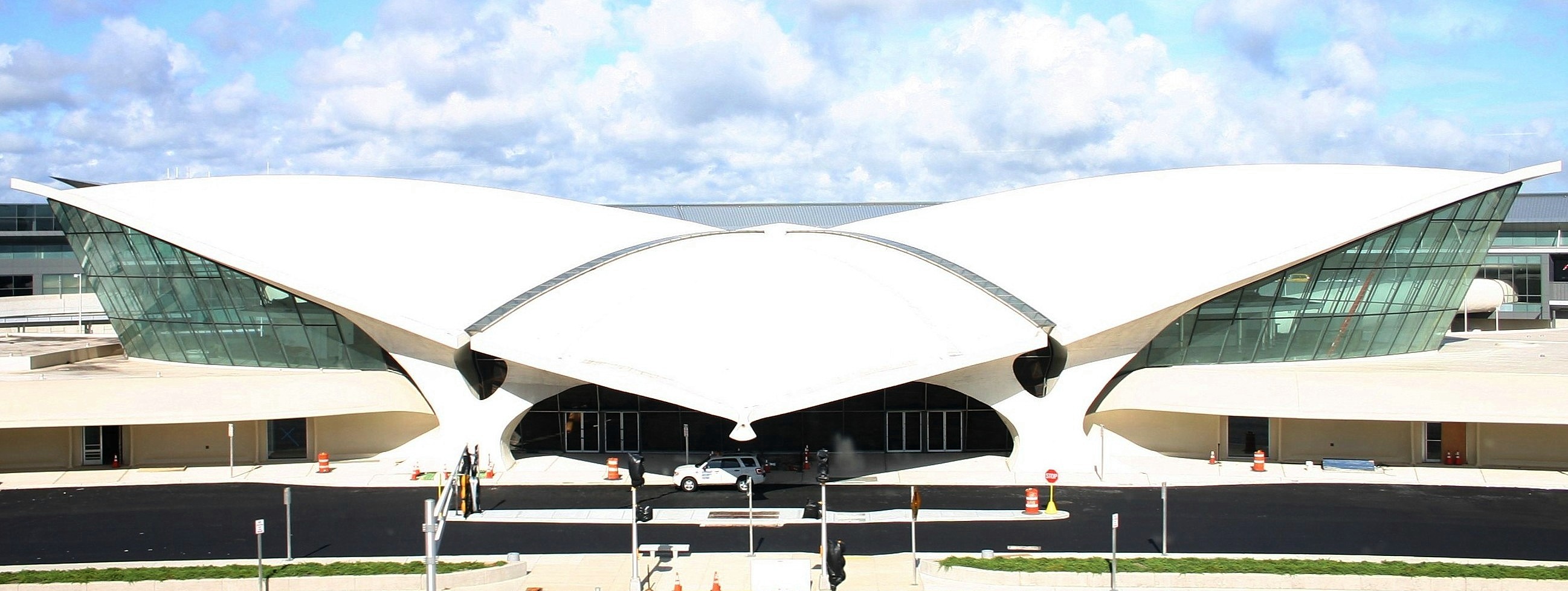
TWA Flight Center
1 Idlewild Dr, Queens, NY 11430
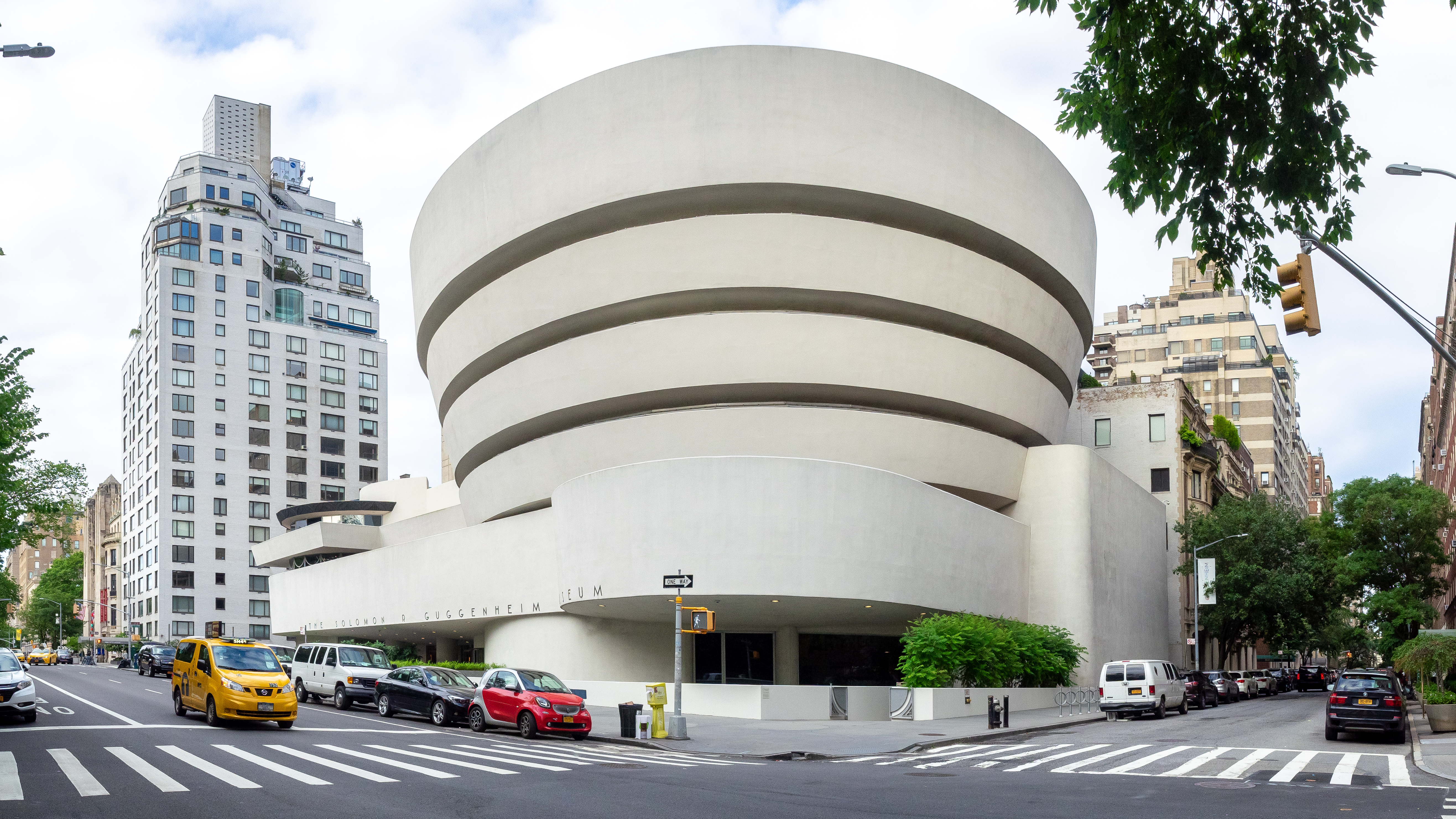
Solomon R. Guggenheim Museum
1071 5th Ave, New York, NY 10128
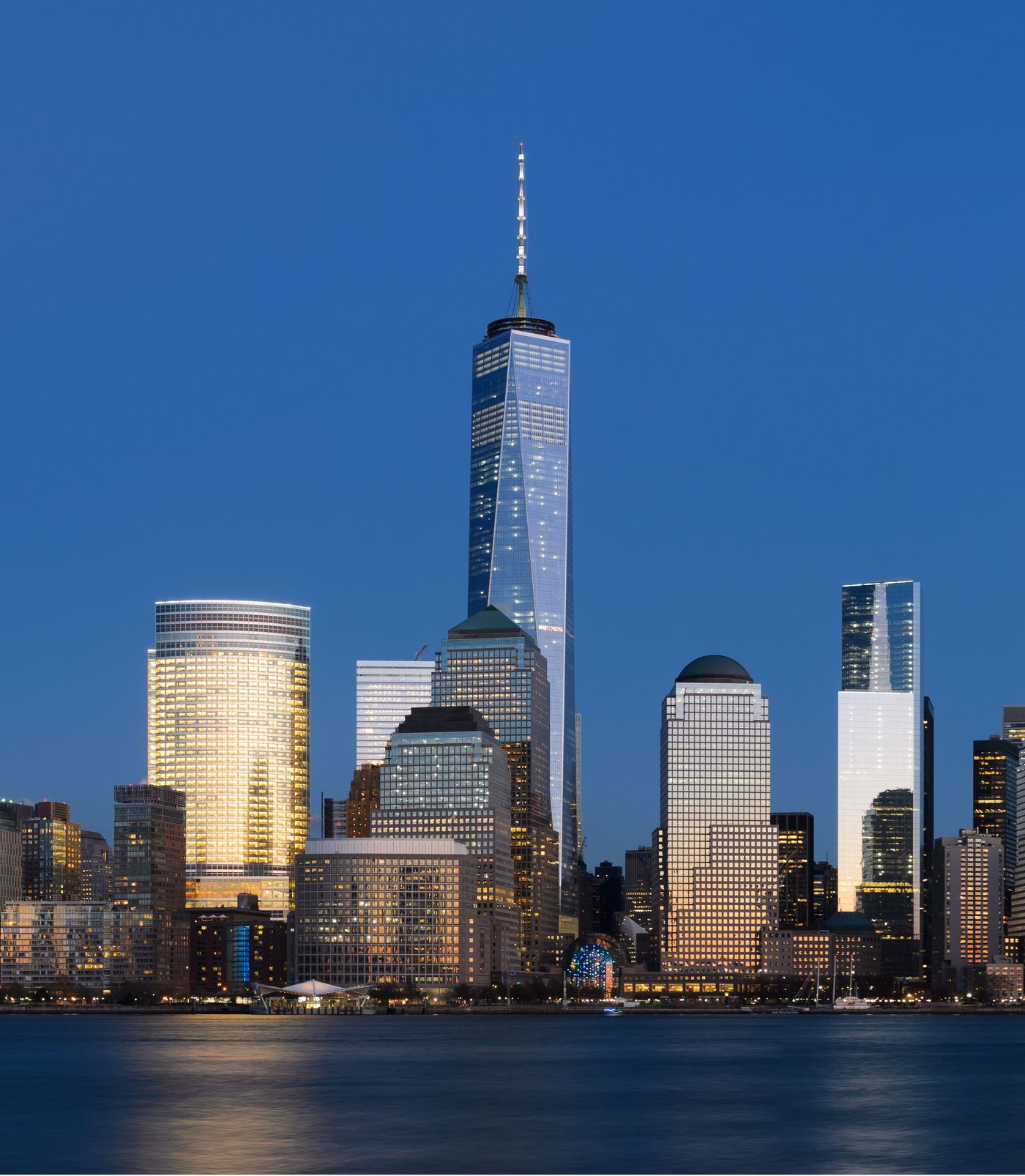
285 Fulton St, New York, NY 10007
285 Fulton St, New York, NY 10007
Expressionism in New York: Common Questions
Where can I see Expressionism architecture in New York?
You can see expressionist architecture at the TWA Flight Center in Queens, the Solomon R. Guggenheim Museum on the Upper East Side, and 285 Fulton St in lower Manhattan. Each building showcases the unique characteristics of this architectural style.
When were the expressionist buildings in New York built?
The TWA Flight Center was completed in 1962, the Solomon R. Guggenheim Museum opened in 1959, and 285 Fulton St was built in 1968. These dates reflect a period of architectural experimentation in the mid-20th century.
What should I look for in Expressionism architecture?
Look for organic forms, dramatic rooflines, and use of materials like concrete and glass. Expressionist buildings often convey emotion and movement, as seen in the fluid design of the TWA Flight Center and the spiral of the Guggenheim.
How does Expressionism in New York compare to other styles elsewhere?
New York's expressionist architecture is distinct due to its embrace of modernist ideals and urban context. While cities like Berlin and Amsterdam also embraced expressionism, New York's buildings often reflect the unique cultural and economic conditions of the American experience.
Can I visit these Expressionism buildings?
Yes, the TWA Flight Center is open to the public as part of a hotel, and the Solomon R. Guggenheim Museum is a prominent art venue. 285 Fulton St is accessible, though its interior may have restrictions. Check individual sites for visiting details.