Gothic Architecture in New York
Explore 7 gothic buildings that shape New York's architectural identity
Gothic architecture found its way to New York in the late 19th and early 20th centuries, a period marked by rapid urbanization and economic growth. During this time, architects sought to incorporate the grandeur and intricacy of Gothic design into the city's skyline, reflecting both a sense of historicism and ambition. The use of pointed arches, ribbed vaults, and flying buttresses became prominent, distinguishing these structures within the urban landscape.
Prominent examples of this style include the New York Public Library, which showcases intricate stone carvings and a grand façade, creating a sense of majesty and intellectual pursuit. In contrast, St. Patrick's Cathedral, located on Fifth Avenue, exemplifies the soaring heights and ornate detailing of Gothic Revival architecture, becoming a central landmark for both worship and tourism.
The Dakota, an iconic residential building, combines Gothic elements with a unique adaptation to its urban context, featuring distinctive turrets and a striking façade. These buildings, along with others like the Citigroup Center and Brooklyn Bridge, represent a concentration of Gothic architecture in neighborhoods such as Midtown and the Upper West Side, contributing to the city's architectural diversity.
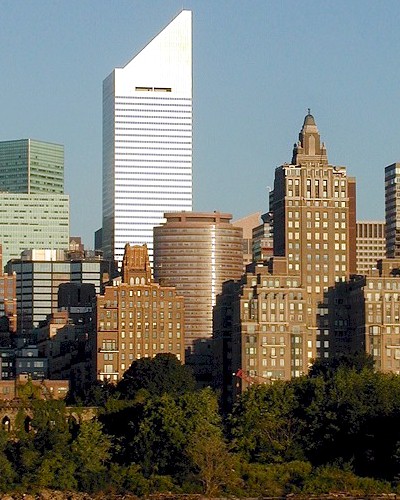
Citigroup Center
601 Lexington Ave, New York, NY 10022
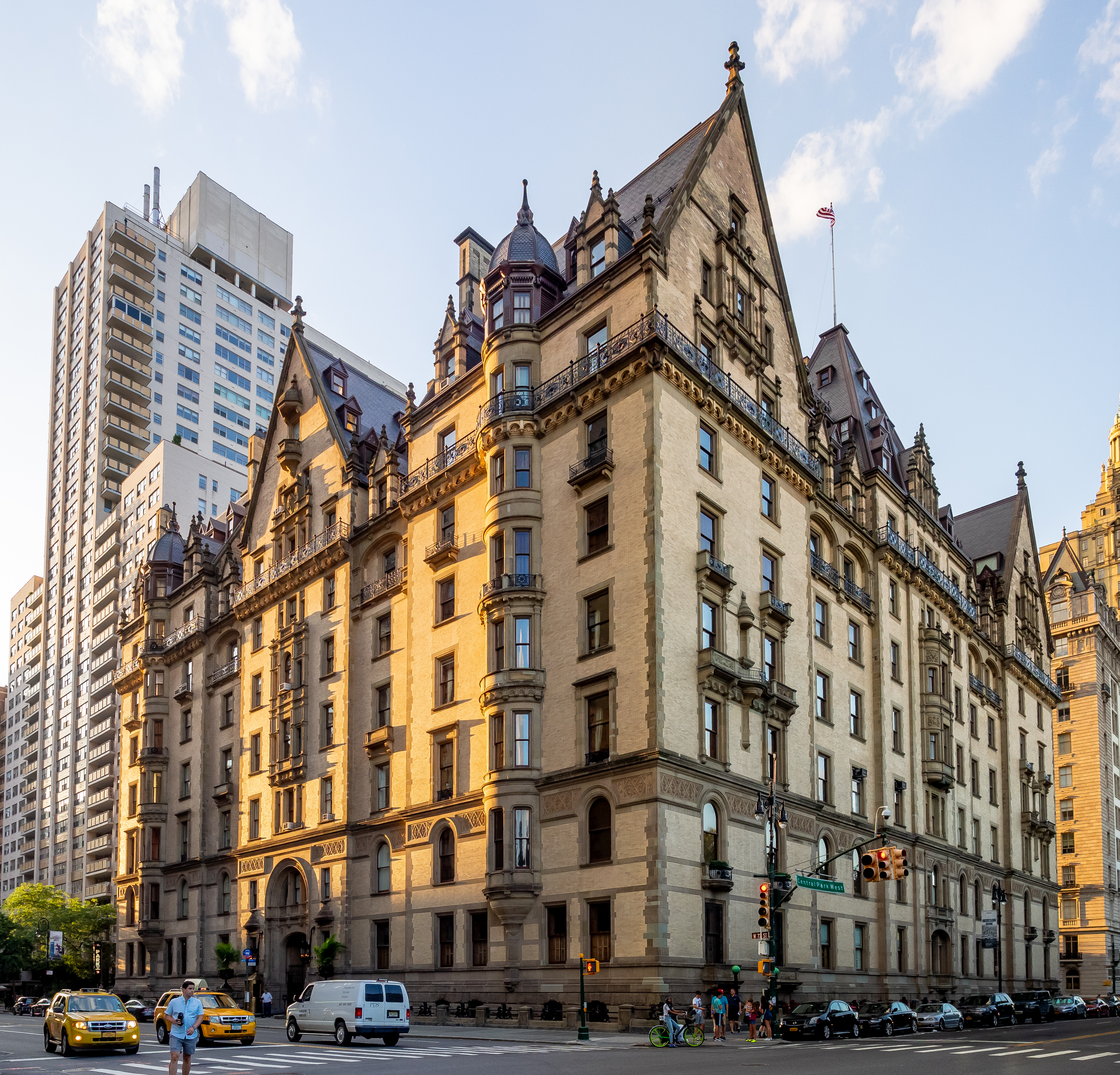
The Dakota
1 W 72nd St, New York, NY 10023
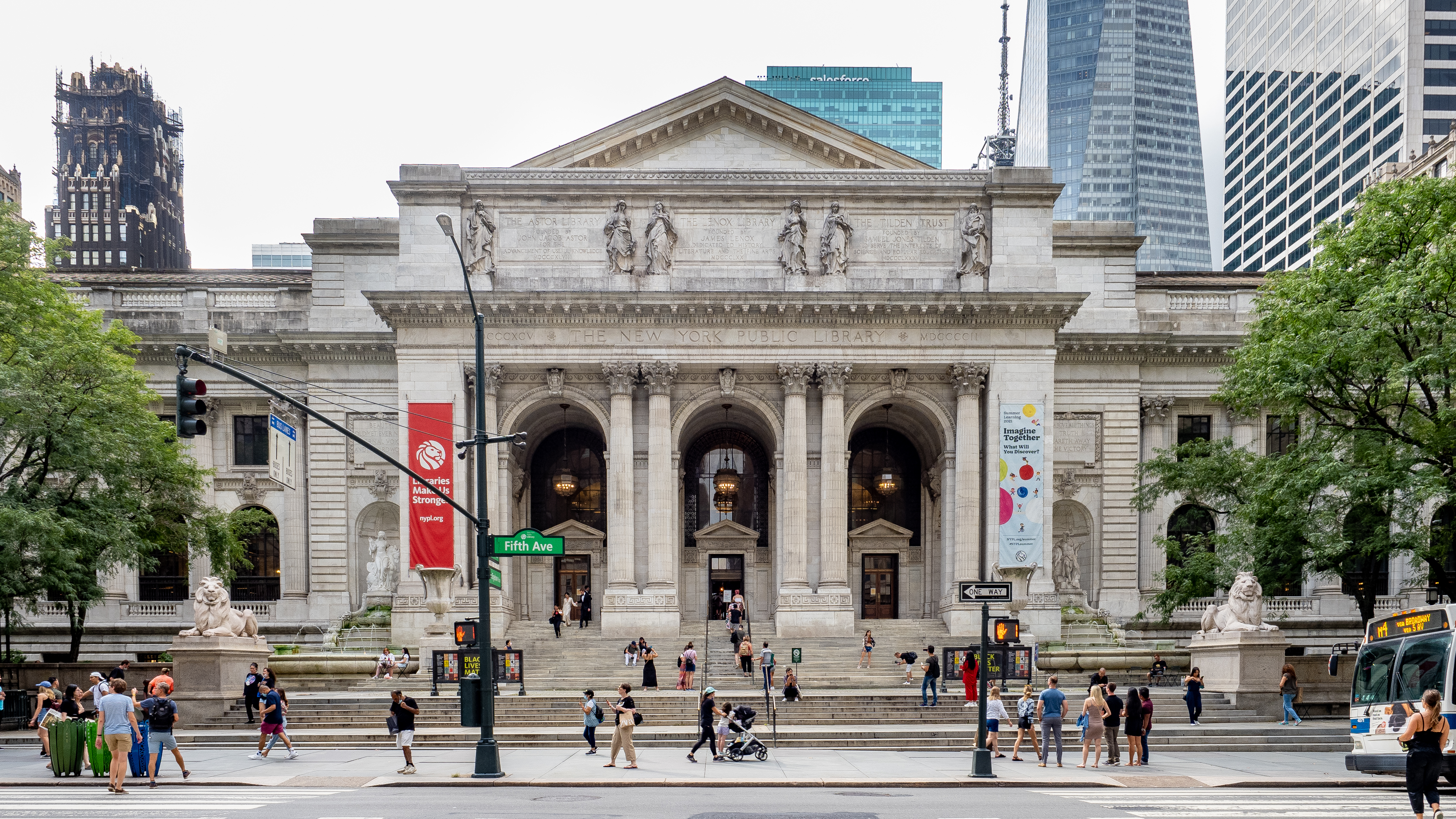
New York Public Library
476 5th Ave, New York, NY 10018
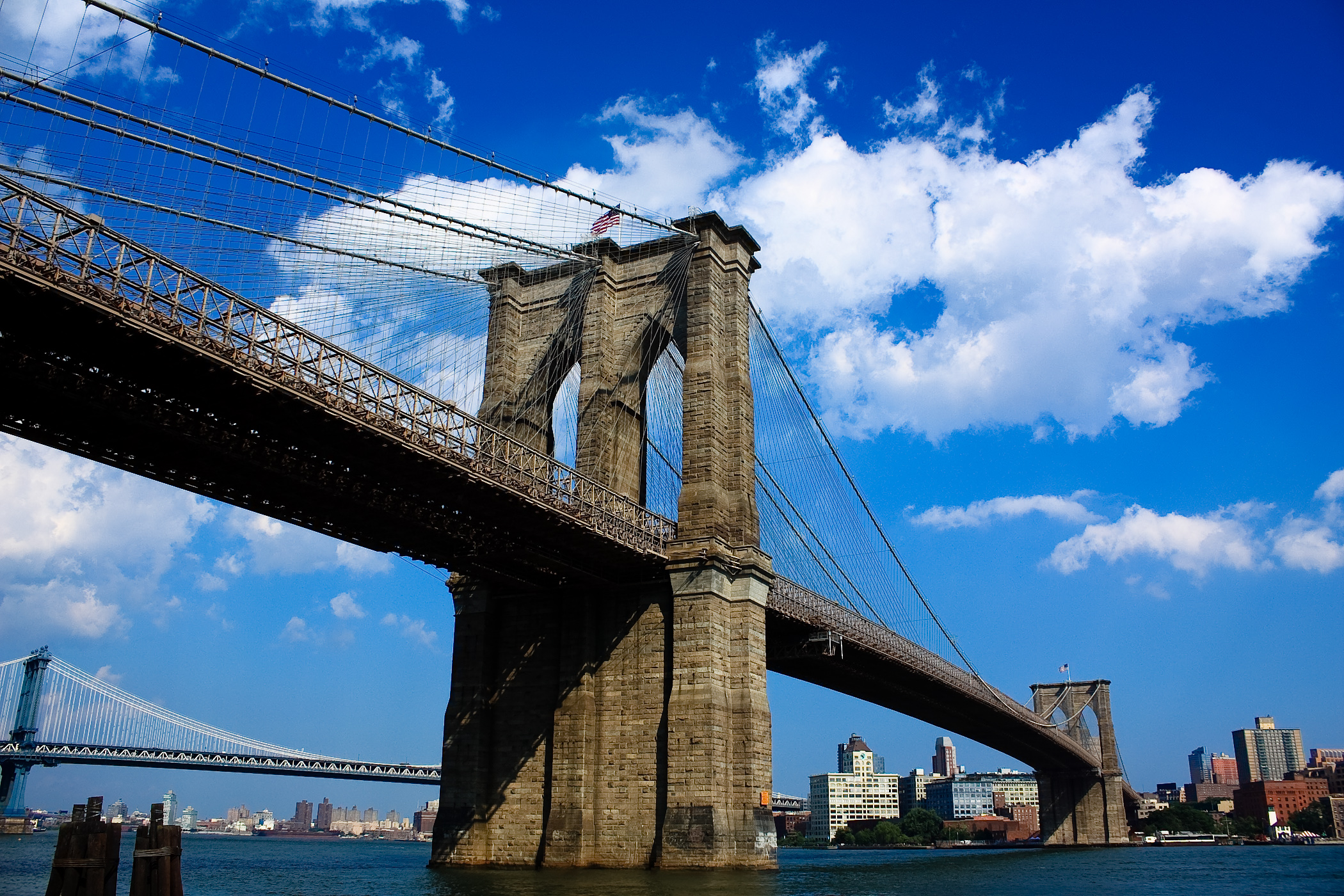
Brooklyn Bridge
Brooklyn Bridge, New York, NY 10038
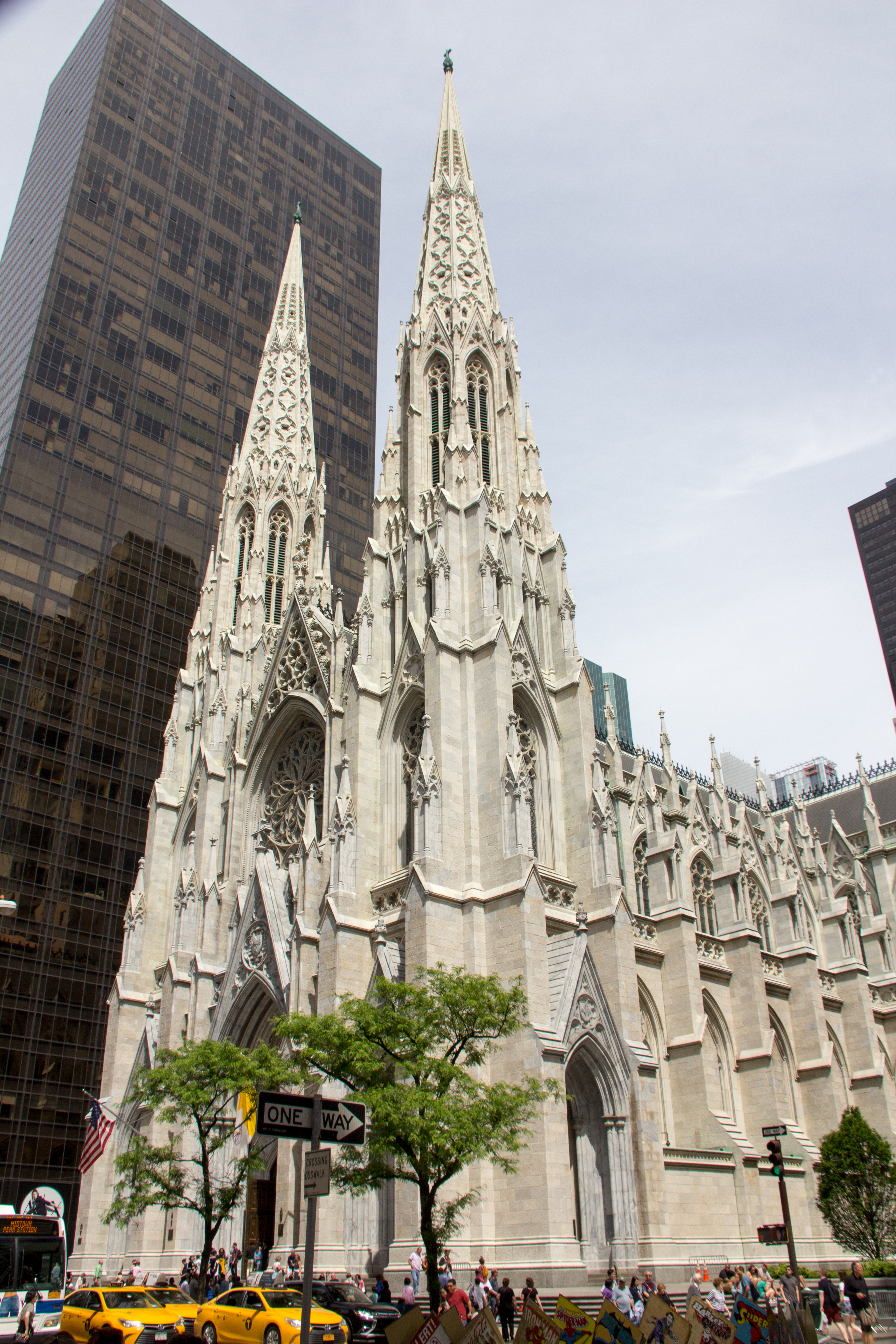
St. Patricks Cathedral
5th Ave & 50th St, New York, NY 10022
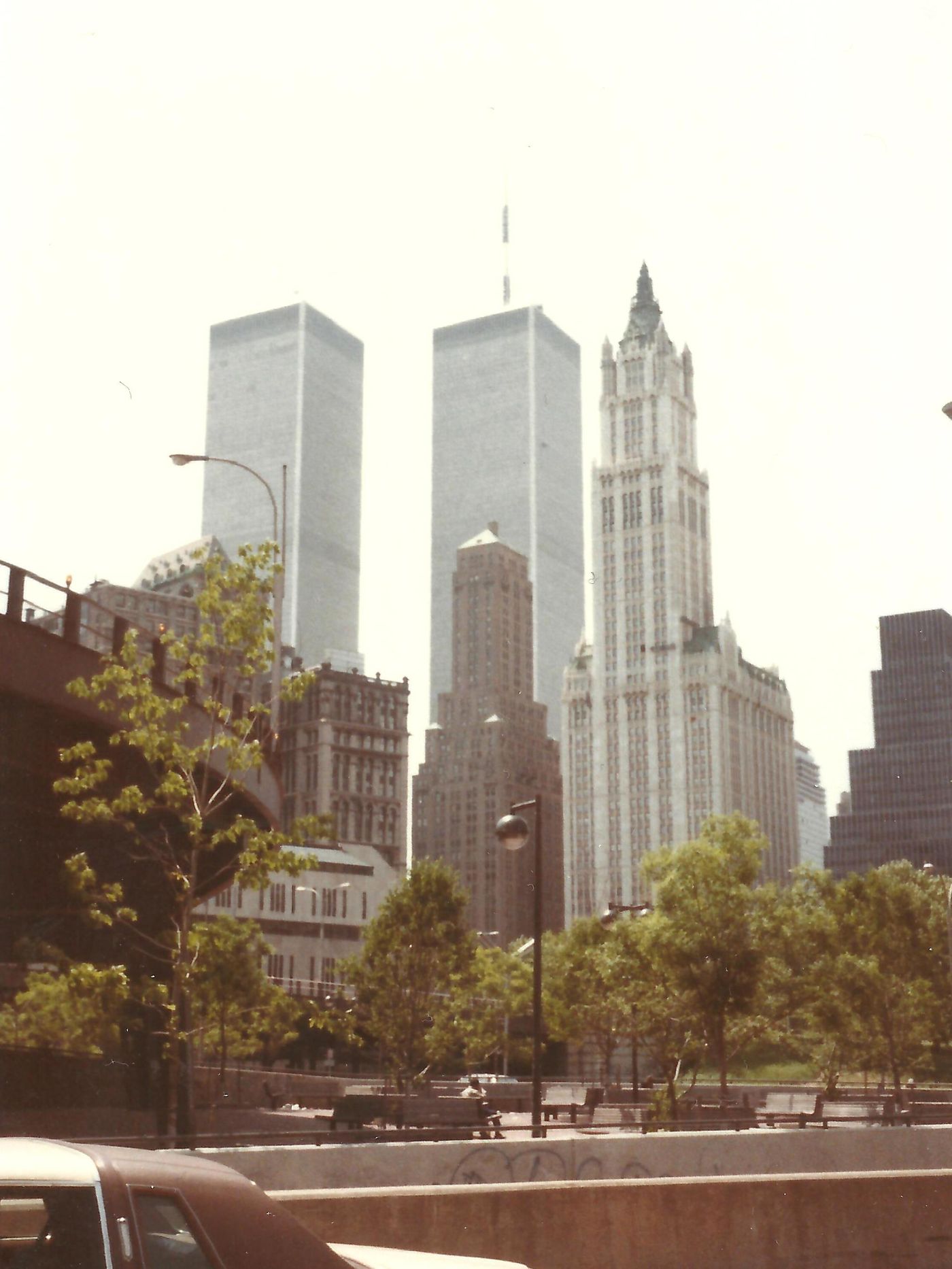
233 Broadway, New York, NY 10007
233 Broadway, New York, NY 10007
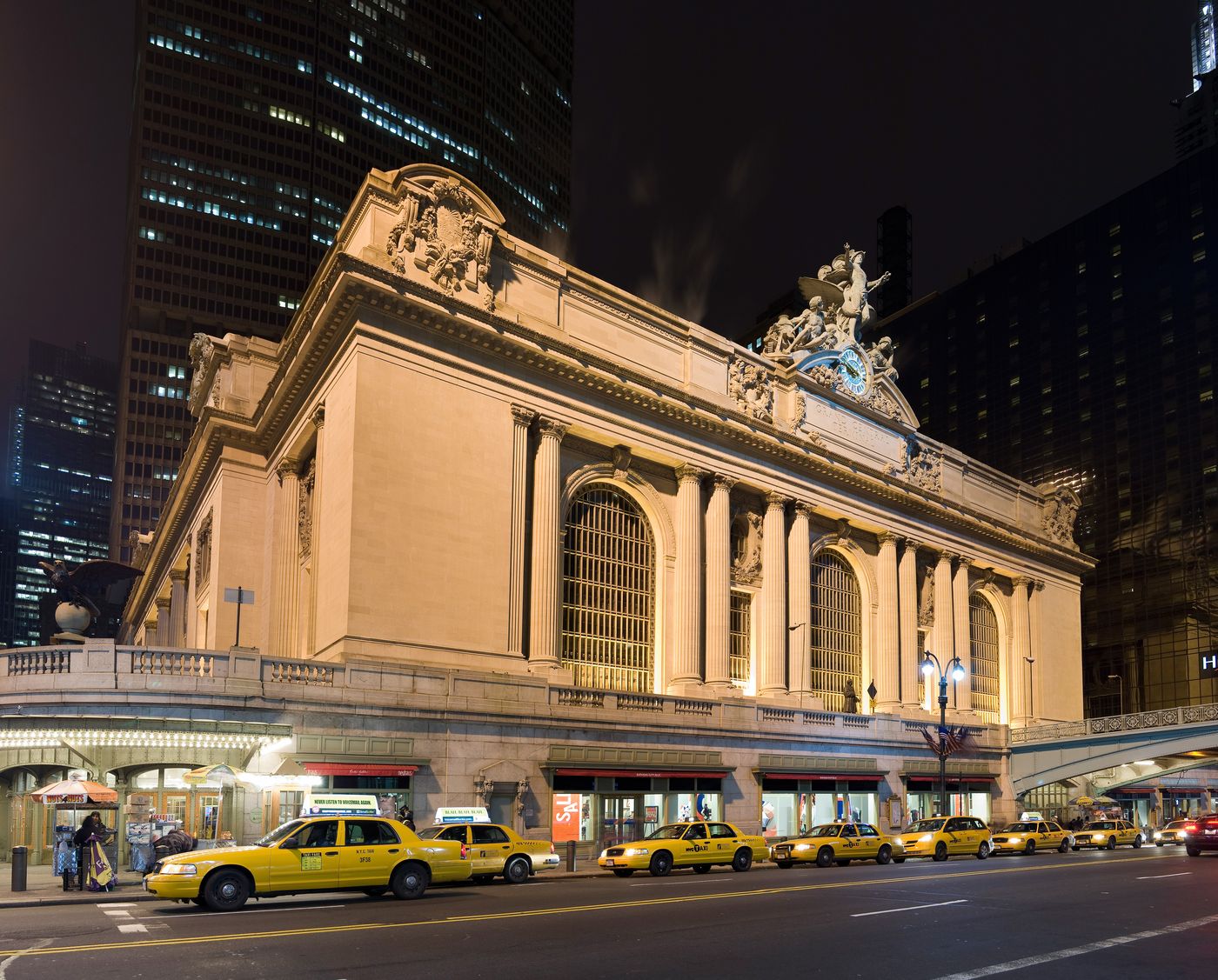
89 E 42nd St, New York, NY 10017
89 E 42nd St, New York, NY 10017
Gothic in New York: Common Questions
Where can I see Gothic architecture in New York?
You can find notable examples of Gothic architecture in New York at locations like St. Patrick's Cathedral, the New York Public Library, and the Dakota. These buildings are concentrated in neighborhoods such as Midtown and the Upper West Side.
When were these Gothic buildings constructed?
Many of the Gothic buildings in New York were constructed between the late 19th century and the early 20th century. For instance, St. Patrick's Cathedral was completed in 1910, while the Dakota was finished in 1884.
What should I look for in Gothic architecture?
Look for features such as pointed arches, intricate stone carvings, ribbed vaults, and flying buttresses. The New York Public Library and St. Patrick's Cathedral are excellent examples of these distinctive elements.
How does Gothic architecture in New York compare to other cities?
While Gothic architecture in New York shares common features with styles in cities like Paris and London, it often incorporates local materials and responds to the urban context. Buildings like the Citigroup Center reflect a unique adaptation of the style.
Can I visit these Gothic buildings?
Yes, many of the Gothic buildings in New York are open to the public. The New York Public Library and St. Patrick's Cathedral welcome visitors, while the Dakota is not open for tours, but you can appreciate its architecture from the outside.