Gothic Architecture in New Orleans
Explore 6 gothic buildings that shape New Orleans's architectural identity
New Orleans, a city renowned for its eclectic architectural styles, also embraces the distinct elements of Gothic architecture. This style found its way to the city during the 19th century, influenced by the revival of Gothic aesthetics in Europe. The local economy, fueled by trade and tourism, allowed for the construction of elaborate buildings that exhibit the characteristic pointed arches, ribbed vaults, and intricate facades associated with Gothic design.
One notable example is the building at 726 St Peter St, which features striking decorative elements and a steeply pitched roof that reflects the Gothic style's emphasis on verticality. The use of wrought iron and detailed stonework further enhances its architectural significance. Similarly, 214 Royal St showcases a beautiful Gothic revival style with its ornate windows and elaborate cornices, making it a focal point in the French Quarter.
The Gothic influence is also evident along Pere Antoine Alley, where the building at 615 Pere Antoine Alley stands out with its charming façade and Gothic-inspired details. This alley is often overlooked but offers a glimpse into the architectural diversity of the area. Other notable Gothic structures, like the one at 1 Collins C Diboll Circle, emphasize the style's adaptability within different contexts, blending traditional elements with local materials.
Throughout neighborhoods such as the French Quarter and the Central Business District, the Gothic architectural style contributes to the city’s unique character. Though the St. Louis Cathedral, a prominent Gothic landmark, is not included in this library, it illustrates the enduring presence of Gothic design in New Orleans.
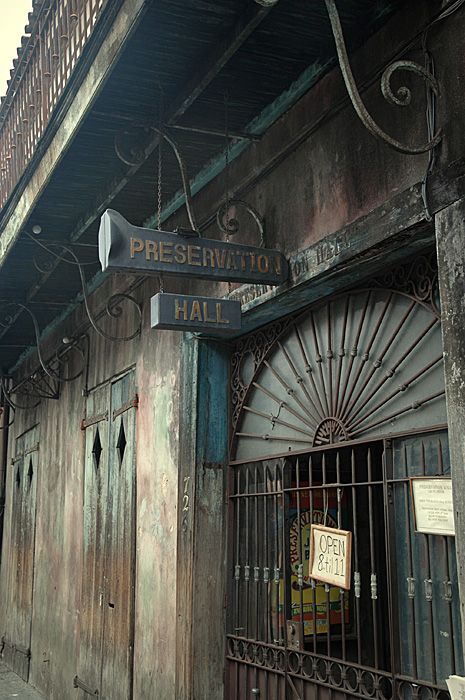
726 St Peter St, New Orleans, LA
726 St Peter St, New Orleans, LA
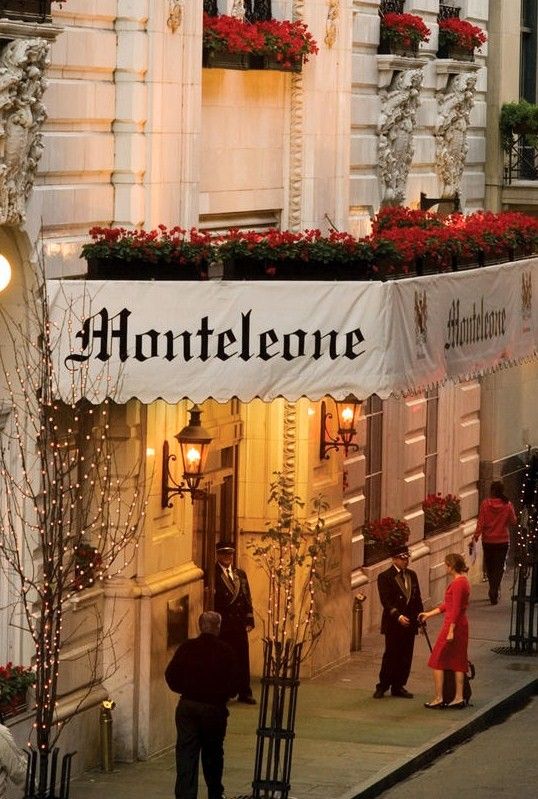
214 Royal St, New Orleans, LA
214 Royal St, New Orleans, LA
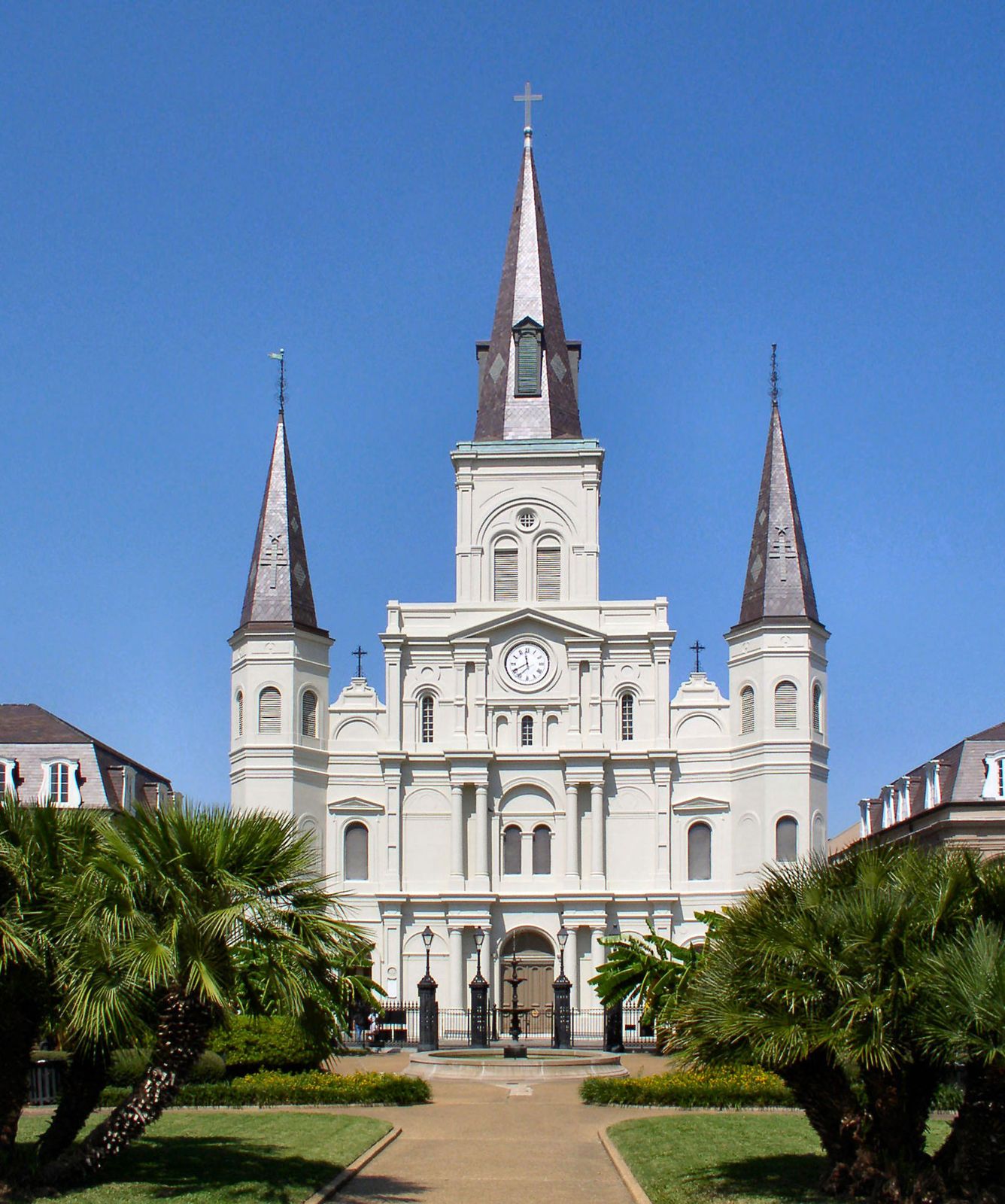
615 Pere Antoine Alley, New Orleans, LA
615 Pere Antoine Alley, New Orleans, LA
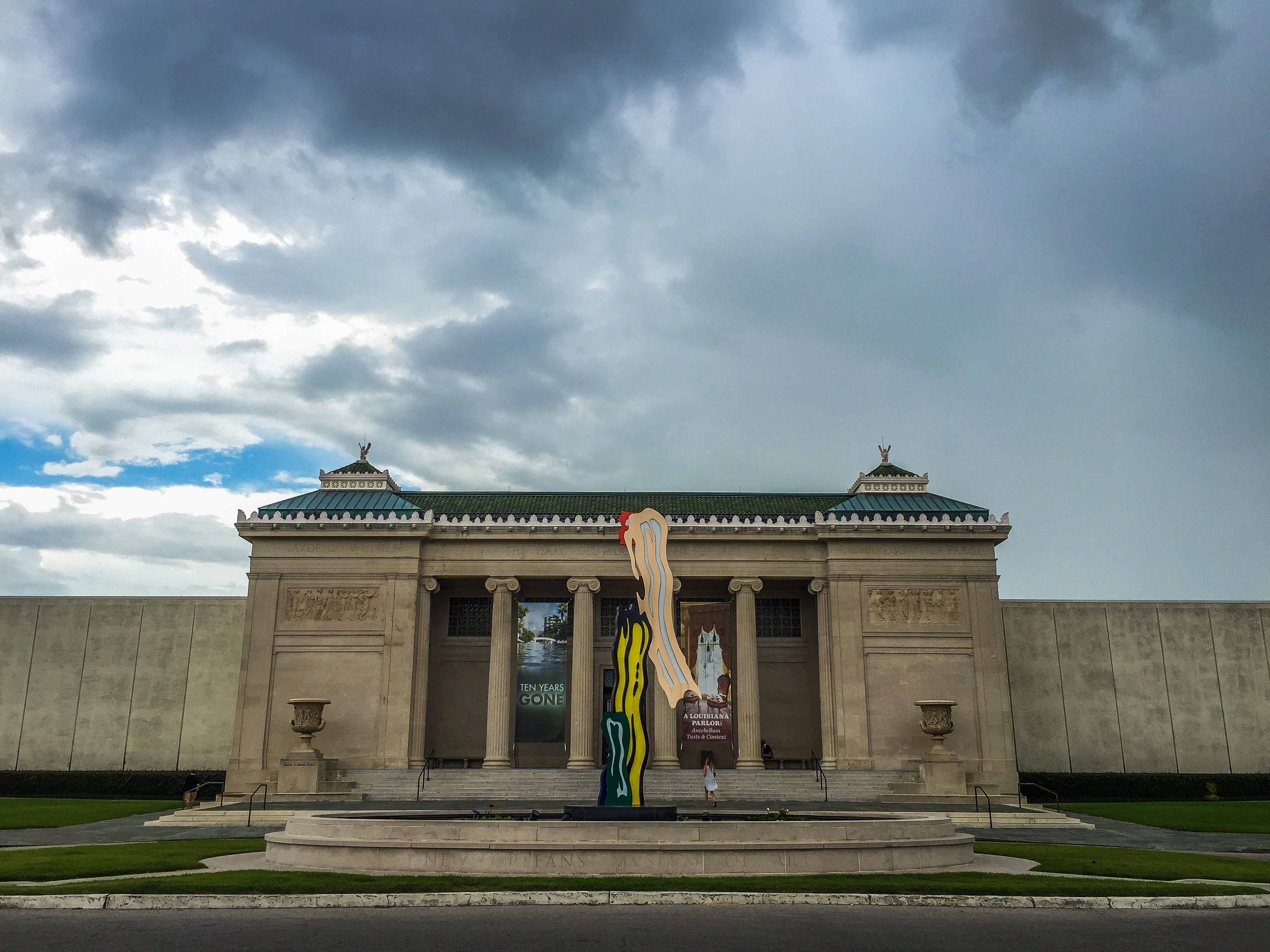
1 Collins C Diboll Circle, New Orleans, LA
1 Collins C Diboll Circle, New Orleans, LA
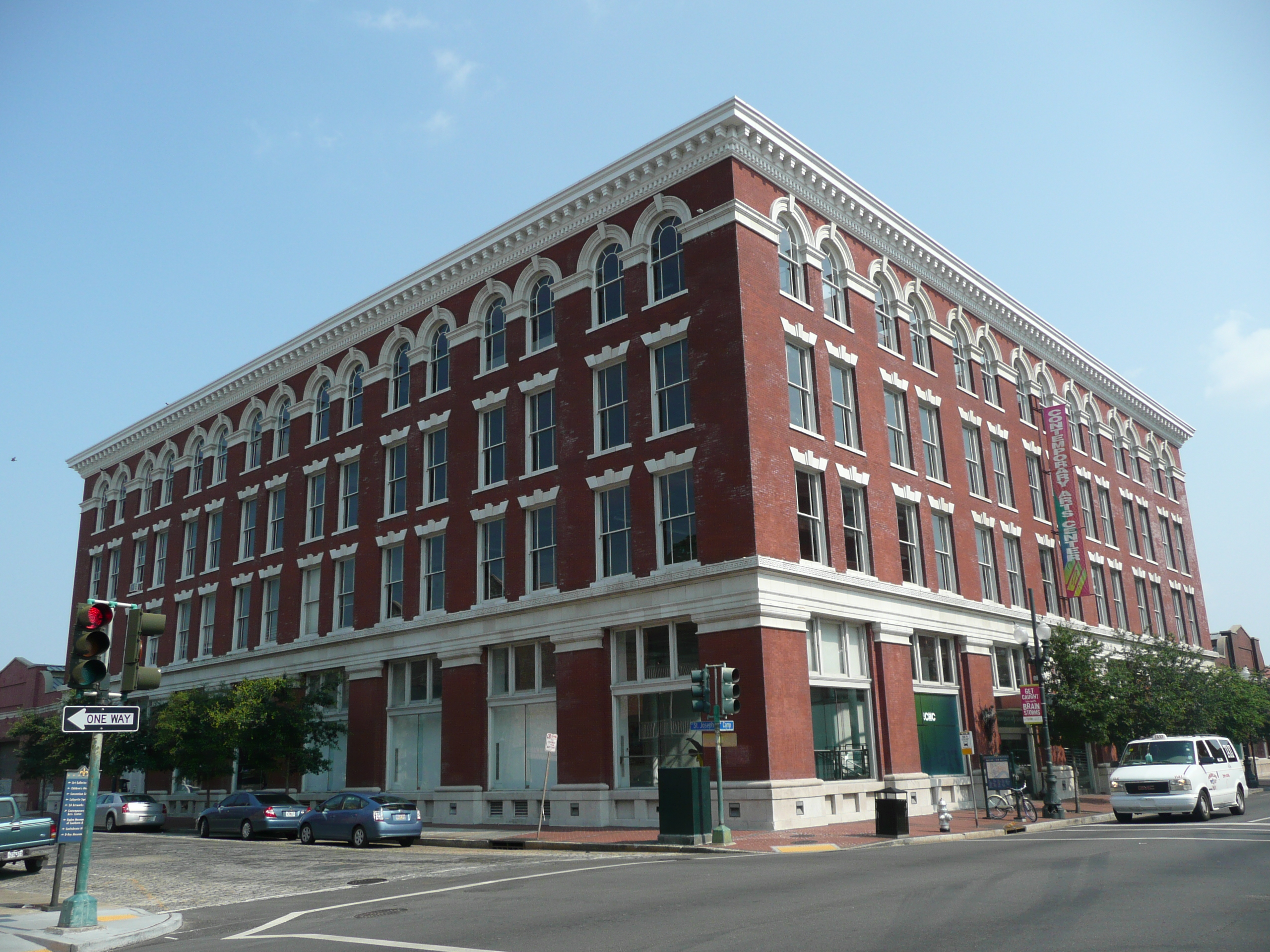
900 Camp St, New Orleans, LA
900 Camp St, New Orleans, LA
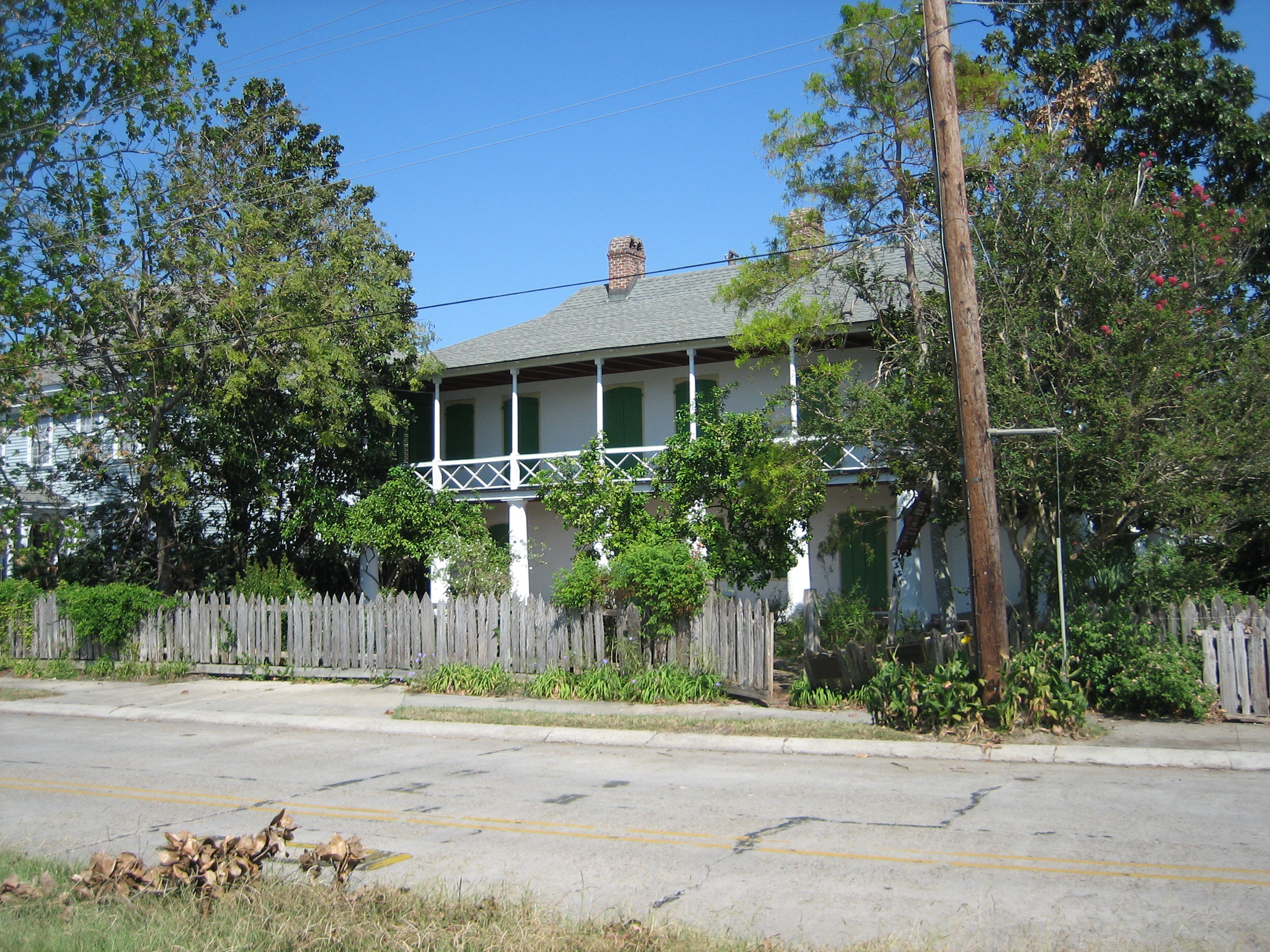
1440 Moss St, New Orleans, LA
1440 Moss St, New Orleans, LA
Gothic in New Orleans: Common Questions
Where can I see Gothic architecture in New Orleans?
Gothic architecture can be found primarily in the French Quarter and the Central Business District. Notable buildings include 726 St Peter St, 214 Royal St, and 615 Pere Antoine Alley, each featuring distinctive Gothic elements.
When was Gothic architecture popular in New Orleans?
Gothic architecture gained popularity in New Orleans during the 19th century, coinciding with the Gothic revival movement in Europe. This period saw the construction of several key buildings that still stand today.
What should I look for in Gothic architecture?
When observing Gothic architecture, look for pointed arches, ribbed vaults, and intricate decorative details. In New Orleans, buildings like 214 Royal St and 900 Camp St highlight these features with their ornate facades and distinctive rooflines.
How does Gothic architecture in New Orleans compare to other regions?
Gothic architecture in New Orleans reflects local adaptations of the style, incorporating regional materials and design elements. While it shares common characteristics with Gothic structures elsewhere, local influences give it a unique flair, as seen in buildings like 1 Collins C Diboll Circle.
Can I visit these Gothic buildings?
Yes, many Gothic buildings in New Orleans, including 726 St Peter St and 900 Camp St, can be visited. Some are part of commercial properties, while others may require prior arrangements, so checking in advance is advisable.