Neoclassical Architecture in New Orleans
Explore 6 neoclassical buildings that shape New Orleans's architectural identity
Neoclassical architecture in New Orleans emerged prominently in the early 19th century, reflecting the city's aspirations toward grandeur and refinement. This style found its way into the city as a reaction to the ornate Baroque and Rococo influences prevalent in earlier periods. The local economy, driven by trade and a growing middle class, fostered a demand for more substantial and imposing structures, leading to the construction of various Neoclassical buildings across the city.
The use of local materials such as brick, stucco, and limestone, combined with distinctive architectural details like porticoes and symmetrical facades, give New Orleans' Neoclassical buildings their unique character. Streets like St. Charles Avenue and Canal Street showcase some of the most notable examples. At 545 St Charles Ave, the grand columns and pediments create an impressive facade that exemplifies the Neoclassical ideals of symmetry and proportion.
Another fine instance can be found at 1111 Canal St, where the building’s monumental scale and classical detailing are enhanced by its prominent position in the historic district. Meanwhile, 400 Esplanade Ave stands out with its elegant facade and intricate cornice work, reflecting the style's emphasis on decorative elements. These buildings not only serve as architectural landmarks but also contribute to the historical narrative of New Orleans.
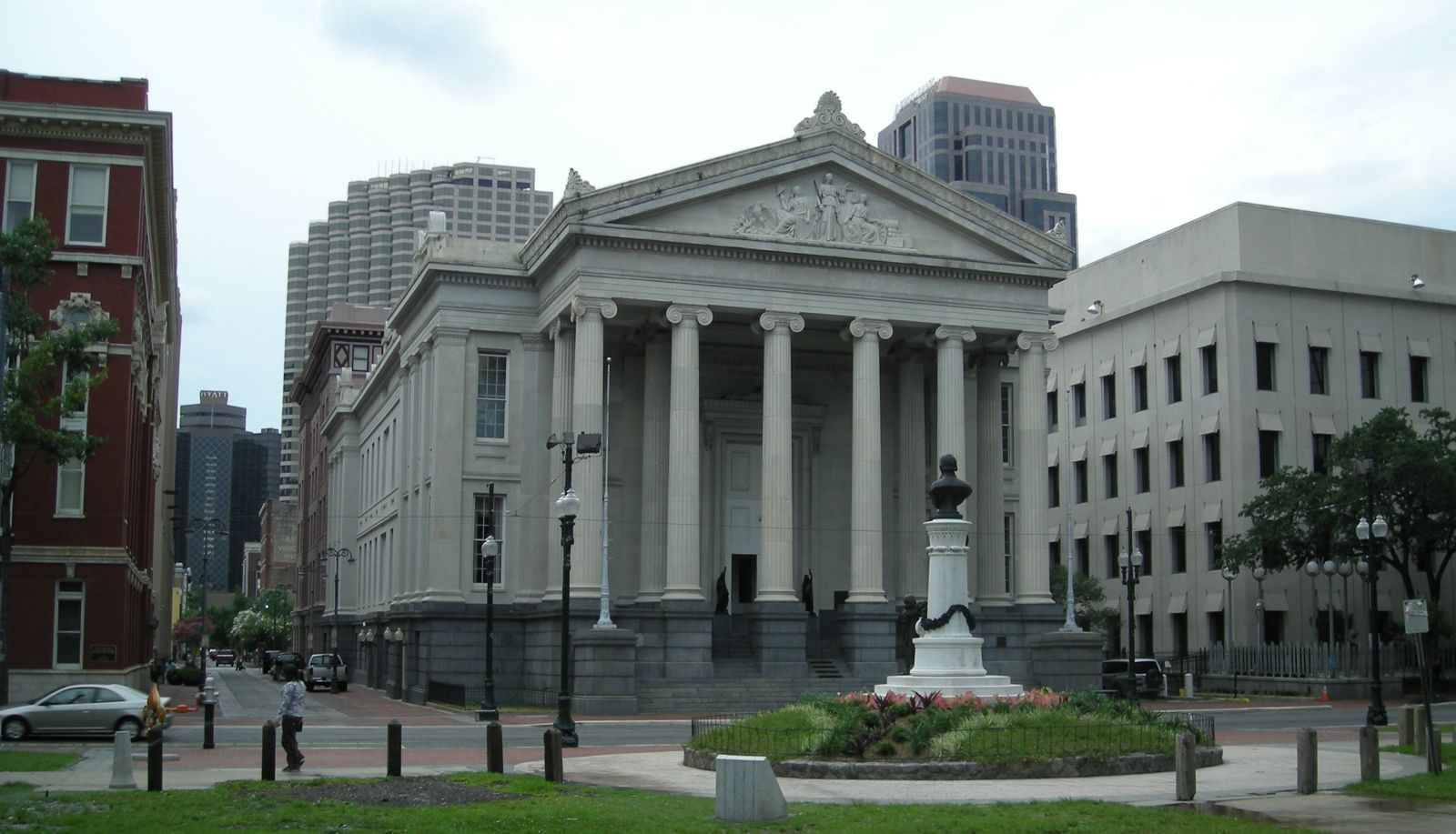
545 St Charles Ave, New Orleans, LA
545 St Charles Ave, New Orleans, LA
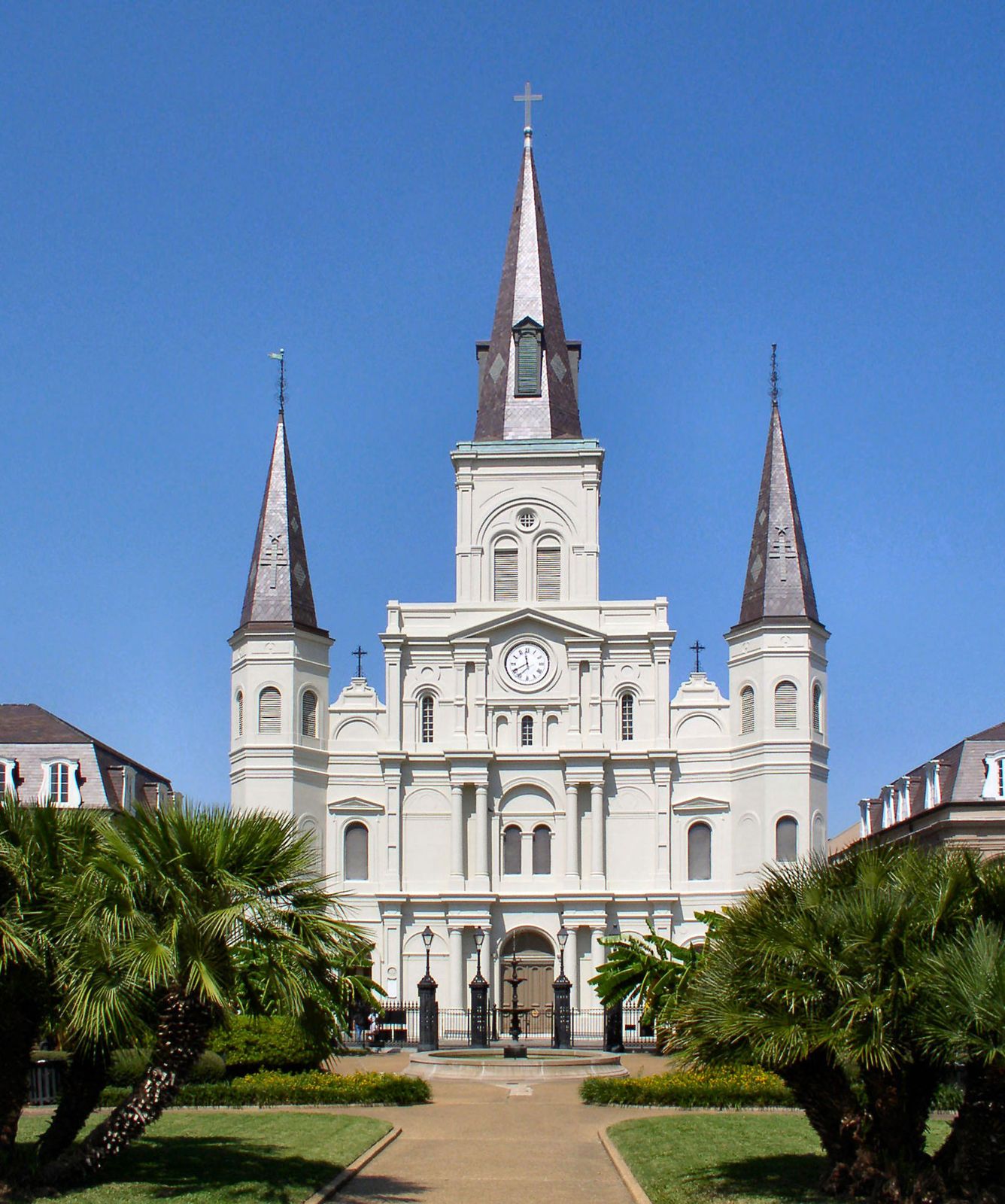
615 Pere Antoine Alley, New Orleans, LA
615 Pere Antoine Alley, New Orleans, LA
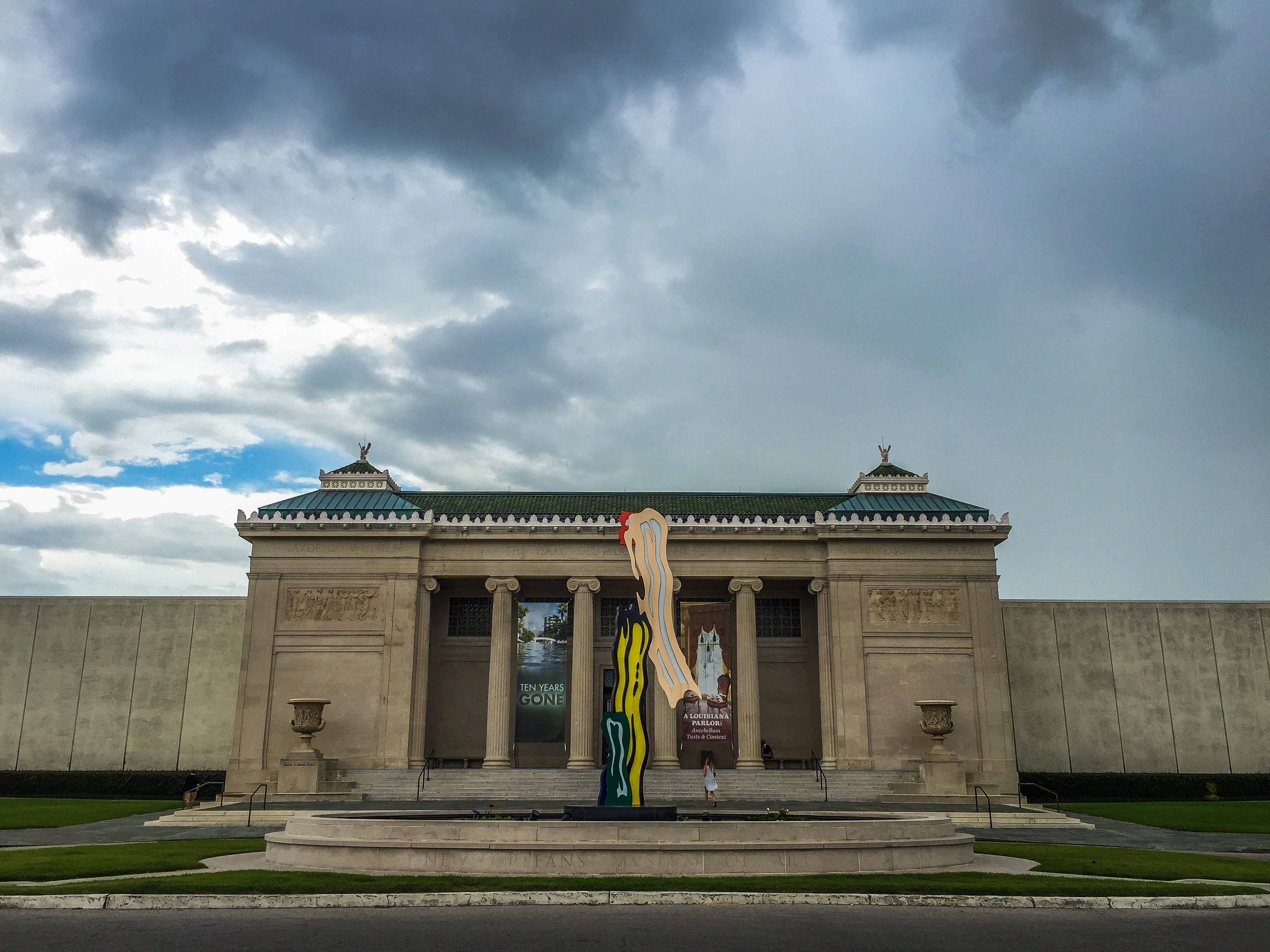
1 Collins C Diboll Circle, New Orleans, LA
1 Collins C Diboll Circle, New Orleans, LA
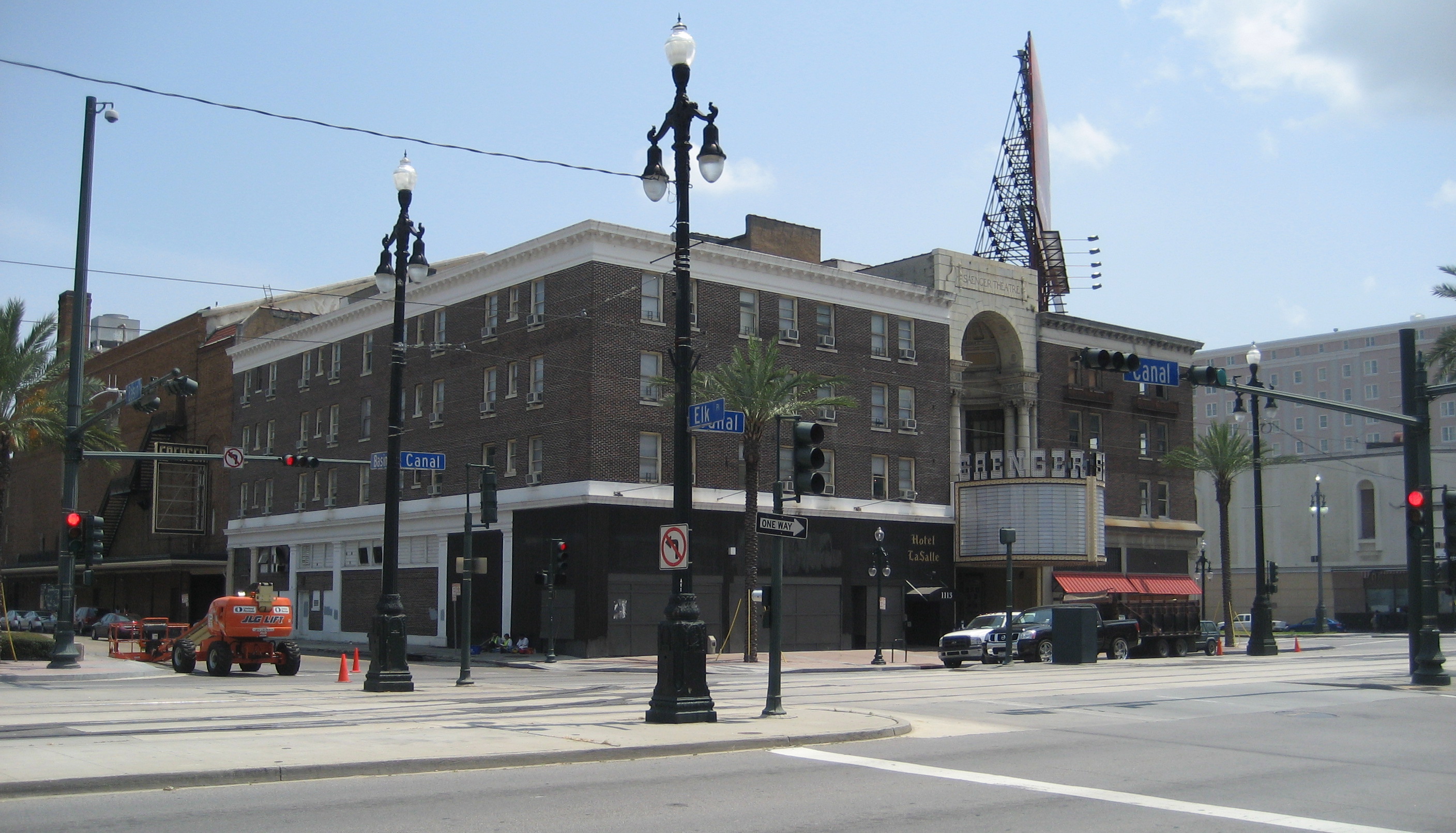
1111 Canal St, New Orleans, LA
1111 Canal St, New Orleans, LA
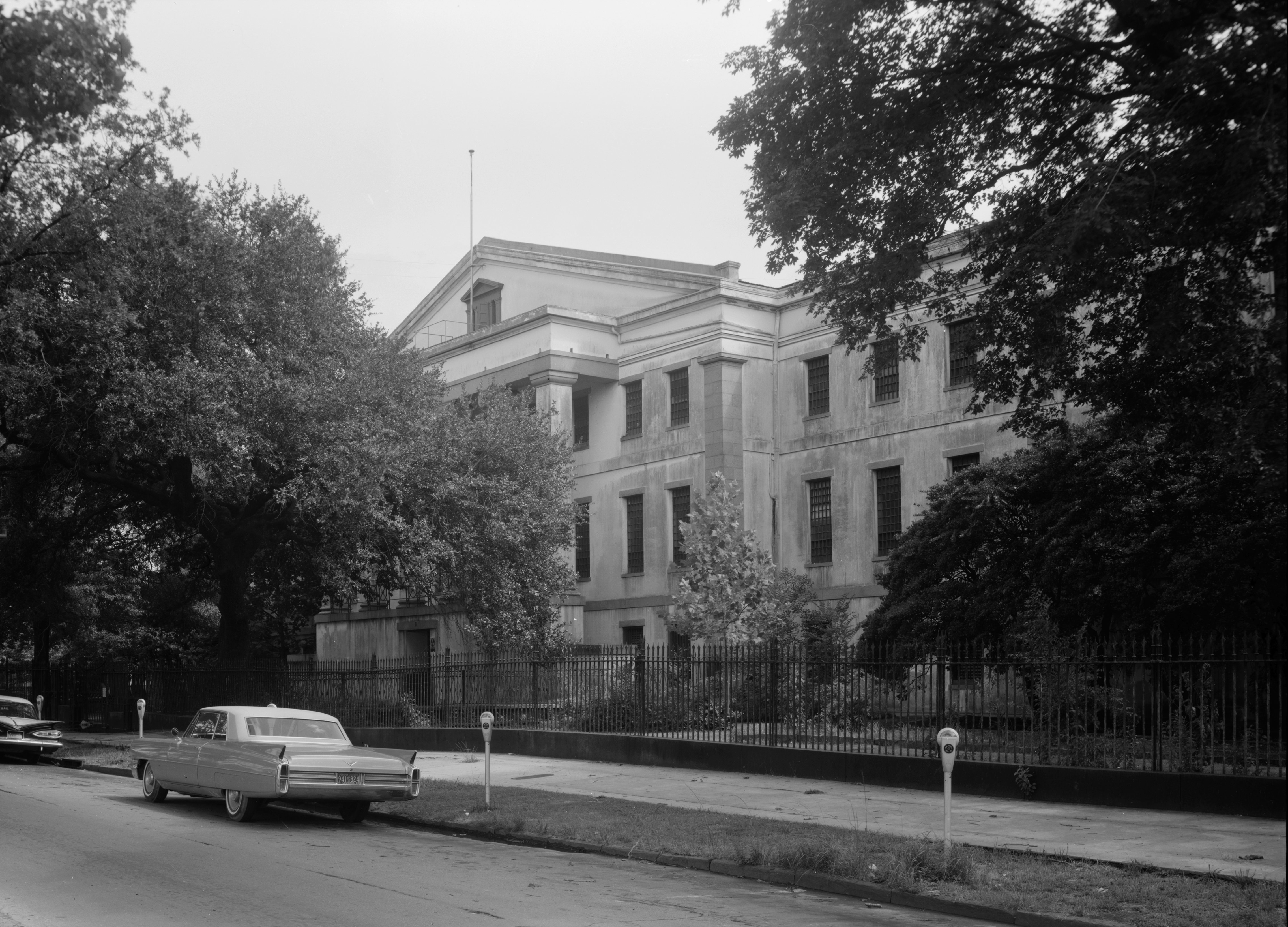
400 Esplanade Ave, New Orleans, LA
400 Esplanade Ave, New Orleans, LA
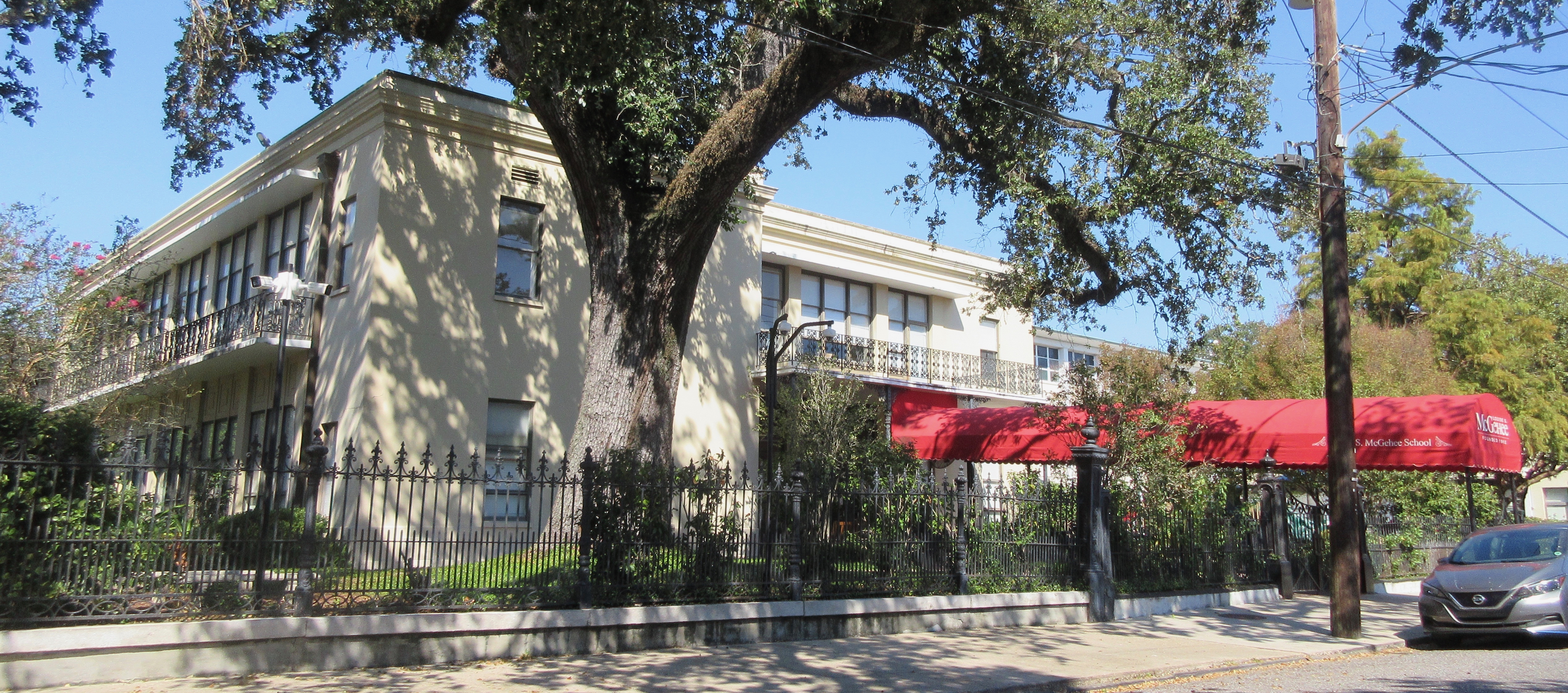
2343 Prytania St, New Orleans, LA
2343 Prytania St, New Orleans, LA
Neoclassical in New Orleans: Common Questions
Where can I see Neoclassical architecture in New Orleans?
You can find notable examples on St. Charles Avenue, Canal Street, and Esplanade Avenue. Key buildings include 545 St Charles Ave, 1111 Canal St, and 400 Esplanade Ave, each showcasing distinctive Neoclassical features.
When were these Neoclassical buildings constructed?
Most of the Neoclassical buildings in New Orleans were constructed in the early to mid-19th century, during a time of economic growth and increasing demand for monumental architecture.
What should I look for in Neoclassical architecture?
Look for elements like grand columns, symmetry, pediments, and decorative cornices. Buildings like 615 Pere Antoine Alley and 2343 Prytania St exhibit these characteristics, reflecting the style's classical roots.
How does New Orleans' Neoclassical architecture compare to other cities?
While Neoclassical architecture shares common elements with that found in other cities, New Orleans' version often incorporates local materials and unique ornamental details, making it distinctively suited to the city's cultural landscape.
Can I visit these buildings?
Yes, many Neoclassical buildings in New Orleans, including 545 St Charles Ave and 1111 Canal St, are accessible to the public. However, some may be private properties, so it's advisable to check their visiting policies.