Neoclassical Architecture in Sydney
Explore 3 neoclassical buildings that shape Sydney's architectural identity
Neoclassical architecture emerged in Sydney during the late 19th and early 20th centuries, a period marked by a growing interest in classical antiquity and the refinement of architectural practices. This movement was influenced by Australia's expanding economy and cultural aspirations, as the country sought to establish a unique identity that drew from European traditions. The use of local materials, such as sandstone and brick, contributed to the distinct character of Neoclassical buildings in Sydney.
The Art Gallery of New South Wales is a prime example of Neoclassical design, featuring classical proportions and decorative detailing that reflect the grandeur of ancient Greek and Roman architecture. Its impressive façade, adorned with columns and a pediment, creates a sense of harmony and balance, which are hallmarks of the style. This building not only serves as a cultural hub but also as a significant landmark in The Domain.
Another notable Neoclassical structure is the Macquarie Lighthouse, located in Vaucluse. This lighthouse showcases classic elements such as symmetry and robust columns, particularly evident in its tower and the domed structures at its base. The lighthouse not only serves a practical purpose but also symbolizes Sydney's maritime heritage, integrating functionality with architectural elegance.
These buildings are concentrated in areas such as The Domain and Vaucluse, where the architectural style enhances the historical context of the city. The emphasis on symmetry, columns, and grand façades creates a cohesive aesthetic that resonates throughout these neighborhoods. While there are other prominent Neoclassical landmarks in Sydney, such as the General Post Office, they are not featured in this library.
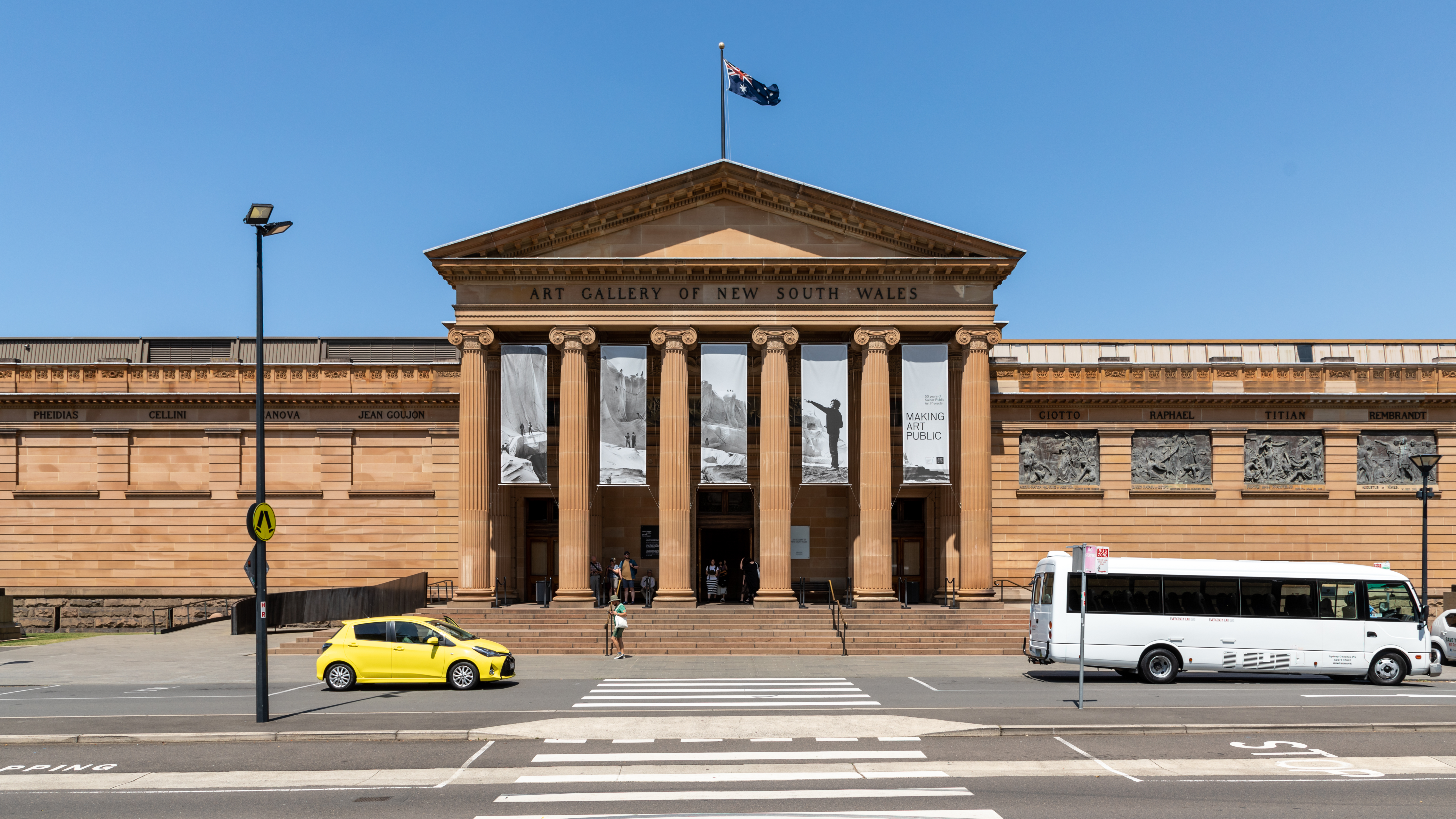
Art Gallery of New South Wales
Art Gallery Road, The Domain, Sydney NSW 2000, Australia
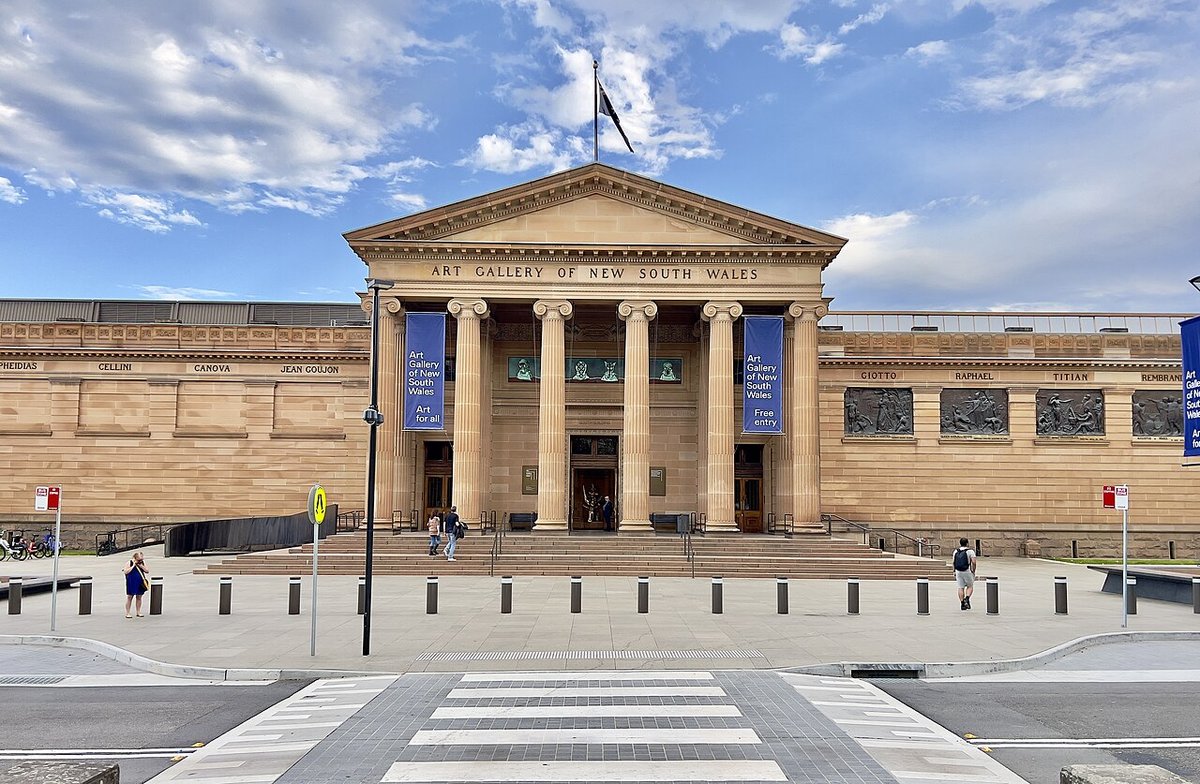
Art Gallery of New South Wales
Art Gallery Rd, Sydney NSW 2000, Australia
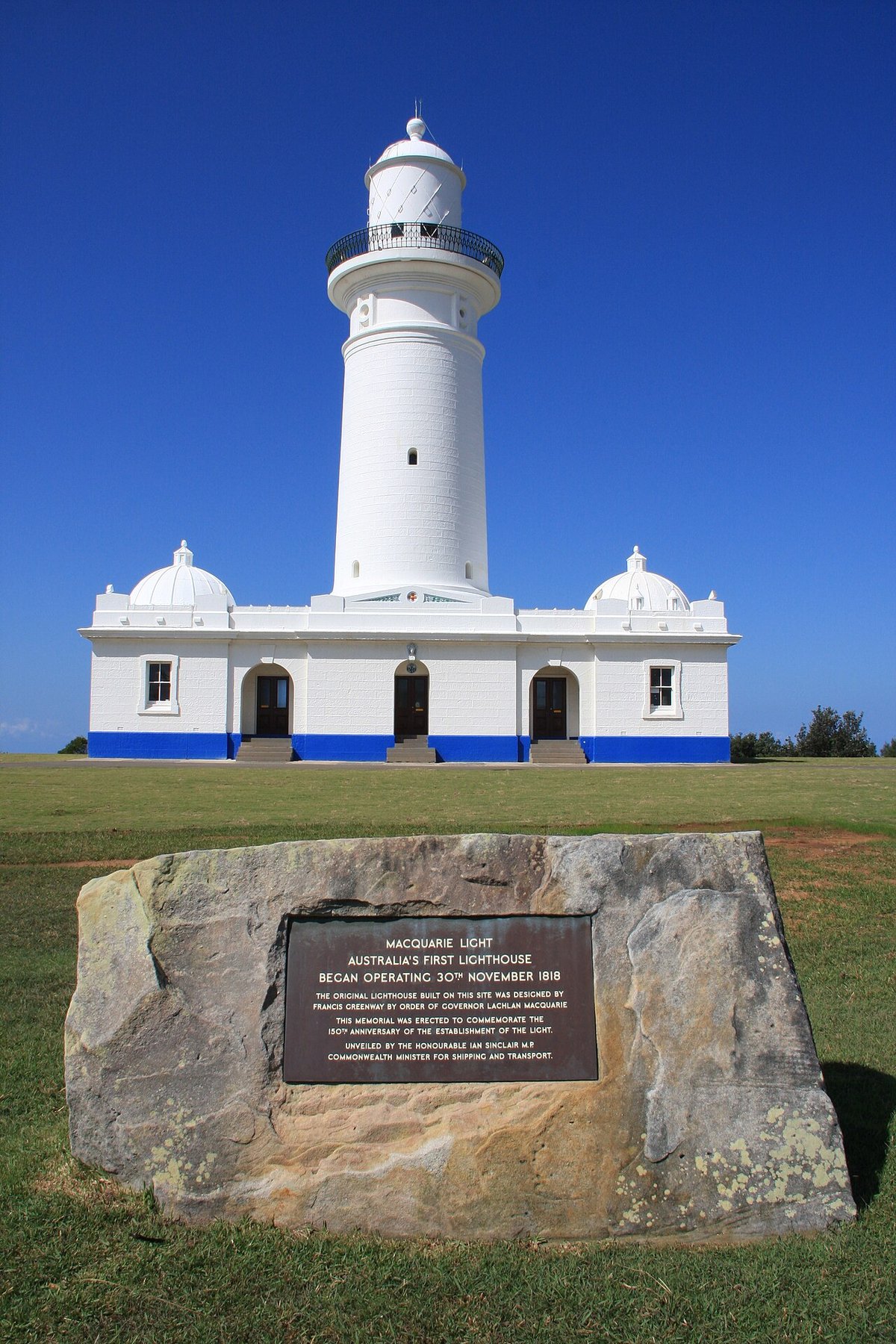
Macquarie Lighthouse
Old South Head Rd, Vaucluse NSW 2030, Australia
Neoclassical in Sydney: Common Questions
Where can I see Neoclassical architecture in Sydney?
You can see Neoclassical architecture prominently at the Art Gallery of New South Wales and Macquarie Lighthouse. Both buildings exemplify the style's classical elements and are located in The Domain and Vaucluse respectively.
When were the Neoclassical buildings in Sydney built?
The Art Gallery of New South Wales was completed in 1909, while Macquarie Lighthouse dates back to 1818. These structures reflect the Neoclassical revival that occurred in the late 19th and early 20th centuries.
What architectural features should I look for?
Look for classical elements such as columns, pediments, symmetrical façades, and decorative detailing. The Art Gallery of New South Wales features a grand portico, while Macquarie Lighthouse showcases a robust tower and domed structures.
How does Sydney's Neoclassical style compare to other cities?
Sydney's Neoclassical architecture exhibits unique adaptations to local materials and conditions. While similar in inspiration to Neoclassical buildings in cities like Melbourne or Paris, Sydney's examples often incorporate local sandstone and reflect the city's maritime heritage.
Can I visit these Neoclassical buildings?
Yes, both the Art Gallery of New South Wales and Macquarie Lighthouse are accessible to the public. The Art Gallery hosts exhibitions and events, while the lighthouse offers guided tours on select days.