Neoclassical Architecture in Washington
Explore 4 neoclassical buildings that shape Washington's architectural identity
Neoclassical architecture emerged in Washington, D.C., during the late 18th and early 19th centuries, aligning with the nation's aspirations for democracy and governance. This architectural style drew inspiration from the classical forms of ancient Greece and Rome, symbolizing ideals of order, symmetry, and civic virtue. As the nation sought to establish its identity, the use of Neoclassical elements in public buildings underscored the importance of governance and public service.
The local economy during this period was influenced by the burgeoning federal government and the desire to create monumental structures that reflected national pride. The materials commonly used, such as marble and granite, alongside intricate details, contributed to the stately character of buildings like the United States Capitol, whose grand columns and domed roof evoke the scale and grandeur of ancient Roman temples.
Key neighborhoods, particularly around Capitol Hill and the National Mall, showcase an array of Neoclassical structures. The White House exemplifies this style with its iconic symmetrical facade and large columns, which enhance its significance as the residence of the President. Similarly, the Jefferson Memorial features grand columns and a domed roof that embody the principles of classical architecture, creating a space of reflection and honor for one of America's founding fathers.
In this context, the United States Supreme Court Building stands out, with its commanding presence and classical features that assert its role in the judiciary. Together, these structures create a cohesive narrative of Neoclassical architecture in Washington, representing the nation's values and aspirations in a visually compelling manner.
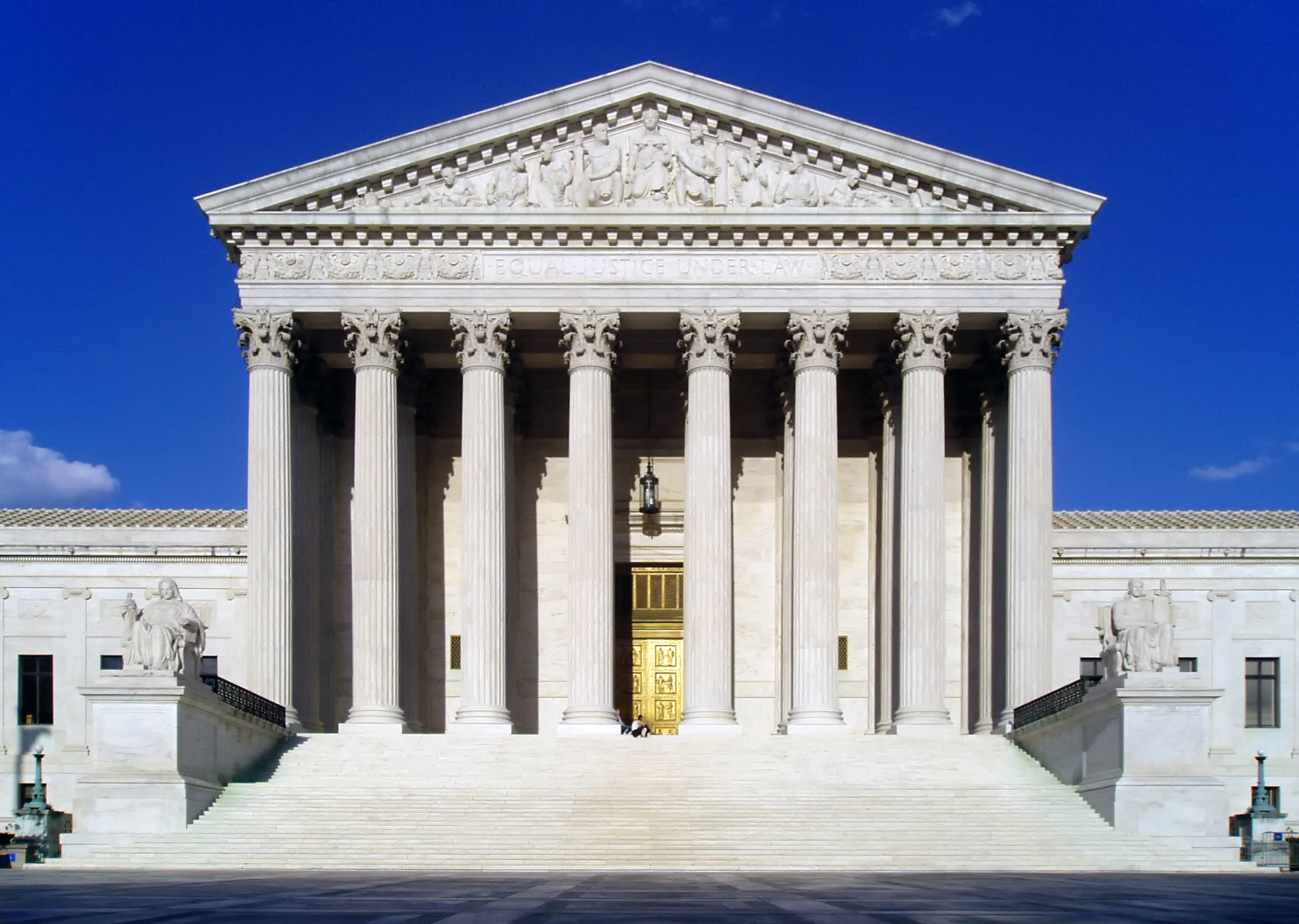
United States Supreme Court Building
1 First Street NE, Washington, DC 20543
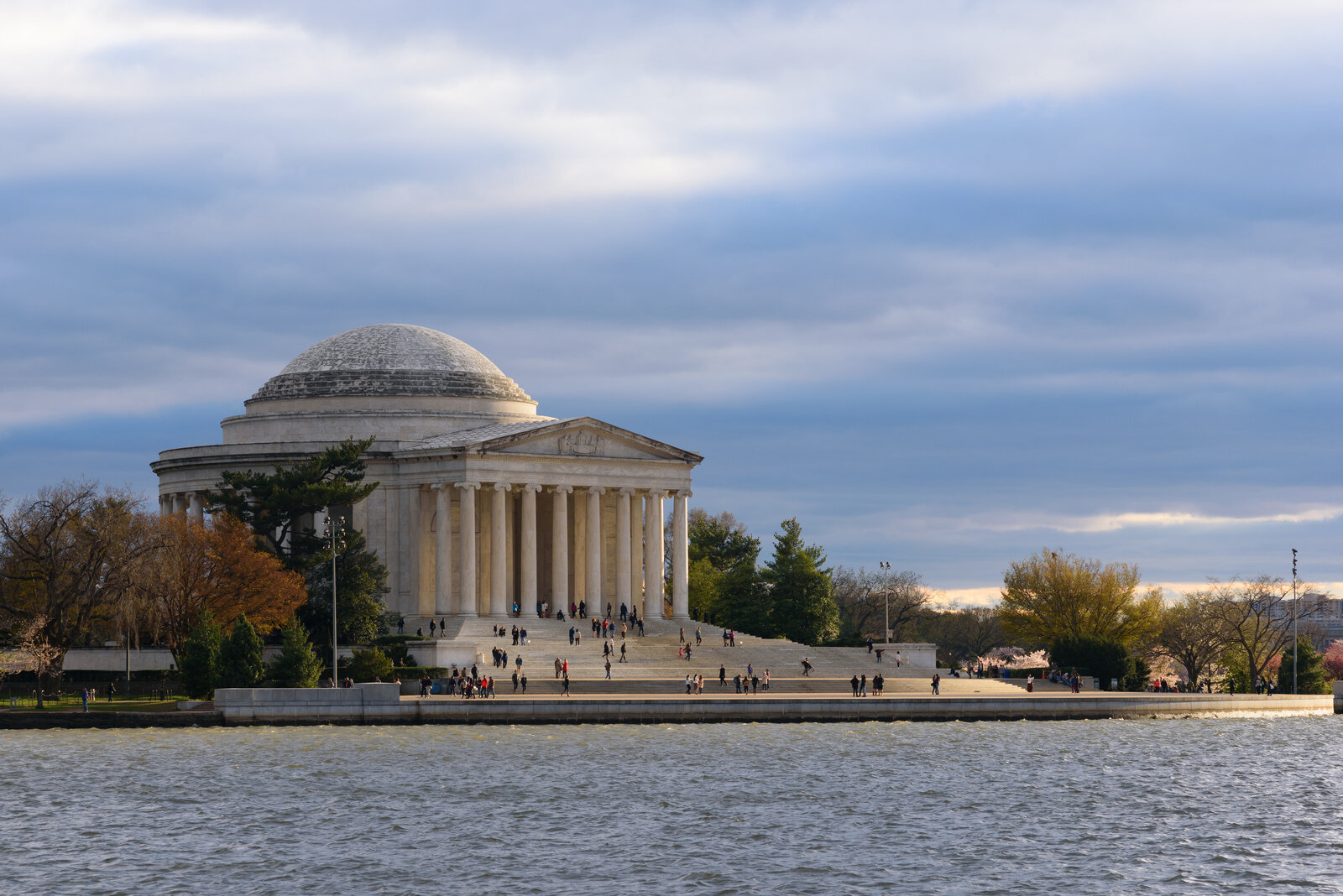
Jefferson Memorial
16 East Basin Drive SW, Washington, DC 20242
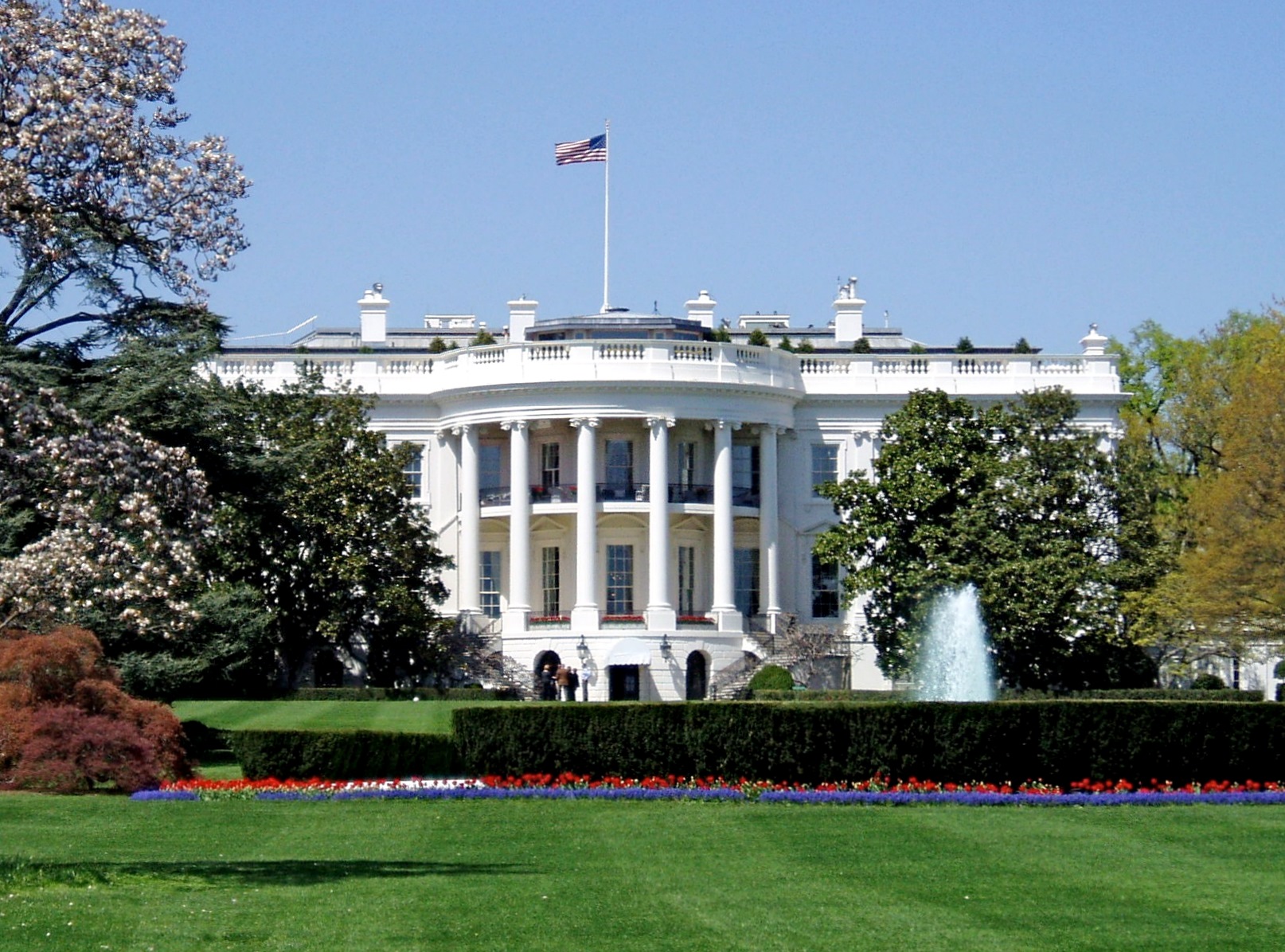
White House
1600 Pennsylvania Avenue NW, Washington, DC 20500
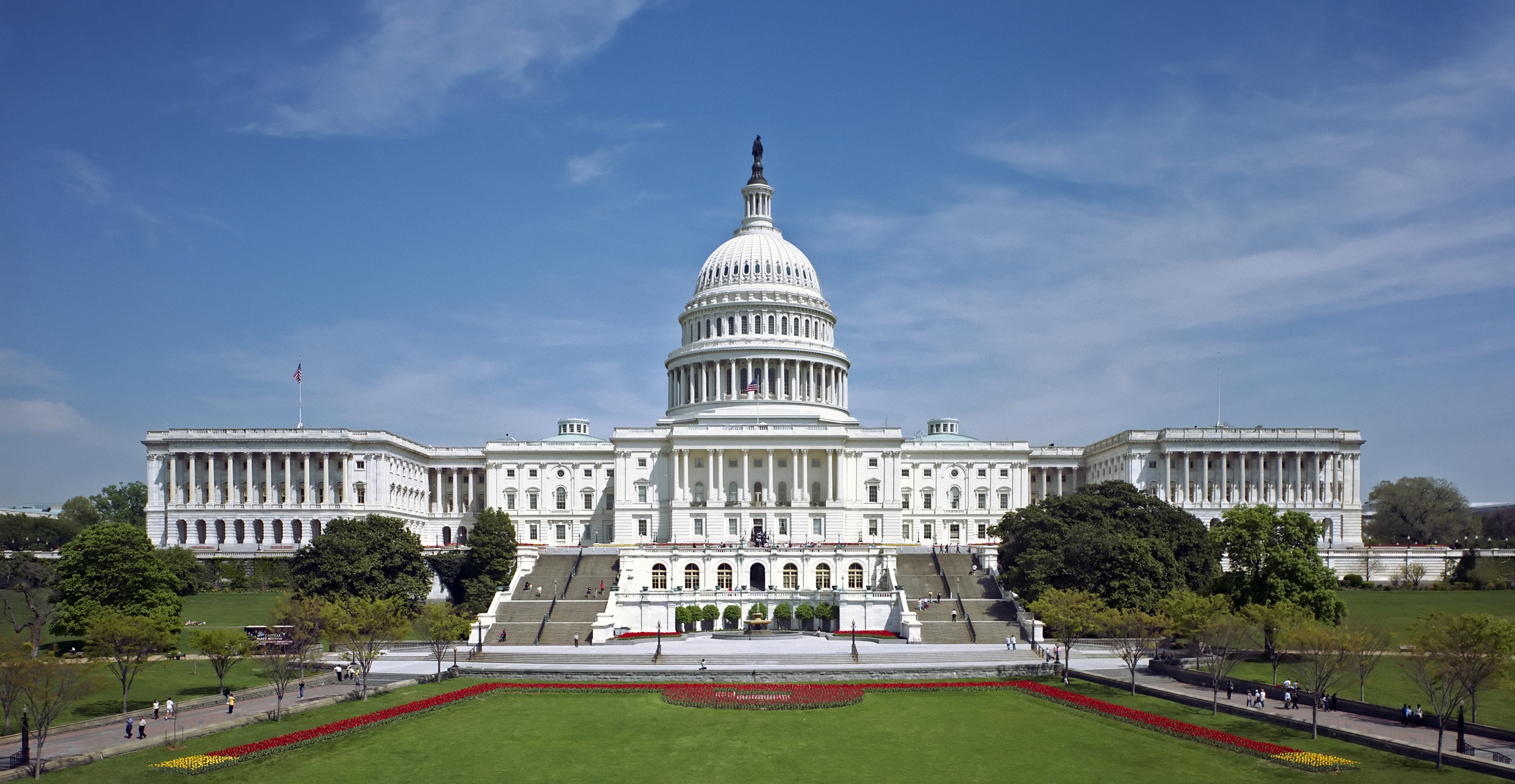
United States Capitol
First St SE, Washington, DC 20004
Neoclassical in Washington: Common Questions
Where can I see Neoclassical architecture in Washington?
You can see Neoclassical architecture prominently along the National Mall and in the Capitol Hill neighborhood. Notable examples include the United States Capitol, the Jefferson Memorial, and the United States Supreme Court Building.
When were these Neoclassical buildings built?
The United States Supreme Court Building was completed in 1935, the Jefferson Memorial was dedicated in 1943, the White House dates back to 1800, and the United States Capitol's construction began in 1793 and was completed in stages over many years.
What should I look for in Neoclassical architecture?
Look for grand columns, symmetry, domed roofs, and the use of classical materials like marble and granite. Buildings like the White House and the United States Capitol exemplify these characteristics, showcasing the grandeur and order of the style.
How does Neoclassical architecture in Washington compare to other cities?
While Neoclassical architecture can be found in many cities, Washington's use of the style is closely tied to its status as the nation's capital. The scale and grandeur of buildings like the United States Capitol and the Supreme Court Building are particularly striking compared to similar structures elsewhere.
Can I visit these Neoclassical buildings?
Yes, many of these buildings, including the United States Capitol and the Jefferson Memorial, are open to the public. However, access may vary, so it is advisable to check for visitor information and any required reservations before your visit.