Skyscraper Architecture in Sydney
Explore 6 skyscraper buildings that shape Sydney's architectural identity
Skyscraper architecture in Sydney emerged as a response to the city's growing population and economic expansion, particularly during the late 20th century. This period saw a surge in the construction of tall buildings that not only aimed to maximize space but also redefine urban living. The need for high-density accommodations is evident in structures like Aurora Place, which serves as a key element in the skyline, showcasing both functional design and aesthetic appeal.
Chifley Tower exemplifies the streamlined form associated with skyscrapers, characterized by its vertical lines and extensive glass facade. This building reflects the modern architectural trends of its time, integrating advanced construction techniques that allow for taller structures without compromising safety. Such design philosophies are common in Sydney's financial district, where skyscrapers like the MLC Centre further emphasize verticality, catering to the demands of urban density.
Sydney Tower, while primarily recognized for its slender profile dominating the skyline, also represents contemporary urban architecture with its unique observation deck and dining facilities. This focus on multifunctionality is a hallmark of Sydney's skyscraper development, where each structure not only contributes to the visual landscape but also serves various utilitarian purposes. The concentration of these iconic buildings along streets such as Martin Place and George Street highlights the city's commitment to modern architectural practices.
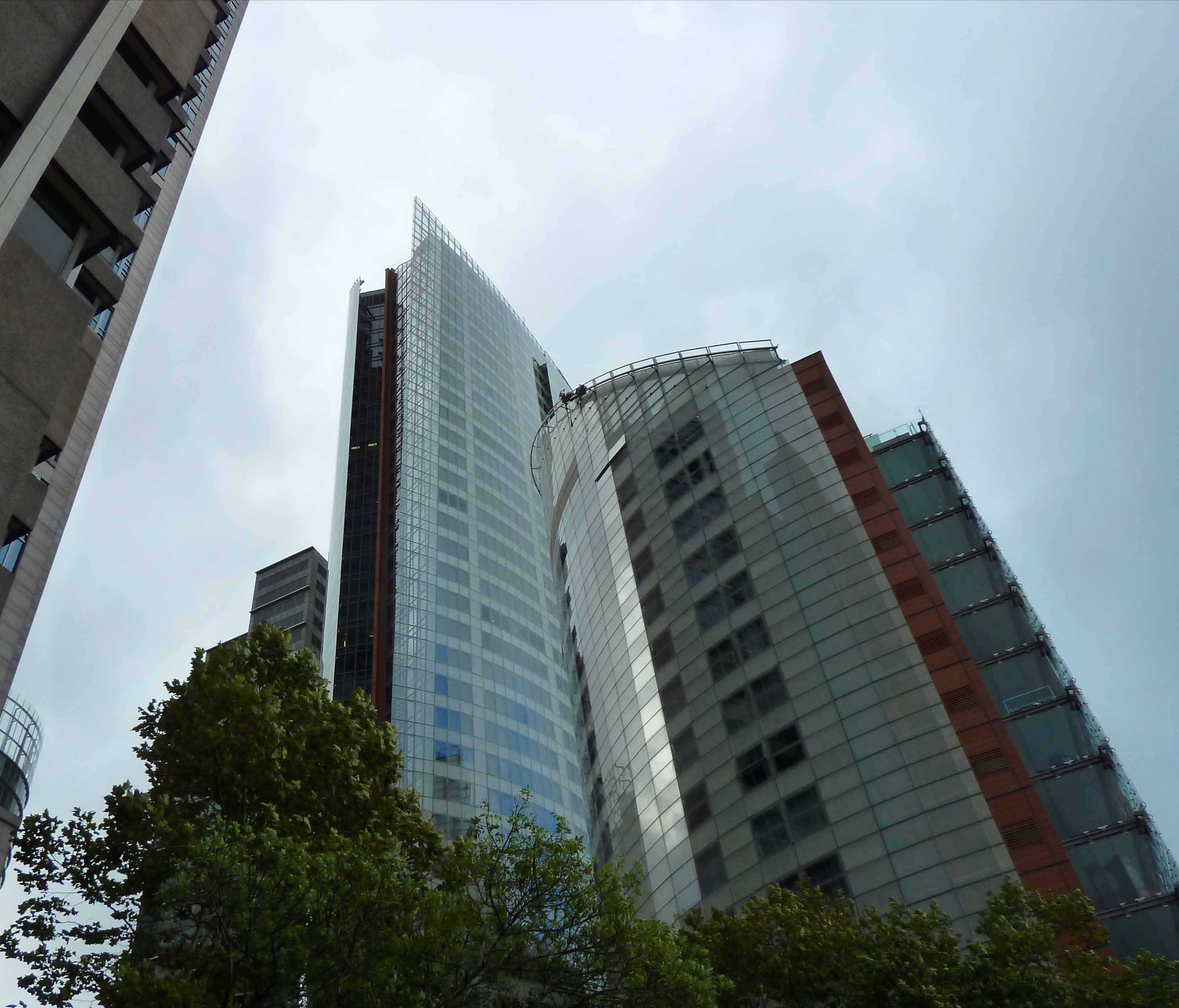
Aurora Place
88 Phillip Street, Sydney NSW 2000, Australia
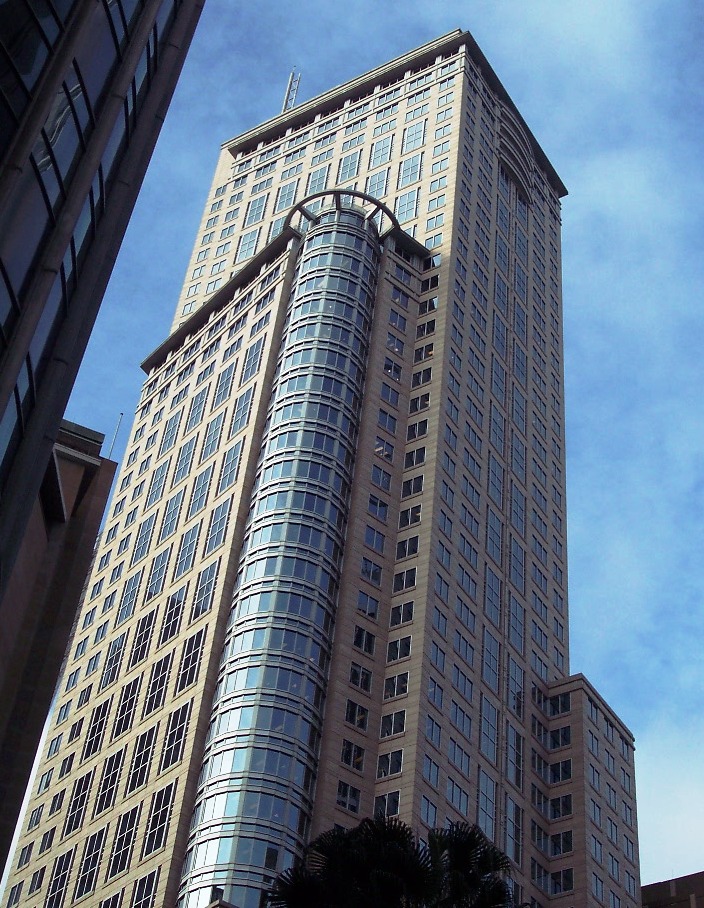
Chifley Tower
2 Chifley Square, Sydney NSW 2000, Australia
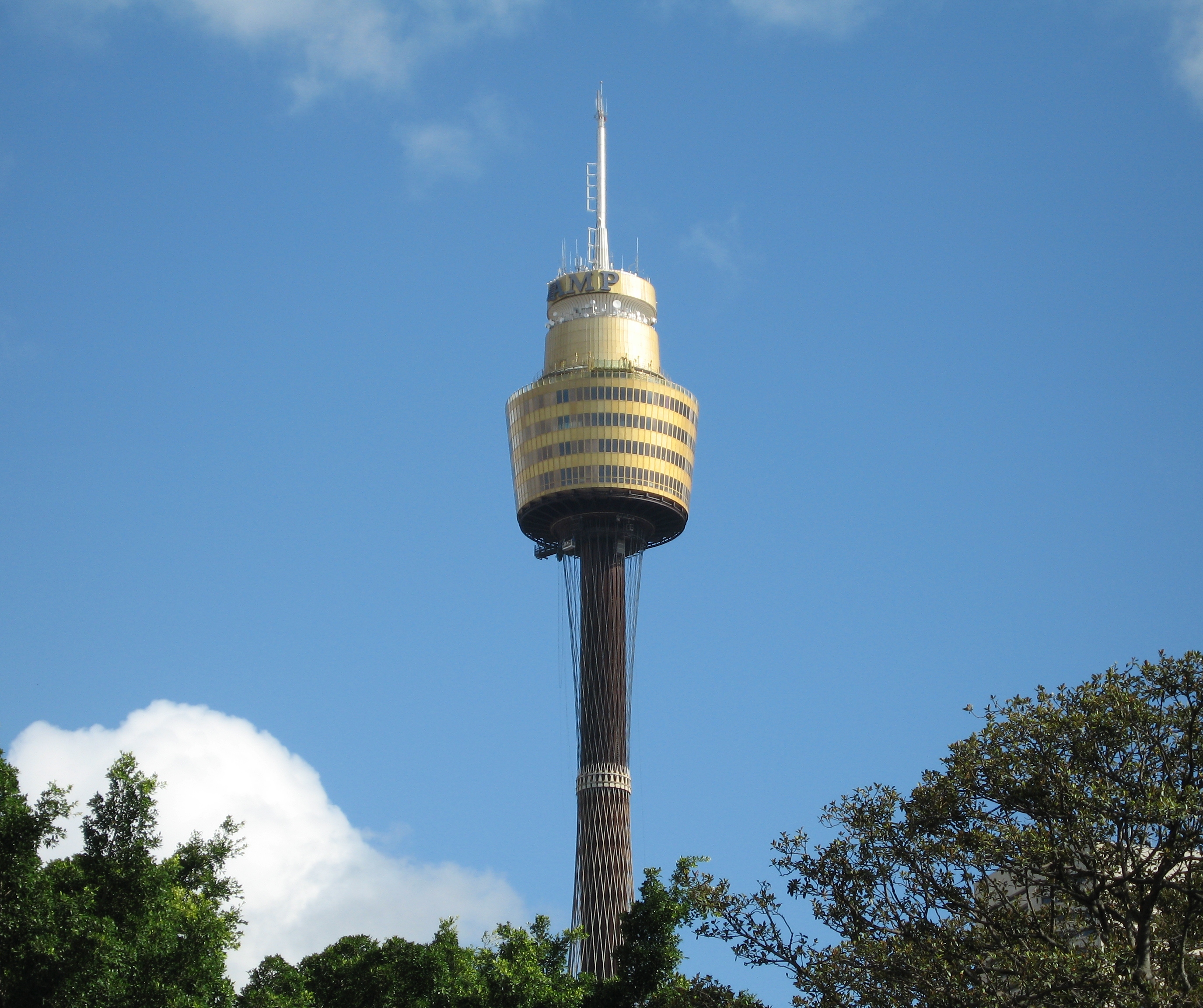
Sydney Tower
100 Market St, Sydney NSW 2000
Sydney Tower
100 Market St, Sydney NSW 2000
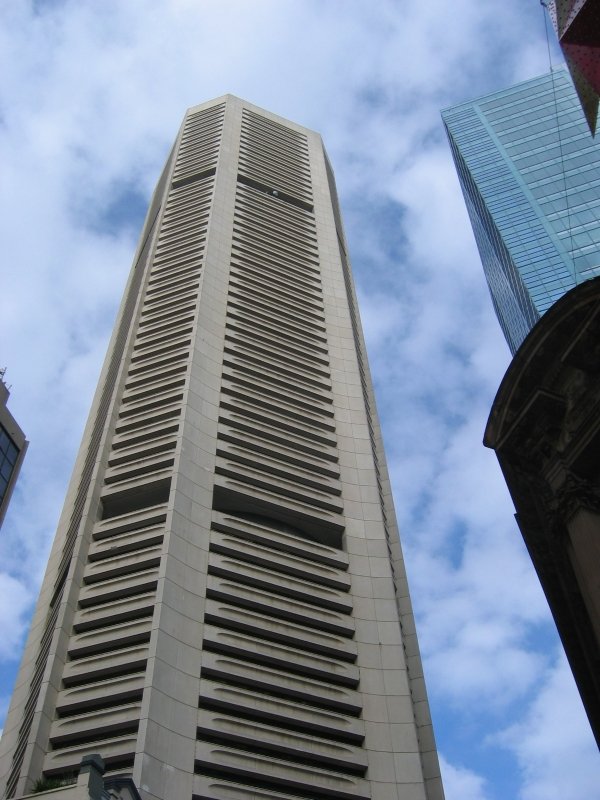
MLC Centre
19-29 Martin Pl, Sydney NSW 2000, Australia
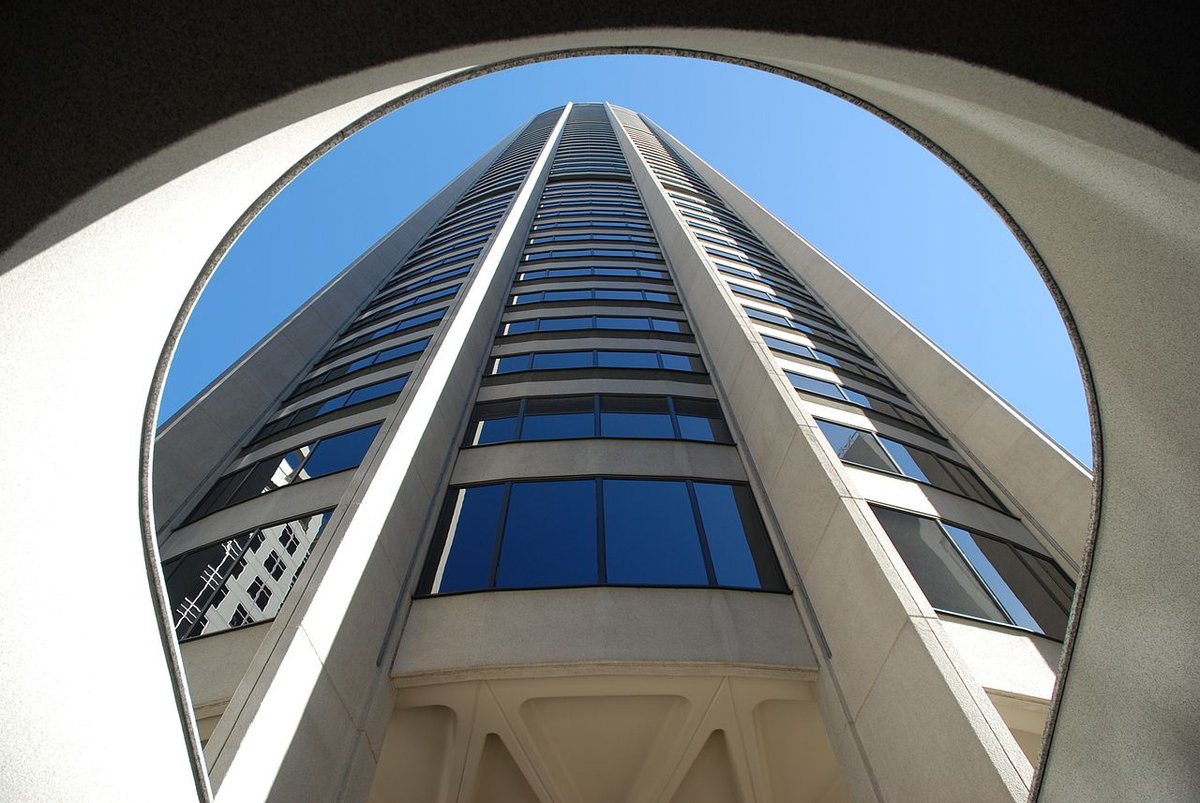
Australia Square
264-278 George St, Sydney NSW 2000, Australia
Skyscraper in Sydney: Common Questions
Where can I see skyscraper architecture in Sydney?
The best places to see skyscraper architecture in Sydney are in the central business district, particularly along Phillip Street, Martin Place, and George Street. Notable buildings include Aurora Place, Chifley Tower, and the MLC Centre.
When were these skyscrapers built?
Aurora Place was completed in 2000, Chifley Tower in 1992, and the MLC Centre was finished in 1988. These buildings reflect the construction boom in Sydney during the late 20th century.
What should I look for in Sydney's skyscrapers?
Pay attention to their vertical emphasis and use of materials such as glass and steel. Each building has unique characteristics; for instance, Chifley Tower features a streamlined design, while Sydney Tower has a slender profile that stands out.
How does Sydney's skyscraper architecture compare to other cities?
Sydney’s skyscrapers reflect modern architectural trends similar to those found in cities like New York and Melbourne, but with a distinctive focus on integrating urban living with aesthetics. Buildings such as Australia Square highlight this approach with their contemporary materials.
Can I visit these skyscrapers?
Yes, many skyscrapers in Sydney are open to the public. Sydney Tower offers observation decks for panoramic views, while buildings like the MLC Centre may have public spaces and cafes. Check specific building websites for visitor information.