Skyscraper Architecture in Kansas City
Explore 5 skyscraper buildings that shape Kansas City's architectural identity
Skyscraper architecture in Kansas City emerged during a period of economic growth and urban development in the late 19th and early 20th centuries. As the city expanded, the demand for office space and urban living led to the construction of high-rise buildings that utilized innovative materials and design techniques. The combination of steel frames and glass facades allowed for taller structures, fundamentally changing the skyline.
One Kansas City Place, located at 1200 Main Street, exemplifies the use of vertical lines and asymmetrical forms, which are hallmarks of the skyscraper style. Its design reflects the city's architectural evolution, showcasing how modern engineering allows for impressive heights and dynamic aesthetics. Meanwhile, the Kansas City Power & Light Building at 1330 Baltimore Avenue embraces contemporary ideals with its tall, glass-clad exterior, contributing to the sense of verticality that defines the skyline.
The Country Club Plaza, situated along the 4700 block of Broadway, features skyscrapers characterized by slender profiles and a predominance of glass and steel. This development not only highlights modernist principles of transparency but also integrates seamlessly with the surrounding urban fabric, making it a focal point for both residents and visitors. In contrast, the Federal Reserve Bank Building at 1 Memorial Drive emphasizes verticality, creating a striking presence that enhances the city's vistas.

One Kansas City Place
1200 Main Street, Kansas City, MO 64105
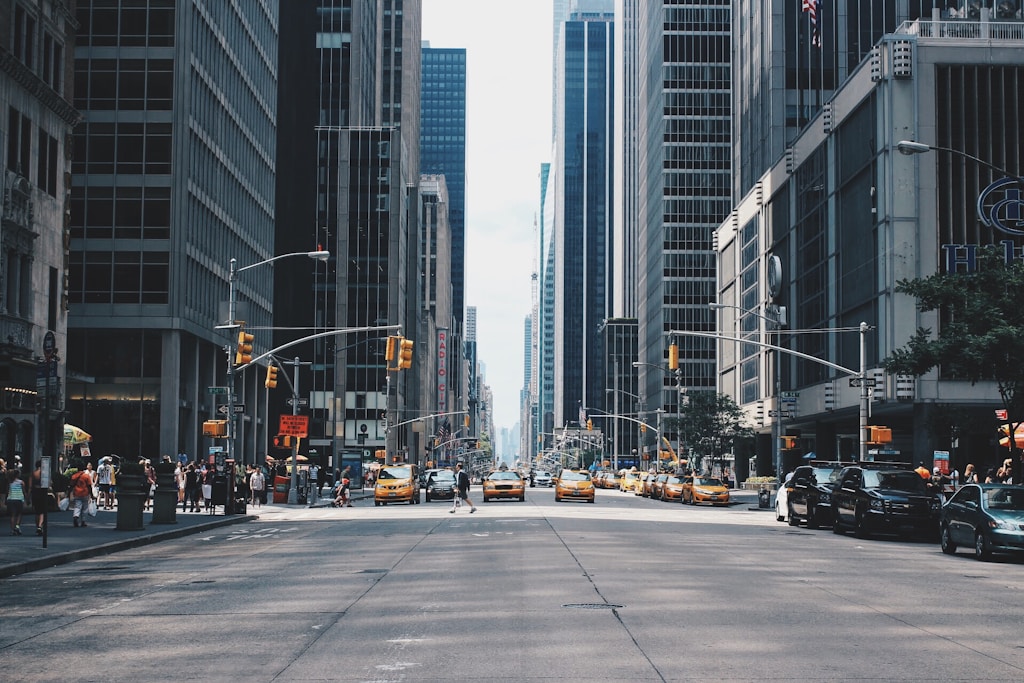
Country Club Plaza
4700 block of Broadway, Kansas City, MO 64112
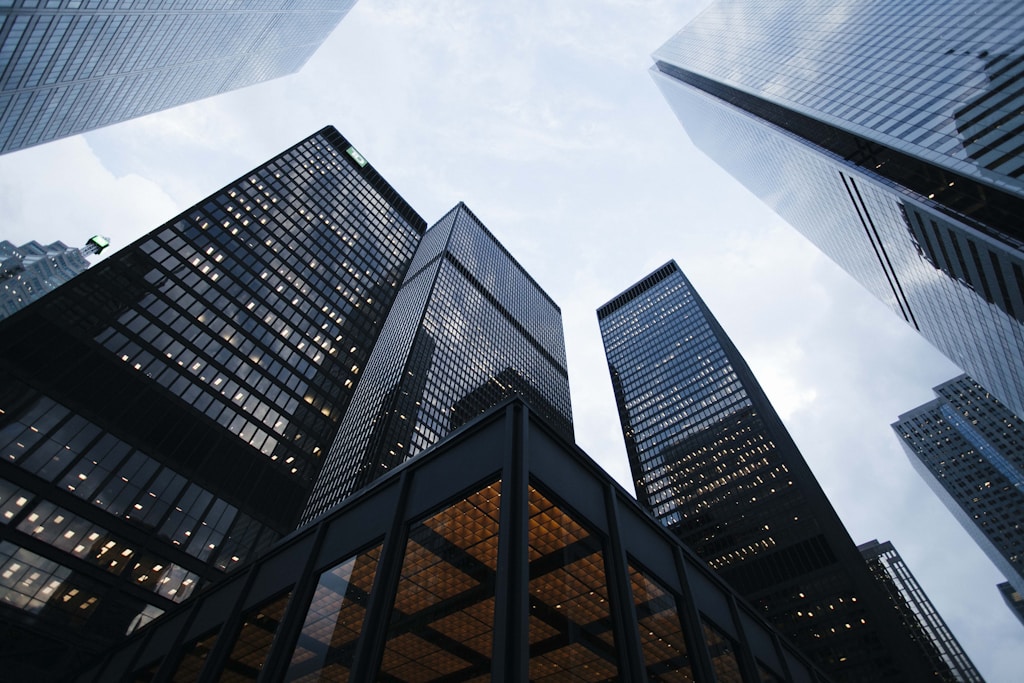
Federal Reserve Bank Building
1 Memorial Drive, Kansas City, MO 64198

City Hall
414 E 12th Street, Kansas City, MO 64106
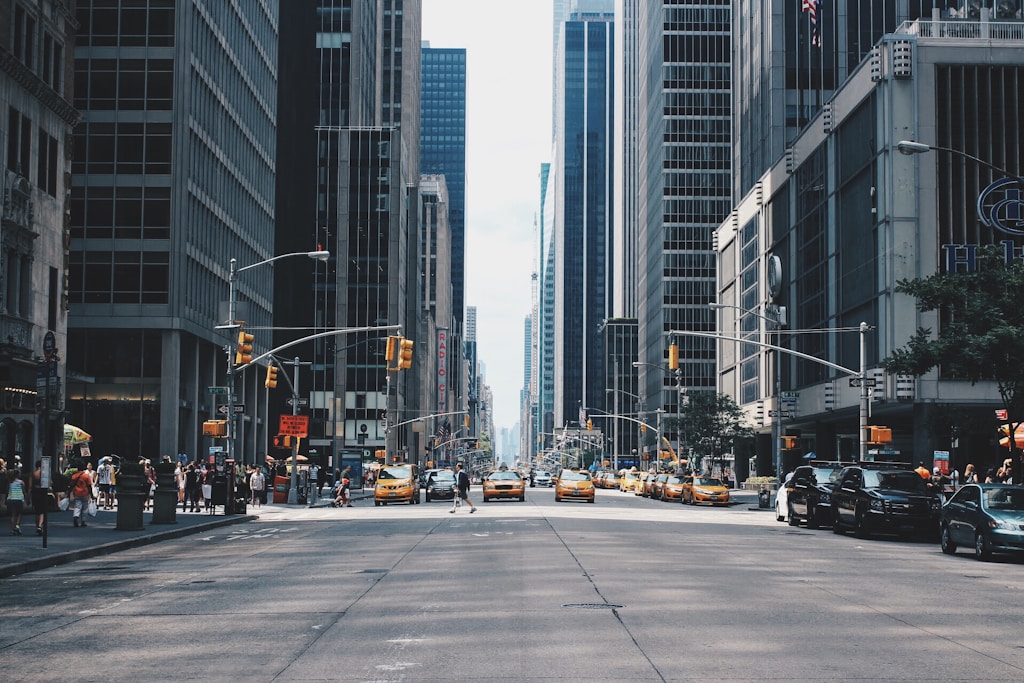
Kansas City Power & Light Building
1330 Baltimore Avenue, Kansas City, MO 64105
Skyscraper in Kansas City: Common Questions
Where can I see skyscraper architecture in Kansas City?
You can find notable skyscrapers in downtown Kansas City, particularly along Main Street and in the Country Club Plaza area. Key examples include One Kansas City Place and the Kansas City Power & Light Building.
When were these skyscrapers built?
The construction of many skyscrapers in Kansas City occurred from the 1920s to the 2000s. For instance, One Kansas City Place was completed in 1991, while the Kansas City Power & Light Building dates back to 1931.
What should I look for in Kansas City skyscrapers?
Look for distinctive features such as vertical lines, glass facades, and varying heights that contribute to the skyline's drama. Each building, like City Hall and the Federal Reserve Bank Building, offers unique architectural details.
How does Kansas City's skyscraper architecture compare to other cities?
Kansas City's skyscrapers reflect a blend of modern and historical influences, similar to other major cities. However, they maintain a unique character shaped by local materials and cultural context, such as those found in the Country Club Plaza.
Can I visit these skyscrapers?
Yes, many skyscrapers in Kansas City, including those in the Country Club Plaza and downtown, are accessible to the public. Some, like City Hall, may offer tours or have public spaces available for visitors.