Contemporary Architecture in Kansas City
Explore 6 contemporary buildings that shape Kansas City's architectural identity
Contemporary architecture in Kansas City reflects a period of innovation and economic growth that has reshaped the urban landscape. This movement gained traction in the late 20th century, driven by advancements in materials and construction techniques, as well as a desire for more functional and adaptable spaces. Neighborhoods such as the Crossroads Arts District and downtown Kansas City feature a concentration of contemporary structures, each contributing to the city's evolving identity.
The Kauffman Center for the Performing Arts is a prime example, showcasing sleek lines and an innovative design that pushes the boundaries of traditional architecture. Its striking exterior not only serves aesthetic purposes but also enhances the acoustics within the performance halls, making it a functional space for the arts.
Another notable structure is One Kansas City Place, which integrates glass facades that reflect the modern architectural movement. This building plays a significant role in shaping the skyline, emphasizing transparency and light. Similarly, the Federal Reserve Bank Building highlights a minimalist aesthetic with its large expanses of glass and metal, creating an inviting presence that contrasts with its critical financial functions.
In addition, the Nelson-Atkins Museum of Art exemplifies how contemporary design principles prioritize functionality and adaptability. Its modern materials and design allow it to serve both as a cultural institution and as a landmark in the city. Together, these buildings illustrate the unique character of Kansas City's contemporary architecture.
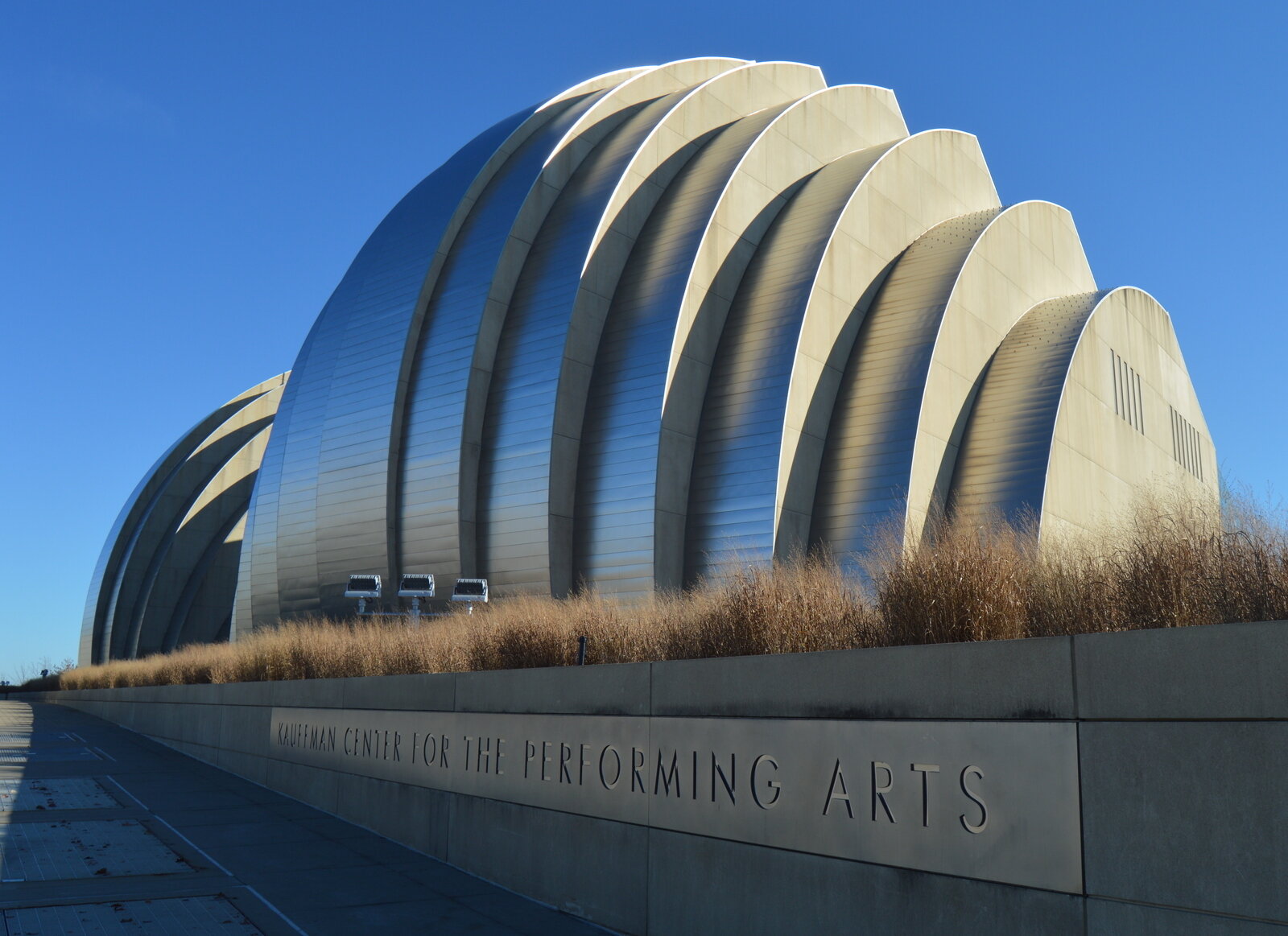
Kauffman Center for the Performing Arts
1601 Broadway Blvd, Kansas City, MO 64108
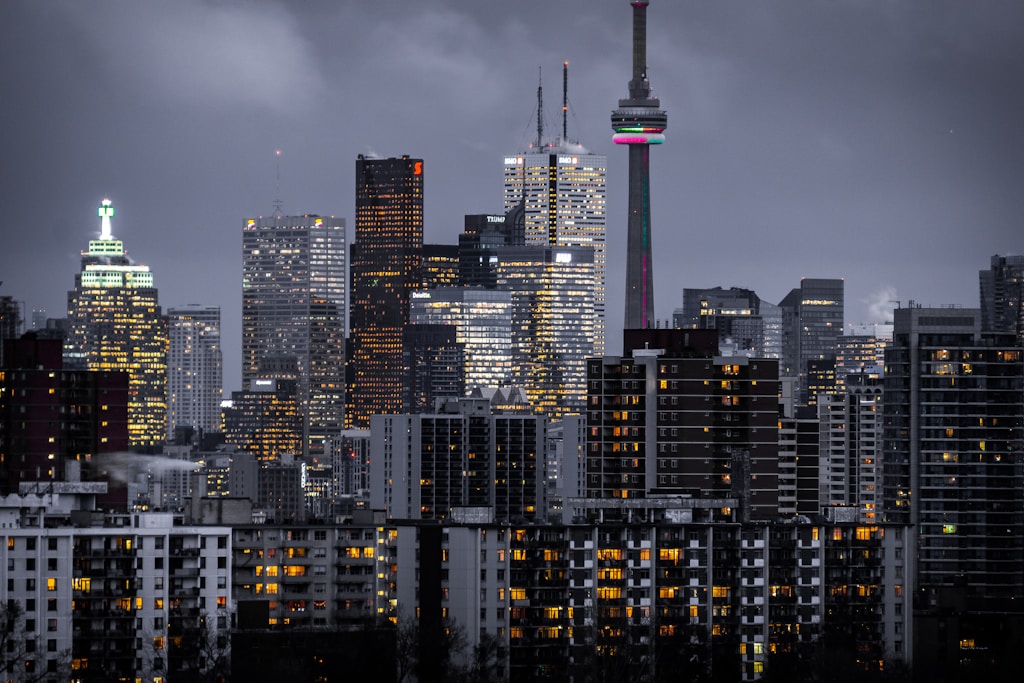
One Kansas City Place
1200 Main Street, Kansas City, MO 64105
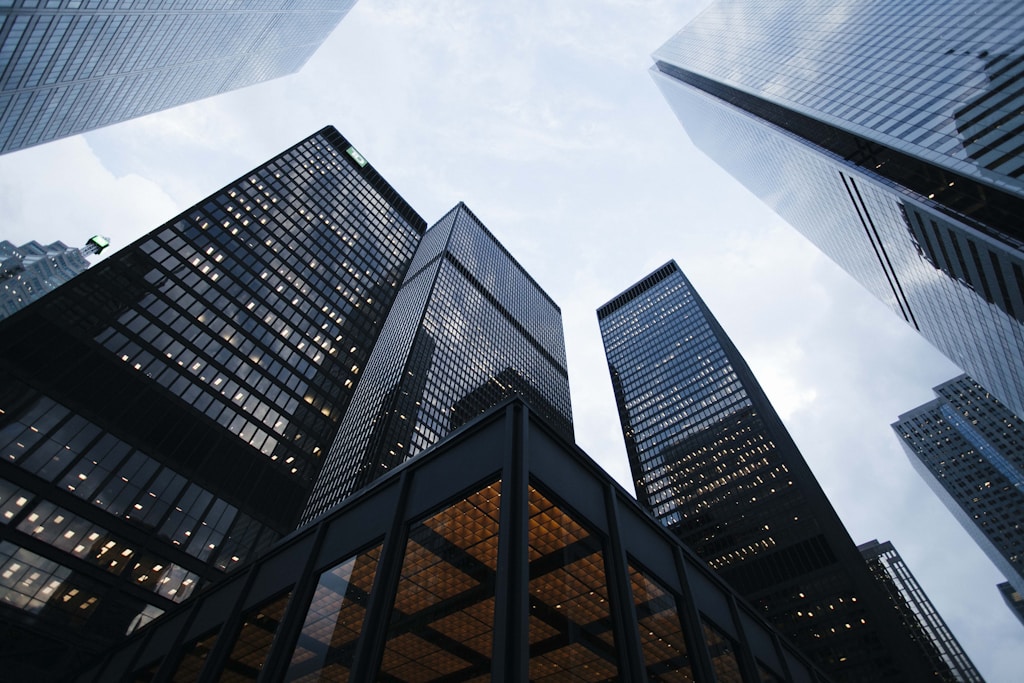
Federal Reserve Bank Building
1 Memorial Drive, Kansas City, MO 64198
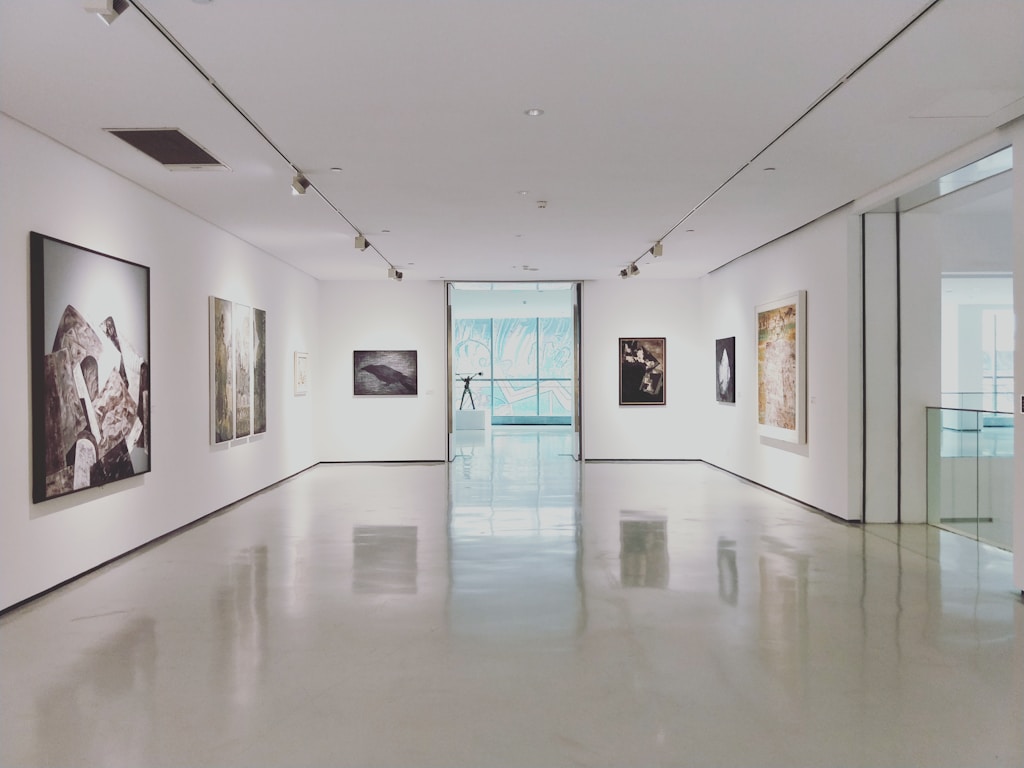
Nelson-Atkins Museum of Art
4525 Oak Street, Kansas City, MO 64111
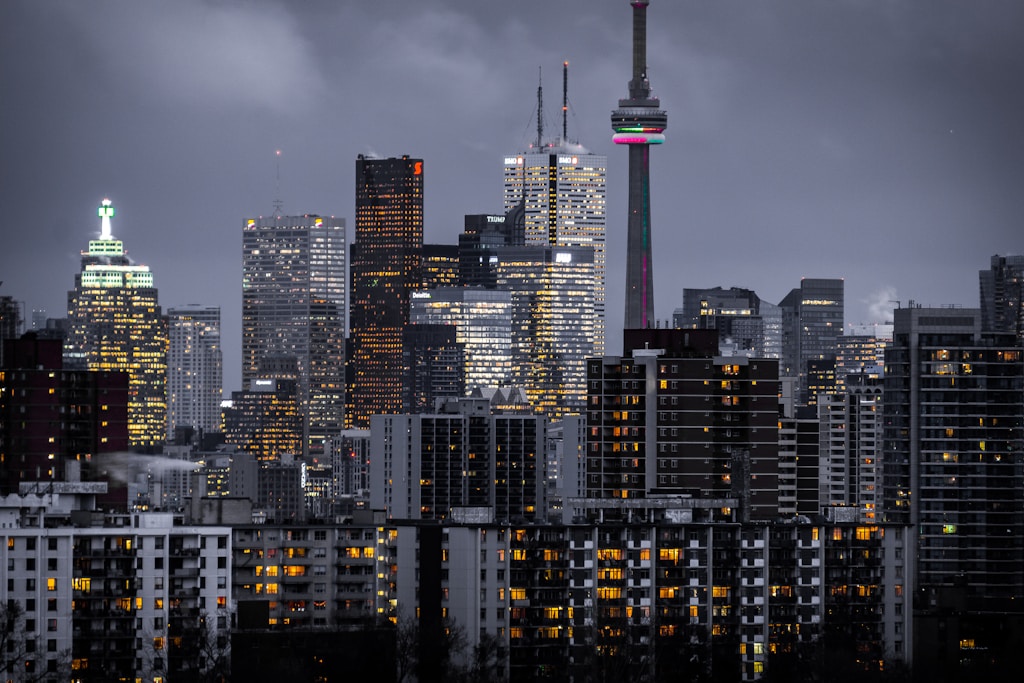
City Hall
414 E 12th Street, Kansas City, MO 64106
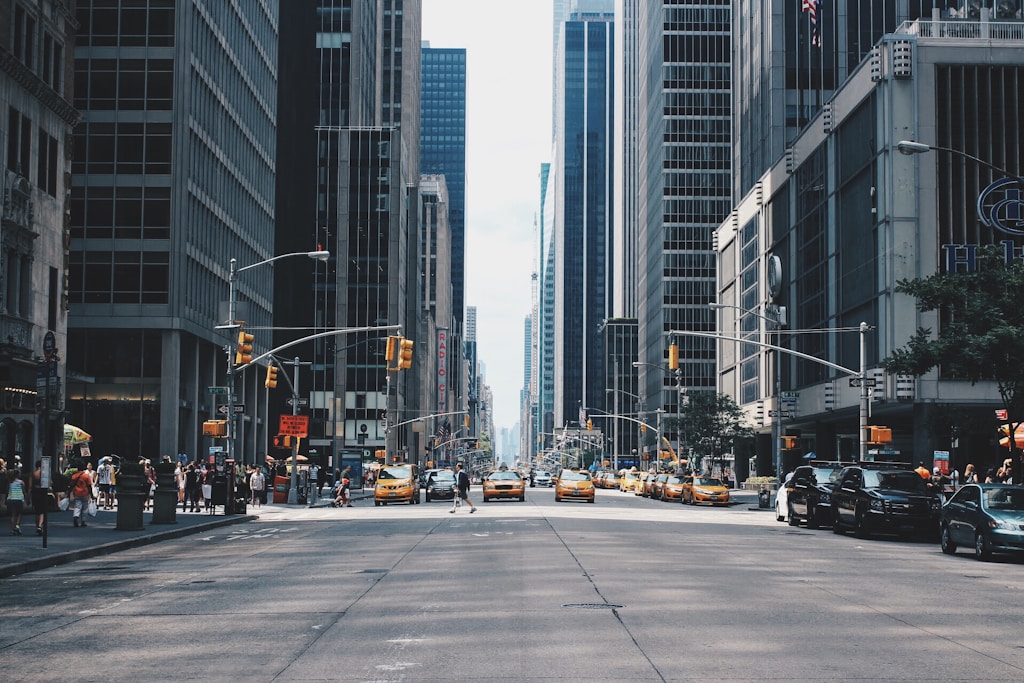
Kansas City Power & Light Building
1330 Baltimore Avenue, Kansas City, MO 64105
Contemporary in Kansas City: Common Questions
Where can I see contemporary architecture in Kansas City?
Key locations for contemporary architecture include the Kauffman Center for the Performing Arts, One Kansas City Place, and the Nelson-Atkins Museum of Art. These buildings are primarily found in the downtown area and the Crossroads Arts District, which feature a mix of modern designs.
When were these contemporary buildings constructed?
Many of the contemporary buildings in Kansas City were constructed in the late 20th and early 21st centuries. For instance, the Kauffman Center opened in 2011, while One Kansas City Place was completed in 1990. Each building reflects the architectural trends of its time.
What should I look for in contemporary architecture?
Contemporary architecture often emphasizes clean lines, open spaces, and innovative use of materials. Look for elements like glass facades, minimalist designs, and functional adaptability, as seen in buildings like the Federal Reserve Bank and the Nelson-Atkins Museum.
How does Kansas City's contemporary architecture compare to other cities?
Kansas City's contemporary architecture displays a unique blend of functionality and aesthetic appeal, much like cities such as Chicago and Seattle. However, the local designs often focus on integrating green spaces and community engagement, which may differ from other urban landscapes.
Can I visit these contemporary buildings?
Yes, many contemporary buildings in Kansas City, such as the Kauffman Center and the Nelson-Atkins Museum, are open to the public. Check their respective websites for visiting hours, events, and guided tours to enhance your experience.