Contemporary Architecture in Toronto
Explore 14 contemporary buildings that shape Toronto's architectural identity
Contemporary architecture in Toronto is a reflection of the city’s dynamic evolution and economic growth, particularly evident from the late 20th century onward. This architectural style emerged in response to changing cultural values, technological advancements, and a desire for innovative urban spaces that prioritize sustainability and community engagement. The integration of modern materials such as glass, steel, and concrete has become a hallmark of Toronto's skyline, allowing for creativity and functionality in design.
Key examples of this trend include the Art Gallery of Ontario, where the use of sleek, minimalist forms and innovative materials creates an inviting atmosphere for art enthusiasts. Another significant structure is the Four Seasons Centre for the Performing Arts, which features clean lines and a modern aesthetic, enhancing the city’s cultural landscape. Similarly, the Royal Ontario Museum's extension showcases a bold visual language, prioritizing both innovation and environmental sustainability.
Neighborhoods like the Distillery District and areas around Nathan Phillips Square are particularly rich in contemporary architecture, with buildings emphasizing transparency and openness. These districts exemplify how contemporary design not only enhances aesthetic appeal but also fosters community interaction and accessibility, making Toronto a leading example of modern architectural expression.
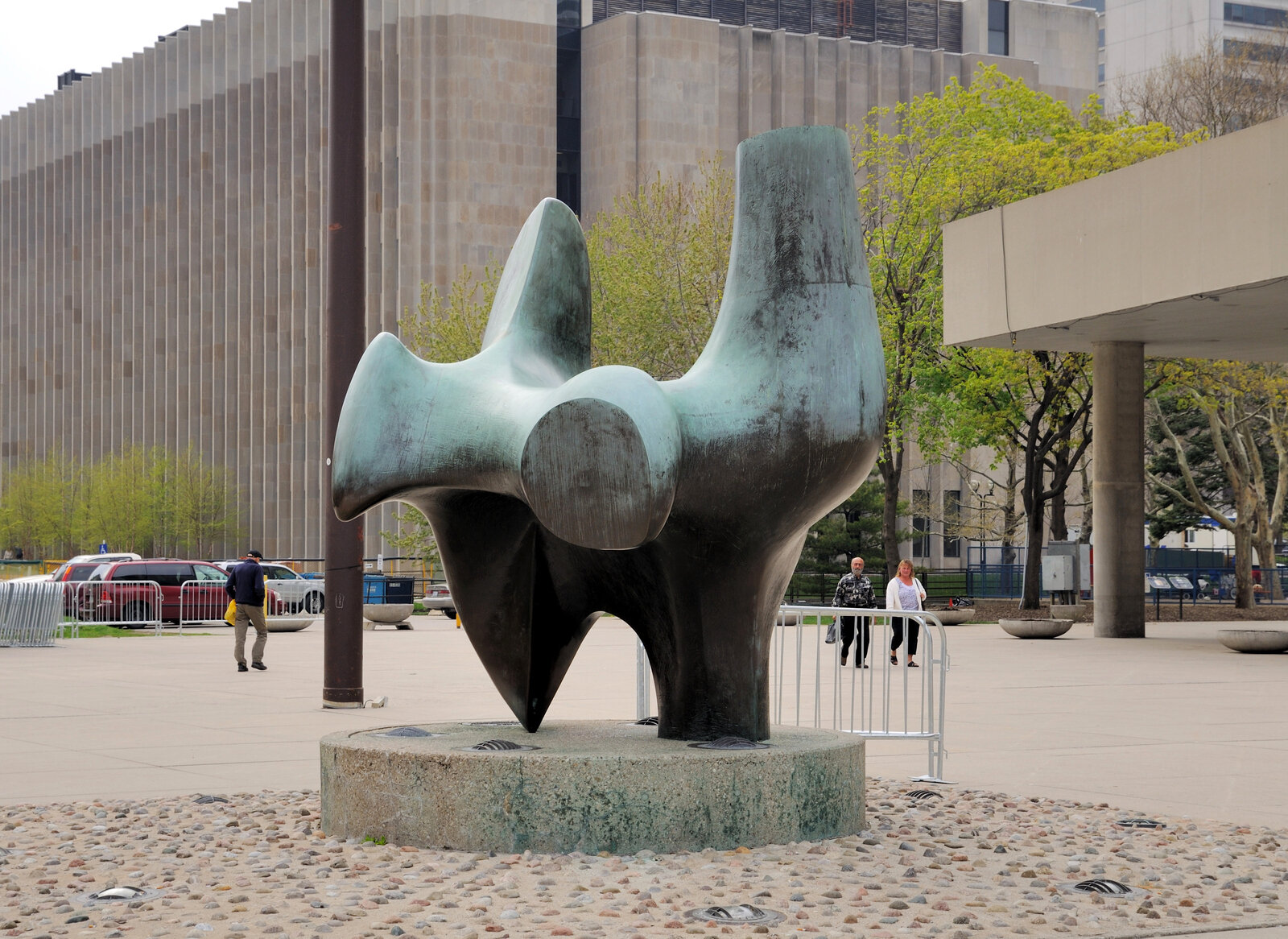
Nathan Phillips Square & New City Hall
100 Queen St W, Toronto, ON M5H 2N2
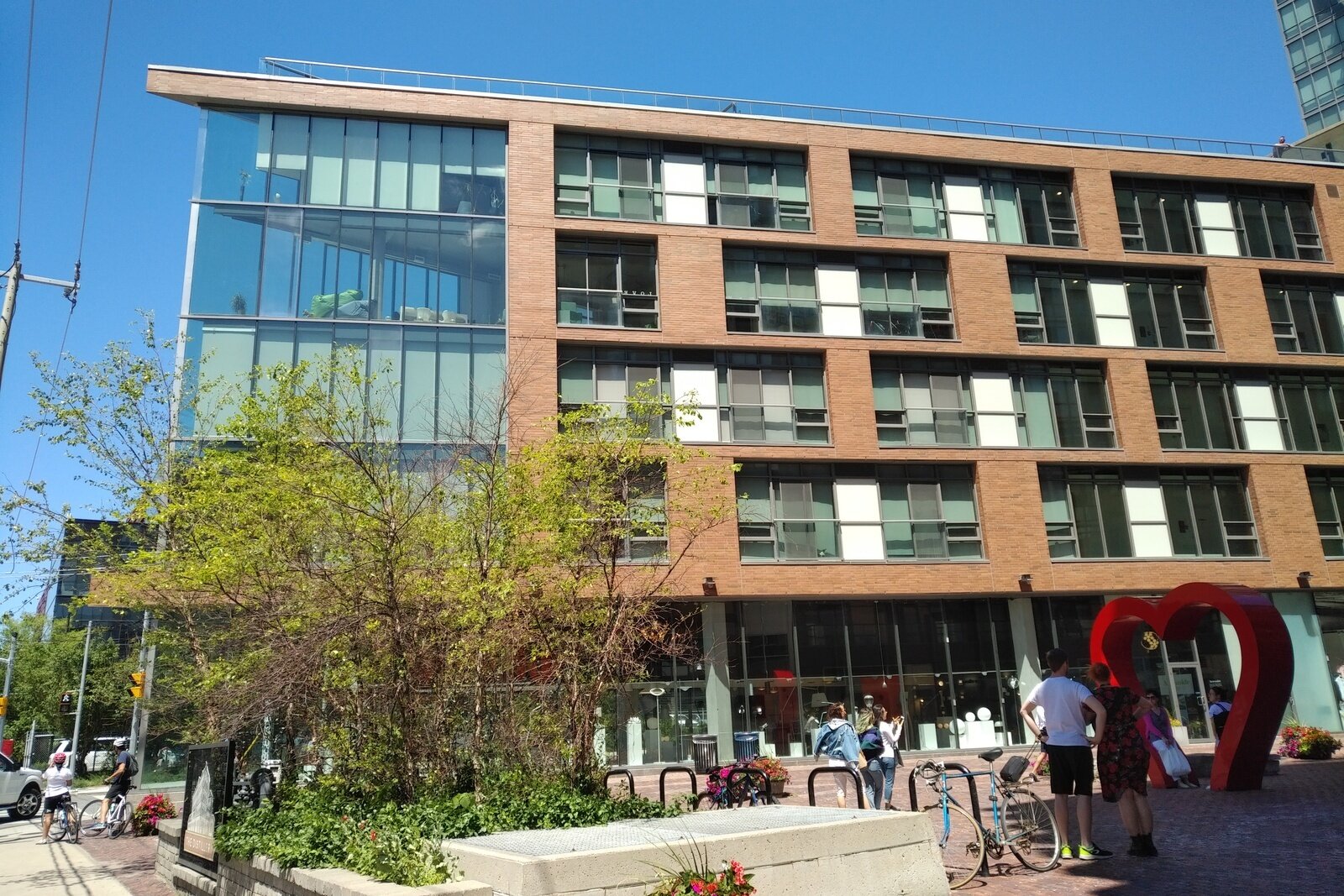
Distillery District
55 Mill St, Toronto, ON M5A 3C4
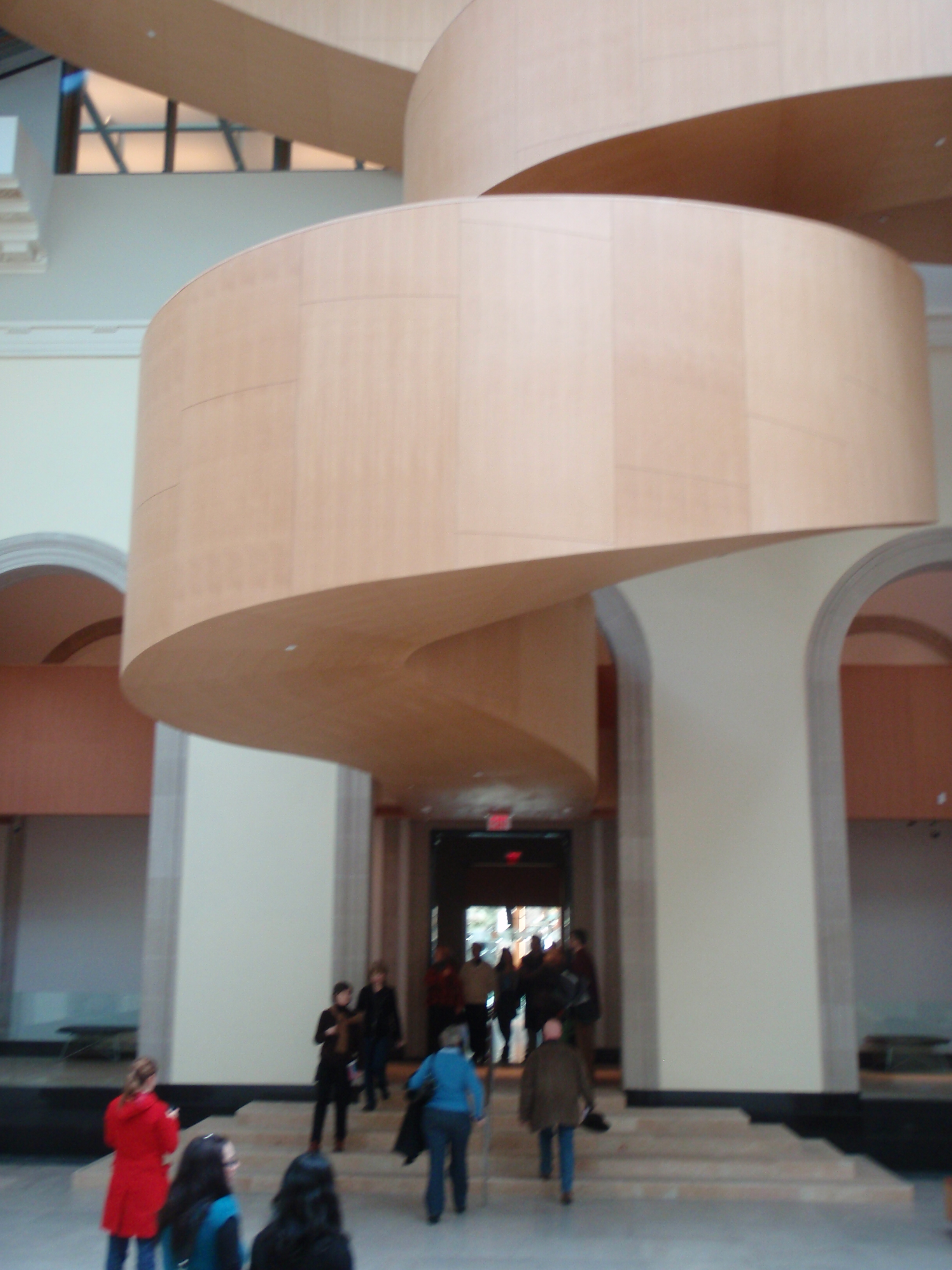
Art Gallery of Ontario
317 Dundas St W, Toronto, ON M5T 1G4
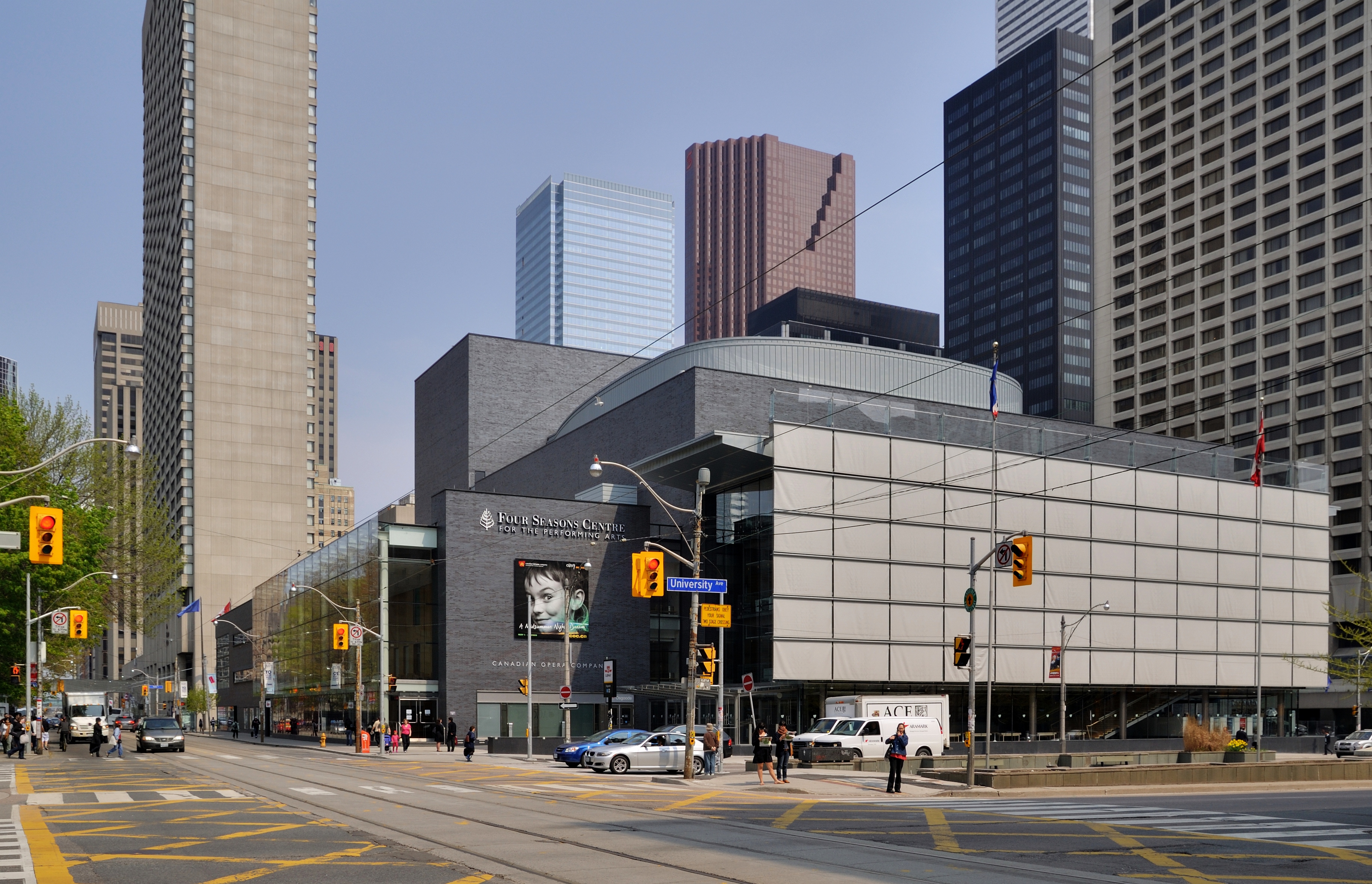
Four Seasons Centre for the Performing Arts
145 Queen St W, Toronto, ON M5H 4G1
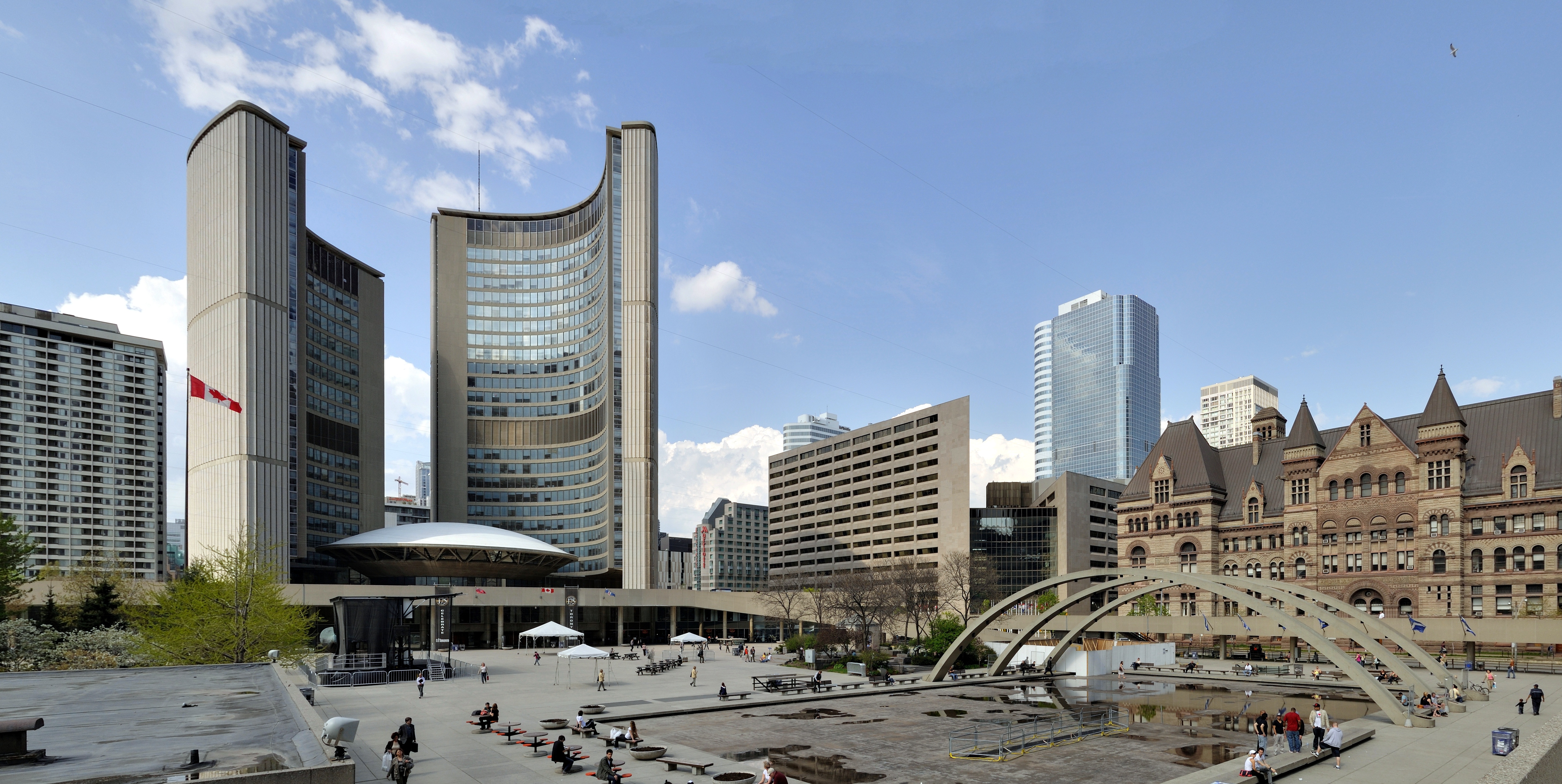
Toronto City Hall
100 Queen St W, Toronto, ON M5H 2N2
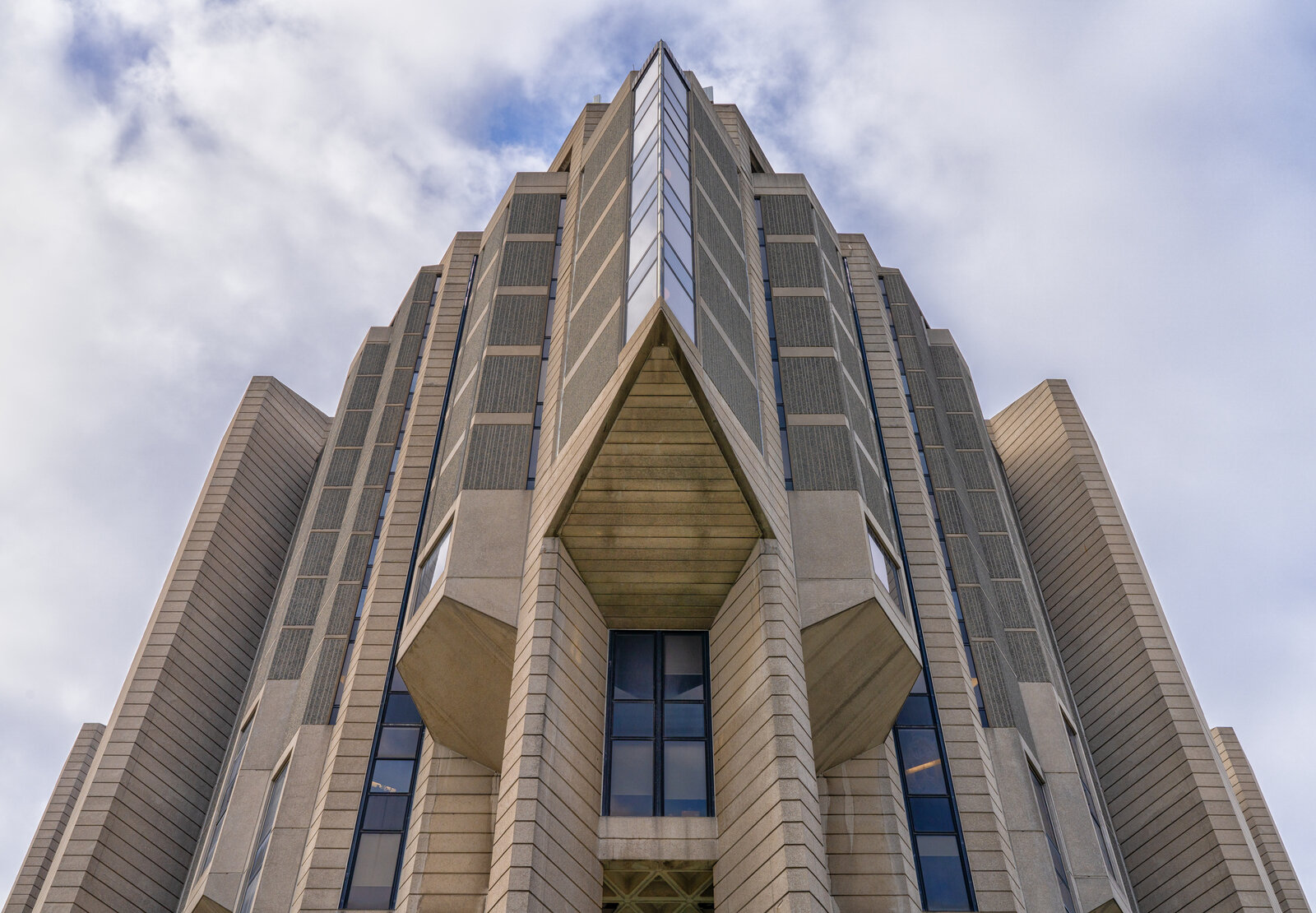
Robarts Library
130 St George St, Toronto, ON M5S 3H1
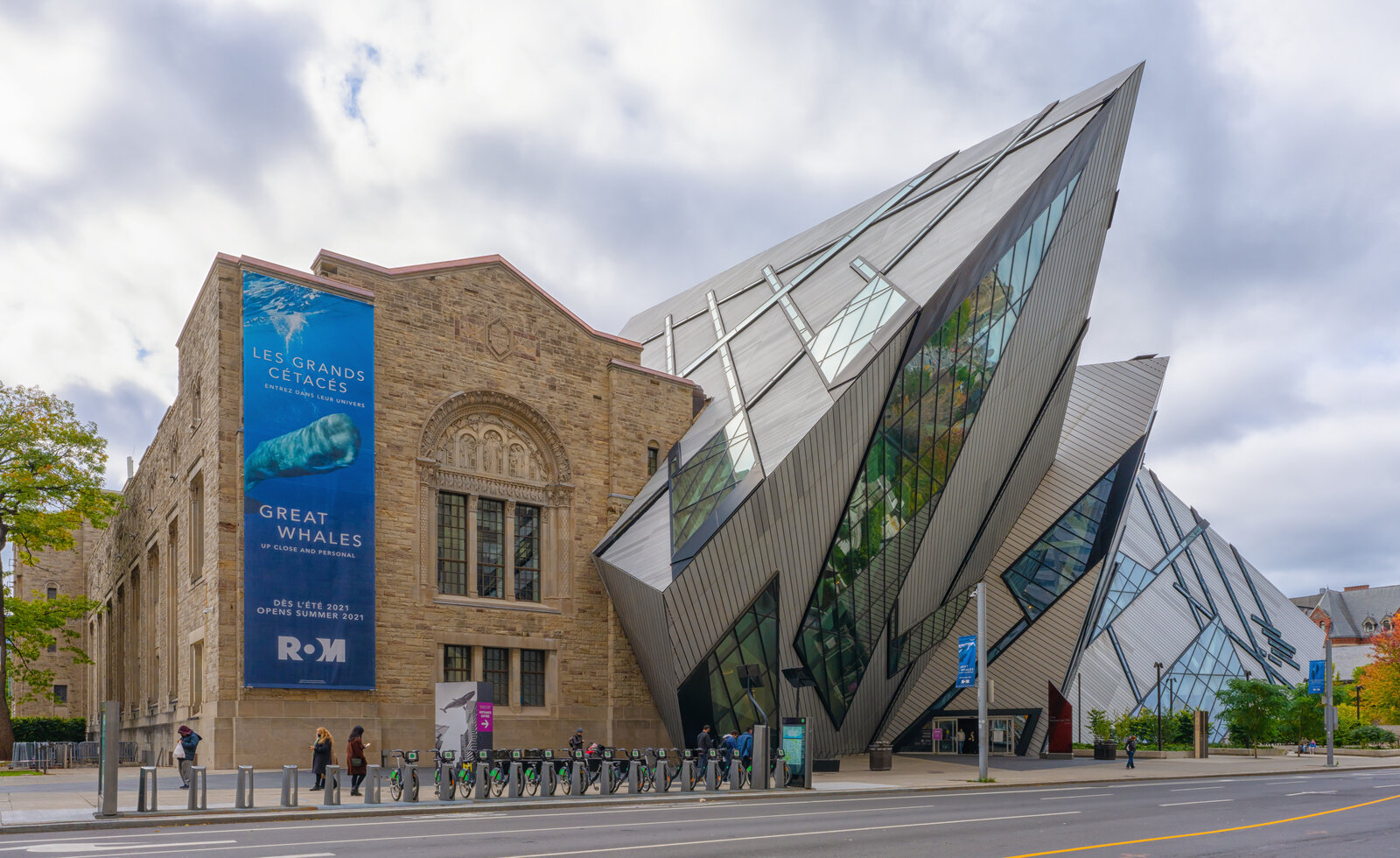
Royal Ontario Museum
100 Queen's Park, Toronto, ON M5S 2C6
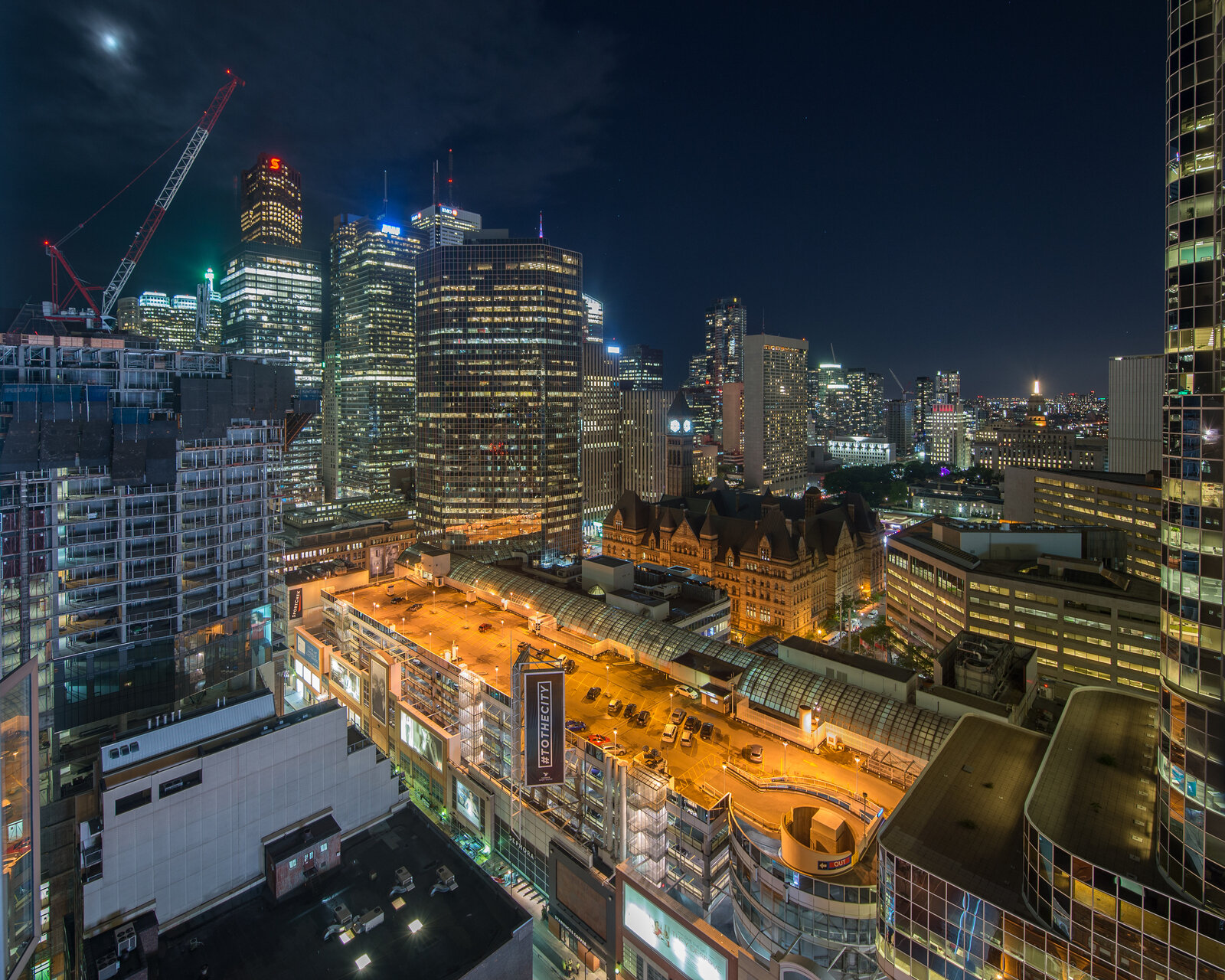
Old City Hall
60 Queen St W, Toronto, ON M5H 2M3
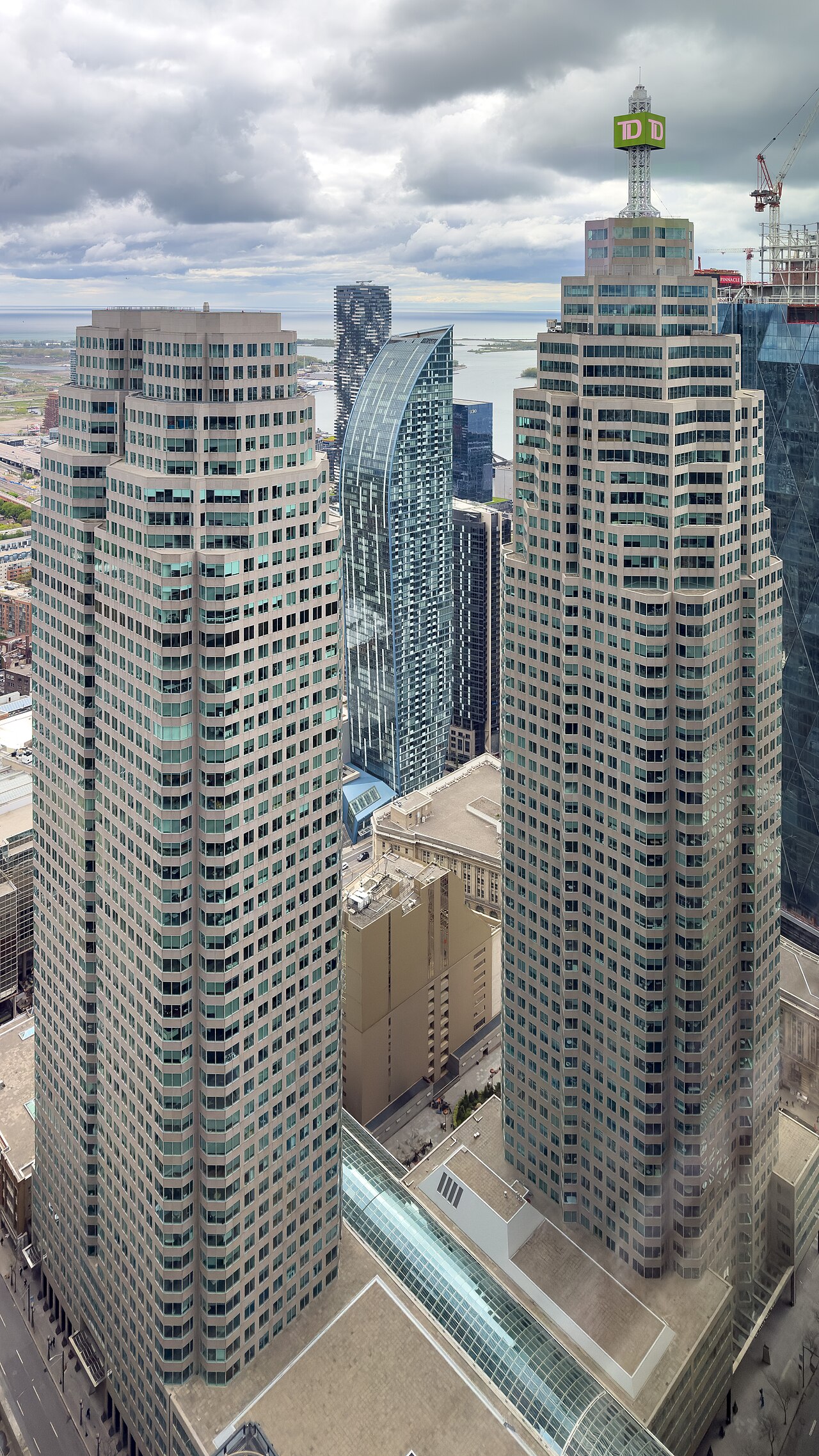
Brookfield Place
181 Bay St, Toronto, ON
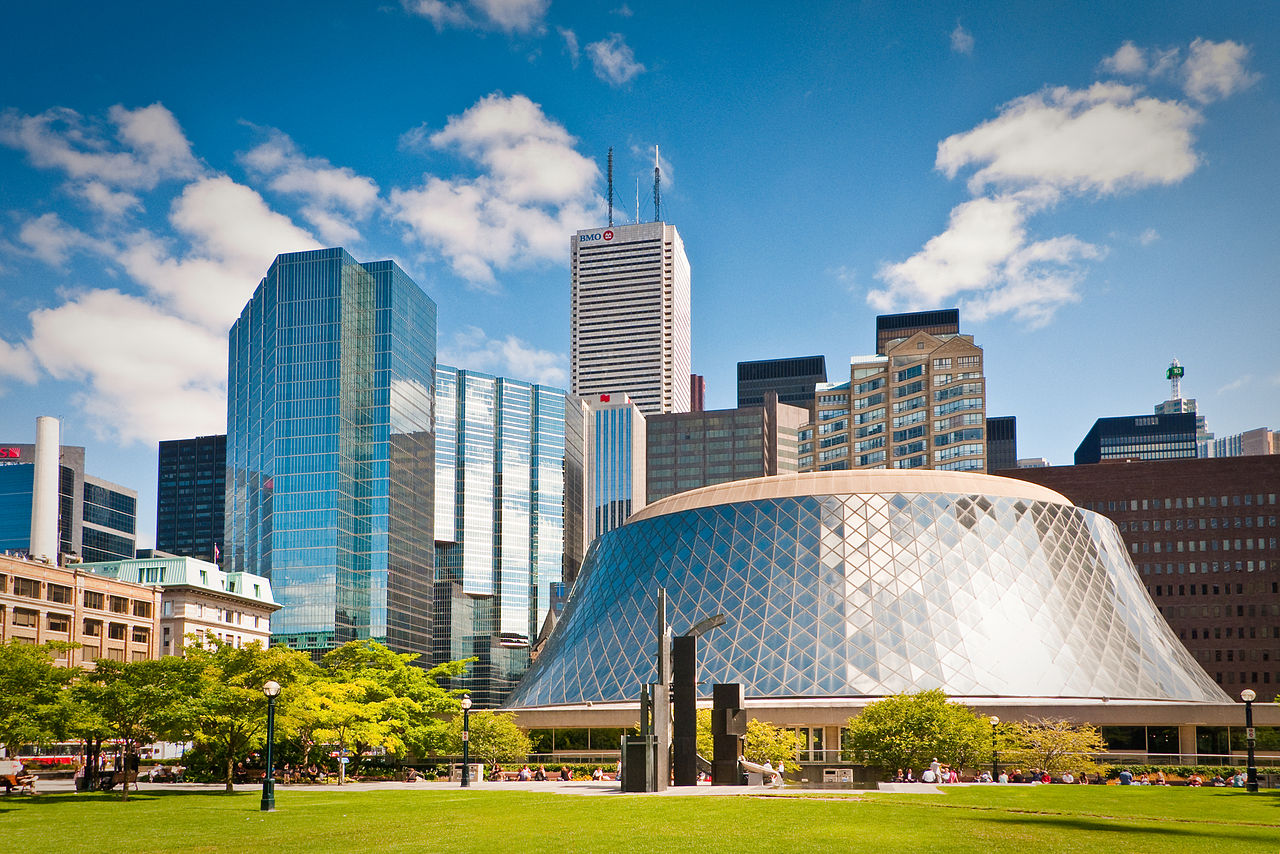
Roy Thomson Hall
60 Simcoe St, Toronto, ON
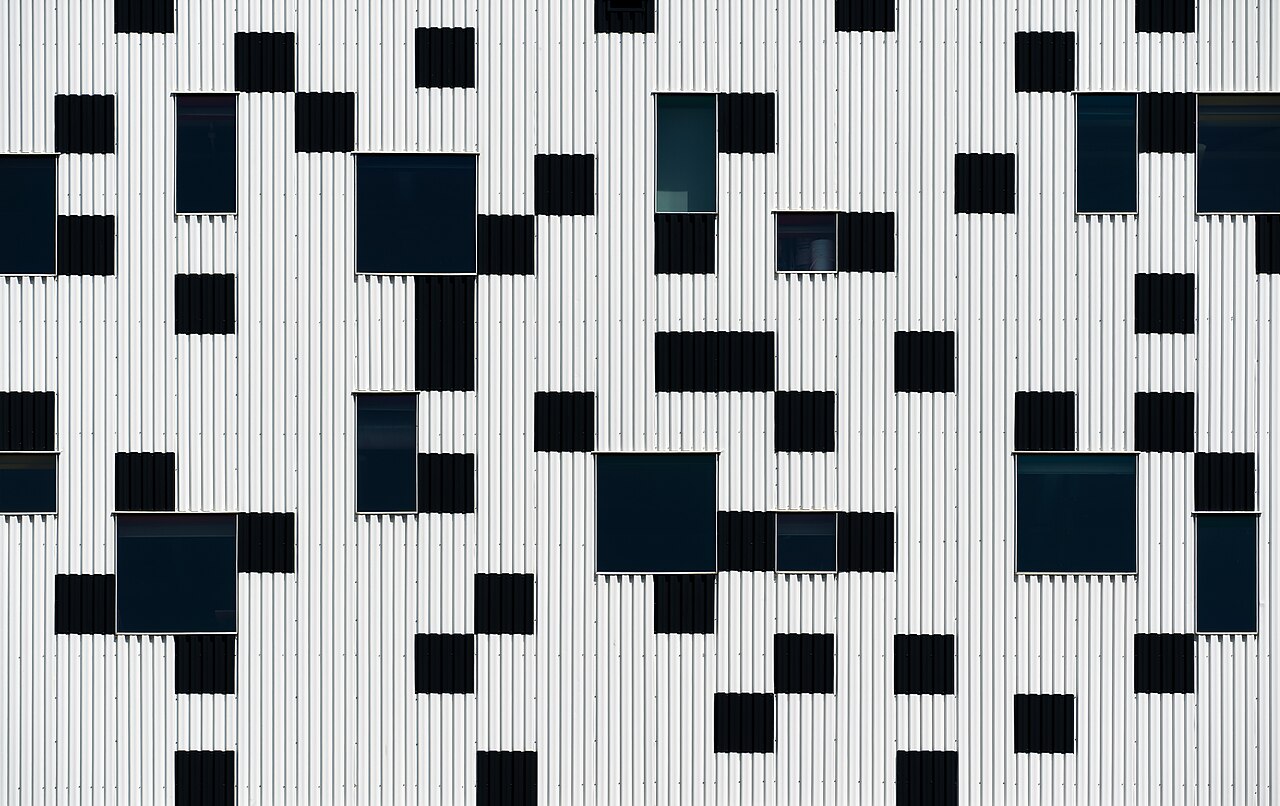
OCAD Sharp Centre for Design
100 McCaul St, Toronto, ON
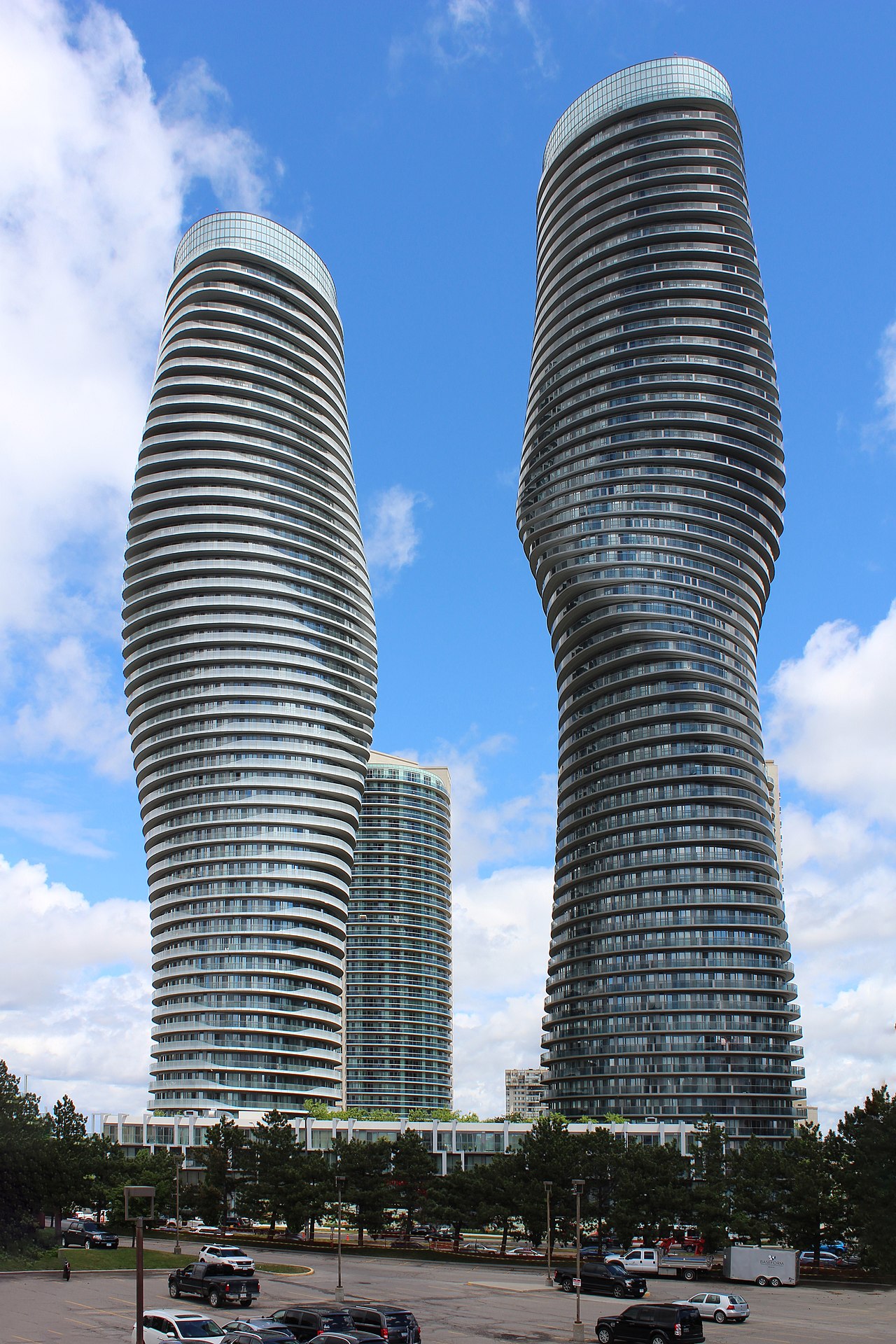
Absolute Towers
56 Absolute Ave, Mississauga, ON
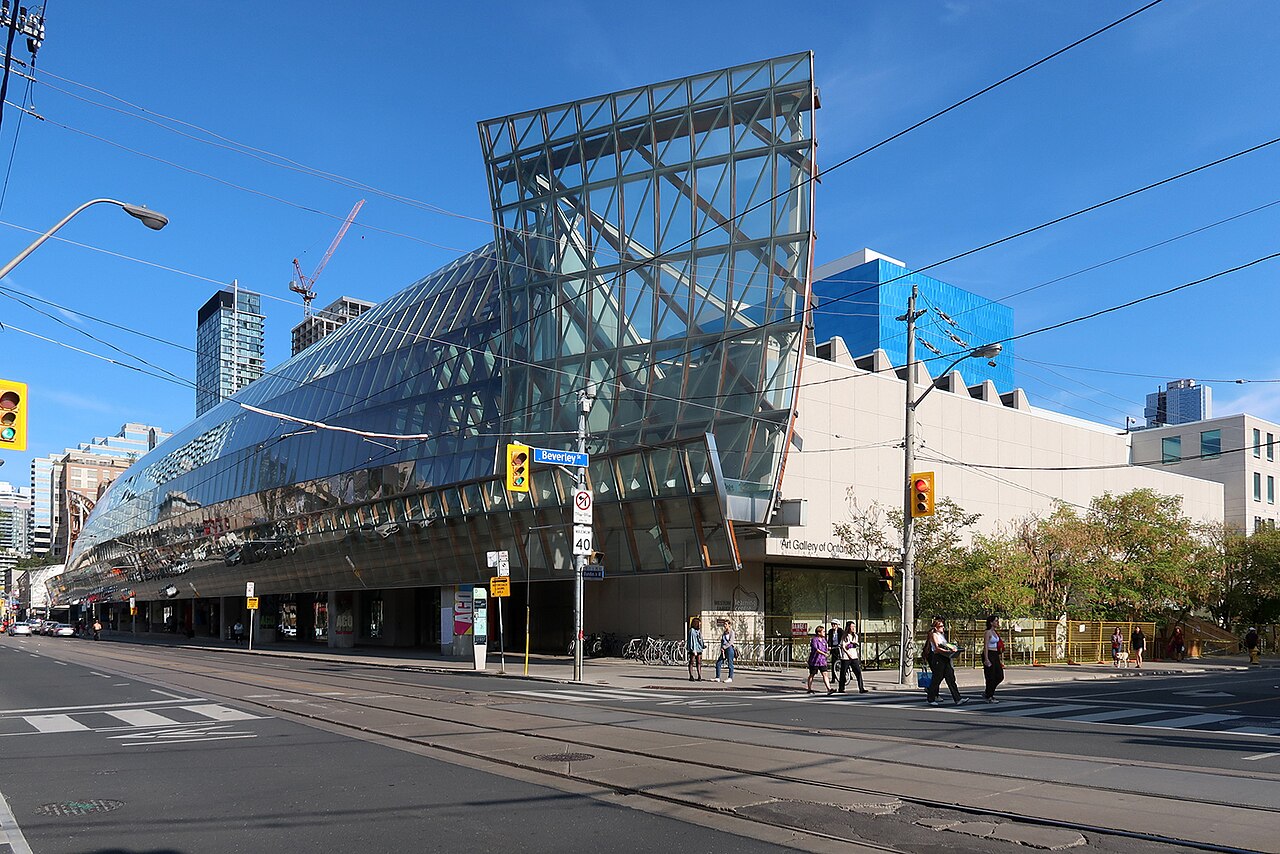
Art Gallery of Ontario
317 Dundas St W, Toronto, ON
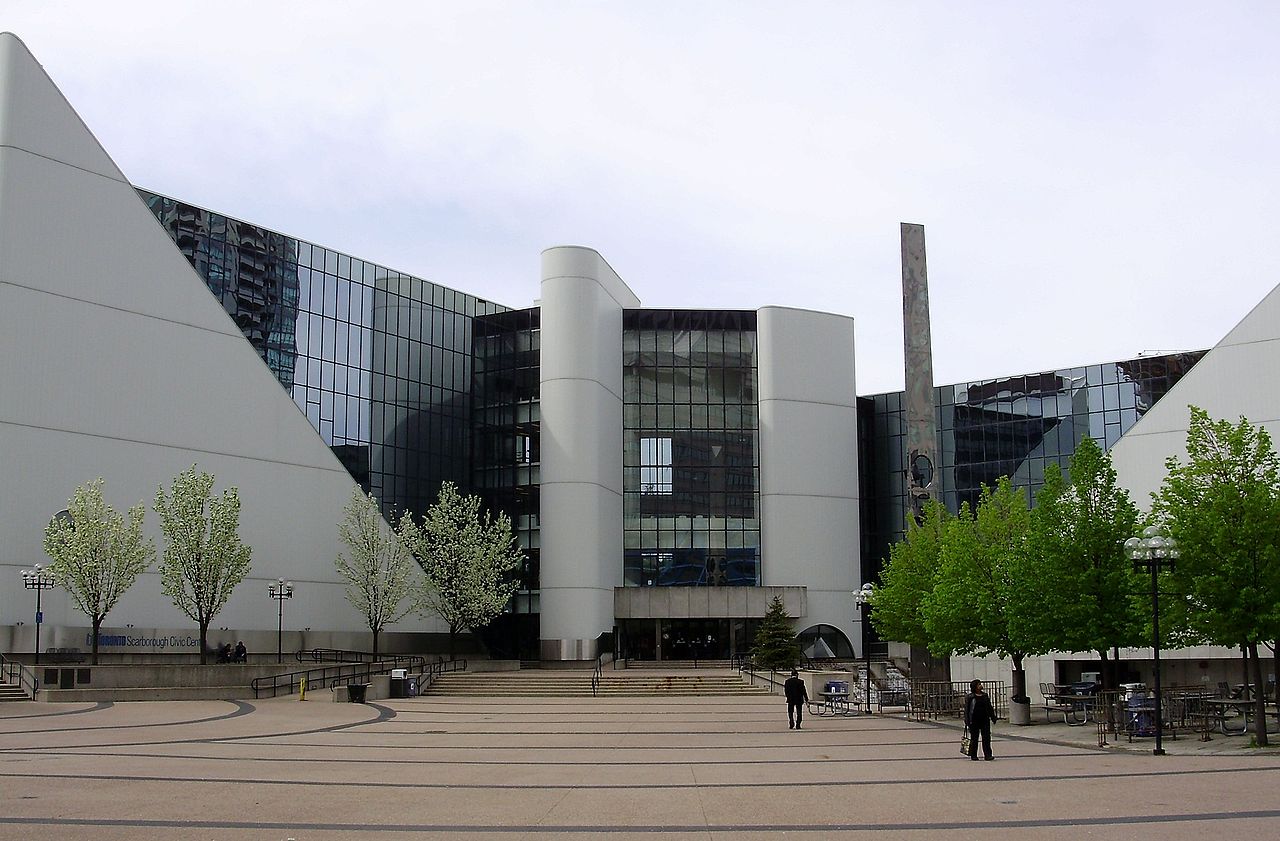
Scarborough Civic Centre
150 Borough Dr, Scarborough, ON
Contemporary in Toronto: Common Questions
Where can I see contemporary architecture in Toronto?
You can explore contemporary architecture at various sites throughout the city, including Nathan Phillips Square, the Art Gallery of Ontario, and the Four Seasons Centre for the Performing Arts. These buildings highlight modern design principles and are located in central neighborhoods.
When were these contemporary buildings built?
Many of the contemporary buildings in Toronto were constructed from the late 20th century to the early 21st century. For example, the Art Gallery of Ontario was redesigned in 2008, while the Four Seasons Centre opened in 2006, showcasing modern architectural trends.
What should I look for in contemporary architecture?
When observing contemporary architecture in Toronto, pay attention to the use of modern materials like glass and steel, the emphasis on clean lines, and innovative forms. Structures often prioritize functionality, sustainability, and community engagement, evident in buildings like the Royal Ontario Museum and Robarts Library.
How does Toronto's contemporary architecture compare to other cities?
Toronto's contemporary architecture stands out due to its blend of innovative design and historical context. While cities like New York and Chicago feature iconic modern buildings, Toronto incorporates a unique mix of cultural influences, as seen in the Distillery District and Brookfield Place.
Can these buildings be visited?
Yes, many contemporary buildings in Toronto are open to the public. The Art Gallery of Ontario and the Four Seasons Centre for the Performing Arts regularly host events and exhibitions, while Nathan Phillips Square is a hub for community activities and gatherings.