Deconstructivism Architecture in Toronto
Explore 4 deconstructivism buildings that shape Toronto's architectural identity
Deconstructivism emerged as a significant architectural movement in the late 20th century, challenging traditional architectural conventions through fragmented forms and a sense of chaos. Toronto, with its diverse urban landscape and a strong appetite for innovative design, became a fertile ground for this style. The city's ongoing transformation and a growing economy have fostered a climate that embraces bold architectural statements.
The Royal Ontario Museum, designed by Daniel Libeskind, exemplifies this movement with its striking addition characterized by sharp angles and glass facades that create a dynamic interplay of light and shadow. The building's non-linear design evokes a sense of movement and complexity, making it a landmark in the city’s architectural narrative.
Another notable example is the Art Gallery of Ontario, which features a bold design by Frank Gehry. The building’s flowing, fragmented forms and dynamic lines challenge traditional gallery spaces, encouraging visitors to experience art in a non-linear manner. Its unique architecture has made it a focal point in Toronto's cultural district.
Just outside Toronto, the Absolute Towers in Mississauga stand as another iconic representation of Deconstructivism. These towers, often referred to as the "Marilyn Monroe Towers," defy conventional architectural forms with their twisting and curvaceous shapes, making a distinct statement in the skyline of the Greater Toronto Area.
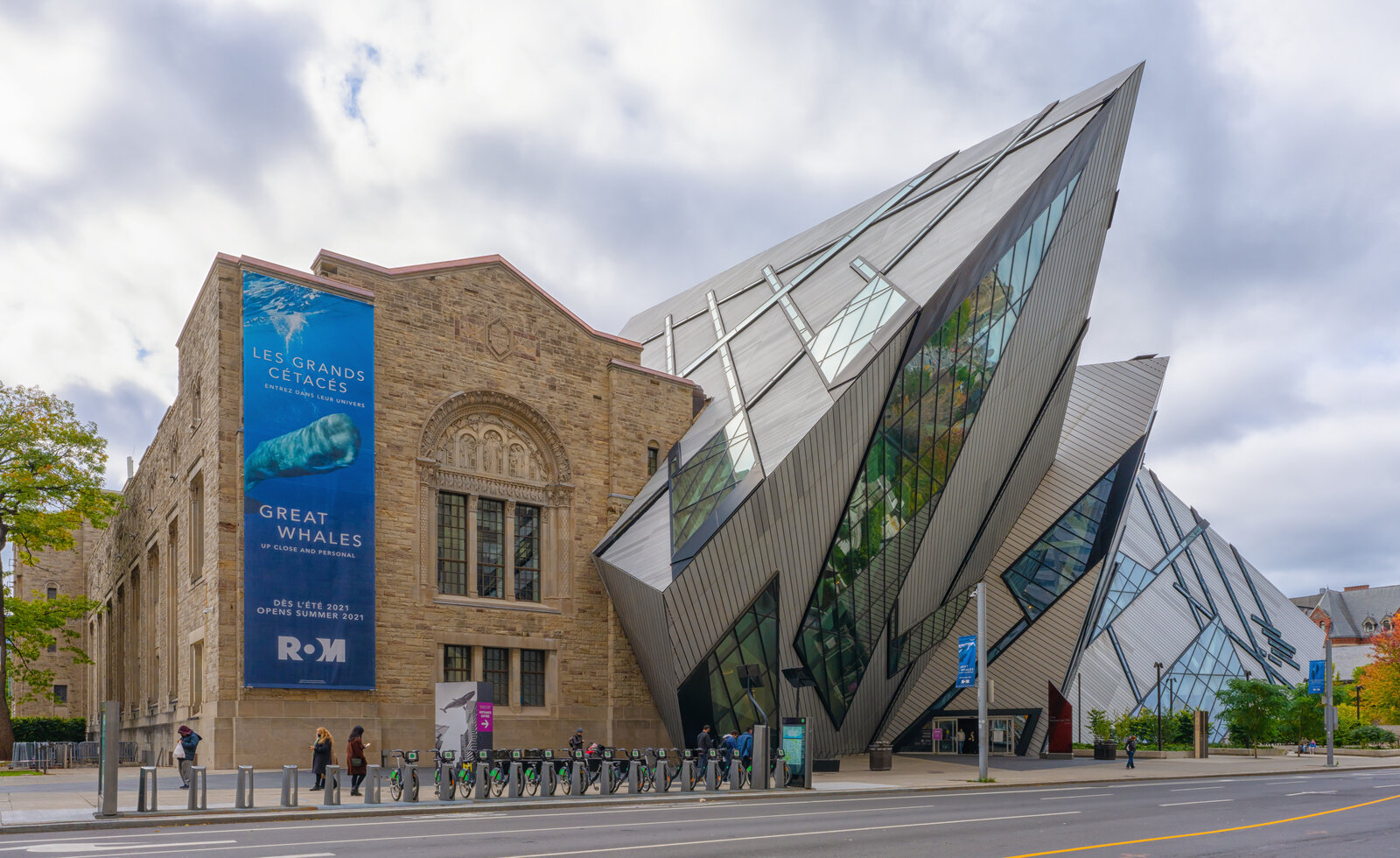
Royal Ontario Museum
100 Queen's Park, Toronto, ON M5S 2C6
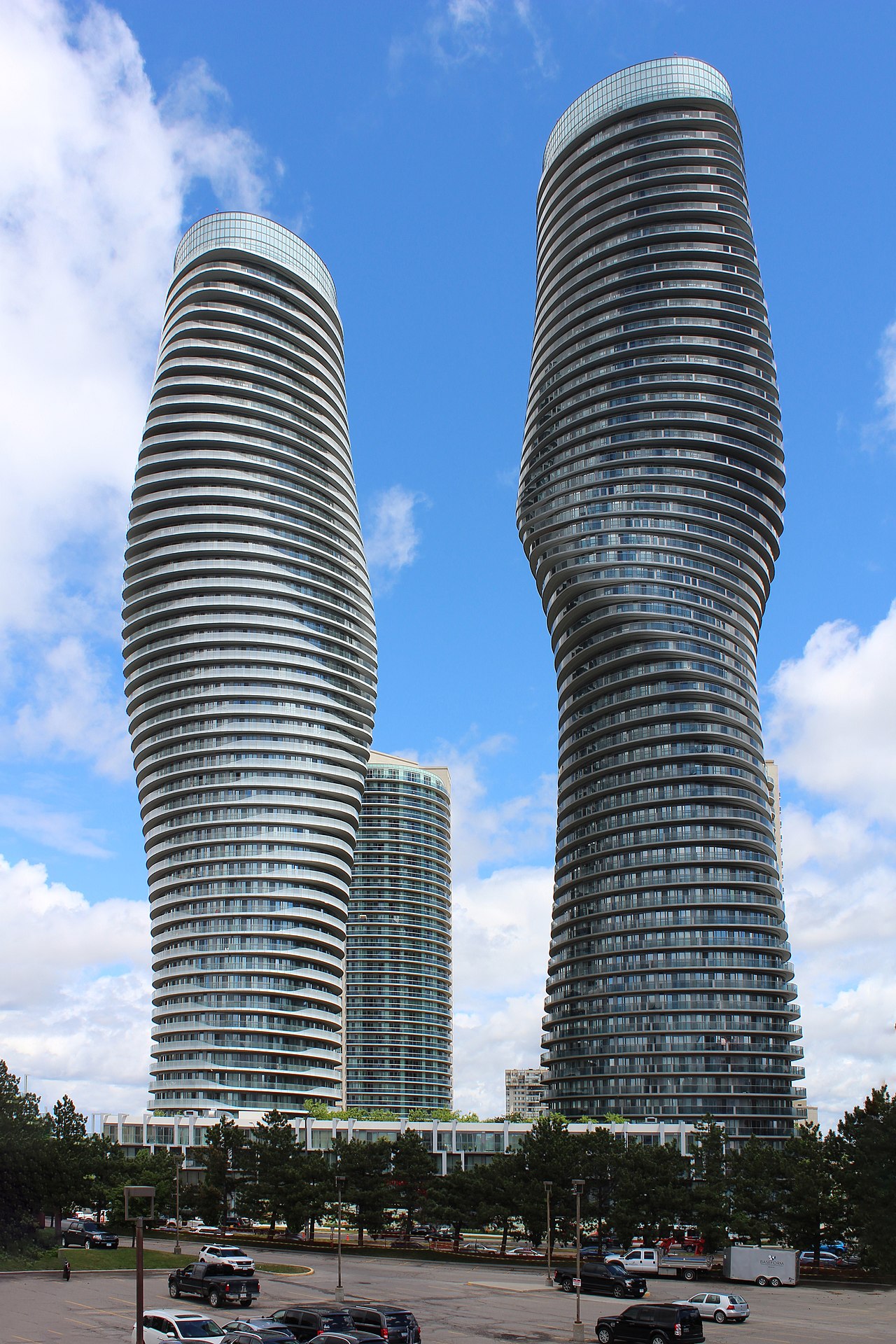
Absolute Towers
56 Absolute Ave, Mississauga, ON
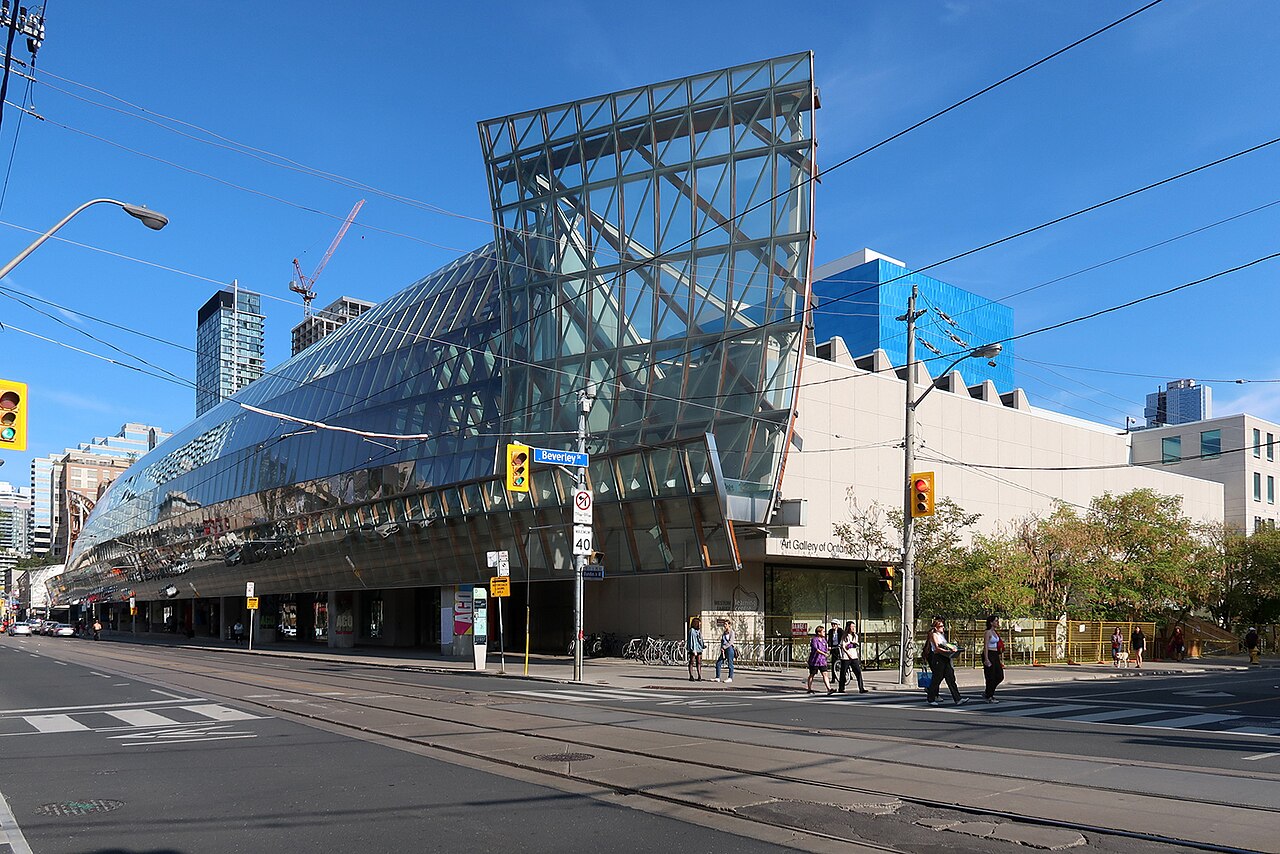
Art Gallery of Ontario
317 Dundas St W, Toronto, ON
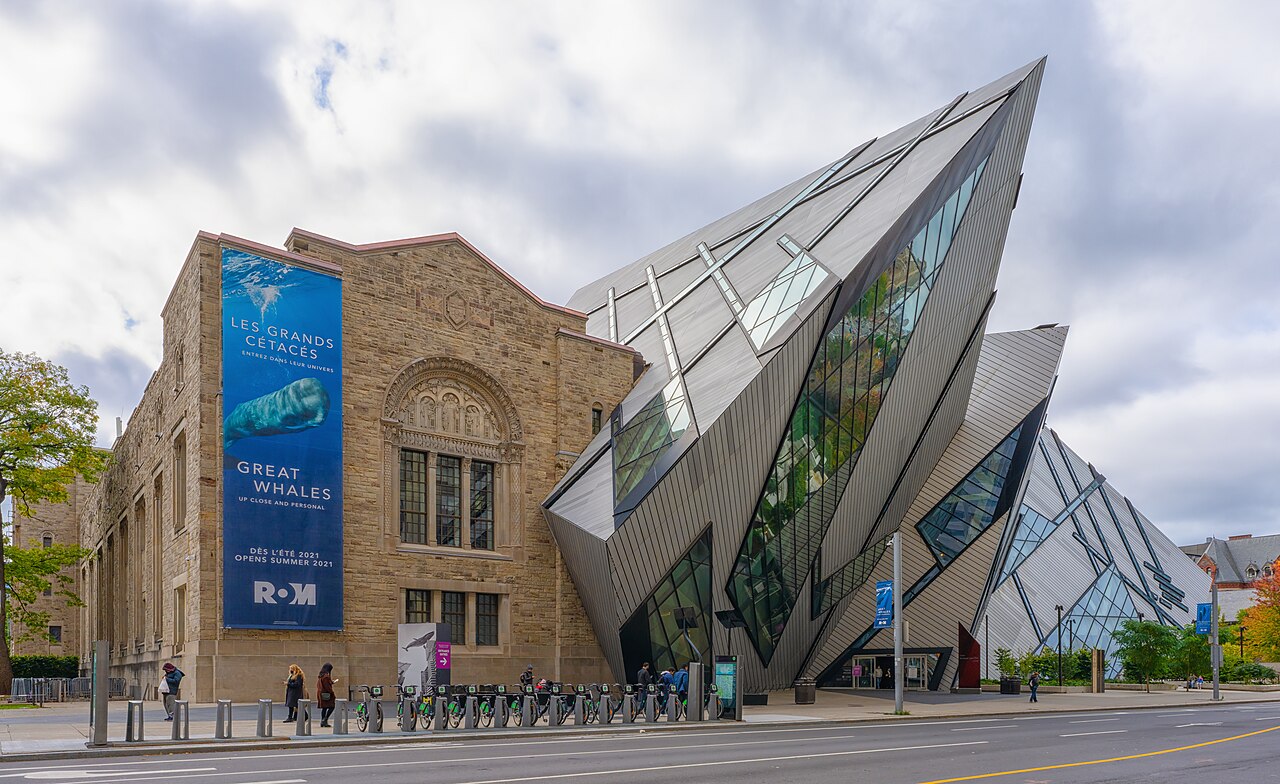
Royal Ontario Museum
100 Queens Park, Toronto, ON
Deconstructivism in Toronto: Common Questions
Where can I see Deconstructivism architecture in Toronto?
Key examples include the Royal Ontario Museum, the Art Gallery of Ontario, and the Absolute Towers in Mississauga. Each building showcases unique design characteristics central to Deconstructivism.
When were these Deconstructivism buildings built?
The Royal Ontario Museum's striking addition was completed in 2007, the Art Gallery of Ontario underwent significant renovations by Frank Gehry in 2008, and the Absolute Towers were completed in 2012.
What should I look for in Deconstructivism architecture?
Look for fragmented forms, non-linear shapes, and an overall sense of movement or chaos. Buildings often feature unconventional materials and dynamic lines that challenge traditional architectural norms.
How does Deconstructivism in Toronto compare to other cities?
Toronto's Deconstructivism reflects the city's diverse cultural influences and economic growth, similar to cities like New York and Los Angeles. However, Toronto's unique blend of historical context and modern innovation gives its buildings a distinct character.
Can I visit these buildings?
Yes, the Royal Ontario Museum and the Art Gallery of Ontario are open to the public, offering exhibitions and events. The Absolute Towers are residential, but their exterior can be appreciated from the surrounding streets.