Romanesque Revival Architecture in Toronto
Explore 7 romanesque revival buildings that shape Toronto's architectural identity
During the late 19th century, as Toronto underwent rapid urbanization and economic growth, the Romanesque Revival architectural style gained prominence. This movement drew inspiration from Romanesque architecture, characterized by its robust forms, rounded arches, and detailed stonework. The style was particularly popular for civic buildings and places of worship, reflecting the city's aspirations for permanence and stability.
One notable example is Massey Hall, located at 178 Victoria St. This iconic concert venue showcases the style with its heavy stone detailing and prominent rounded arches. Its construction in 1894 marked a significant cultural investment in the arts, illustrating the city's commitment to civic pride.
Another distinguished structure is St. Michael's Cathedral Basilica at 65 Bond St. The church's robust masonry and decorative arcading highlight the elegance of the Romanesque Revival, serving as a spiritual center for Toronto's Catholic community since its completion. The intricate detailing in the stonework of Old City Hall at 60 Queen St W further exemplifies this architectural style, with bold arches that convey a sense of grandeur and historic significance.
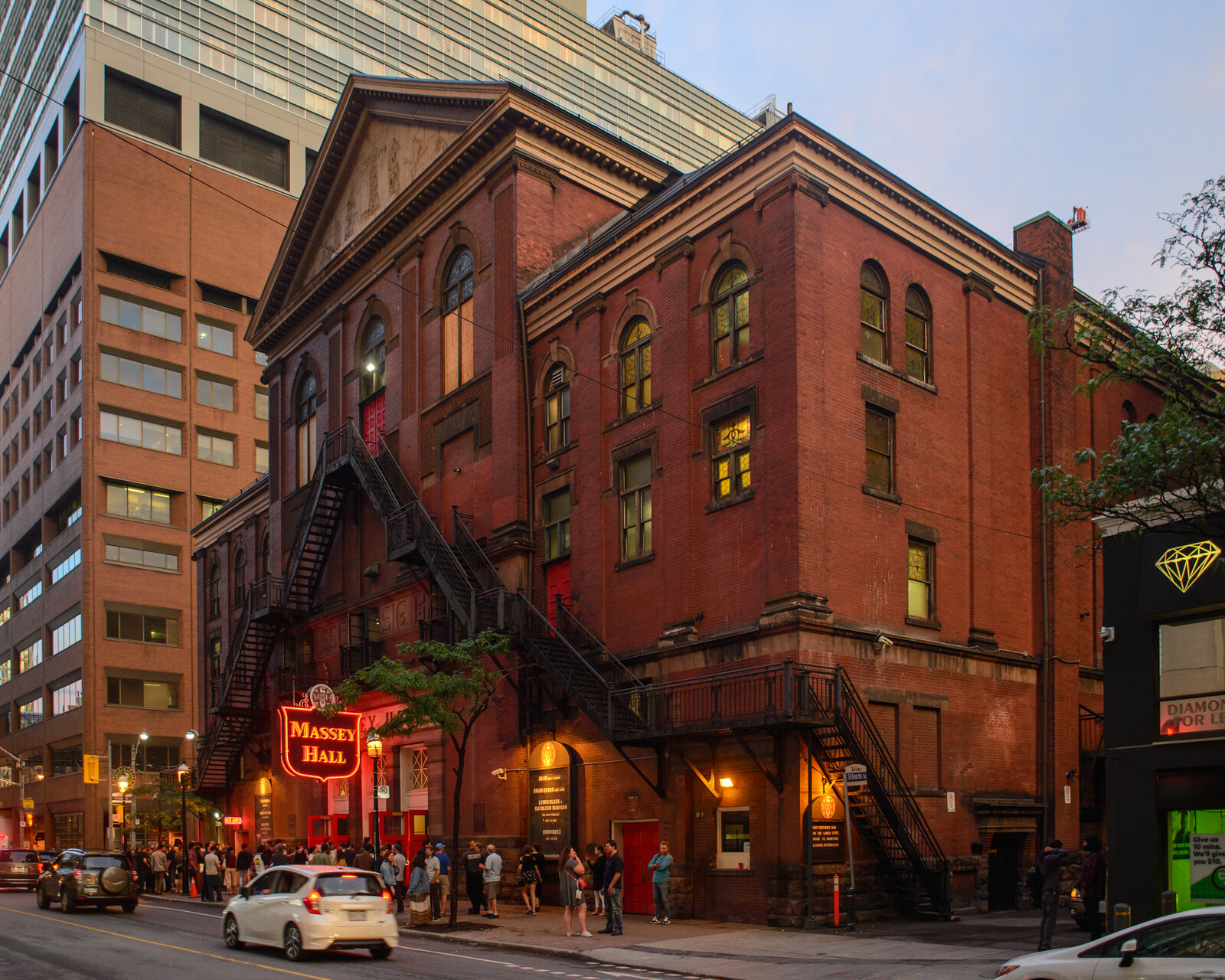
Massey Hall
178 Victoria St, Toronto, ON M5B 1T7
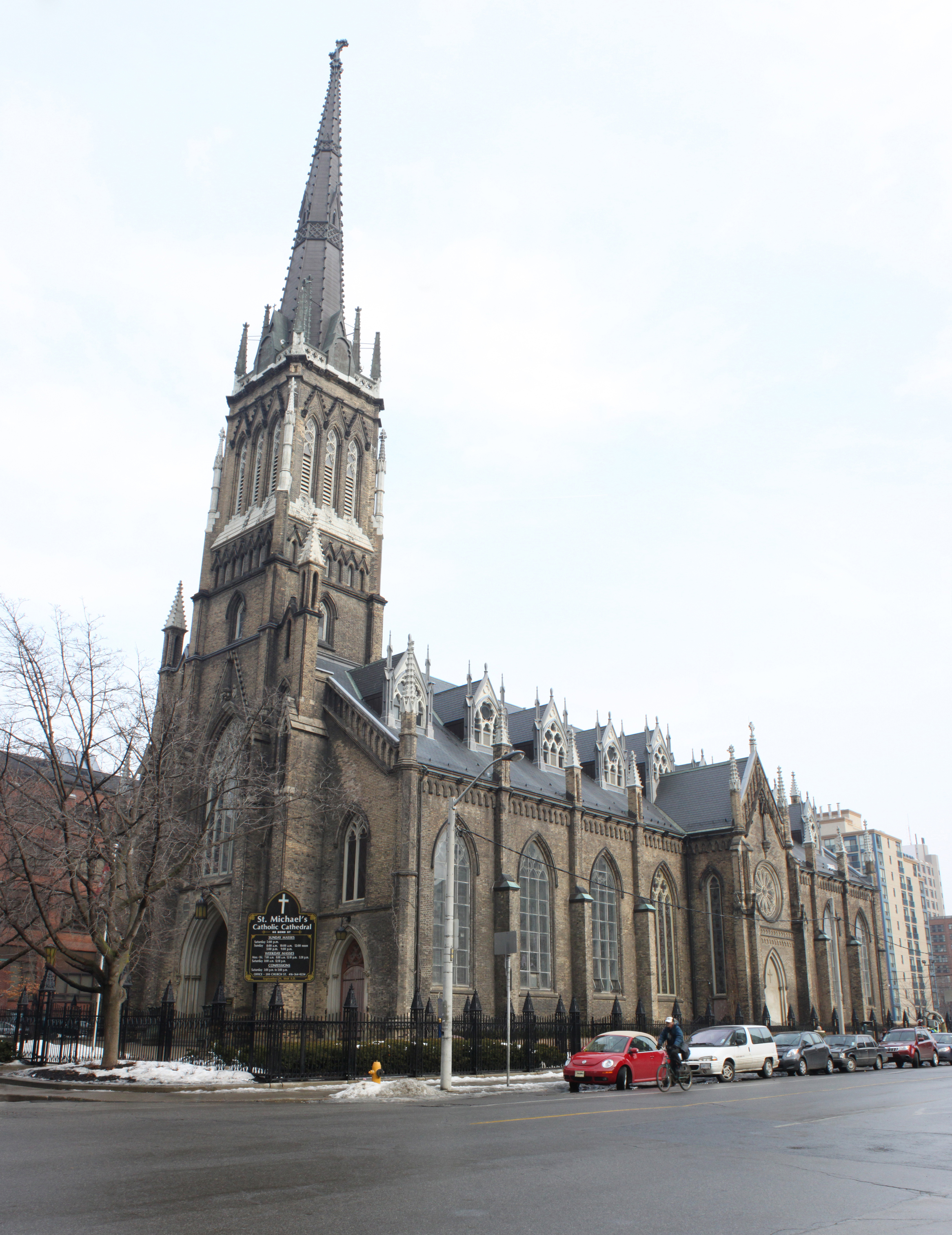
St. Michael's Cathedral Basilica
65 Bond St, Toronto, ON M5B 1X5
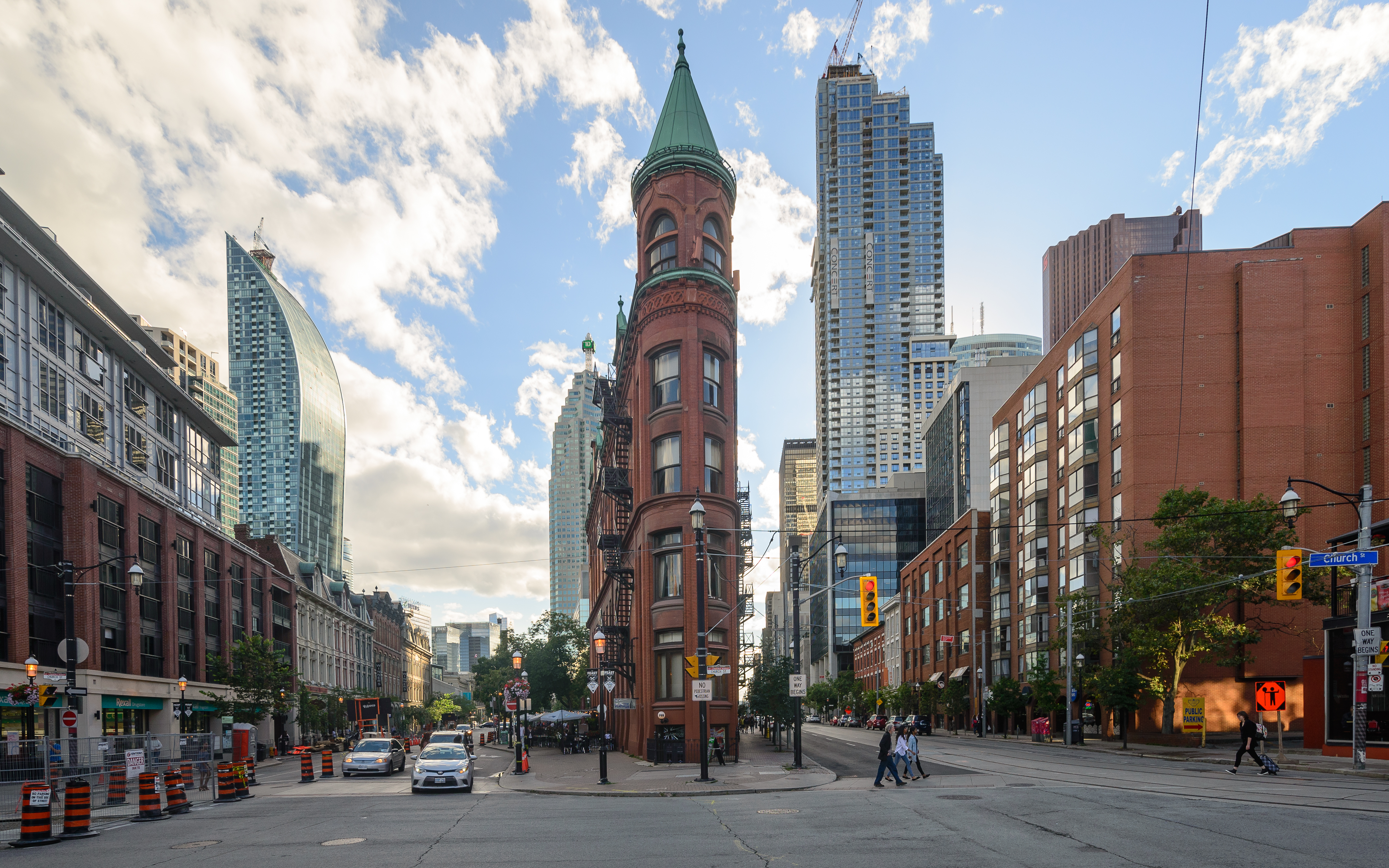
Flatiron Building (Gooderham Building)
49 Wellington St E, Toronto, ON M5E 1C9
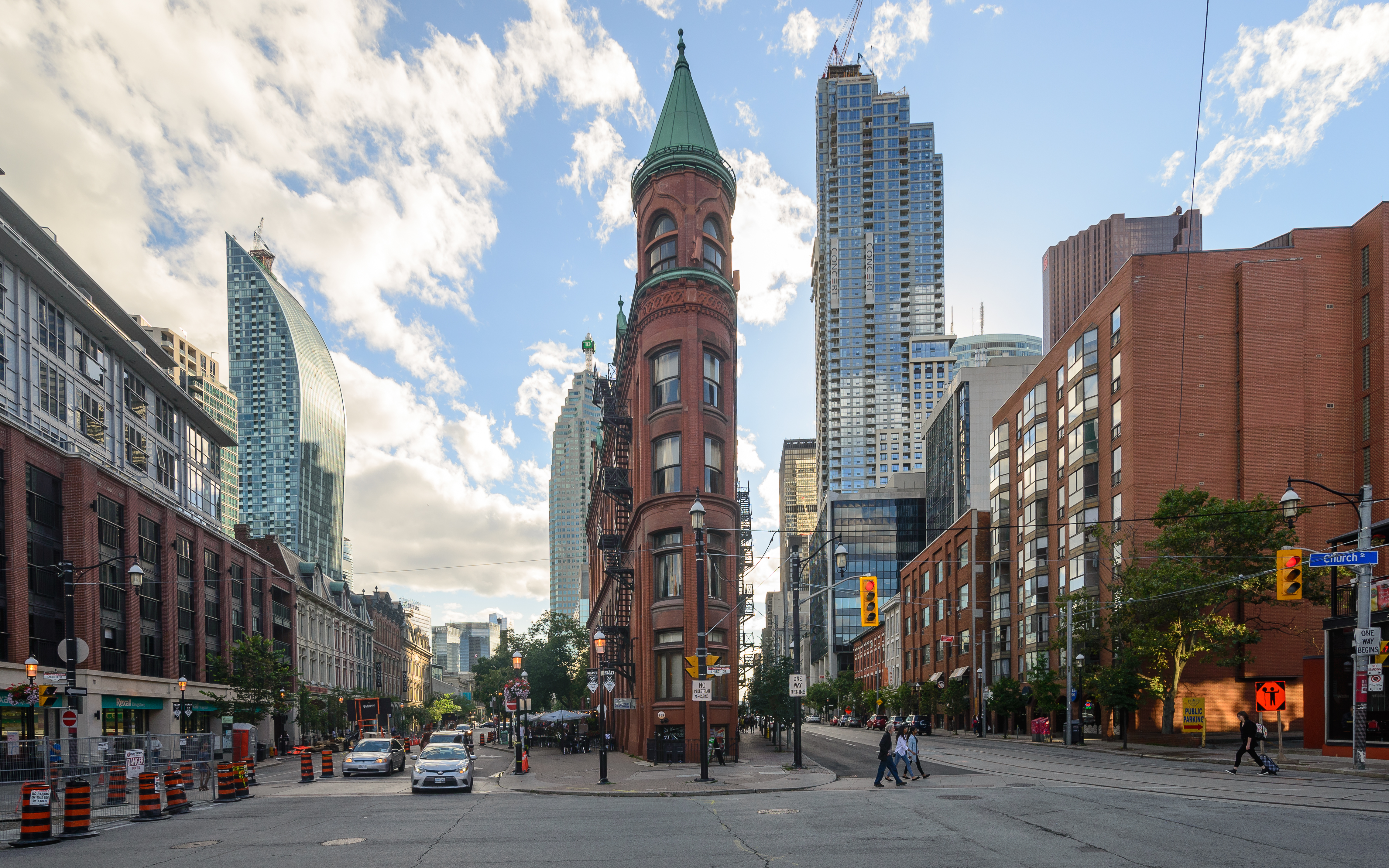
Gooderham Building
49 Wellington St E, Toronto, ON M5E 1C9
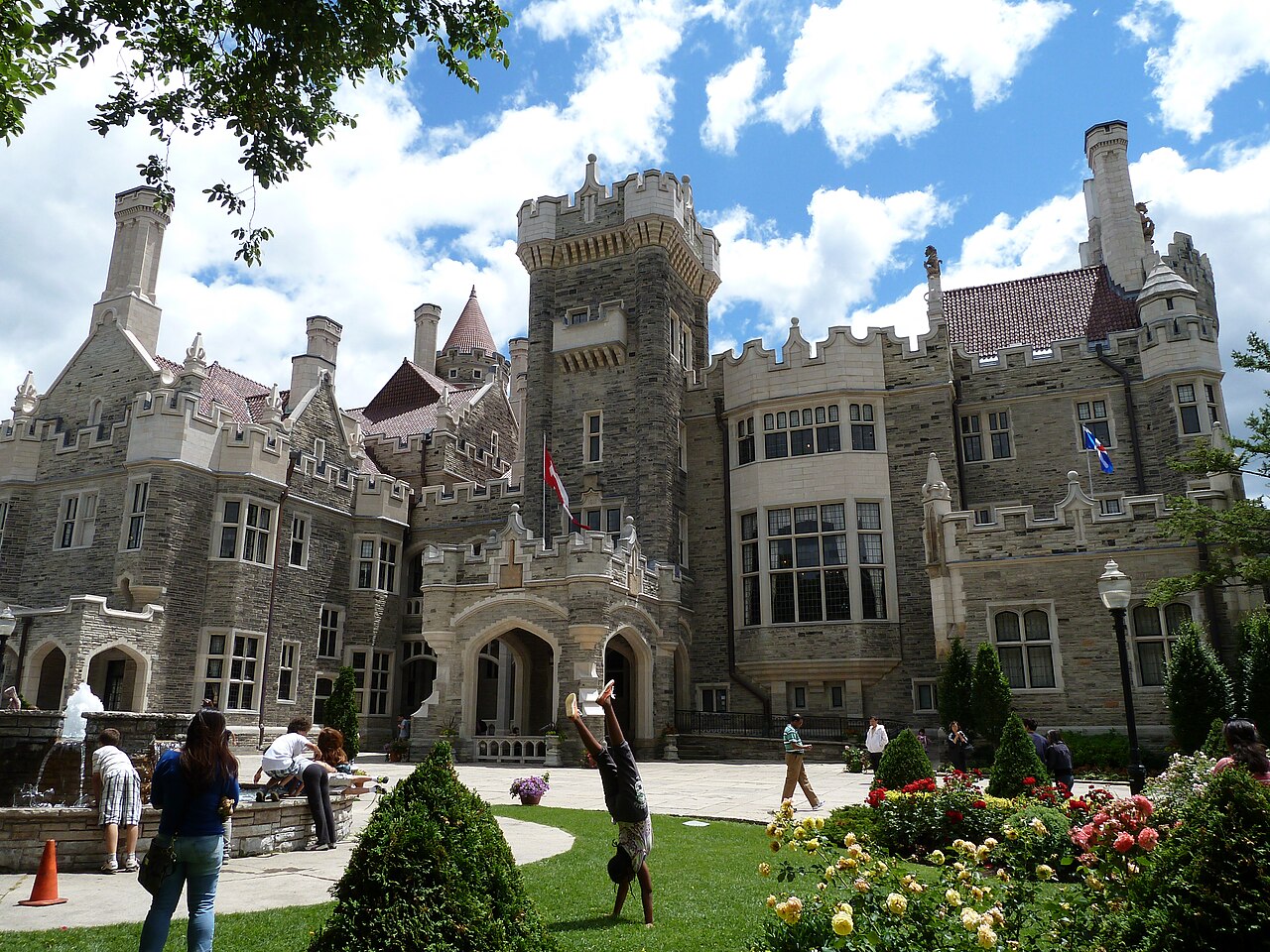
Casa Loma
1 Austin Terrace, Toronto, ON
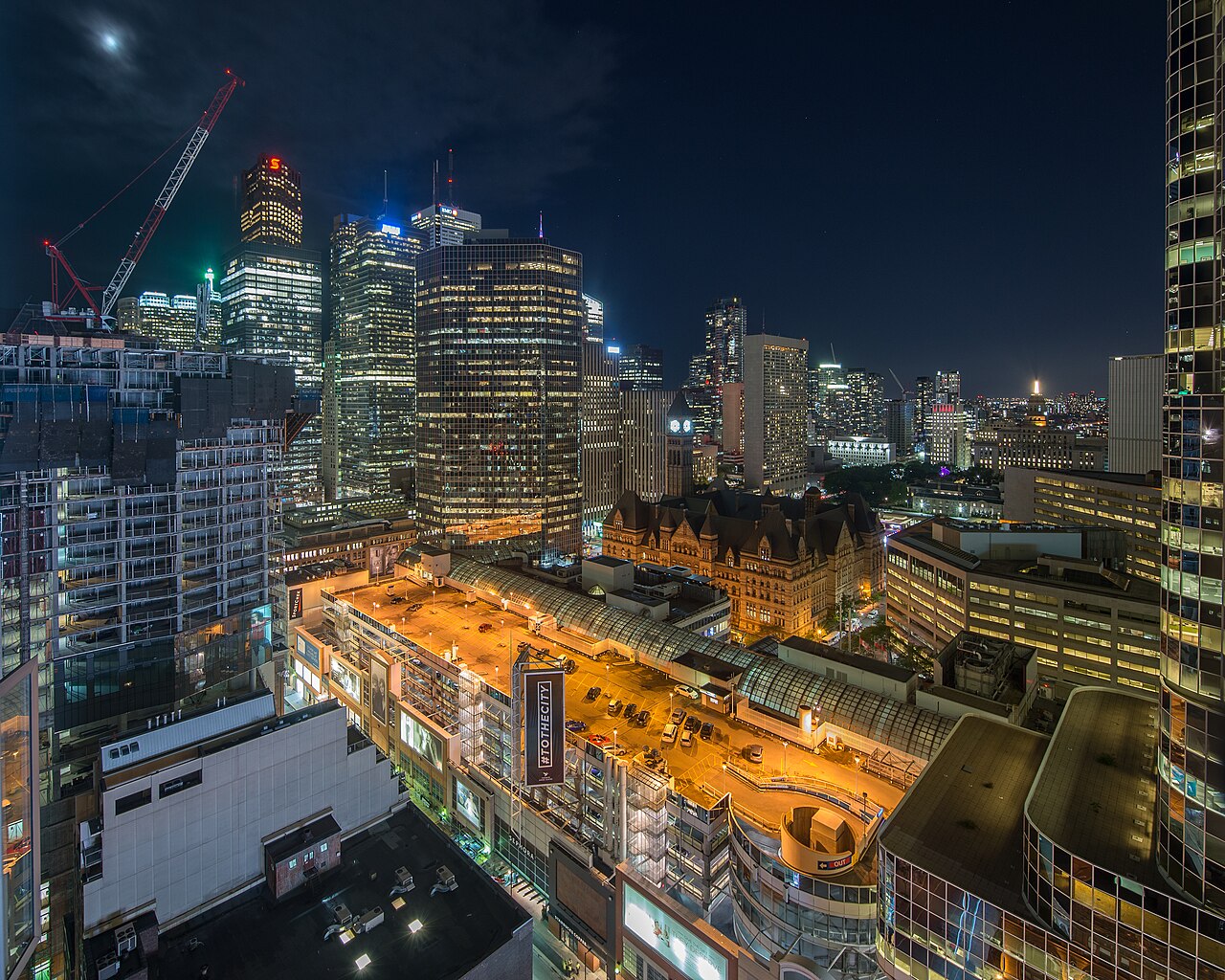
Old City Hall
60 Queen St W, Toronto, ON
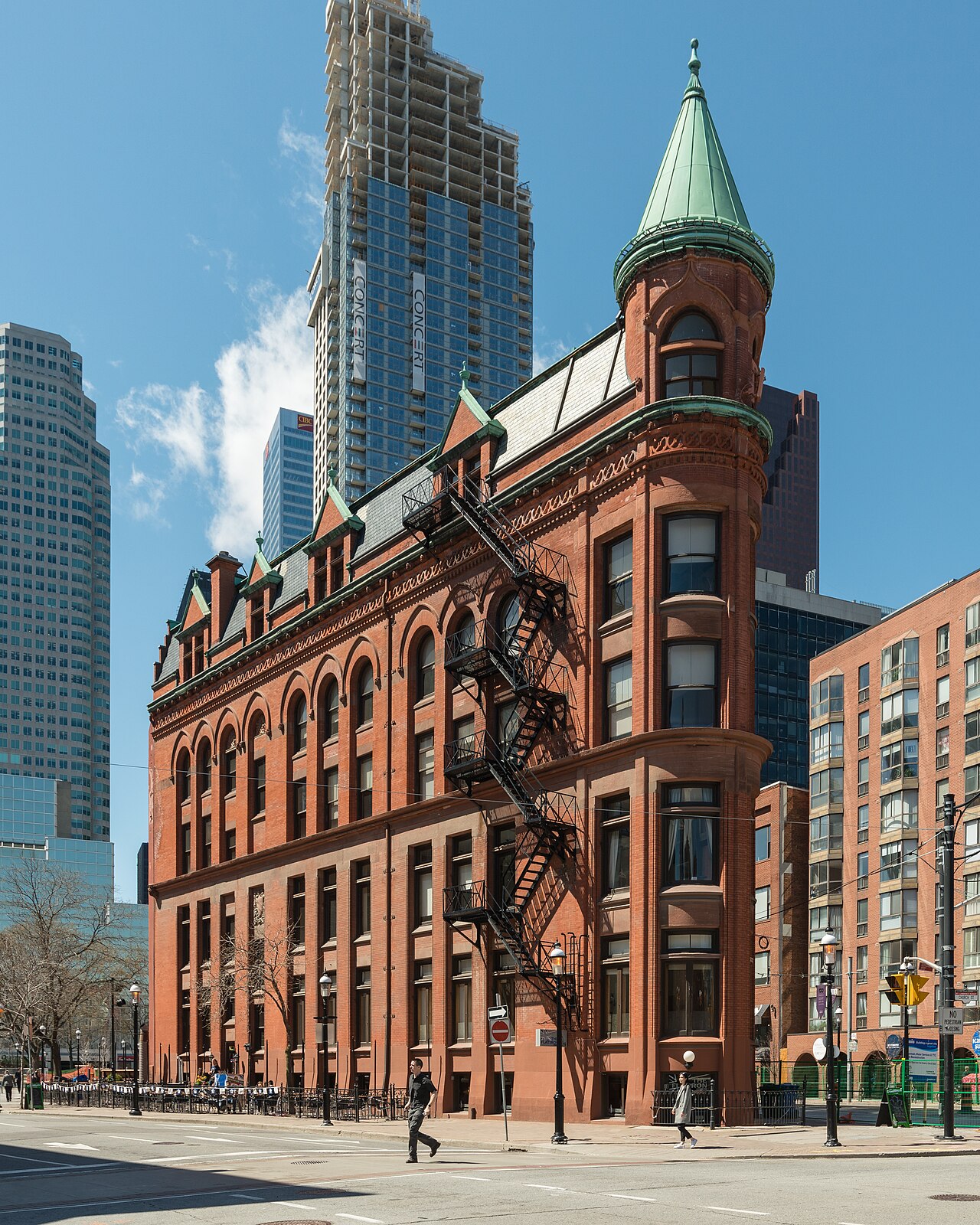
Gooderham Building
49 Wellington St E, Toronto, ON
Romanesque Revival in Toronto: Common Questions
Where can I see Romanesque Revival architecture in Toronto?
You can see Romanesque Revival architecture prominently in downtown Toronto, particularly around Queen St W and Wellington St E. Key buildings include Massey Hall, St. Michael's Cathedral Basilica, and Old City Hall.
When were these Romanesque Revival buildings built?
Most of Toronto's Romanesque Revival buildings were constructed in the late 19th century, with notable examples like Massey Hall completed in 1894 and Old City Hall finished in 1899.
What distinguishing features should I look for?
Look for robust stone structures, rounded arches, and intricate detailing in brickwork and stone carvings. Buildings like Casa Loma and the Gooderham Building showcase these characteristics effectively.
How does Romanesque Revival in Toronto compare to other cities?
Toronto's Romanesque Revival architecture features a unique blend of local materials and styles. While similar to other North American cities, Toronto's examples, such as the Flatiron Building, highlight a distinctive use of brick and stone that reflects the city's historical context.
Can I visit these buildings?
Yes, many of the Romanesque Revival buildings are accessible to the public. For instance, Massey Hall frequently hosts concerts, while St. Michael's Cathedral Basilica is open for worship and tours.