Beaux-Arts Architecture in Toronto
Explore 10 beaux-arts buildings that shape Toronto's architectural identity
Beaux-Arts architecture emerged in Toronto during the late 19th and early 20th centuries, a period marked by economic growth and a burgeoning cultural landscape. The style reflects a desire for grandeur and monumentality, often inspired by classical architecture. As a result, many of the city’s most significant buildings from this era exhibit Beaux-Arts characteristics, which emphasize symmetry, elaborate detailing, and the use of high-quality materials.
Prominent examples of this architectural style can be found throughout the downtown area. The Elgin and Winter Garden Theatre Centre, located at 189 Yonge Street, showcases the Beaux-Arts ethos with its elaborate façade and classical motifs. The theatre's opulent interiors further highlight the theatrical nature of this architectural movement. Similarly, Union Station at 65 Front Street West exemplifies the grandeur of Beaux-Arts design through its colossal scale and striking symmetrical layout, serving as a vital transit hub in the city.
Another notable structure is the Royal York Hotel, situated at 100 Front Street West. This building represents the luxurious aspect of Beaux-Arts architecture, with its monumental forms and intricate decorative details that convey a sense of opulence. The concentration of Beaux-Arts buildings in areas like Front Street and Yonge Street reflects the city’s historical significance during a time of rapid urban development, showcasing Toronto's architectural ambition and cultural aspirations.
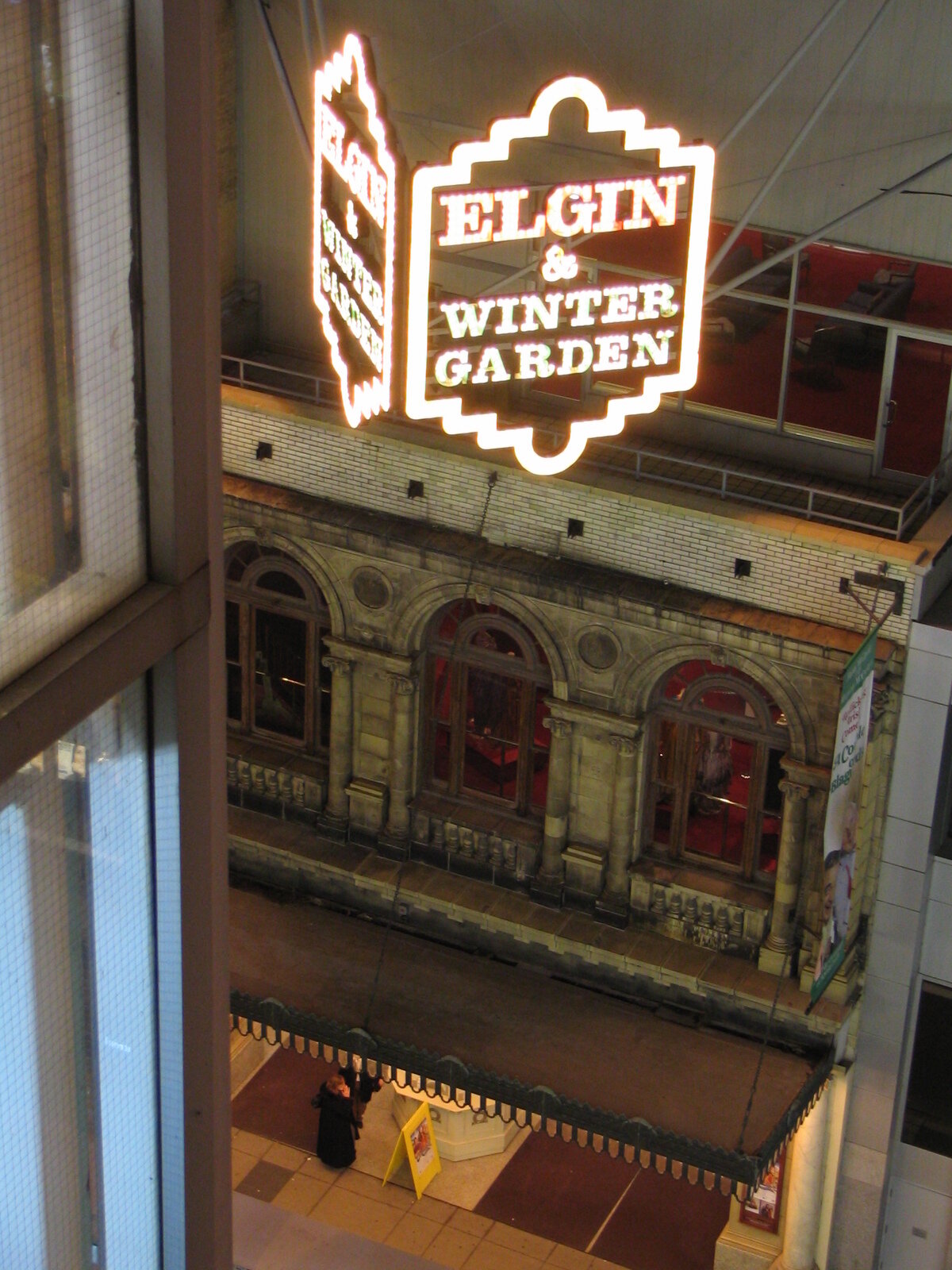
Elgin and Winter Garden Theatre Centre
189 Yonge St, Toronto, ON M5B 1M4
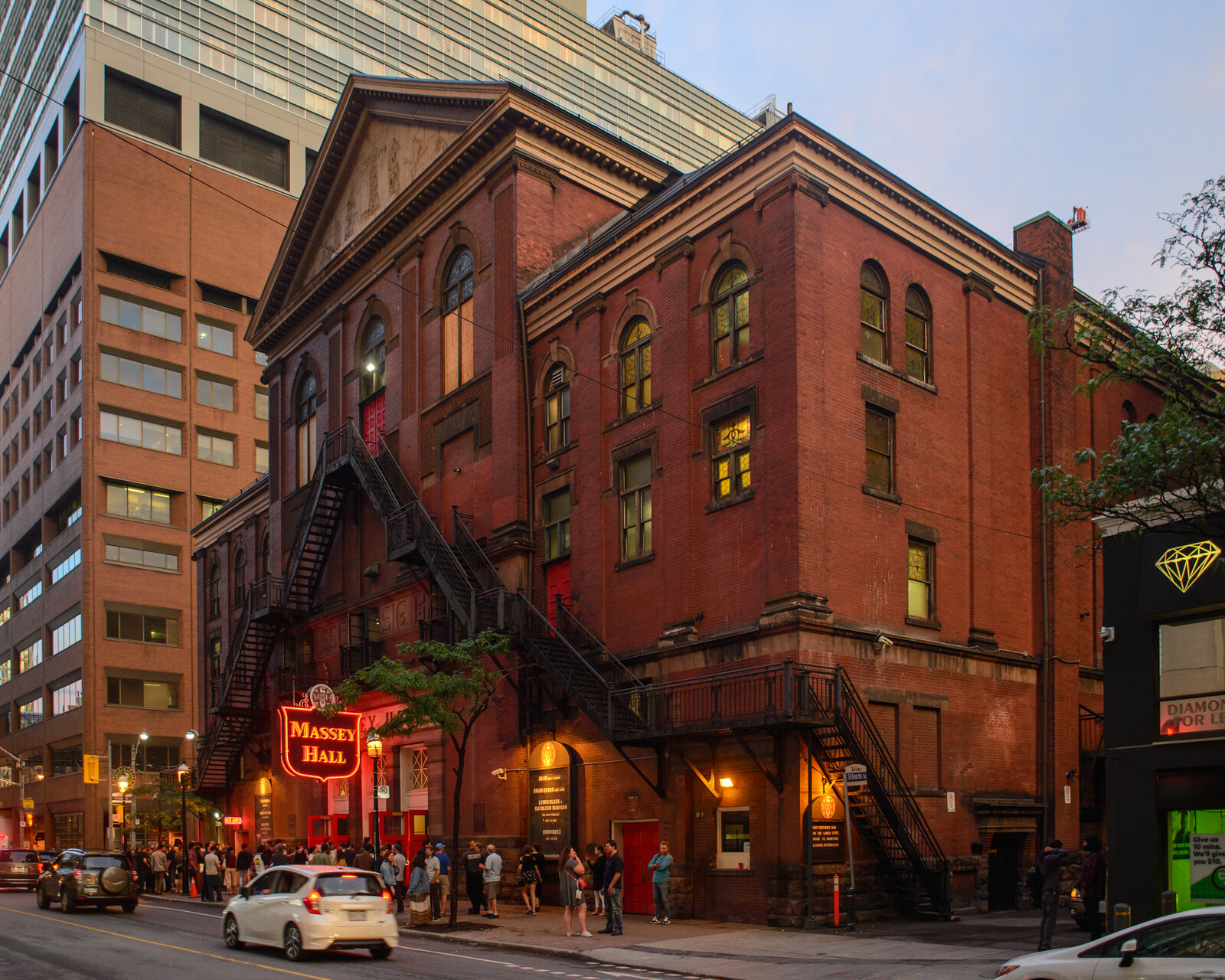
Massey Hall
178 Victoria St, Toronto, ON M5B 1T7
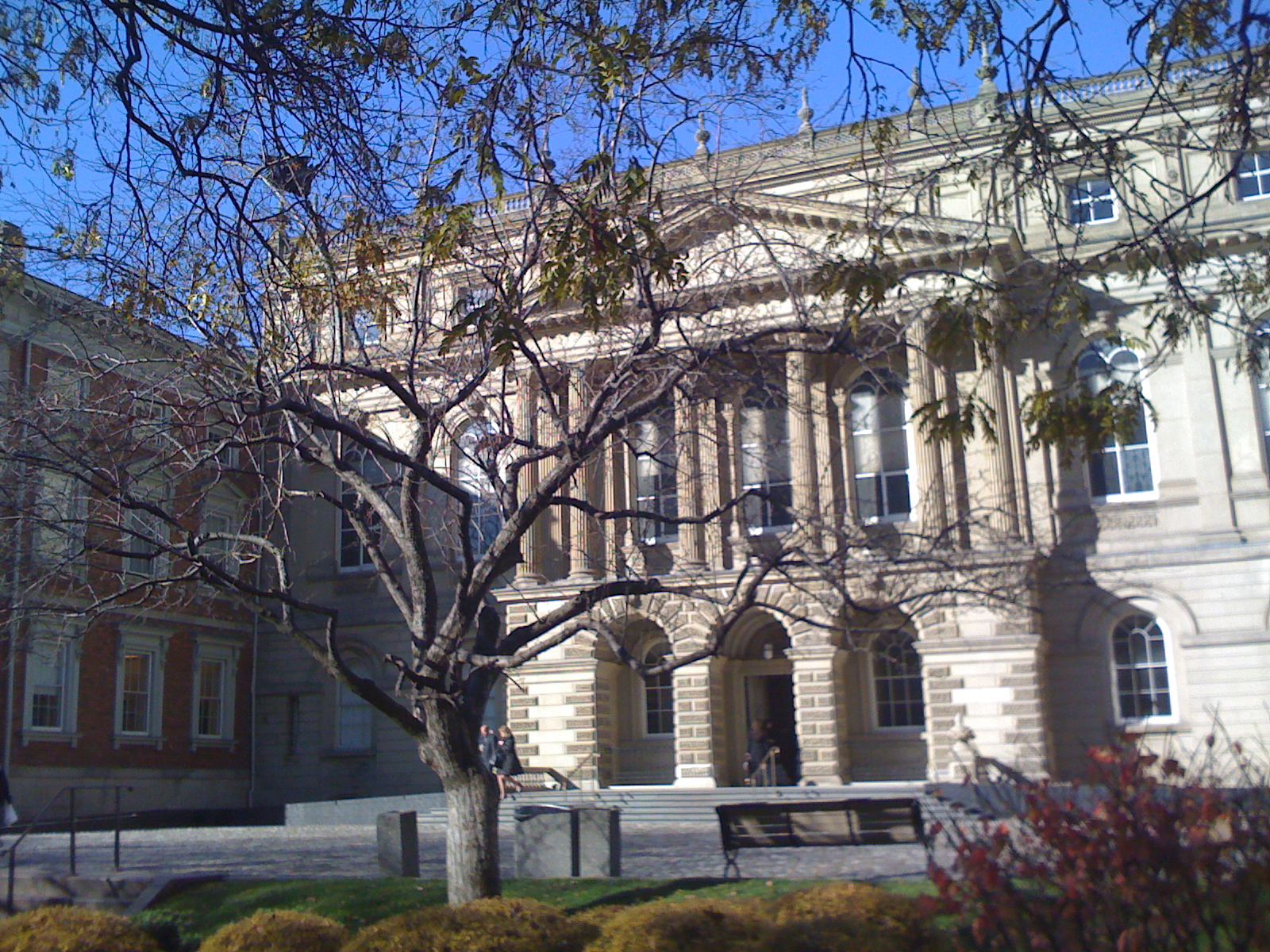
Osgoode Hall
130 Queen St W, Toronto, ON M5H 2N5
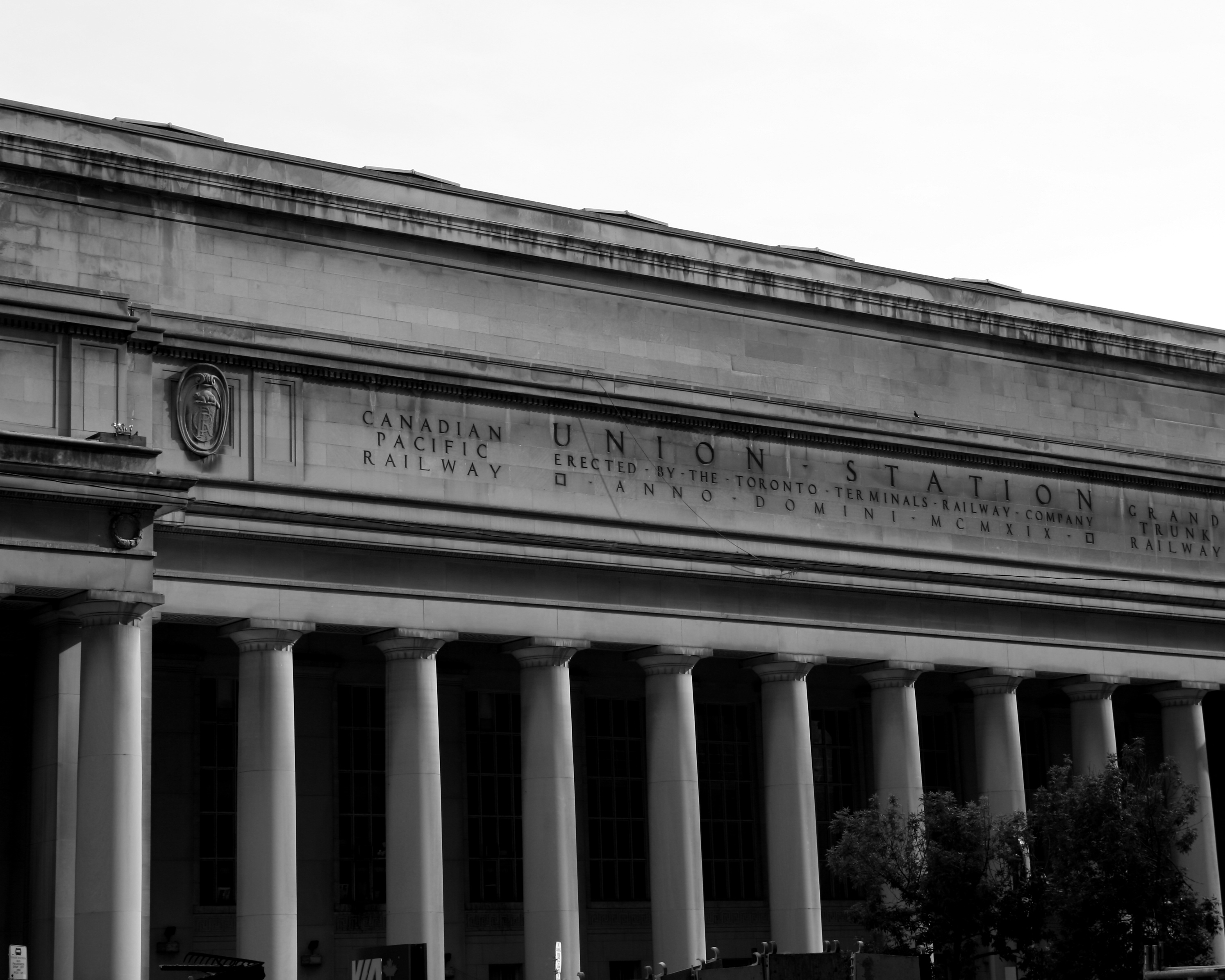
Union Station
65 Front St W, Toronto, ON M5J 1E6
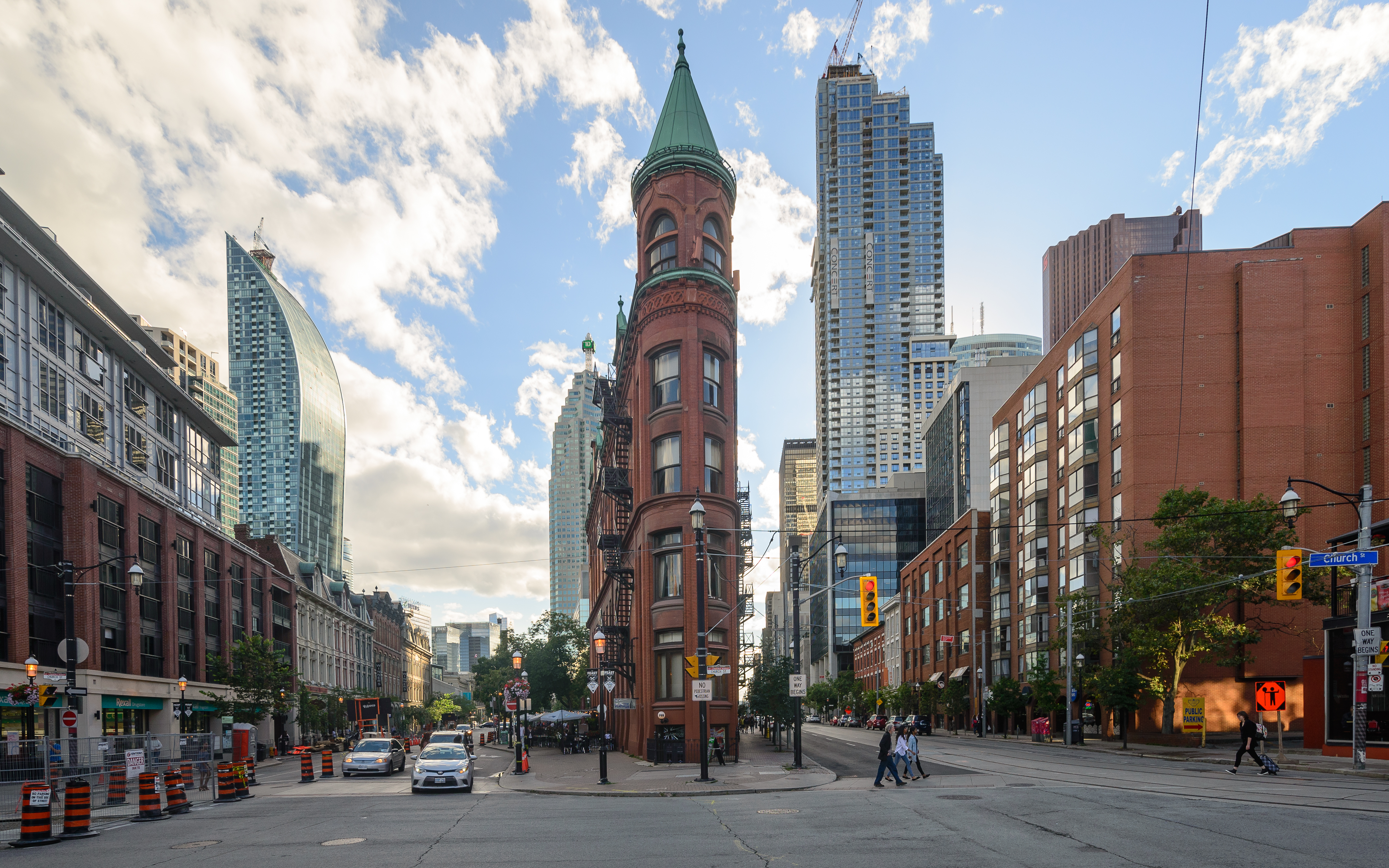
Flatiron Building (Gooderham Building)
49 Wellington St E, Toronto, ON M5E 1C9
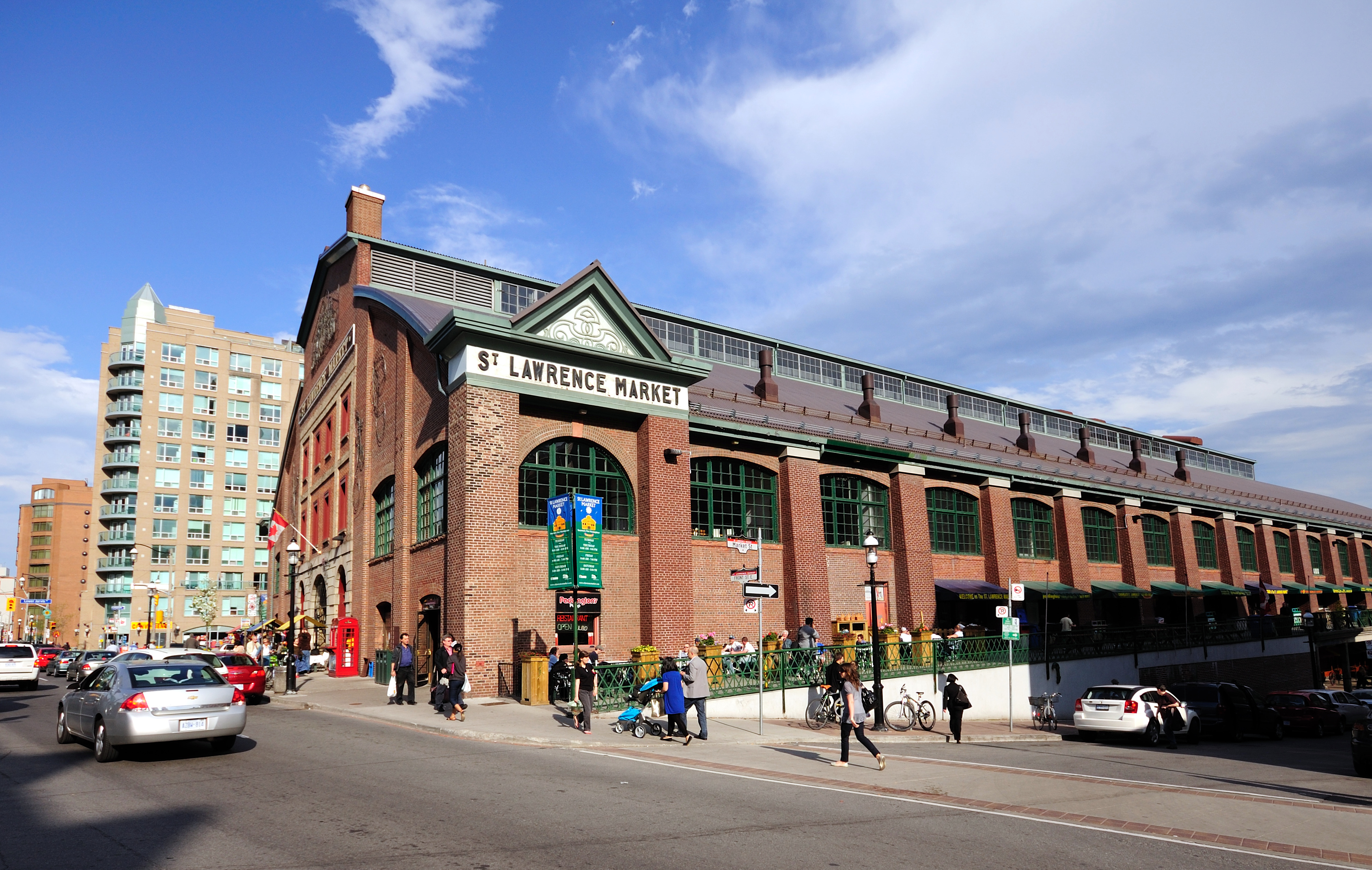
St. Lawrence Market South Building
92-95 Front St E, Toronto, ON M5E 1C2
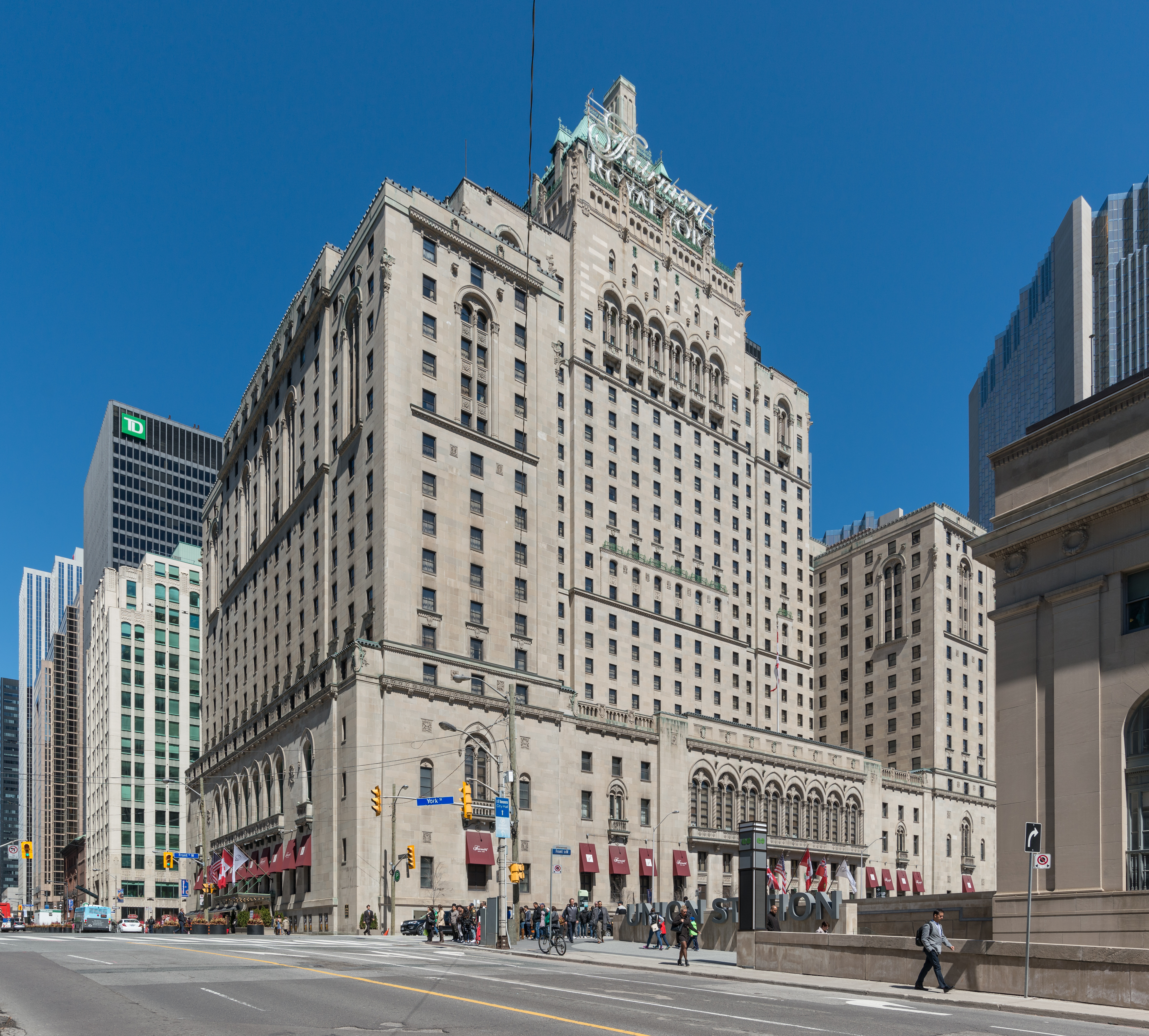
Royal York Hotel
100 Front St W, Toronto, ON M5J 1E3
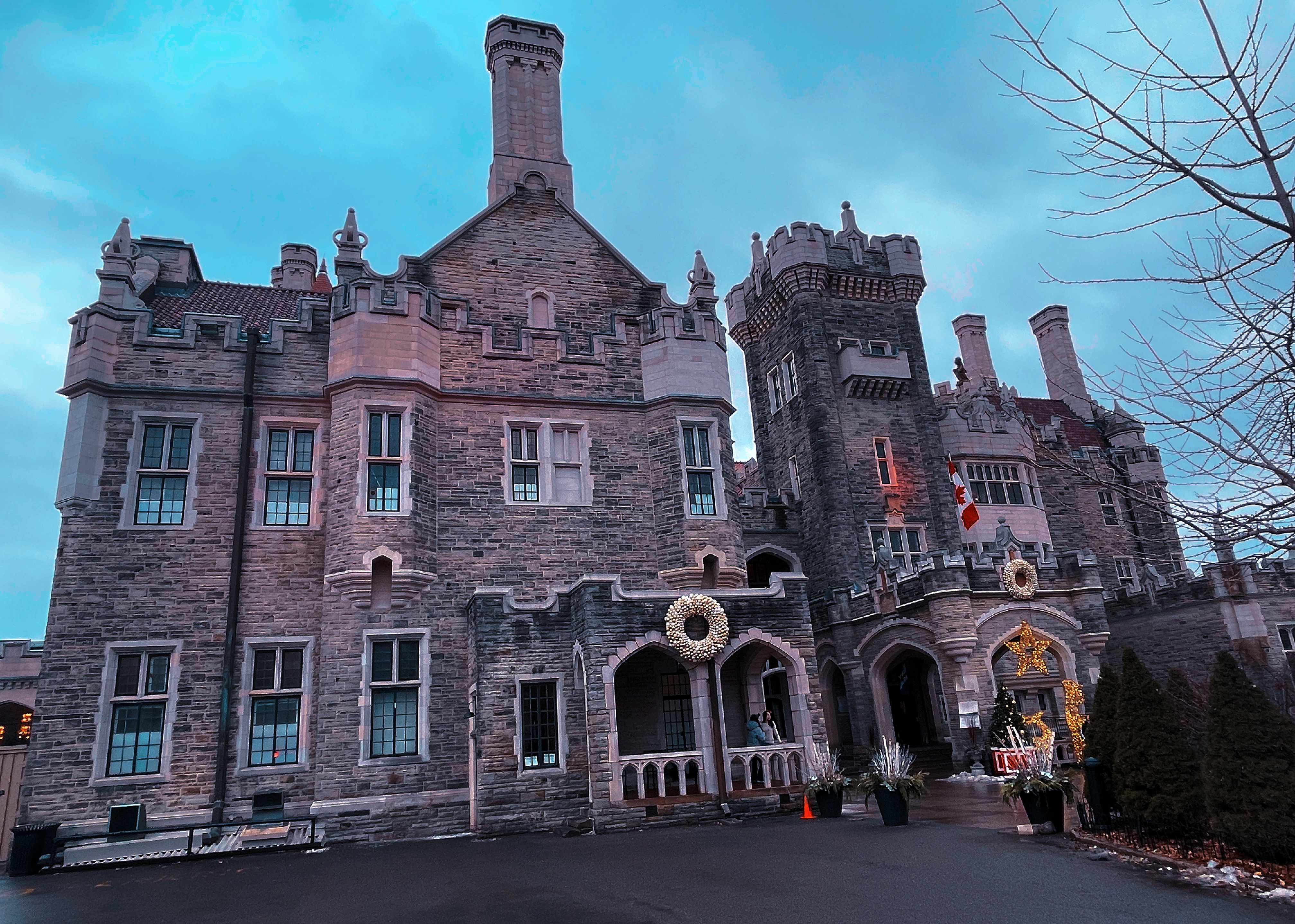
Casa Loma
1 Austin Terrace, Toronto, ON M5R 1X8
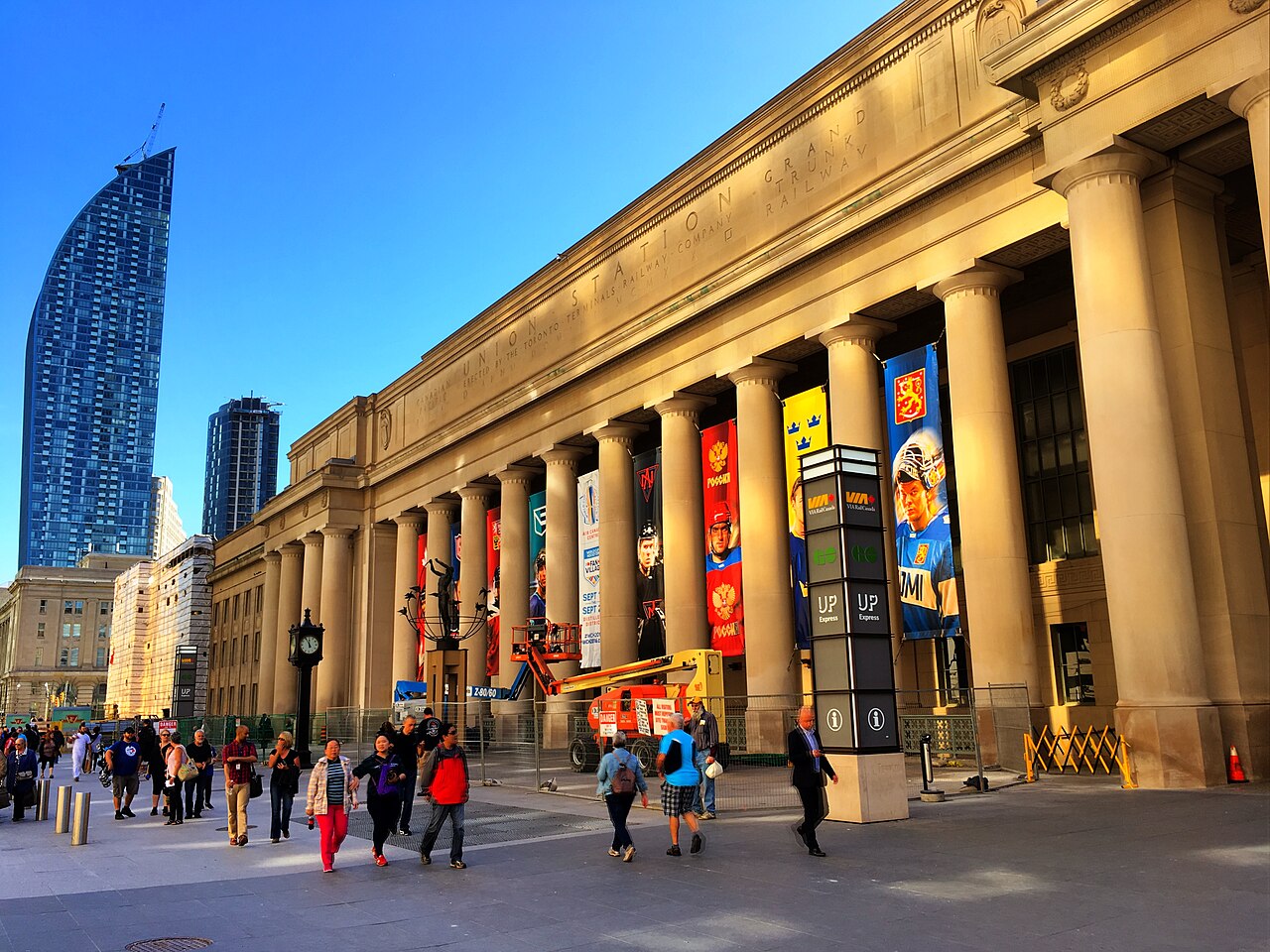
Union Station
65 Front St W, Toronto, ON
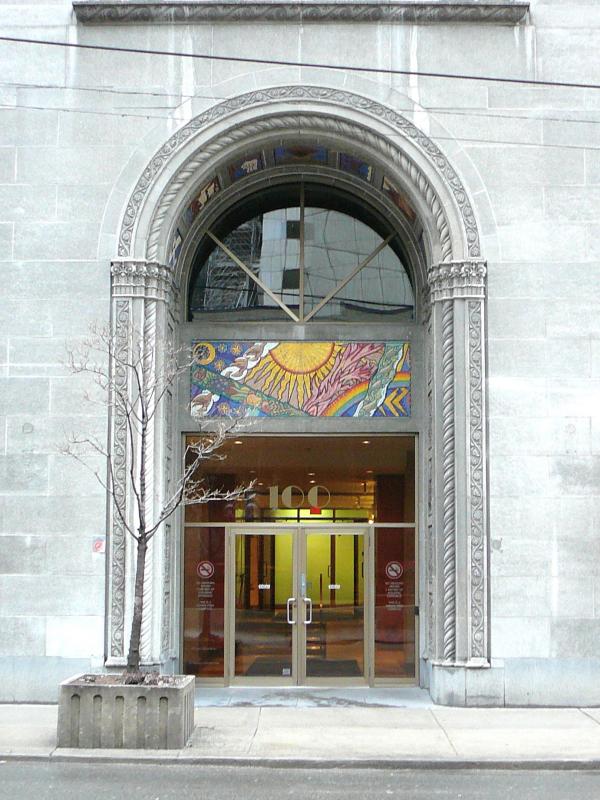
Concourse Building
100 Adelaide St W, Toronto, ON
Beaux-Arts in Toronto: Common Questions
Where can I see Beaux-Arts architecture in Toronto?
You can find Beaux-Arts architecture prominently along Front Street and Yonge Street in downtown Toronto. Notable buildings include Union Station, the Royal York Hotel, and the Elgin and Winter Garden Theatre Centre.
When were the Beaux-Arts buildings in Toronto built?
Most Beaux-Arts buildings in Toronto were constructed between the late 19th century and the early 20th century, a period characterized by significant economic growth and urban development.
What are key features to look for in Beaux-Arts architecture?
Look for grandiose columns, symmetrical layouts, intricate ornamentation, and classical details. Buildings like Osgoode Hall and Massey Hall exhibit these characteristics prominently.
How does Toronto's Beaux-Arts architecture compare to other cities?
Toronto's Beaux-Arts architecture shares similarities with cities like New York and Chicago, featuring monumental designs and classical details. However, local adaptations and materials give Toronto's examples a distinctive character.
Can these buildings be visited?
Yes, many Beaux-Arts buildings in Toronto are accessible to the public. Union Station and Massey Hall offer guided tours, while the Elgin and Winter Garden Theatre Centre hosts performances and events throughout the year.